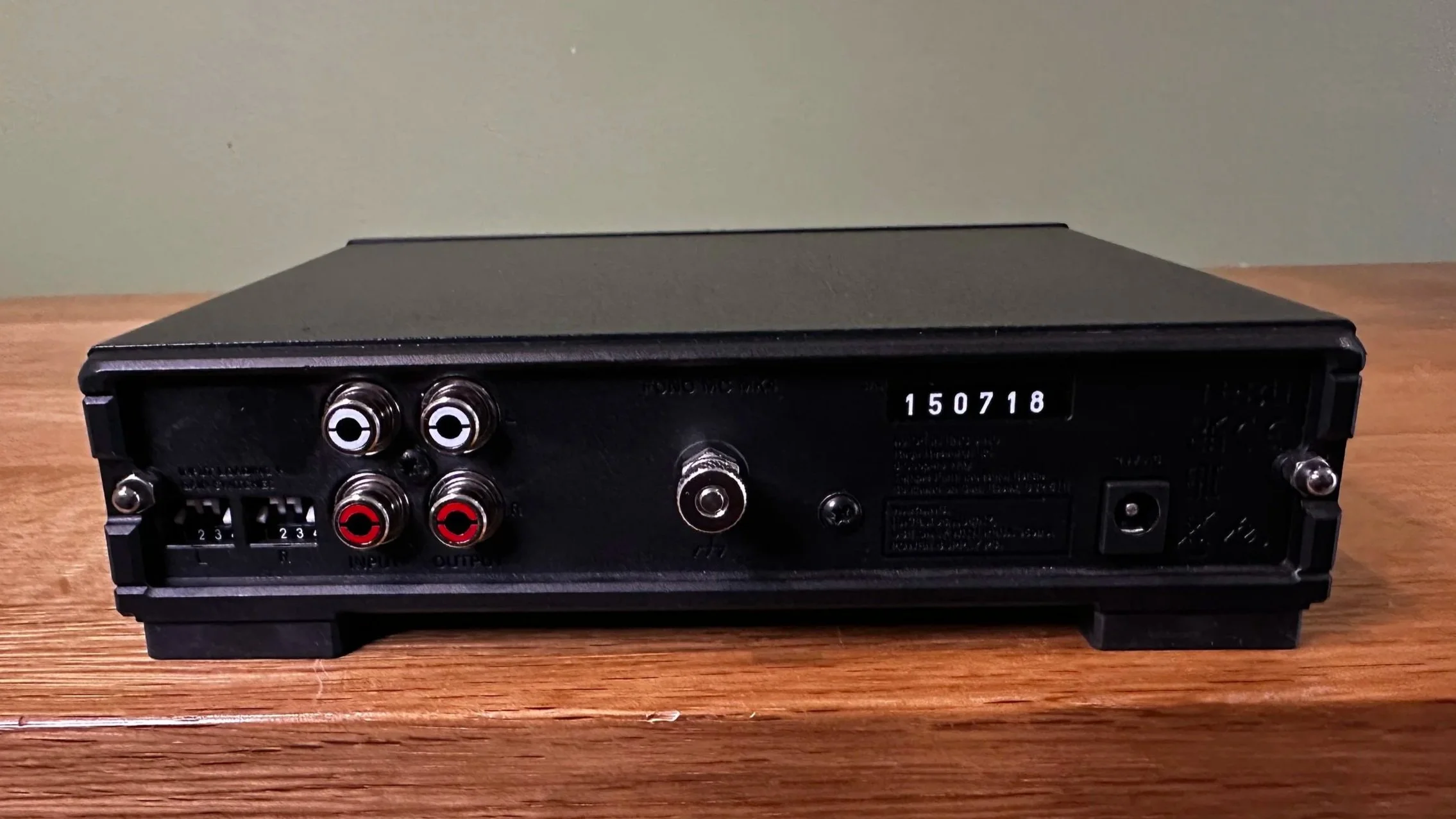
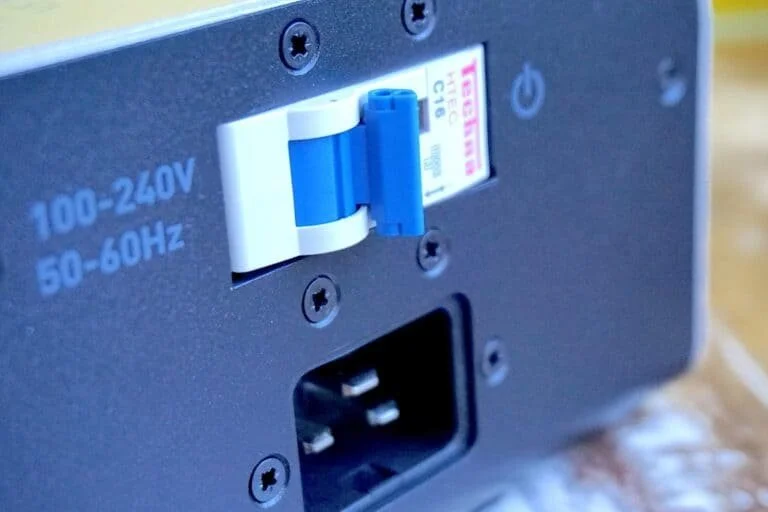
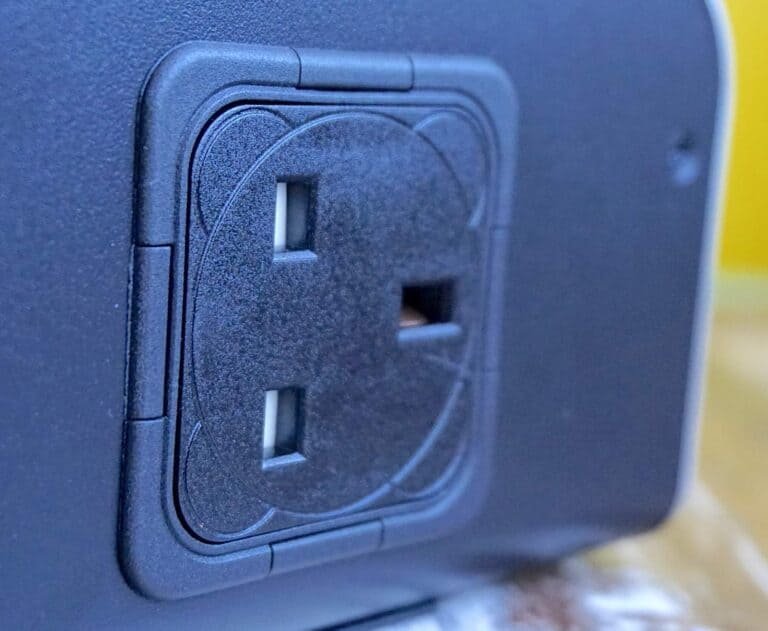
Rega Fono MC vs Rega Aos
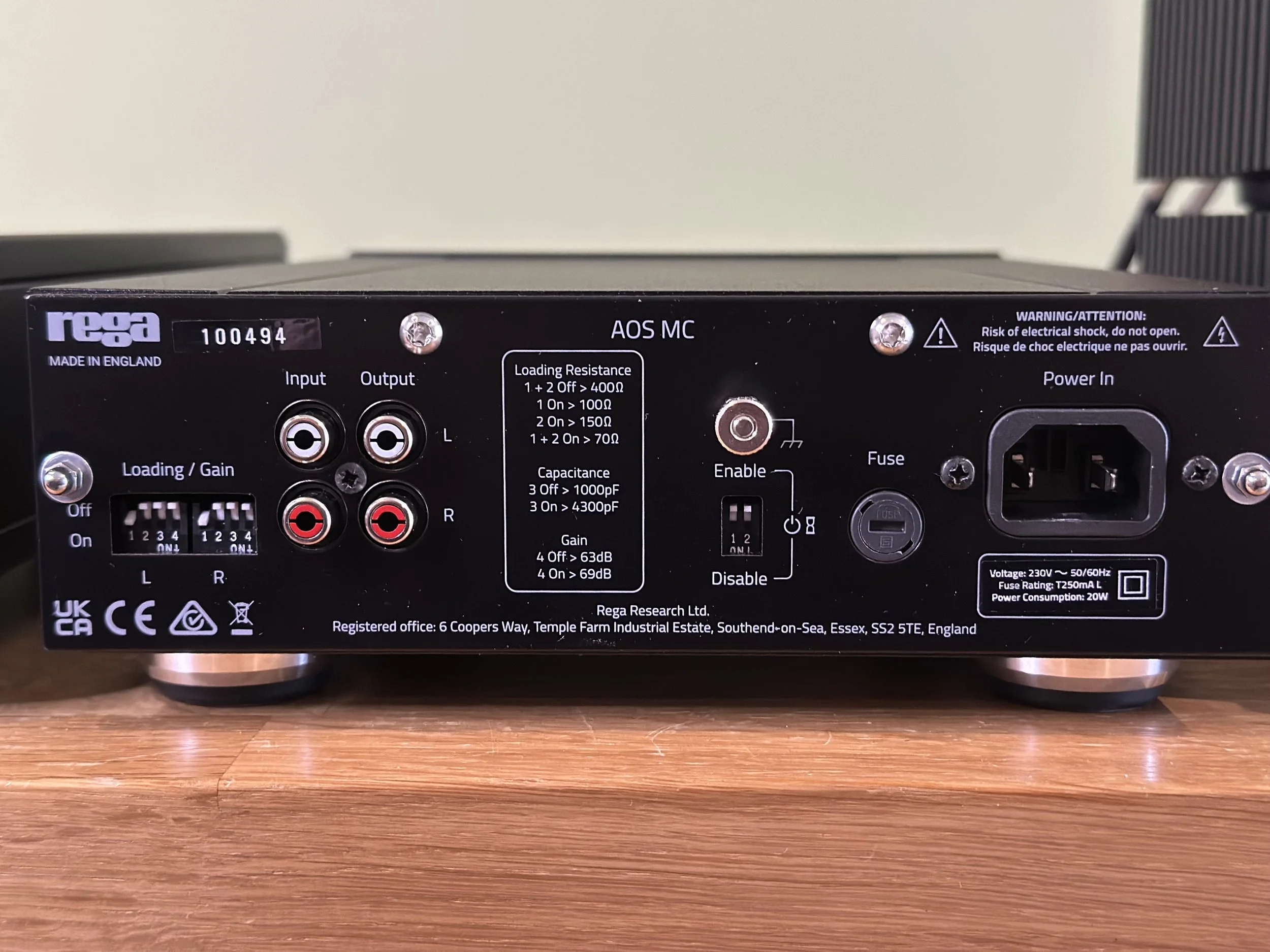
The sonic differences are less about a complete change to Rega’s in-house sound and more about a refinement of Rega’s established presentation.
The Fono MC is fast, rhythmic, punchy, and highly engaging. It is energetic and immediate, with strong timing and attack.
The newer Aos MC pushes that character further upscale toward the much more expensive Aura, with a lower noise floor, greater refinement, improved soundstaging, and a smoother yet more dynamic presentation.
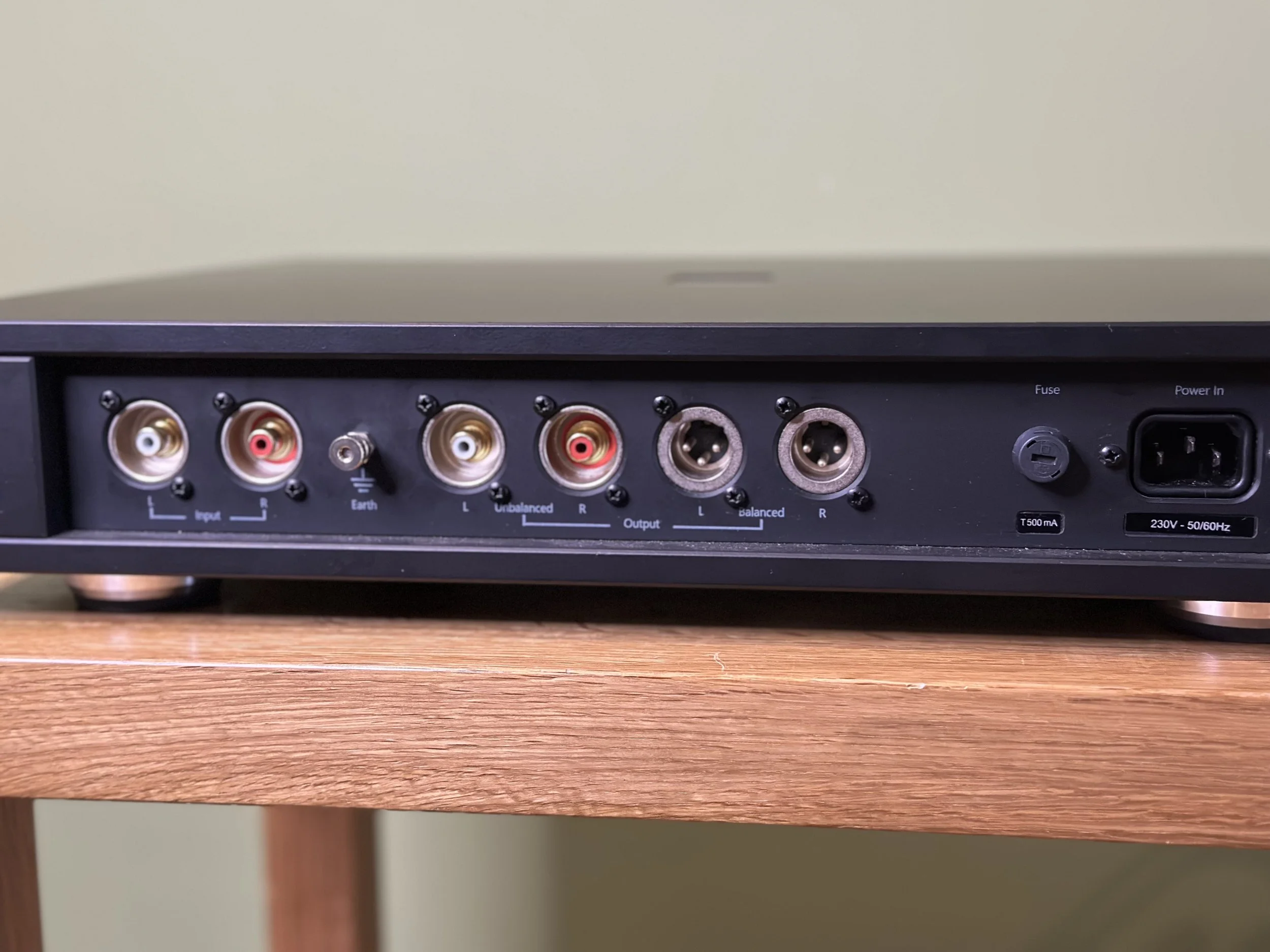
Rega Aos vs Rega Aura
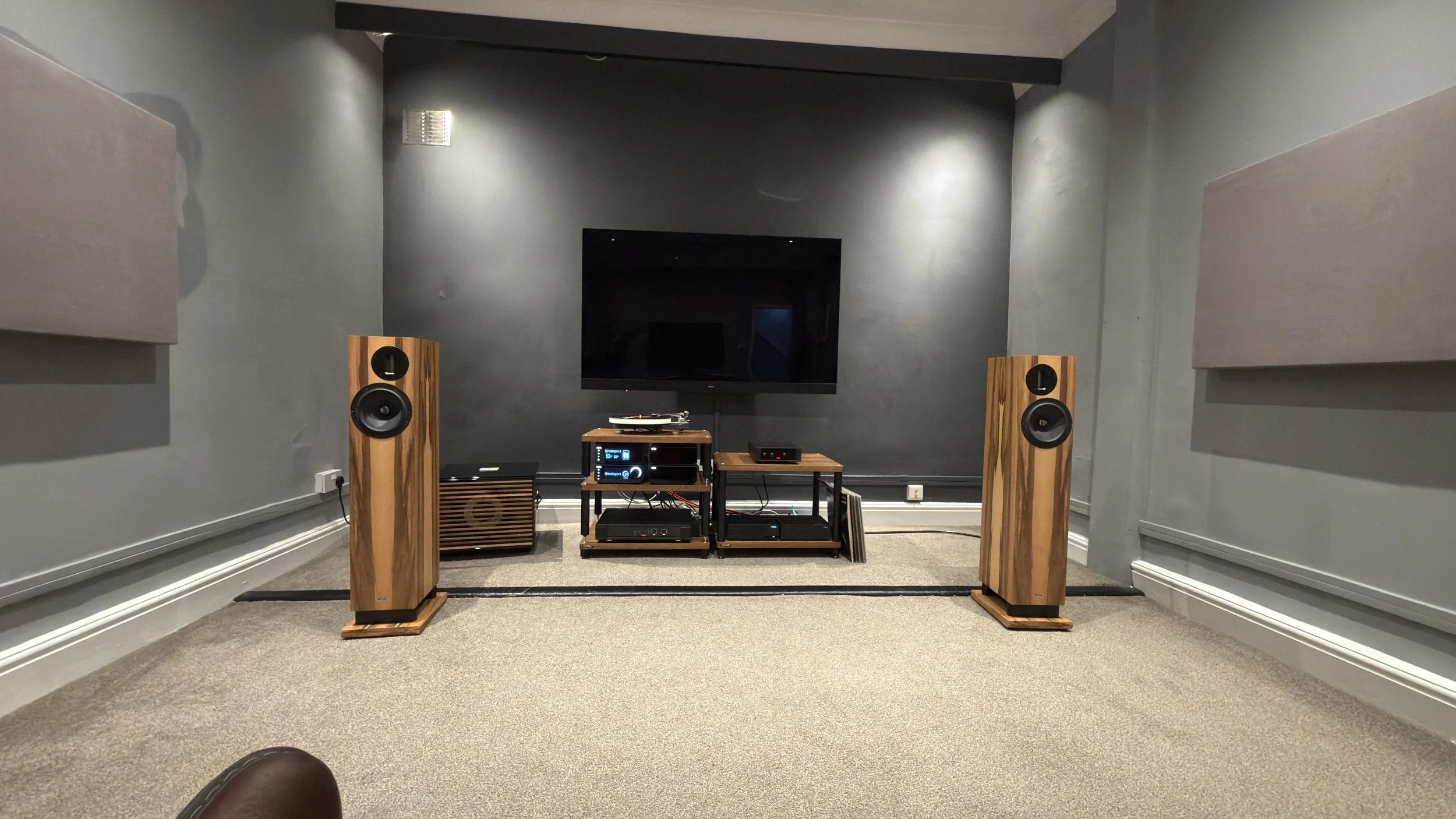
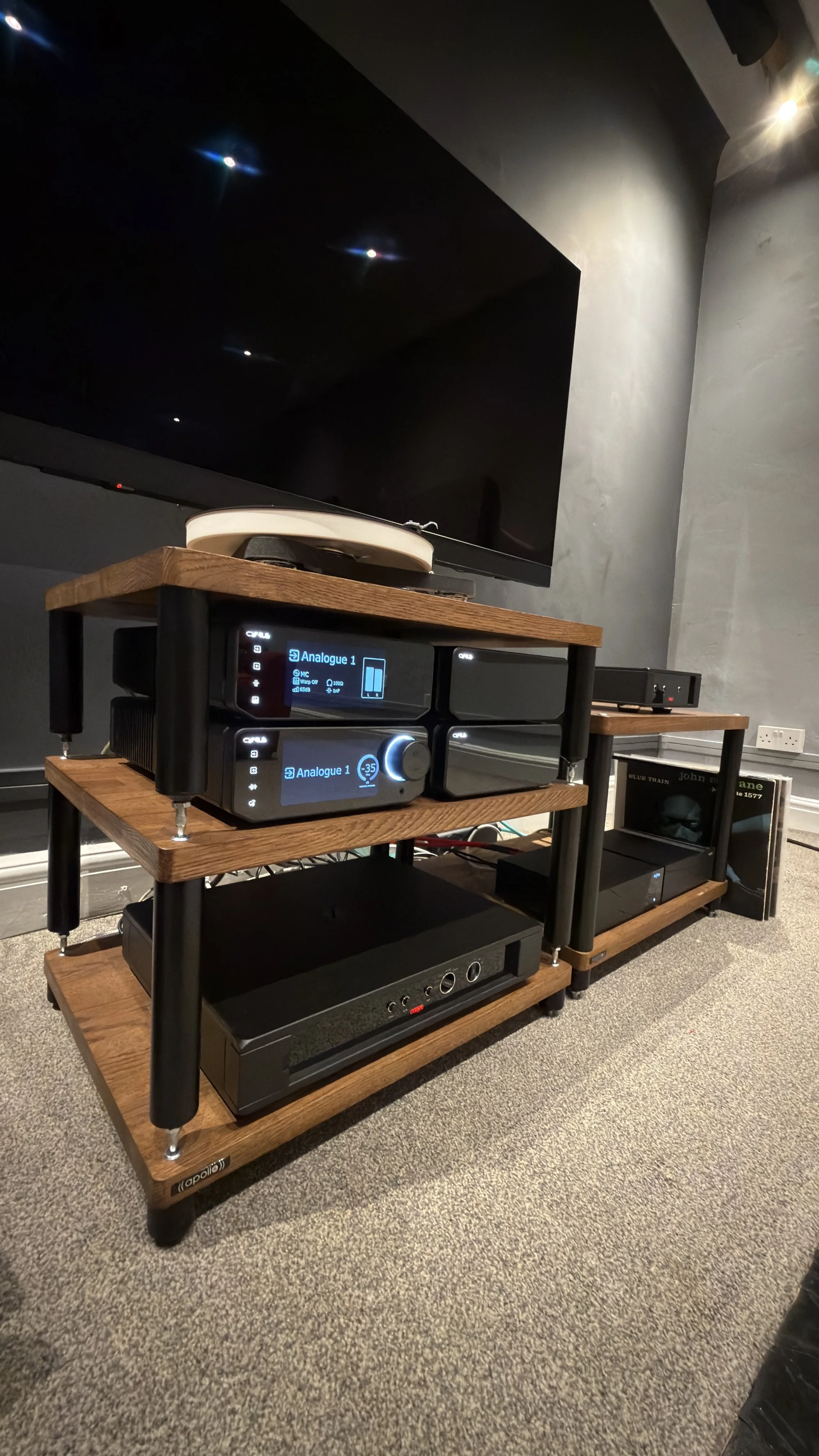
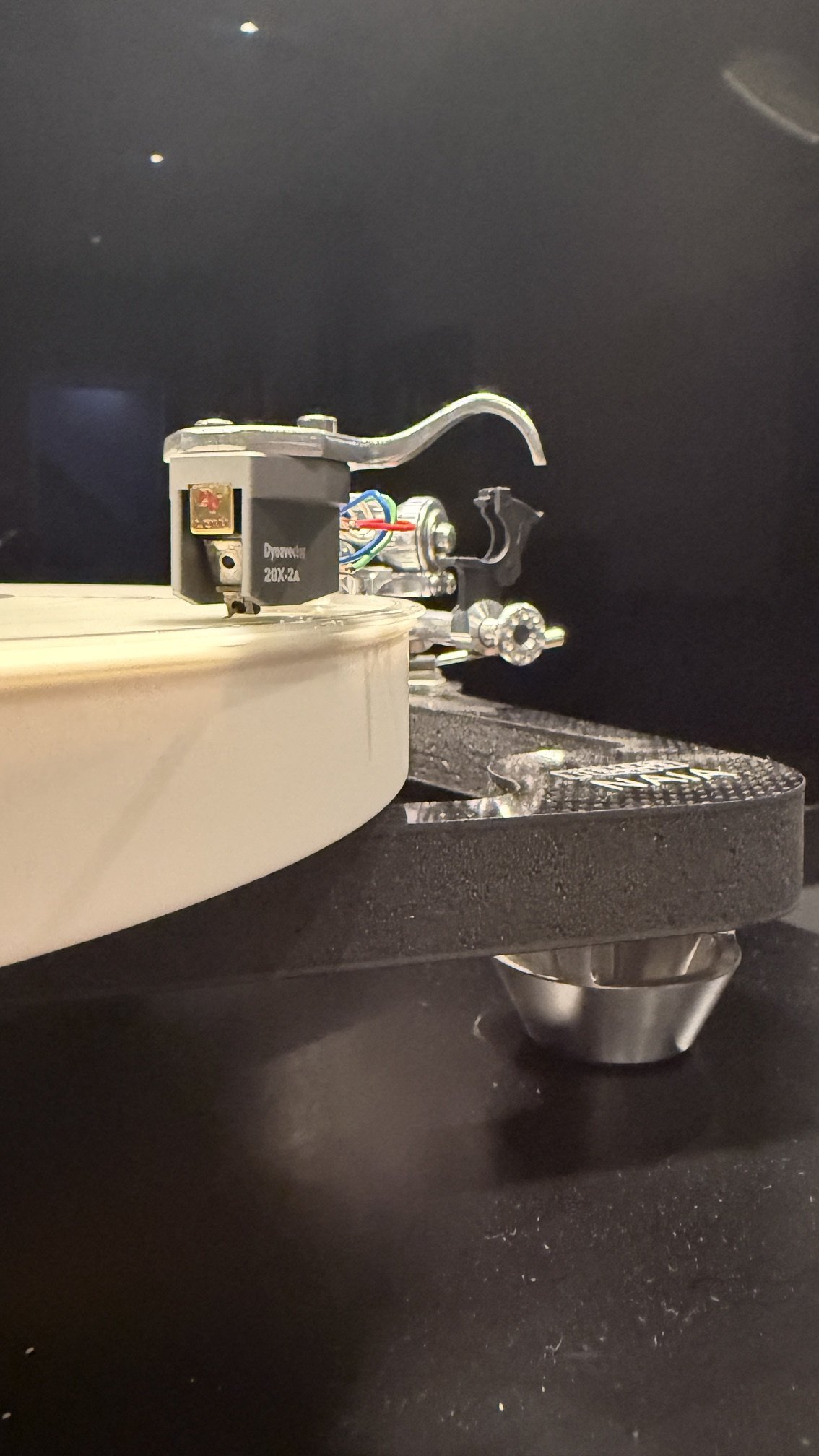
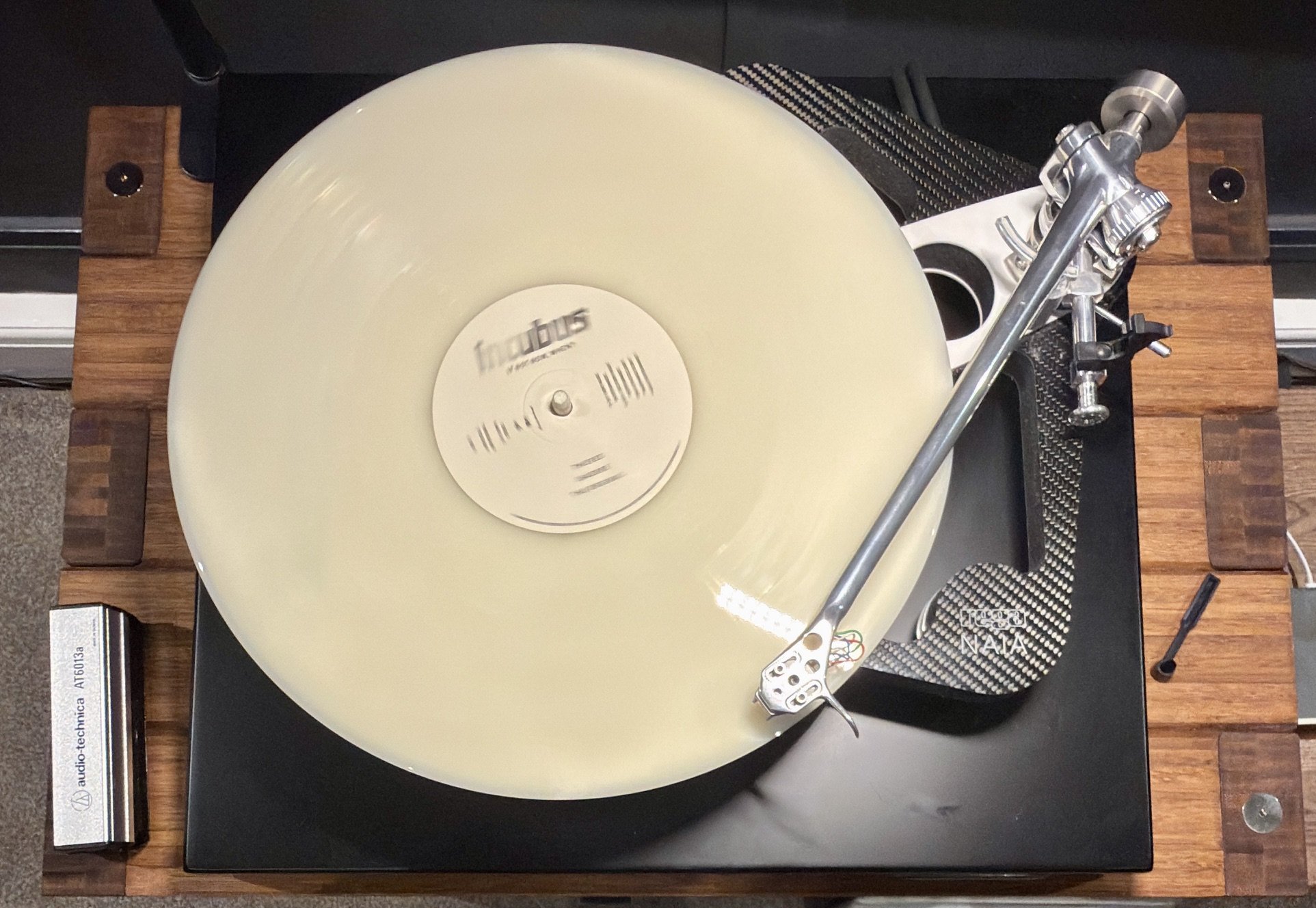
I had the opportunity to use the flagship Naia/Aphelion 2 turntable combination as well as the Planar 8 for this comparison, and it was with the former that the Aura really started to extend its advantages — perhaps not surprisingly.
The sonic difference between the Rega Aos and the Rega Aura is less about tonal balance and more about scale, authority, and the degree of realism each can extract from a moving coil cartridge.
Both are unmistakably Rega, prioritising speed, timing, low colouration, and propulsion. They sound alive rather than lush.
Compared to older Rega stages like the Fono MC or even the now-discontinued Aria, the Aos feels more mature and composed. Notes emerge from a quieter background, textures are better separated, and there is a greater sense of space around instruments.
However, when you move to the Aura, the presentation changes from excellent to breathtaking.
The first thing you notice with the Aura is the effortlessness. Dynamic swings happen without strain. Large crescendos or dense recordings retain separation and stability even when the music becomes complex. The Aos is dynamic and exciting, but the Aura sounds unconstrained.
Bass is another major distinction. The Aos delivers tight, tuneful low frequencies with very good pitch definition, but the Aura reaches deeper and controls bass with greater authority.
There is more weight behind kick drums, more physical texture in upright bass, and more air moving in the room.
The midrange is also where the Aura earns its flagship status. Vocals and acoustic instruments gain space and body in a way the Aos cannot quite match.
Subtle harmonics feel more complete. Listening to piano, the Aos captures attack and timing beautifully, but the Aura captures the resonance and decay of the instrument with greater realism.
Treble refinement is also notably different. The Aos remains clean and extended, but the Aura retrieves low-level information without sounding analytical. Cymbals, for instance, decay in a way that the Aos simply cannot quite manage.
Soundstaging follows the same pattern. The Aos creates a large and stable stereo image with excellent placement, but the Aura expands the stage in all directions. Recordings feel less like left-right stereo and more like an actual performance in front of you.
The Aura also has a darker, quieter background. Tiny reverberations and decay notes are easier to follow.
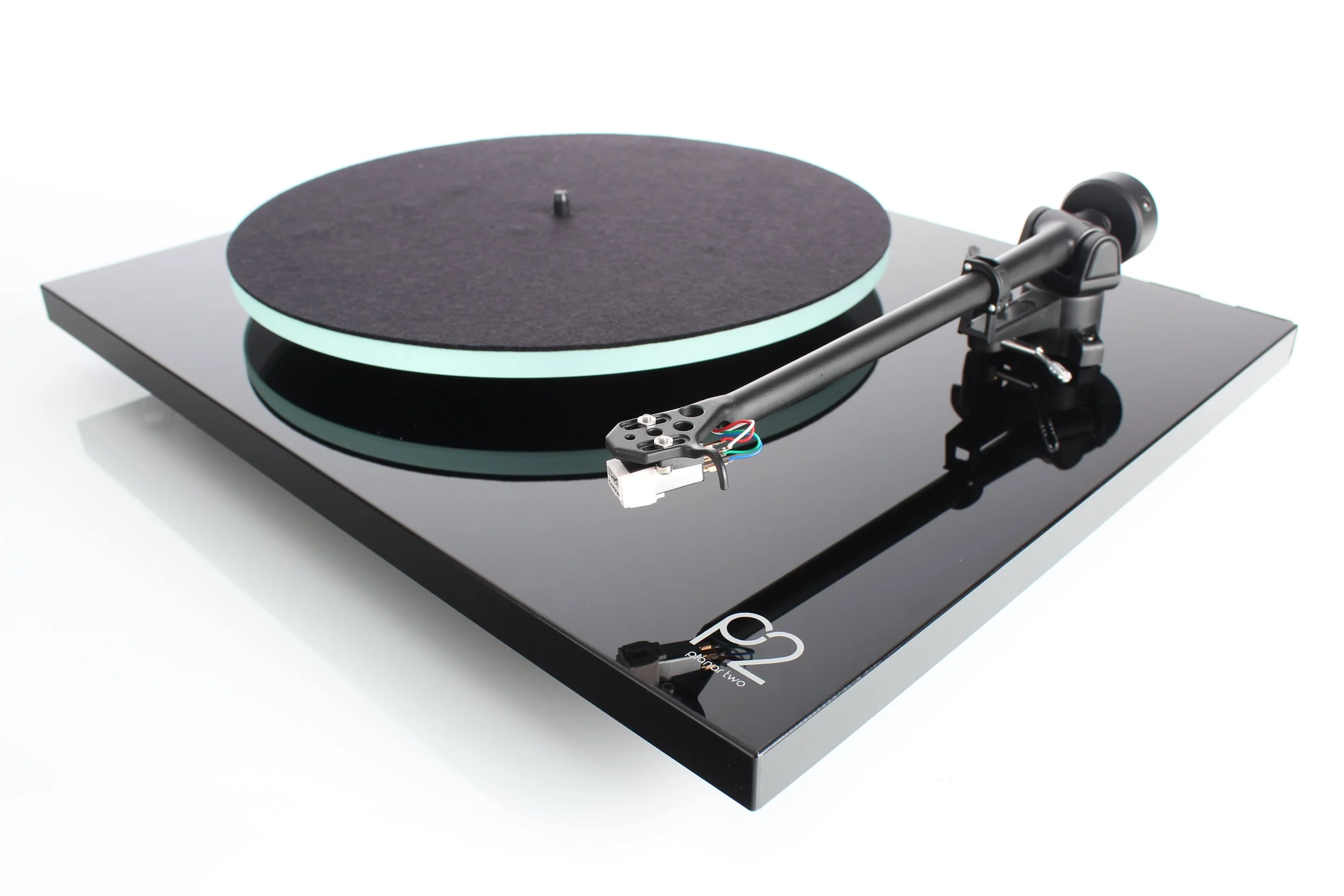
The gap is, to some extent, system dependent. In a Planar 6 or Planar 8 setup with cartridges like the Ania Pro or Apheta 2, the Aos is more than capable. It preserves Rega's rhythmic drive while adding refinement and sophistication.
But in a truly revealing front end — changing the Planar 8 for the reference Naia, for example — the Aura becomes unmistakably superior. The Aura remains the statement piece for complete musical realism.
Thanks for reading, and we look forward to welcoming you soon.
Jon and Andy - Audio T Swindon
If you have any questions about any of the equipment featured in this article, or any other Hi-Fi or home cinema enquiries, be sure to contact us.
If you’ve enjoyed this, why not go ahead and read some more of our other blogs, and be sure to follow us on our social media channels below…