

Fight the Power: The IsoTek V5 Synchro and Polaris Mains Conditioning Solutions
/One of the longest-running arguments in audio circles is whether power conditioners do anything useful, or whether they’re just expensive furniture for people who enjoy arguing on forums. When you factor in the reality that most homes are wired with bulk-standard power sockets and kilometres of cable whose primary job is to not burn your house down, it’s fair to question why anyone would spend their hard-earned money trying to “fix” the electrons coming out of the wall. It all starts to sound a bit mysterious and dramatic, with little agreement about what’s actually happening.
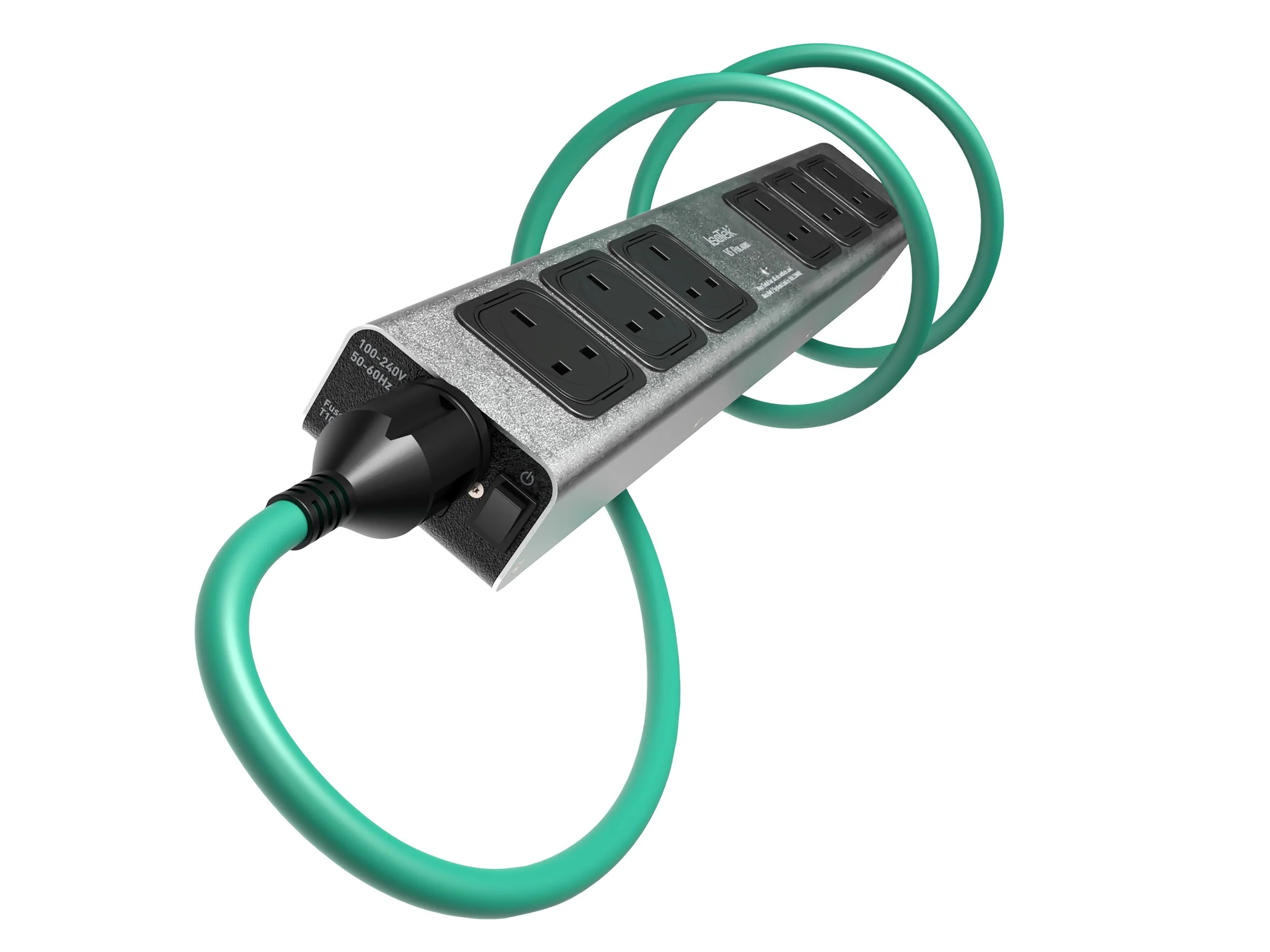
the isotek polaris mains conditioner. let’s face it, about as sexy as you can make an extension lead look.
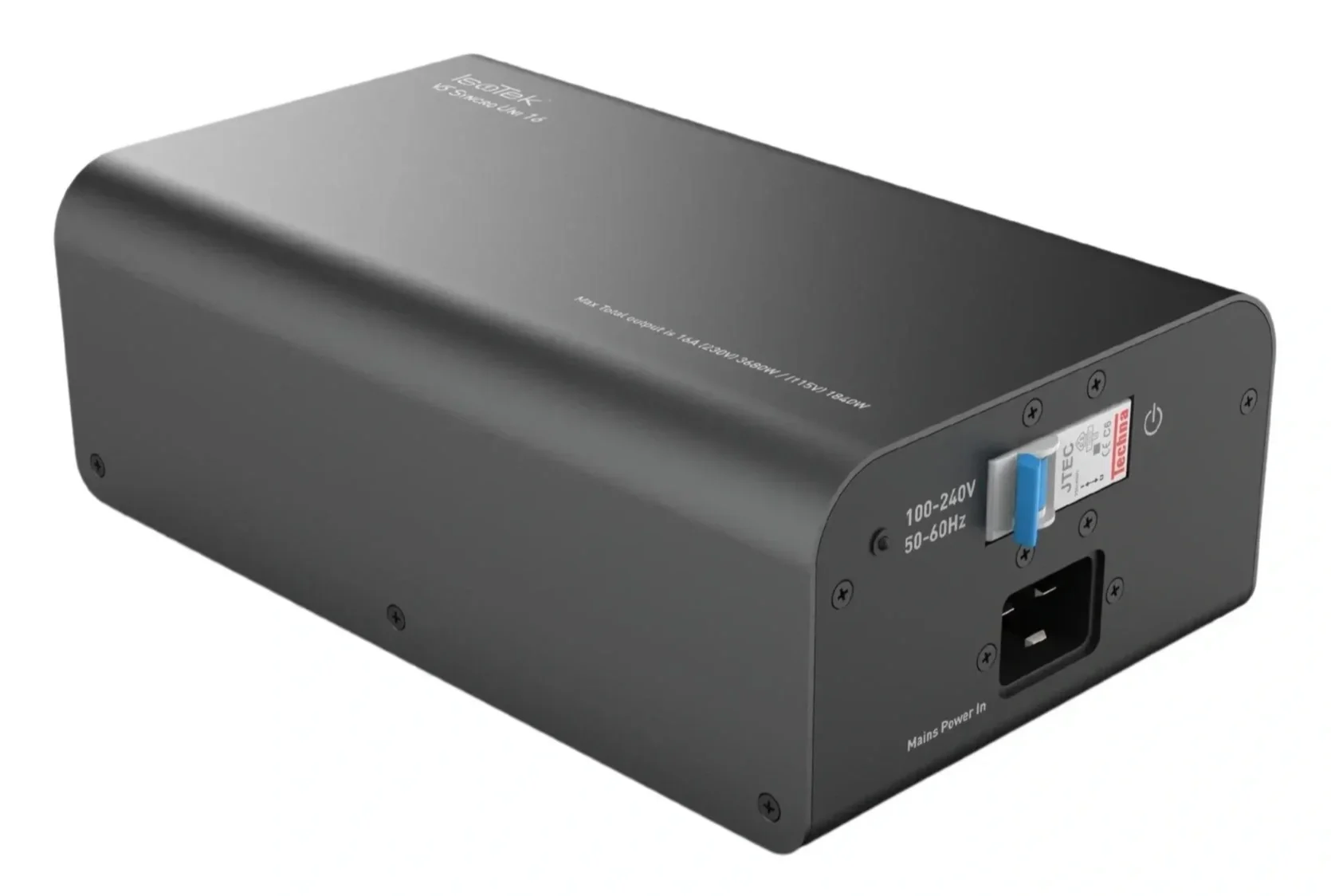
the isotek v5 synchro uni 16 dc blocker
Over the past 20 years, I’ve owned exactly two power line conditioners; one of them remains in service. I know it works because when I unplug my TV from it, the noise floor becomes visible immediately. Image sharpness drops, background haze creeps in—and this from a modern Panasonic OLED display using FilmMaker Mode, i.e. no extra processing is performed by the TV which may muddy the gin-clear waters created by our Director of Cinematography. Clean power matters, and some gear benefits from conditioning whilst some appears not to. It’s why blanket recommendations are usually ill-advised.
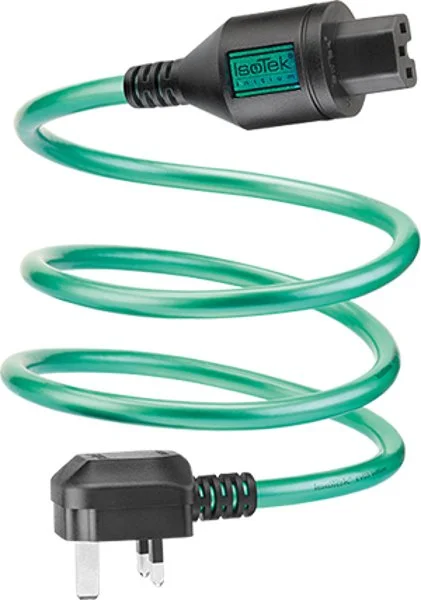
that initium power cable. use them between your gear and the polaris for enhanced performance
The IsoTek V5 Polaris fits squarely into the “does what it says on the tin” category. At £695*, with the included Initium C13 power cable, it’s a compact six-outlet power-cleaning bar designed to reduce both differential mode and common mode noise whilst maintaining stable current delivery. Compared to the previous version, IsoTek claims nine times more differential mode filtering, lower resistance for better current delivery, a 60 percent improvement in DC resistance, and upgraded surge protection.
All of this goodness comes in a chassis that weighs a little under 3 kilos and doesn’t dominate the hi-fi rack. It sits behind, usually on the floor, but can be wall-mounted, quietly out of sight.
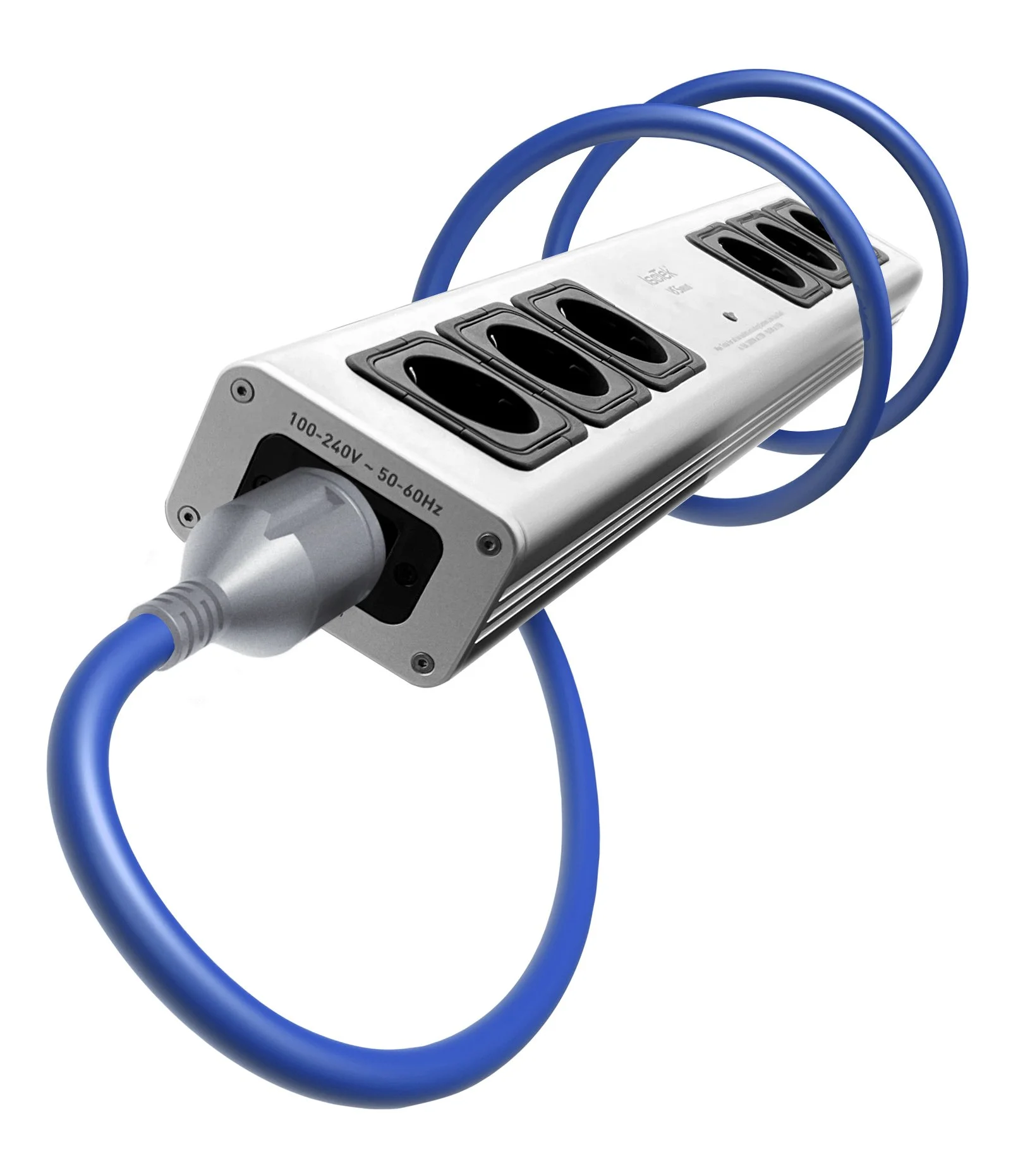
the rather more muscular sirius power conditioner comes with a purple cable this time. you can make power bars look sexier! who knew?
Each power outlet is isolated and references a central PCB with doubled copper loading and silver plating to prevent noise from hopping between components. IsoTek’s ‘delta filter topology’ delivers more than 20 dB of noise reduction at 1 kHz and 40 dB at 10 kHz, which is where RFI becomes most noticeable and annoying. Internal wiring is silver-plated, oxygen-free copper with an FEP dielectric (aerospace-grade Fluorinated Ethylene Propylene, which has a very low dielectric resistance). This is used to protect the conductors, as well as providing an ideal conductor contact dielectric for the internal power delivery system. IsoTek’s ‘KERP’ design ensures equal resistance and equal power delivery to all outlets. The Polaris supports 100–240V operation, up to 10A, handling 2,300W at 230V, and provides surge protection up to 45,000 amps—which seems like an awful lot. IsoTek recommends the higher power-handling 16A V5 Sirius at £1,295* if higher current draw kit, like hefty power amplifiers and/or subwoofers, are in play.
In use, the V5 Polaris makes its case most clearly with source components and displays, where reduced noise readily translates into audible and visible improvements. The effect upon integrated amplifiers is more subtle, but still very much worthwhile. I thought to use modest, real-world equipment rather than anything particularly exotic, to ascertain if affordable gear benefits as much as the highly strung, pedigree high-fidelity units we have become accustomed to in-store (it’s a tough job, but… etc.).
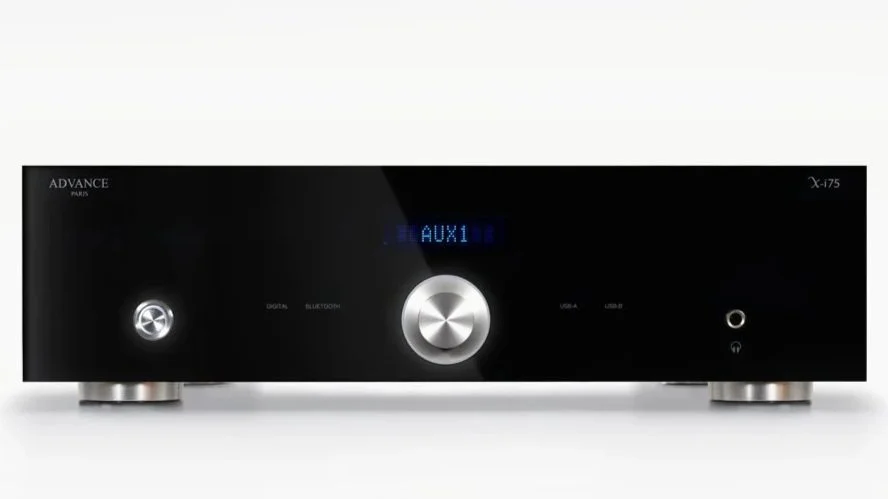
advance paris x-i75 remarkably good for the money. ask for a demo if you’re in the market for a £1k amp
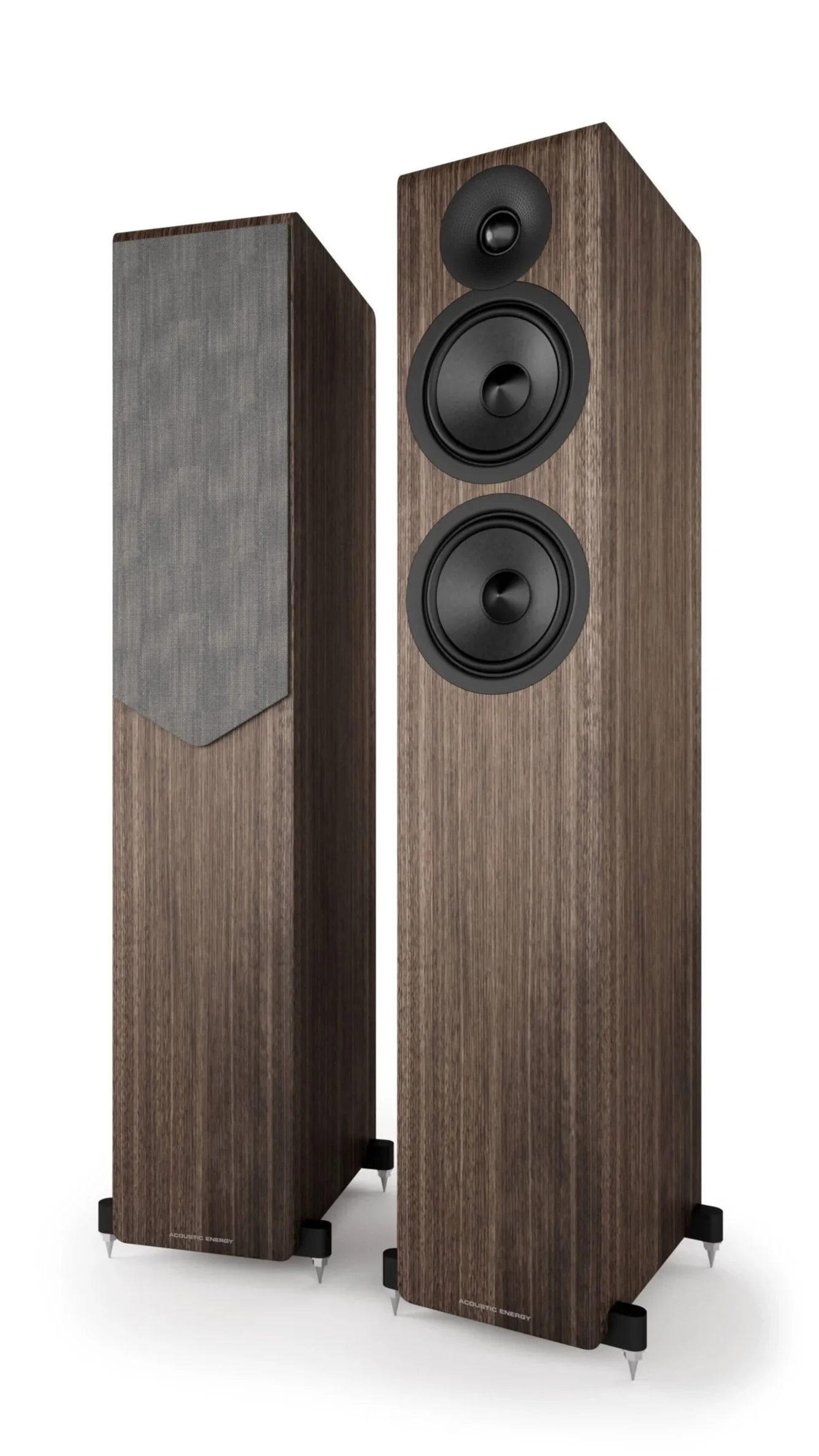
the wonderfully natural acoustic energy ae309 mk2. love these things
Switching between the V5 Polaris and the wall socketry of our upstairs demo suite made the differences pretty clear. Plugged into the Polaris, our Advance Paris X-i75 amplifier had better definition, and the bass tightened up considerably. The overall tonal balance didn’t shift, but the presentation was definitely cleaner, and the X-i75 appeared to have more grip over our favourite £1200 speakers, the Acoustic Energy AE309². The top end had more clarity, mostly noticeable with vocals and jazz, where sibilants softened and micro-details came through with a bit more ease.
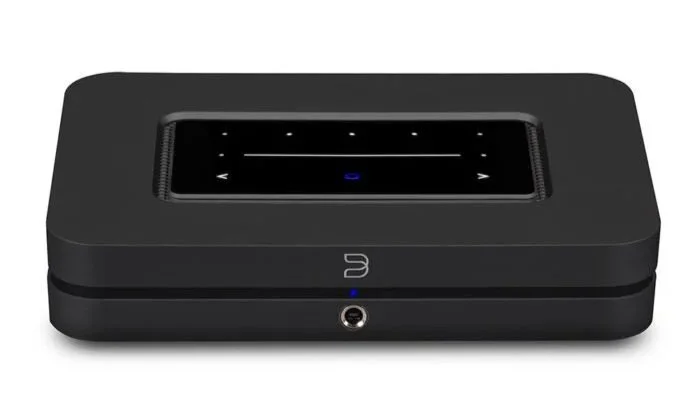
the node mark4. great little media player on its own, but the performance is next-level when partnered with an ofboard dac.
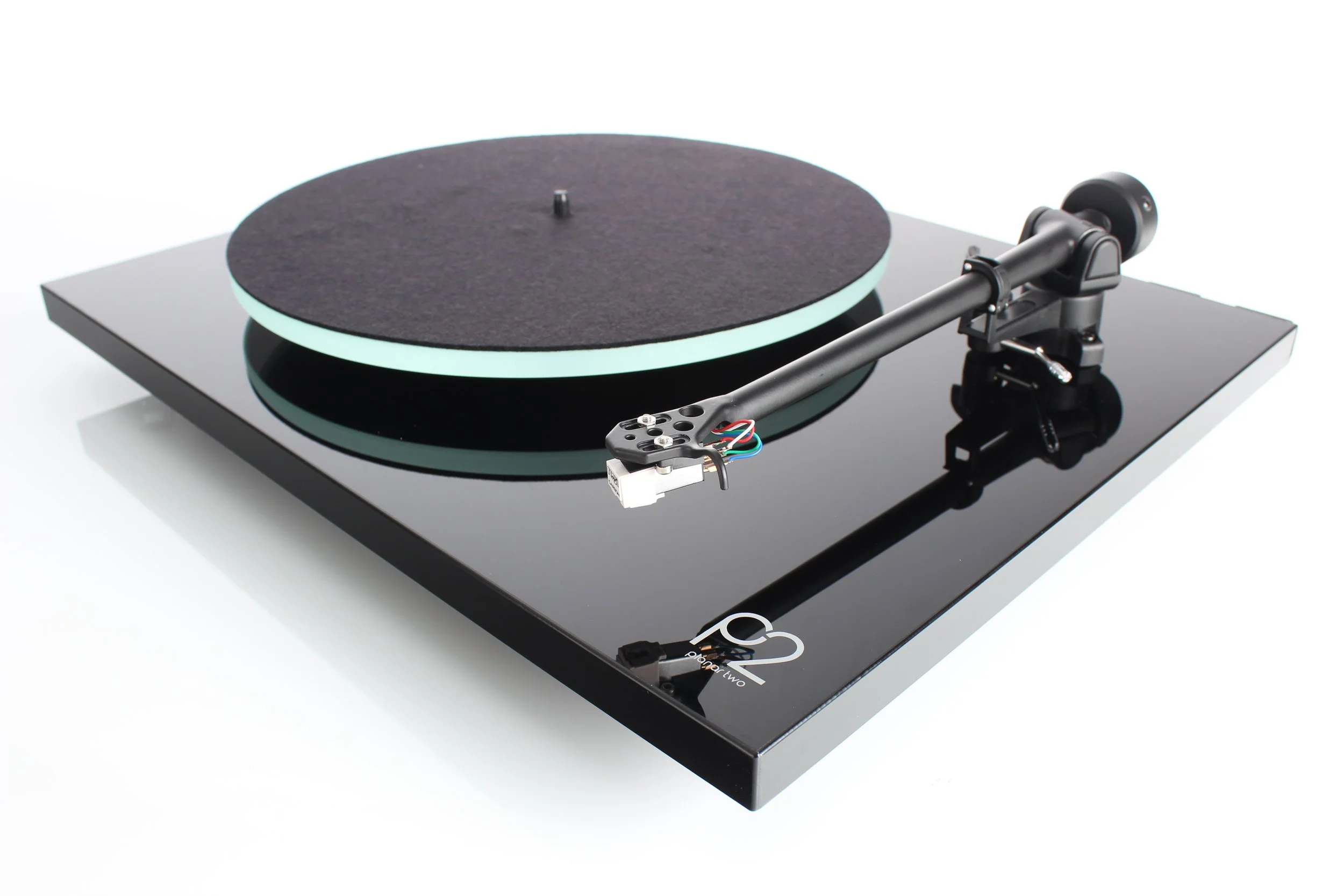
rega’s planar 2. fantastic value turntable which will repay a little light upgrading.
The bigger changes came from the sources. Our favourite reasonably priced streamer, the Bluesound Node 4 at £499*, the new Rotel CD11 Mk2 CD player at £549, and a Rega Planar 2 turntable at £525 sounded different enough that I pulled the X-i75 amp out of the Polaris just to confirm I wasn’t imagining anything. Same result: cleaner, less noise, better impact. Vocalists moved slightly forward in the mix with more precise imaging; instruments appeared more solid and in focus. Interesting stuff.
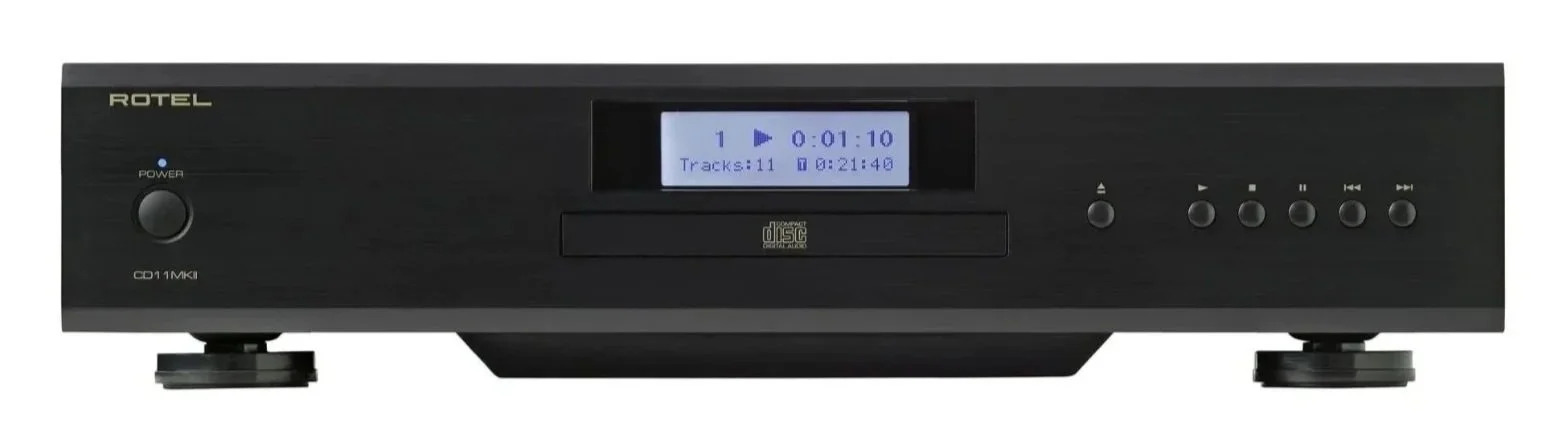
rotel cd 11 mk2 such a grown-up sound from such a modest unit
The takeaway is pretty simple: the IsoTek V5 Polaris isn’t magic. It won’t fix bad gear, and it won’t justify itself to the sceptics who think all conditioning is snake oil. But used correctly and in the right system—even a relatively modest one like our example here—it does what a power conditioner is supposed to do: tidy up any messiness without getting in the way and make your hi-fi sound like the component designers (and we!) intended.
Our listening pleasure can be limited and spoiled by many things, including the DC component in the electricity supply. This can saturate the toroidal transformer in hi-fi equipment, make them mechanically hum, and in some cases lead to a deterioration in audio performance. As the world and our homes accumulate more diverse electronic devices, the DC component becomes increasingly apparent. The addition of solar panels and EV charging to our streets will only increase these phenomena. IsoTek has always had a solution to this problem, currently personified in the latest V5 series of components connected with filter circuits.
IsoTek V5 Synchro units are available with the moniker 10 (as in 10 amps) and 16, for 16 amps. They do not differ in function, only in the supported nominal current and slightly in shape and dimensions. The larger V5 Synchro Uni 16 model we have on demonstration here in Swansea is enclosed in a simple case with radiused corners; on one side is the input, on the other the output. Nothing too complicated.
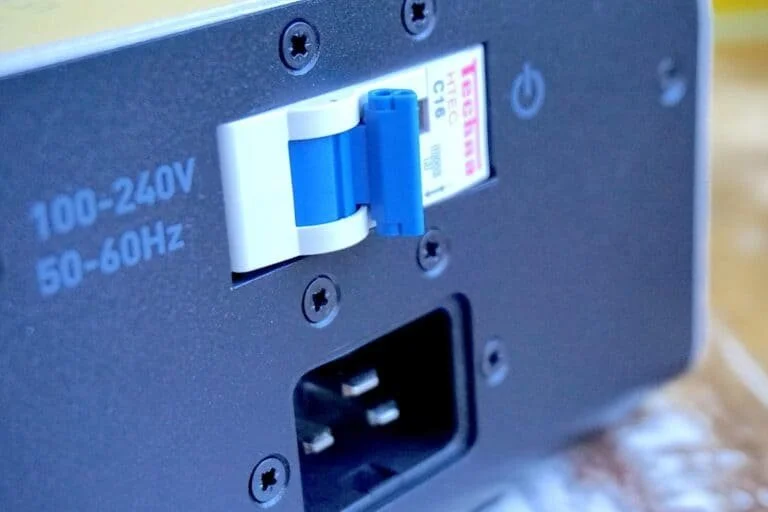
the isotek synchro uni 16 displaying the 20a socket and the high quality circuit breaker above.
Above the C19 input socket is a circuit breaker and a very bright white status LED, a feature shared with other V5 series filters. Behind the 16A thermomagnetic circuit breaker is a safety circuit, then a radio frequency interference filter, and then the DC filter itself, consisting of 32 elements whose impedance does not exceed 0.02 ohms, so it should not be an obstacle to the electric current. Before the output itself, IsoTek has placed a classic filtration circuit—a kind of “extra bonus” to remove any lingering DC component. At the output end, we find a regular UK 13A socket, just like the ones in your walls at home.

the synchro sporting the socket into which you plug the power lead that attaches to a polaris or sirius.
All the cabling inside is made of silver-plated 6N purity copper in a Teflon dielectric, just like the Polaris power bar. The filtration efficiency is up to 4V DC, which we are reliably informed “is quite enough”. The grounding solution is based on the popular star configuration. IsoTek also uses a thermomagnetic circuit breaker, which it claims far surpasses even “audiophile fuses” (yes, they’re a thing) in performance. The energy flows along the printed circuit board through thick copper paths; there are 36 copper and silver capacitors in said path, with a total capacity of 169,000 µF. Thanks to them, the V5 Synchro Uni 16 can “hold” a short-term peak of up to 500 amps.
The goal of the V5 Synchro Uni 16 is said to be not only removing the DC component and thus quietening our transformers, but also improving the sound due to the absence of micro-vibrations in the transformer. The service life of the components should also end up being longer, because an unsaturated transformer does not heat up as much, so its life is made that much easier, etc. Connecting the Synchro into the mains, then plugging the Polaris into the Synchro, we fired up the system.

lover’s rock by sade. smooth baby, real smooth
Accessories are where common sense evaporates if you’re not careful. Cables, isolation devices, power products, and room treatments can absolutely improve a system when used rationally, priced sensibly, and applied to gear that’s actually worth optimising. Spend money on speakers, amplification, sources, and music first. After that, well-made cables, proper isolation, and selective power conditioning can refine performance, improve usability, and lower noise without veering into audiophile cosplay. What they won’t do is fix bad gear, override poor system matching, or justify prices that rival core components. The moment an accessory costs more than what it’s supposed to help, you’re no longer tuning a system. It’s better to buy the stuff that’s engineered, proven, and priced like it exists in the real world—and ignore the rest.
A very solid thumbs-up for the Polaris then—what about the Synchro?
‘Lovers Rock’ by Sade (2000, Epic Records) has a beautifully rich bass (especially with the help of the Polaris), and after connecting the Synchro it noticeably relaxed, but the music in its lower octaves lost none of its emphasis and separation. Instead, it became significantly softer, warmer, calmer, more comfortable, and noticeably less mechanical.
Likewise, the treble component in Beth Orton’s ‘She Cries Your Name’ (1996, Heavenly UK): it was absolutely clear that here was a cleaner and more penetrating delivery, with better separation of individual instruments and their longer, more differentiated decay. Each note sounds cleaner, less harsh, calmer, and smoother. The V5 Synchro Uni 16 removes something mechanical from the sound, and the listening experience has significantly more sweetness and musicality. It’s really rather lovely, actually.

beth orton’s 1996 album ‘trailer park’ from which four singles were released..
It seems that the IsoTek V5 Synchro is not only an effective DC filter (which you can easily confirm by putting your ear to the toroids in systems that simply go silent), but also works (at least with the V5 series of filters from IsoTek) as an ideal additional “pre-filter”. It does its job without the music losing its confidence, energy, or definition after connection; it also sounds warmer and more relaxed. Digital media is rendered less neurotic somehow; the musical component is emphasised. The effect is extremely interesting, and in both cases it seemed to us that, for not unreasonable money, the Synchro not only removes the unwanted DC component but underlines the musicality and depth of the listening experience.
My own Synchro is already on order…
Thanks for reading.
Adrian – Audio T Swansea
If you have any questions about any of the equipment featured in this article, or any other Hi-Fi or home cinema enquiries, be sure to Contact Us.
If you’ve enjoyed this, why not go ahead and read some more of our other blogs—and be sure to follow us on our social media channels below…
IsoTek can be found at the following Audio T stores