
Does Hi-Fi Have to Be Expensive? Why System Matching Matters
/Can money buy you more musical satisfaction? Well, it certainly can. There are some wonderful high-end Hi-Fi systems out there, and extra investment can bring very real improvements. But getting a system right involves rather more than adding up the price tags.
Some of the most enjoyable set-ups I have heard have been comparatively modest affairs, carefully chosen so that the individual components work together. The sort that has you reaching for another record and losing track of the time.
So, does Hi-Fi have to be expensive to be any good? In my experience, there is a great deal of musical enjoyment to be had from spending carefully. Come with me now and I will show you one of those wonderful music makers!
So Good I Had to Write About It
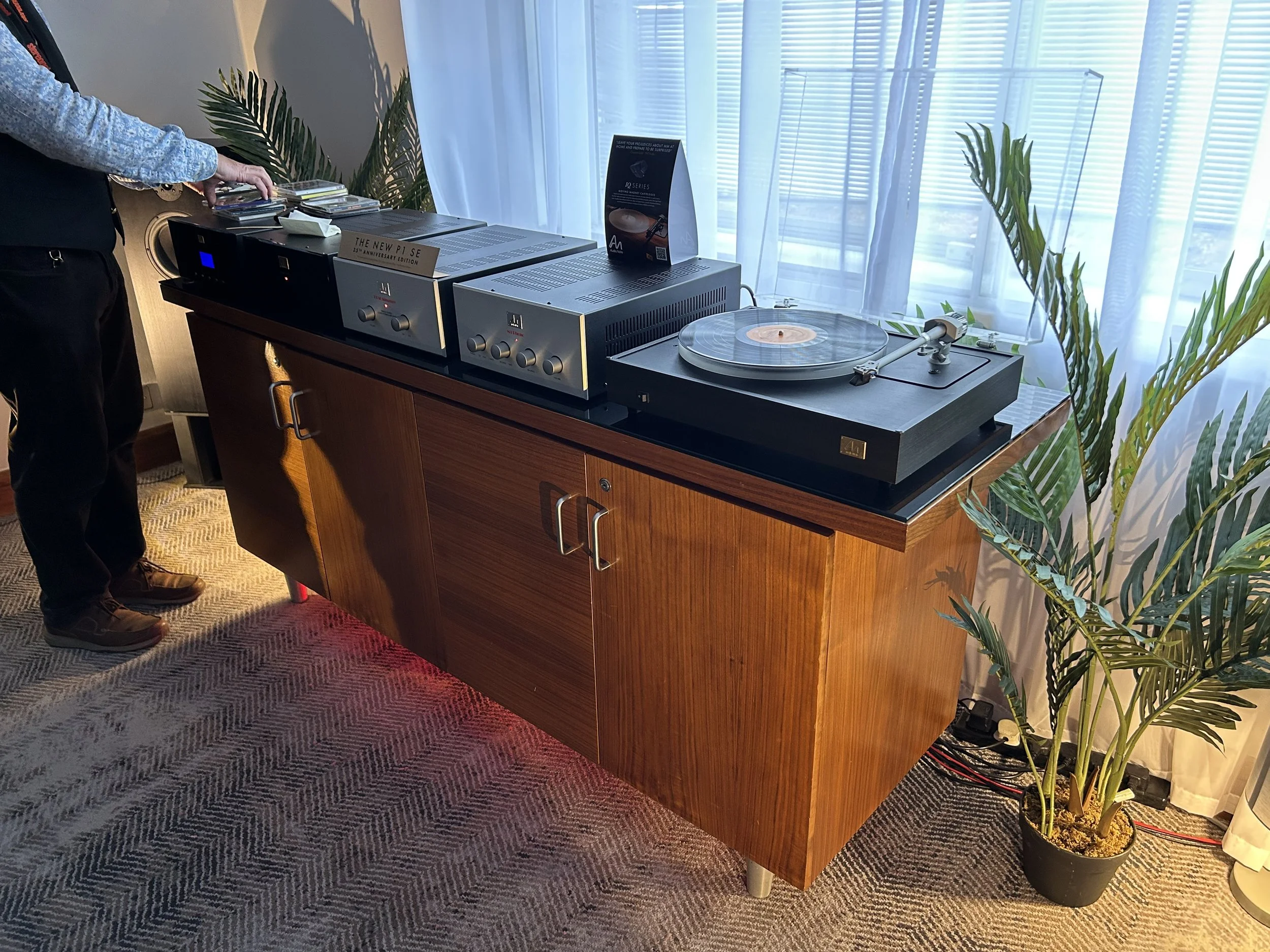
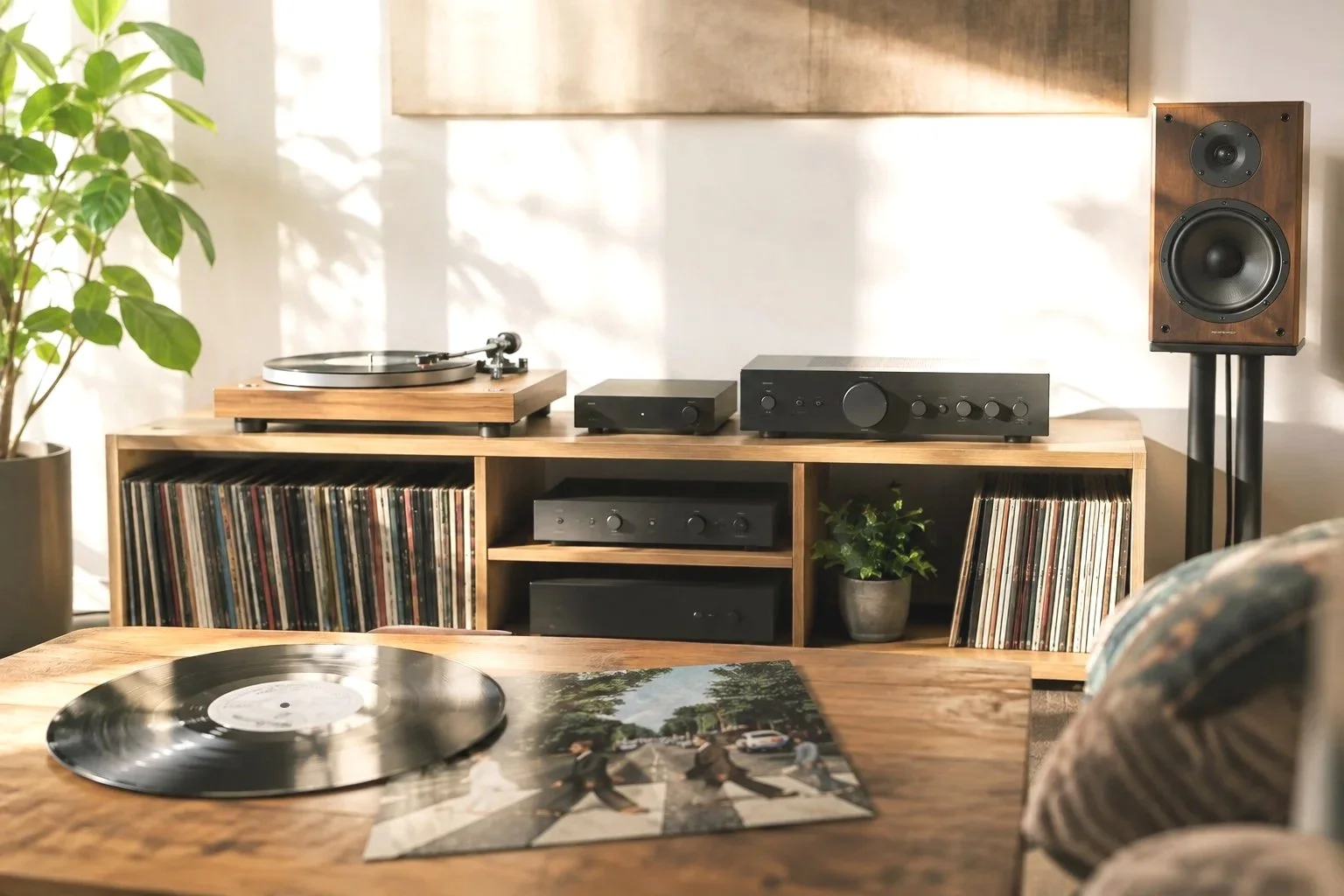
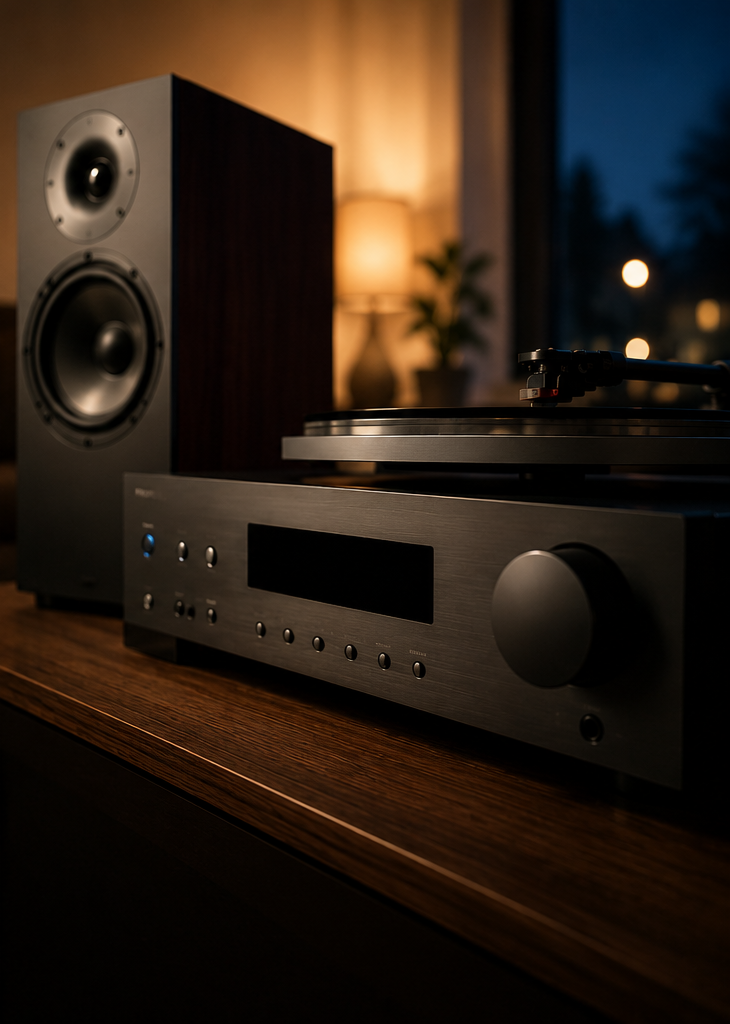
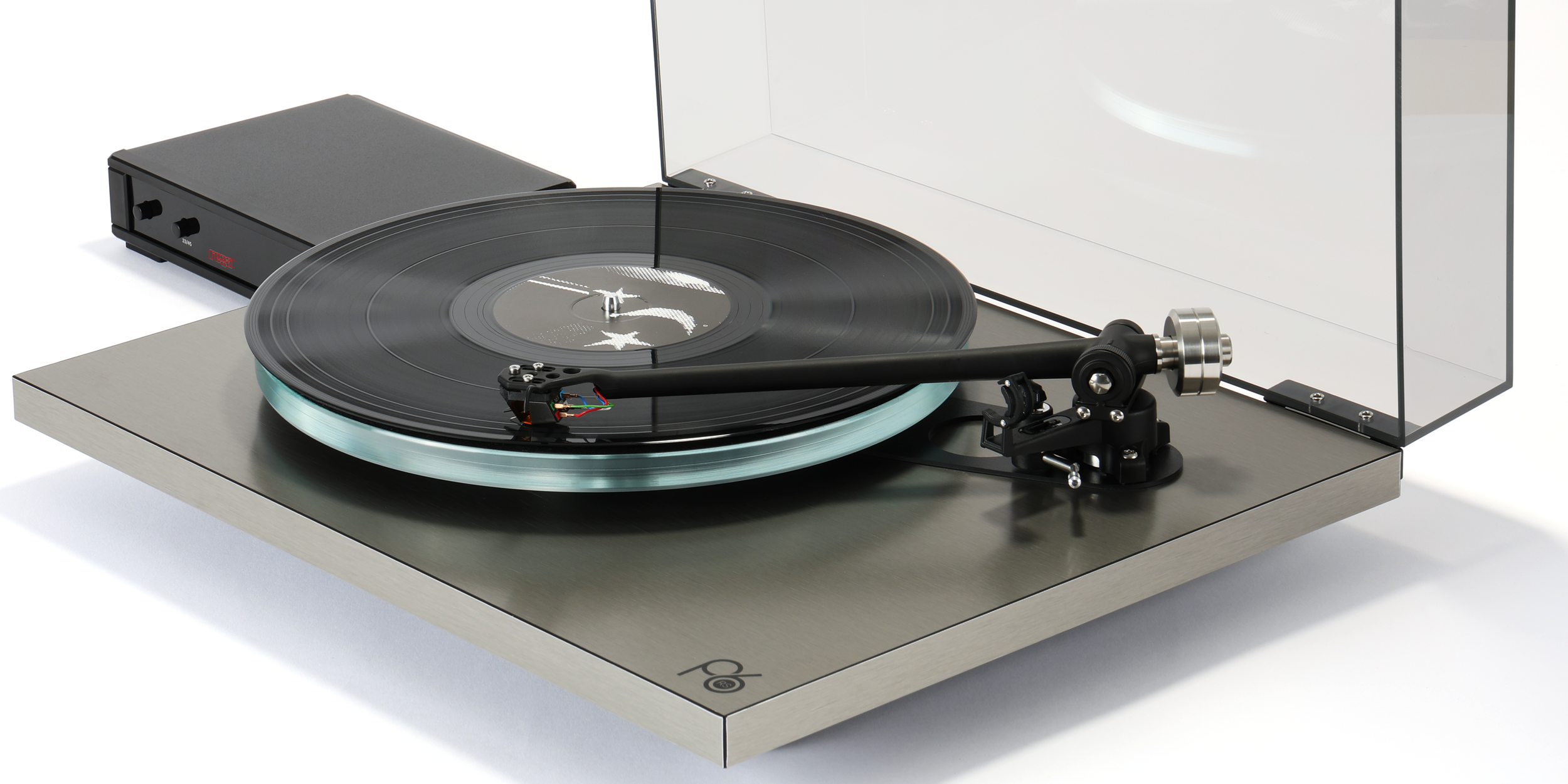
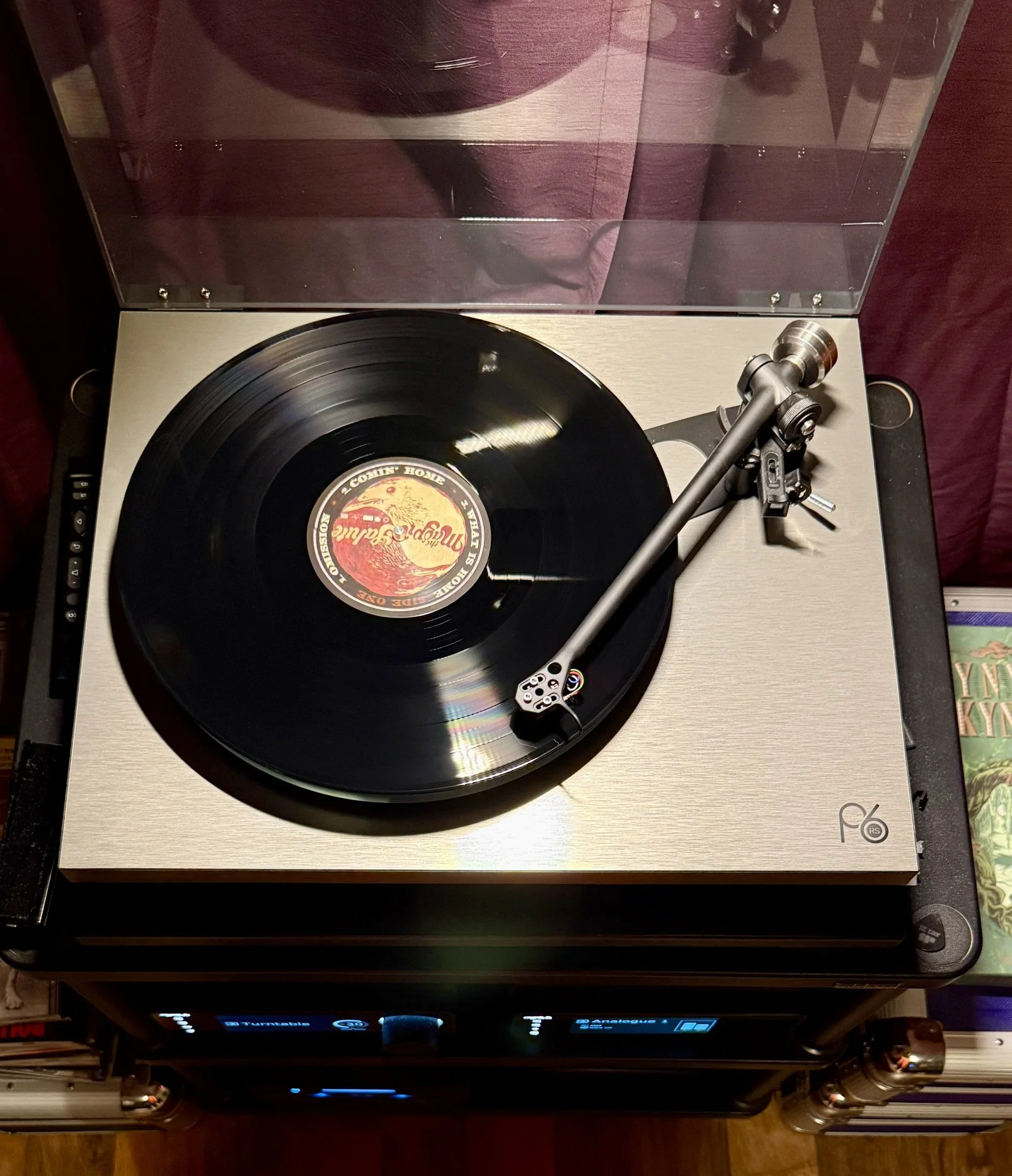
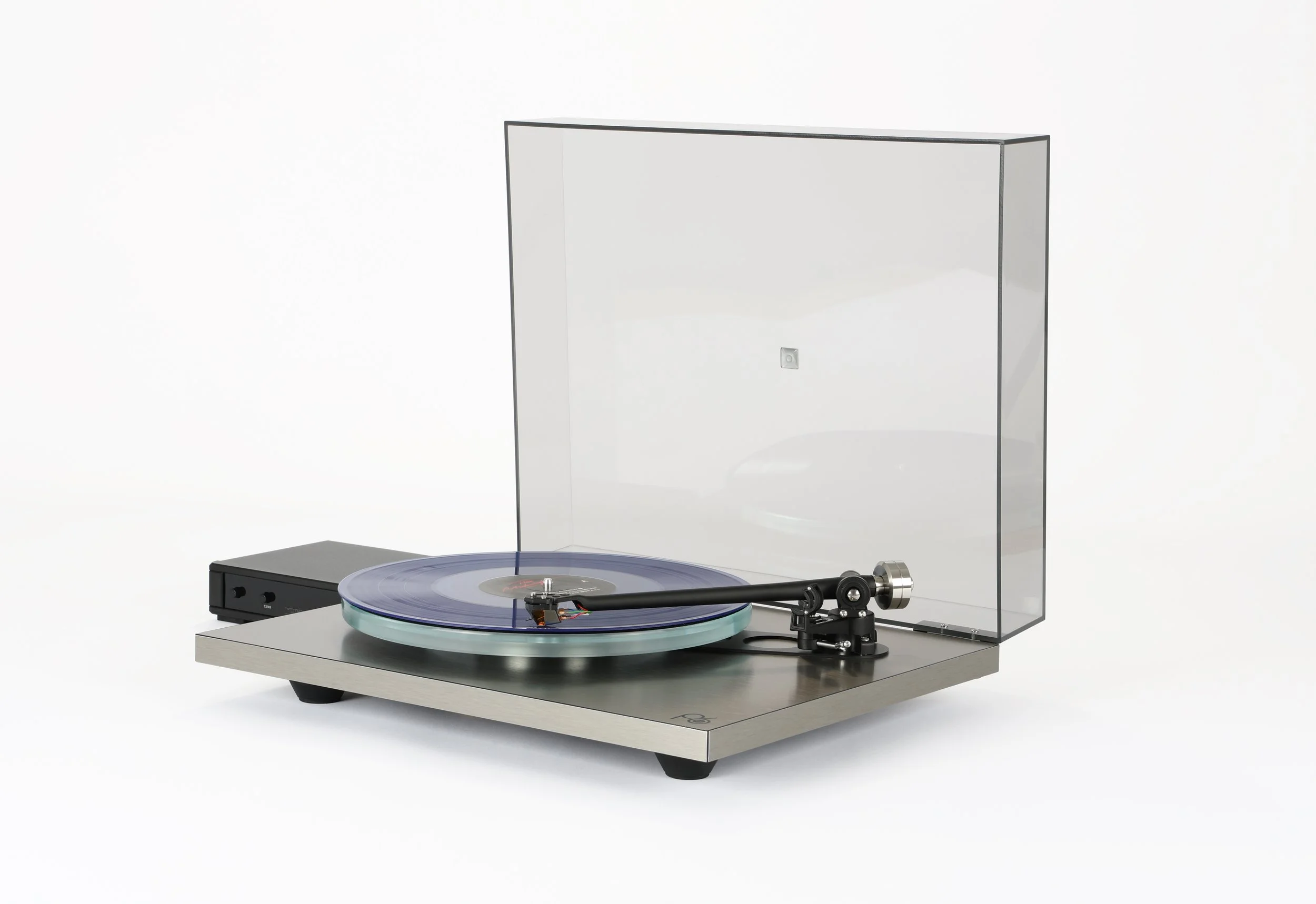
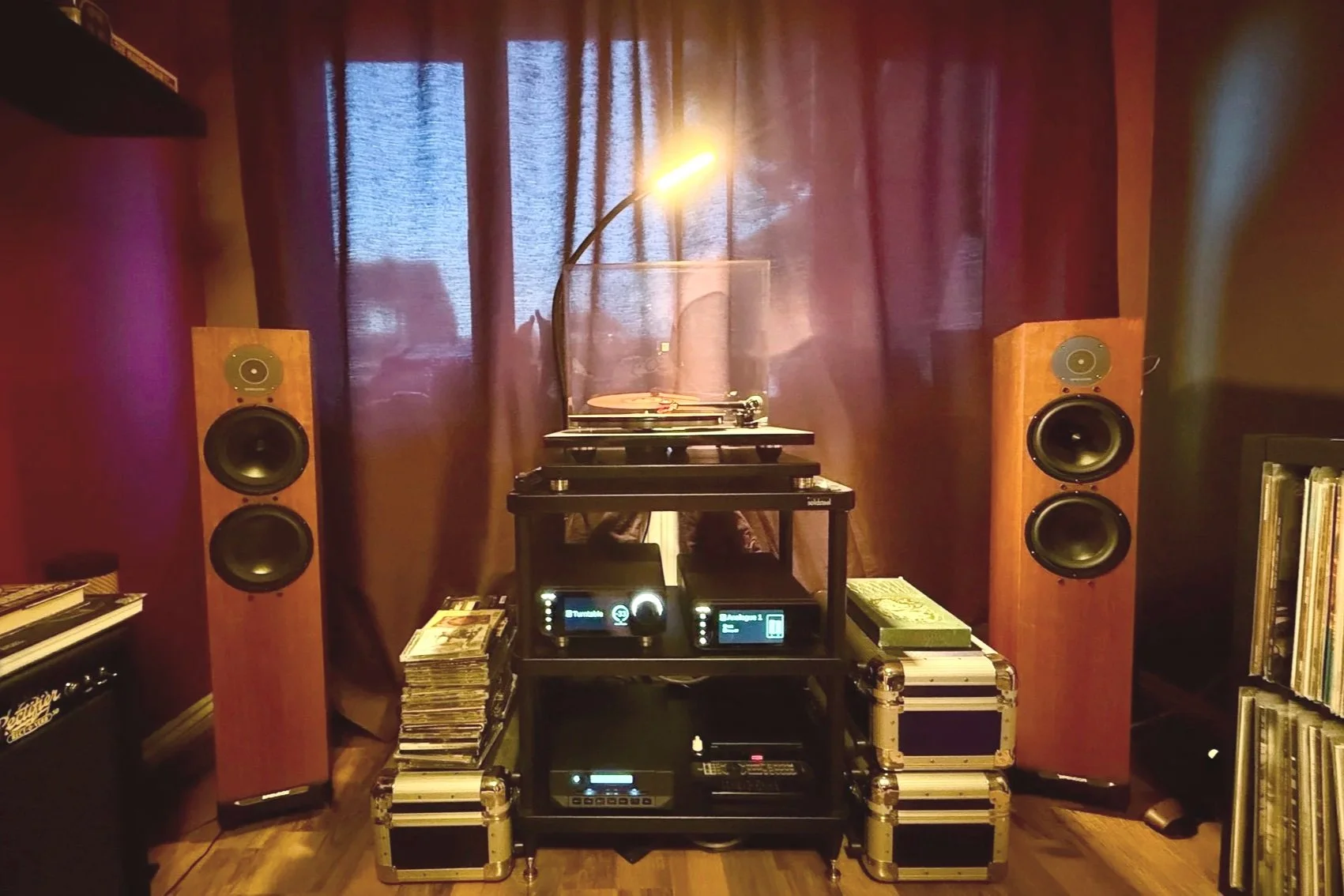
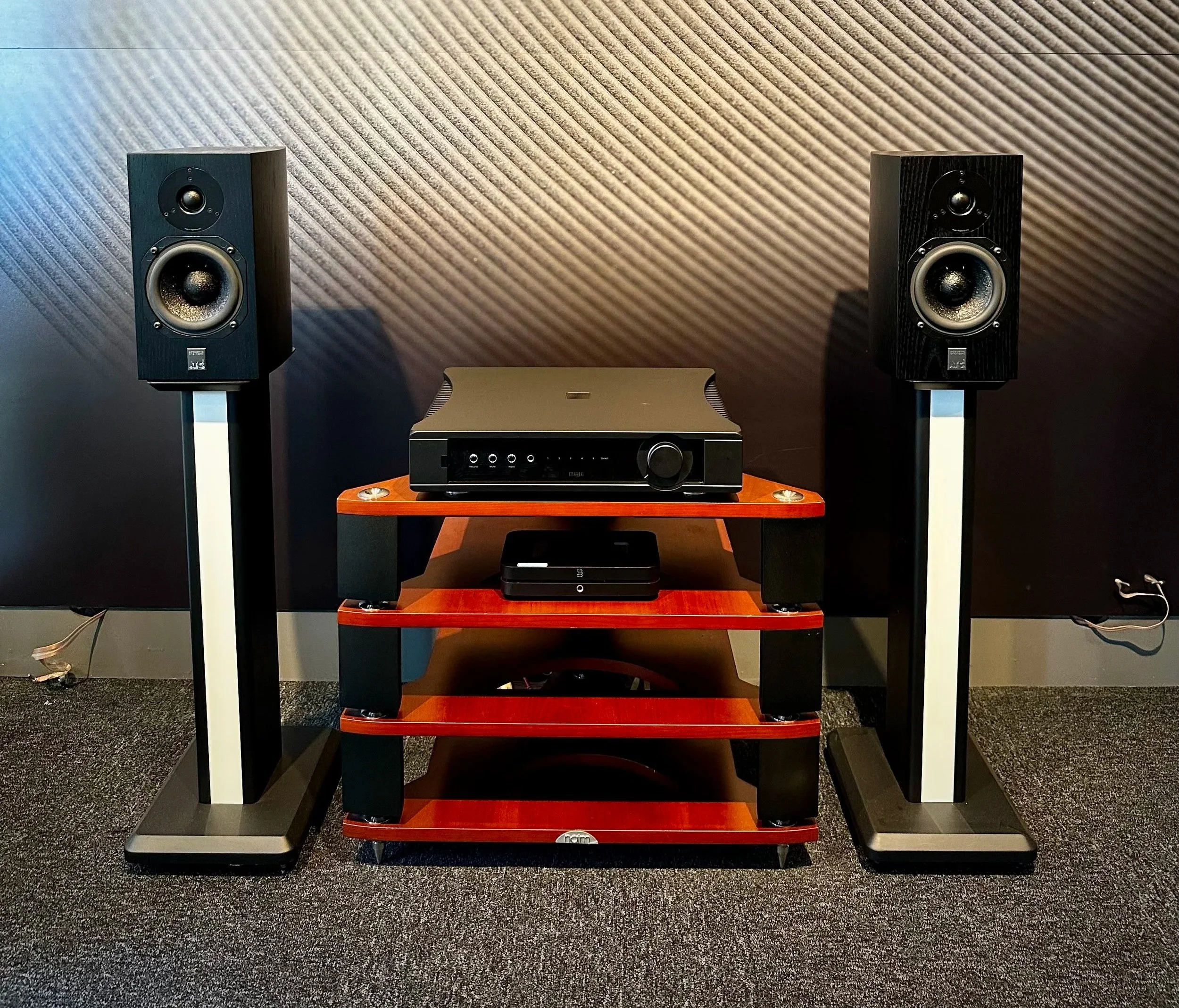
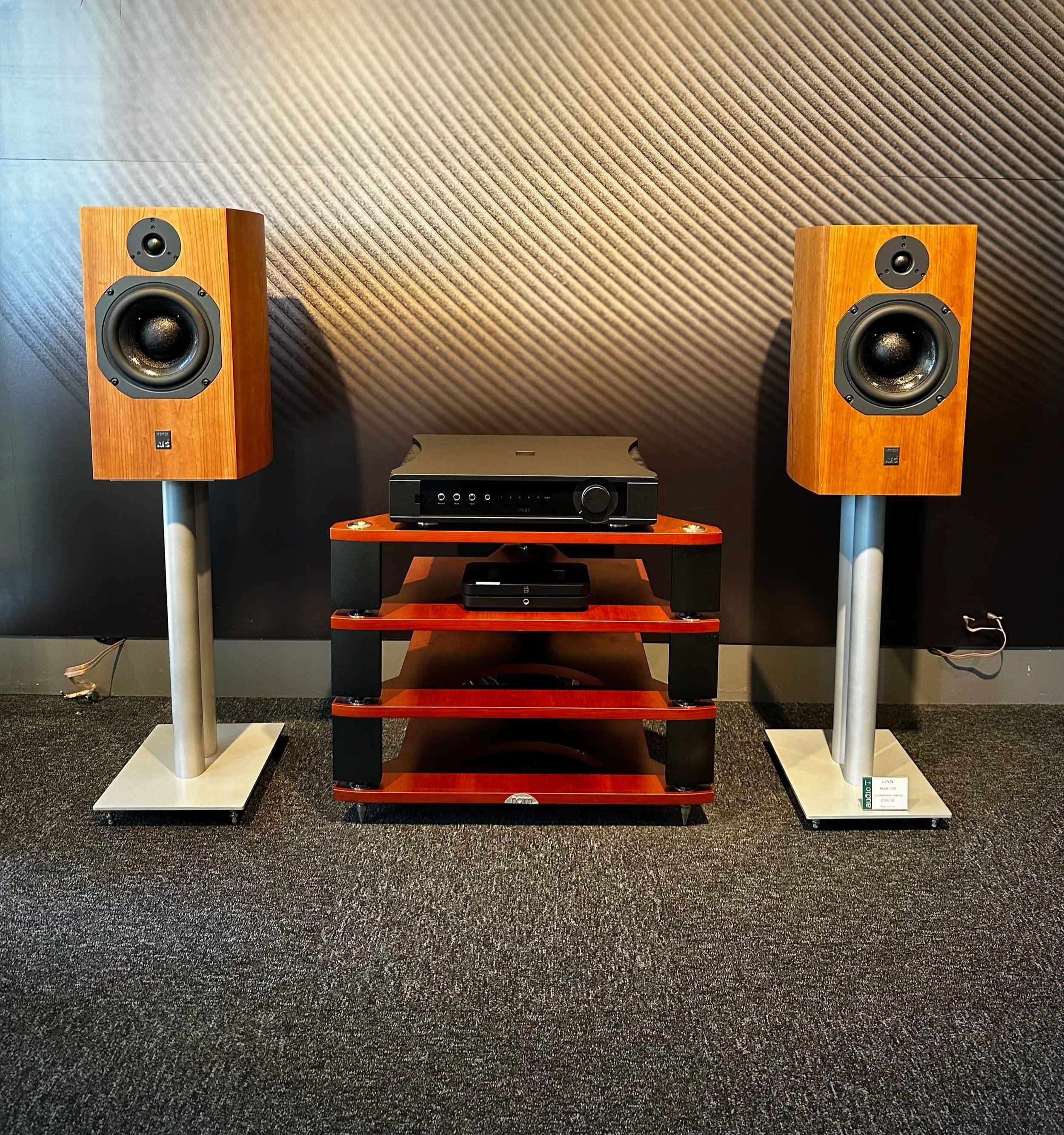
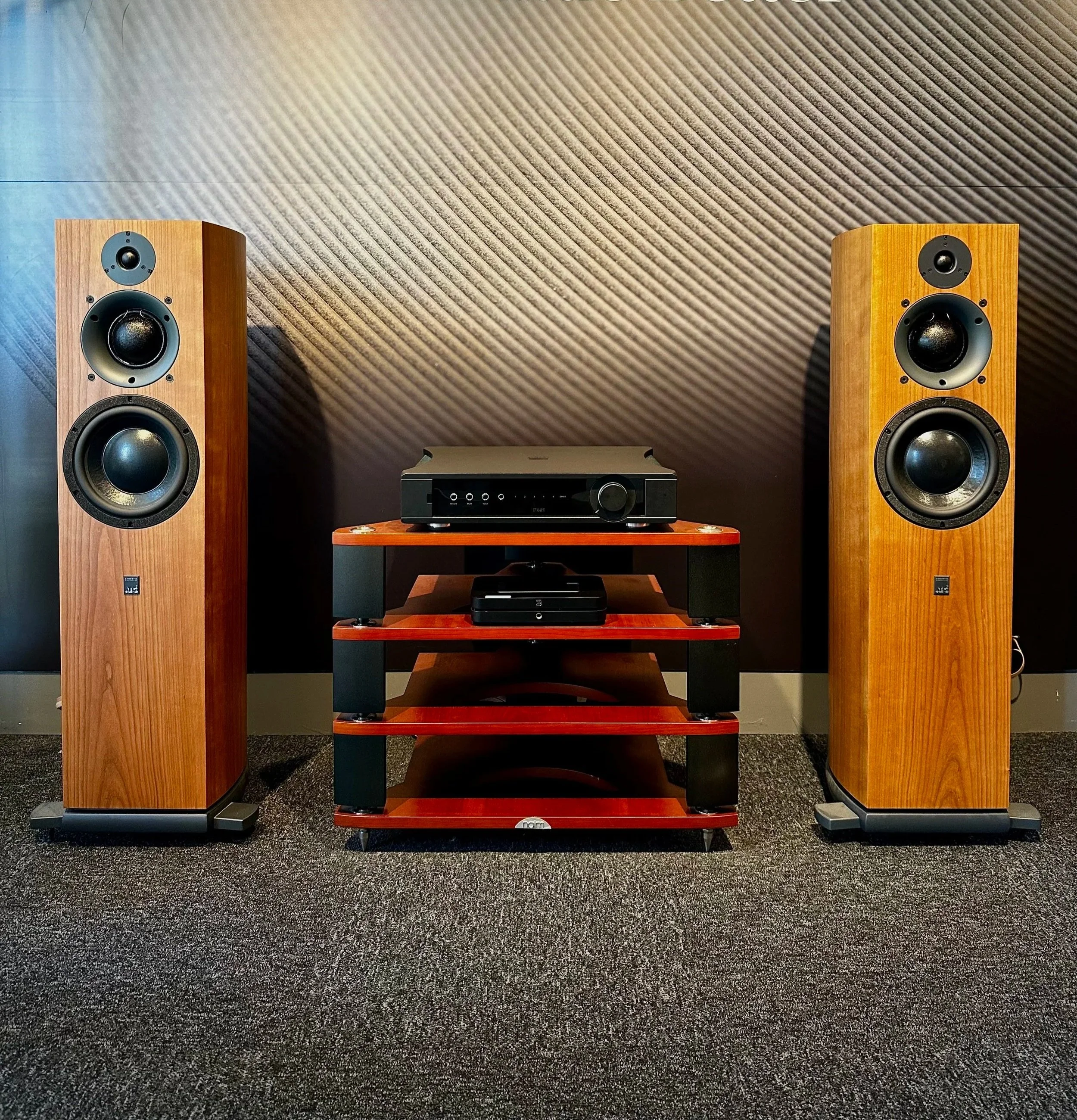
I have recently had in our demo room a system comprising the Rega Planar 3 RS Edition turntable, Rega Brio MK7 amplifier, Arcam Radia CD5 compact disc player, Bluesound NODE ICON streamer and Acoustic Energy AE1 40th Anniversary loudspeakers. It sounds sooooooo good I just had to write about it!
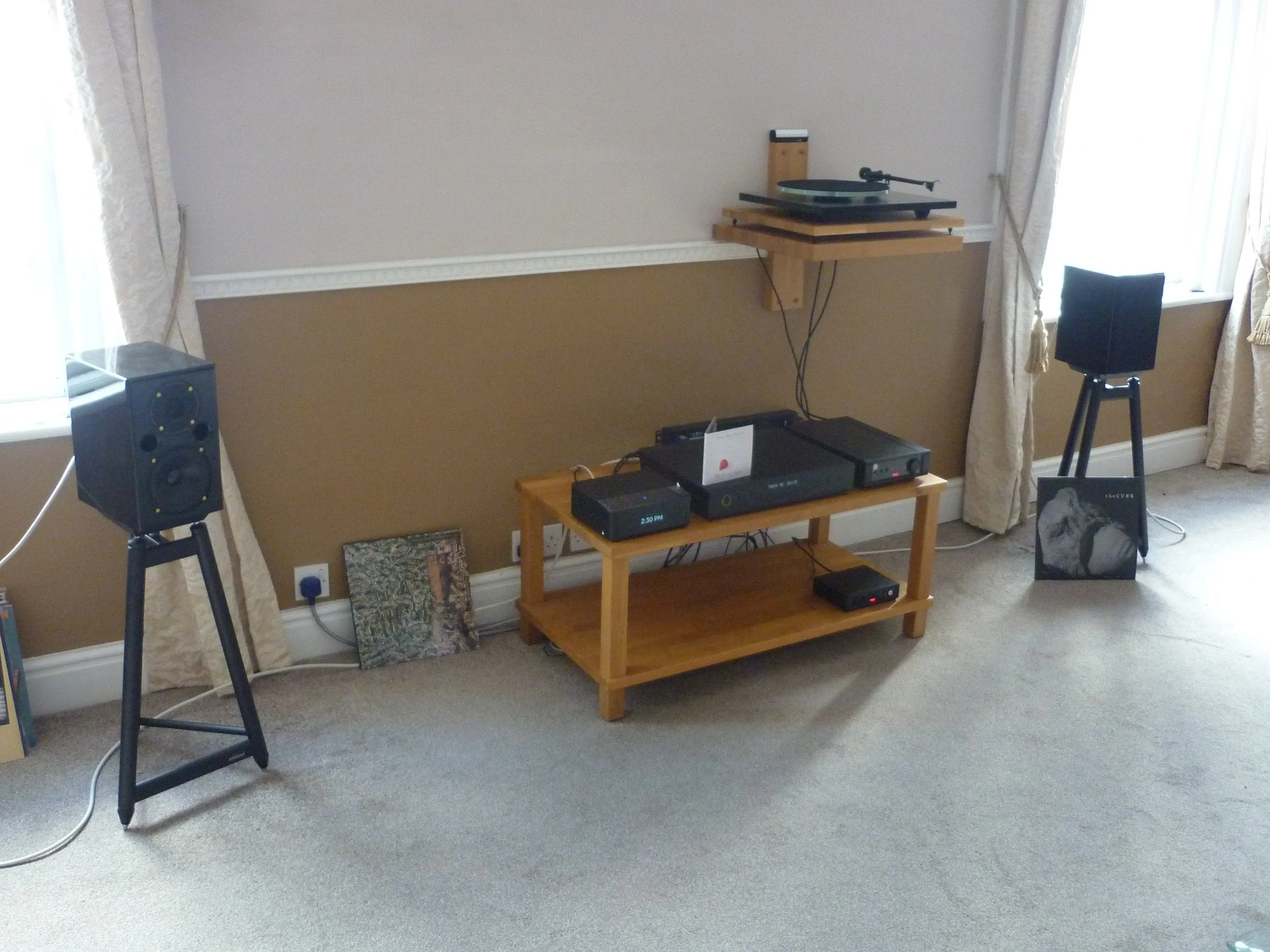
That systen in our demo room
Now, with three different sources, this is still a substantial investment. You could, of course, start with the format you play most and add the others later. The point here is how much musical enjoyment these carefully chosen components deliver together for the money.
Source First
Turntable first. I have always been a great believer in getting the source right. Information lost at the beginning cannot be put back further down the line, so it makes sense to give the component playing your music some proper consideration.
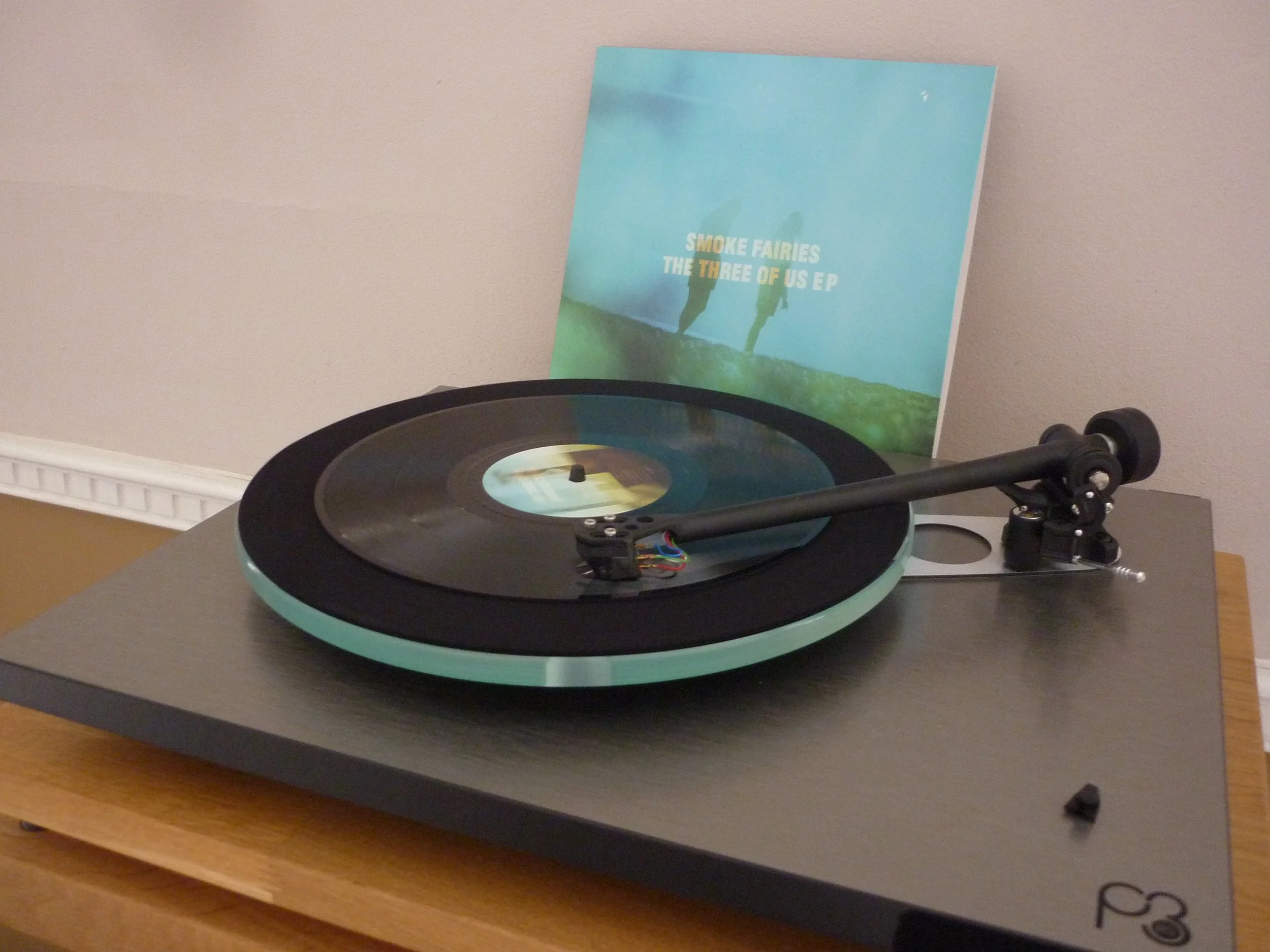
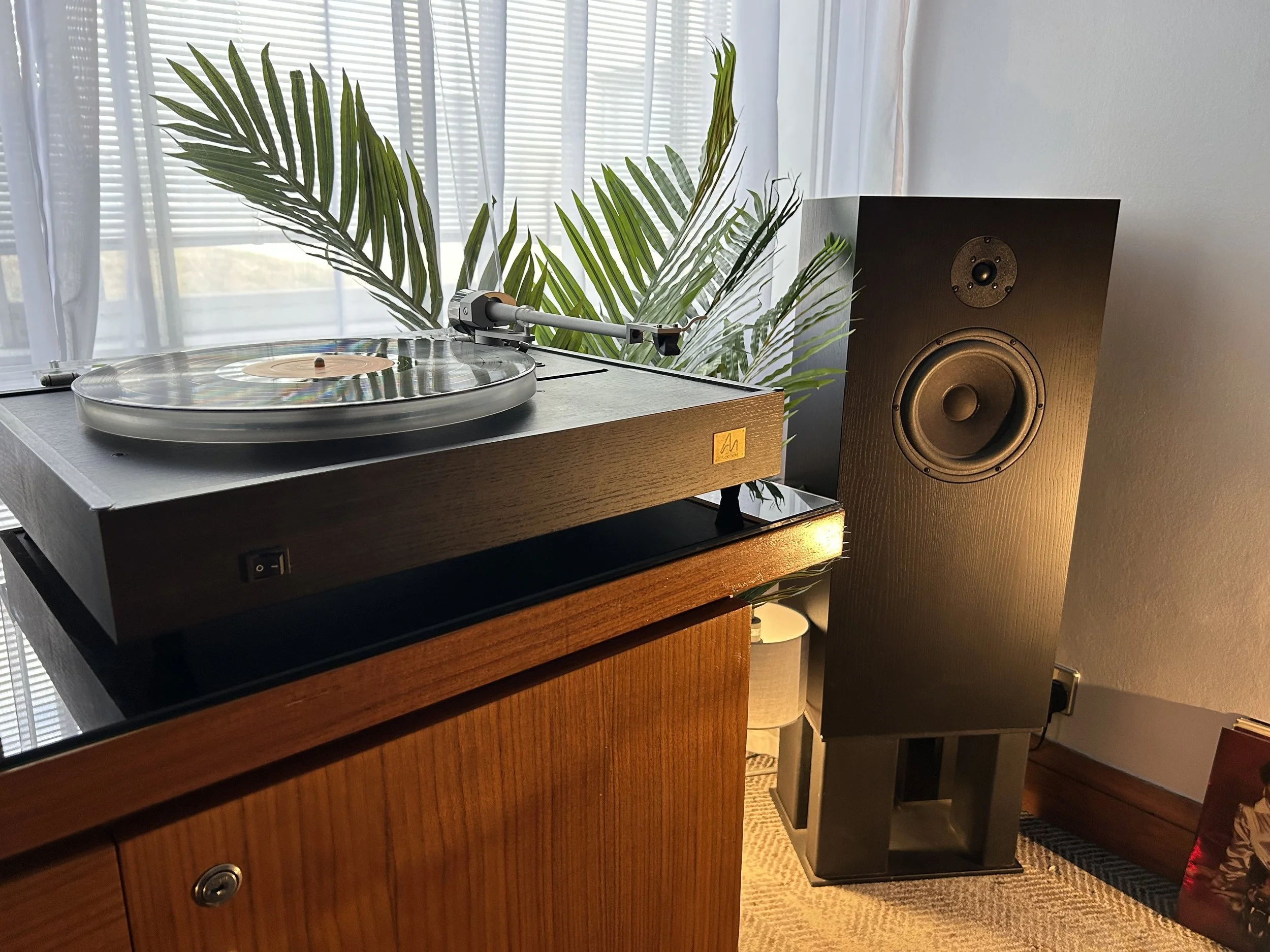
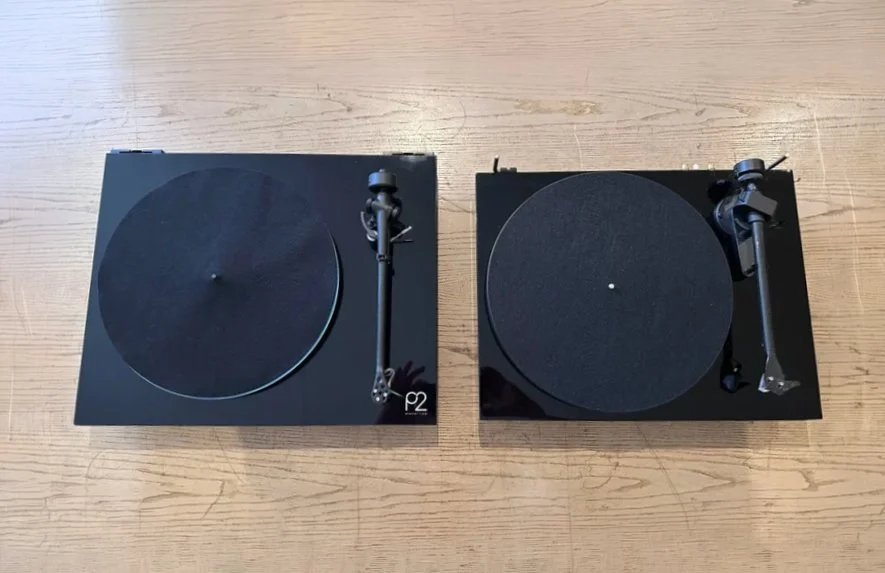
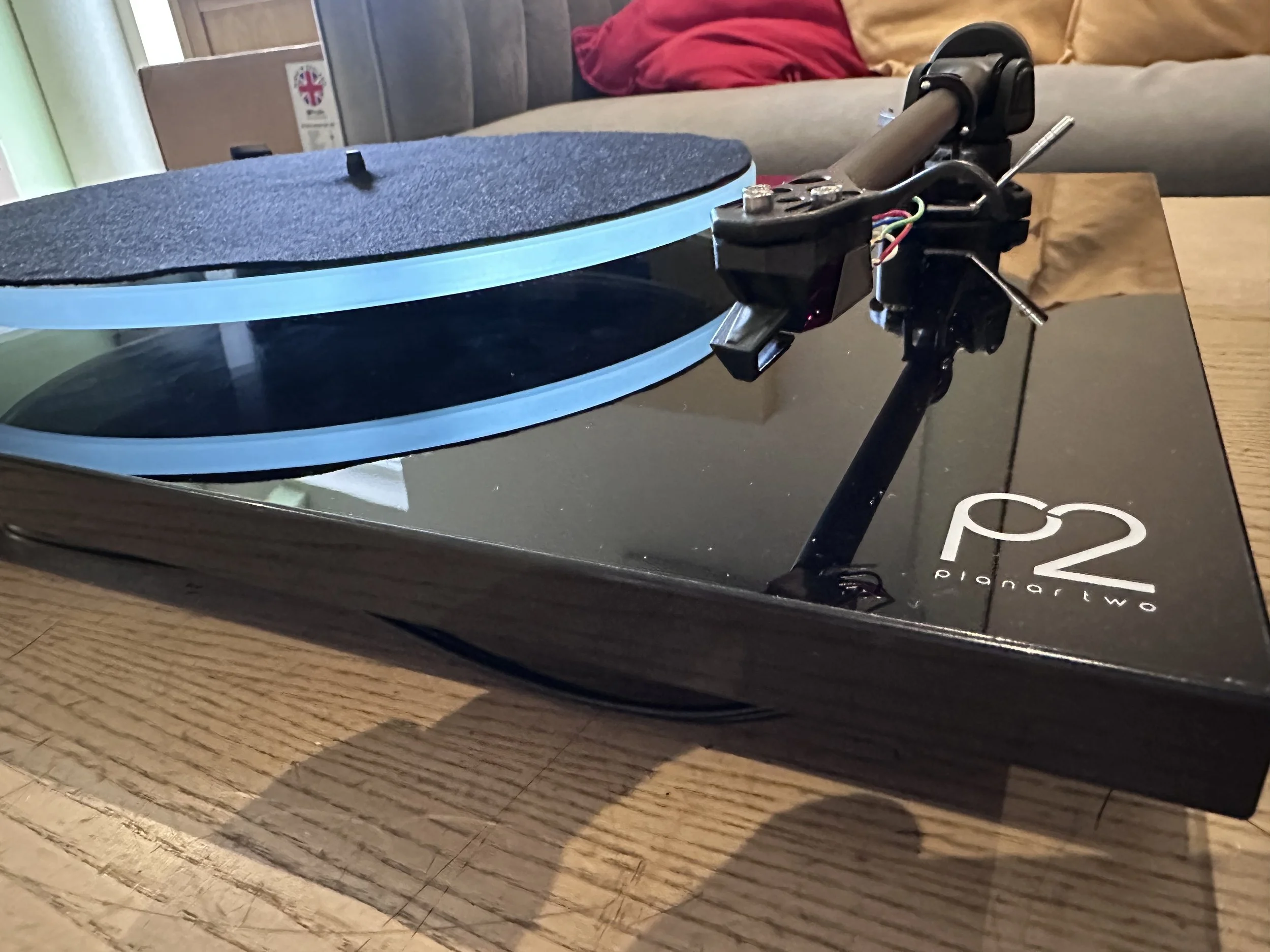
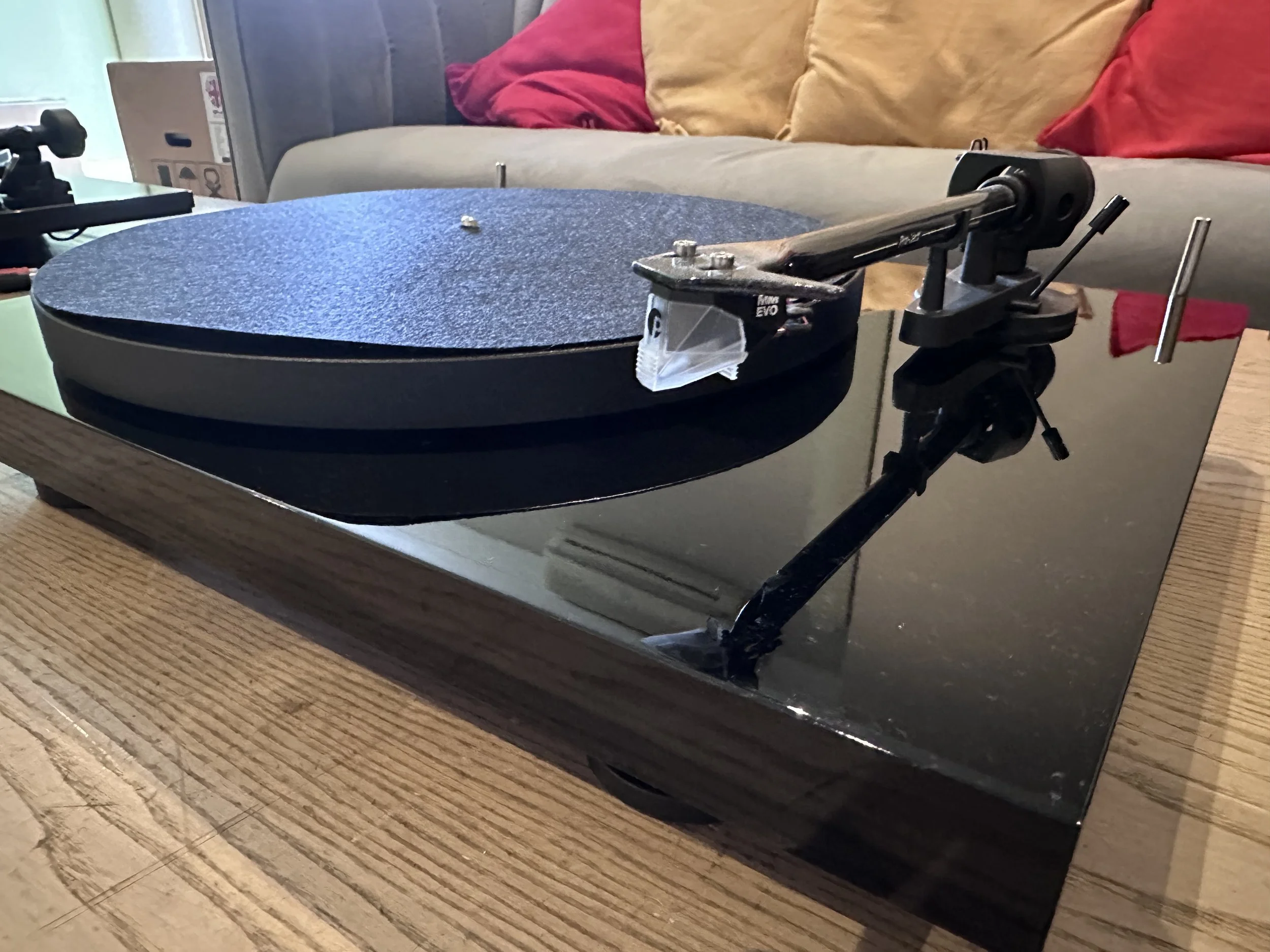
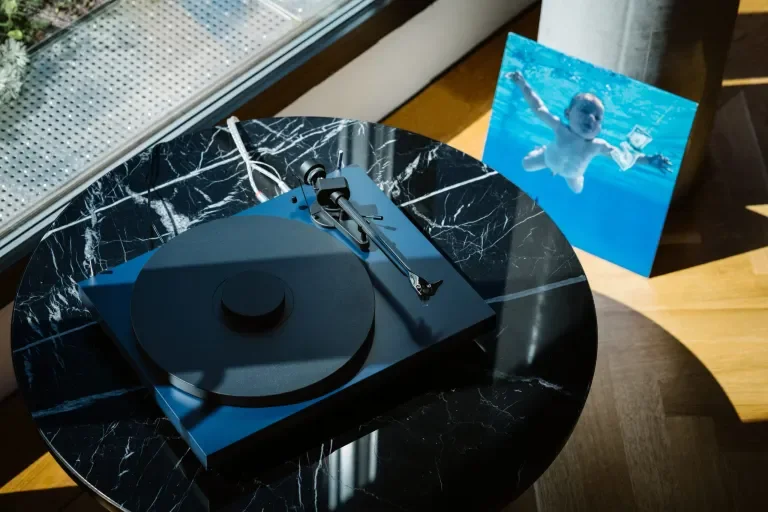
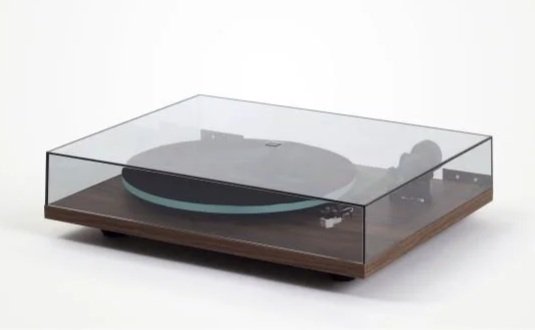
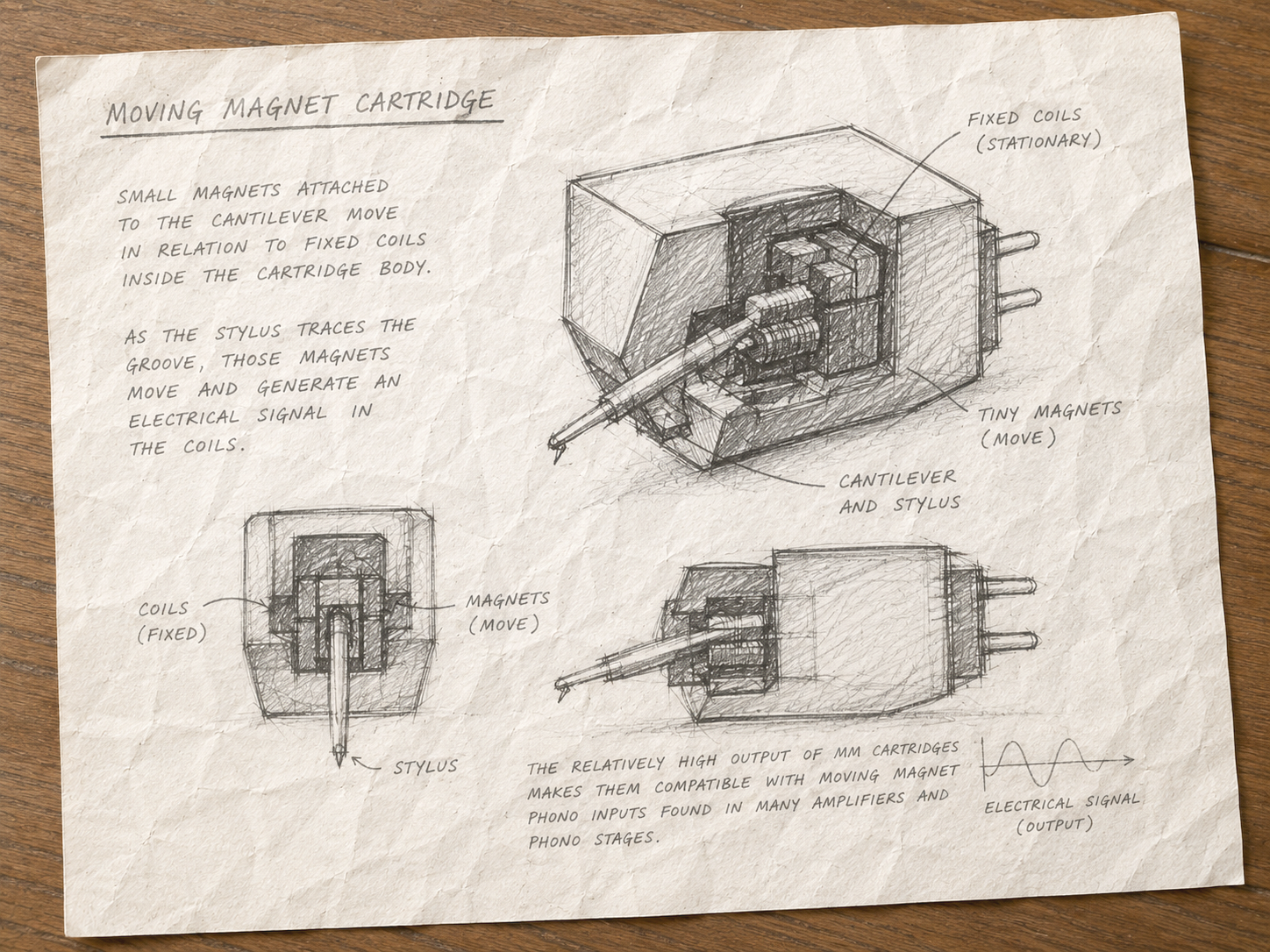
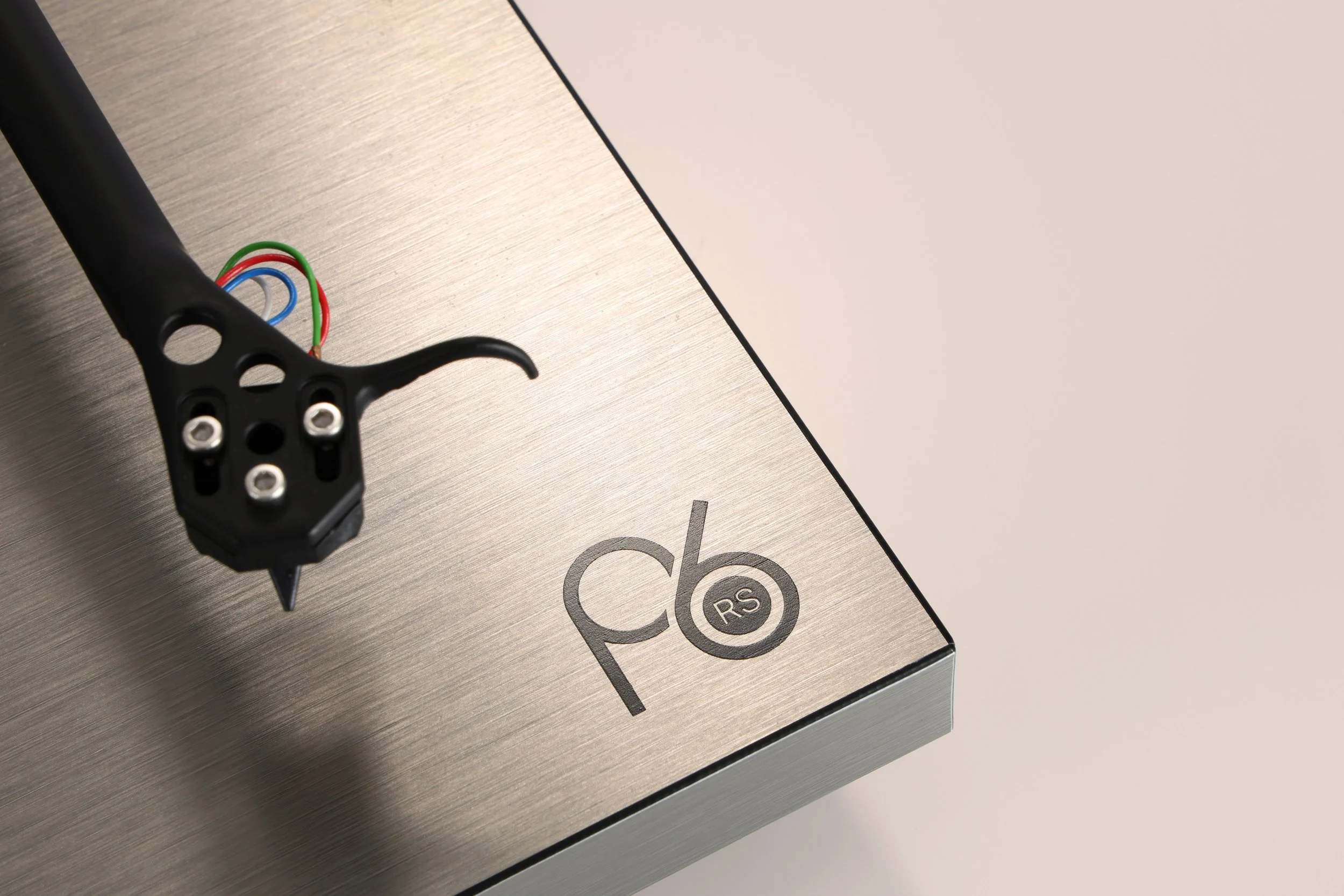
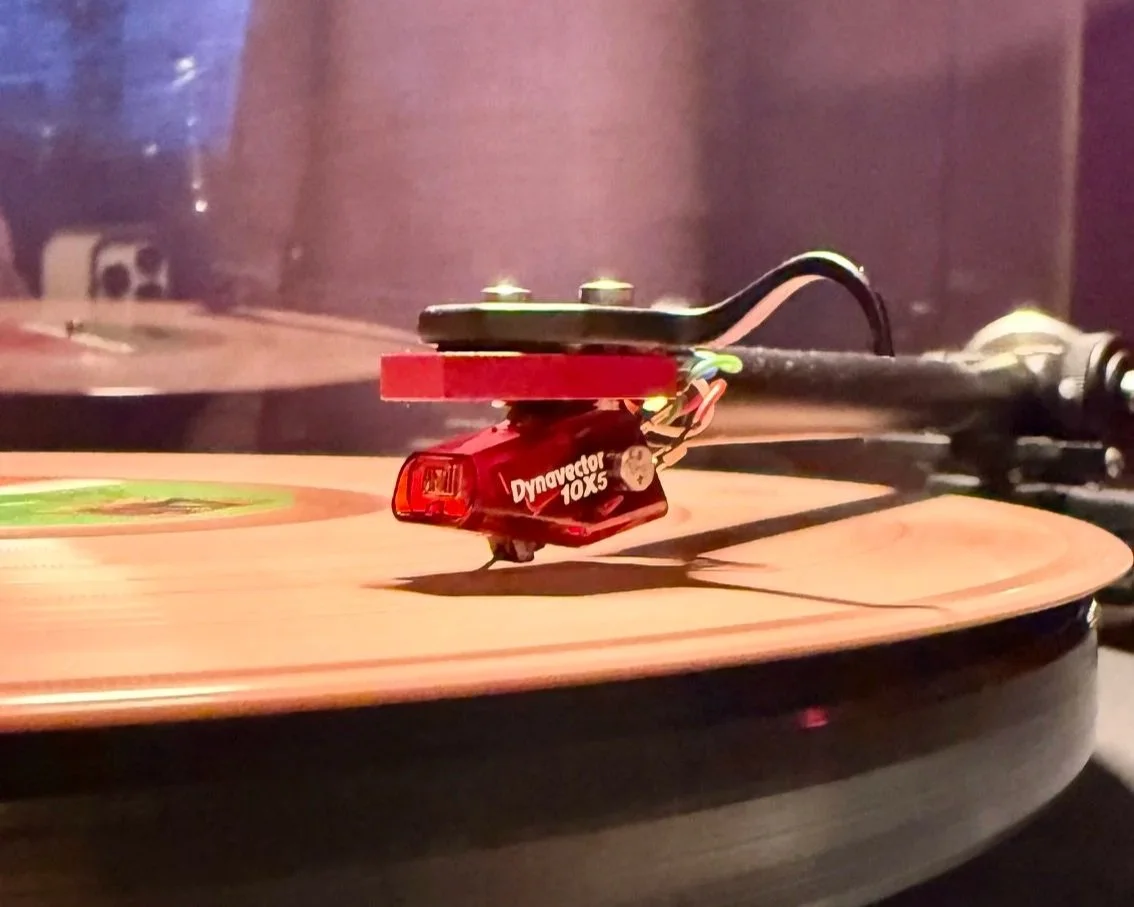
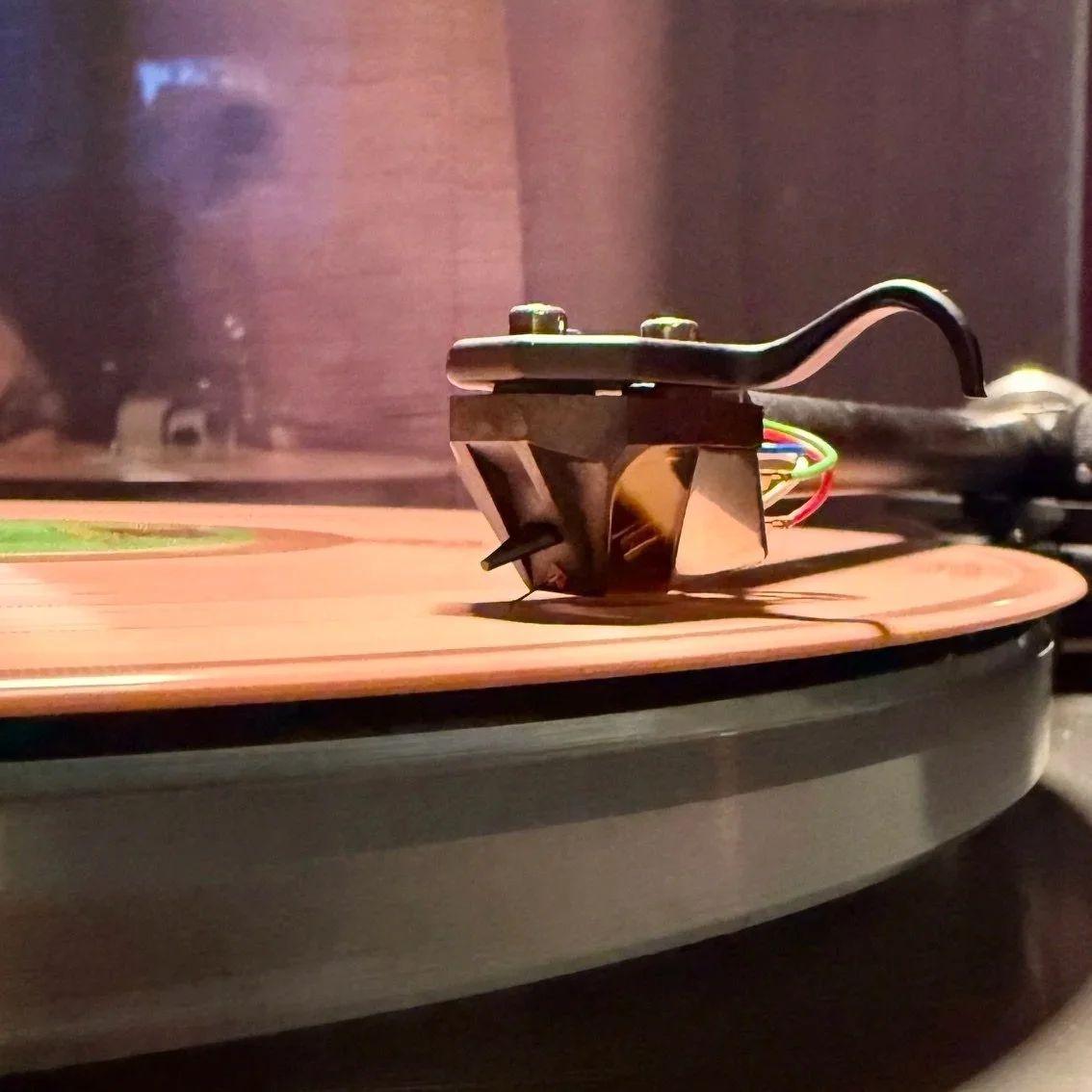
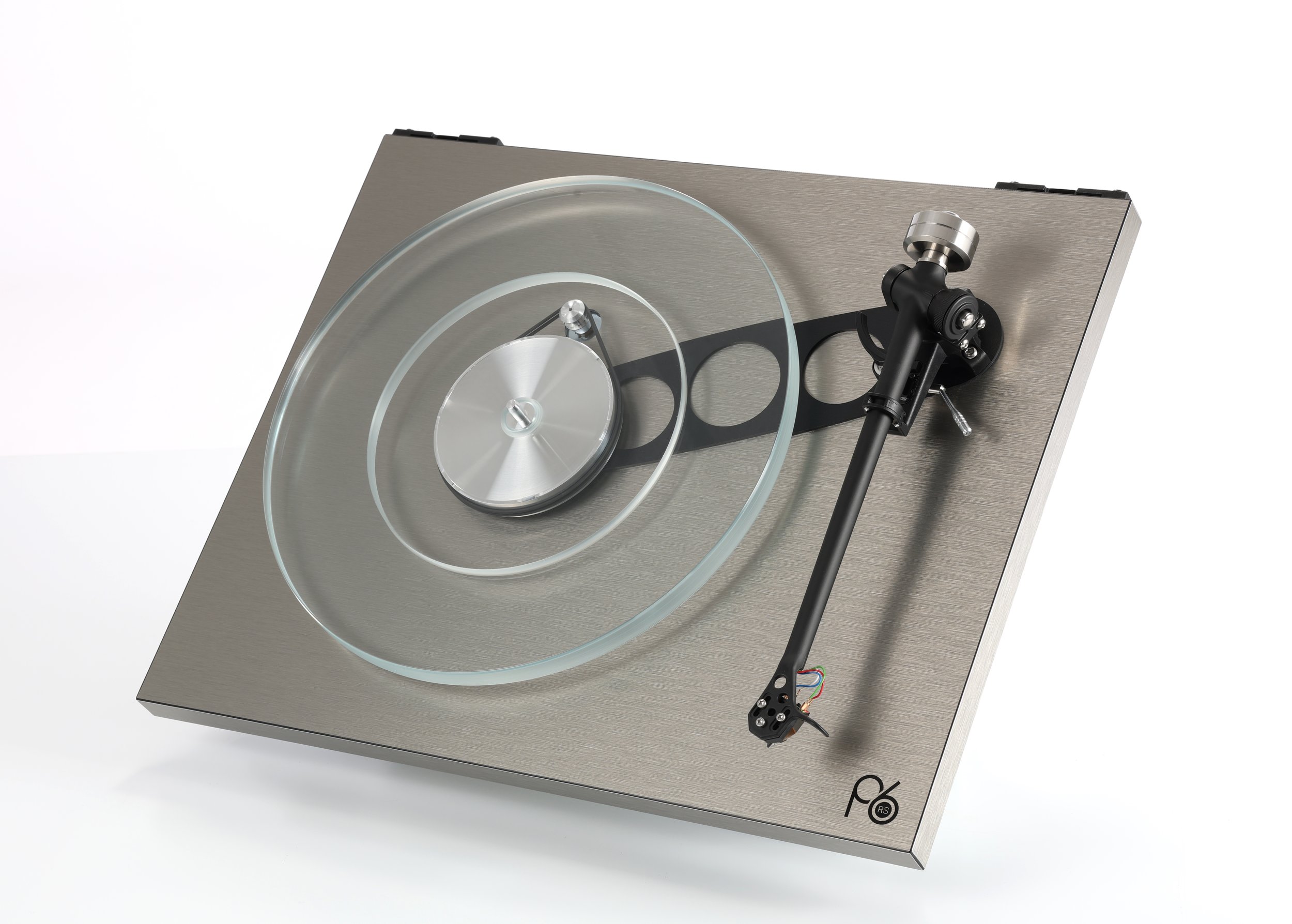
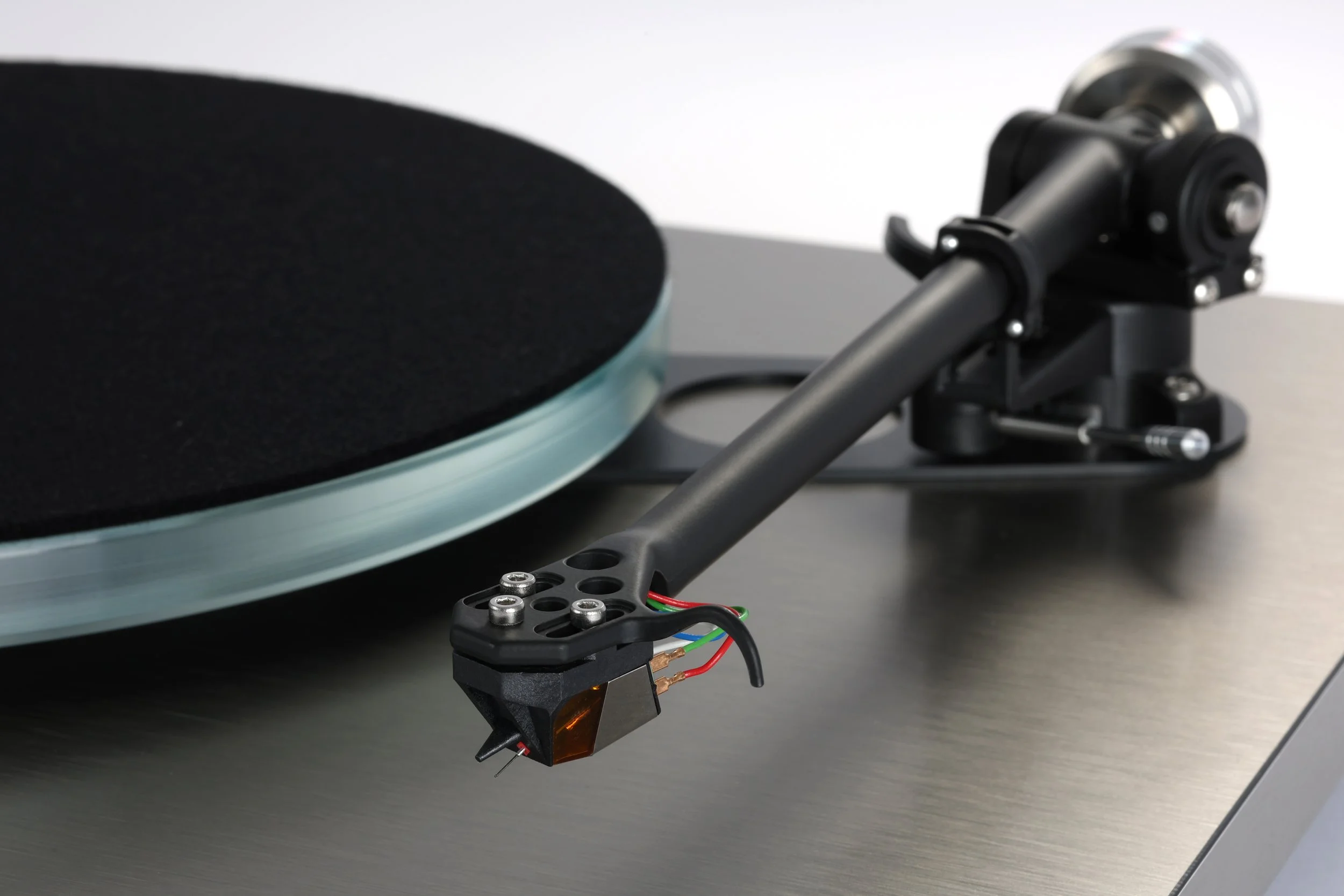
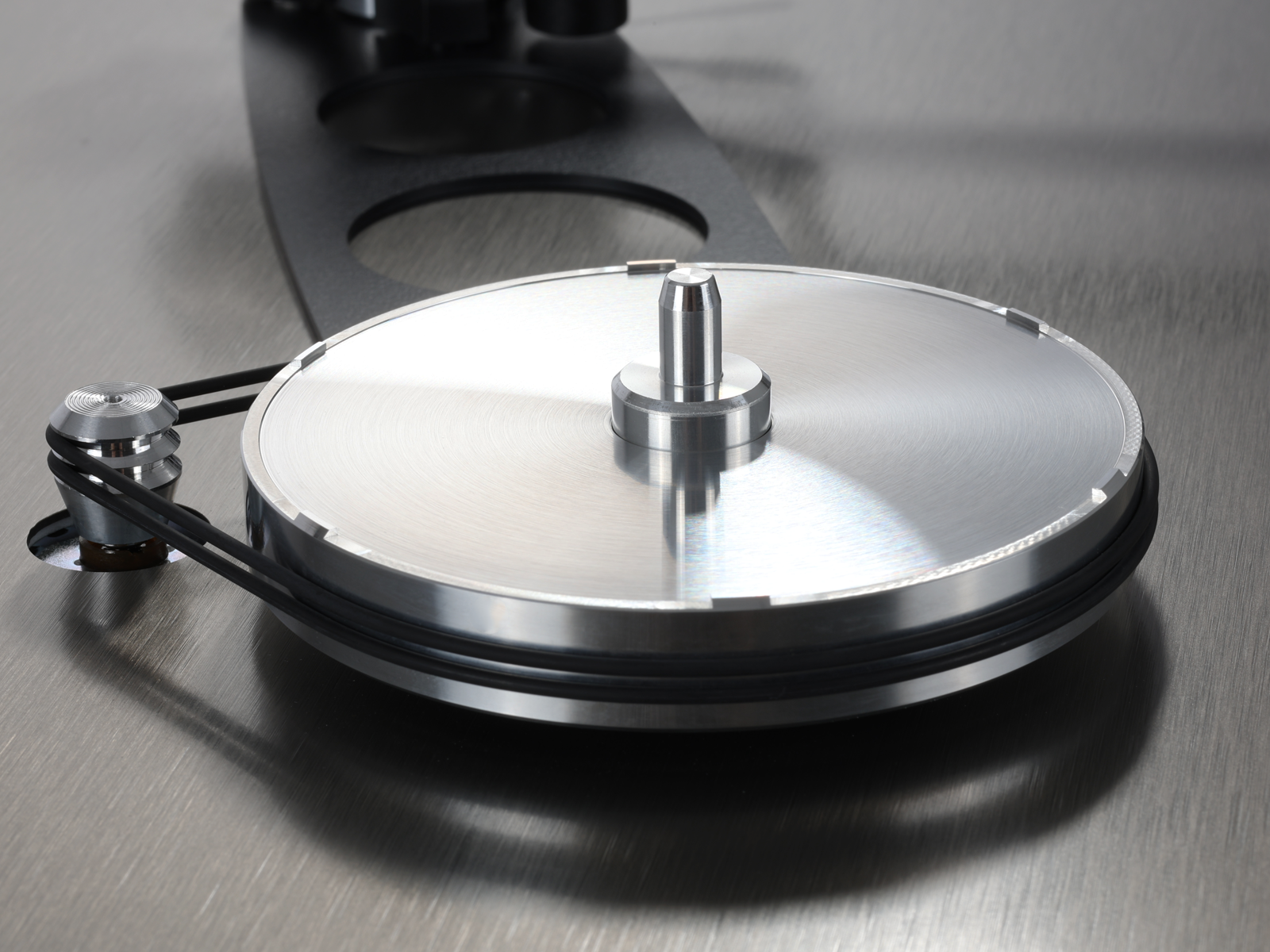
For me, vinyl is still the best way to play my music, and here we have the Rega Planar 3 RS Edition. The factory-fitted Nd5 moving magnet cartridge and included Neo Mk2 power supply make this a very appealing package. The latter also gives you electronic speed selection, saving a little faffing about when changing between albums and singles.
It is a serious record player, and a rather good place to start if you want to hear just how much enjoyment is tucked away in those grooves.
Still Spinning
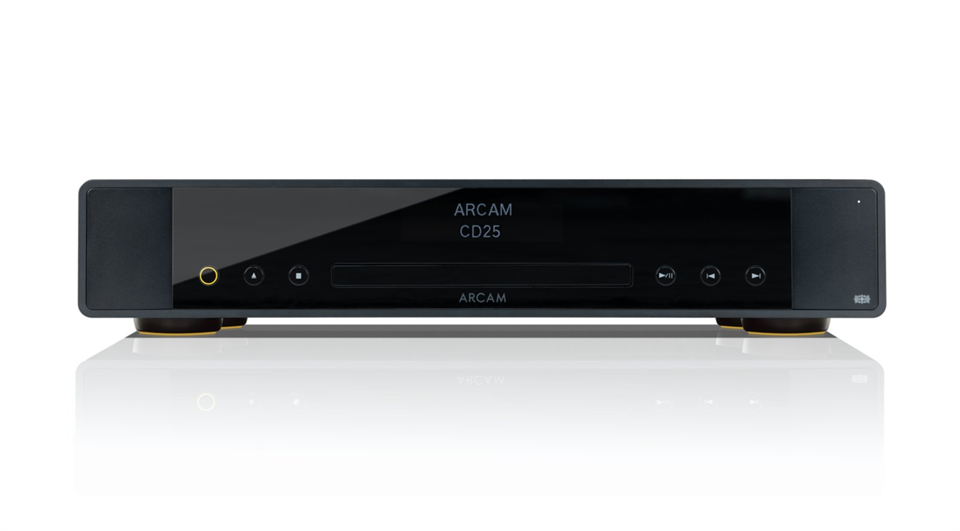
Next source component is the Arcam Radia CD5, a CD spinner that, to my ears, takes some beating for the money.
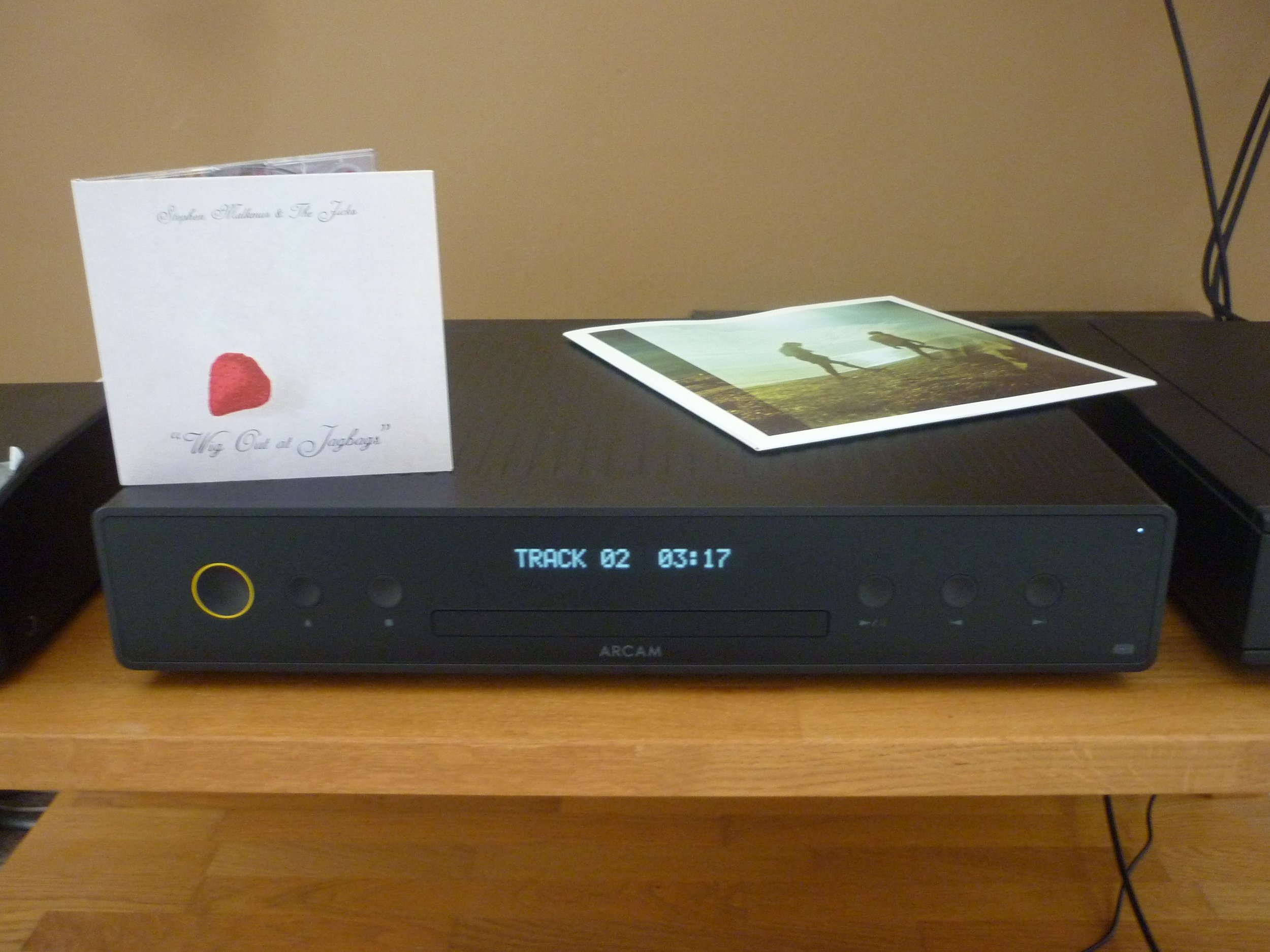
If you have shelves full of CDs, a good player deserves a place on your shortlist. Those carefully collected discs can still provide years of musical enjoyment, and a system like this is a very good excuse to get a few old favourites off the shelf again.
Streaming Icon
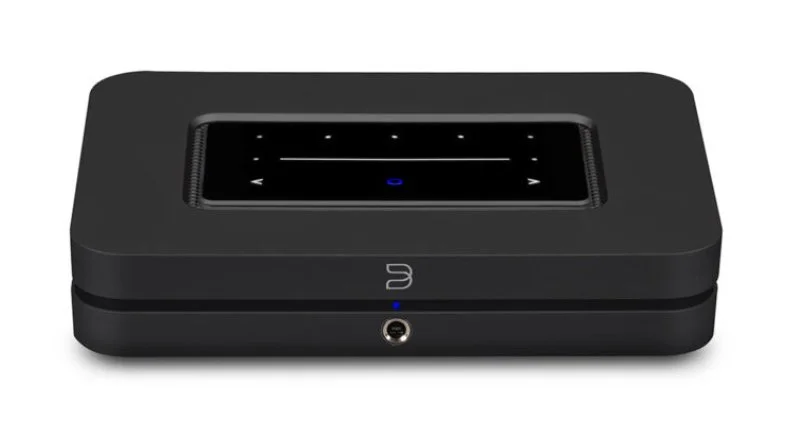
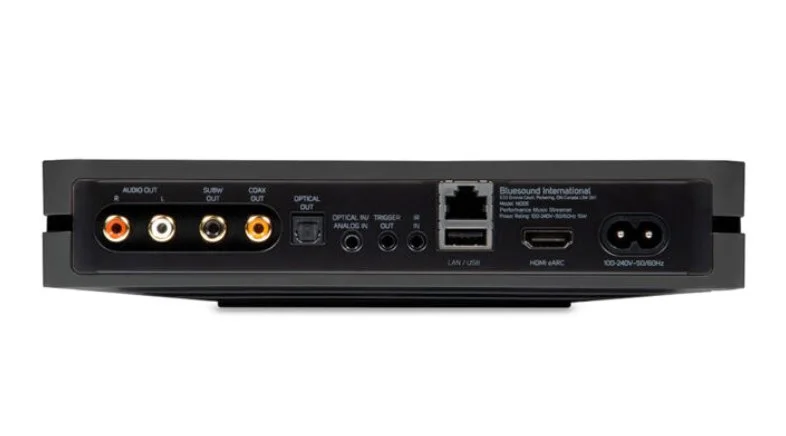
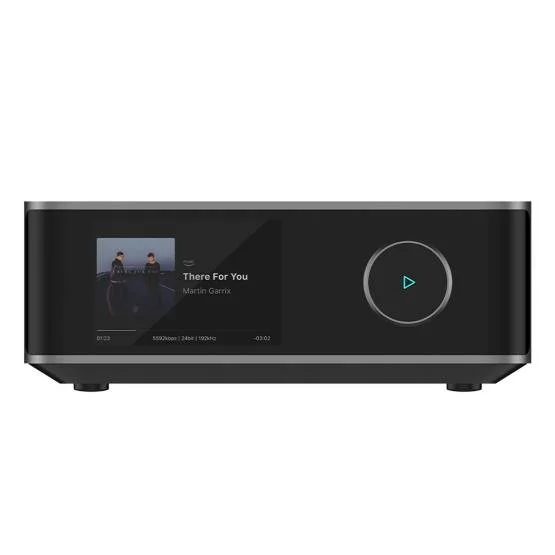
The Bluesound NODE ICON is being roped in for streaming duties here because it sounds great and is so easy to set up and use. The BluOS app is a joy to use, which counts for rather a lot when you are browsing for something to listen to.
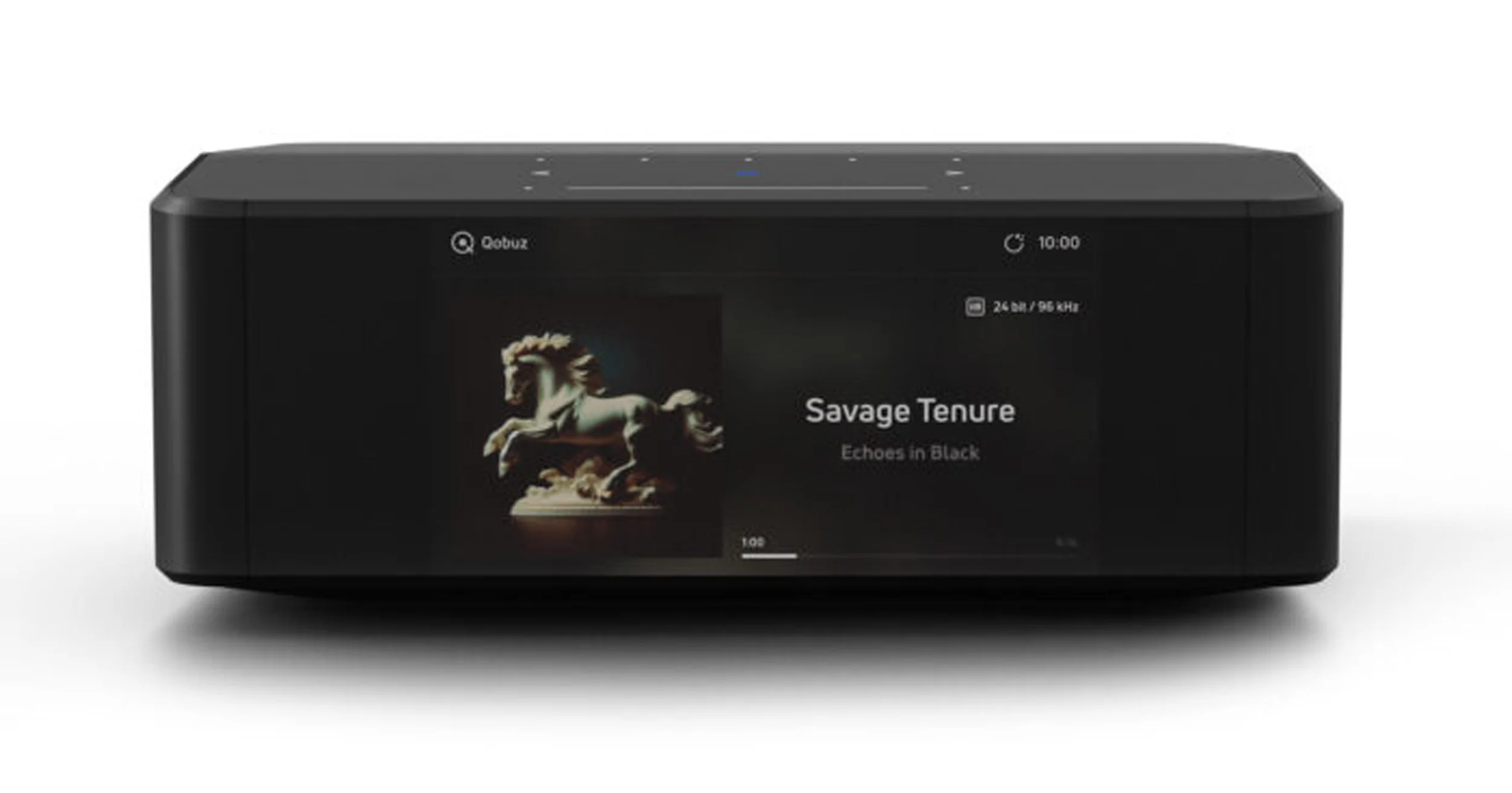
Bluesound Node Icon
Its dual-mono DAC design gives it some serious digital credentials, but the everyday pleasure of finding and playing music matters just as much. Being able to follow a musical hunch, look up an artist and disappear down a rabbit hole of new discoveries is a wonderful thing.
A Little Brio
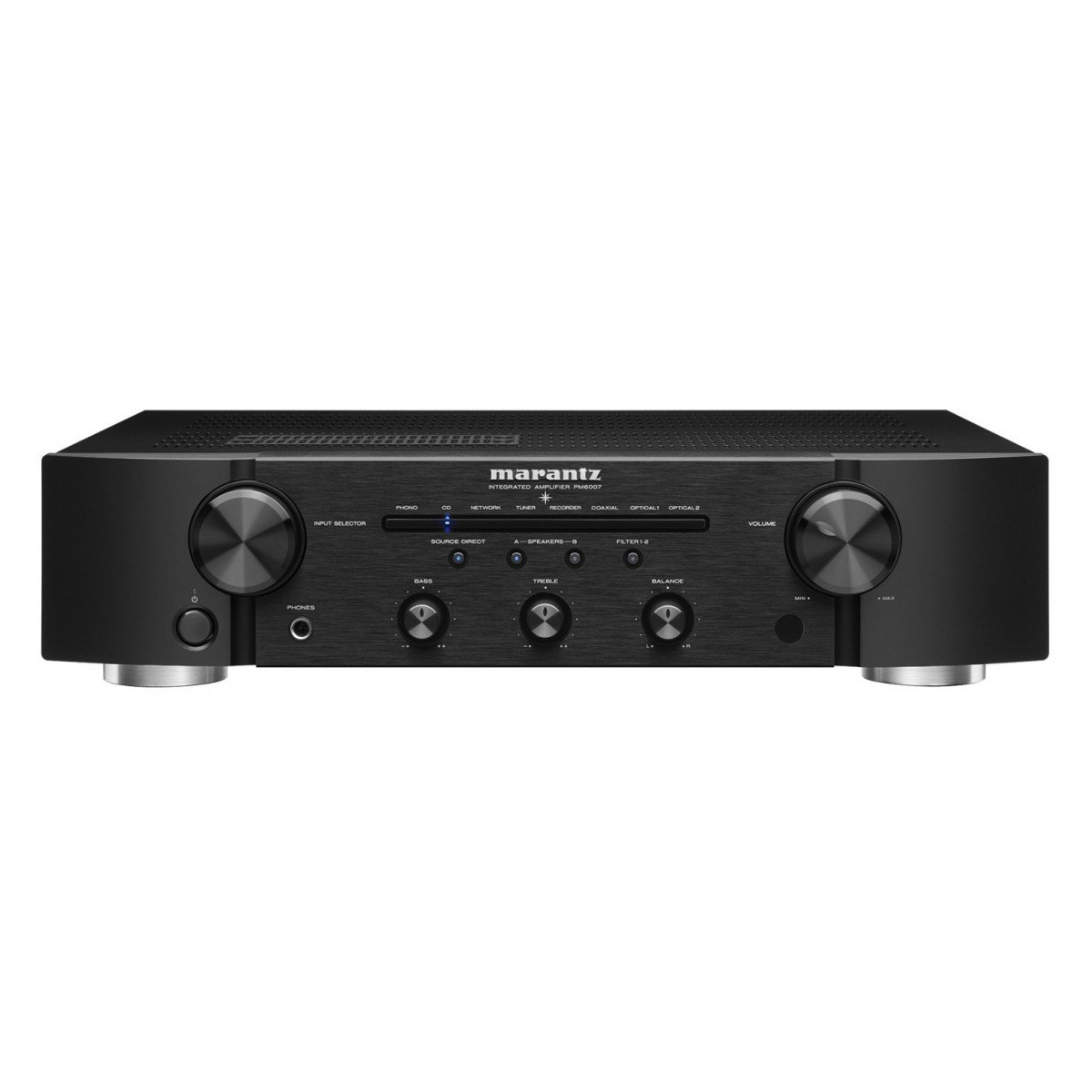
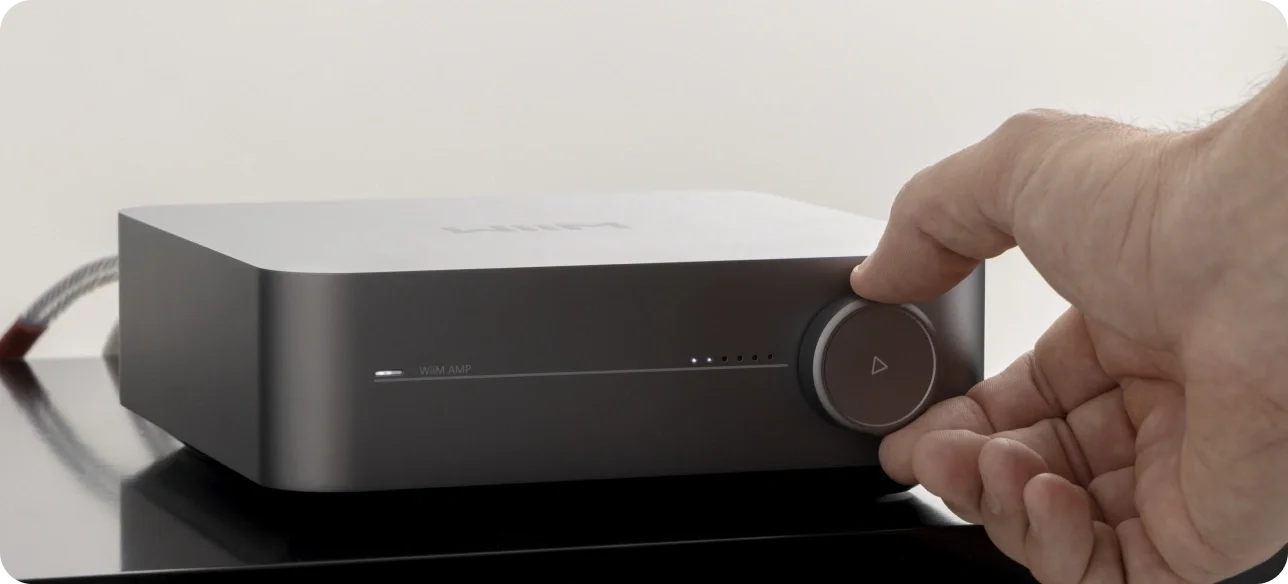
Volume control, input selection and the business of driving the loudspeakers are being handled by the Rega Brio MK7 amplifier. One model up from the entry level in Rega’s amplifier range, the Brio remains, for me, one of the most musically rewarding amplifiers in its class.
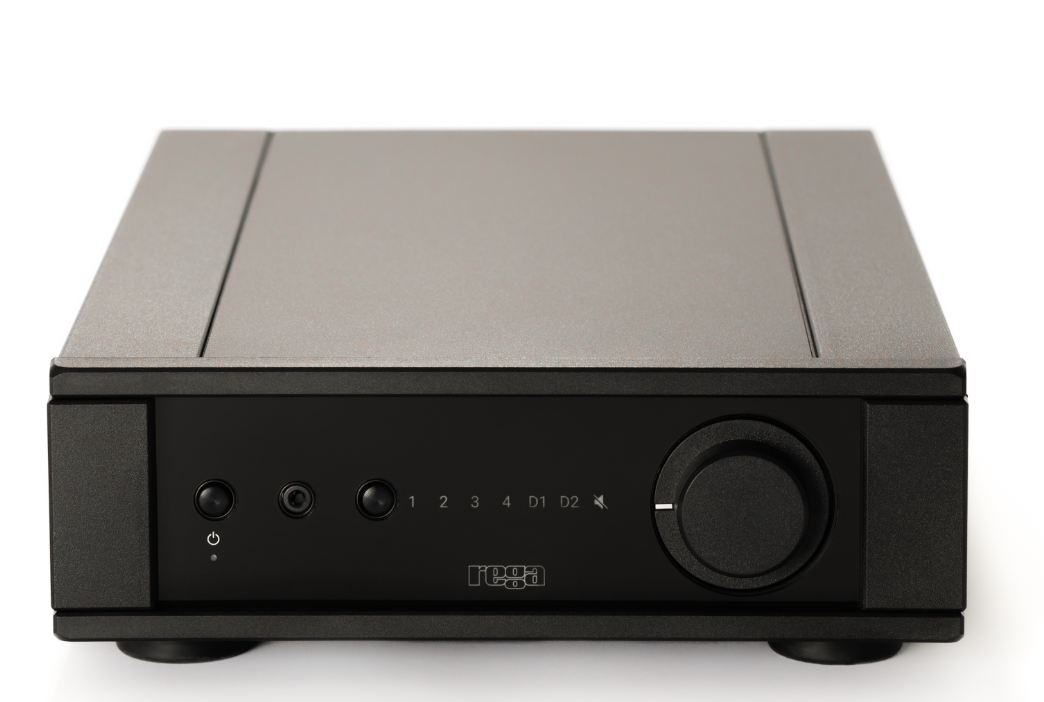
Rega Brio MK7 AMplifier
Its built-in moving magnet phono stage also means the Planar 3 RS can plug straight in. A useful bit of system matching that keeps the box count down and gives the turntable a suitable partner from the outset.
Bringing Up the Rear
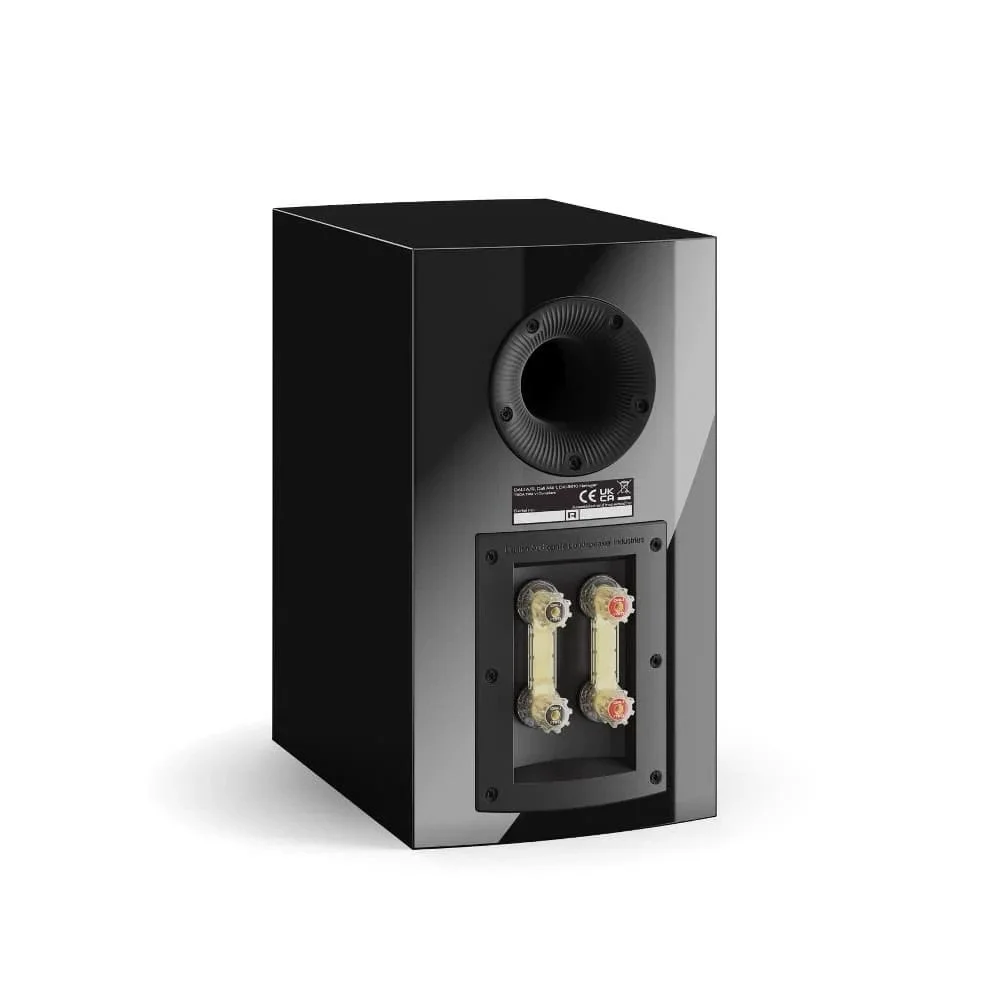
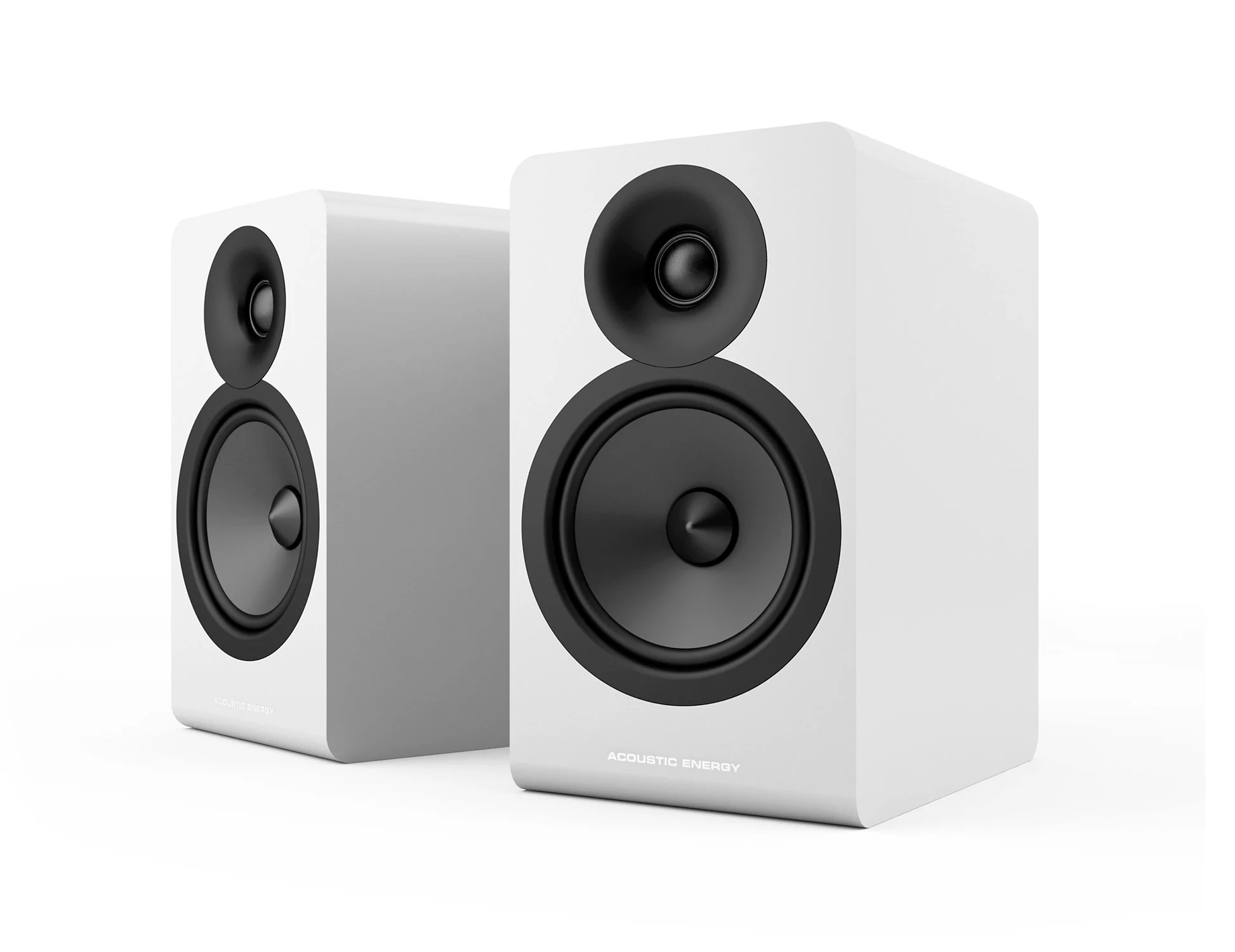
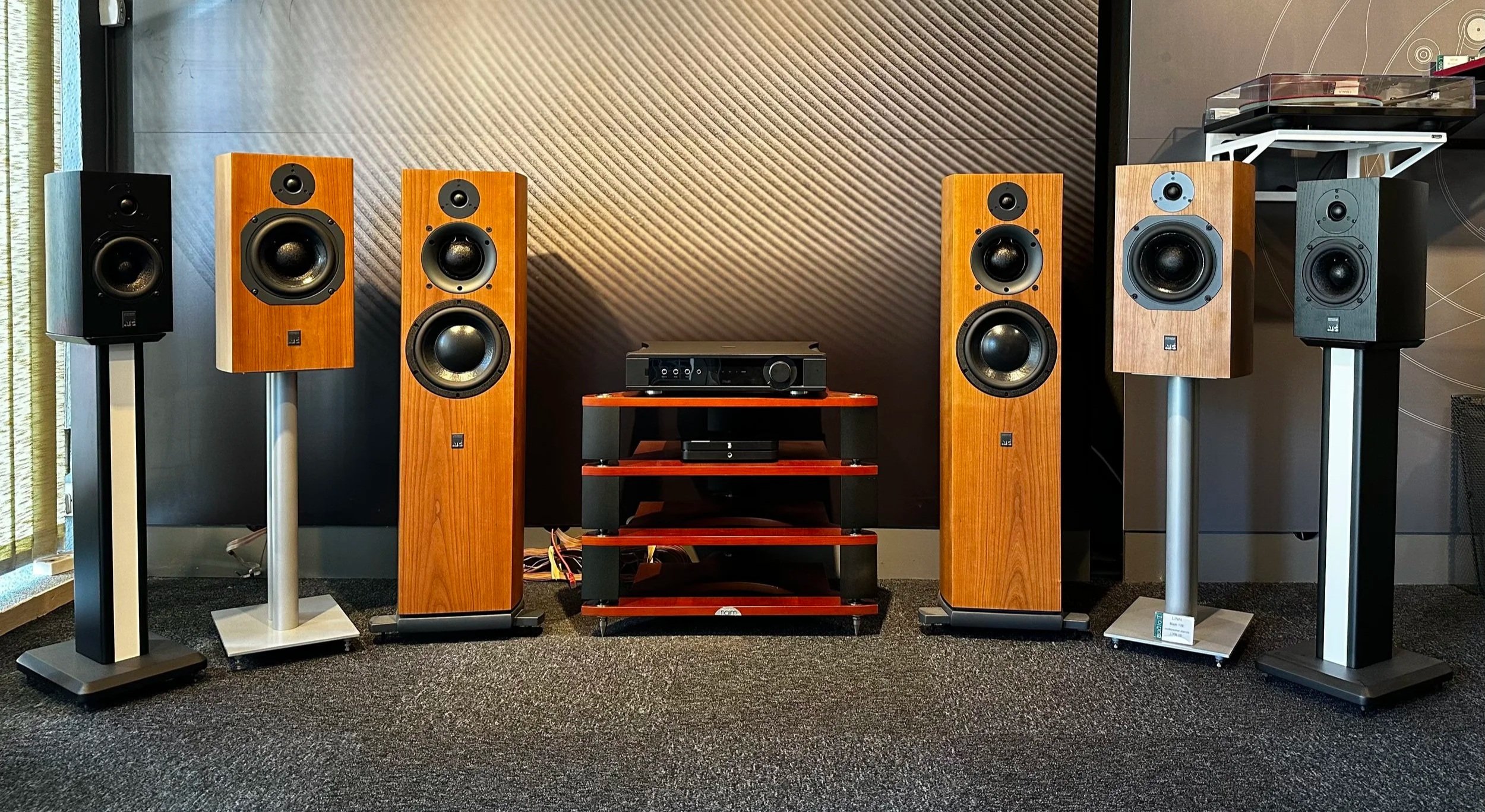
Bringing up the rear, so to speak, are the beautiful little Acoustic Energy AE1 40th Anniversary loudspeakers. Mini marvels that sound way bigger than they have any right to. Do not be put off by their small size!
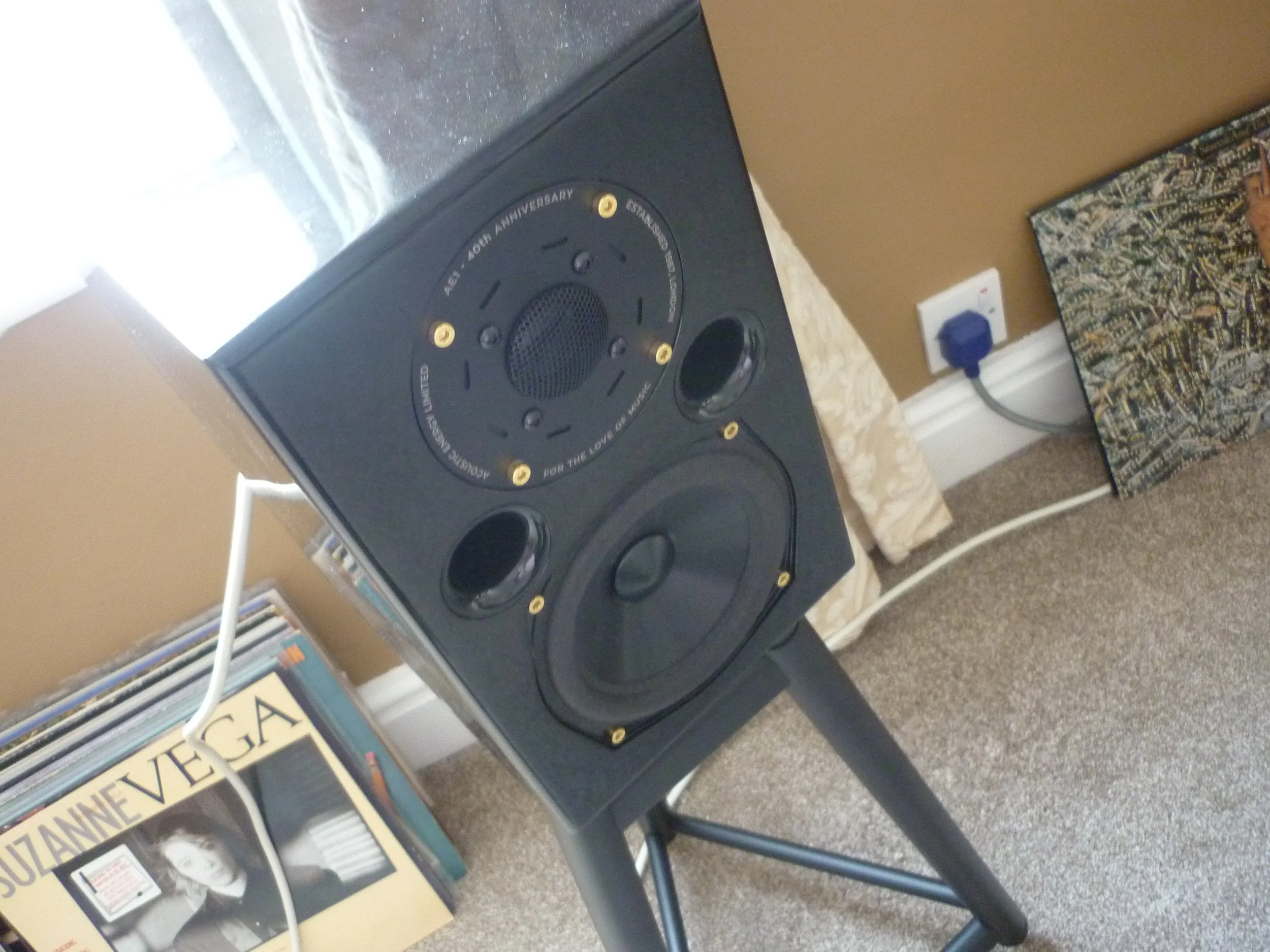
Mounted upon the Solidsteel SS-6 loudspeaker stands and cabled up with some Chord Company OdysseyX speaker cable, the AE1s sound truly holographic and are an utter joy to sit in front of. I chose Rega Couple 3 interconnects to feed the signals from the CD player and streamer into the amplifier and complete the set-up.
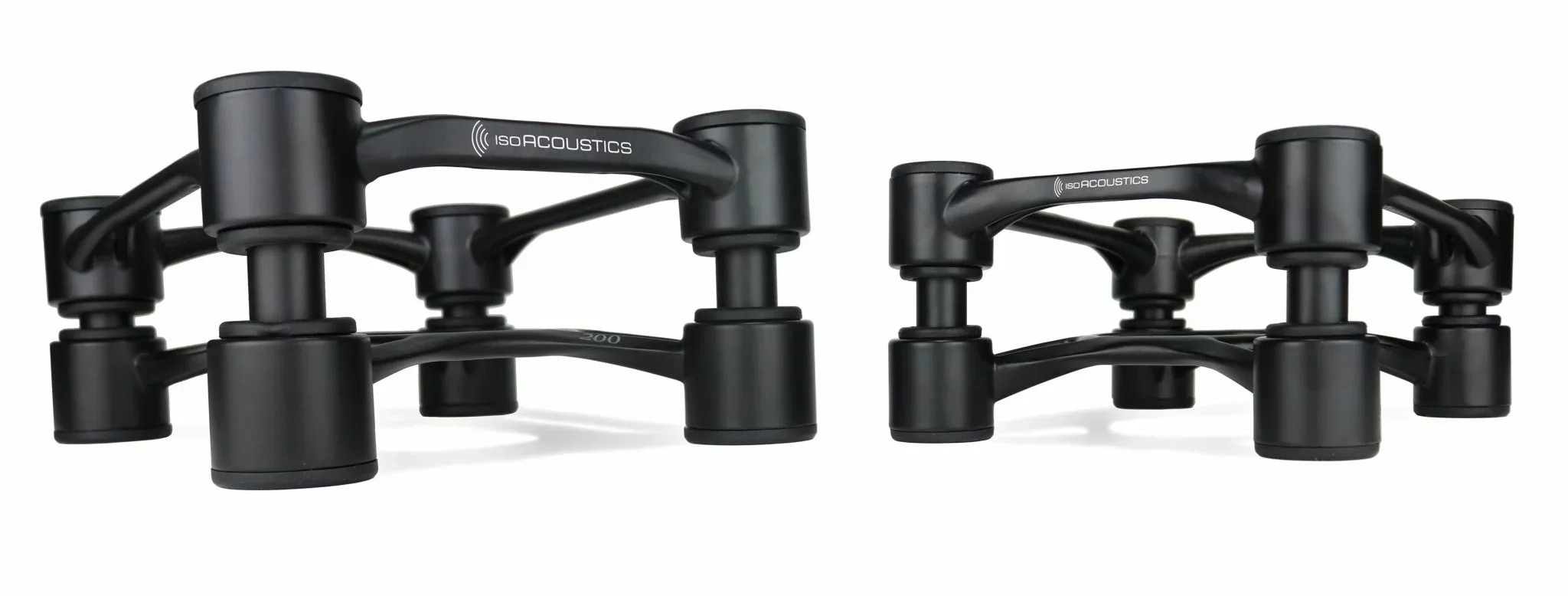
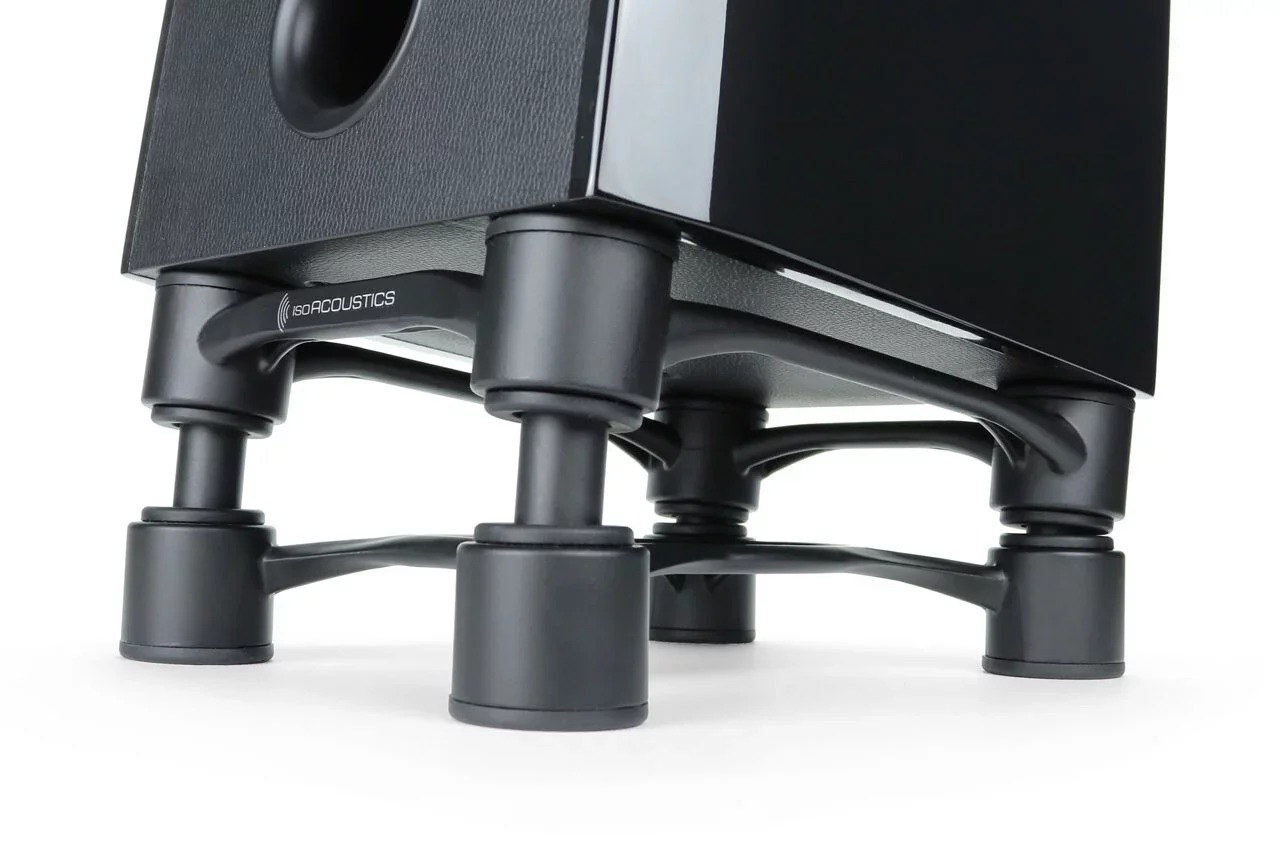
It also pays to spend a little time on speaker positioning. Giving a pair of loudspeakers the right support and finding where they work best in your room can make a considerable difference to the result. Another part of getting the system right.
Wig Out With the Smoke Fairies
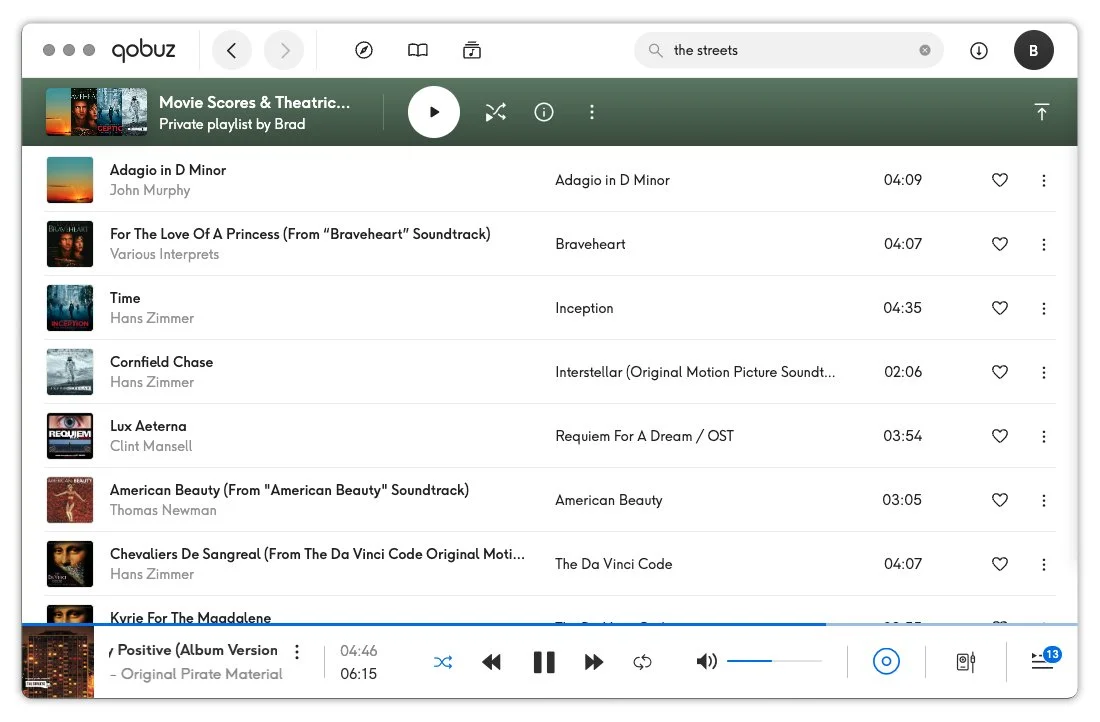
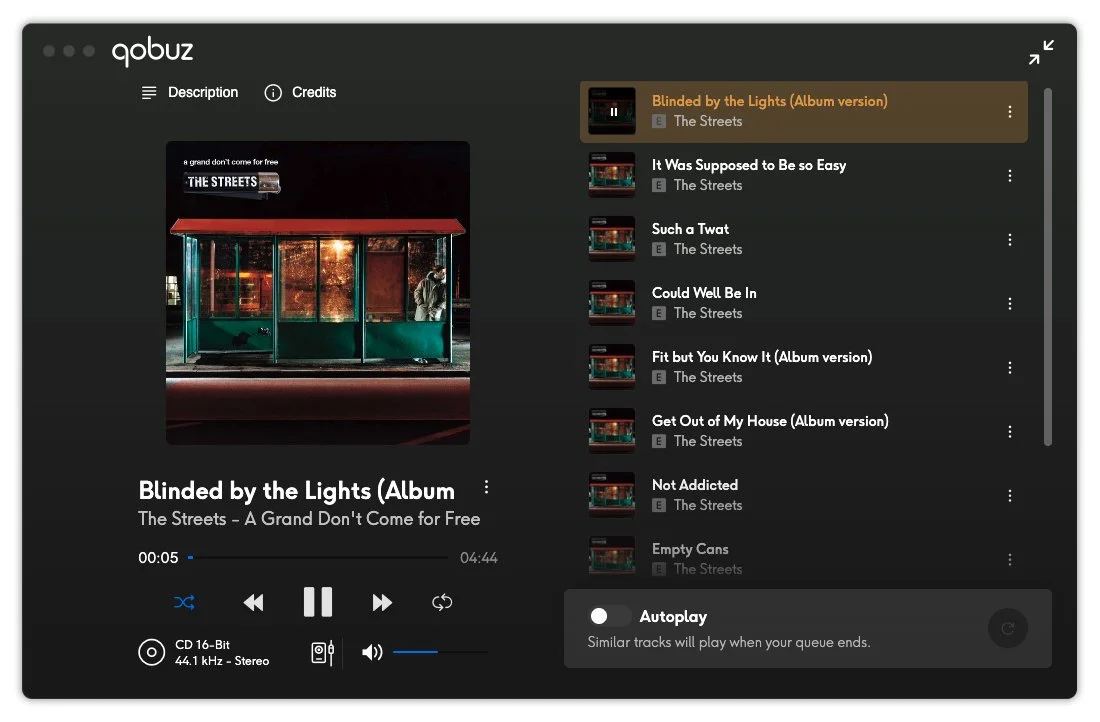
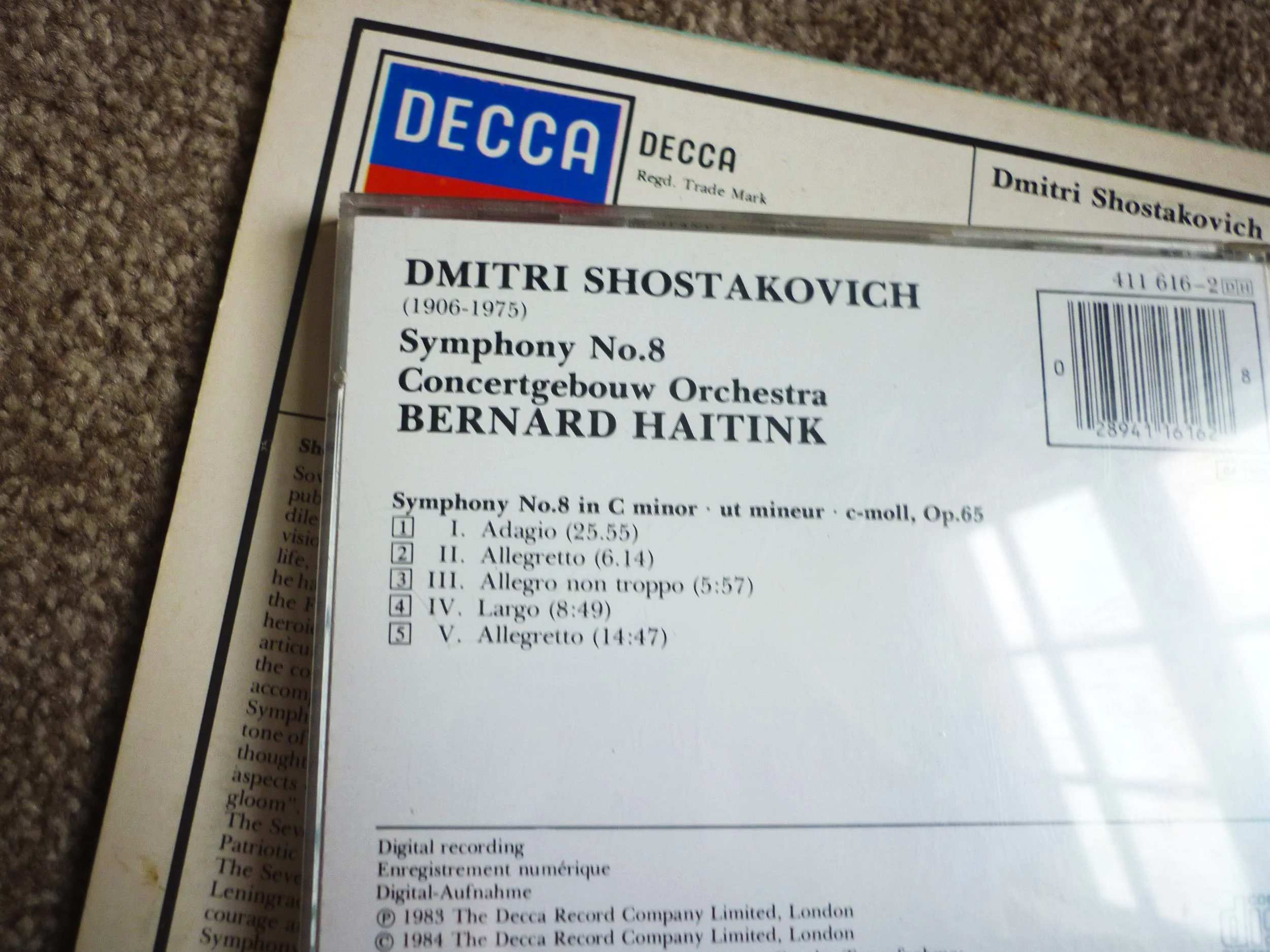
Musical duties throughout were mainly, but not exclusively, handled by Smoke Fairies’ The Three of Us EP and the rather wonderful Wig Out at Jagbags album by ex-Pavement man Stephen Malkmus & The Jicks.
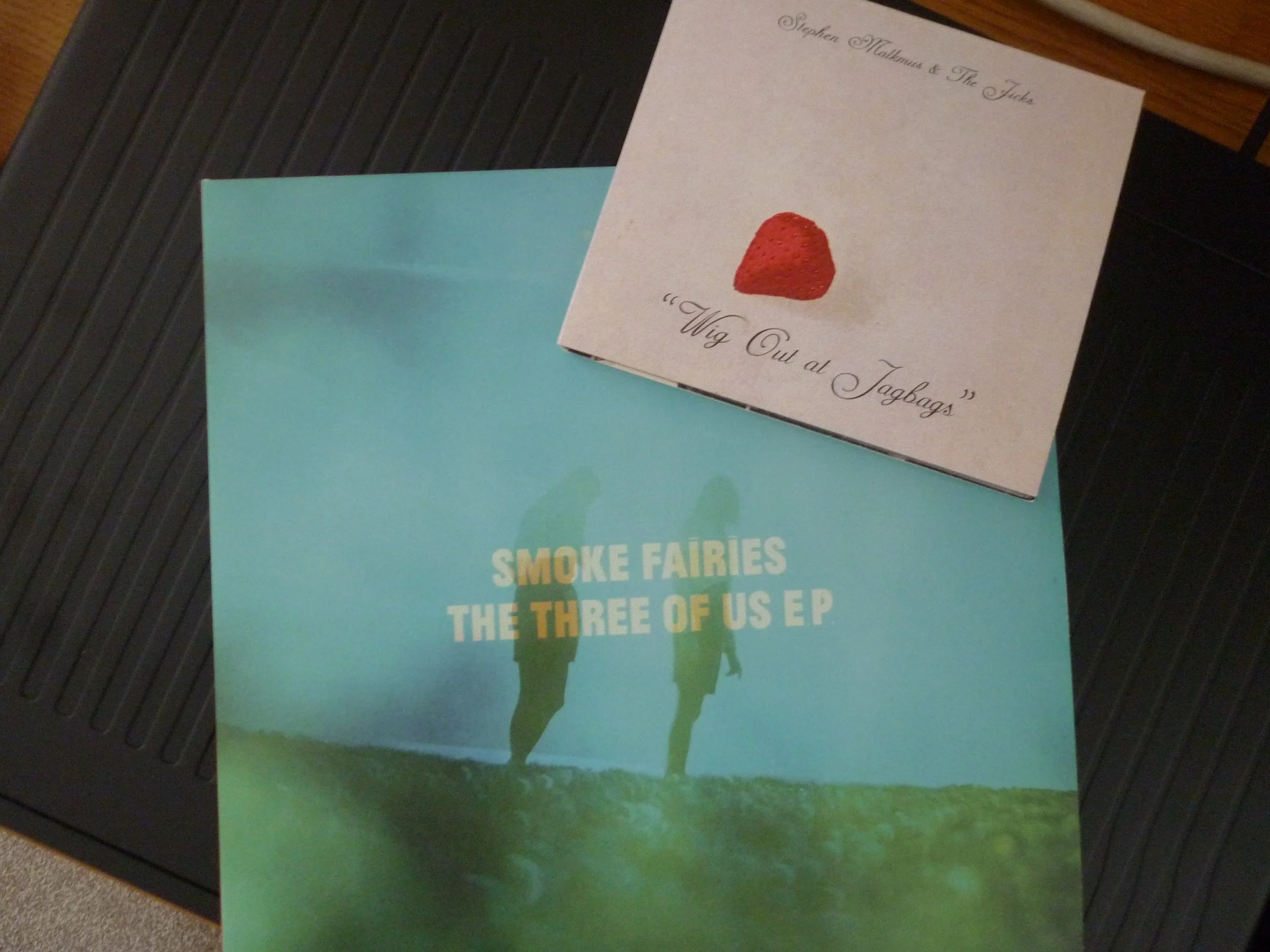
wig out with the fairies
For good measure, and to see how the system handled the less well-recorded side of things, there was also a live version of Do Anything You Wanna Do by Eddie and the Hot Rods!
That last choice matters. Our favourite music does not always arrive wrapped in a pristine recording, and I want a system that makes me want to play the records I love, rough edges and all.
The All-Important System Synergy
The all-important thing here is system synergy. It is very often glossed over, but it has an enormous bearing on how much enjoyment you get from your Hi-Fi.
Reviews and specifications can help you draw up a shortlist. Listening to the components together tells you how well they get along. The amplifier needs to suit the speakers, the speakers need to suit the room, and the whole lot needs to suit you.
Simply assembling a collection of well-reviewed products does not guarantee that they will make the right system for your ears. Choose an unfortunate combination and you could find yourself thinking of a blender full of marbles!
A carefully matched system gives each component the chance to do its job properly. That principle applies just as much to a modest set-up as it does to something considerably more exotic. Whatever your budget, getting the combination right helps you make the most of it.
This Is Where We Come In
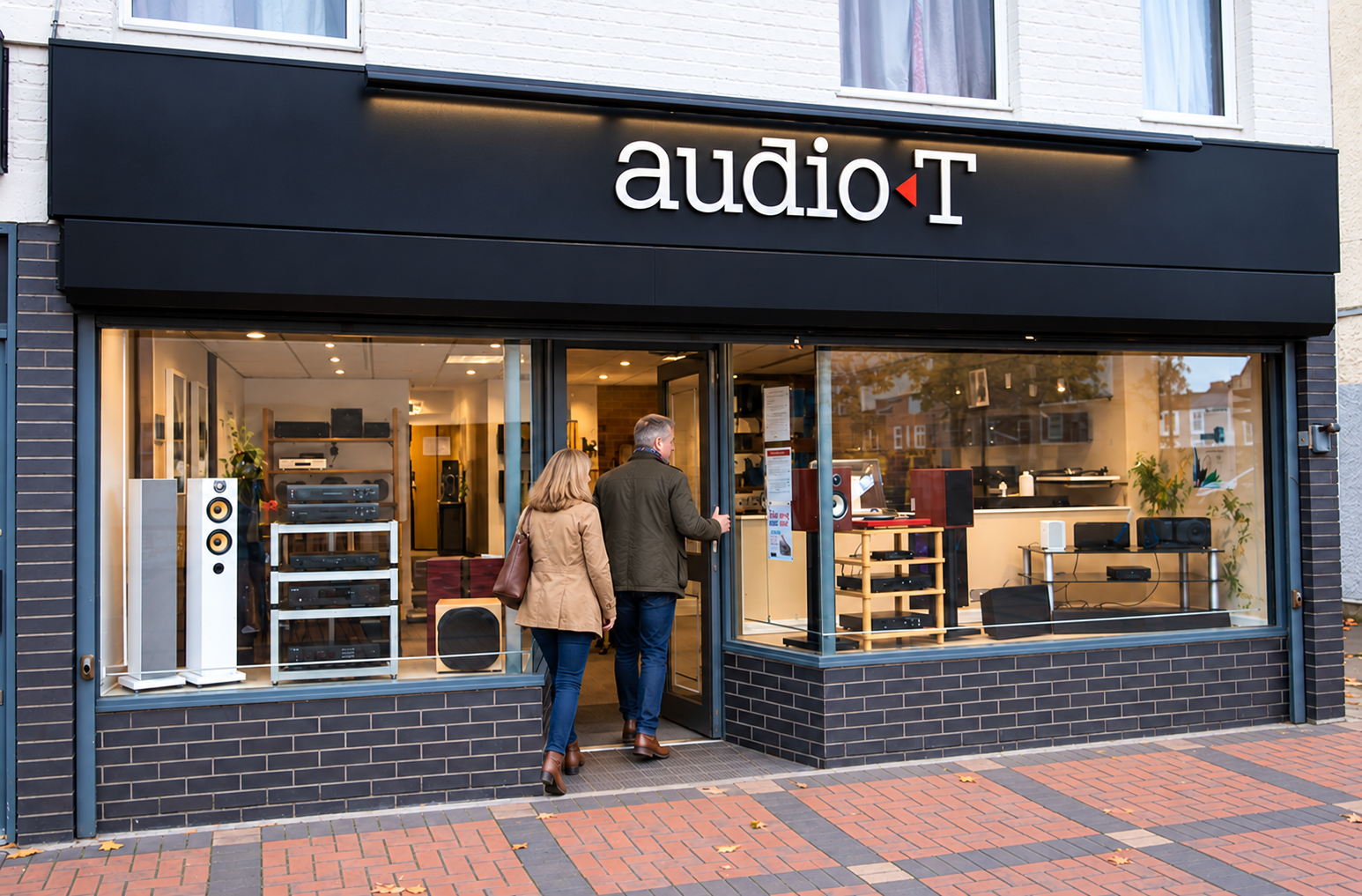
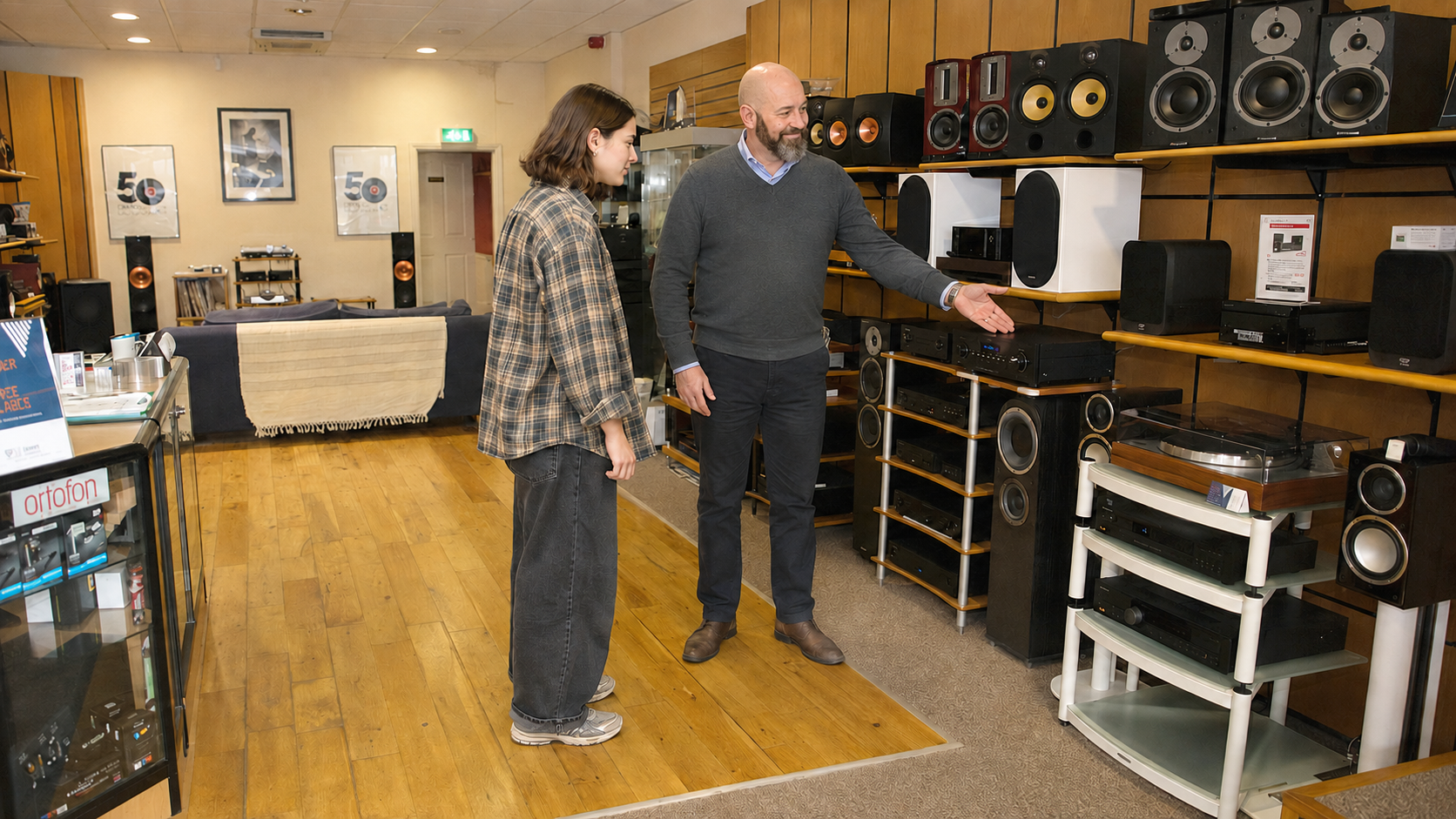
This, of course, is where we come into our own. We have been doing this for a long time. In fact, we have over 100 years’ experience between the three of us here in Cheltenham, and an awful lot of listening has gone into choosing the equipment we stock.
We spend time trying different combinations, moving things about and finding the components that work well together. It also means we can help you build around equipment you already own, choosing where an upgrade will do the most good.
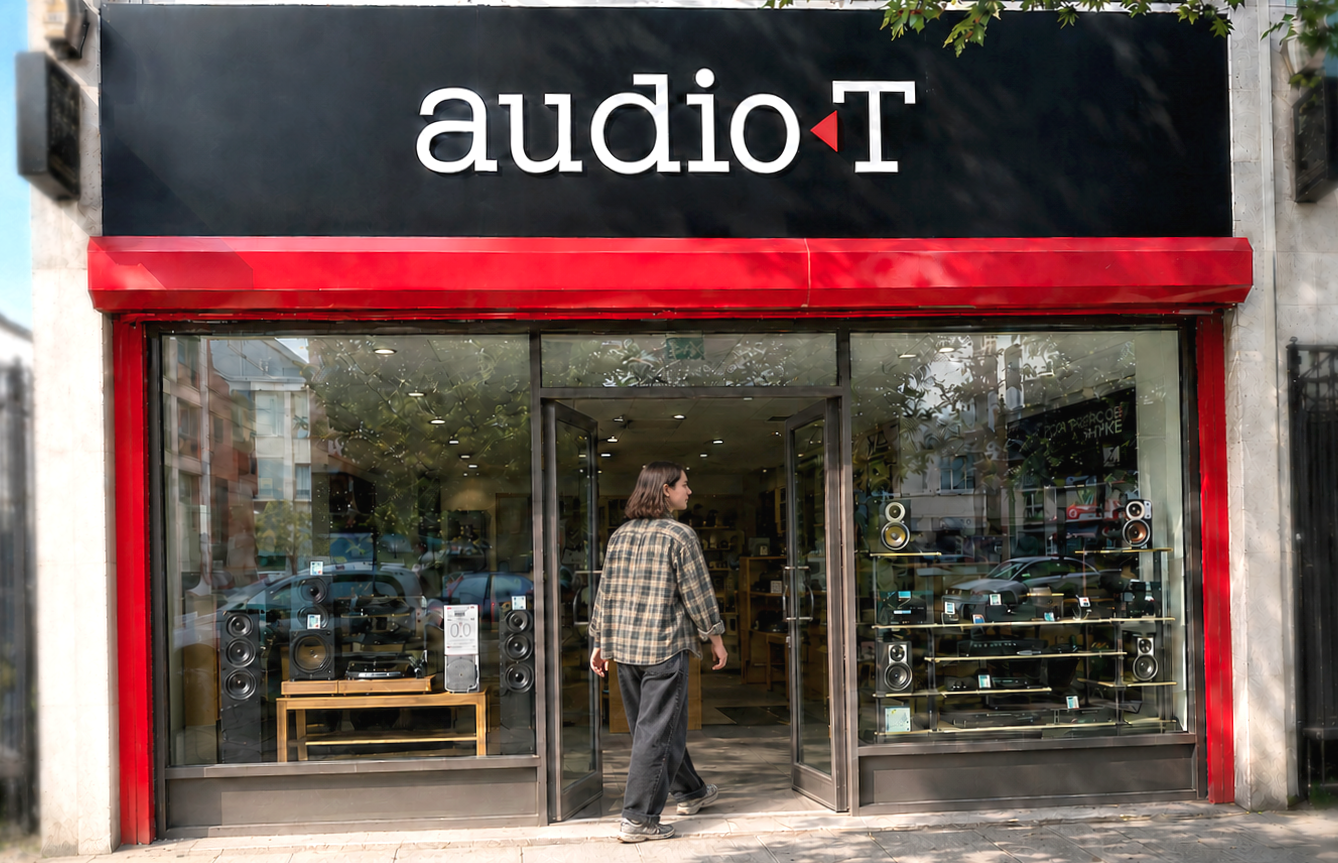
If you would like to hear this system for yourself, please pop into Audio T Cheltenham or give us a call to arrange a listen. Bring some favourite music along and tell us a little about your room and what you would like to spend.

this months blog writing essentials
You really can get great performance without spending bonkers amounts of money. A little careful choosing goes a long way!
Many thanks for reading.
Andy, Audio T Cheltenham
If you have any questions about any of the equipment featured in this article, or any other Hi-Fi or home cinema enquiries, be sure to contact us.
If you’ve enjoyed this, why not read some more of our blogs and follow us on our social media channels below…