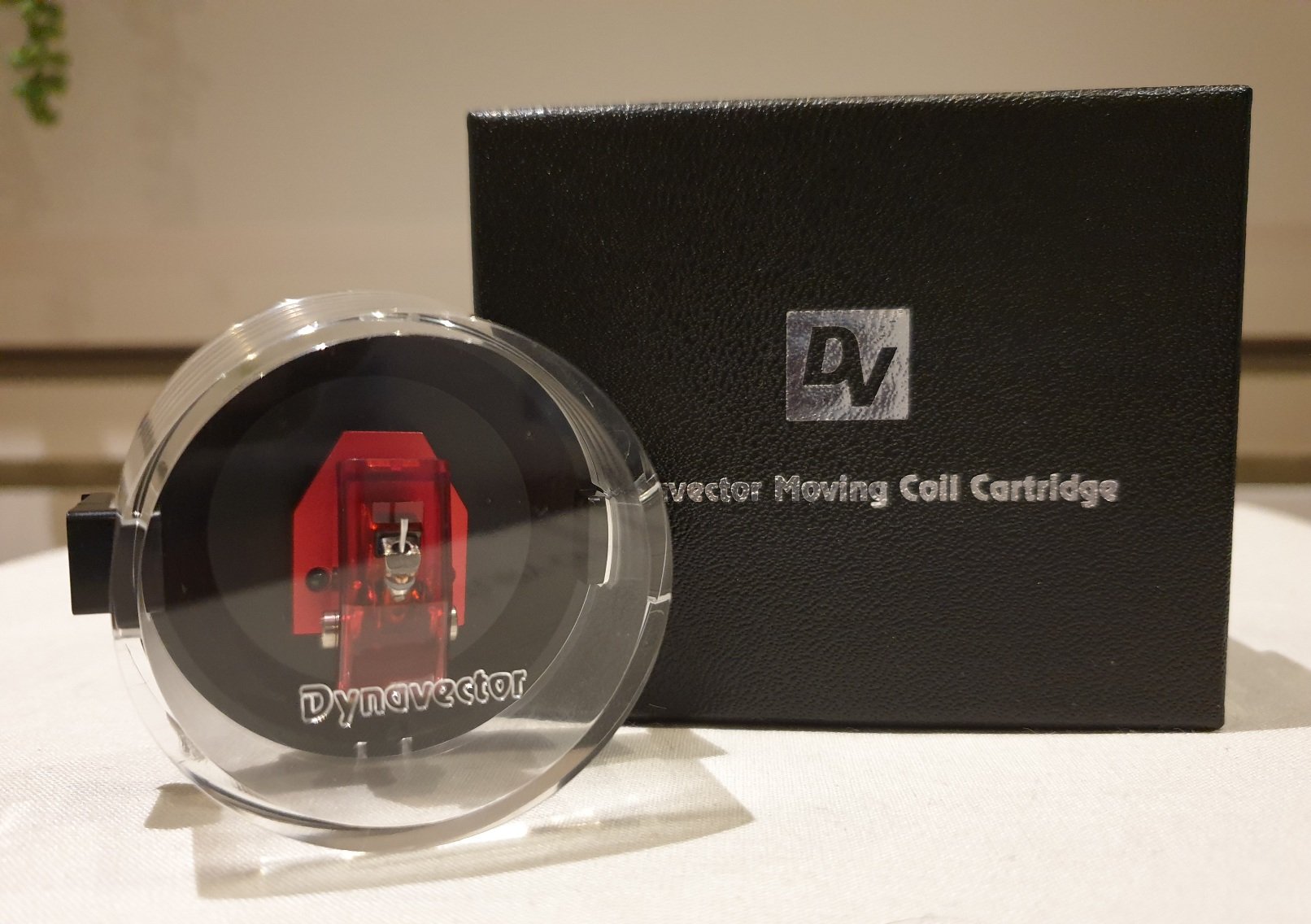
The Annealing Way: The Dynavector 20X2A

This month, Matt from our Cardiff store returns to the analogue side of things once more. Following on from last month’s look at his new Cyrus 40 series phono stage and Dynavector’s moving coil range — particularly the 20X2A — Matt’s been chasing even greater sonic perfection from his turntable. Much like swapping pickups in an electric guitar, changing your cartridge can transform the character of your system. As Matt puts it, less noise equals more music — so let’s find out what he’s discovered this time, and whether it’s led to his next upgrade…

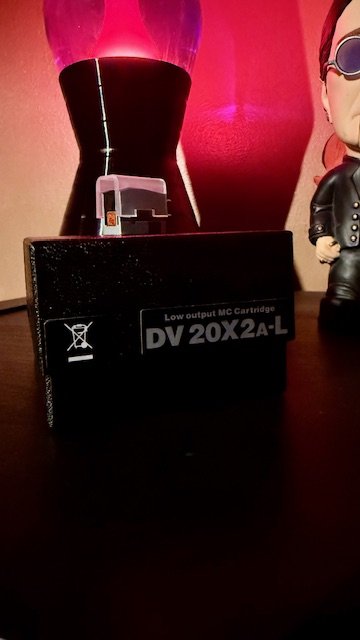
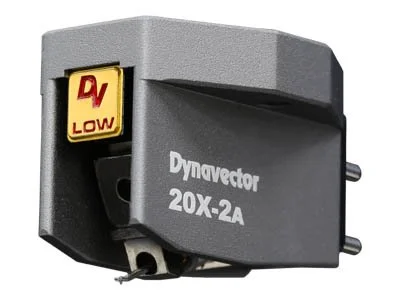
dynavector 20x-2a low output

Why am I looking at a new cartridge ?

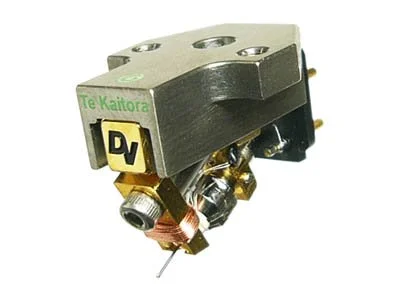
te kaitora rua low output moving coil cartridge

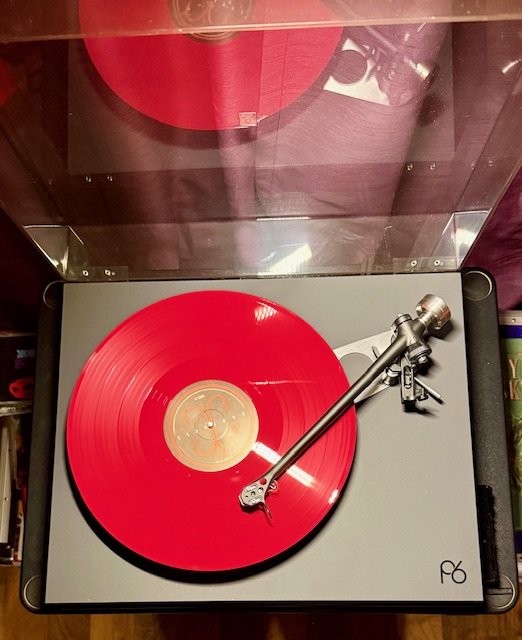
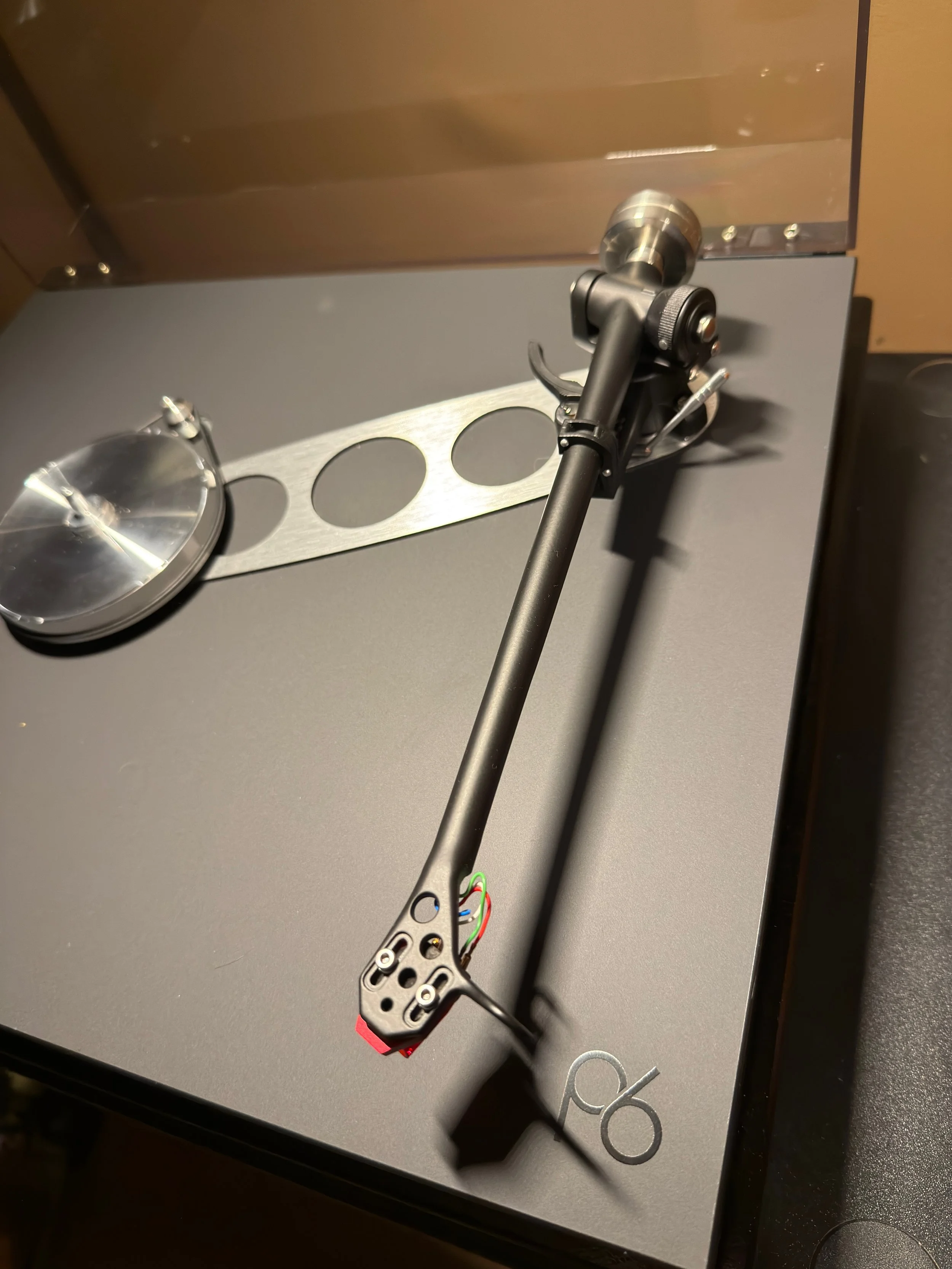
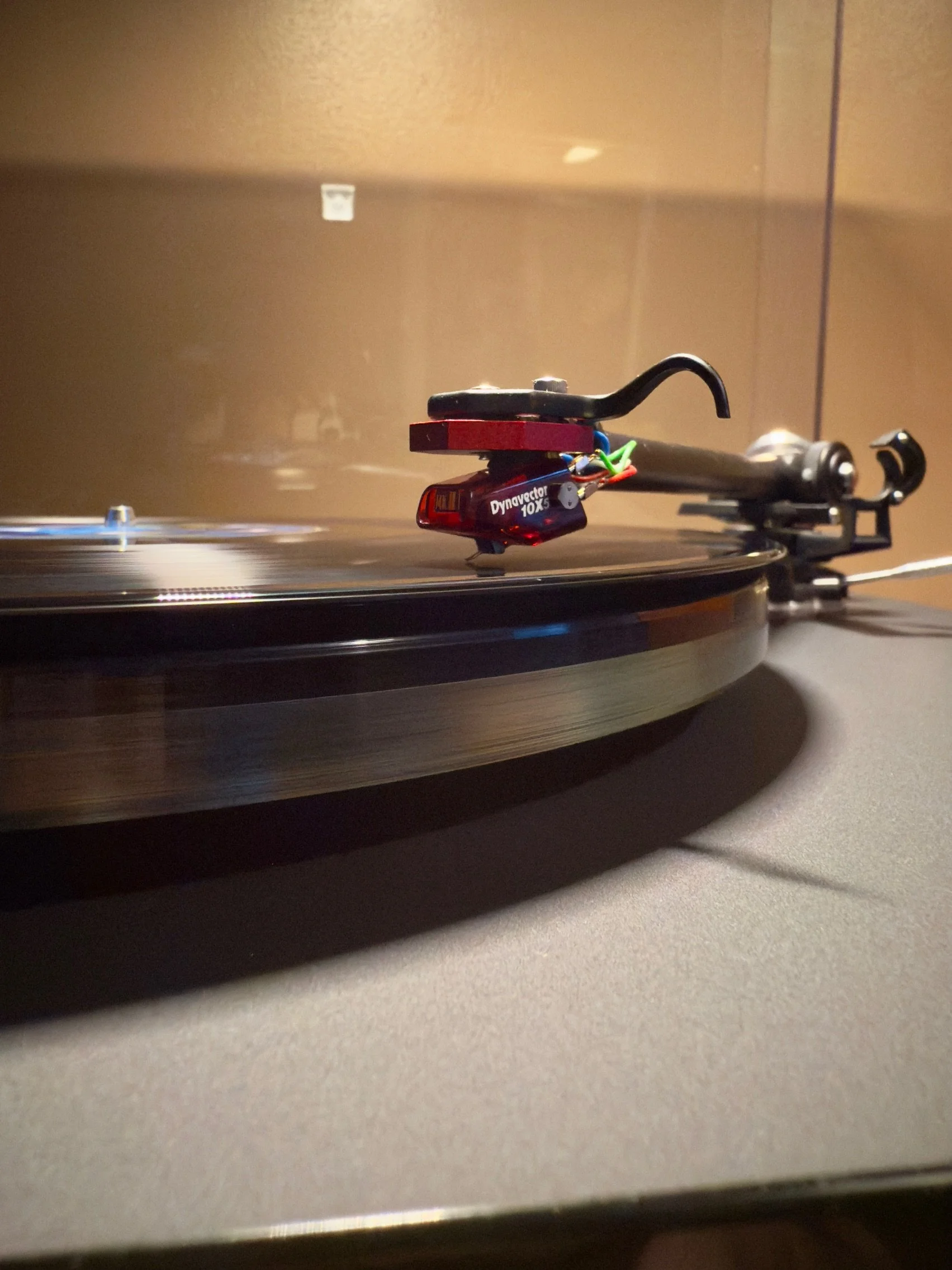
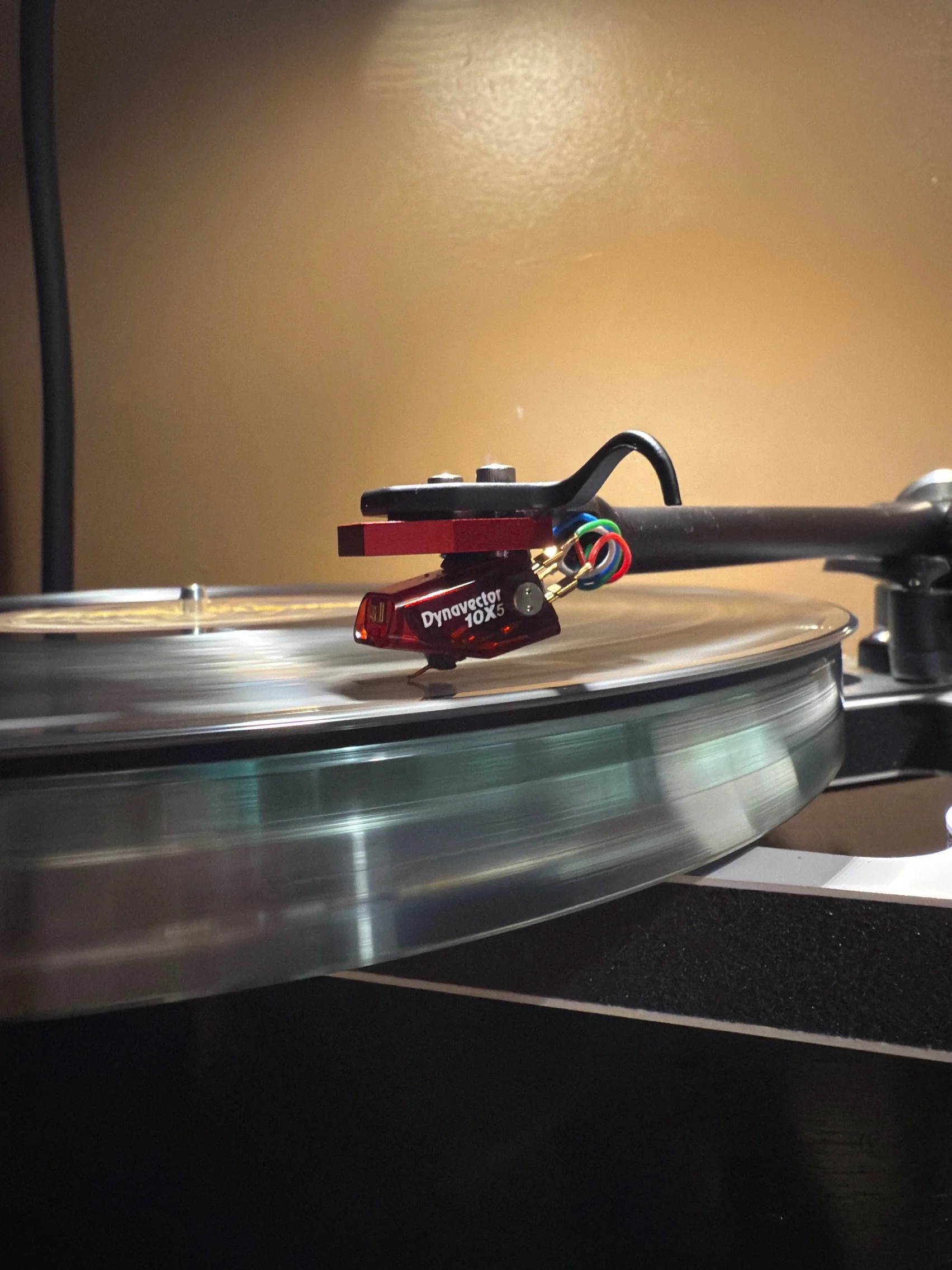
Well, this comes down to something that has always excited me in Hi-Fi — the advancement and development of components, especially when it comes to cartridge design. As you all know, I’m a big fan of Dynavector cartridges. I currently own a Dynavector 10X5 Mk2, which is fitted to my Rega Planar 6. One of my real favourite models in the Dynavector catalogue is the Te Kaitora RUA, but to me that cartridge is somewhat out of reach — until now! By God, I think I’ve found the answer for my wallet and my ears: the Dynavector 20X2A.

This all-new model has now landed at Audio T Cardiff, replacing the long-running 20X2 XX2. The big question is — what does the “A” stand for? It stands for Annealing. In this case, the cartridge has an annealed magnetic circuit.

Before we talk about this fantastic cartridge’s spec and how good it sounds, let’s take a deep breath and dive into what the annealing process is — and, more importantly, what the guys at Dynavector have to say about this process and what it does for this marvel of a cartridge.

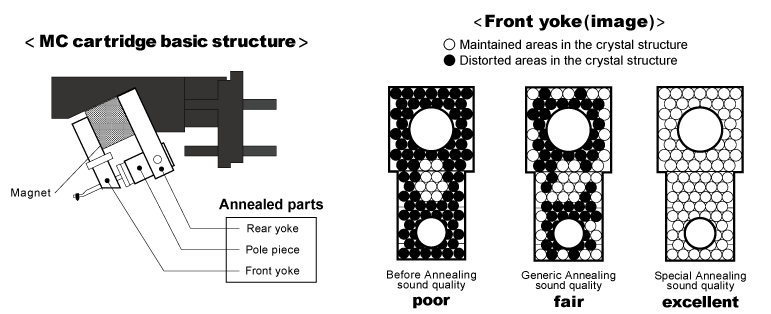
An exceptional vibration system is essential for a high-performance MC cartridge. We emphasise the critical role of the magnetic circuit. The cartridge’s output signal is intricately tied to the movement of the vibration system within the magnetic circuit, where electricity is generated as the coil vibrates amidst the magnetic flux. To ensure optimal output, it is imperative that the magnetic flux maintains high density and stability. We employ pure iron for our magnetic circuit due to its high magnetic permeability and exceptional stability, resulting in a distortion-free output. However, the processing of metal parts often distorts the crystal structure at the atomic level, leading to a loss of magnetic permeability.

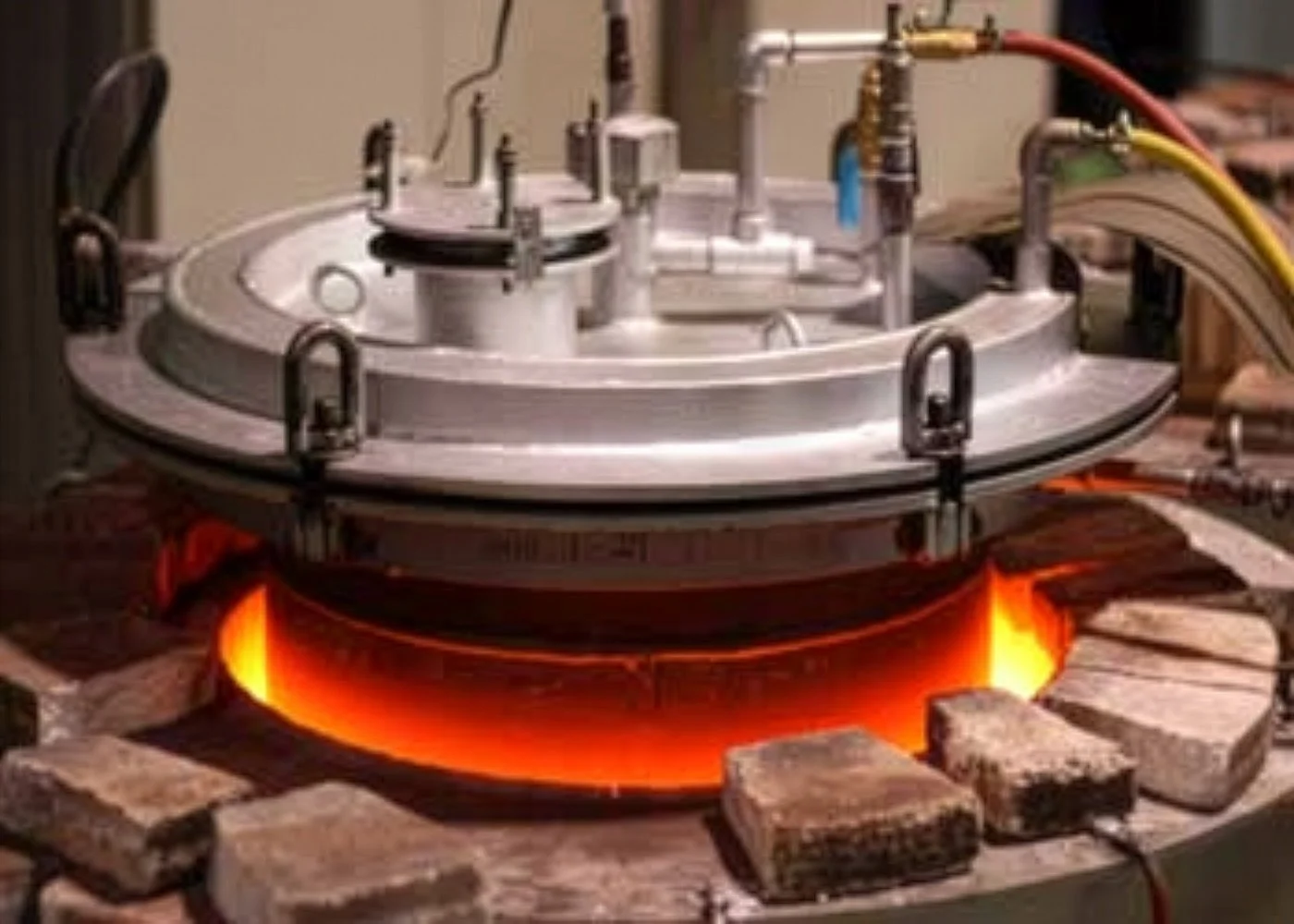
Magnetic annealing is a process of heating and cooling processed parts. It is crucial for restoring the distorted metal crystal structure and regenerating magnetic permeability. However, a generic magnetic annealing cannot fully restore distortions in the crystal structure. The magnetic annealing conditions vary depending on the parts’ material, size, shape, etc. Our recent development focused on finding the best magnetic annealing process, including temperature, environment, duration, and heating and cooling rates. This meticulous approach has enabled us to unleash the full potential of pure iron’s unique magnetic performance.

The new magnetic circuit has significantly enhanced sound quality, delivering unrivalled resolution, smooth wide-range expression, and an expansive sound field. Experience the natural and dynamic sound of the Dynavector 20X2A cartridge, where an exceptional vibration system harmonises seamlessly with an optimised magnetic circuit.
— Dynavector

the annealing process

Let’s talk a little spec.

High output and low output models available.

The high-output model, 20X2A-H, achieves an output voltage of 2.8mV by using Dynavector’s legendary coil technology. A Micro-Ridge stylus is used for the stylus tip. Although the part that contacts the record groove has a minute radius curvature of only 2 microns, the band-like shape of the tip makes it resistant to abrasion and will provide ideal performance over a long period of time. By winding the coil many times with ultra-fine wire, the cartridge can obtain a high output equivalent to an MM cartridge, thus allowing the MC cartridge to be connected to a phono terminal for MM input without the need for a head amplifier or step-up transformer.

The low-output model, 20X2A-L, has a 0.3mV output voltage, using the same PCOCC wires as the higher-end models for the coil. The recommended load impedance of the head amplifier is 30Ω or more, making it compatible with most head amplifiers and MC step-up transformers.

Special annealing magnetic circuit

The magnetic circuit, which is the core of an MC cartridge, uses pure iron that has stable magnetic properties with minimal distortion. Furthermore, by performing special annealing that focuses on optimising the magnetic annealing process — such as temperature, environment, heating duration, and heating/cooling rates — we have succeeded in delivering expansive, resonant sound without distortion and with unrivalled resolution.

MC cartridge basic structure diagram

Neodymium magnets

The series employs patented softened magnets developed to reduce distortion and harsh, irritating, edgy sounds caused by rare earth magnets, while still achieving high output from powerful neodymium magnets. While taking advantage of the powerful magnetic force of neodymium magnets, the cartridge achieves a clear separation of sound.

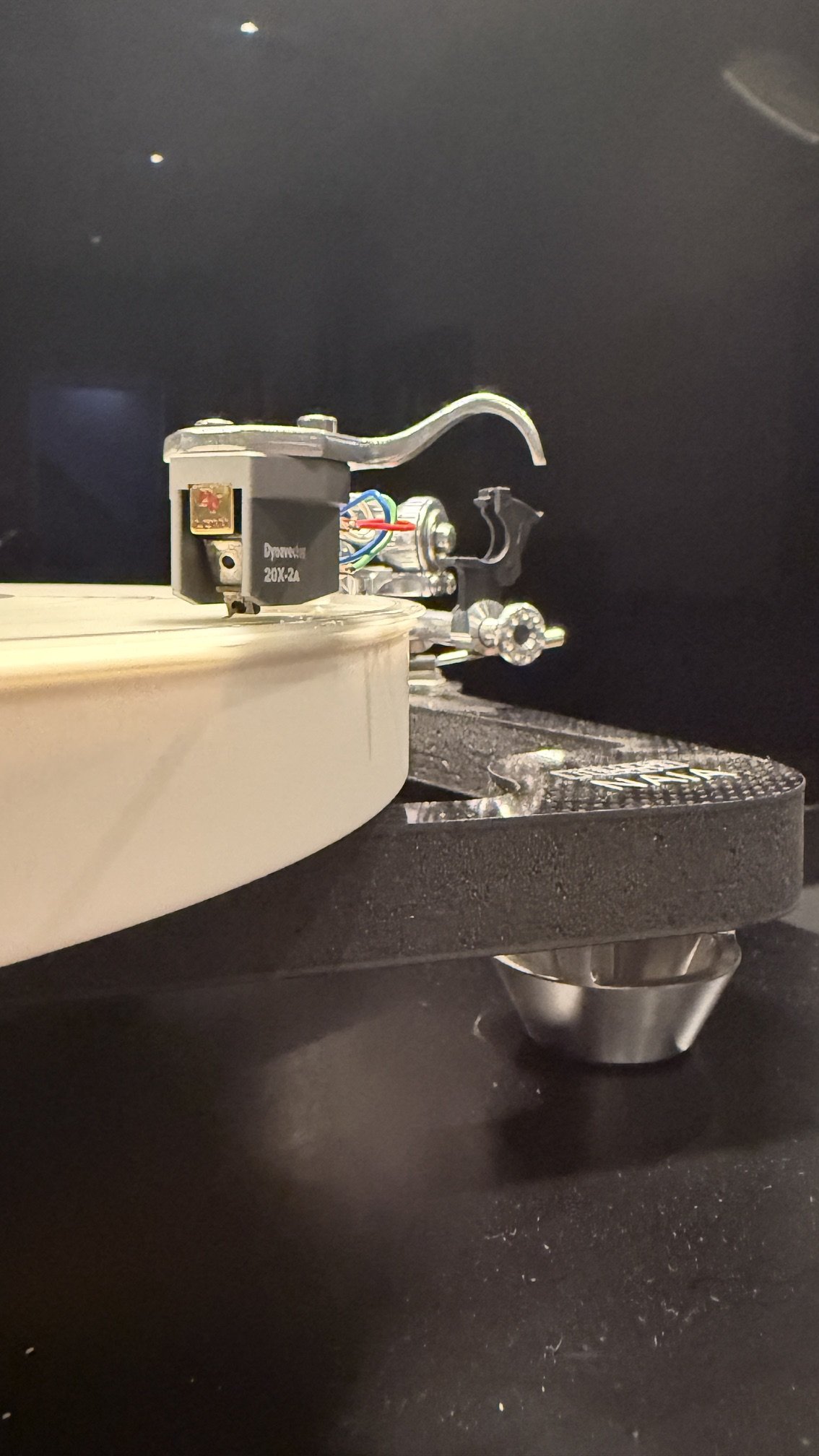
close up 20x-2a

Hard pipe aluminium cantilever

The hollow hard aluminium pipe cantilever reduces the vibration system mass, achieving a wide bandwidth with clear high frequencies.

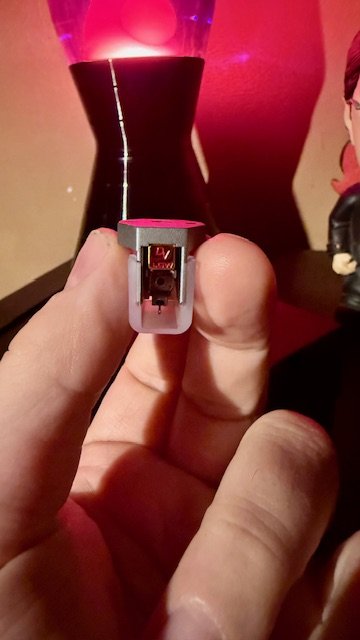
Micro-Ridge stylus

A Micro-Ridge stylus is used for the stylus tip. Although the part that contacts the record groove has a minute radius curvature of only 2 microns, the band-like shape of the tip makes it resistant to abrasion and provides ideal performance over a long period of time.

Specifications

  • Output Voltage: 2.8 mV / 0.3 mV (at 1kHz, 5cm/sec.)

  • Channel Separation: 25 dB (at 1kHz)

  • Channel Balance: 1.0 dB (at 1kHz)

  • Frequency Response: 20–20,000 Hz (±2dB)

  • Compliance: 12 mm/N

  • Tracking Force: 1.8–2.2 g

  • Impedance: 150 ohms / 5 ohms

  • Recommended Load Impedance: 1,000 ohms / >30 ohms

  • Cantilever: 6mm length hard aluminium pipe

  • Stylus Tip: Micro-Ridge nude diamond

  • Weight: 9.2 g

The Listening

But before I talk your ears off about how good the cartridge sounds — what records and tracks did I use?

  • Jerry Cantrell – Afterglow – “I Want Blood” (2024)

  • Living Colour – Love Rears Its Ugly HeadTime’s Up (1990)

  • Mr Big – “Green-Tinted Sixties Mind” – Lean Into It (1991)

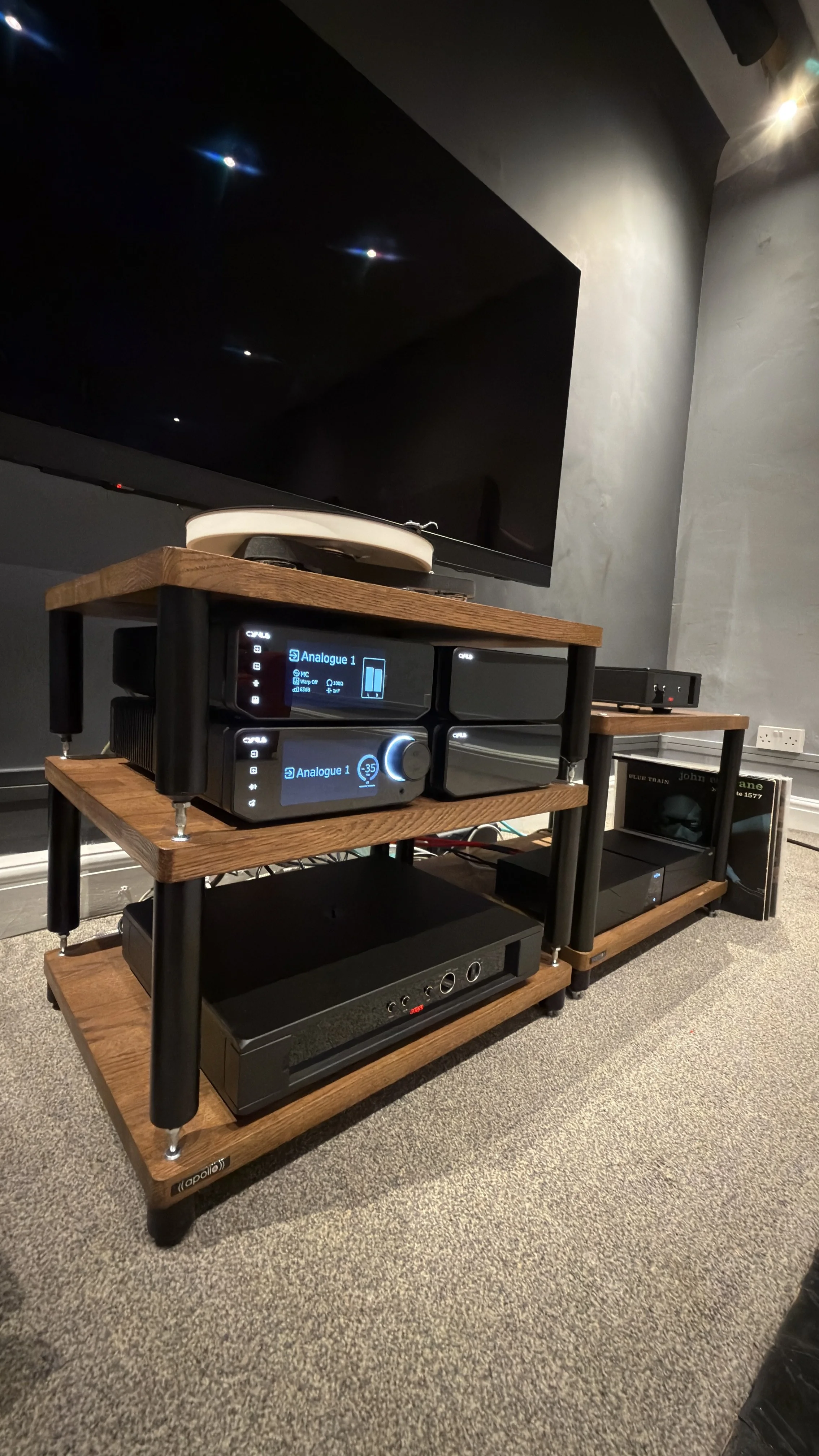
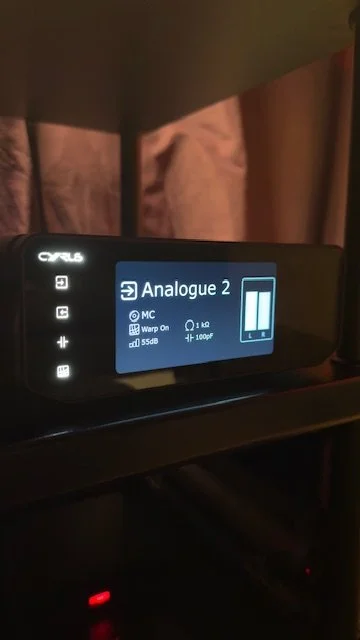
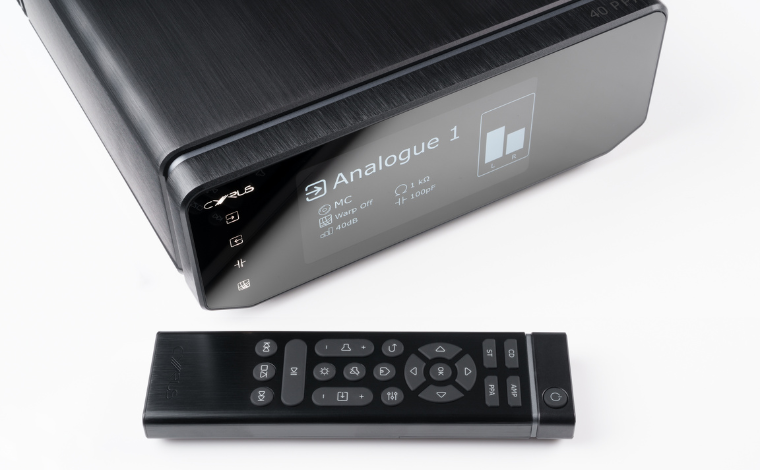
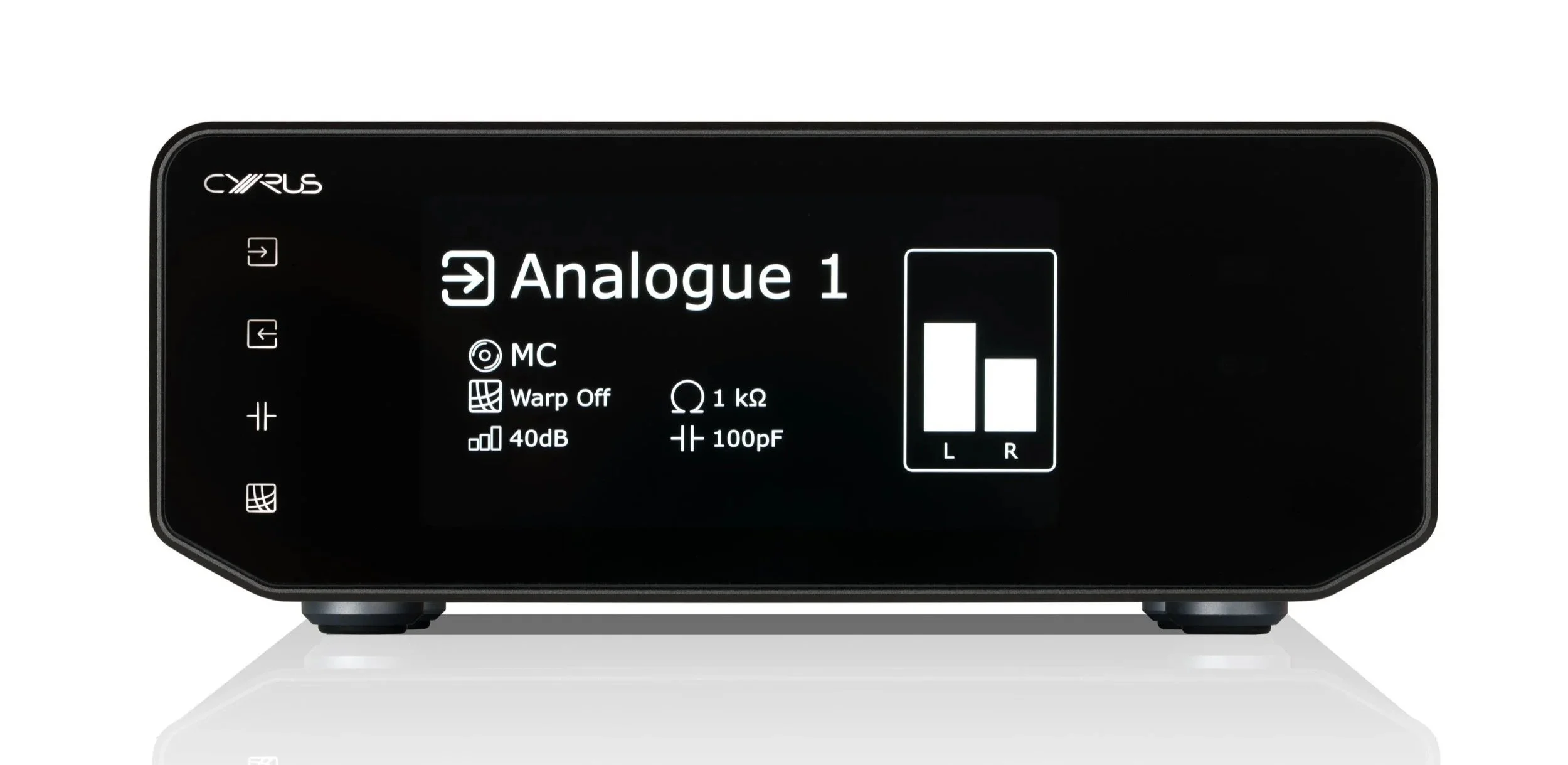
Before I sat myself down to listen, I switched out my Dynavector 10X5 high-output cartridge for the new 20X2A low-output. Then I set up my Cyrus 40 PPA — which, by the way, this is the first time I’ve set this phono stage up for a low-output moving coil cartridge — which is really easy to do via Cyrus’s remote control. My settings on the phono stage, if you guys want to know, are as follows: 1000 Ohms loading, 55dB gain, 100pF channel balance, also with the warp function set to “on”.

cyrus 40ppa settings

Now I’m all set up — amplifier warm and coffee at the ready — let the listening begin. One thing to add: before I changed the cartridge out, I listened to each record with my 10X5 fitted so I could familiarise myself with how each track sounds, and so I could hear the difference between the two cartridges and how they perform sonically.

Okay, back to it. First up, of course, Jerry Cantrell’s track Afterglow. This track in itself is quite atmospheric and open in its performance. With the 20X2A, I had a greater sense of this — there was better placement of Jerry’s vocals, rhythm, and lead guitars, which were a lot less muddled — clean and precise (as much as distorted guitars can be).

The second track, I personally feel, is where this cartridge really stood out from the crowd — Living Colour’s Love Rears Its Ugly Head. Will Calhoun’s drums were nothing short of astounding; I really got the feeling of his drum kit in the room. Vernon Reid’s cleaner guitar on this track really stood out — usually he’s flying up and down the neck with his amplifier cranked, but this track is a little more bluesy, which I really got a sense of.

Last but not least, Mr Big’s Green-Tinted Sixties Mind. In comparison to my 10X5’s performance with this track, it was streets apart. Paul Gilbert’s guitar riff had more presence, and Billy Sheehan’s bass seemed to have more feeling — and dare I say it — more groove.

In Conclusion

I really feel that I was right to be excited about the Dynavector 20X2A. It really comes close to performing like their legendary Te Kaitora and is a huge improvement on its predecessor. I do feel it’s an endgame cartridge for me, and I highly recommend trying one out. But if you don’t want to stretch to the 20X2A, Dynavector have used the same annealed circuit in the new 10XA — which also sounds pretty phenomenal.

Thank you for taking the time to read my blog -

Matt Aaron - Audio T Cardiff

If you have any questions about the event featured in this article, or any other Hi-Fi or home cinema enquiries, be sure to Contact Us.

If you’ve enjoyed this, why not go ahead and read some more of our other blogs, and be sure to follow us on our social media channels below…
Can you say PPA? The Cyrus 40 PPA phono stage, that is!

This month’s blog comes from me—Matt at Audio T Cardiff. Yes, I’m back on the upgrade path, but this time it’s a proper case of that old saying in music: once you’ve heard it, you can’t un-hear it. The component in question sits very close to the source—in fact, it boosts the source. And my favourite source? Vinyl (not chilli!). Without a phono stage, you’d be turning the amp up far too much and it just wouldn’t sound right. So yes, you’ve guessed it—it’s a phono preamp. But not just any phono preamp: the Cyrus 40 PPA.

Vinyl Obsession: Less Noise, More Music

As many of you know, I’m always on the hunt for the perfect sound. I love vinyl, but replay can be noisy at times. The odd pop or crackle is fine, but what I want is to hear those extra details that sometimes get buried—the scratch of a guitar string, the buzz of a Marshall JCM 800, the breath on a mic, or the subtle rhythm on a hi-hat. That’s what led me to upgrading my phono stage: bringing the noise floor down so those details come through.

This all started at the Bristol Hi-Fi Show earlier this year…

Cyrus 40 PPA

Bristol Hi-Fi Show: First Glimpse

Back in February, I’d already placed my order for the Cyrus 40 Amp, and I had a good idea a new phono stage was about to arrive in the Cyrus 40 line-up. At the show, I met Nick Clarke, Cyrus’s Managing Director, and we had a great chat about all things Cyrus—past, present, and future.

Nick showed me the new PPA phono stage. It was still pre-production and not ready to demo, but it instantly caught my attention. Any new gear is exciting, but when it involves vinyl, I’m like a red rag to a bull—or maybe just an excitable nerd! I remember saying to Nick, “I can’t wait to hear the phono stage, plus I know it’ll look great next to my new amp.”

Nick compared it to the original Cyrus Phono Signature, which is still regarded as one of the very best ever made. He explained how the new low-noise DC power supply would help lower the noise floor even further, delivering more dynamic range and, most importantly, more musicality. Sadly, I didn’t get to hear it then, but that moment was coming…

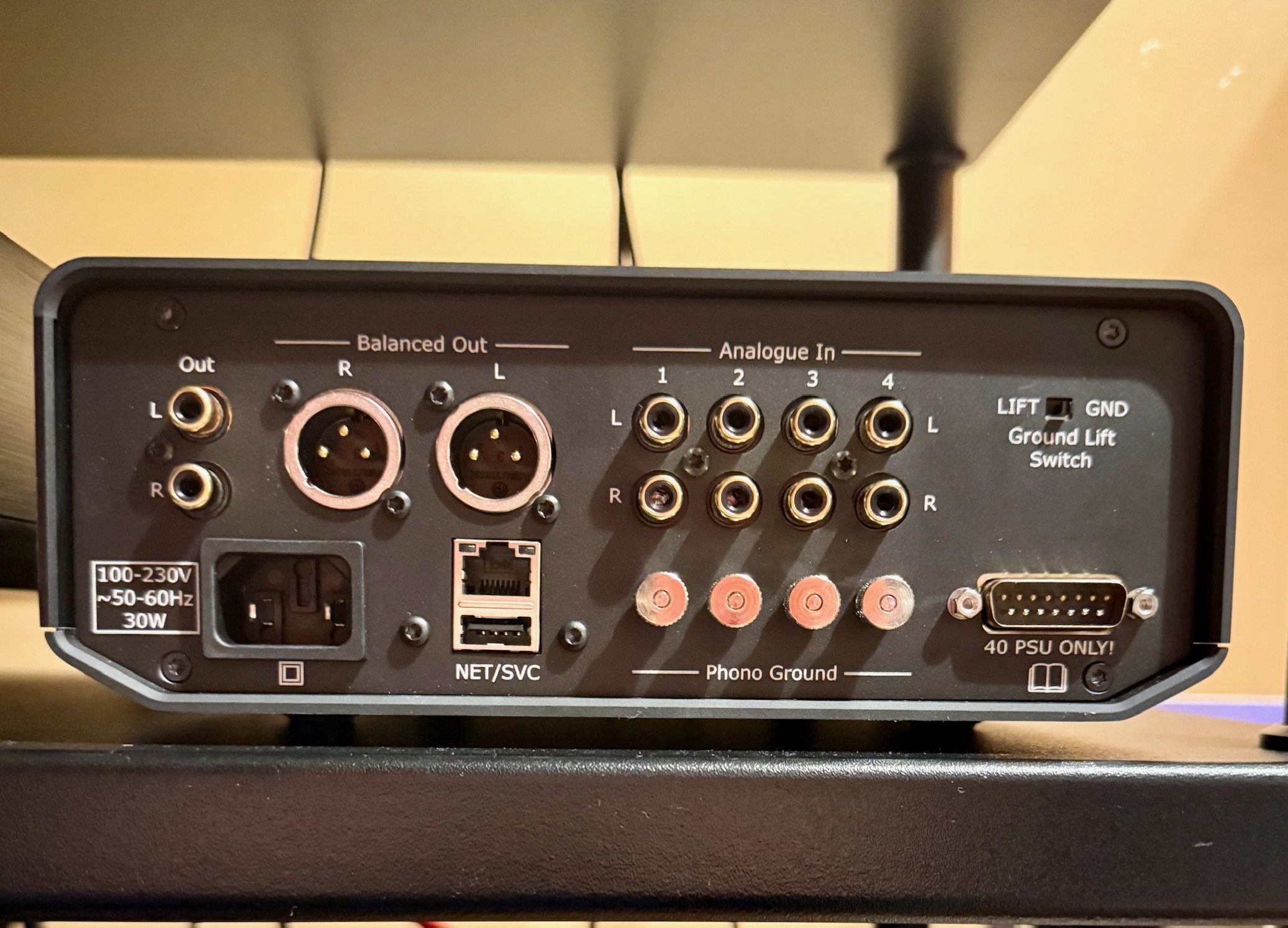
Cyrus 40 ppa - rear panel

Our Cyrus Evening in Cardiff

In June, we held a Cyrus evening at our Cardiff store, and we were joined by Jason Saxon from Cyrus Audio. The highlight? Jason brought with him the finished Cyrus 40 PPA.

The event itself was brilliant—plenty of music and chat about the 40 Series—but for me, the PPA was the real star of the show. Compared with the already excellent classic Cyrus phono stage, the improvements were clear: lower noise, more musicality, more detail. The front panel made adjustments simple, but the biggest surprise was how much more alive the music felt.

I remember listening to Sweet Soul Sister by The Cult, and I’d never heard Billy Duffy’s Les Paul Custom sound so good. The separation and definition between notes was outstanding. And then Jason added the matching Cyrus 40 PSU… let’s just say my wallet wasn’t impressed, but my ears were! By the end of the night I was sold: “Can I order a Cyrus 40 PPA, please?”

A Quick Look at the Specs

Here’s what the Cyrus 40 PPA offers:

  • Four turntable inputs, all MM and MC compatible

  • Configurable gain, load, and capacitance settings on MC inputs

  • Stereo output meters with peak hold

  • Warp filter to tame bass from warped records

  • Balanced XLR and RCA outputs

  • Ground lift switch to eliminate hum

  • Remote control included

  • Compatible with the 40 PSU

  • RJ45 Ethernet for firmware updates

Pretty serious, right? But specs only tell part of the story.

Listening Time: The Real Test

You know me—coffee in hand, records at the ready. This time I lined up:

  • Skid Row – Subhuman Race (1995), “Into Another”

  • The Black Crowes – Happiness Bastards (2024), “Wilted Rose” ft. Lainey Wilson

  • Soundgarden – Down on the Upside (1993), “Pretty Noose”

Nytech cdp122 vs Cyrus 40 PPA

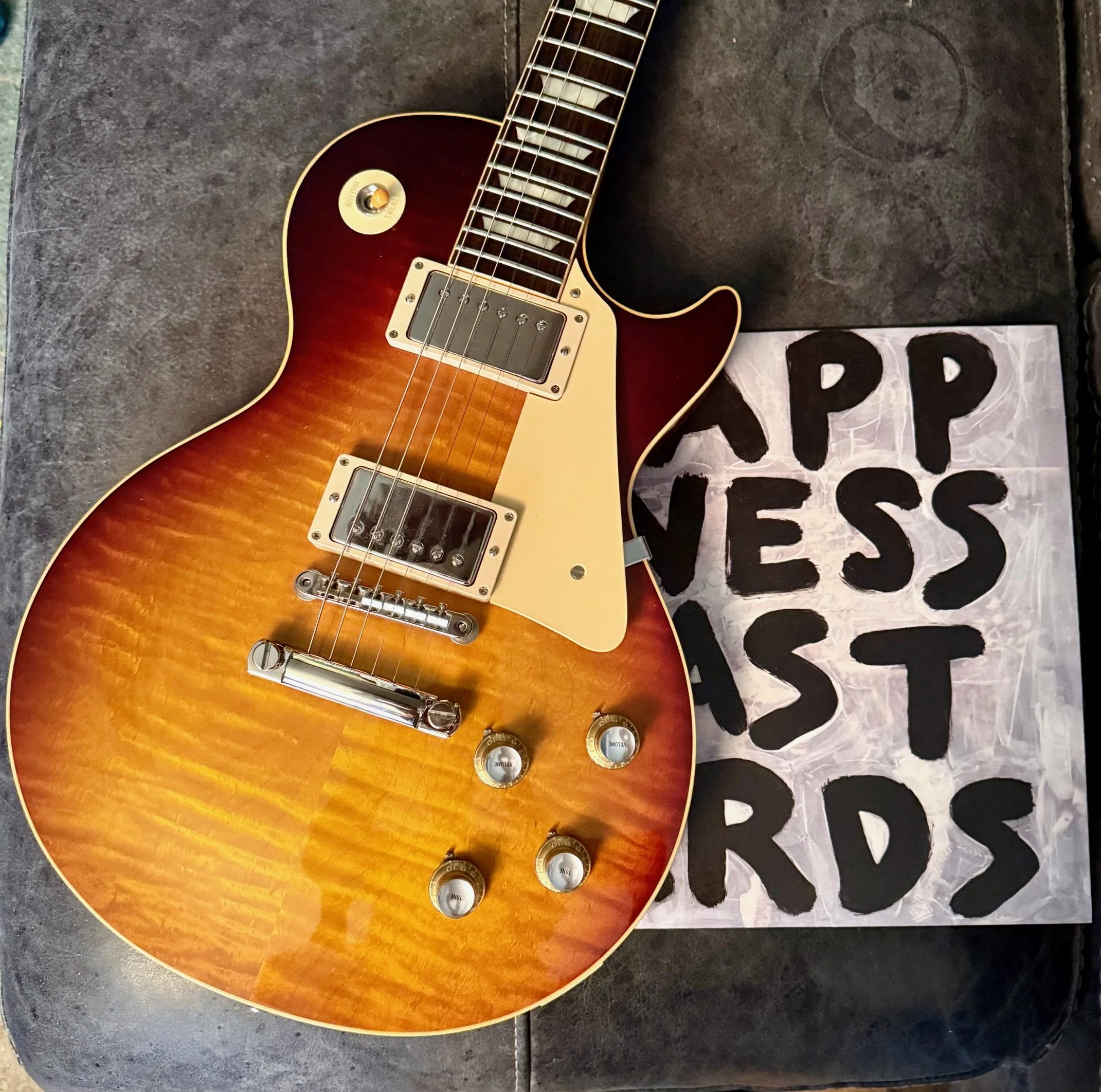
matt’s own gibson & black crowes : Happiness Bastards

With the phono preamp switched over and the 40 PPA set to moving magnet (my Dynavector 10X5 is a high-output moving coil), I was ready to go. The first track was Into Another by Skid Row. Straight away, I noticed a substantial drop in the noise floor. Rob Affuso’s drums had more space around them, and Snake Sabo’s Stratocaster had extra bite and definition.

When the chorus kicked in, I tried the Warp filter on the PPA—despite my record not being warped. All I can say is wow. The bass tightened up, giving the track more drive and a wider, more open soundstage. This was especially noticeable on the Black Crowes track that followed. Towards the end, as the percussion and Rich Robinson’s slide guitar on his ’68 Goldtop Les Paul (with those ultra-rare P90 pickups) really kicked in, there was more separation, clarity, and even a touch of extra emotion in the performance. Chris Robinson and Lainey Wilson’s duet was also better placed in the mix, making the vocal interplay more engaging.

Both Skid Row and the Black Crowes sounded superb, but the star of the evening was Soundgarden’s Pretty Noose. Kim Thayil’s opening riff leapt out, Matt Cameron’s drumming was thunderous, and Chris Cornell’s vocals were locked in and focused. It was so good, I had to spin the track again.

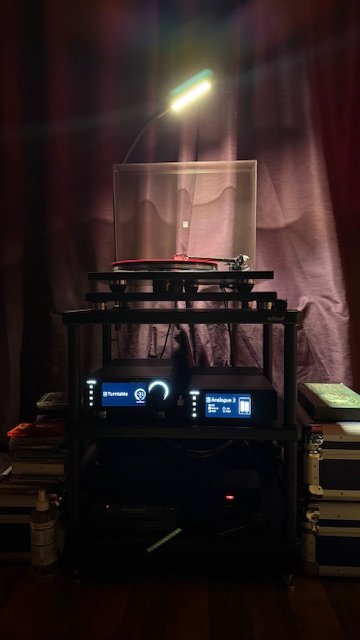
Matt’s rack in black

Conclusion: My Endgame Phono Stage

For some, the Hi-Fi journey ends once the system’s complete. For others (me included), it’s about chasing the next improvement, the missing detail. With the Cyrus 40 PPA, I feel like I’ve reached an endgame component—one I don’t plan to change.

It’s not just the sound that impresses me, but also how flexible and easy it is to adjust for different cartridges. And yes, a cartridge upgrade is on the horizon—that’ll be next month’s blog, where I’ll talk about a new Dynavector.

One last note: Cyrus are running a trade-up scheme from 1st October to 31st December 2025. Trade in your old kit and get a discount on new 40 Series units, unfortunately the 40 PPA is excluded from this promotion due to it being so new. Ask your nearest Audio T for details.

Thank you for taking the time to read my blog.

Matt Aaron - Audio T Cardiff

If you’ve enjoyed this, why not go ahead and read some more of our other blogs, and be sure to follow us on our social media channels below…

Cyrus Audio can be found at the following Audio T stores

Rega Planar 6 vs Planar 8 – Is the Upgrade Worth It?

Matt from Audio T Cardiff goes deep into the Rega turntable lineup, comparing his trusted Planar 6 with the higher-end Planar 8. Is the jump worth it? Let’s find out.

rega logo

Hi again folks. As the title suggests, I’m once more exploring changes to the beating heart of my home Hi-Fi system. It’s been almost four years since I bought my beloved Rega Planar 6 turntable, which has never skipped a beat or let me down. If you’ve read my blogs before, you’ll know my passion for vinyl and its uniquely musical way of reproducing sound. To me – and maybe to many of you out there – vinyl remains the ultimate way to listen to music.

I’m writing this while cranking Ozzy Osbourne’s Mr Crowley from Blizzard of Ozz. There’s only one way to listen to the Prince of Darkness – LOUD. Anyway, let’s get back to business.

Why the Upgrade Question Came Up

Lately, I’ve been wrestling with one big question: should I upgrade from my Planar 6 to the Rega Planar 8?

The Planar 10 – and the flagship Naia – are a step too far for me at the moment. But on paper, the Planar 8 looks like a meaningful step up from the P6. So before we dive into listening impressions, let's take a look at the specs of both decks.

For this comparison, I’ve removed the cartridge variable by using my own Dynavector 10X5 Mk2 high-output moving coil.

Starting with my current turntable, let’s have a look at their respective specifidcations:

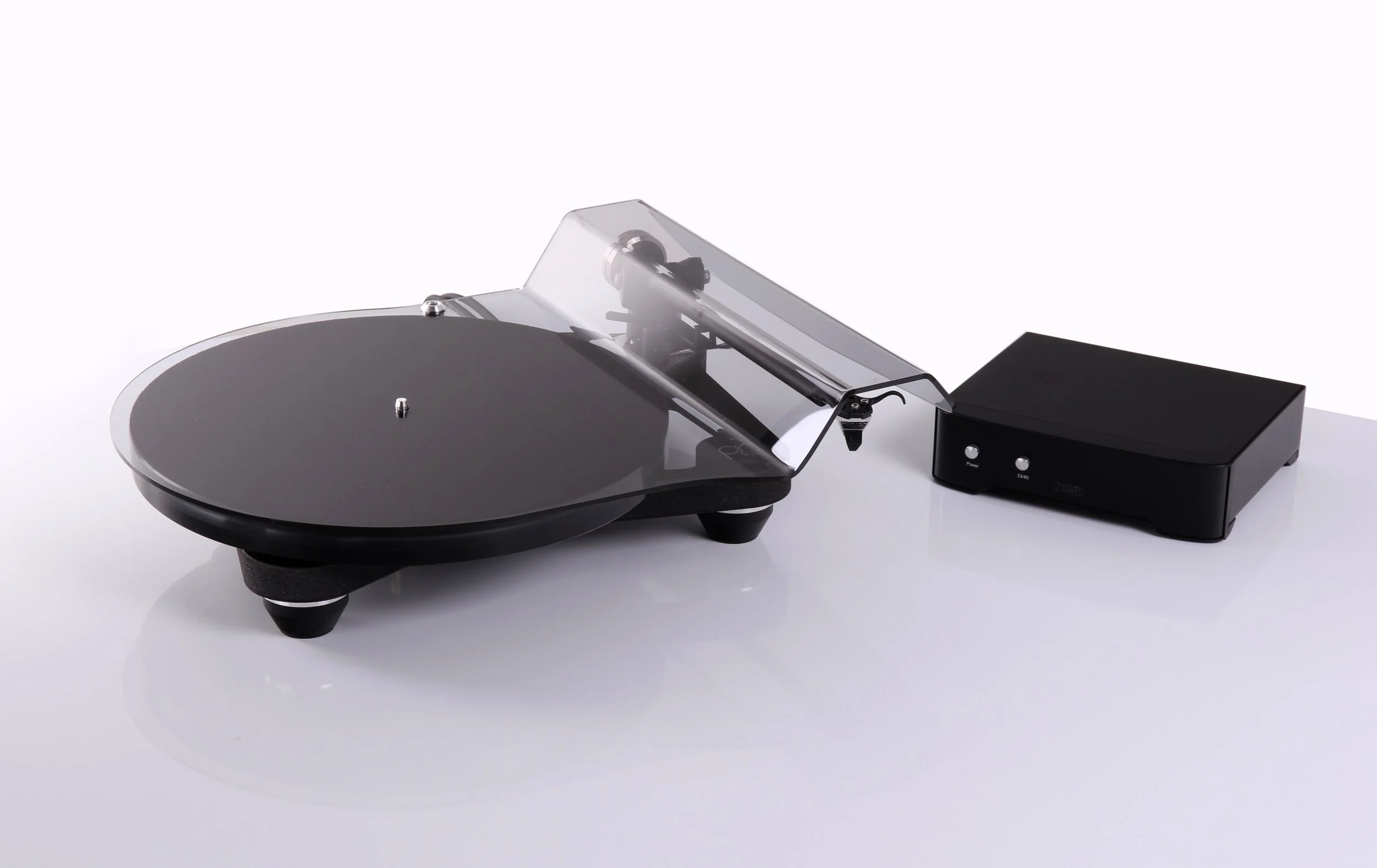
Planar 6 in black

Rega Planar 6 Specifications

  • RB330 tonearm with stainless steel balance weight

  • Dual-layered float glass platter

  • Double brace technology

  • Tancast 8 foam-core plinth

  • Custom-matched Neo PSU

  • EBLT reference drive belt fitted as standard


planar 8 in white

Rega Planar 8 Specifications

  • RB880 precision tonearm

  • Super flywheel-effect triple-layer glass platter

  • Double brace technology

  • Tancast 8 foam-core plinth

  • Custom-matched Neo PSU

  • 24-volt low-noise motor assembly

  • Two EBLT reference drive belts as standard


Looking Back – Why I Chose the Planar 6

It feels like time has flown since I picked up the P6. I remember the exact demo setup I used in our shop at the time: a Rega Planar 3 with an Exact cartridge, a Planar 6 with an Ania Pro, a Nytech CDP 122 phono stage, a Rega Elex-R amplifier, and a pair of Acoustic Energy AE300 speakers. Some of you might recall this system from when I first joined Audio T.

The Planar 3 was fantastic, but the P6 brought something extra. Beyond the cartridge differences, I immediately noticed a lower noise floor and a more refined overall presentation – I remember spinning Iron Maiden’s then-new album Senjutsu and being properly wowed.

planar 6 black with neo psu

Even now, I think the P6 stands tall among turntables in its class. The combination of Tancast foam-core plinth, advanced motor assembly, and overall design detail gives it a real sense of musicality. These are the reasons I’ve held onto it for so long – but something recently nudged me to reconsider.

So, Why Change?

If I’m so happy with the Planar 6, why even entertain the idea of switching?

Well, as you might’ve guessed I’m always chasing that next level of sonic performance. The turning point came during a demo I set up for a customer using the Planar 8. As I sat back and listened, I thought: this deck has something special. That moment planted the seed. I had to hear it for myself at home, using my own cartridge, in my own system.

Design Evolution – What Makes the Planar 8 Special?

Rega drew clear inspiration for the Planar 8 from their no-compromise Naiad turntable, and it really shows in the design. The plinth is strikingly skeletal, saving mass without sacrificing rigidity.

A major upgrade is the RB880 tonearm, with a redesigned vertical bearing assembly made from aluminium and stainless steel. It offers vastly improved rigidity and tracking stability over the RB330. Then there's the 24V motor and twin-belt drive on the sub-platter, which delivers more consistent torque.

planar 8 black with neo psu

One of the biggest innovations is the super flywheel triple-layer glass platter, developed in collaboration with a UK glass engineering company to Rega’s exact specs. It offers improved speed stability – and, in my opinion, a noticeable sonic gain.

The Listening Session Begins

Right – coffee in hand – time for the fun part…

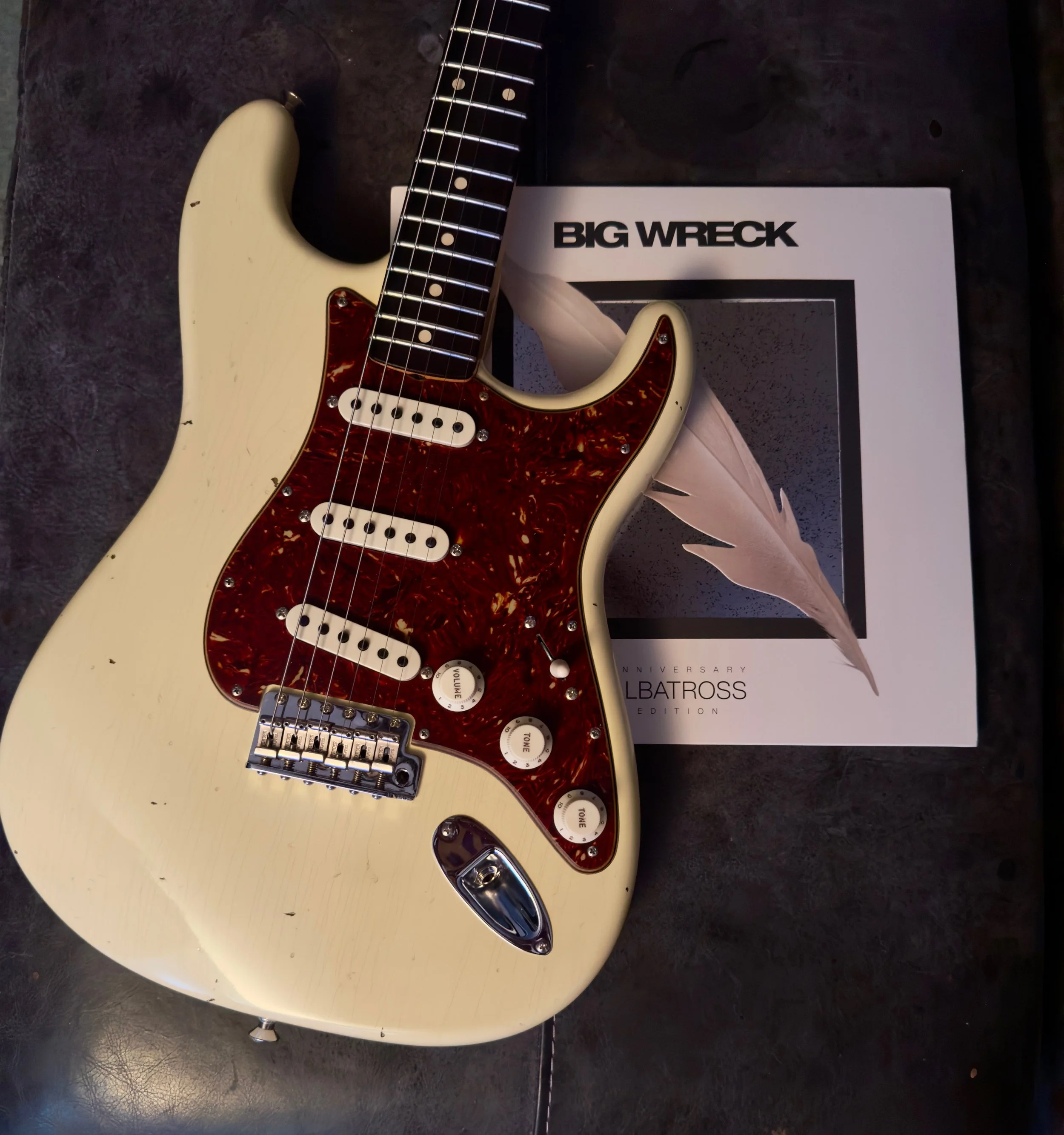
big wreck lp displayed with matts very own strat

My Test Tracks

  • Ozzy Osbourne – Blizzard of Ozz (1980)Mr Crowley

  • Iron Maiden – The Final Frontier (2015)El Dorado

  • Big Wreck – Albatross (2025)Albatross

Let the evening of guitar-driven vinyl madness commence 🤟 (Apologies in advance for the nerdy detail. You’ve been warned.)

Planar 6 Listening Impressions

planar 6 fitted with dynavector 10×5

Kicking off with Mr Crowley, the Planar 6 delivers a powerful sense of presence. Don Airey’s keyboard intro sounds huge, with great clarity between notes. Then Randy Rhoads’ iconic riff cuts through – full of grit and character. You can really sense that gear combo: his Sandoval polka-dot Flying V with DiMarzio Super Distortion pickups through the Marshall 1959 Super Lead. It’s the kind of track you just have to crank.

Planar 8 Listening Impressions

Cartridge transferred. Planar 8 powered up. Let’s go.

Calling the P8 "a bit better" than the P6 just doesn’t cut it. While it retains Rega’s signature sound, the differences are more than subtle. Right away, the RB880 feels smoother and more precise in tracking. While the RB330 is excellent – and something of a Hi-Fi icon – the RB880 takes things up a notch.

the essential tools for swapping the cartrdige over

Back to Mr Crowley – Rhoads’ guitar had even more texture and bite, and Ozzy’s vocals were better placed within the soundstage. Everything felt more alive. With Albatross by Big Wreck, there was greater clarity between notes and more space in the mix. Ian Thornley’s guitar tone was richer, and his vocals seemed more dynamic – made me want to grab a guitar and jam (emphasis on try).

planar 8 fitted with dynavector 10×5 high output

El Dorado by Iron Maiden was the biggest surprise. With three guitarists in the mix – Dave Murray, Adrian Smith and Janick Gers – there’s a lot going on. Around three minutes in, there's a blistering guitar battle between all three, and the P8 gave each player their own space in the mix. It sounded spectacular.

Final Verdict

As much as I love my Rega Planar 6 – and always will – the Planar 8 has definitely got me thinking. It builds on everything the P6 does well and pushes it further. I can easily see myself ordering one before the year’s out.

But before that, I’ve got another exciting upgrade on the way – the new Cyrus 40 PPA phono stage. I’ll be writing all about it when it arrives next month.

Try It Yourself

This weekend’s turntable shootout was eye-opening, and I highly recommend doing the same if you're curious. If you’re considering a step up from the P6, come in for a demo – hear the difference for yourself and let me know what you think.

Thanks for Reading

Matt Aaron - Audio T Cardiff


When Bass Fights Vinyl: Subwoofers and Low-End Frequencies within Turntable Systems

Sometimes in Hi-Fi, fixing one problem reveals another.

On a recent install, a customer loved everything about their home cinema system—except one thing: it lacked that low-end punch during movie night. Music sounded fantastic thanks to a REL S3 running in High-Level mode, but LFE (Low Frequency Effects) for cinema simply didn’t hit hard enough.

We introduced the REL S/510 to the system, and it did exactly what it says on the tin: more depth, more presence, more theatre. The customer was thrilled.

Until the vinyl came out…


When Vinyl Says “No Thanks”

Once we turned up the volume for some vinyl playback, a low-end hum started creeping in—the kind that doesn’t belong on any record. It wasn’t present with the previous sub and only revealed itself when things got loud. After ruling out the usual suspects (grounding hum, dodgy cables), we tried using a Bassline Blue cable dedicated for Naim systems, as well as running the signal directly from the speakers.

The issue was still there.

What we were hearing wasn’t electrical—it was physical.


Vibration Wars: Stylus vs. Low-End

At a certain point, the subwoofer was feeding so much energy into the room that the vibrations found their way into the turntable cartridge. It was a feedback loop: the stylus picked up a vibration, the signal got amplified, the subwoofer output it again, the stylus picked up even more. The result? A runaway low-frequency rumble that only stopped when we backed off the volume.

What Was Actually Happening?

The cause of the issue can be broken down into two distinct types of feedback, both of which were likely contributing to the problem:


1. Airborne Acoustic Feedback

Also known as acoustic coupling, this happens when powerful low-frequency sound waves travel through the air and cause the cartridge and stylus to resonate. The stylus acts like a microphone, picking up these waves and creating a feedback loop. This is especially common at higher volumes or when the turntable is exposed and close to a sub. In powerful subs like the REL S/510 (or in some large floorstanding speakers) that move a lot of air, especially below 30Hz, the low-end energy isn’t just felt in your chest—it can also be picked up by the stylus, causing unwanted output.


2. Structure-Borne Feedback

This type of resonance—often called mechanical or structural feedback—occurs when low-frequency energy from the sub travels through the floor or furniture into the turntable’s chassis or plinth. These vibrations don’t travel through the air; they move through solid material. Once they reach the tonearm and stylus, they’re amplified just like a music signal would be. This is particularly problematic with wooden floors, shared furniture, and lightweight plinths.


Both forms of feedback create the same result: an unpleasant, often deep rumble or hum, especially audible during quiet passages. The key difference is how the unwanted vibration gets to the stylus—through the air, or through the structure.


The Troubleshooting Begins

The first thing we tried was closing the lid on the customer’s Planar 3 to reduce airborne feedback. While this made a marginal improvement, the rumble still reared its head as the volume climbed. We then repositioned the turntable, moving it as far from the subwoofer and walls as the short phono cable allowed, avoiding corners and potential room nodes (areas where bass naturally builds up due to reflections). We also adjusted the toe-in of the subwoofer to redirect energy. Still, the problem persisted.

Without any accessories to hand, I asked to borrow the customer’s wife’s yoga mat. Understandably, this raised eyebrows—but I wasn’t planning on doing stretches. I placed it underneath the subwoofer as a makeshift damping layer to absorb energy being transmitted into the floorboards. While not a REL-approved method (and only to be used in specific cases), it was surprisingly effective: we gained around 20% more volume before the feedback returned.

That confirmed it—structure-borne vibration was a significant part of the issue.


Back to Base: A Few Calls and Some Controlled Testing

Back at the shop, I made a few calls and did some research. The consensus was clear: try wall-mounting the turntable, or upgrade to a heavier, better-isolated deck. High-mass or suspended designs tend to fare better against structural vibrations.

This led us to test the Rega Planar 3, 6, and 8 in-store. With headphones connected, we gently tapped each plinth and the surface it sat on. The difference was immediate. The Planar 3 amplified the knocks into clearly audible thuds—hollow and easily disturbed. The Planar 6 was more restrained. The Planar 8? Practically silent. The resonance was absorbed, the structure more inert—a clear win for the P8’s improved isolation feet and build.


The Return Visit: P8, Pucks, and a Filtered Fix

Armed with better gear, I returned with a Planar 8, IsoAcoustics pucks, a Zazen isolation platform, and a phono stage with a subsonic filter.

We started with the filter, which helped roll off ultra-low frequencies that aren’t musically useful but can still wreak havoc with a powerful subwoofer. This gave the sub more breathing room and allowed a few extra decibels before the loop began.

The Planar 8 also made a meaningful difference—not just in terms of vibration resistance (not night and day, but enough), but musically, the improvement was immediate and appreciated by the customer.

Still, despite these upgrades, loud, bass-heavy tracks could still push the system into a feedback loop at higher volumes. It was better, but not bulletproof.


One Last Trick and the Real Culprit Emerges

We decided to try one last test, moving the turntable to the far side of the room onto a drinks cabinet with its own isolation platform, away from shared furniture, subwoofer air pressure, and wall reflections. Sadly, the issue still crept in at higher volumes.

At this point, we were confident that structure-borne feedback had been addressed. We had used a better turntable, isolated it physically, and moved it well away from the subwoofer’s direct influence. Still, something was missing.

As a last-ditch effort, we placed a cardboard box over the Planar 8 and topped it with a thick blanket.

And… Voila.

Protecting Turntable from Subwoofer Airborne Waves

THE Temporary, NOT-SO SOPHISTICATED TURNTABLE COVER

That did it! Whilst looking comical, it gave us the answer we were looking for.

We could finally crank up the volume—with deep, powerful bass—and the loop didn’t return. Not the prettiest solution, but incredibly effective. The thicker materials created a protective bubble, dampening the low-end pressure waves before they reached the stylus. The standard lid on the Planar 3 had made only a very small difference. Now we knew why.

With this information, the customer was able to order a bespoke acrylic cover that would be a bit thicker than standard. At last, we were able to play vinyl at loud volumes with the much-improved S/510, whilst getting the desired home cinema effect he was after when he initially contacted us.


A Final Note on System Balance

It’s worth noting: the issue never became apparent with the smaller REL S3. It simply didn’t reach as low or move as much air at normal listening volumes. However, upon further testing and pushing the system a bit harder, the loop began to creep in with the S3 too—it just took a lot more input to get there.

That’s the paradox here: the better your bass system, the more revealing—and potentially problematic—it can be. And while this story focused on a subwoofer, the same issue can arise with full-range floorstanding speakers, especially those capable of digging below the 30Hz range.

If you’re considering upgrading your speakers or adding a subwoofer into a system that includes vinyl playback—or you’re already experiencing mysterious low-end hum or feedback—some of the approaches above may help. That said, every setup is different. The combination of turntable, subwoofer, room acoustics, and even the construction of your home all play a part. It often comes down to trial and error to find what works best in your specific environment, and we’re always happy to help troubleshoot—whether that’s in-store or on-site.


Below is a summary of the solutions discussed:


Structure-Borne Feedback Solutions

• Move the turntable away from subwoofers or floorstanders

• Add weight to the surface the turntable sits on for added stability

• Wall-mount the turntable to decouple it from floor vibrations

• Use a phono stage with a subsonic filter

• Use a dedicated isolation platform or Rack on the turntable

• Add decoupling pucks or feet under the turntable

• Use a high-mass or better-isolated turntable

• Avoid placing the turntable on shared AV racks or lightweight furniture

• Add damping beneath the subwoofer (heavy plinth or dedicated platforms) in emergencies)

• Use suspended turntable designs for built-in isolation (where possible)


Airborne Acoustic Feedback Solutions

• Use the turntable lid

• Cover the turntable with a heavier enclosure

• Position the turntable away from the subwoofer and speaker output paths

• Place the turntable behind furniture or acoustic barriers

• Use a phono stage with a subsonic filter

• Apply room treatment (e.g. bass traps, absorptive panels) near the turntable

• Toe-in or reorient the subwoofer to redirect air pressure away from the turntable


Thanks for reading – Dan, Gareth & Rishi – Audio T Reading

If you have any questions about any of the equipment featured in this article, or any other Hi-Fi or home cinema enquiries, be sure to Contact Us.

If you’ve enjoyed this, why not go ahead and read more of our other blogs, and be sure to follow us on our social media channels below…


For any subwoofer, turntable or general audio related queries contact your local Audio T store -

Riffs and Revolutions: A Very Different Kind of Vinyl Listening Event!

As many of you know, Matt from Audio T Cardiff is a keen musician. Recently he hosted a vinyl event in Pontypridd, one of our home counties, alongside the fantastic team at A Strings guitar shop and with sponsorship from Rega. The event took place on Saturday, 28th September. If you were lucky enough to attend, you’ll know what a fantastic day it was—but if you missed out, here’s an account of what went down."

Over the years, our branches have traditionally hosted in-store events that have been highly successful, giving us the chance to showcase and demonstrate our featured brands at their best. These events have always been a real pleasure. But how do we reach a wider, more diverse, and perhaps younger audience, you may ask?

Personally, I wholeheartedly believe that music fans and musicians alike deserve access to a great-sounding hi-fi. Am I right? Of course, I am! Everyone should have a hi-fi that truly engages them—making you smile, even shed a tear, but most importantly, gets your feet tapping. Some of us even know that special piece of music that inspires us to pick up a guitar and master that riff or solo. (Thank you, Eddie Van Halen.)

As many of you know, I’ve previously organised Audio T Cardiff vinyl events outside the store at MEC Coffee, which were fantastic. This time, though, I thought it was time for something a little different.

Time for a little time travel! No, it doesn't involve a DeLorean.

When I talk about time travel, I’m really talking about this event. As most of you know, before my days with Audio T, I worked at a local guitar shop in Cardiff for 17 years. Being a guitarist, I started thinking about organising an event that combines my three biggest passions: music, hi-fi, and, of course, guitars. Musicians are often overlooked when it comes to hi-fi, which got me wondering—how can we bridge the gap between musicians and audiophiles?

Reflecting on my childhood, I feel lucky to have experienced music in such quality, thanks to my dad’s studio days. Everyone deserves access to great hi-fi, and I wanted to show that you don’t need to spend over £10,000 to enjoy a high-quality system, especially for vinyl playback—my favourite way to listen. How could I best demonstrate this? That’s when it hit me—I should reach out to my favourite guitar shop, A Strings.

In the hi-fi world, everyone knows everyone, and I’ve known the guys at A Strings, Andrew and Adam, for years as both friends and a customer (keeping my guitar addiction alive). I asked if they’d like to co-host an event with us in their store, and they were thrilled to say yes. We set the date, and both the A Strings team and I couldn’t have been more excited!

How about a little history about A Strings?

A Strings was founded in Cardiff back in 2006 by Andrew Morgan, originally specialising in guitar strings and accessories. Stocking over 1,000 varieties of strings—ranging from the popular to the obscure—they quickly built a loyal customer base, with many of their original customers still returning to this day. Over time, they expanded to stock a range of leading guitar brands, including Fender, Gretsch, and Gibson.

Fast-forward to the present, and A Strings is now located at 66 Broadway, Treforest, Pontypridd, where they’ve been for the past 15 years. In fact, they celebrated their 15th anniversary at this location on the day of the event.

An interesting fact about A Strings: they have supplied strings and gear to legendary musicians such as Brian May of Queen, Eric Clapton, the Manic Street Preachers, Motörhead, Killing Joke, and Mark Knopfler, to name just a few.

Reaching out to the turntable kings – Rega, that is.

With a good idea of the system I wanted to bring to the event—mainly Rega equipment—I reached out to our fantastic Rega representative, Rob Noble, about promoting the event on their website as well as ours and A Strings’. I also enquired about the possibility of a turntable giveaway, and Rega went above and beyond by generously donating a Rega Planar 1 Eco deck for the event’s prize draw.

Rega Planar 2 with nd3 cartridge

Rega’s God of amplification.

With everything in full swing—the advertising sorted and nearly everything ready to rock—I received an email from Rega’s amplification guru, Mr Terry Bateman, which was a real honour. Terry and I discussed how unique this event was compared to typical hi-fi events and how it bridges the gap between audiophiles and musicians. We also talked about amp design, especially the renowned Rega Brio, which Terry designed and voiced much like a guitar amplifier. It’s known for that rich analogue class AB warmth, reminiscent of solid-state guitar amps.

Terry shared his experiences before joining Rega, when he worked as an amp repairman for guitar amplification, focusing on brands like Fender, Marshall, and Vox. Like me, Terry has roots in the guitar industry and has even worked with notable musicians, including Robin Trower (if you haven’t heard Bridge of Sighs, give it a listen), The Hamsters, and many others. After our chat about amps, music, and classic rock, Terry said he would come along to the event. It’s a true privilege to have someone of his stature attending—as I said at the start, an amp legend!

What equipment did I bring to the event, I hear you ask?

Starting with the sources:

On the amplification front:

On the speaker front:

Cabling: Black Rhodium Intro speaker cables and interconnects.

Hi-Fi rack and stands:

On the vinyl cleaning side of things:

And now the fun really begins.

With the system set up and ready to go in what I can only call ‘guitar heaven,’ we were all set to rock. I spoke with many people about their records, collections, and equipment, and we even did several A-B tests, playing records before and after they’d been cleaned. One rare gem was Andrew’s original pressing of Queen II, and we played March of the Black Queen. Hearing the difference post-cleaning was incredible—the improvement was, as they say, night and day.

We also put the Rega system through its paces; to say it sounded fantastic doesn’t quite do it justice. The system truly demonstrated that you can build a great hi-fi setup without breaking the bank. The event itself had an amazing atmosphere, with rock tracks from every genre filling the space. Chatting with new faces about hi-fi, music, and guitars (my three favourite subjects), spending the afternoon with Andrew and the fantastic team at A Strings, meeting their customers, and having Terry from Rega there made for an absolute joy—a perfect afternoon of rock & roll and hi-fi.

And we have a winner!

A week had passed since the fantastic event at A Strings, and it was time to announce the lucky winner of a Rega turntable! I headed back to A Strings to reveal the winner on Fear’s Friday update. Yes, I did this live, and it went well—it was an honour to be part of their regular Friday video. So, who’s the winner? Drum roll, please... congratulations to Kris Morris!

Kris came by our store to collect his brilliant new Rega Planar 1 Eco deck. While he was here, I took him through a few amplification and speaker options to help him get set up and ready to enjoy his new system.

Are there more events like this on the way, you ask?

The short answer is a big, resounding yes! The event had such a fantastic vibe that it’s definitely worth doing again. In fact, I’ve spoken with Andrew and the team, and they’re keen to host another event with us at Audio T in the near future—so watch this space!

Thank you

A huge thank you once again to Andrew, Adam, and the team at A Strings for co-hosting the event with us, and to Terry and his lovely wife for attending—it was a real honour to have them there. Most importantly, a big thank you to everyone who came to the event; it was a genuine pleasure to meet you all, and I hope to see you again soon!

Thank you all for taking the time to read my blog.

Matt - Audio T Cardiff

Matt and the A String Team


The “Best” Hi-Fi Systems of 2024 for £2,500 - Audio T Swindon Top Picks

The “Best” Hi-Fi Systems of 2024 for £2,500 - Audio T Swindon Top Picks

In the previous blog Modern Hi-Fi 101 - A beginners’ guide exploring the Basics of Hi-Fi Setups in 2024 we discussed some of the key concepts and considerations to be had when building a modern Hi-Fi system. Here, we are taking this further and giving you The Best Hi-Fi Systems of 2024…

…  okay ‘The Best’ will never truly be objectively correct, nevertheless we will be sharing a few of our favourite picks, giving examples of some worthy listening combinations of current equipment out there, all within the £2500 budget (at time of writing)

Read More

“Spin The Black Circle” - The Vinyl Revolution

Matt from Audio T Cardiff takes a deeper dive into his passion for vinyl records and why there has been such a resurgence in the format and its effects on both the turntables and Hi-Fi industries in general.

With yet another great Bristol Hi-Fi show done and dusted, it’s a great time to reflect on the year’s activities as well as our own setups and systems. And I must say, Wow! What a show it was. With it being my second year working at the show I had a better idea of what to expect, and was mentally prepared for the sheer scale, and it was great to see and meet many of you there again. Some of us took the opportunity to grow our record collections with the numerous vendors at the show, others used the show as the perfect excuse to plan upgrades, and some younger attendees even taking the leap and buying their first ever turntables, with numerous customers starting their journey with the award winning Rega Planar 1. I know I came home from the Bristol Hi-Fi show with another three records and a continued desire for the Rega Naia, which is on many people’s wish lists.

All of this talk of turntables has no doubt got us buying yet more vinyl. Oh the addiction continues!

When we talk about the resurgence in vinyl collecting, I see this as a great thing, encouraging younger generations to get immersed in music and not just listening to it streamed (which is still a great way to listen to music and discover new bands) but to enjoy an album from start to finish. It is incredibly enjoyable.

In my opinion there’s nothing like walking into a record shop and discovering that album, getting it home, opening up the gate fold, putting the record on and looking at the album artwork as we listen to the music. In my eyes, it’s the perfect way to listen to music and I feel that it’s a great thing that record companies are reissuing old albums, giving new younger generations the chance to listen to the classics as they should be, as well as listening to new artists of the day.

pearl jam vitalogy lp

You might be wondering about the title of this blog “Spin The Black Circle” which is a song by Pearl Jam on their ‘Vitalogy’ album. Eddie Vedder wrote this song about his love for vinyl. I highly recommend listening to this album.

Where The Magic of Vinyl Started

Let’s go back in time a little, not as far back as the gramophone but the age of popular music in the 50s. This was a time when our only access to new music was either listening to the radio or going to the local record store and listening to the new singles of the day. Music styles change over time and artists evolve but to me, the big changes started to really happen in the late 60s with the rise of the guitar heroes such as Clapton, Hendrix, Beck and Page, to name but a few.

As consumers, we bought their singles and then their albums as this was the way they were released at the time. Many of us still buy music this way, although sadly there’s very few listening cubicles in record shops these days, but in saying that, some of the small independent record shops out there will put a record on if you ask!

The Vinyl Time Machine

For me, records hold memories and emotions, new, old, good and bad. For instance, this takes me right back to when I was a lot younger, queuing outside Spillers Records in Cardiff when an album was released. I remember nagging my dad back in 1987 to take me to my local record shop to get Guns ‘n’ Roses ‘Appetite For Destruction’. Opening that gate fold and looking at the album artwork while listening to the record and thinking ‘this is a cornerstone in the sound of rock & metal’.

Moving on a little later, I remember queuing up for Metallica's ‘Black’ album in 1991… Yep I was once one of the long haired band T-shirt brigade. Not much has changed apart from getting older and my hair being a lot shorter now! It’s fair to say my listening habits haven't changed. The funny thing is, I will still wait in line for a record even now. It’s memories like these that tie us to the music that we enjoy.

All this talk of music brings up an important question. Why have Vinyl LP sales been increasing year on year for the last 16 years? The truth is, vinyl never went away, despite new technologies coming along such as CD players and then streaming. The turntable seems to be stronger than ever right now. Why? Is it a trend, a fad or a passing craze? The truth is that turntables and vinyl collecting has always been here and the wonderful, magical analogue way of listening to music has never completely ceased. When mainstream record labels opted for digital formats, independent labels, especially those specialising in Punk and Metal really leaned in to vinyl and pushed limited edition coloured variants to encourage sales.

The great thing is that as well as people rediscovering their love for their record collection; younger generations have discovered vinyl for the first time and started their journey into collecting. This discovery/re-discovery of the format has piqued a great interest in new turntables and good quality Hi-Fi to complement it. With customers looking beyond the basic turntables sold in the high street shops it’s no surprise really… Why play a £30 record on a £100 all-in-one player? We all know vinyl can sound so much better!

The Ultimate Vinyl Sound?

A big question asked in store is “can vinyl sound better?” The answer is a big resounding “YES” and the other question is, “Do I have to spend thousands to accomplish a great sounding turntable?” The answer is “No”, you don't have to spend thousands. A great example of a turntable to start with is the Rega Planar 1 Plus teamed with a Wiim streaming amplifier and a pair of Dali Spektor 1 speakers, a fantastic starter system. This system takes care of the vinyl as well as streaming, so you have the best of both worlds. The only thing is, there’s always a way to make things sound even better.

wiim streaming amplifier

One Giant Leap For Vinyl

The possibilities are endless with so many manufacturers out there, it can get very confusing. The great thing is that all of us at Audio T are here to help and guide you. Although my own system is very good I can still see ways of improving the performance, as we say “there’s always room for improvement”!

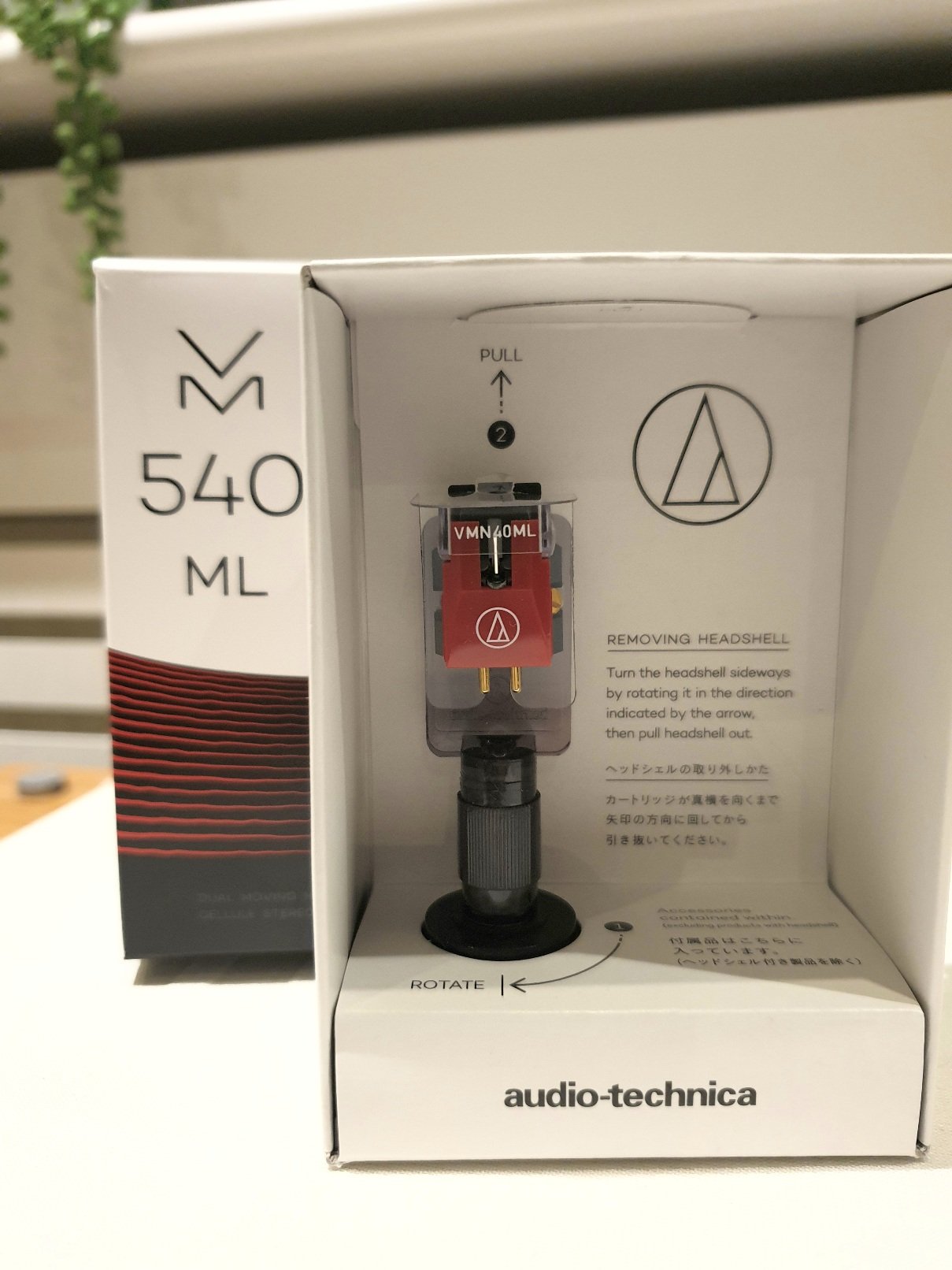
What do I look at first? We strongly believe source first. This brings the turntable back into the equation as this is the voice of the system. My advice will always be to listen to at least three options of turntable, for instance Rega Planar 2 to Rega Planar 3 or other brands such as Linn and Michell. The other part of your turntable to look at is the cartridge, from moving magnet to moving coil options we supply brands such as Audio Technica, Ortofon and Dynavector. As we know every cartridge has its own sound and is a very big part of the character of your turntable. The proof is in the listening and we can offer you the chance to hear what sounds right to you, as I always say there are no wrong answers.

Taking Care Of Business

One of the only annoying things about vinyl is noise, snap, crackle and pop and not in a good way. So how can we help with this annoyance? How do I look after my turntable? And just as important, how do I look after my vinyl? Fear not, there are multiple ways of looking after your new turntable and keeping your prized possessions such as your vinyl in good shape.

Let’s start with the tools of our trade.

  1. Record brush

  2. Stylus brush

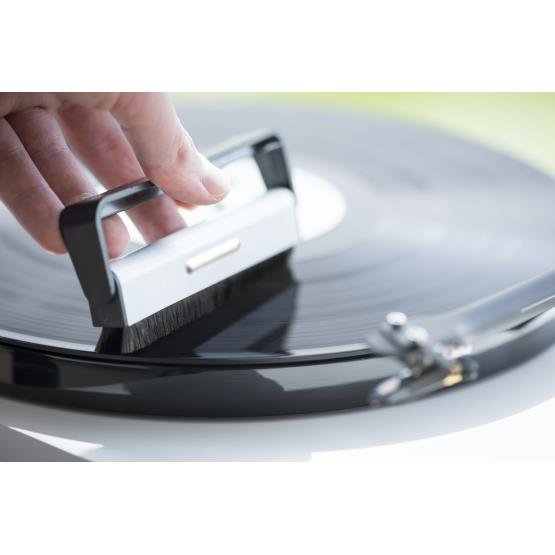
The record brush: Static can be an LPs worst enemy and a good quality record brush can reduce static build up. We offer solutions such as one of our favourites the Audio Technica AT 6013A record brush which has two steps of carbon fibre bristles as well as a velvet pad which removes the dust particles from the record. While the LP is spinning on the turntable you gently hold the brush on the record and the dust will start to collect on the carbon fibre bristles, then proceed to pull the brush toward you off the edge of the LP. The carbon fibre bristles remain straight and can get deep into the vinyl groove. Also available is the Pro-Ject Brush-IT which does a job but our go to is the Audio Technica AT 6013A.

Vinyl & stylus cleaning tools

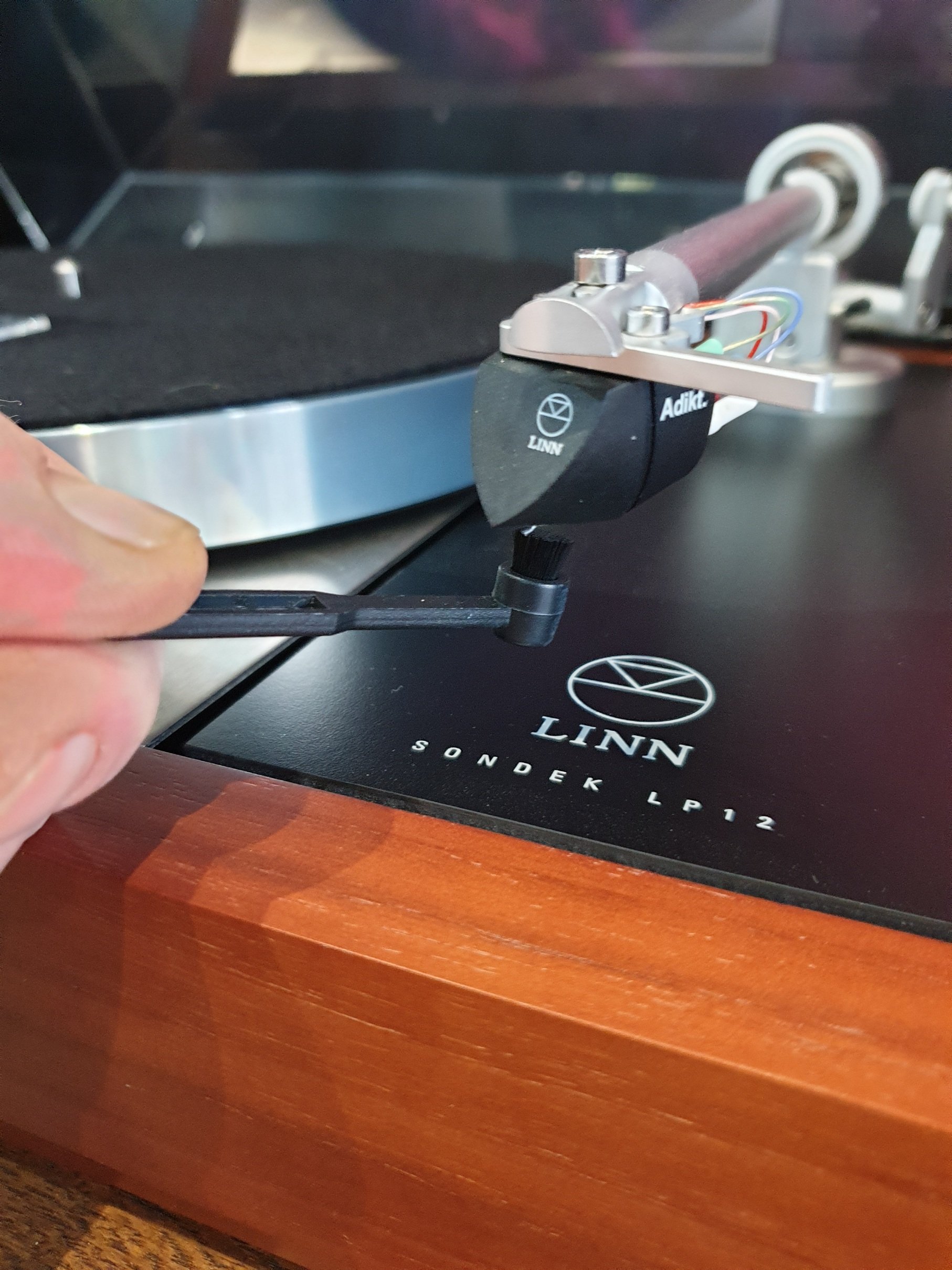
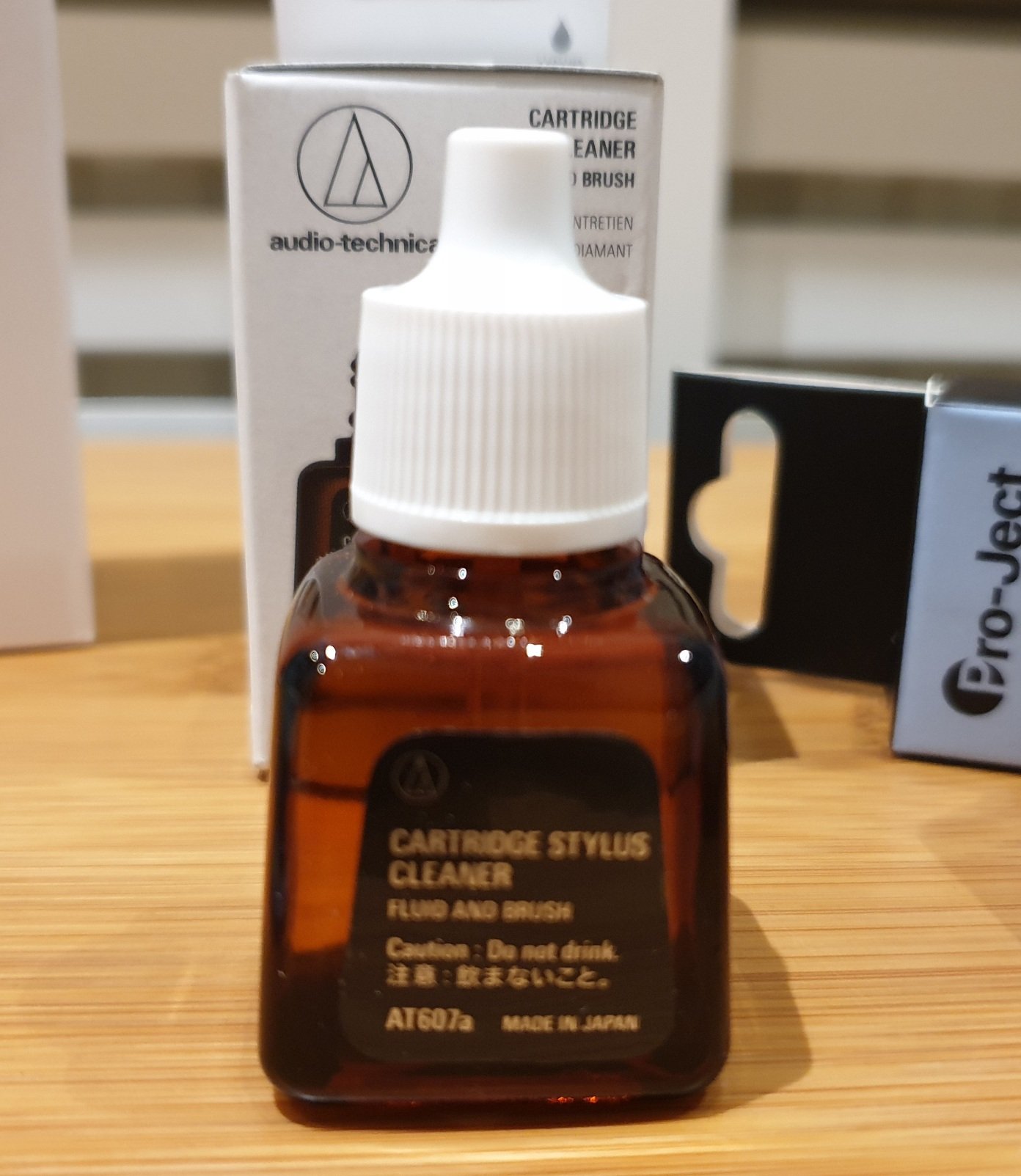
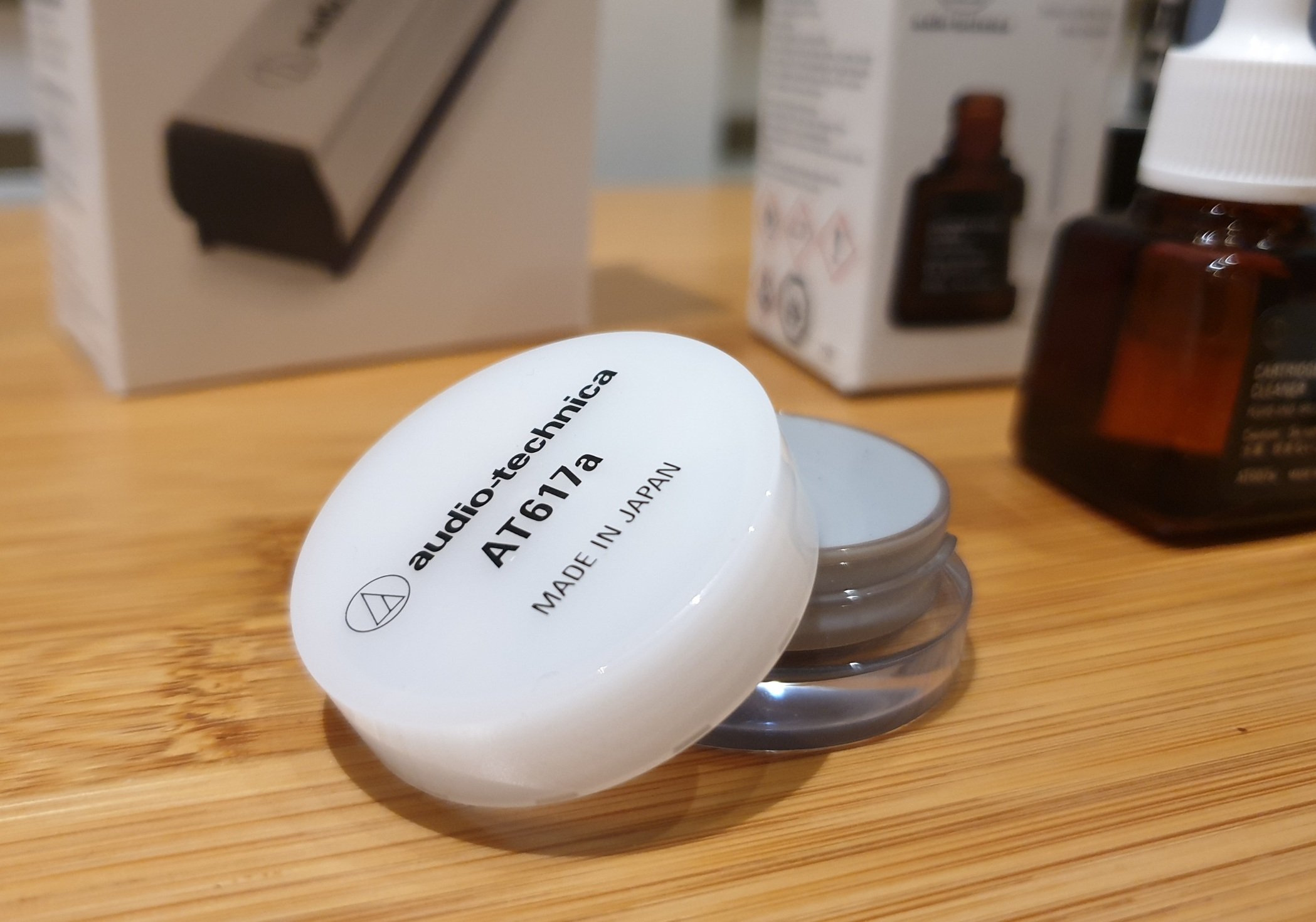
The next tool to have on hand is a stylus brush. The Pro-Ject Clean-IT is a fantastic little stylus brush for everyday use, again utilising very fine carbon fibre bristles for a safe and effective clean of the stylus tip. With the tone arm locked in the arm rest you offer the brush to the tip of the stylus and then gently clean the stylus by pulling the brush towards you. This brush gets rid of those little bits of fluff on the stylus and helps with the life of the LPs and the stylus itself. If the stylus is very dirty you may need to use a fluid or a gel to get rid of that ingrained dirt. The Audio Technica “Tacky Gel” AT617A is a simple yet effective way to clean the stylus tip, or for a deep clean the tool for the job is a stylus fluid. The Audio Technica AT607A stylus fluid should only be used when the stylus is particularly dirty and should be used sparingly.

Sill Not Sounding Right?

There are a few things you can check such as the tone arm set up. Tracking force, cartridge alignment and anti-skate set up. Wear on the stylus or even wear on the belt which can cause speed issues. If you don’t feel comfortable checking these things yourself fear not, we can help with this. I find there’s nothing more satisfying than getting a turntable playing and sounding like it should. Speaking of turntable setups, we can set up your new turntable for the first time when bought from us, also if you buy a cartridge from us we set up your tonearm and check the health of your turntable free of charge.

Cleaning Vinyl

There are multiple ways we can clean our vinyl collection and no it doesn't involve the dishwasher. On the odd occasion you might find a second hand bargain in a charity shop but the trouble with that is a lot of the time the vinyl isn't in the best shape giving you those unwanted crackles and pops and possibly extra stylus ware. There some great products on the market to clean your vinyl and get it sounding right.

The first method we recommend is record cleaning spray which works really well for manual cleaning. The cleaning method with the Tonar spray is really simple yet effective. A couple of light sprays on the vinyl then using the Tonar micro fibre cloth wipe around the record then wipe with a dry microfiber cloth.

The second manual way we recommend for cleaning your vinyl is a little more fun in the process the Project Spin clean Mk2 which comes with cleaning fluids and drying cloths. This cleaner is really simple but effective.

The third way we recommend cleaning your vinyl is even more in depth than the manual way of cleaning back to the Project brand once again with VC-E2 and VC-S3 cleaners both cleaners work their vacuum system to draw the cleaning fluid and dirt away from your vinyl into the machines inboard tank leaving your vinyl clean and ready to play.

degritter mkii

The fourth way we recommend is more intensive again and is now currently our favourite way to clean vinyl, the Degritter Mk2 ultrasonic vinyl cleaner. This vinyl cleaner goes even deeper again when it comes to how it gets into the groove of the record with its ultrasonic cleaning process. You can alter the cleaning time depending on how dirty your vinyl is. It also dries the vinyl for you and it’s relatively quiet. Although this is one of the most expensive vinyl cleaners that we sell, I feel it is definitely worth its price tag if you have a large vinyl collection.

All of these cleaning methods above don’t just clean the vinyl they can also help with static build up on the vinyl. The other thing we recommend to do after you have cleaned your vinyl is to use a new antistatic record sleeve, which again helps to keep your record in tip top shape.

Conclusion

Music is the thing that binds us all and brings us together because of the emotional bond we have with it. Listening to music still remains very personal, wether it’s vinyl, streaming or compact disc. Vinyl will always be the main listening format for me, that wonderful feeling I still get when I lower the tonearm and the stylus catches the groove, especially when it’s a new record I haven't heard before. If you would like to start your vinyl journey, or improve the system you have, why not pop in and see us and have a chat and a listen.

If you have any questions about any of the equipment featured in this article, or any other Hi-Fi or home cinema enquiries, be sure to Contact Us.

Thanks for reading

Matt, Nick and Kerrin - Audio T Cardiff

If you’ve enjoyed this, why not go ahead and read some more of our other blogs, and be sure to follow us on our social media channels below…

Turntable and Vinyl cleaning products can be found at all of our Audio T stores.

South of England

Midlands / East

North of England

Wales

Nationwide