
TVs Are Better Than Ever… So Why Are We Still Installing Projectors? Our Favourite Home Cinema Options for 2026
/With the FIFA Men’s World Cup approaching, many people are starting to think about upgrading their viewing setup. Bigger TVs are becoming more common (and affordable) than ever, whilst home projectors are continuing to improve at a serious rate. So which actually makes the most sense in 2026?
The truth is, modern TVs are phenomenal. OLED and Mini-LED performance is now genuinely difficult to fault. 77”, 83”, and even 98” TVs are becoming increasingly normal in a lot of living spaces, whilst overall picture quality, gaming performance, HDR brightness and convenience have never been better.
So why are dedicated home cinema enthusiasts and everyday customers still choosing projection?
Because specifications are only part of the story.
Once you move beyond the usual 65”–85” screen sizes and start chasing true cinematic immersion, the conversation changes quite quickly. Scale, room integration, that “movie night” feeling or group gathering to watch a big sporting event still gives projectors a very special place in home cinema.
In many cases, the best solution depends less on pure specifications, and more on how you actually use the room.
Why TVs Are Still So Hard to Beat
Before talking about projectors, it’s important to acknowledge just how good modern TVs have become.
Current OLED TVs from brands like Sony produce astonishing black levels, contrast and HDR performance. Mini-LED TVs continue to improve as well, especially in brighter living rooms where outright brightness and anti-reflection performance matter more.
For mixed-use spaces, TVs are often still the easiest and best all-round solution.
They are instant-on, incredibly sharp and perform brilliantly during daytime viewing without needing blackout blinds or careful room preparation. If your viewing habits consist mainly of casual TV and streaming content during the day, a modern OLED or Mini-LED TV is very difficult to argue against.
The challenge comes once you start wanting a truly cinematic image size.
Once you begin looking at 98” TVs and beyond, costs rise dramatically, wall space becomes a serious consideration, and suddenly projection starts becoming a much more realistic and often a more immersive option.
At What Point Does a Projector Make More Sense?
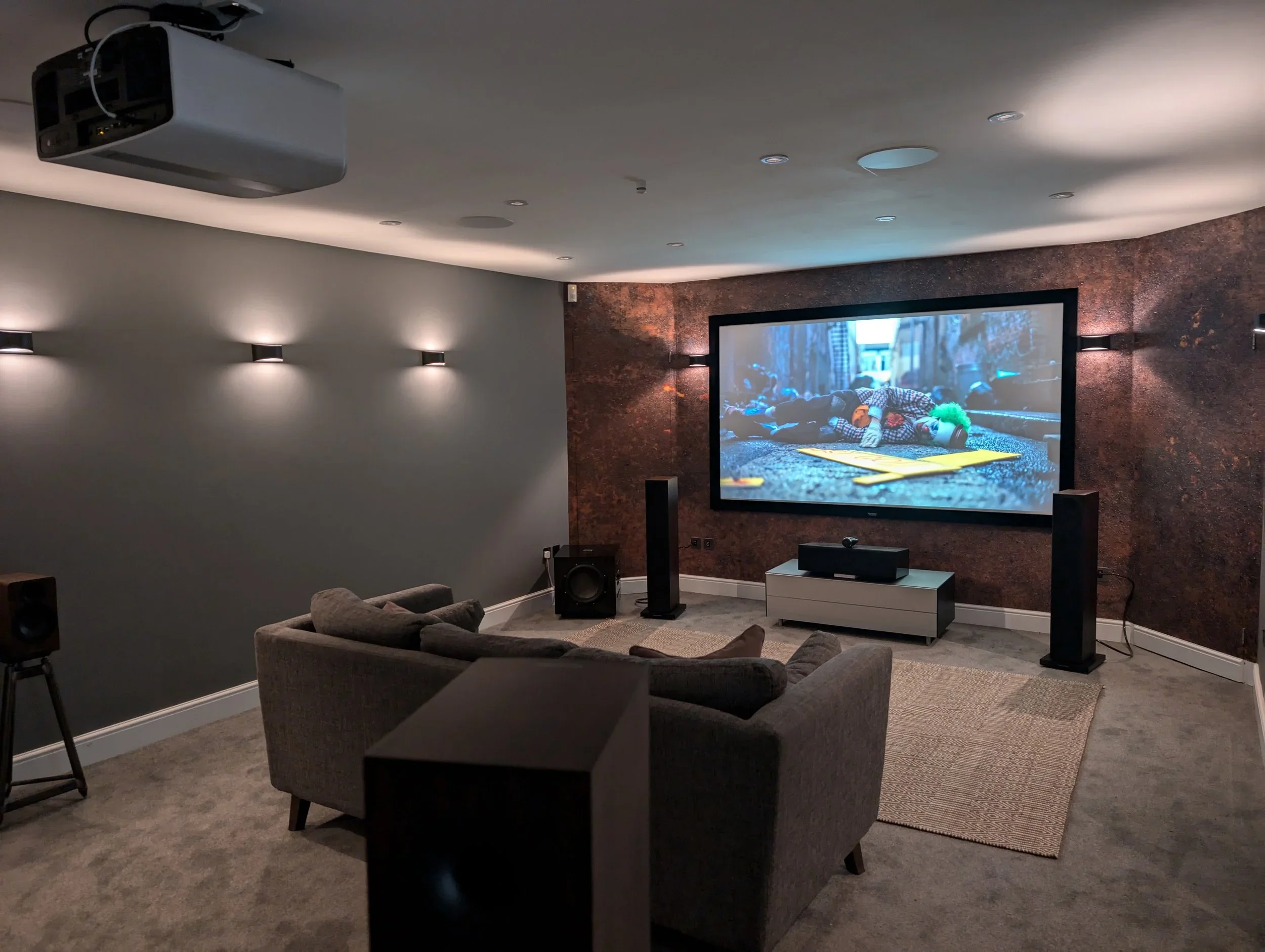
A projector setup allows you to achieve 100”, 120” or even 130”+ screen sizes far more realistically than with traditional TVs. More importantly, projection changes the feel of a room.
A great projector setup can disappear during the day, then completely transform a room at night.
Motorised screens, hidden ceiling installations and discreet projector mounting now allow systems to integrate beautifully into modern living spaces. A well-thought-out projector system can actually dominate a room less than a permanently mounted 98” TV.
However, modern projectors all have their own distinct character, with each model excelling in different environments and viewing styles. Below, we’ll be breaking down three of our favourite current projectors, along with the types of rooms and viewing experiences where they perform at their very best.
The Dedicated Cinema Approach
JVC DLA-NZ500
The JVC DLA-NZ500 is a fantastic example of a projector that’s perfect for a dedicated home cinema.
Rather than chasing sheer brightness, the NZ500 focuses on producing a deeply natural and cinematic image. Black levels are where JVC projectors continue to stand out, with dark scenes feeling genuinely deep rather than slightly grey or washed out.

JVC DLA-NZ500 D-ILA 4K Projector
Watching darker films such as The Batman on the NZ500 is incredibly immersive. Shadow detail feels rich and layered, whilst brighter scenes still maintain excellent contrast and realism without looking artificially exaggerated.
Everything feels natural and cinema-like. It doesn’t have the exaggerated punch in colour that some competitors offer, but it doesn’t need to — everything feels balanced. Whether it’s watching nature documentaries, live sports or a late night horror movie, this projector can do it all.
This is not the sort of projector designed to brute-force its way through bright daytime viewing. It thrives in properly controlled environments: darker décor, effective blind systems, good acoustic treatment and dedicated cinema rooms all allow the NZ500 to really show what it can do.
For movie lovers wanting that authentic cinema-like experience, the JVC approach remains incredibly compelling.
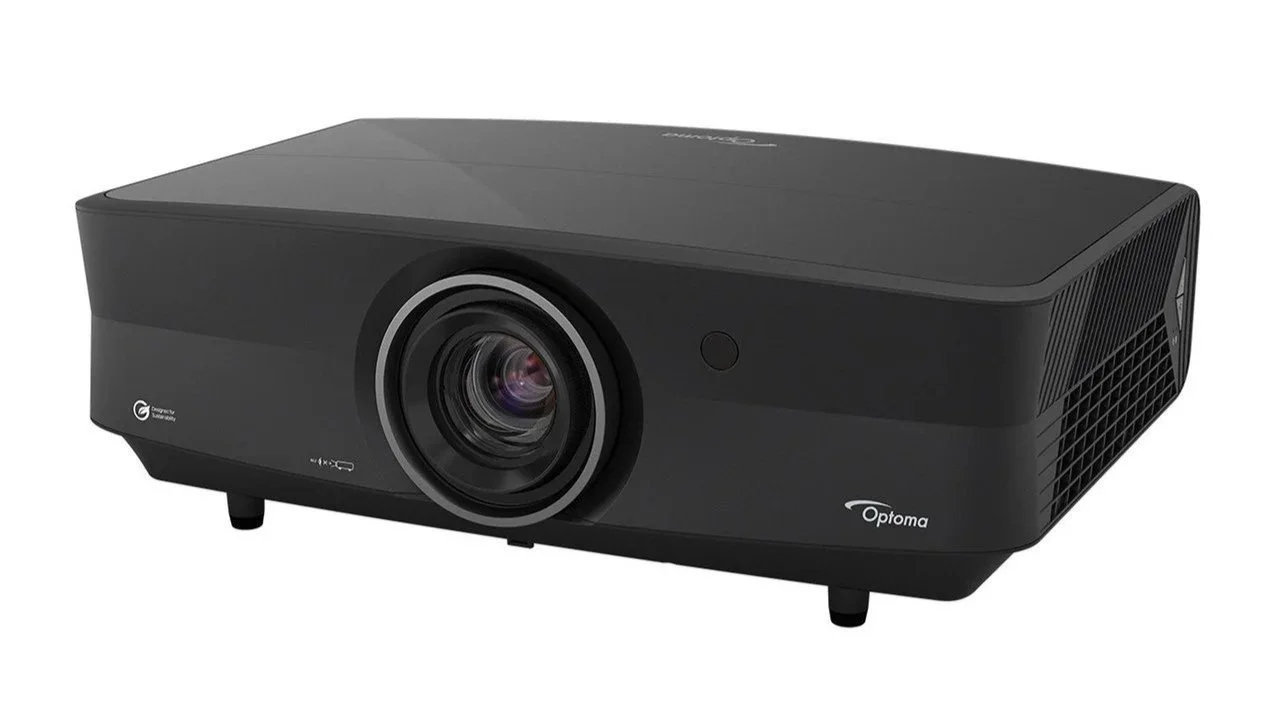
Optoma UHZ68LV 4K Laser Home Entertainment Projector
These projectors immediately feel punchier and more energetic. Bright HDR scenes have serious impact, colours pop far more aggressively, and they are much more forgiving in rooms with ambient light.
This makes them especially enjoyable for sport, gaming and general mixed-use entertainment.
Fast-paced Formula 1 coverage felt particularly impressive here, with the motion smoothing helping maintain fluidity without heavily sacrificing sharpness. Nature documentaries like Planet Earth also benefit massively from the extra brightness and colour intensity, especially during vivid daylight scenes.
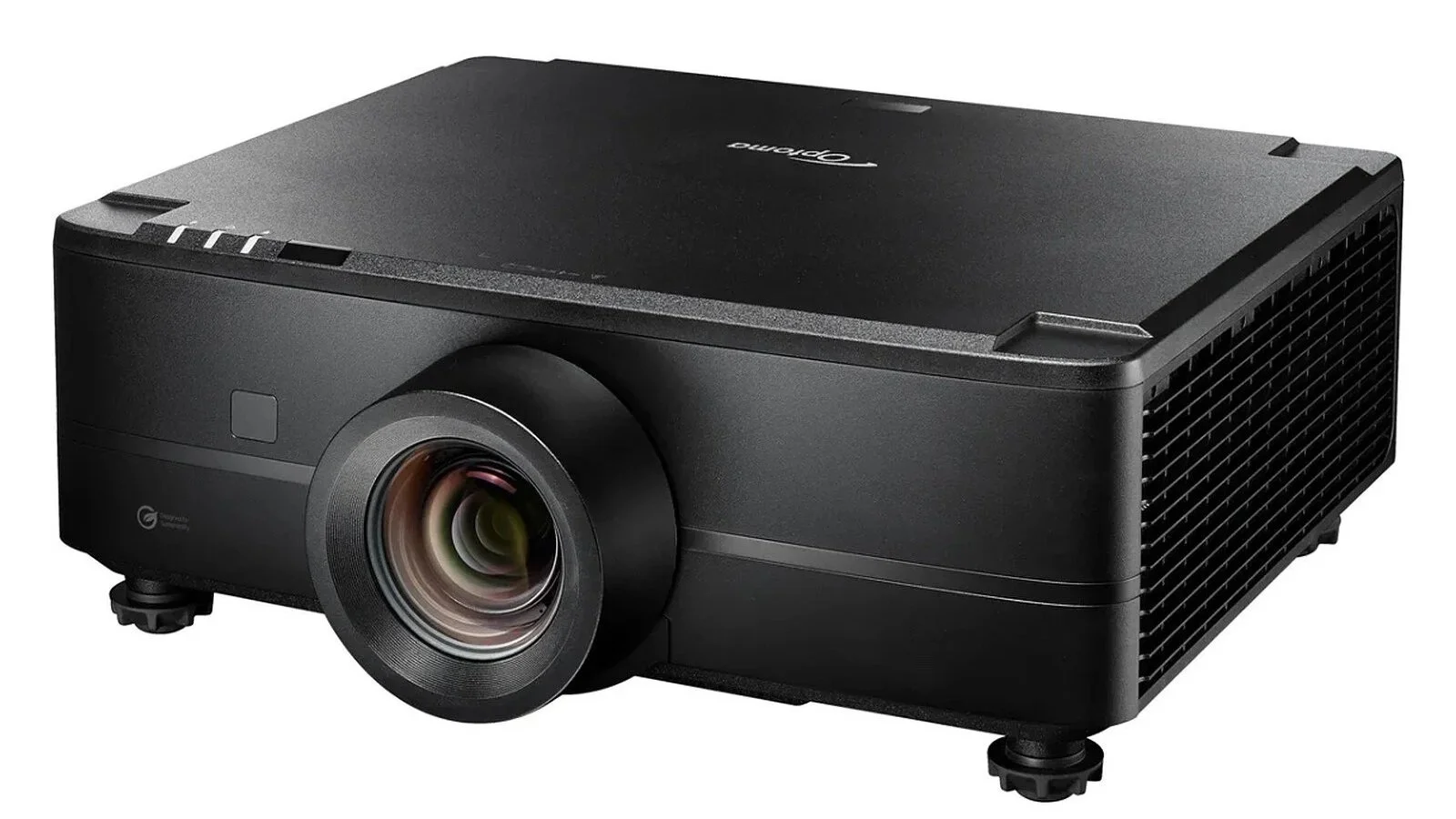
Optoma UHZ78LV 4K Laser Home Entertainment Projector
For gaming, the Optoma models also have an advantage thanks to their lower input lag and higher refresh rate support. Features like PureEngine Ultra Processing allow you to tweak the image character quite significantly depending on whether you prioritise sharpness, smoothness or cinematic presentation.
The overall feeling is simply more vibrant and immediate.
Whilst they may not quite produce the same dark-room cinematic depth as the JVC, they arguably suit modern multi-purpose living spaces far better.
The Middle Ground Option
Sony VPL-XW5000ES
Sitting somewhere between these two approaches is the Sony VPL-XW5000ES.
The processing of Sony projectors has always had a very natural and refined feel to it, and the XW5000ES balances cinematic performance with day-to-day usability extremely well.
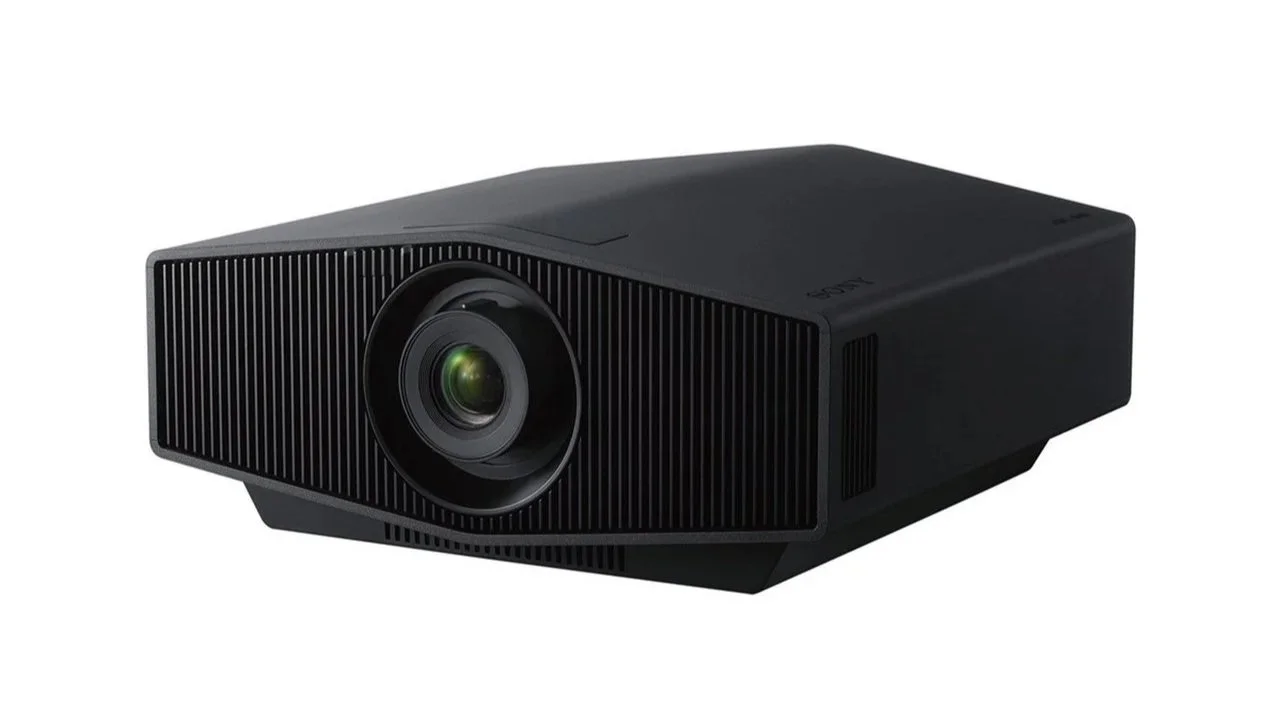
Sony VPL-XW5000 4K Projector
Compared to the Optoma models, the Sony feels more filmic and controlled. Compared to the JVC, it is slightly more forgiving and versatile in mixed-use environments.
In many ways, it becomes the all-rounder option.
It handles movies beautifully, whilst still maintaining enough brightness and flexibility to work well with sport, gaming and general television viewing. For many customers, this balance can actually make the most sense.
All three projectors offer very different strengths, and choosing the right one really comes down to the type of viewing experience you want to create. Whether your priority is dedicated cinema performance, bright-room sport and gaming, or a balance between the two, there are now some incredibly capable projector options available.
The Hybrid Setup: Why Many Homes Are Now Using Both
One of the biggest trends we are seeing is not necessarily choosing between TV or projector, but combining both.
A high-quality OLED TV can handle everyday viewing and casual streaming, whilst a drop-down projector screen completely transforms the room for films, sporting events and big cinema nights.
Motorised ceiling screens, hidden installations, smart lighting integration and automation systems now make these hybrid setups feel incredibly seamless. Motorised cabinet for ultra short throw (UST) projector is also an increasingly popular option for modern homes.
This approach often gives you the best of both worlds: the convenience and performance of a premium TV, alongside the scale and immersion only projection can really provide.
For major sporting events like the FIFA Men’s World Cup, projection still delivers something very special. Watching football across a 120” screen with friends simply creates an atmosphere that even excellent TVs can struggle to replicate. The effect becomes even more immersive when paired with a capable surround sound system.
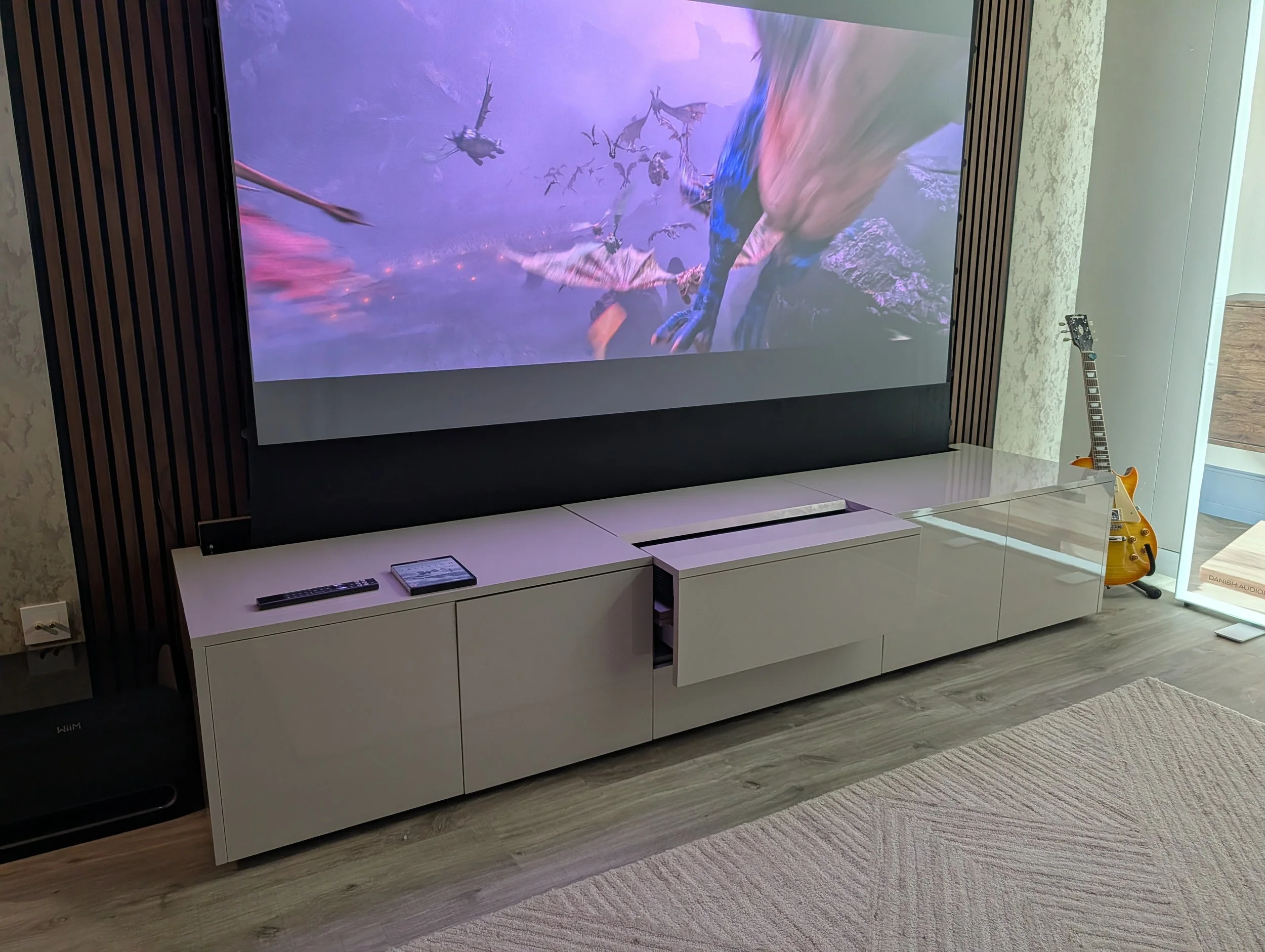
Motorised Cabinet with a UST projector
Final Thoughts
TVs absolutely deserve the praise they are receiving right now. As we’ve previously said, modern OLED and Mini-LED displays are currently some of the best we have ever seen, and for many rooms they remain the most sensible option.
But projectors still offer something uniquely immersive.
There is no universal “best” solution. The right choice depends entirely on your room, viewing habits and the type of experience you want to create.
A great TV can look spectacular, but a great projector setup can make movie night feel like an occasion.
Contact your local Audio T store to find out more about Home Cinema, or visit us at Audio T Reading to experience the above models for yourself in our dedicated cinema demonstration room.

JVC Projector in a purpose built cinema at INto AV
Thanks for reading.
Dan, Gareth & Rishi – Audio T Reading
If you have any questions about any of the equipment featured in this article, or any other hi-fi or home cinema enquiries, be sure to Contact Us.
If you’ve enjoyed this, why not go ahead and read some more of our other blogs, and be sure to follow us on our social media channels below…
The products featured here can be found or enquired about at the following Audio T stores: