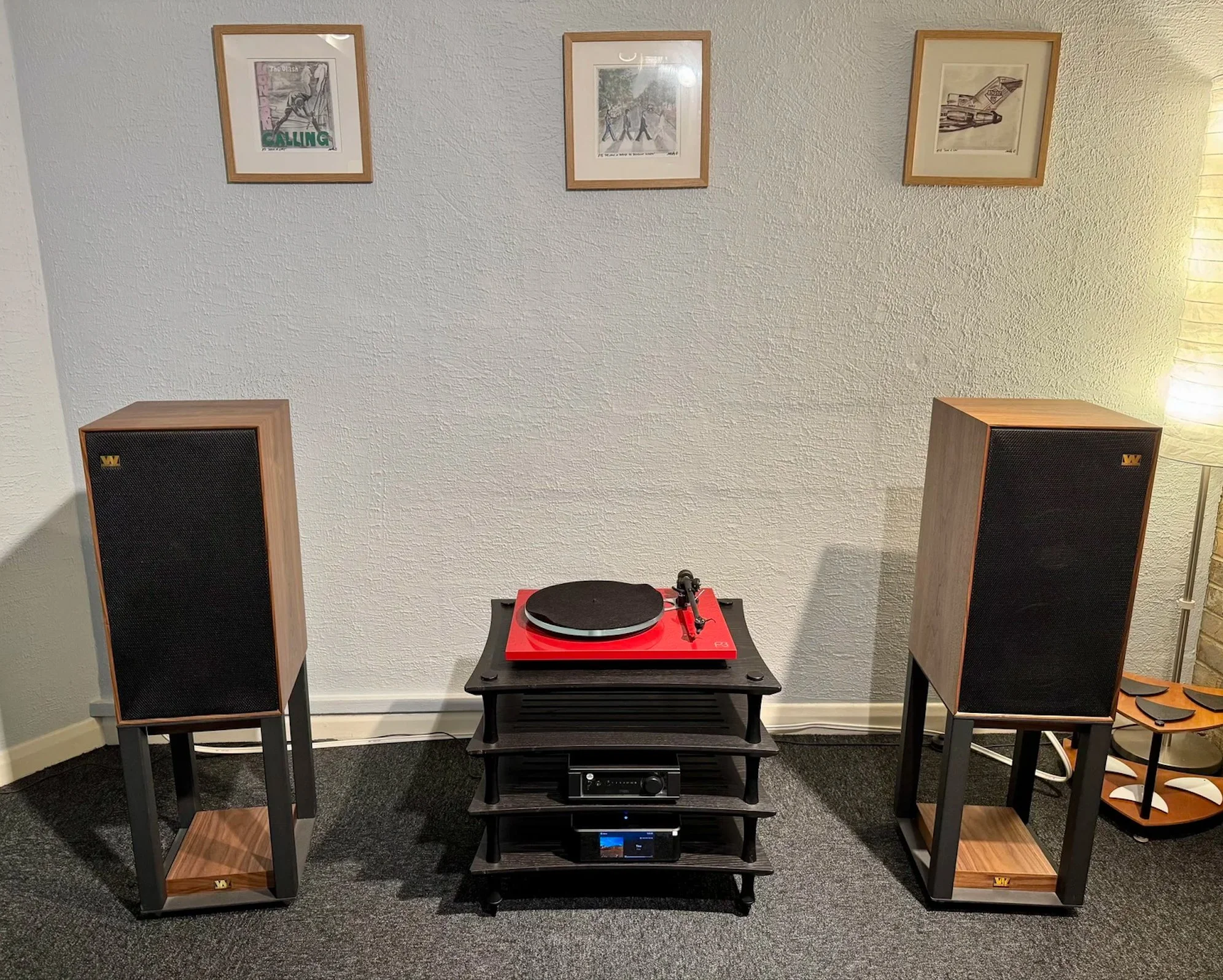
AC/DC – How current can affect the sound quality of your Hi-Fi

Direct Current (DC) contamination of our AC electrical supply is growing, and that’s bad news for hi-fi fans. This blog explores the rise in DC and what can be done to minimise its impact on our listening enjoyment.

We’ve spoken before about noise floor and its impact on the sound quality of your hi-fi.

In short, it’s the base-level noise that’s present in your system the moment you turn it on without playing any music. The higher the noise floor, the less you hear of your music.

It comes from the electrical and mechanical noise (see our July blog for more on mechanical noise) that is generated by our systems themselves, and that which leaks in from the world outside.

And in recent years, there has been a significant rise in one particular noisy culprit – direct current (DC).

As most know, our electricity supply is alternating current (AC). AC can be noisy, and hi-fi manufacturers have spent lots of time and money trying to minimise this noise both within components and by developing equipment like mains conditioners for the home audio market.

A diagram of the difference between AC and DC in the electricity grid. Source: PEguru

But while all the attention has been on AC, DC has quietly encroached into our electrical supply in recent years, causing additional issues. And it’s not just in our homes, but throughout the electricity grid.

Growing problem

Unfortunately, our modern gadgetry is largely to blame for introducing more DC into our homes and our hi-fi.

Common culprits include:

  • Switch-mode power supplies (SMPS) – what used to be called “wall warts” (plug-in chargers) found on laptops, chargers, TVs, LED lights and smart devices. They convert AC to low-voltage DC.

  • Energy-efficient appliances – fridges, washing machines, and HVAC systems often include motor controllers that can introduce DC.

  • Electric vehicle chargers and solar inverters – EV chargers convert AC to DC, while solar inverters convert the DC from solar panels into AC—both of which introduce noise.

  • Dimmers and LED drivers – modern lighting solutions can distort the AC waveform and leave residual DC and high-frequency noise.

  • Green energy sources – while these are good for the planet and the UK’s energy security, decentralised generation sources like wind and solar mean the grid needs clever electronics to balance demand and supply which, you guessed it, introduces more DC noise into the system.

The problem is that AC is supposed to be a clean waveform. Okay, it never truly is—but DC imbalances AC’s switching between positive and zero volts by introducing a small but steady voltage that shouldn’t be there.

The rise of evs is increasing dc in the ac system

The result? Noise.

How does DC affect our hi-fi?

Well, as mentioned, it increases the noise floor in our systems.

Imagine putting a record, CD, or streamed track on your system, sitting down and waiting for the sound to wash over you in glorious stereo.

And then a neighbour starts up their lawnmower.

The lawnmower may not be particularly loud indoors, but the quiet, persistent background noise takes the edge off your listening pleasure. It may mean you can no longer hear subtle musical details as clearly.

So the lawnmower has raised the ambient noise floor, with much the same impact as DC raising the electrical noise floor in your system. Okay, electrical noise rarely creates a lawnmower-like buzzing from your speakers (if it does, you have a serious noise floor problem!), but the noise is there and it does affect the sound.

Most high-end audio components use linear power supplies. These use a transformer to step down AC to DC to provide a smooth power supply for your equipment.

If DC is present in the AC line, it can cause an asymmetrical signal in a component’s power transformer. This reduces efficiency, generates more heat, and introduces more distortion.

And then there are ground loop issues. Every hi-fi enthusiast has a healthy respect for ground loop issues. These are the hums and/or buzzes that appear because different devices around your home earth in different ways, which can cause voltage imbalances and current flows.

Unfortunately, DC imbalance in an AC line can exacerbate ground loop issues, giving you more hums, buzzing, and even mini pops.

In worst-case scenarios, DC voltage on audio signal lines—such as pre-amp outs or headphone jacks—can damage equipment over time by causing heating in speaker drivers and voice coils.

How to protect your system from DC

There are a number of ways to mitigate the effects of DC distortion:

  • Use a DC Blocker - DC blockers (or DC offset eliminators) are devices that filter out DC from the incoming AC line, for example the Isotek V5 Syncro Uni 10 DC Blocker. Some high-end power conditioners have this feature built in.

  • Power Conditioners and Isolation Transformers - quality power conditioners can filter out both DC and high-frequency noise. Isolation transformers go further, creating a “clean” local AC supply.

  • Dedicated Audio Spur - install a separate electrical circuit for your audio system, ideally with its own breaker. Use high-quality cabling and avoid sharing this line with noisy appliances.

  • Measure and Monitor – a power quality meter can tell you how clean or dirty your electrical supply is. Even a standard multimeter can tell you if you have too much voltage emanating from the speaker terminals on your amp (plenty of info online on how to do this safely). Or ask an electrician to help you out.
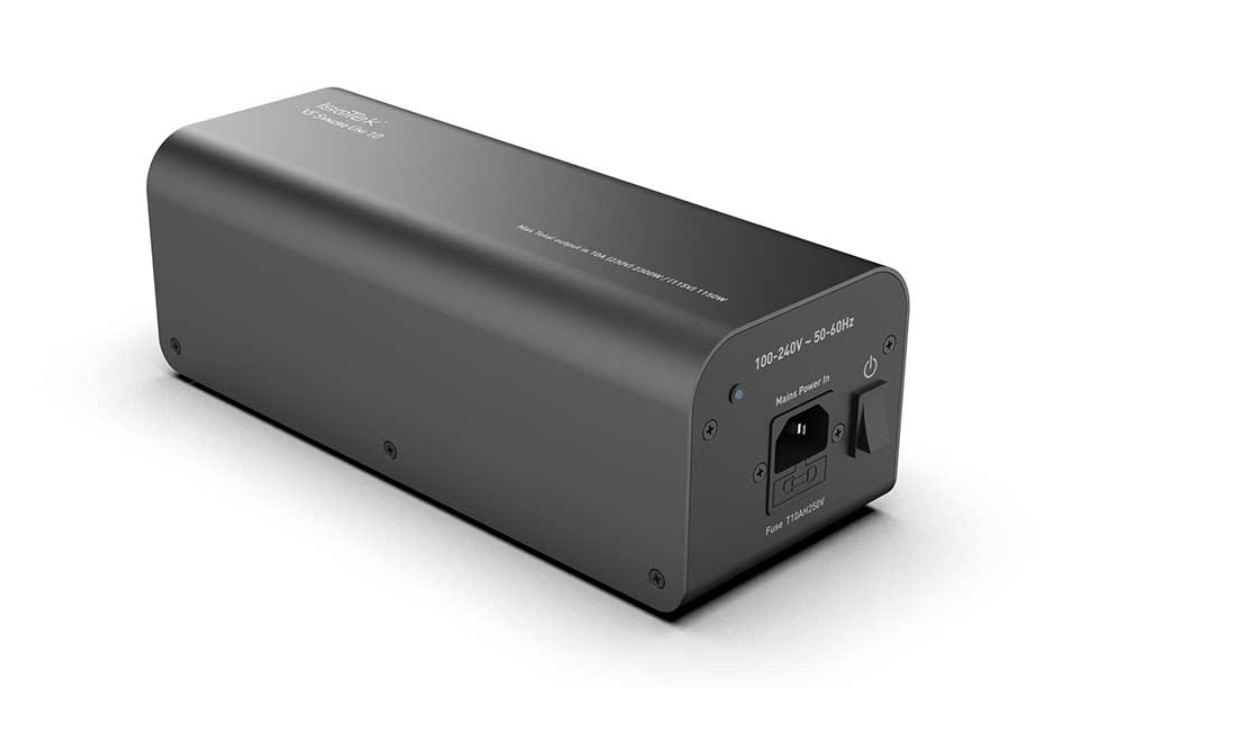
Isotek v5 synchro uni 10 dc blocker

DC on the AC line may not sound like a big deal—and most of us live with it.

But feeding our hi-fi dirty electricity is a bit like putting a sportsman or woman on a fast food diet and expecting them to perform at their very best.

So, in our quest to get the best sound out of our hi-fi systems, let’s not forget our noisy electrical supplies, especially the growing problem of DC.

You can explore a range of mains and signal conditioners here. You may be surprised at how much better your system performs with cleaner power.

If you want to find out more about mains conditioners, or you’ve got a noise problem you just can’t get to the bottom of, you can contact us at portsmouth@audio-t.co.uk or on 0239 266 3604.

Not local to Portsmouth? You can find your nearest Audio T store here.

If you’ve enjoyed this, why not go ahead and read some more of our other blogs, and be sure to follow us on our social media channels below…

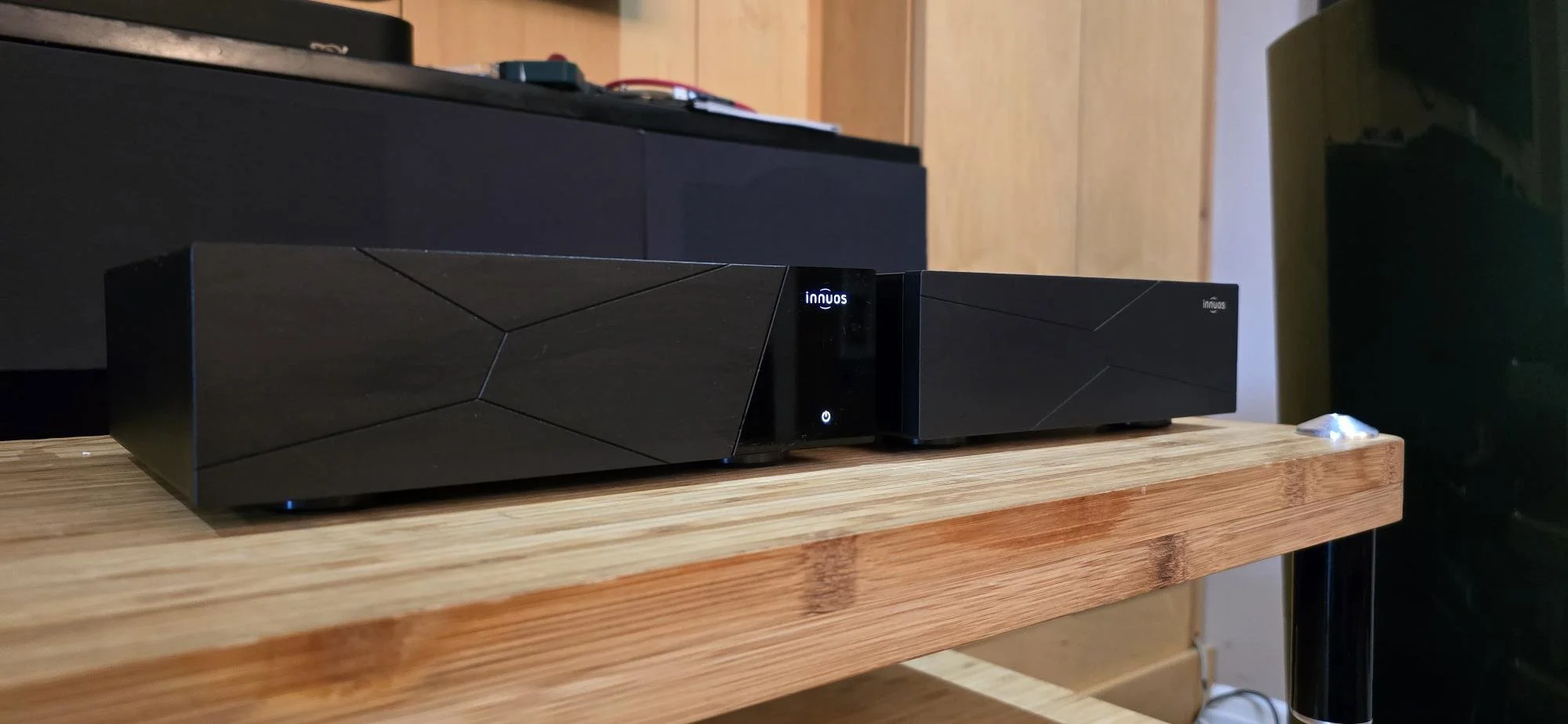
Listening Lab: Hands-On with the Innuos Stream1 Modular Network Streamer & Music Server

At Audio T Southampton, we’re lucky to be the first store in the company to receive the brand-new Innuos Stream1 Modular Network Streamer/Music Server. This was our first real chance to live with it, and I was keen to see how this compact but powerful little box would perform.

What Is It?

Like the rest of the Innuos range, the Stream1 is designed and hand-built in Faro, Portugal. It’s a flexible piece of kit, purpose-built to work as either a network streamer or a music server.

The starting price is £2,100*, and at that level it’s deliberately stripped back. There’s no DAC or output modules included, and it will only act as a music server once you add SSD storage. From there, though, the real fun begins: you can customise it with optional modules at different performance levels, such as DAC boards, a digital output card, internal storage, and even the new PhoenixUSB reclocker.

It’s also fully Roon ready, so it can act straight away as a Roon endpoint. Alternatively, you can step it up into a full Roon server, giving you control of your library and streaming services from one hub. There’s even an experimental feature that lets it run as both a Roon Core and a dedicated streamer at the same time.

Visually, it’s understated. Apart from a discreet touch-sensitive power button, everything is handled through the Innuos Sense app, which manages playback, your library, and system settings.

First Impressions

Unboxing the Stream1, my first thought was how small it looked compared to what I’d imagined. That said, both the unit itself and the optional LPS1 power supply (£1050*) felt solid and well put together. The packaging was secure, giving me confidence this is a product built to last.

Getting it running was quick and painless. Once connected (system details below), I powered it up and opened the Sense app. The interface struck me immediately: clean, modern, and intuitive. It showed me all the essentials at a glance — file format, bit rate, sample rate — and even highlighted high-resolution tracks with a bold gold “HD” badge.

Listening Time

With everything ready, I linked our store’s Qobuz account and sat down with a coffee to play one of my go-to demo tracks: Mexicana by Opal Ocean. It’s just two Spanish acoustic guitars, but it’s perfect for testing soundstage, tonal accuracy, and separation.

The Stream1 floored me. The depth and clarity were astonishing — every pluck of the strings and every percussive hit on the guitar body sounded vivid and lifelike.

I kept pushing it with other favourites: Put Me To Work by Big Data, PANIC! by Smith & Myers, and a mix of genres beyond. Whatever I threw at it, the Innuos handled it with confidence and musicality.

The Chosen System

To give it a proper workout, I slotted the Stream1 into a system some of you might remember from my blog on the Cyrus 40 Series:

This pairing felt like a natural fit, and it allowed the Stream1 to really shine. Every nuance came through, with nothing lost in translation.

Conclusion

The Innuos Stream1 left a strong impression. It combines seamless software, superb sound, and the flexibility to grow as your system evolves. You can start small, then expand with storage, DAC upgrades, or output boards until you’ve built something truly reference-level.

What really appeals is its sense of longevity. With Roon support, modular upgrades, and a well-designed app, this isn’t a box you’ll outgrow in a hurry. It’s as easy to live with as it is enjoyable to listen to, which makes it a compelling choice if you’re looking for a streamer or server that can adapt to you over time.

Of course, nothing compares to hearing it in person. So if you’re curious, come down to your local Audio T and give the Stream1 a listen. I think you’ll be just as impressed as I was.

Thanks for reading,

Tiago - Audio T Southampton

If you have any questions about any of the equipment featured in this article, or any other hi-fi or home cinema enquiries, be sure to Contact Us

If you’ve enjoyed this, why not go ahead and read some more of our other blogs, and be sure to follow us on our social media channels below…


*All prices, credit terms and interest rates quoted are correct at the time of going to press but may be subject to change. E&OE

REL Serie S Subwoofers – Meet the New S/850 and Black Edition Range

Rel S850 with Airship wireless

After a hugely successful few years, the REL Serie S range has been completely redesigned and replaced with a brand-new lineup. Four new models have been introduced: the S/550, S/850, Carbon and 212 Black Label Editions.

The Serie S models sit firmly in REL’s mid-to-high-end range. While REL subwoofers are often associated with home cinema, the surprising truth is that the majority end up in two-channel hi-fi systems. That’s because engineering a subwoofer that integrates seamlessly with stereo playback is far from easy — our expectations of musical bass are far more critical than with film soundtracks.

Key Benefits

Extension and Depth
Deep bass enhances all types of music. With the ability to reach 20Hz (and in some cases lower), the Serie S allows you to hear fundamental notes that many speakers cannot reproduce, or struggle to deliver convincingly.

Speed, Transient Response, and Low Distortion
More important than outright depth is timing accuracy. A subwoofer that cannot time correctly will never integrate with your main speakers. REL designs are fast, clean, and articulate — qualities that only improve as you move up the range.

Musical Precision and Tonal Neutrality
Instead of adding artificial boom, REL subwoofers aim for an even tonal balance. Their sealed cabinets minimise resonance and colouration, and with no ports, there’s no unwanted port noise.

S850 back panel with Airship receiver attached

Seamless Integration
With flexible connectivity, plus control over gain, crossover, and phase, the Serie S can effectively disappear within your system. Bass feels like it comes from the same soundstage as your speakers, rather than the subwoofer itself. Set up properly, you don’t just hear deeper bass — you also get improved clarity, imaging, and vocals.

Build Quality and Flexibility
The cabinets are robust and extremely heavy, with finishes of the highest standard. The optional (or standard, depending on model) wooden grille adds a touch of elegance. The latest Airship wireless system also makes cable-free setup a flexible option.

Airship transmitter and receiver

Model Line-Up

All four Serie S models feature upgraded drivers (active and passive), more powerful amplifiers, and improved cabinet design over the outgoing generation. They are sonically superior in every respect.

  • S/550 – 10-inch drivers, 550 watts of power

  • S/850 – 12-inch drivers, 850 watts of power

  • Carbon Special Black Label Edition – 950 watts, advanced drivers, larger cabinet for greater speed and depth. REL deliberately reins in amplifier output so they operate effortlessly, even when pushed.

  • 212 Black Label Edition – The flagship model. Incorporates all the improvements of the Carbon Special but with even greater amplifier power, additional drivers, and a configuration that delivers many of the benefits of a line array — without the need for multiple subwoofers.

Auditioning the S/850

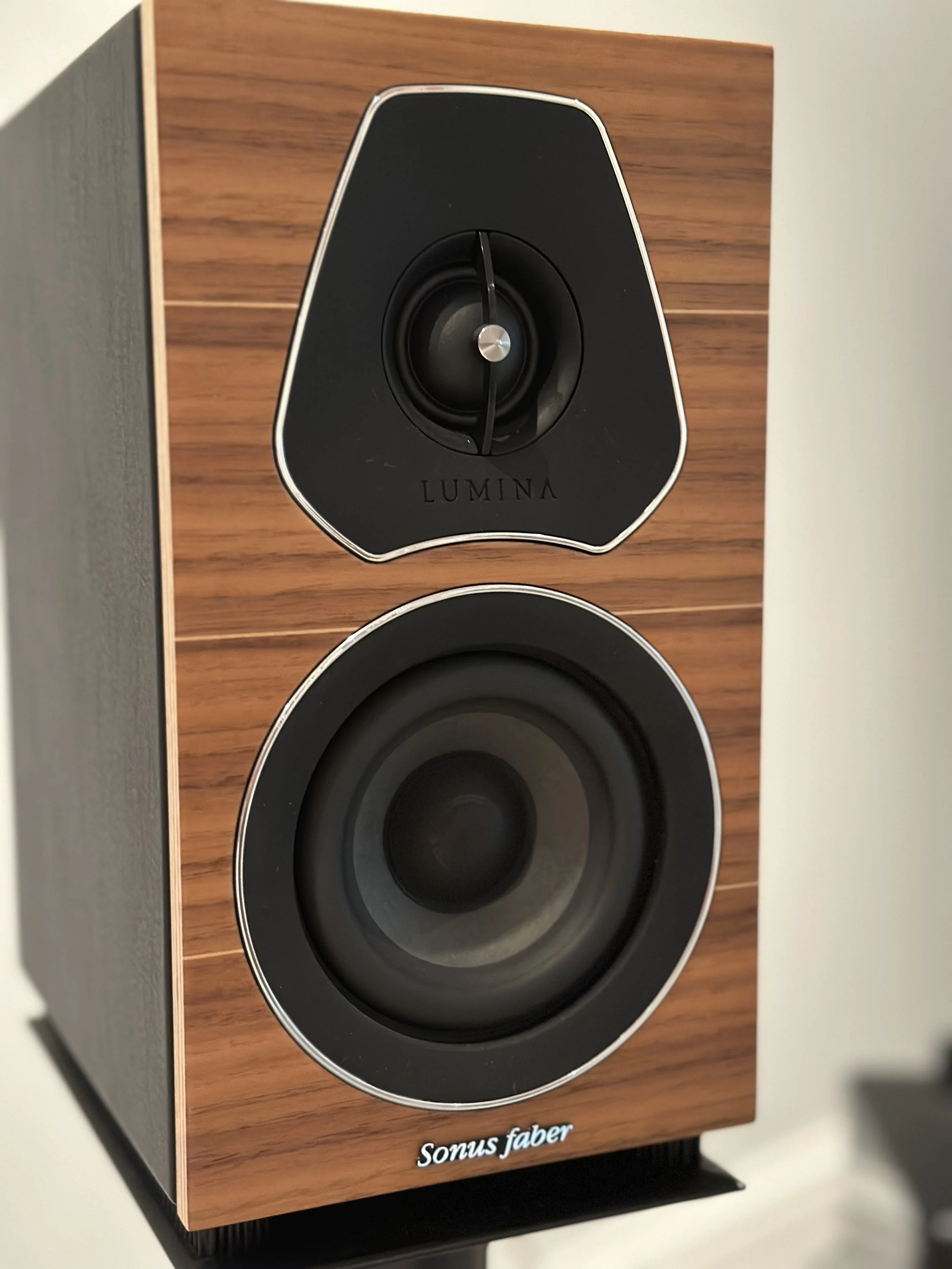
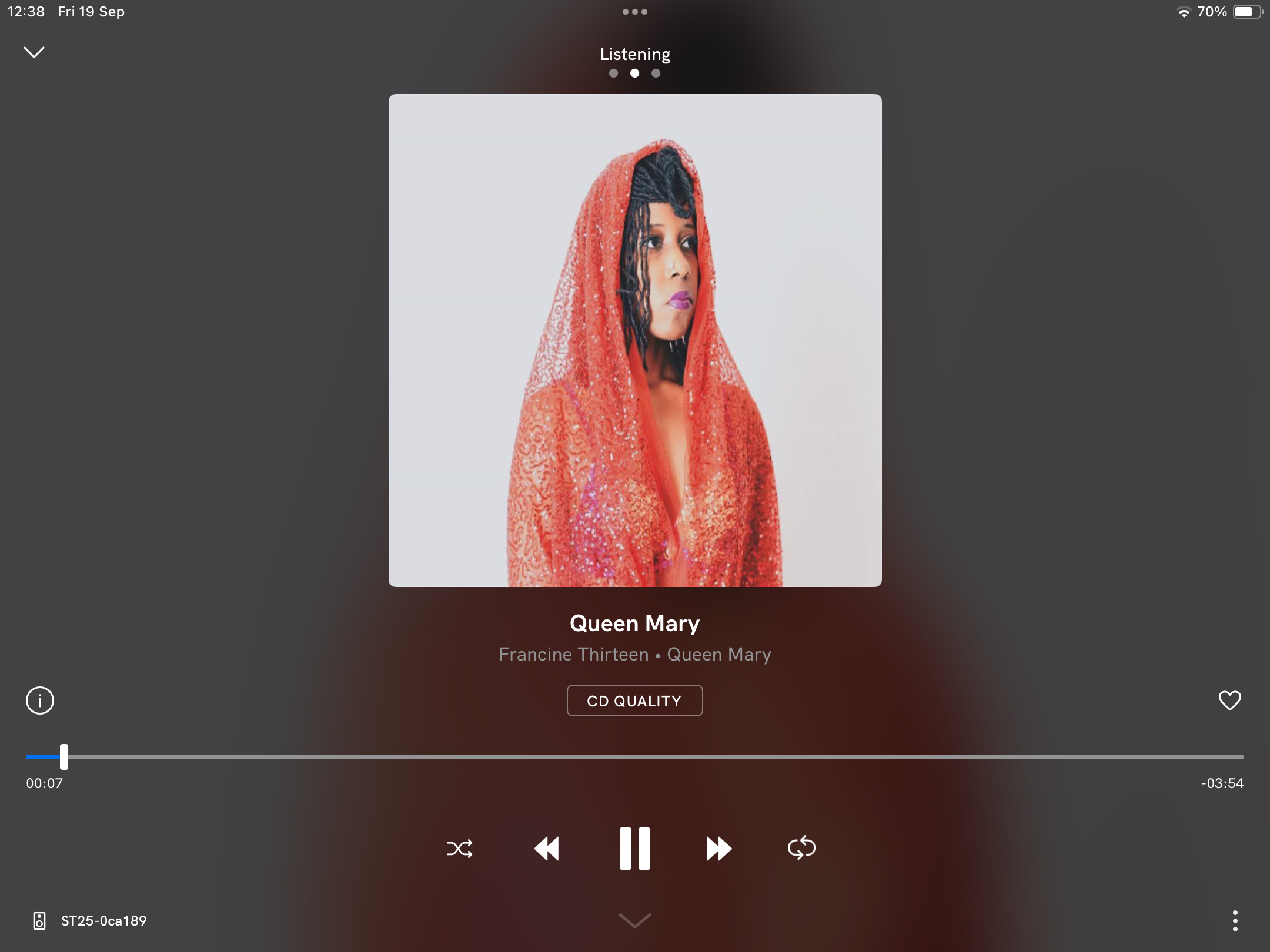
Before the official launch, Rob Hunt from REL brought in an S/850 for us to audition. We set it up with a Rega Aethos amplifier, Arcam ST25 streamer, and Sonus Faber Lumina II Amator loudspeakers. One of the joys of our work is discovering new music, and on this occasion Rob introduced us to Francine Thirteen’s Queen Mary — incredible!

We spent a long time putting the S/850 through its paces across a wide range of music. While we didn’t have the outgoing model on hand to compare, I have no doubt that REL’s claims are accurate: this new generation is faster, tighter, and goes deeper than before.

Queen Mary

Summary

I’ve owned REL subwoofers as part of my own hi-fi for many years, and I remain convinced of the benefits. Adding a suitable REL brings deeper, more natural bass to any system — regardless of how large the speakers are. Bass that enhances music, remains tight and controlled, minimises colouration, and integrates seamlessly.

Thanks for reading, and we look forward to welcoming you soon.

Jon and Andy - Audio T Swindon

If you have any questions about any of the equipment featured in this article, or any other Hi-Fi or home cinema enquiries, be sure to contact us.

If you’ve enjoyed this, why not go ahead and read some more of our other blogs, and be sure to follow us on our social media channels below…


Iconic or what! The Bluesound Node Icon Reference Streamer

Hello all, and welcome to the September blog from Audio T Brighton! Bluesound has been making a name for itself in recent years, with its streamer range undergoing a revamp, so we thought it was time to shine a light on what is increasingly becoming an iconic brand (pun intended) by getting all platonic with their best streamer: the Bluesound Node Icon Reference.

Icon by name, Icon by nature...

The Bluesound Node Icon is the company’s current reference streamer. We’ve long been fans of its sibling, the Bluesound Node Performance, which is a less well-specified model, and its junior, the Bluesound Node Nano, the brand’s entry-level offering.

The offerings of an Icon...

The Bluesound Node Icon reference streamer distinguishes itself from its siblings by offering striking improvements in connectivity, sonics, and visual appeal.

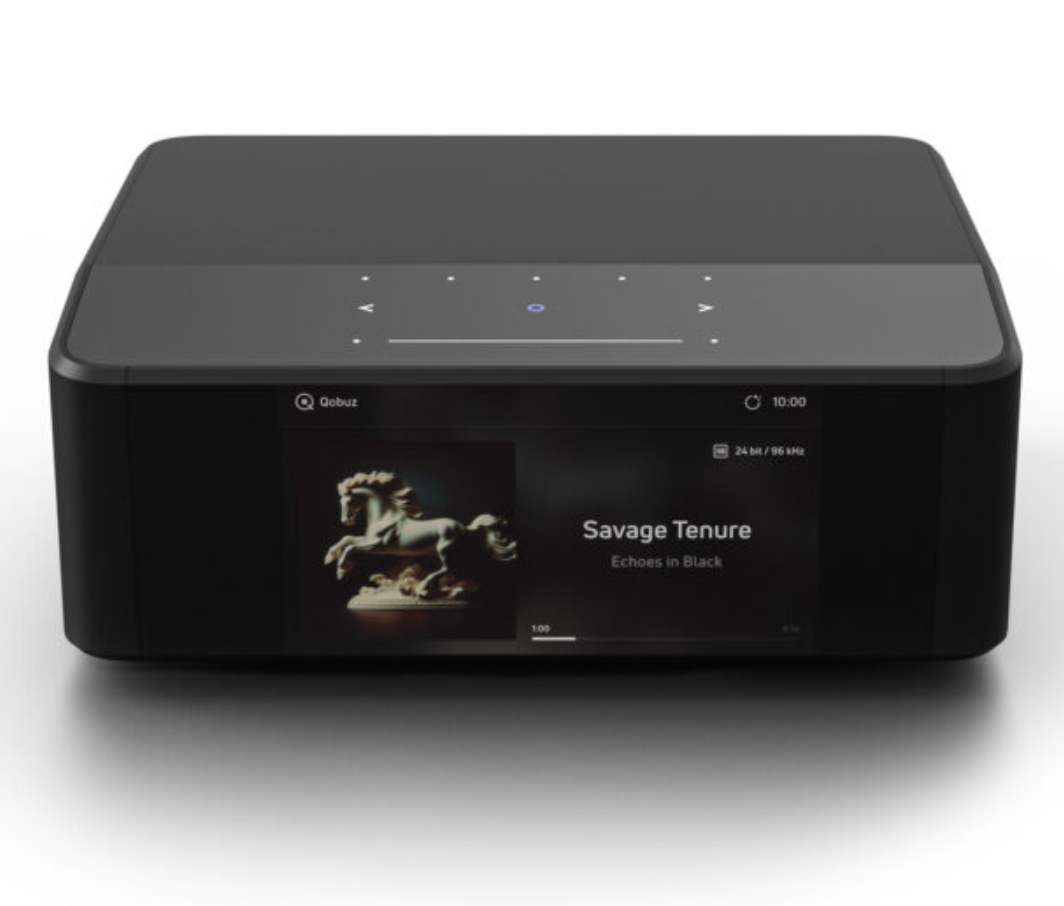
The most obvious difference is the addition of a 5-inch LED screen, which is a nice visual touch, albeit not a touchscreen. Users must rely on the Bluesound app if advanced settings need adjusting. However, just like its juniors in the range, there’s a control panel above the screen for altering volume, skipping tracks, and other basic functions, should your phone or tablet not be to hand.

Although the Bluesound Node Icon is primarily a streamer, it can be used as a digital hub for a sophisticated home audio/AV setup. Utilising a dual-mono DAC design with 2 x ESS Sabre ES9039Q2M DAC chips, it promises top-level performance from the latest ESS chipsets on the market.

Additionally, it offers THX AAA™ headphone amplifier technology with 2 x 1/4" jacks, providing a notable step up in headphone playback performance over earlier Bluesound products — perfect for private or late-night listening.

For those wanting seamless integration with movie playback, HDMI eARC connectivity is included, allowing a single remote to be used during your film sessions.

High-quality balanced XLR outputs, RCA, coax, optical, and USB outputs are also provided for those who prefer a hard-wired setup, while Apple AirPlay 2 and aptX Adaptive Bluetooth* are on the menu for wireless streaming. As you can see, both input and output options are very well catered for — one of the reasons you may opt for the Icon over its junior siblings.

The Bluesound app

One of the major selling points of Bluesound products in recent years is the user interface offered by the Bluesound app. Solid, reliable functionality is a staple of Bluesound, and not all manufacturers have been as successful in this regard. This explains why some brands have chosen to license the Bluesound app rather than design their own (often clunky) software, which risks losing customer trust. NAD and Cyrus are two manufacturers that come to mind, having decided to take this route rather than invest in developing their own apps.

The Bluesound app is a breeze to use. It allows users to set up the Bluesound Node Icon exactly how they like it and is consistently updated to iron out issues and provide additional features via regular firmware updates. We’ve certainly found it a pleasure to use.

Sounds iconic!

Straight out of the box, the Bluesound Node Icon Reference sounded smooth and detailed, with good definition and texture to instrumentation. In this regard, it’s a step forward in performance from the Bluesound Node Performance and the Bluesound Node Nano. No doubt the dual-mono DAC configuration plays its part here, providing better separation and a more expansive soundstage. Certainly, when passages became more complex, the improved clarity made it much easier to follow individual players and instruments.

Bluesound node icon paired with a rega brio mk7 and wharfedale linton speakers

Here at Audio T in Brighton, we’re always careful when waxing lyrical about a single product. Last month’s blog looked at system hierarchy and the importance of every component in the chain — you can read that blog here. In short, the purchase of a component has to be considered alongside what surrounds it, especially if you want to build a satisfying hi-fi system for long-term enjoyment.

The system shown above — Bluesound Node Icon streamer, Rega Planar 3 with ND3 cartridge, Rega Brio Mk 7 amplifier, and a pair of Wharfedale Linton speakers — gives what we believe to be a balanced and musically satisfying sound, without breaking the bank.

Of course, you shouldn’t just take our word for it — that will never do. Give us a ring to arrange a demo, get your playlist ready, and let your ears do the deciding.

As always, the proof of the pudding is in the eating — so get in touch to book a demonstration and hear for yourself.

Thanks for reading.

Ade, John and Paul - Audio T Brighton

If you’ve enjoyed this, why not go ahead and read some more of our other blogs, and be sure to follow us on our social media channels below…

Bluesound can be found at the following Audio-T stores

Rega can be found at the following Audio T stores -

Wharfedale can be found at the following Audio T stores

Chromey Gets Cosy with the Meze 105 Silva Headphones

Meze Audio is a high-end headphone and earphone manufacturer based in Baia Mare, Romania. Founded in 2011 by industrial designer, Antonio Meze, the company has built a reputation for combining reference-level sound with craftsmanship and striking design aesthetics.

Here at Audio T, we’ve been proud to stock Meze headphones for a number of years, and they’ve quickly become favourites among our customers. Some standouts include the Meze 99 Classics, the Empyrean, and the Elite.

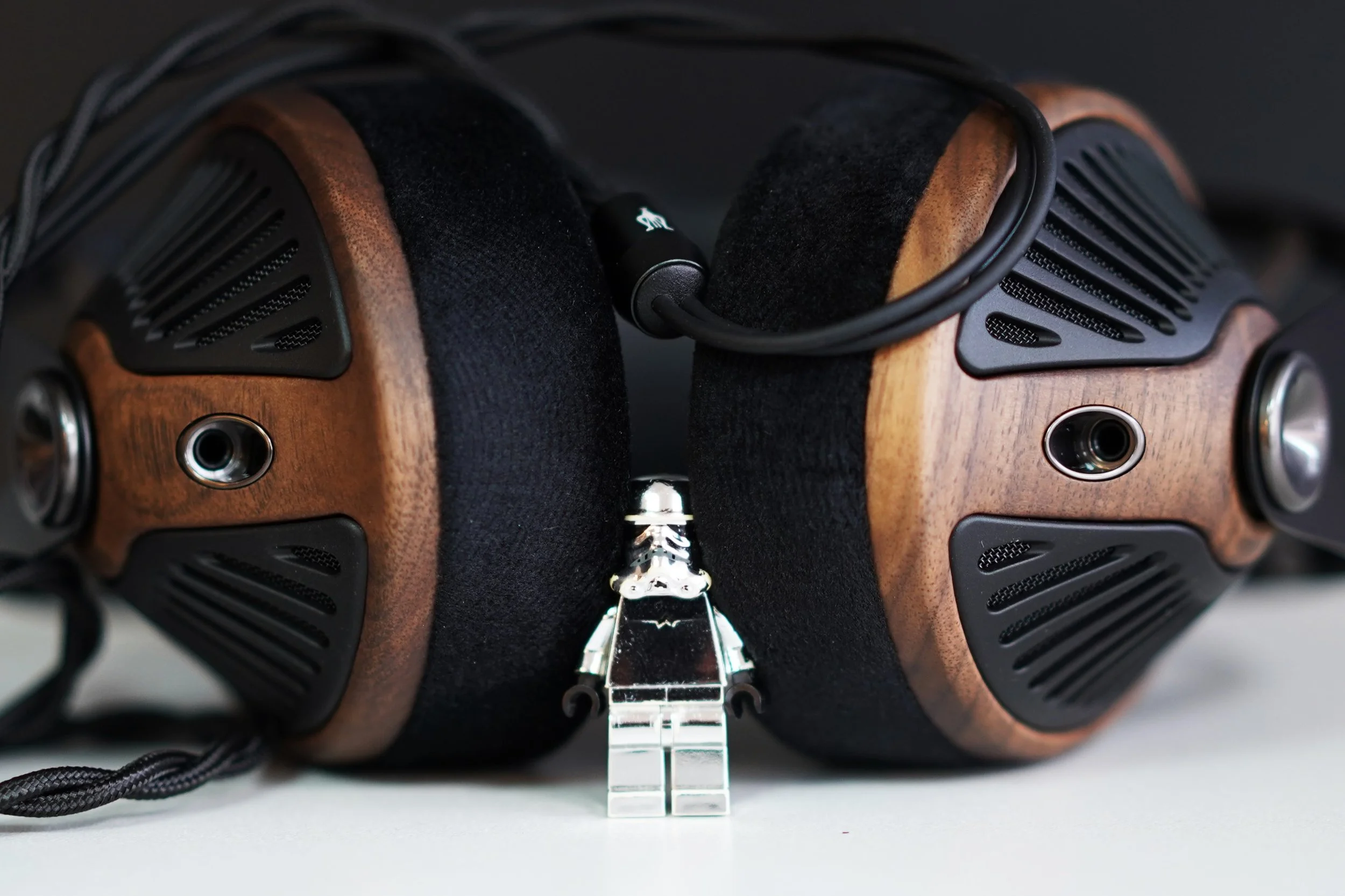
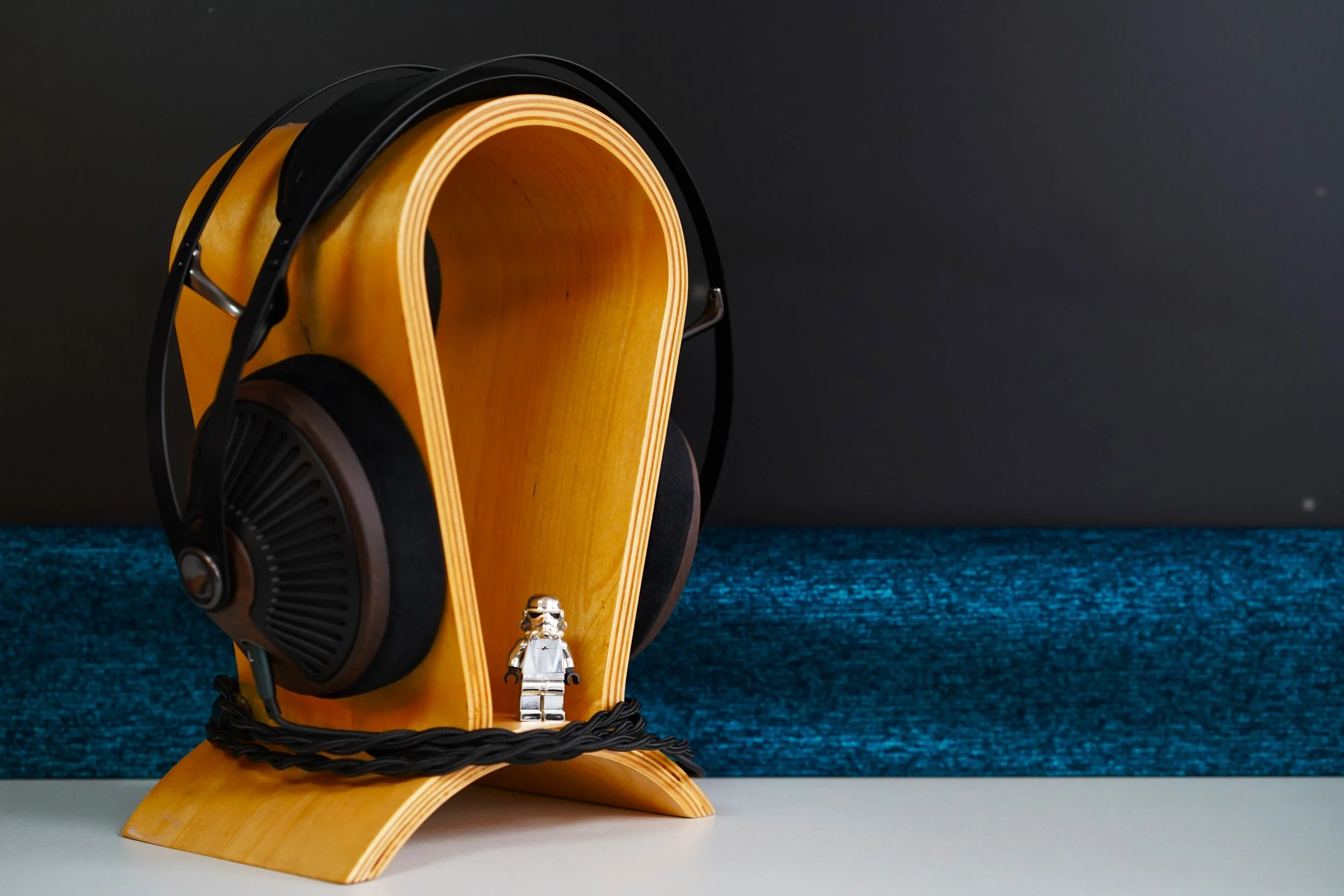
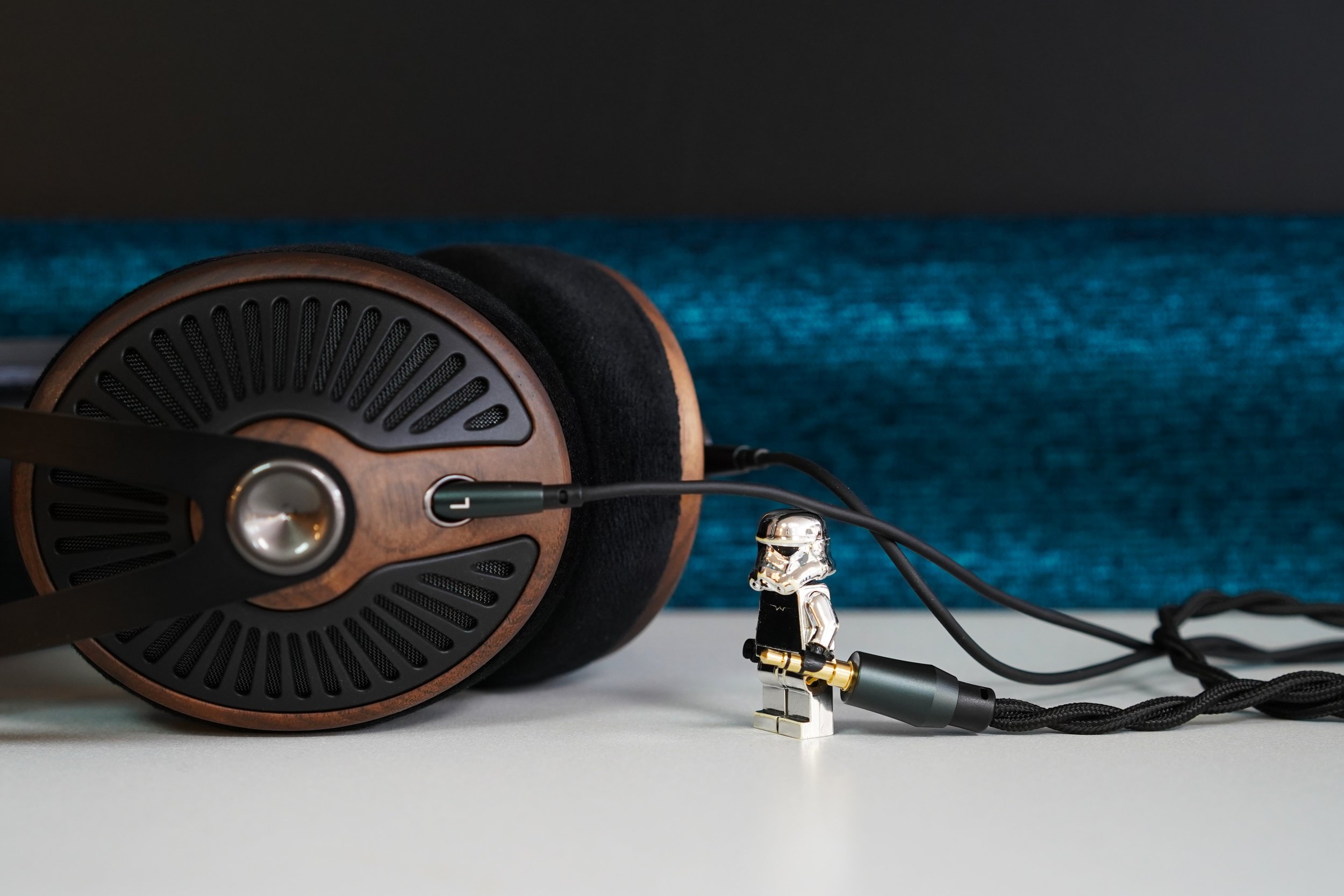
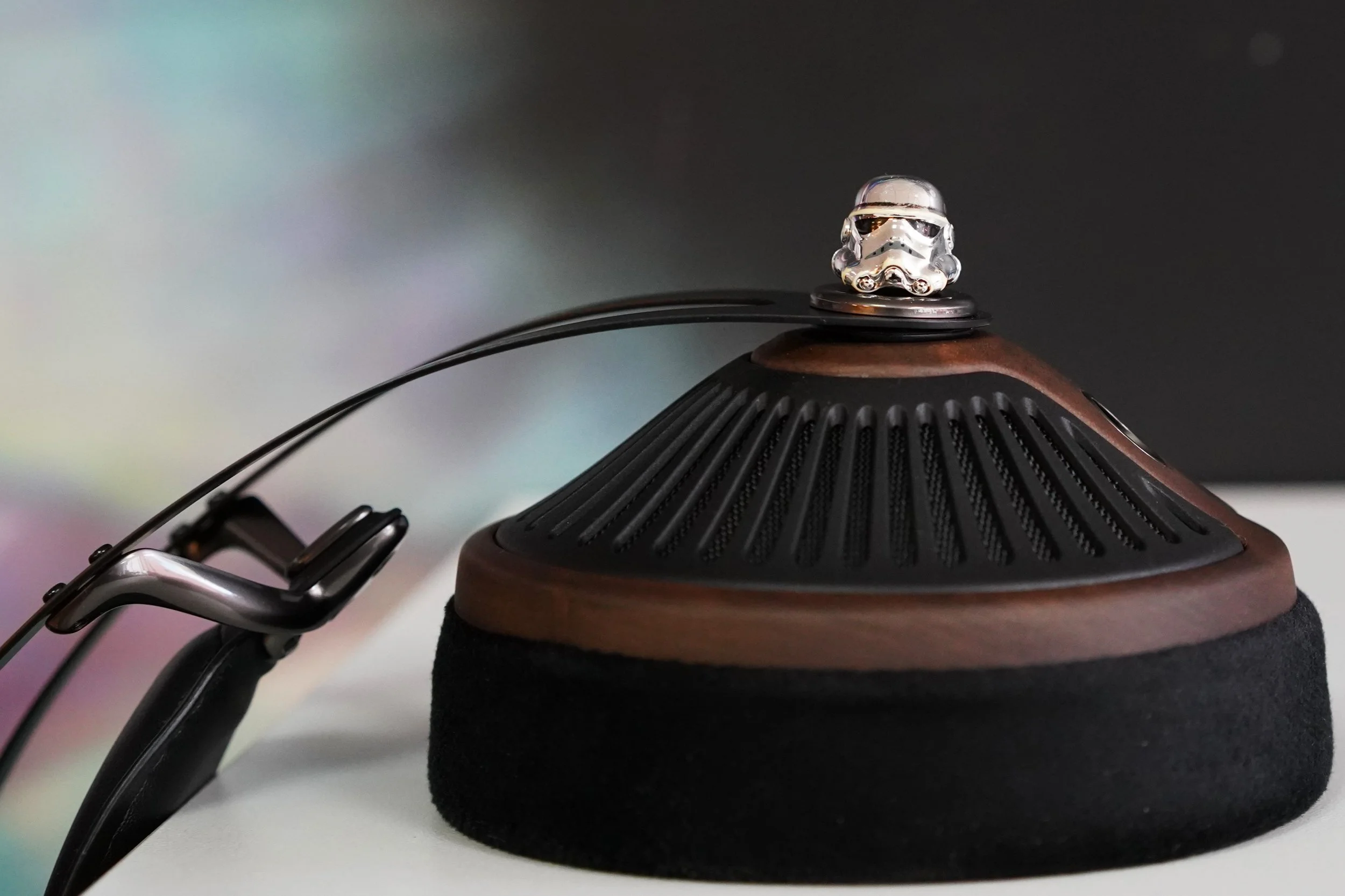
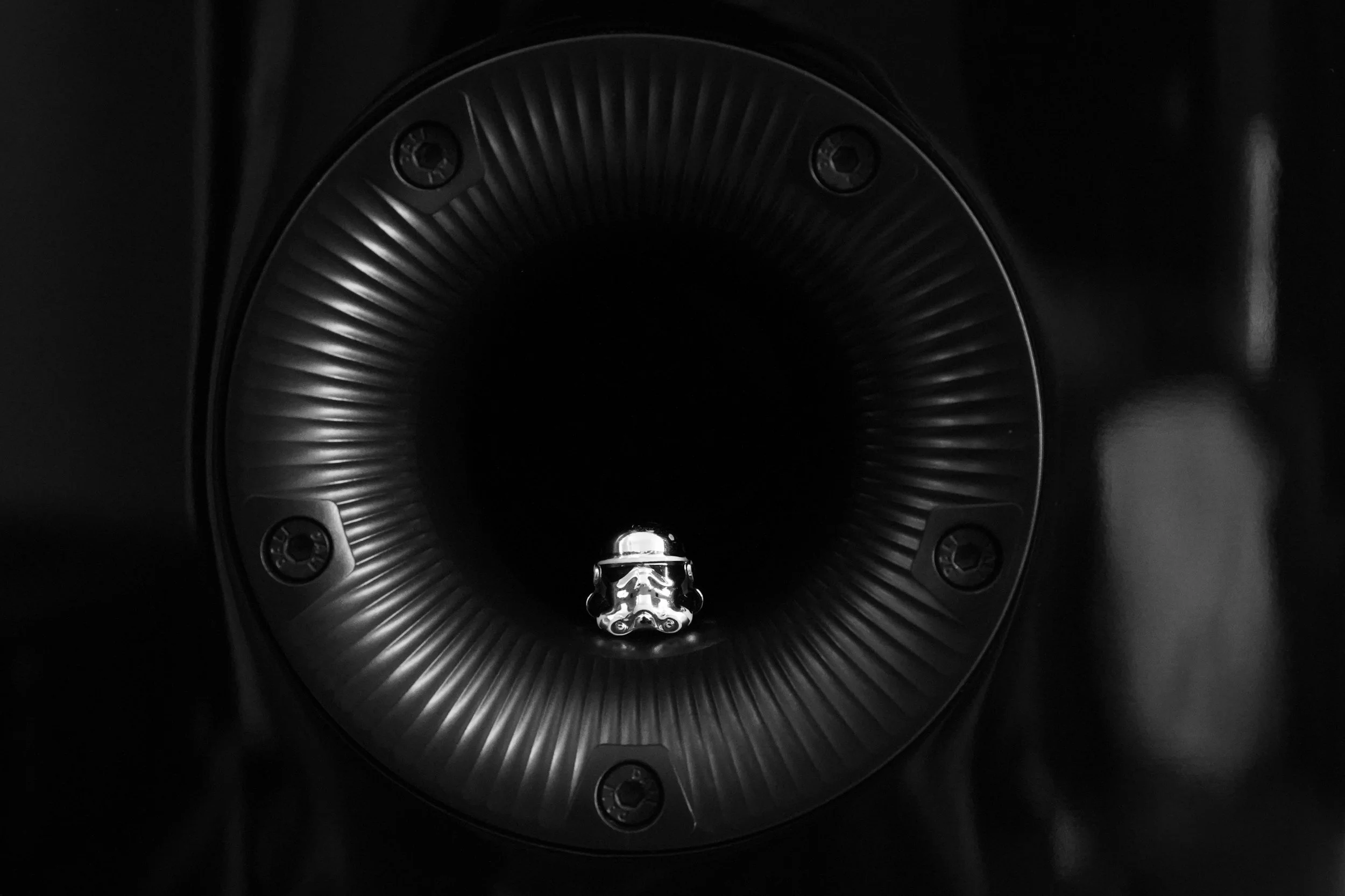
Now, at Audio T Manchester, we have the brand-new Meze 105 Silva headphones in store — and naturally, we’ve been putting them through their paces. Chromey, our trusty silver Lego Stormtrooper, even got involved.

Silva on chrome

Comfort and Fit

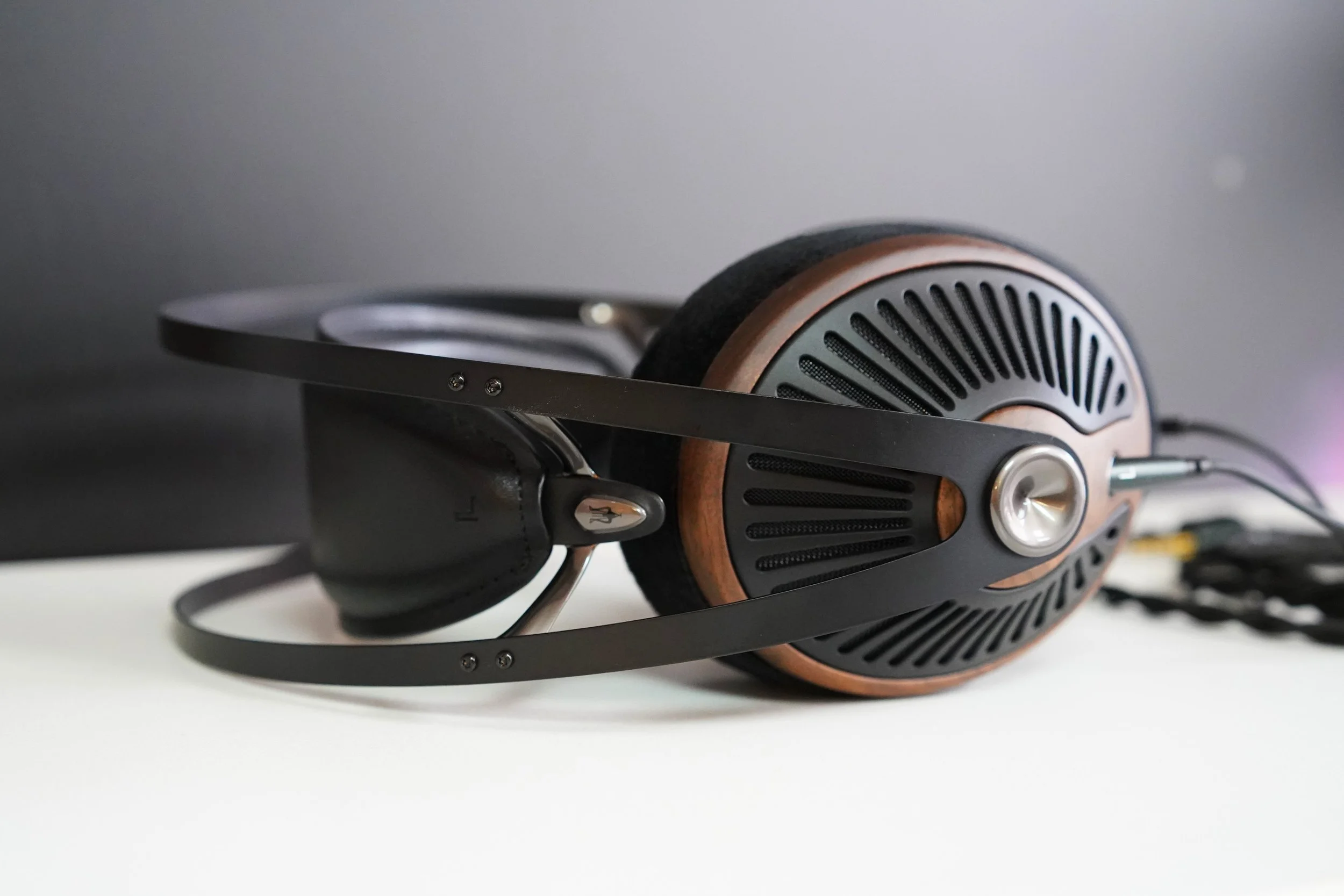
Comfort is a real strong suit here. The auto-adjusting headband and suede velour earpads provide a plush, secure fit, with plenty of space inside the cups to avoid pressure points, even during longer sessions.

Clamp force is moderate, and if needed, can be adjusted by gently bending the rods — though we didn’t find this necessary. The open-back design adds breathability, which helps keep your ears cool and comfortable during extended listening.

The general consensus online highlights all-day wearability, and we agree. The pads are supremely comfortable and minimise ear fatigue. The only caveat is that, as open-backs, they don’t offer much in the way of noise isolation, so they’ll shine brightest in quieter environments.

Build Quality and Accessories

Meze has always carried a strong reputation for exceptional build quality, and the 105 Silva certainly lives up to it. Premium materials such as polished walnut wood and aluminium accents make the headphones feel every bit as high-end as they look — stylish without being overly showy.

where did I leave the amp?

At just 354 grams, they’re lightweight for their class, which ties back nicely to that excellent comfort we mentioned earlier.

The Silva also comes well-equipped with accessories: a semi-hard carrying case, a dual-twisted Kevlar-wrapped OFC cable (with dual 3.5mm TS jacks), and a custom 3.5mm to USB-C adapter. That last addition is particularly handy, as it lets you connect to your phone without needing a separate dongle — a thoughtful touch for mobile use.

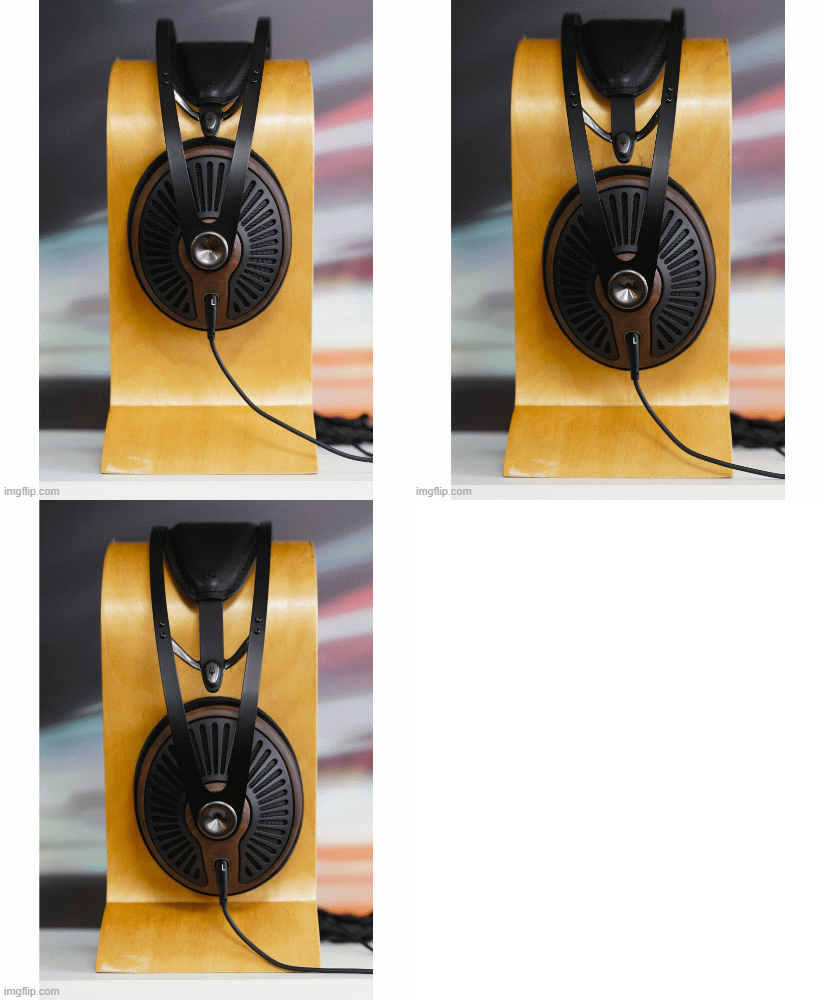
witness the Transmogrification of chromey, ok now that’s enough!!!!!

Sounding Out the Silva

Meze products are often praised for their musicality, and the 105 Silva continues that tradition. They lean toward an engaging, natural presentation rather than a purely analytical one — these aren’t designed as studio monitors but as headphones to enjoy music with.

Under the hood, you’ll find a 50mm dynamic driver with a bio-cellulose composite dome and titanium-coated torus. With a frequency response from 5Hz to 30kHz, an impedance of 42Ω, and a sensitivity of 112 dB SPL/mW, they’re easy to drive straight from a smartphone or portable player, though they really sing when paired with a good headphone amp.

  • Bass: Punchy and impactful, extending deep into the sub-bass without losing control. Robag Wruhme’s Advent from Venq Tolep is a great example — the Silva nails those low notes without descending into bloat.

  • Midrange: Detailed and natural, making them superb for classical, jazz, and film scores. Vangelis’s Blade Runner soundtrack feels vast and atmospheric, with Harrison Ford’s dialogue sounding warm and nuanced. You could happily watch a film late at night with these on and still feel fully immersed.

  • Treble: Smooth, airy, and free of harshness or sibilance. The Silva’s treble balances detail with listenability, avoiding fatigue even after hours of play.

The soundstage is impressively three-dimensional, with excellent separation and imaging that rivals pricier headphones, such as Meze’s own 109 Pro. The overall tonality is warm, natural, and consistently musical across all genres.

Sustainable Through Longevity

Meze has also been very vocal about sustainability and product longevity. Here’s what they have to say directly from their website:

“As our choices of today can greatly impact the world of tomorrow, we design products that last. We believe that a longer product lifespan means a smaller footprint. Following this philosophy, 105 SILVA can be taken apart and serviced endlessly if needed, making it as perennial as the forests it alludes to.”

It’s a philosophy that puts Meze firmly in the mix with the best headphone manufacturers globally — not just in terms of sound, but in value too.

The spring steel head band works a treat, all head sizes welcome

Conclusion

We’re not really ones for lengthy pros and cons lists, but here’s a quick take.

Pros:

  • Solid build

  • Striking style

  • Comfortable fit

  • Engaging sound

  • Strong value for money.

Cons:

  • Being open-back, they’re not suited to every environment.

That’s it, really. The Meze 105 Silva is simply a compelling choice for anyone seeking style, comfort, and superb performance at a very accessible price point. They excel at delivering a natural soundstage with punchy dynamics, making them an excellent step up from entry-level open-back headphones.

If you prefer engaging, musical listening over clinical precision, the Silva is hard to beat in this bracket.

We have a pair ready to demo at Audio T Manchester, so why not pop by, give them a listen, and see if Chromey’s new favourite might just become yours too?

Thanks for reading.

Munir, James and Dave - Audio T Manchester

If you have any questions about any of the equipment featured in this article, or any other Hi-Fi or home cinema enquiries, be sure to Contact Us.

If you’ve enjoyed this, why not go ahead and read some more of our other blogs, and be sure to follow us on our social media channels below…


Meze Audio can be found at the following Audio T stores

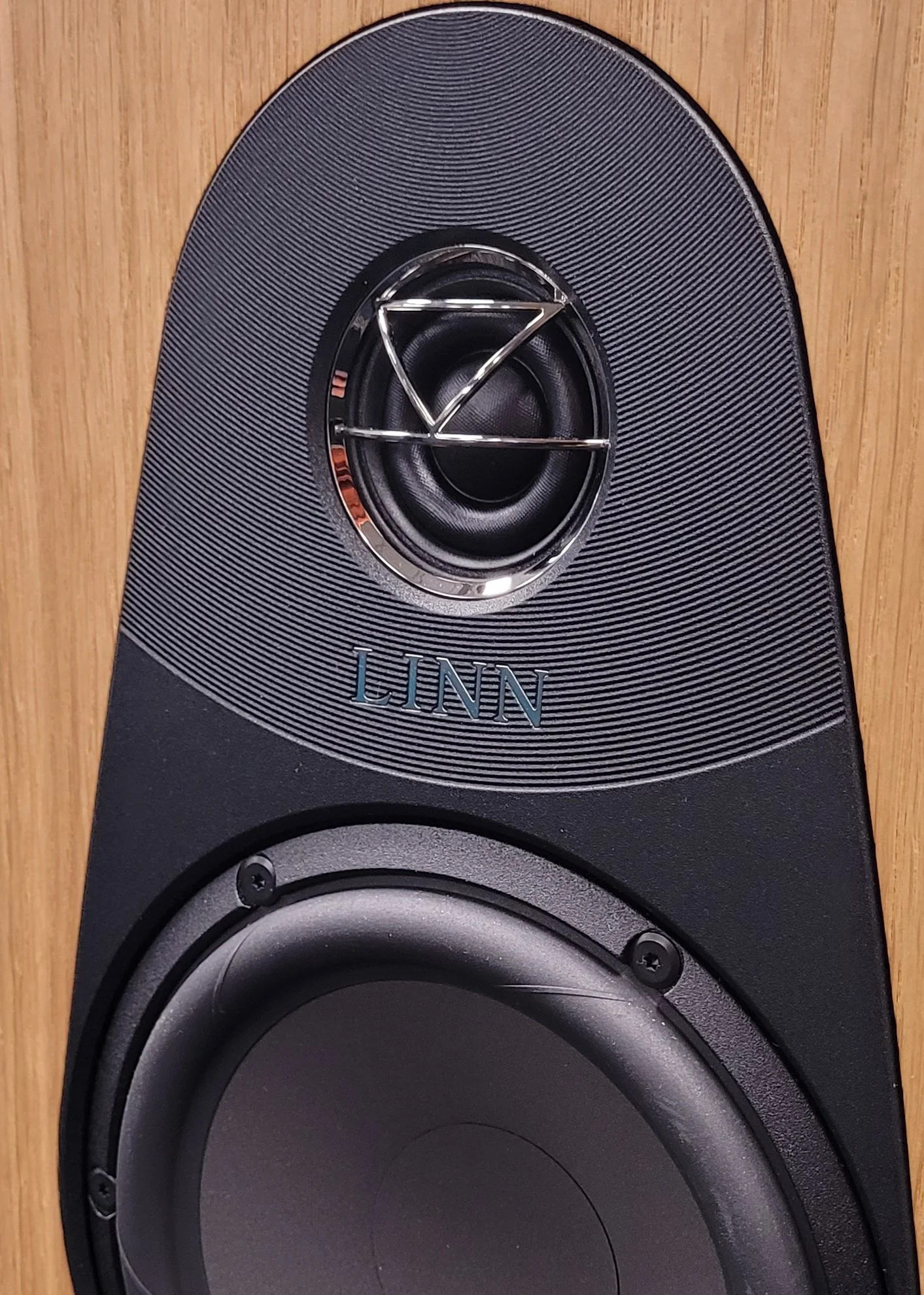
A Magical Evening of Music with Glaswegian Hi-Fi Legends, Linn.

This month, Matt from our Cardiff branch is sharing his love of two things: Audio T Hi-Fi events and turntables.

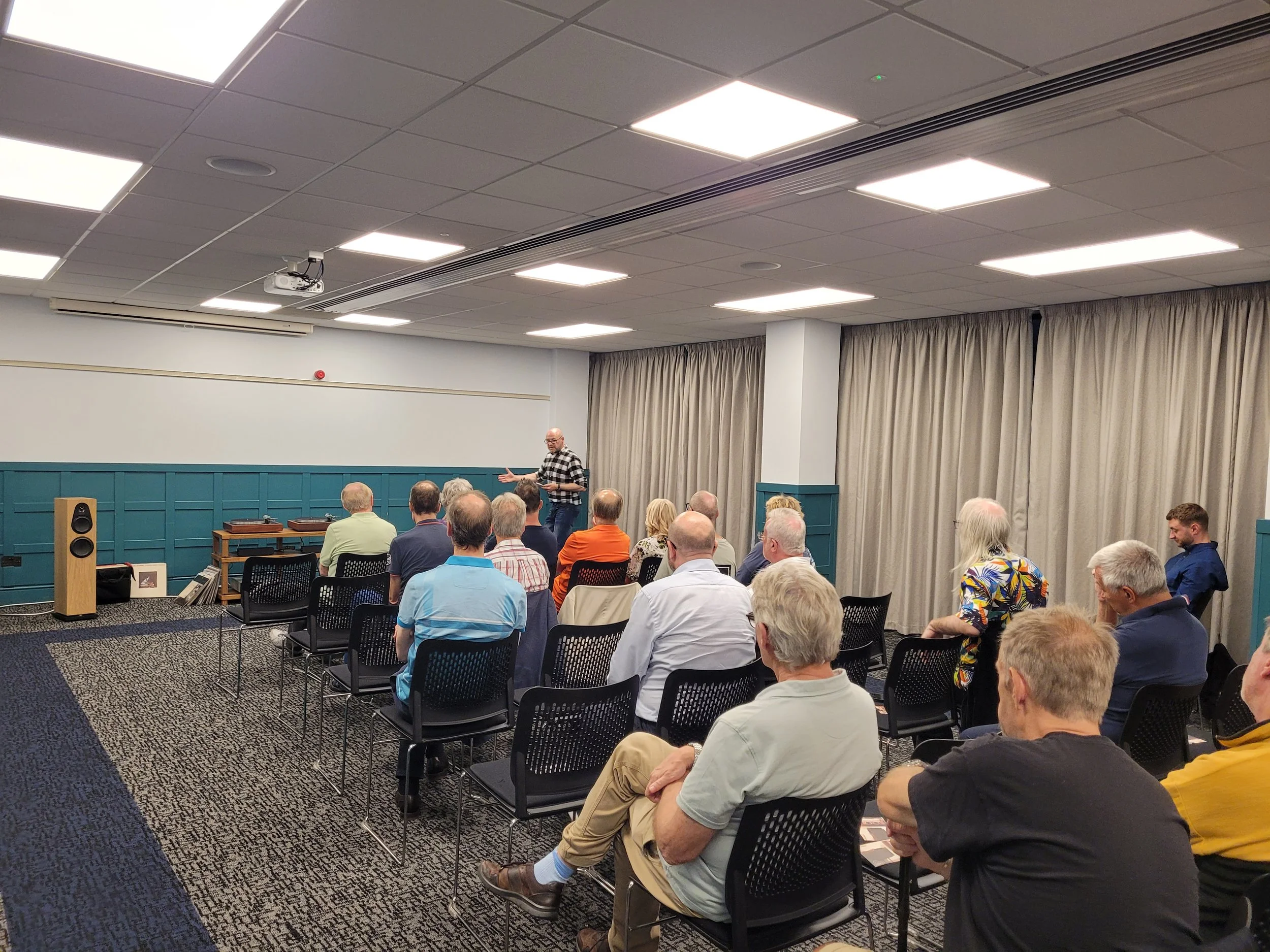
The event in question was our Linn listening evening, held at the BAWA Health & Leisure Club in Bristol, organised by our Bristol store in collaboration with the Swindon and Cardiff teams. Let’s hear what Matt has to say about this magical evening of music and all things Linn.

the introduction to the event

Passion for Hi-Fi Events

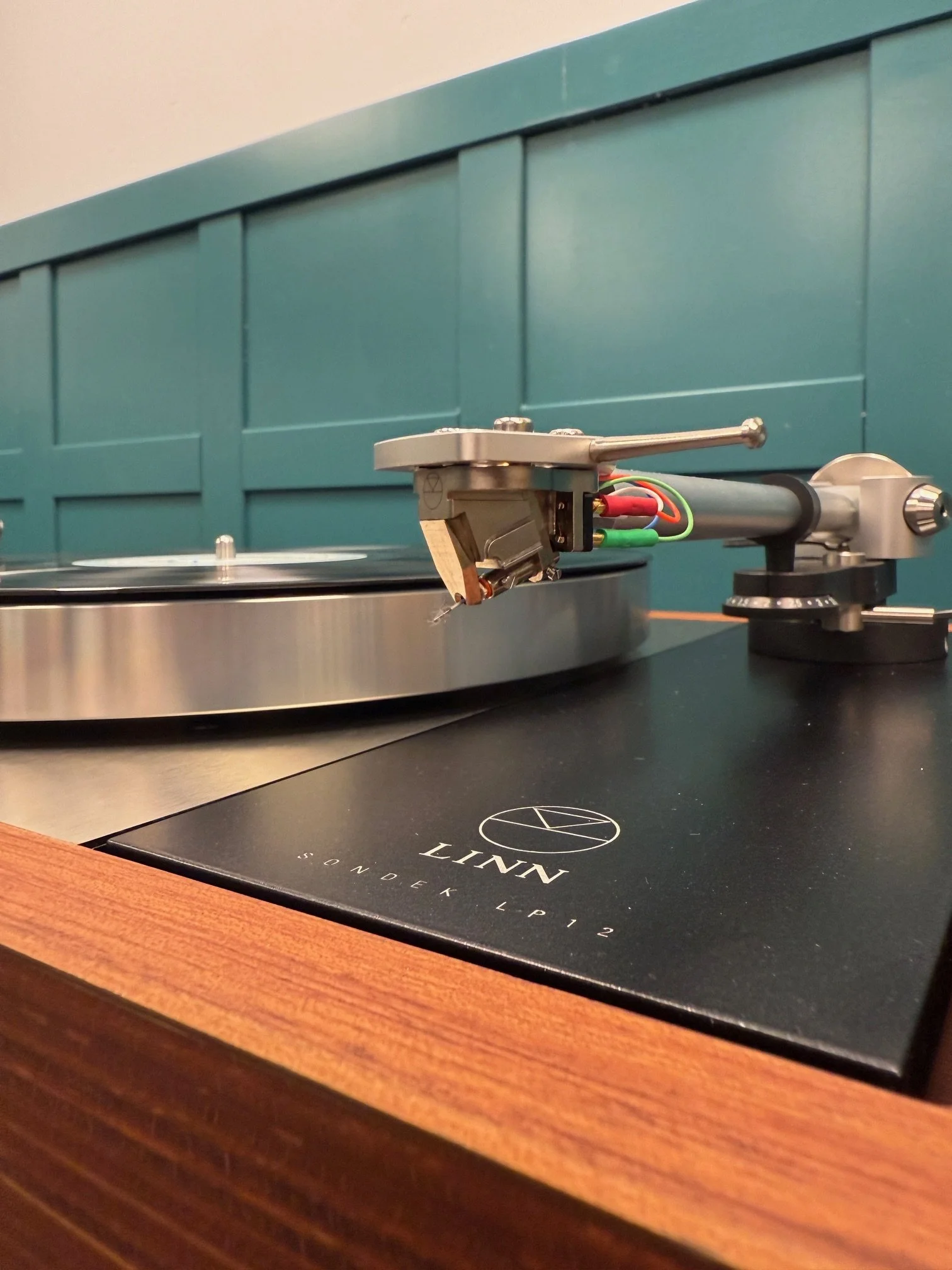
As most of you know from reading my blogs (for which I’m extremely grateful), I’ve always loved working at and organising exciting new Hi-Fi events. This particular Linn evening was put together by our Bristol store manager Max, alongside our host and Operations Director Tony Revelle – one of the company’s founders. For those who remember our store’s original name, Audio Excellence, Tony started it all. Tony and Linn go back a long way, and he still overhauls and builds Linn LP12 Sondek turntables today.

Alongside Max and Tony, Nick (our store manager), Andy (our Swindon store manager), and I were invited to collaborate with them and the Linn events team. When Nick mentioned it, I jumped at the chance – especially with Linn turntables involved!

A Linn Legend in the Room

Linn also sent down their brand ambassador, Mr Gordon Linch, who co-hosted the evening with us. Gordon brought along some of the latest and greatest Linn equipment, which I’ll come to shortly.

But before diving into the gear, let’s take a quick look at Linn’s history – something Gordon kicked off the evening with.

IVOR Tiefenbrun in 1973

Linn’s Legacy

Linn Products was founded in 1973 by Ivor Tiefenbrun, to produce the Linn Sondek LP12 turntable. Unsatisfied with the Hi-Fi system he bought shortly after getting married, Ivor experimented and discovered that the turntable was being affected by sound pressure from the loudspeakers. By simply putting the turntable outside the room, running the signal leads under the door, and listening, he found the sound was far more accurate and involving.

At the time, Ivor worked at his father Jack Tiefenbrun’s engineering company, Castle Precision Engineering Ltd. With his father’s help – Jack designed a very quiet-running central bearing – and a team of skilled colleagues, Ivor succeeded in building a record player immune to acoustic feedback from loudspeakers. The deck, eventually named the Linn Sondek LP12, looked like many other turntables, but almost every component served a unique purpose.

Most importantly, the suspension was optimised for acoustic isolation rather than shock resistance. With it, Ivor proved that a better turntable improved the sound of any Hi-Fi system. The principle “garbage in, garbage out” – also known as “source-first” – was radical at the time, though it’s obvious today.

Fast forward to today, and the LP12 is still going strong in the Linn range, alongside streamers, integrated amps, and active loudspeakers – allowing you to build a Linn system from the ground up, exactly as Ivor intended.

The Equipment on the Night

Let’s talk about the gear we had on the evening – starting with the sources.

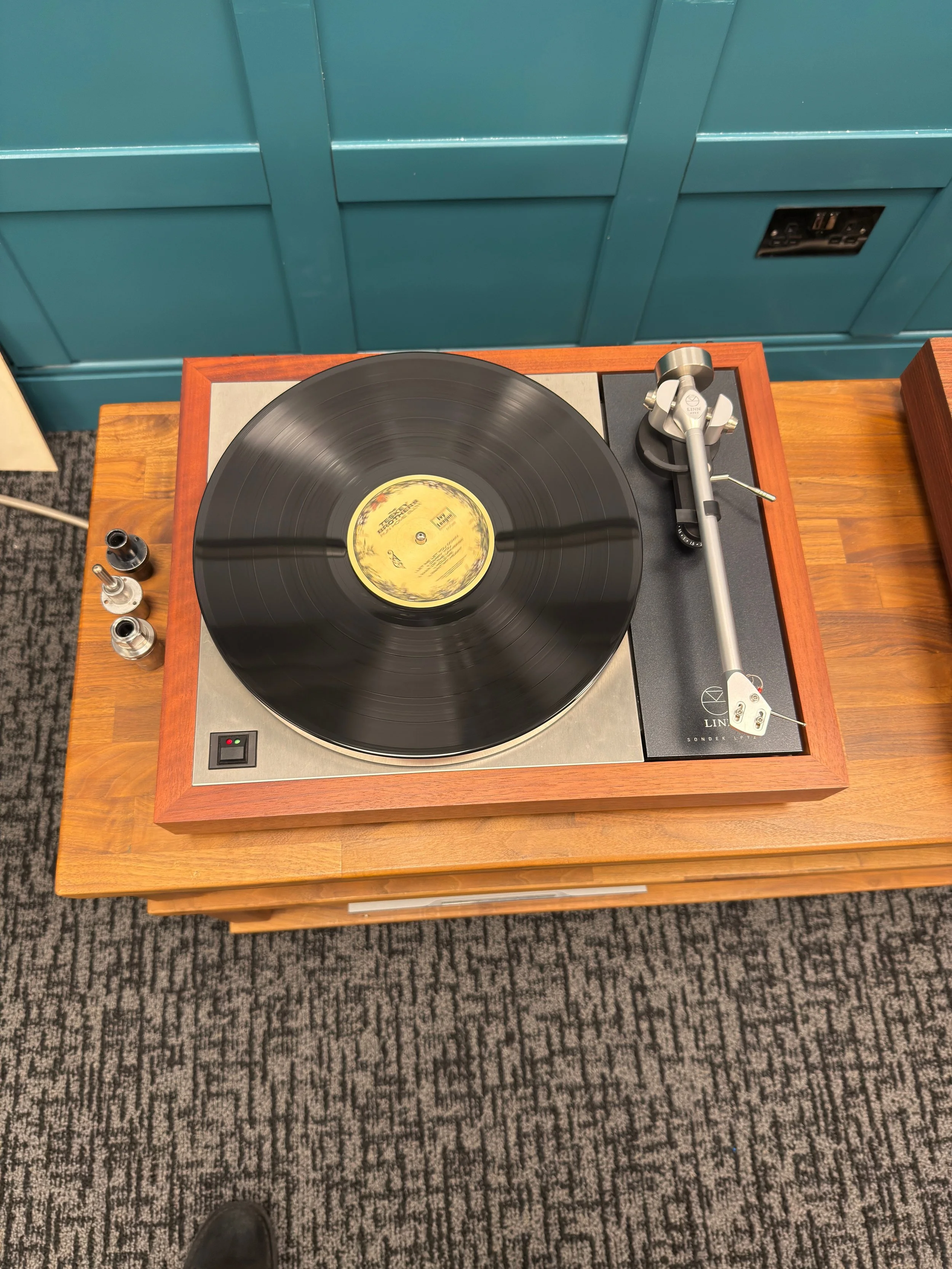
We had two, almost identical, Linn Selekt-spec Sondek LP12s, with one crucial difference…

Turntable No. 1

  • Standard Linn wooden plinth

  • Kore aluminium sub-chassis bonded to a CNC-machined armboard

  • Trampolin suspended aluminium baseboard

  • Lingo hybrid internal/external power supply

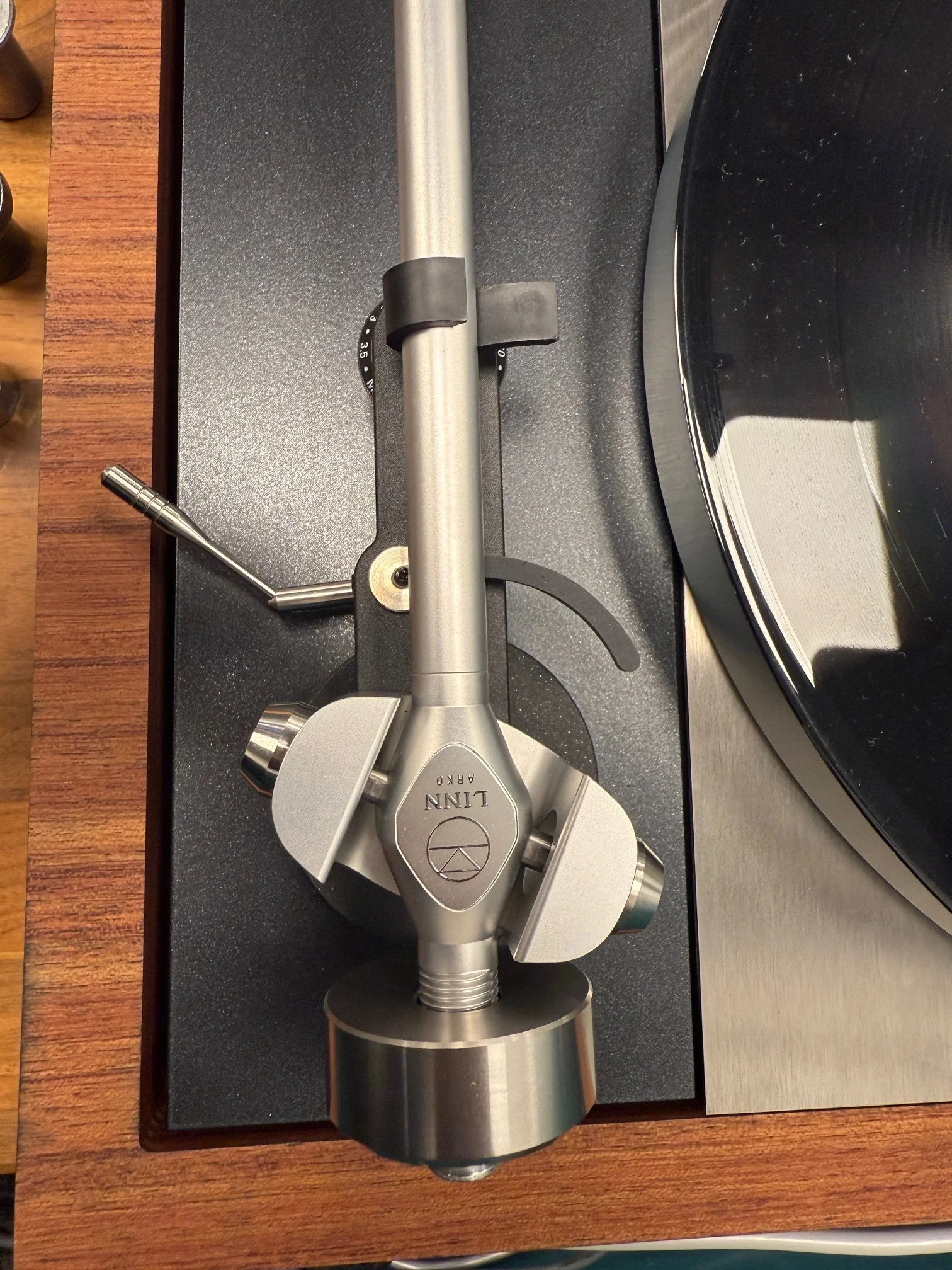
  • Linn Arko 7075-grade aluminium gimballed tonearm

  • Linn Kendo moving coil cartridge

Linn selekt lp12 with Bedrok™

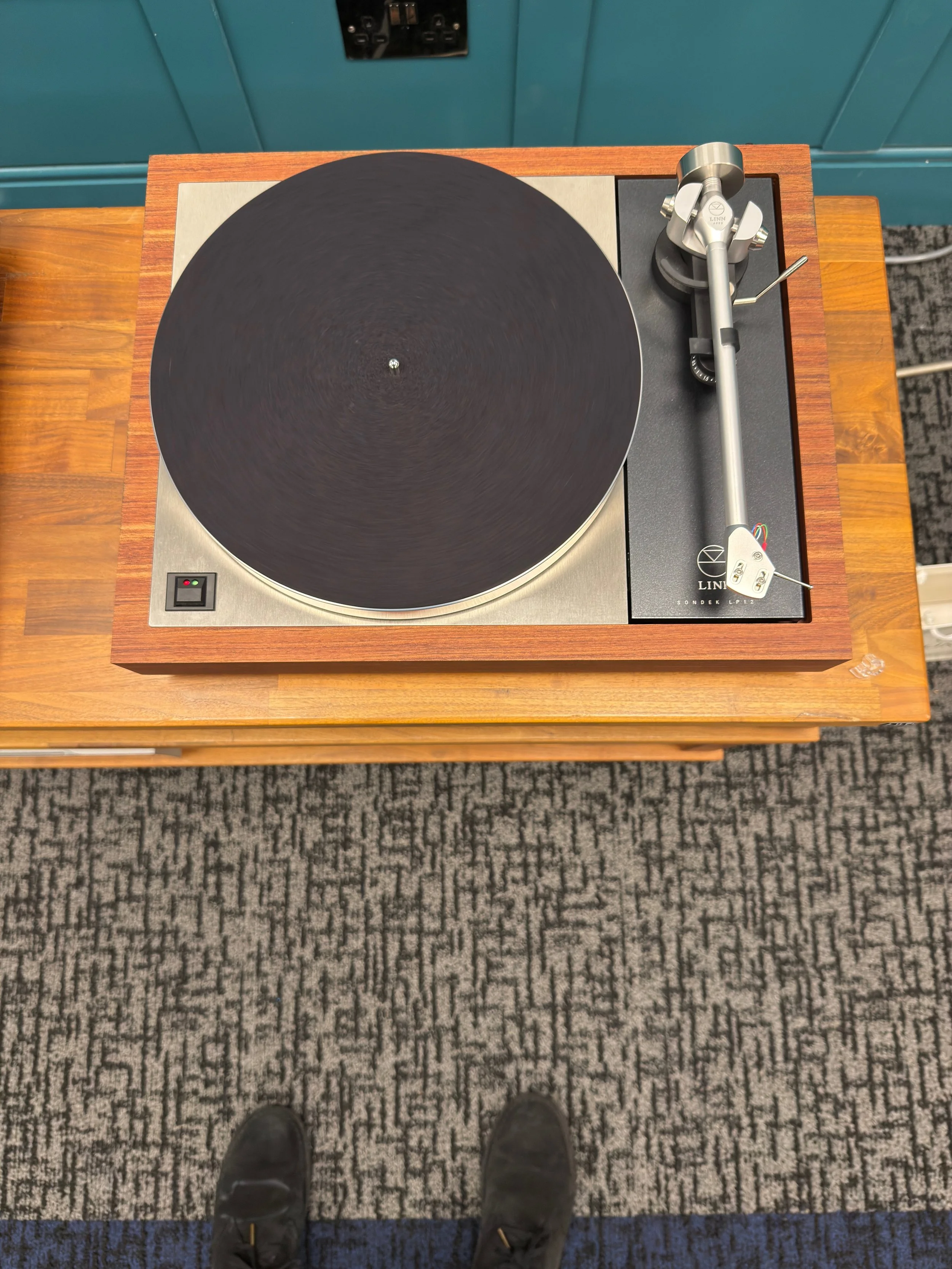
Turntable No. 2

  • All-new Bedrok™ plinth

  • Kore aluminium sub-chassis bonded to a CNC-machined armboard

  • Trampolin suspended aluminium baseboard

  • Lingo hybrid internal/external power supply

  • Linn Arko 7075-grade aluminium gimballed tonearm

  • Linn Kendo moving coil cartridge

A fun fact: LP12s are not built on a production line. Each one is hand-built by a single technician, who signs the back on completion. If you visit the Linn factory, you might even meet the person who built yours – how cool is that?

On the digital side, we had the superb Linn Selekt DSM with their flagship Organik DACs, feeding the mighty Linn 150 floorstanding active speakers. And no, you don’t need a subwoofer – these floorstanders really deliver.

linn selekt dsm

How Did It Sound?

Linn 150 speaker

We began with vinyl on the standard Selekt-spec LP12. Gordon chose a track by The Teskey Brothers – Let Me Let You Down. Its early ’60s blues feel, with hints of Motown soul, had a natural swing that pulled you right in. On the Linn system, the dynamics were incredible, and the Linn 150s opened everything up. Definitely a foot-tapping moment.

Switching to streaming, Lana Del Rey’s Henry Come On really shone. Linn’s streaming module and the Organik DACs captured her vocals perfectly – close your eyes and it felt like she was standing centre stage. That’s the magic of a well-engineered system.

The Bedrok™ Plinth: A Vinyl Nerd’s Dream

The part I’d been waiting for: the Bedrok™ plinth. As a vinyl fanatic, this was the highlight.

Before the demo, Gordon explained the thinking behind Bedrok™: eliminate unwanted vibrations from the turntable. Vibrations in the room can cause acoustic feedback and distortion when playing records.

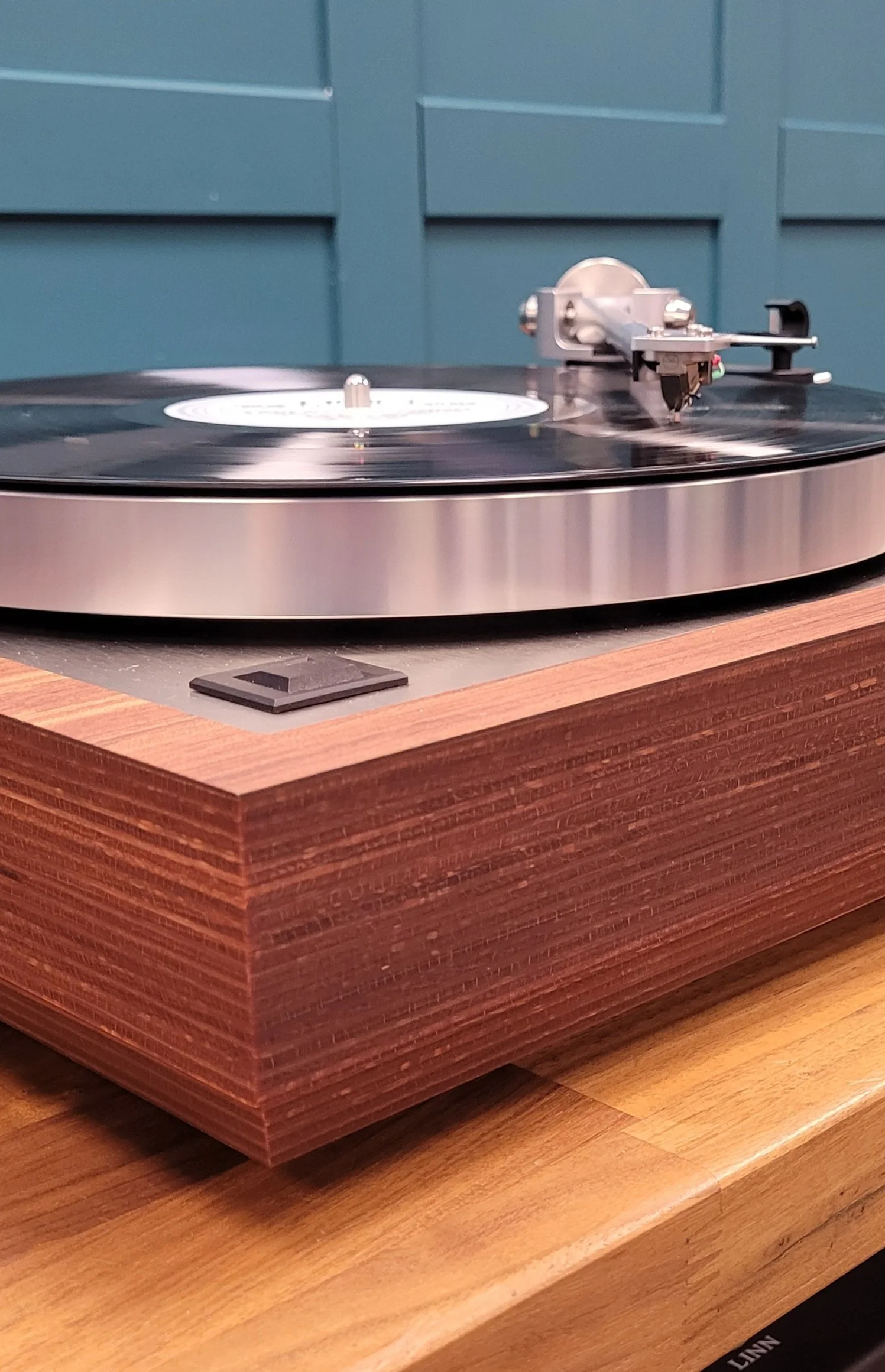
Bedrok™ plinth close up

The Bedrok™ plinth is made from orthogonal layers of beech, compressed under extreme pressure and heat to form a dense, acoustically “dead” material. The result? More music, less noise.

The demo spoke for itself. Gordon played Bonny Light Horseman on the standard LP12, then on the Bedrok™ version – and wow. The noise floor dropped, vocals gained energy, and the guitar came alive.

My favourite moment? Shake It Baby by John Lee Hooker on the Bedrok™ LP12. The raw tone, the bridge pickup detail, and Hooker’s gravelly voice – combined with the groove – made it magical.

In Conclusion

As I said at the start, I always enjoy events like this – especially when I get to help organise them. While I can’t take credit for this one, the evening was a real ear-opener. Sonically, the star of the show for me was the Linn Bedrok™ plinth – one of many Linn upgrades absolutely worth exploring.

If you’d like to hear Linn upgrades like the Bedrok™ plinth, or others such as the Karousel bearing, contact your local Audio T store for details.

Thanks for taking the time to read my blog.

Matt Aaron - Audio T Cardiff

If you’ve enjoyed this, why not go ahead and read some more of our other blogs, and be sure to follow us on our social media channels below…


Linn can be found at the following Audio T stores

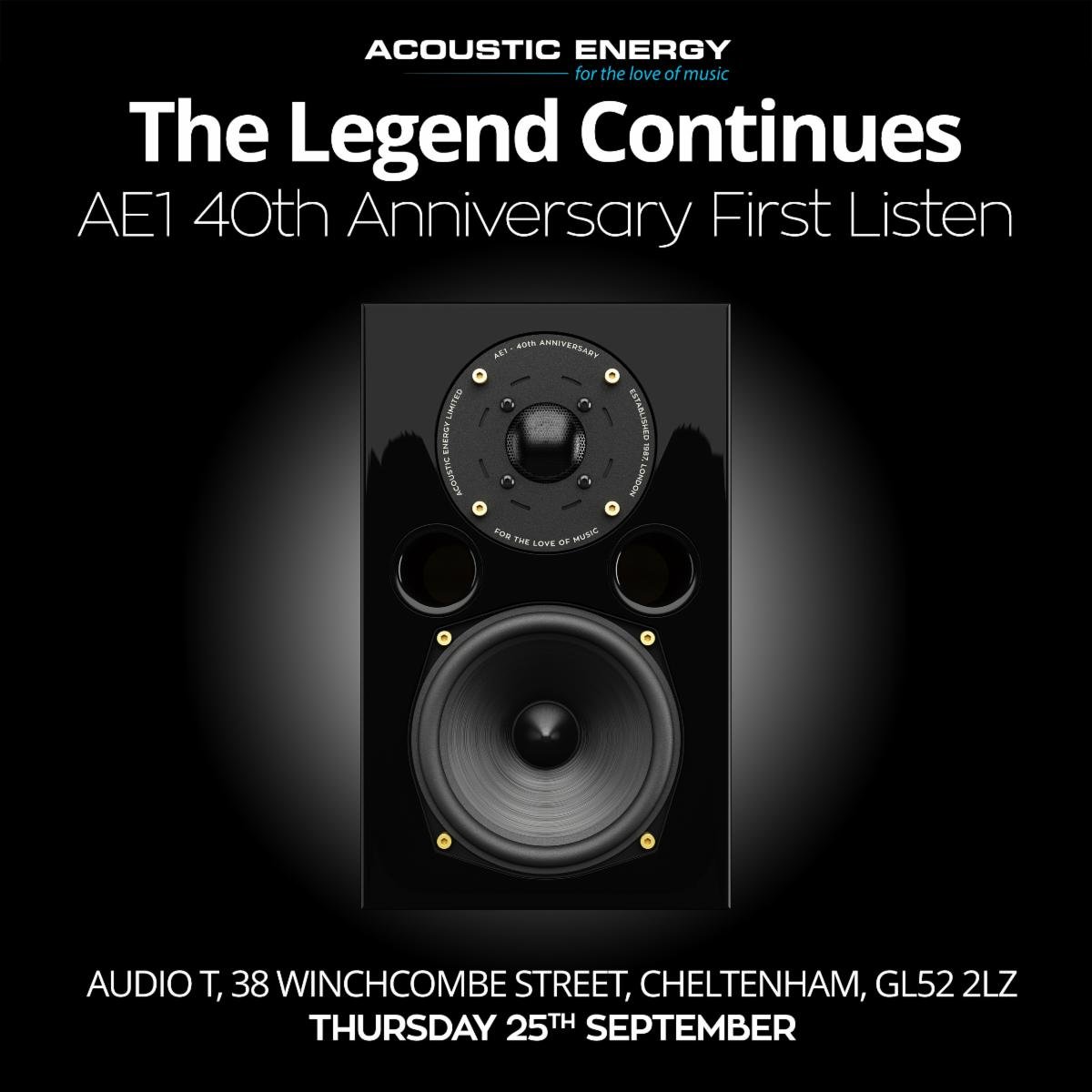
The Legend Continues – AE1 40th Anniversary First Listen at Audio T Cheltenham

looking Amazing in high gloss black

Where: Audio T Cheltenham
When: Thursday 25th September (Sessions from 2:00pm – 8:00pm)
Free to attend: Book Now

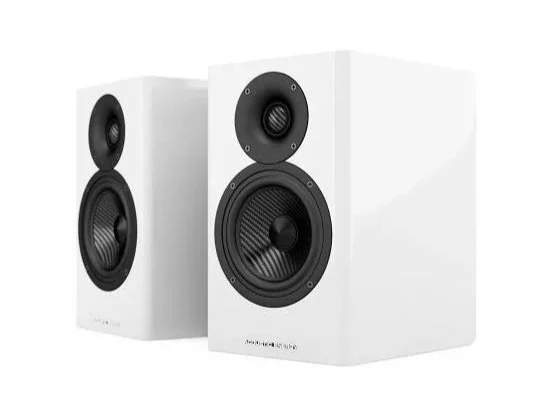
Be among the first in the world to hear the brand-new Acoustic Energy AE1 40th Anniversary Edition loudspeakers – a full three weeks ahead of their official release. This exclusive in-store event is your chance to sit down and experience these iconic compact monitors in a relaxed, focused setting. While they made a brief appearance at the North West Audio Show in June, they have been subtly tweaked since, so this genuinely is the first opportunity to truly listen to the finished article up close and in detail — and with the people who designed them right there in the room.

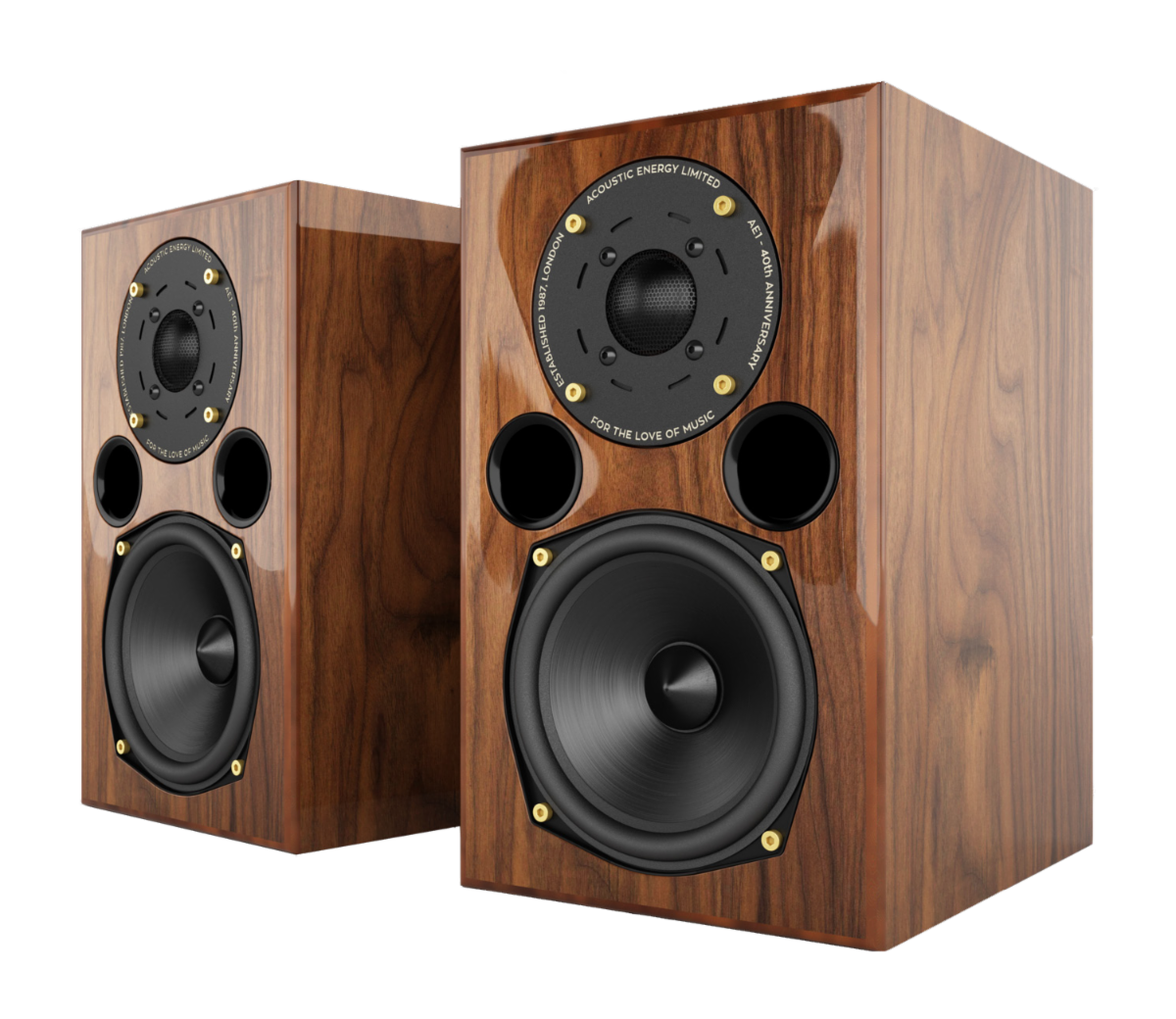
high gloss walnut

We’re delighted to welcome Mat Spandl (Managing Director & Designer) and James Luce (Creative Director) from Acoustic Energy. Both will be on hand to talk through the journey of reimagining the legendary AE1 for its 40th Anniversary and answer any questions you may have.

We’ll have access to vinyl, CD, streaming and even cassette (!!), so we can play pretty much anything you request. If you feel the urge to spin those old Cosmic Jokers albums or any of those Grateful Dead bootlegs, please bring them along — there are no limits to what we’ll let you play!

What to Expect

Originally released in 1987, the AE1 made waves for its scale-defying dynamics, clarity, and bass extension. This 40th Anniversary Edition stays true to the character of the original, while subtly modernising its performance:

  • A brand-new 29mm alloy dome tweeter with a larger voice coil for improved control and lower distortion

  • A specially developed 125mm spun ceramic/alloy cone woofer for enhanced power handling and natural midrange

  • Warm, punchy sound with great bass weight and a forgiving top end

  • Upgraded cabinet design featuring Acoustic Energy’s RSC damping material

  • Finished in stunning High Gloss Black or High Gloss Walnut

Whether you remember the original AE1 or you’re hearing them for the first time, this is a speaker with serious heritage — and plenty to say.

Book Your Free Listening Session

To give everyone the best experience, each demo will be limited to 8 people per session. Tickets are free, but must be booked in advance. Sessions run throughout the day at the following times:

  • 2:00pm – 2:45pm

  • 3:00pm – 3:45pm

  • 4:00pm – 4:45pm

  • 5:00pm – 5:45pm

  • 6:00pm – 6:45pm

  • 7:00pm – 7:45pm

Each session includes a focused listening demonstration of the AE1 40th Anniversary speakers, followed by time to chat with Mat and James. It’s a rare chance to hear first hand the care and attention that has gone into revisiting such a celebrated classic.

Bonus Prize Draw

All attendees will be automatically entered into a free prize draw to win a pair of the lovely little Acoustic Energy AE100² speakers — just for turning up!

Tickets for this amazing event are available Here

Thanks for reading,

Andy, Jon and Farid - Audio T Cheltenham.

If you have any questions about the event featured in this article, or any other Hi-Fi or home cinema enquiries, be sure to Contact Us.

If you’ve enjoyed this, why not go ahead and read some more of our other blogs, and be sure to follow us on our social media channels below…


Quart from a Pint Pot: Can We Achieve Large Room Performance with Small Speakers?

The Client Request

Every once in a while we have a request from a client that, on the face of it, goes against the accepted Hi-Fi norm of:

Big room = Big speakers & a big amp
Small room = Small speakers & big amp (if you can get away with it!)

What we find ourselves faced with is a large open living space with a vaulted ceiling, but with room for only small to medium-sized bookshelf speakers. They must also live on a shelf, albeit a nice deep one. There is a requirement for AV replay too: one half of our client couple enjoys film, the other is a music lover, and together they have designed a most attractive media wall to house a TV, music streamer, amplifier and speakers.

First Principles

Going back to first principles, if we apply ourselves to catering for music properly, the AV aspect will very much take care of itself – provided we can replay music at full scale. The entire concept of stereo is that of creating a believable 3D soundstage with just two speakers and so this should be an achievable goal. Also, we have the caveat that with AV content, the dialogue needs to be particularly crisp.

The Speaker Dilemma

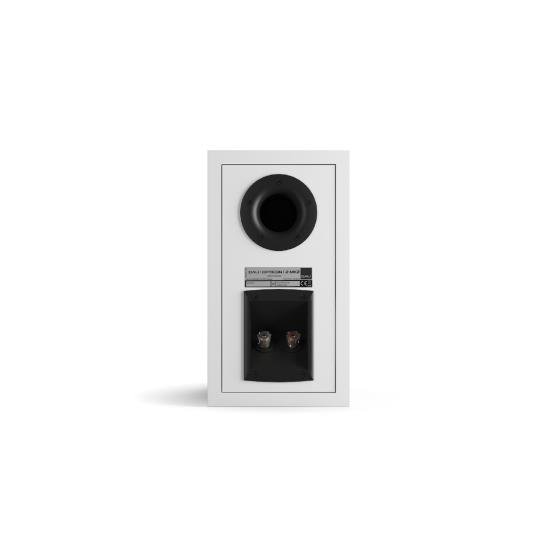
Our first problem is that the vast majority of speakers that can fit in the space available are designed to be mounted on stands a certain distance away from room boundaries. They usually have bass ports to the rear to give the audible appearance of much greater scale and rather more bass to bop around to when the mood takes us. This can easily make the speaker boom unpleasantly if it is placed too close to the rear wall, smearing any fine detail and leaving us with a grand mess.

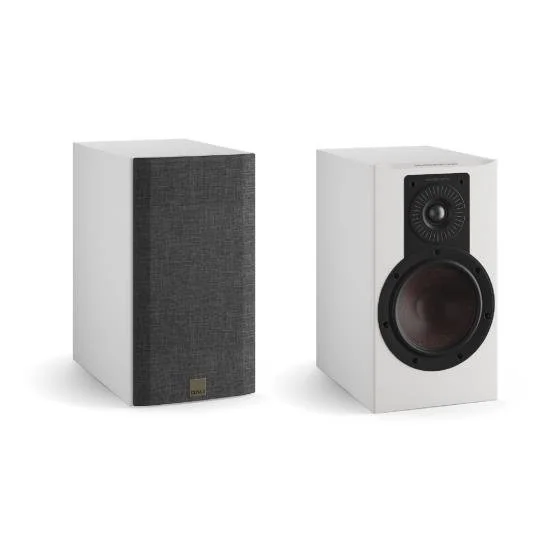
A pair of dali opticon 2 bookshelf loudspeakers. mounted upon stands, they sound great.

the same opticon 2 spreaker from the rear. notice the large bass port - fatal for bass control if this unit is positioned hard up against a wall.

Our Shortlist

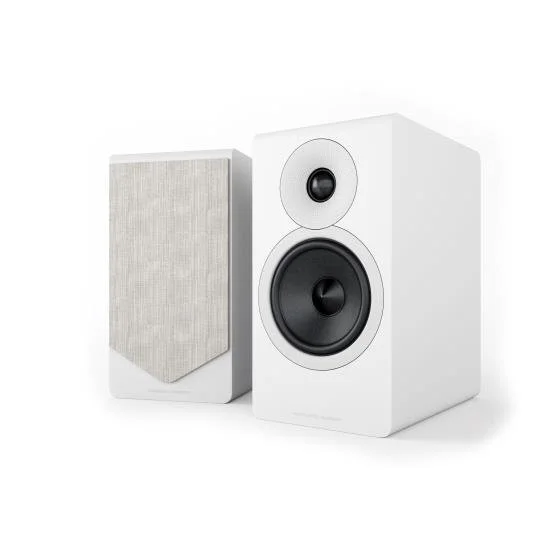
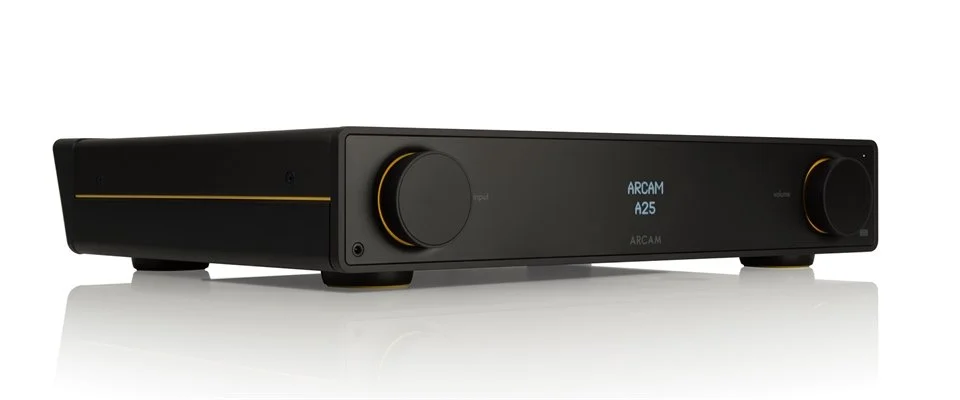
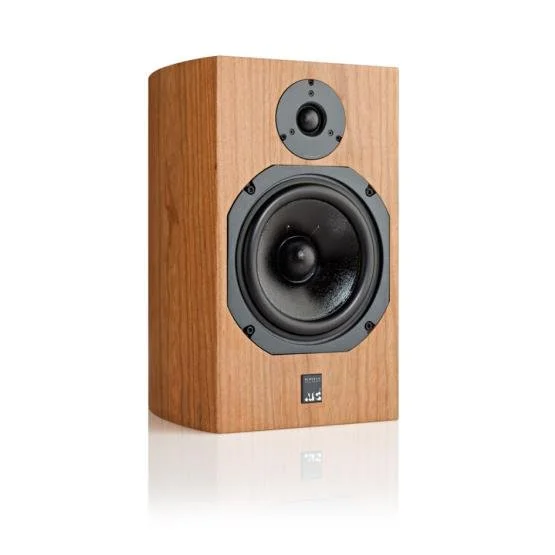
Happily, two of our favourite loudspeaker manufacturers – Acoustic Energy and ATC Loudspeakers – don’t (or rarely) use bass ports in their designs and so we can recommend them for demonstration, this time in the large space of our shop floor to replicate the size of the space they’ll be expected to work in. In this case, we fancied the Acoustic Energy AE300² with an Arcam A5 amplifier for a “recommended” system and the ATC SCM11 partnered with an Arcam Radia A25 amp for an “improved” system that the client will buy if they’re suitably impressed. No pressure then.

acoustic energy ae300 mk2 they don’t have a bass port, but a simple slot behind the tweeter

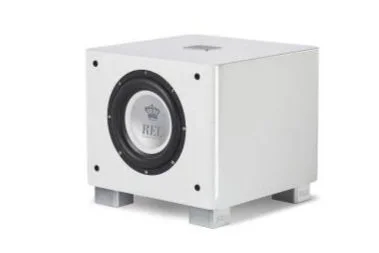
Our next task is to provide support for the speakers, because they’re never, ever, going to fill the room on their own. Welcome to our shop favourite – the REL T7x subwoofer at £999*.

shop favourite the rel t7x subwoofer. head and shoulders above its predecessor and the subject of a previous blog by yours truly..

Electronics and Streaming

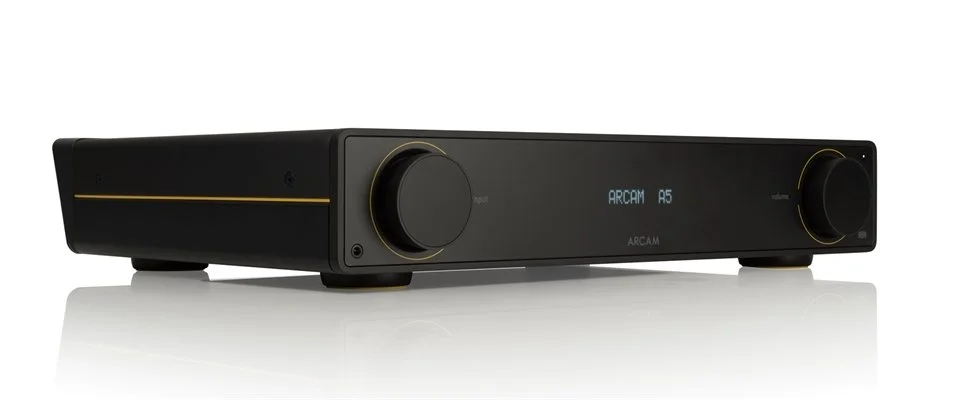
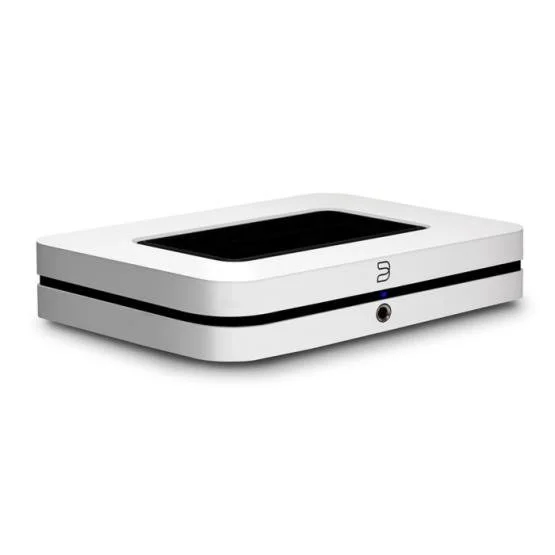
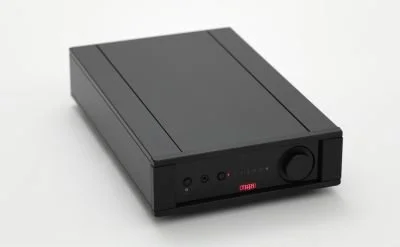
For electronics, I chose the Arcam Radia A5 and its weightier sibling, the A25. Both have digital as well as analogue inputs and are very well regarded. For streaming purposes we shall use our flexible old friend, the Bluesound Node 4th Generation), linked digital fashion.

the arcam radia a5 amplifier

the bluesound node gen4. our favourite streamer under a grand

The IsoAcoustics Advantage

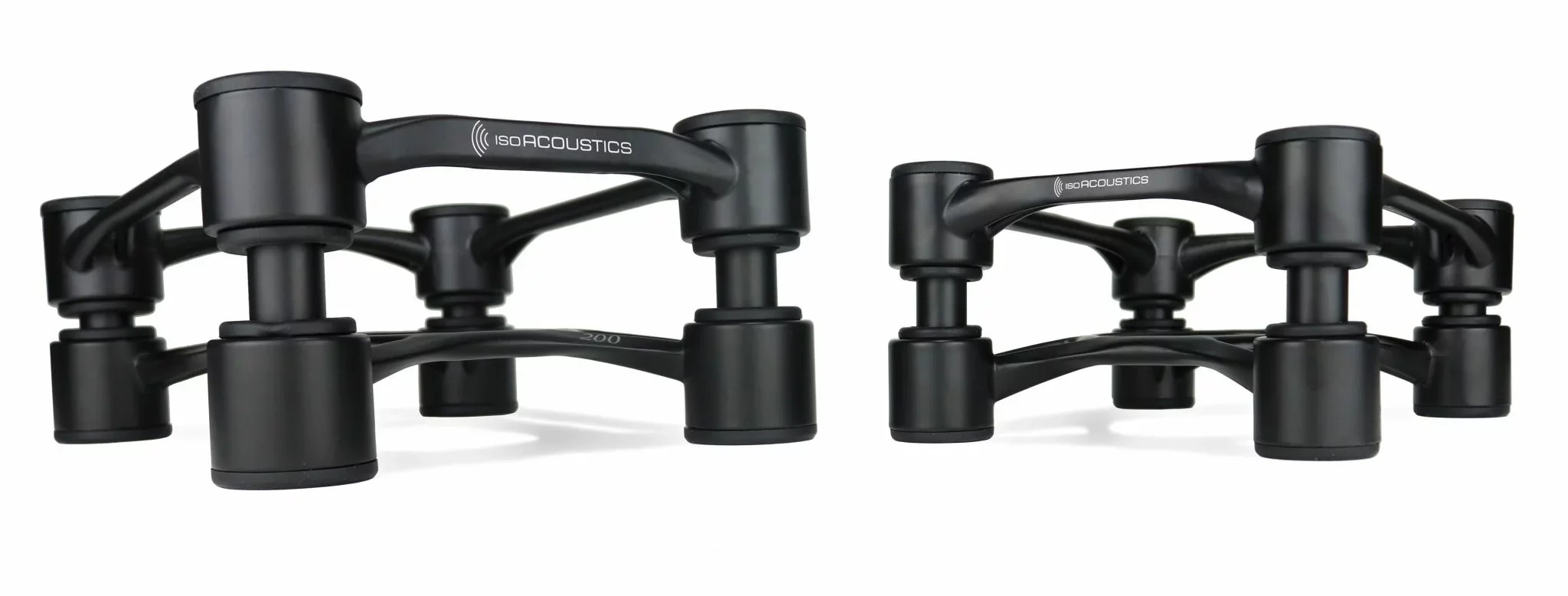
Our aural sleight-of-hand is assisted by the use of IsoAcoustics Aperta speaker stands. Standing just 76mm high, they isolate the loudspeaker cabinet from its resting place, which stops the shelf from resonating uncontrollably along with the music. They also have the effect of cleaning up the bass so we can distinguish an extra half octave of notes. Spatial information is further revealed, lending us a pleasant openness of soundstage. It’s £200* very well spent indeed.

the vesper - canada’s isoacoustic aperta 155 isolation stands (because once you’ve tried ‘em, you won’t want anything else)

Early Experiments

Our initial experiment with the Acoustic Energy AE300², Arcam A5 and REL T7x didn’t go very well. We could hear the Arcam struggling to achieve any presence and the system sounded like it was out of breath, even with the T7x subwoofer. I substituted the A5 for the Rega Brio Mk7, at £799*.

the pocket rocket that is the rega brio mk7. in the right room with the right speakers, is brilliant value.

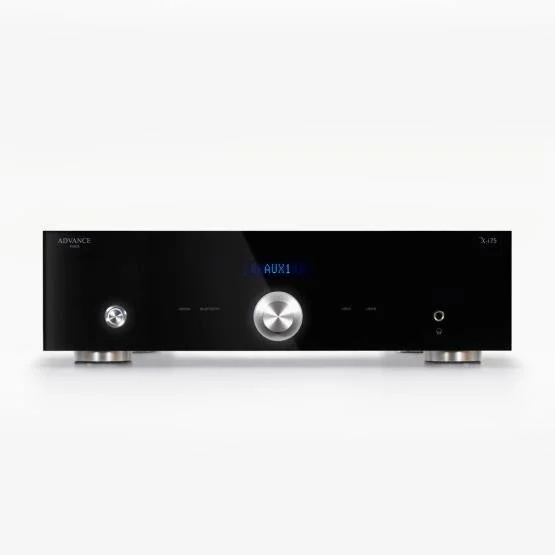
This proved more satisfactory, but still not really cutting the mustard. Even after a warm-up, there’s simply not enough flesh on the bones. In a flash of inspiration I swapped the Brio for our Advance Paris X-i75 amplifier; still a reasonable £750* and still with digital inputs. (What an embarrassment of riches we do have at this price point.)

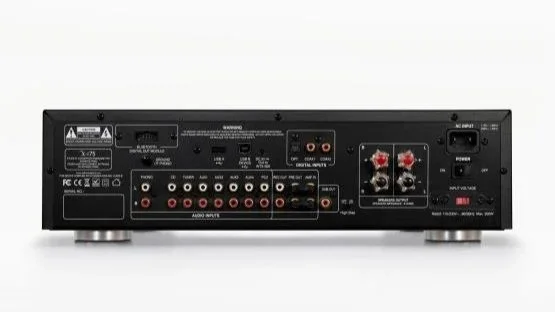
Now that’s better! Engaging the amp’s High Bias switch moves the first few watts of the amp’s output to Class A operation, finally giving us the meat we’ve been craving.

advance paris x-i75. handsome devil that IT is

the reverse of the x-i75 metal. if you squint carefully enough you can see that magical high-bias switch near the speaker terminals

Moving Up a Level

Nic is convinced that these AE300² are being flogged in this big space, so they’re replaced by their big sisters, the AE500 at £1,050*. Much more satisfying, much more relaxing to listen to now that we’re not hearing signs of strain, plus there’s a welcome slick of umami.

a pair of acoustic energy ae500s. note the carbon fibre tweeter - most unusual in our experience and yields a wonderfully natural presentation.

The Client Demo

Our clients arrive, tea arrives and I play a selection of demo tracks – Norah Jones’ version of Cold Cold Heart for its creamy vocals, Hans Theessink’s Blues Stay Away From Me for its stunning projection and soundstaging when treated to a good system, Alanis Morissette’s Hand In My Pocket Live from Shepherd’s Bush Arena for live ambience, space, scale and emotion; finally The Sound of War by Susanne Sundfør to give the REL T7x’s bass register a workout, whilst cut-glass Scandi vocals soar about us. And our jury said….

“Lovely! The size of the soundstage, the way it fills the room and how it isn’t overshadowed by that 65” TV at all. In fact, you could have a much bigger screen there. And we can hear everything. Beautiful.”

So far so good. I changed to the Arcam A25 and ATC SCM11s…

the arcam radia a25 amplifier - the first in their range of class g amps. essentially it operates as class a for the first few watts before using class a/b for the rest of its power curve. it yields a really full, meaty sound and makes it capable of driving more demanding speakers.

atc’s scm11’s. terrific speakers, right in the middle of atc’s “entry-level” range. they need a very firm hand to get the best out of them. challenge accepted.

“Oh yes! So much more dramatic and the music’s got… body? Is that the right term? I’ve never heard anything like that before. Errr… wow. That’s definitely worth the extra. They do come in white though… yes?”

“They do indeed.”

Wrapping Up

What began as a tricky brief turned into a fascinating reminder that with the right combination of speakers, amplification and support, even a large, open space can be filled with music that feels natural and full of life. It doesn’t always take floorstanders to achieve scale – careful system matching and a bit of creative thinking go a long way. At Audio T Swansea, we love tackling these kinds of challenges, so if you’re wondering what might work best in your own home, why not pop in for a chat and a listen?

Thanks for reading.

Words by Adrian (tea and suggestions that certain speakers ‘might be having a hard time of it’ and certain amplifiers ‘really are not up to this treatment Ade’ by Nic & Andy) – Audio T Swansea

If you have any questions about any of the equipment featured in this article, or any other Hi-Fi or home cinema enquiries, be sure to Contact Us.

If you’ve enjoyed this, why not go ahead and read some more of our other blogs—and be sure to follow us on our social media channels below…


Arcam can be found at the following Audio T stores

ATC Loudspeakers can be found at the following Audio T stores

Acoustic Energy can be found at the following Audio T stores

Bluesound can be found at the following Audio T stores

DALI can be found at the following Audio T stores

IsoAcoustics can be found at the following Audio T stores

REL can be found at the following Audio T stores


*All prices, credit terms and interest rates quoted are correct at the time of going to press but may be subject to change. E&OE

Sonus Faber Lumina I: Compact Speakers with Italian Flair

For more than four decades, Sonus Faber has been synonymous with craftsmanship, refinement, and musicality. The Italian brand has earned its reputation for producing some of the world’s most prestigious loudspeakers, blending traditional artisanship with modern design.

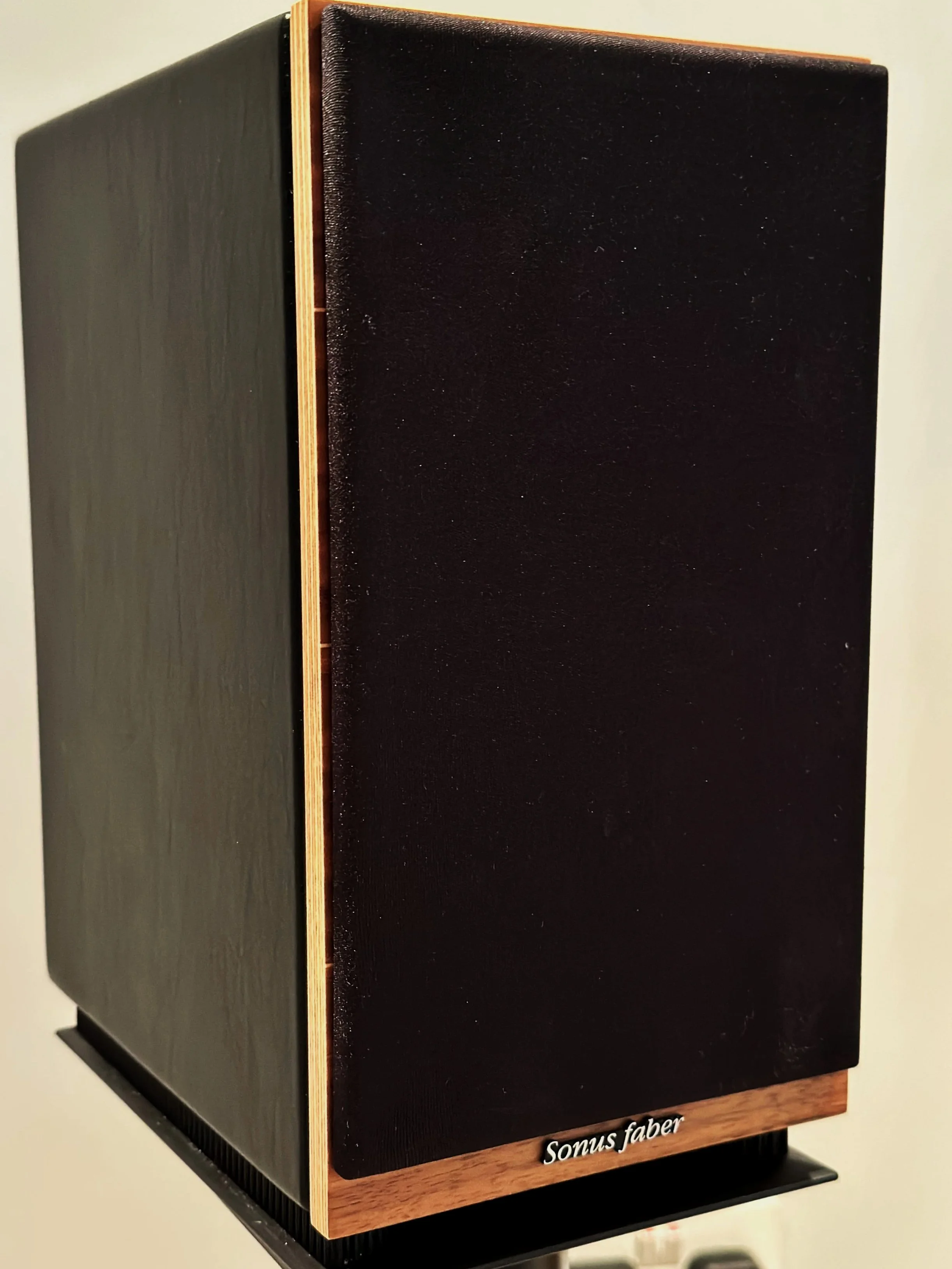
The Sonus Faber Lumina I brings this ethos to an accessible entry point, offering the unmistakable Sonus Faber DNA in a compact, beautifully finished package. Great things really do come in small sizes.

Design and Build Quality

The name Lumina stands for Luxurious Minimalistic Natural—a philosophy that’s evident as soon as you unbox the speakers. While this is the most affordable model in the Sonus Faber range, the attention to detail is immediately obvious.

Sonus faber lumina 1

The multilayer wood front baffle is available in three finishes: black, walnut, and wenge. This is paired with leather-wrapped sides, a hallmark of Sonus Faber design. Despite being the brand’s smallest and most cost-conscious offering, production remains proudly based in Italy.

Practicality hasn’t been overlooked either. The speakers are bi-wireable and feature a plinth-mounted port on the base for improved bass tuning. The rectangular cabinet design not only contributes to cost efficiency but also ensures the Lumina I fits neatly into a wide variety of listening spaces.

The Lumina collection also includes the larger standmount Lumina II, as well as floorstanders—the Lumina III and Lumina V—for those who want even more scale.

Technical Highlights

Don’t be fooled by their compact dimensions; the Lumina I is packed with clever engineering.

  • Tweeter: A 29mm silk-dome tweeter, shared across the Lumina family, covers frequencies from 2 kHz to 24 kHz. Sonus Faber’s Damped Apex Dome (DAD) technology ensures the treble remains extended, smooth, and natural without premature roll-off.

  • Mid/Bass Driver: A 12cm unit delivers impressive weight, extending down to 65 Hz. While not designed to plumb the very lowest depths, it strikes a fine balance of punch and control.

  • Specifications: With a sensitivity of 84 dB/W/m and a nominal impedance of 4 ohms, they thrive with a capable amplifier—something with both grip and finesse.

with magnetic grill on

System Setup at Audio T Swindon

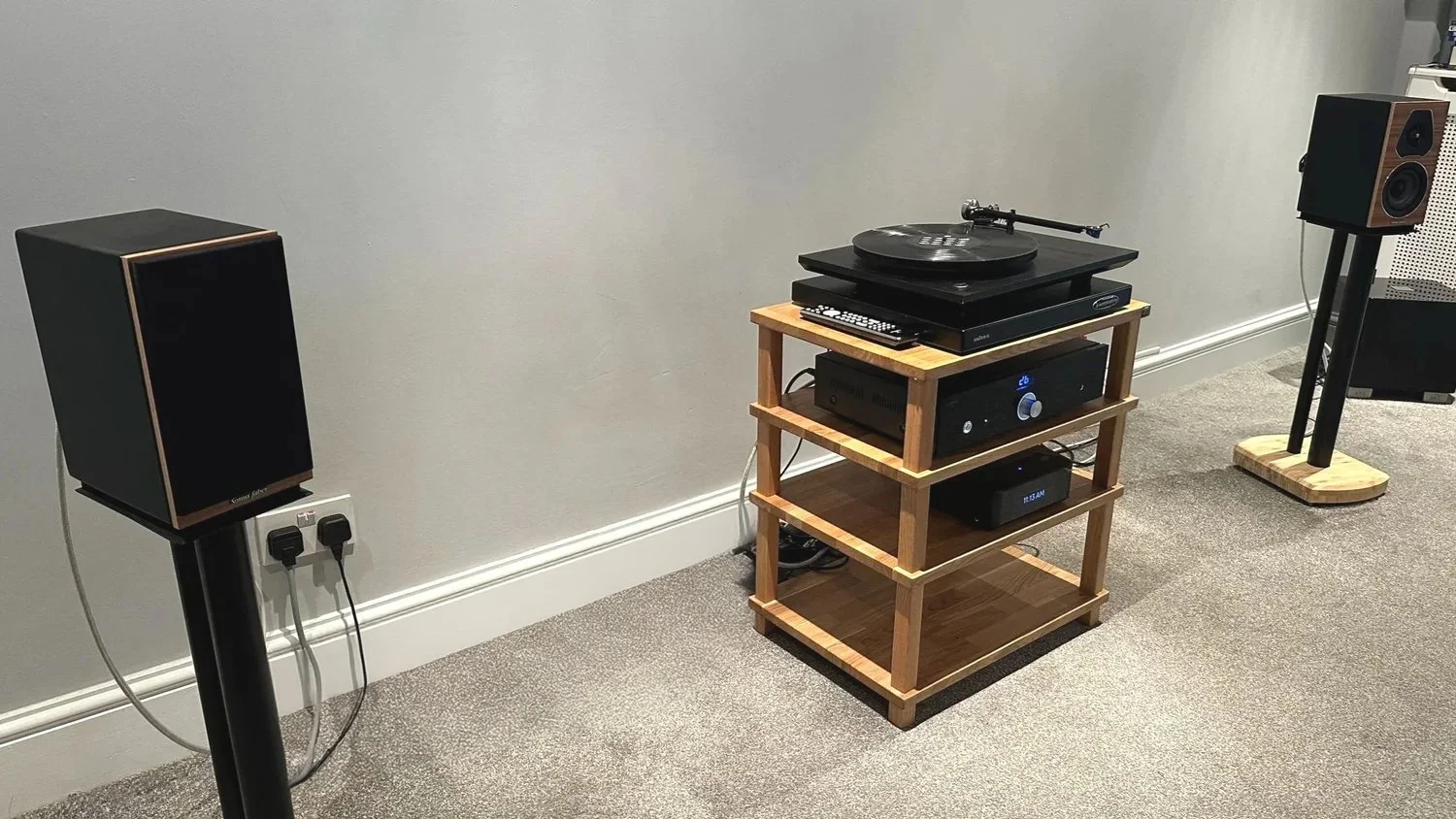
For our listening sessions, we placed the Lumina I around 30 cm from the rear wall. This positioning worked best in our demo room, giving a pleasing balance of openness and bass control. That said, these speakers are forgiving and can comfortably sit closer to a wall, which can even add a touch more warmth and depth.

Our system pairing included the Bluesound Node Icon as the source and the Advance Paris Xi-150 amplifier—a fantastic value-for-money combination that showcased what these speakers can do.

Sound Performance

From the very first listen, the Lumina I impressed with its ability to sound much bigger than its modest size suggests. The overall character is refined, musical, and deeply engaging—everything you’d expect from Sonus Faber.

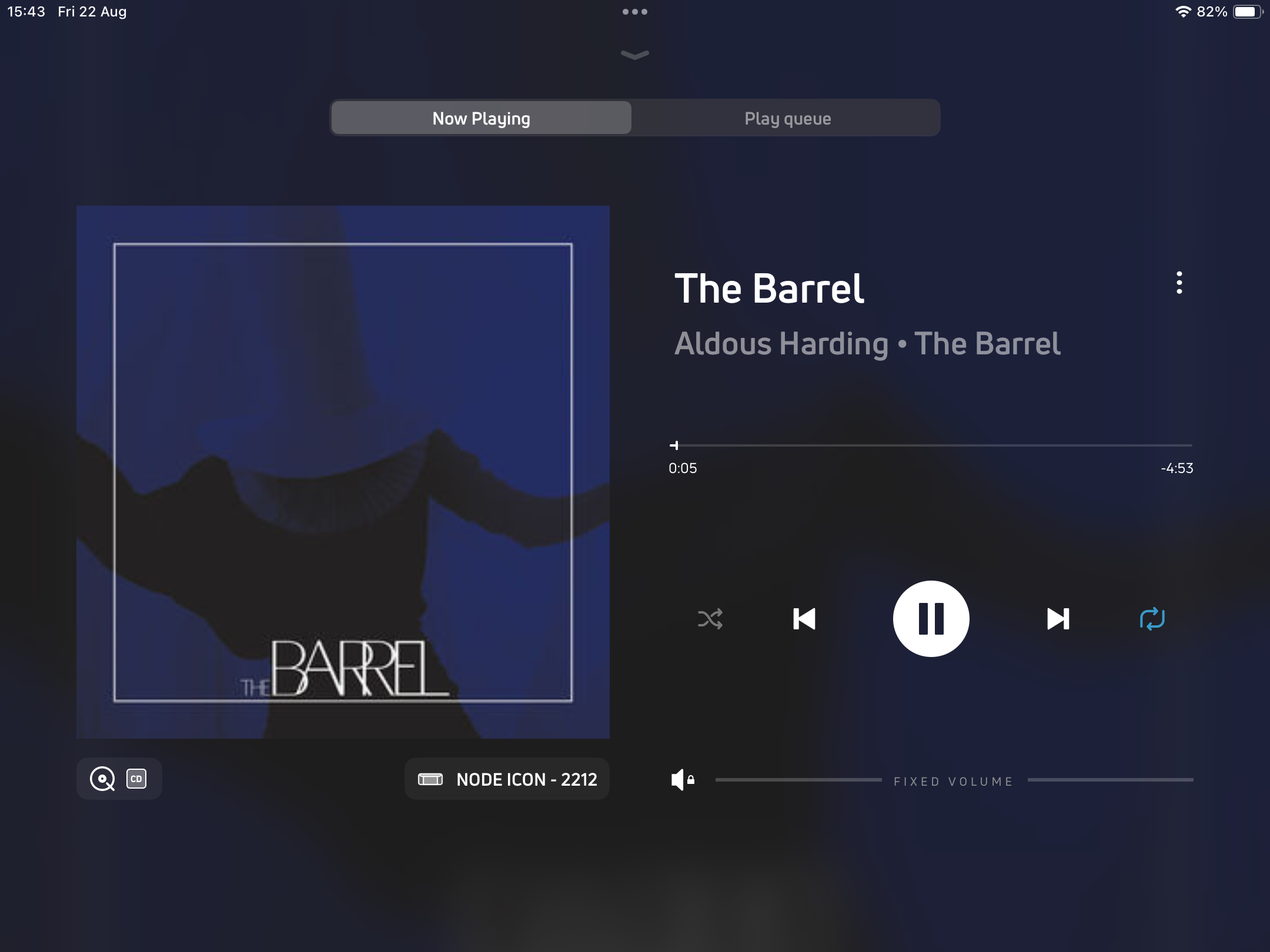
Treble & Midrange: Listening to Aldous Harding’s The Barrel, the sweet, silky treble and smooth tonal balance stood out immediately. The familiar Sonus Faber family sound is present, even at this entry level, making for a relaxed and highly enjoyable listening experience.

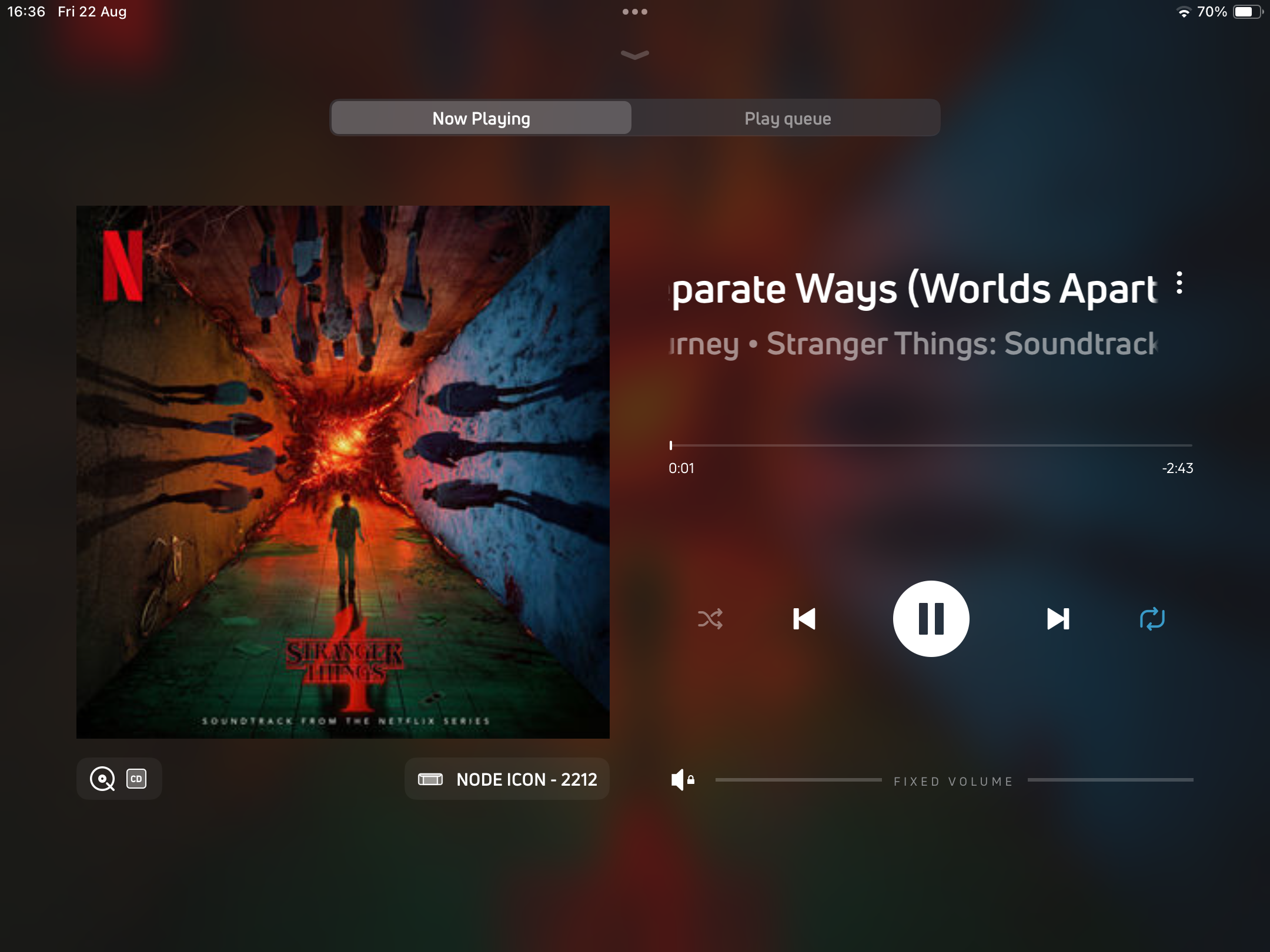
Dynamics & Scale: Journey’s Separate Ways (Worlds Apart) revealed the Lumina I’s bold side—full-blooded, confident, and brimming with detail. The speakers deliver scale and nuance well beyond their size.

Bass Response: On OSI’s Stockholm, the bass was taut, articulate, and surprisingly deep. While the Lumina I doesn’t quite hit sub-bass territory, it punches above expectations for a speaker of this size. For those who want to unlock even more depth, pairing them with a REL subwoofer provides a superbly balanced ‘best of both worlds’ experience.

Conclusion

The Sonus Faber Lumina I is an ideal choice for small- to medium-sized rooms. It combines craftsmanship, musicality, and aesthetics in a way few compact speakers can. Whether you’re rediscovering your music collection or starting out on the Sonus Faber ladder, these speakers offer a complete package: stylish, engaging, and unmistakably Italian.

We invite you to hear them for yourself at Audio T Swindon—we think you’ll be pleasantly surprised at just how much performance is packed into these compact speakers.

Thanks for reading, and we look forward to welcoming you soon.

Jon and Andy - Audio T Swindon

If you have any questions about any of the equipment featured in this article, or any other Hi-Fi or home cinema enquiries, be sure to contact us.

If you’ve enjoyed this, why not go ahead and read some more of our other blogs, and be sure to follow us on our social media channels below.


Sonus Faber is available in the following stores:

Listening Lab: The Cyrus 40 Series at Audio T Southampton

Recently, I had the chance to spend some proper listening time with the new Cyrus 40 Series system here at Audio T Southampton. As someone who enjoys exploring a wide variety of music on a daily basis, I was curious to hear how the new 40 AMP, PSU, CD Player, and ST Streamer would perform together in a real-world setup.

Cyrus has long had a reputation for producing compact yet powerful British hi-fi, and the new 40 Series continues that legacy with a clean, understated design that hides a surprising amount of performance under the bonnet.

Here’s how it all came together…

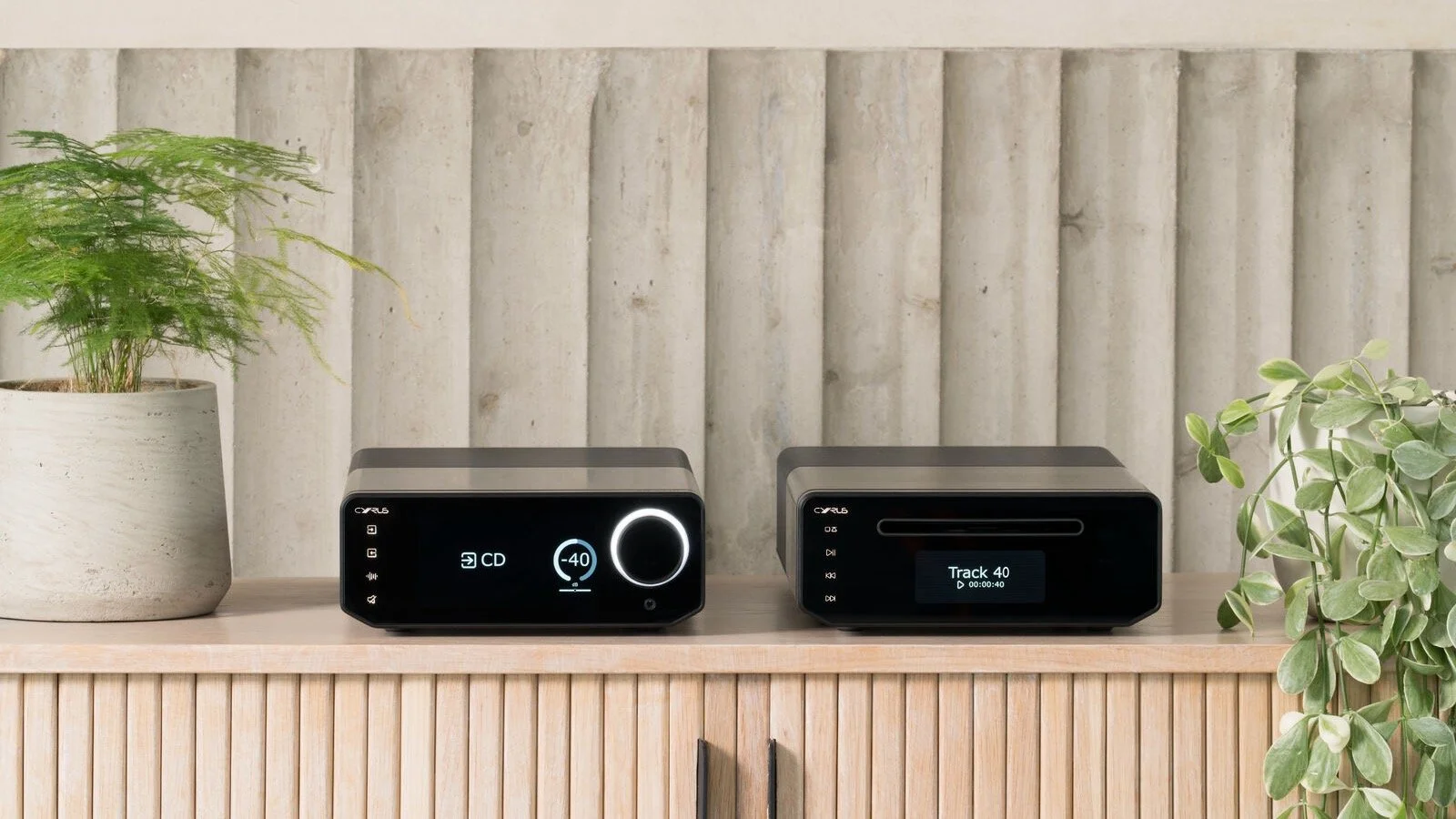
The all-new cyrus 40 series AMP & cd

More Than 40 Power

The 40 AMP Integrated Amplifier (£3,995)* impressed me straight away with how solid and controlled it sounded. Bass notes were tight and tuneful, vocals came through cleanly, and instruments were well separated without ever sounding clinical. It had that sense of grip and authority you want from a modern amplifier, but with enough musicality to keep listening engaging over long sessions.

Adding the 40 PSU External Power Supply (£2,495)* provided a subtle but immediate lift. The presentation opened up a little more, with extra space between instruments and a smoother sense of flow. Dynamics felt more natural too—quiet passages carried more delicacy, and louder sections hit with more ease. It wasn’t a night-and-day change, but it was the kind of upgrade that once heard, you wouldn’t want to be without.

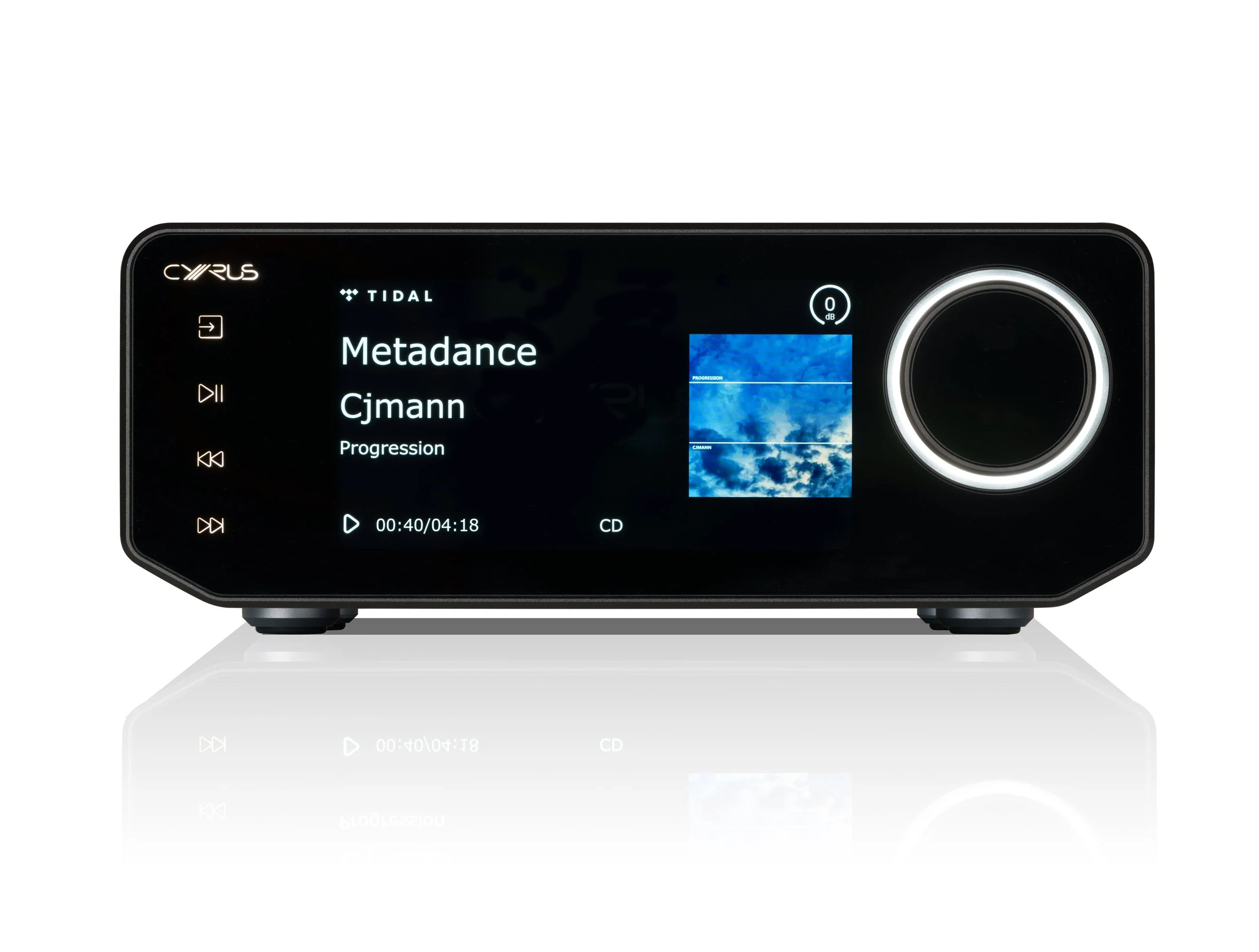
Cyrus 40 amp and Optional 40 PSU

New Age Music

The 40 ST Streamer (£2,995)* stood out as one of the most user-friendly streamers I’ve tried recently. The BluOS app is responsive, intuitive, and makes it effortless to browse and manage music across Qobuz, TIDAL, and Spotify. Switching between services or playlists was simple, and the whole experience felt slick and modern—no faff, just music.

Sonically, it was equally impressive. On Feel Good Inc. from Demon Days by Gorillaz, the bassline had plenty of drive and the rhythm carried real energy. On more complex and layered recordings, the presentation remained clean and well-organised, never losing its sense of timing. It’s a streamer that gets out of the way and lets the music shine.

Cyrus 40 ST Streamer

Spinnin’ Discs

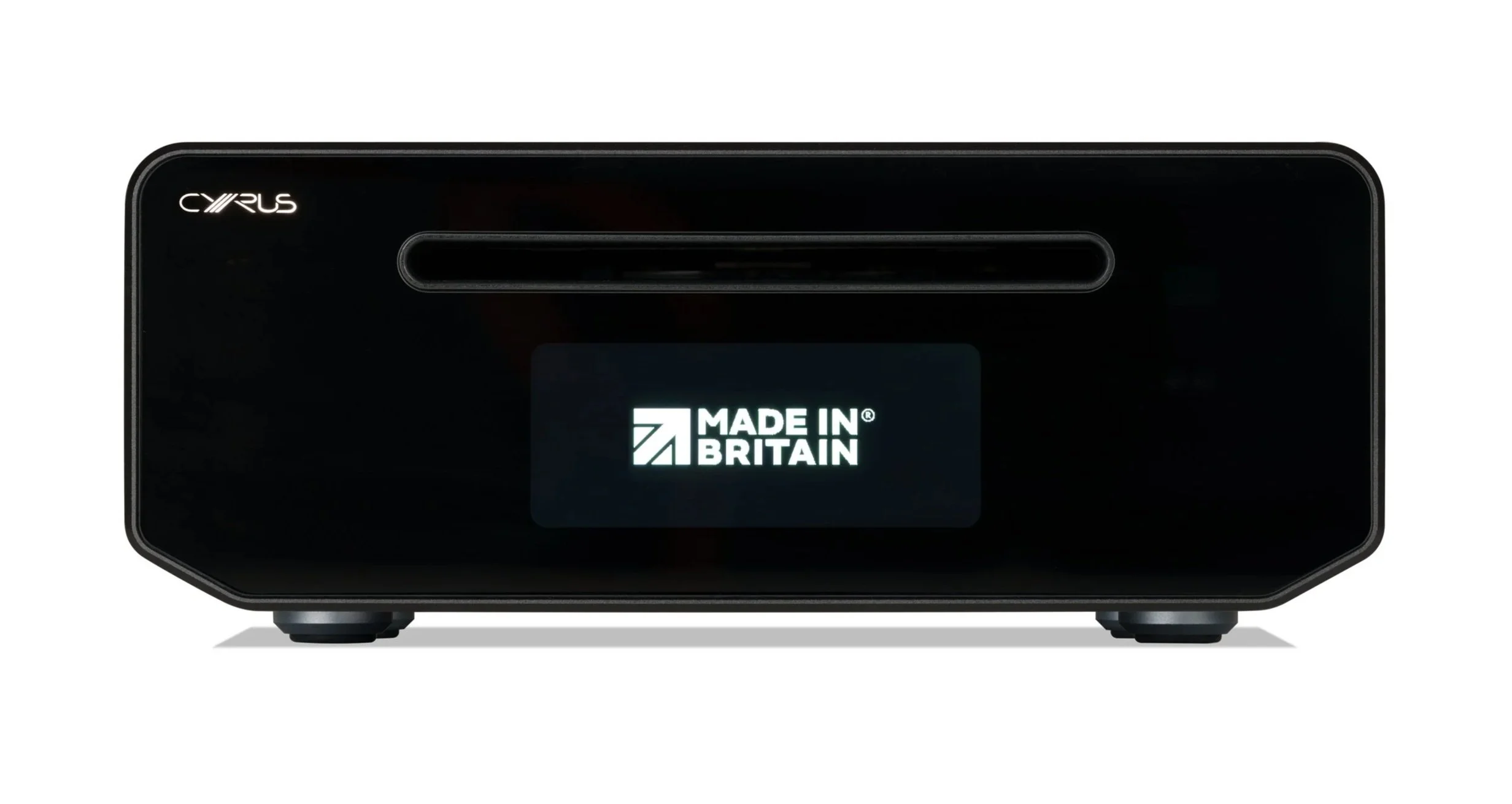
The 40 CD Player (£2,995)* was a reminder of why CD still has a place in a digital-first world. Playing Automatic for the People by R.E.M., “Drive” had a weight and atmosphere that felt more anchored compared to streaming. On Woodface by Crowded House, vocal harmonies were delivered with real warmth and smoothness, free of harshness.

It didn’t necessarily sound “better” than streaming—it was more a case of offering a different perspective. CDs had a slightly firmer, more grounded presentation, whereas streaming felt more open and flexible. Both were enjoyable, but the CD player definitely brought its own character to the system.

Cyrus 40 CD

The Supporting Setup

For this demo, I paired the 40 Series with a carefully chosen supporting cast:

  • PMC Prodigy 5 Floorstanding Loudspeakers (£1,995*) - Compact in size, but quick and agile, with fast bass and great timing. They really shone with rhythm-driven material.

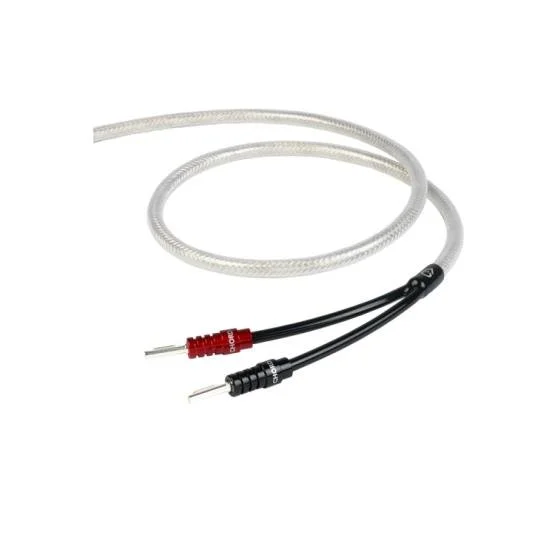
  • Chord Company ShawlineX Cabling (See website for various prices) — Transparent and consistent, allowing the Cyrus components to do their job without colouration.

  • Meze 109 Pro Headphones (£769*) - When I moved to headphone listening, the open soundstage and fine detail were preserved beautifully. Ideal for late-night sessions when speakers aren’t an

Reference Music

I used a familiar set of test tracks to get a rounded impression of the system:

Each track reinforced the impression of a system that could present detail clearly without losing musical flow or energy.

Final Thoughts

The Cyrus 40 Series feels like a thoroughly modern hi-fi system that balances usability with strong sonic performance. The AMP and PSU delivered control and clarity, the ST Streamer made everyday listening simple and enjoyable, and the CD Player added a sense of solidity to physical discs.

Paired with PMC Prodigy 5 speakers, Chord ShawlineX cabling, and Meze 109 Pro headphones, the system delivered a performance that was both engaging and versatile. It’s a setup that doesn’t demand fussing over but rewards time spent listening with music that simply feels right.

The Cyrus products are available to audition at the Audio T stores shown below. If you’re curious about what the Cyrus 40 Series can do, I’d highly recommend booking a demo and hearing it for yourself with the music you know best.

Thanks for reading

Tiago - Audio T Southampton

If you have any questions about any of the equipment featured in this article, or any other hi-fi or home cinema enquiries, be sure to Contact Us

If you’ve enjoyed this, why not go ahead and read some more of our other blogs, and be sure to follow us on our social media channels below…

Cyrus can be found at the following Audio T stores


*All prices, credit terms and interest rates quoted are correct at the time of going to press but may be subject to change. E&OE

Audio Epiphanies – The Moments We Became Hooked on Hi-Fi

Many of us who have, over the years, invested considerable amounts of our hard-earned cash on good quality audio equipment will be able to recall when and where we first caught the hi-fi bug. In this blog, we explore the phenomenon and ask some of the industry’s leading lights to share their audio epiphanies.

The First Spark

There’s a moment in the lives of many hi-fi enthusiasts that feels almost mythic.

It is the first time we hear a ‘proper’ hi-fi system. It is almost as if the clouds part and a beam of light shines down and, in that moment, we realise what proper hi-fi can do for music.

This is the hi-fi epiphany.

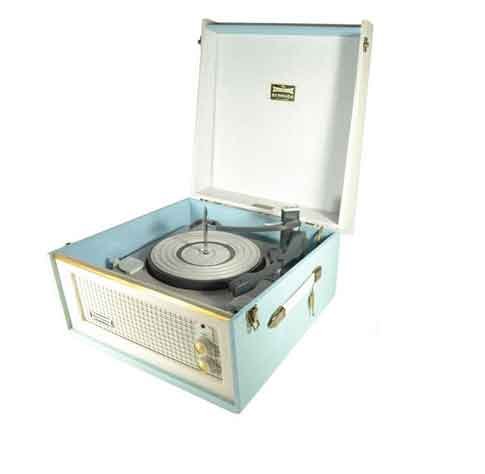
Most of us of a certain age grew up listening to crackly radios, our parents’ Dansette-style all-in-one record players, radiograms or portable cassette players. Younger folks may have enjoyed the sonic delights of music centres or microsystems.

Many of us grew up listening to record players like those made by Dansette

The point is that none of these were likely to deliver particularly high-quality sound. So it’s no surprise that our first taste of real hi-fi was usually pretty jaw-dropping. People can often remember the precise track that did it for them.

That ‘wow’ moment may have happened during a visit to a hi-fi shop or show, perhaps it was a family member’s system or a mate’s parents’ set-up. If you were lucky, and your parents owned some decent hi-fi kit, then you would have grown up knowing what quality audio sounded like.

Whatever the story, the chances are that first time we heard proper hi-fi has stuck with us ever since.

A Sound You Can’t Unhear

We were amazed by the never-heard-before detail the system was able to dig out from a record or CD. Or it may have been the stereo separation and soundstage that wowed. Often people recall the staggering sounds-as-if-the-singer-is-standing-right-there realism that good hi-fi can deliver.

A true hi-fi experience makes us realise that much of the recorded music we heard previously was basically a facsimile or approximation of the works that the artists and producers actually made.

Good Hi-fi lets you hear more of what the artist intended. Image courtesy of PA Images.

Once we’ve heard it, it becomes hard to go back. We can’t unhear that sound. It kick-starts our lifelong quest to get the best possible performance from our stereo equipment.

And here’s the thing: if we think back to the first proper hi-fi systems we heard, they were not necessarily particularly high-end.

But, as we know, proper hi-fi from a reputable manufacturer doesn’t have to cost silly money to deliver audio enjoyment way beyond that produced by what we might call high street consumer systems, or our parents’ old mono record players.

More Than One Epiphany

While everyone’s hi-fi ‘first time’ is perhaps the most memorable, the good news is there’s often more than one hi-fi epiphany.

Once we ‘get our ear in’ as it were, and recognise the hallmarks of good quality sound, we start to listen differently.

The Deeper Revelations

The second, or maybe third, revelation is subtler and deeper. It often happens as we improve our hi-fi systems over the years.

These are the moments when we think less about there being “good bass” or “crisp highs” and start noticing the texture of the bass, or pay more attention to the micro-detail in the highs, like the decay of a cymbal.

You start to recognise how different pressings of the same record can change the emotional impact of a song. And how different equipment affects sound staging, all adding to the emotion and enjoyment of the music.

As the years roll by, we focus on building systems that sound ‘right’ to our ears – equipment that, based on our experiences, works well together to produce the kind of sound we like.

This quest never really stops. There is always something else we want to try to gain a little more performance from our systems. When we find that something, we are as happy as Larry... at least until we get that upgrade itch again.

The Soundtrack to Our Lives

People often talk about the soundtrack to their lives. Music has that wonderful ability to bear witness to our stories, connecting our present with our past, to the places and people we knew, and to emotion.

Playing that soundtrack through a decent hi-fi system is surely the least we can do for ourselves.

But enough philosophising!

Industry Perspectives

We thought it would be interesting and fun to ask a few of the hi-fi industry’s leading lights to share their hi-fi epiphanies. Hopefully, they will chime with some of your own experiences…

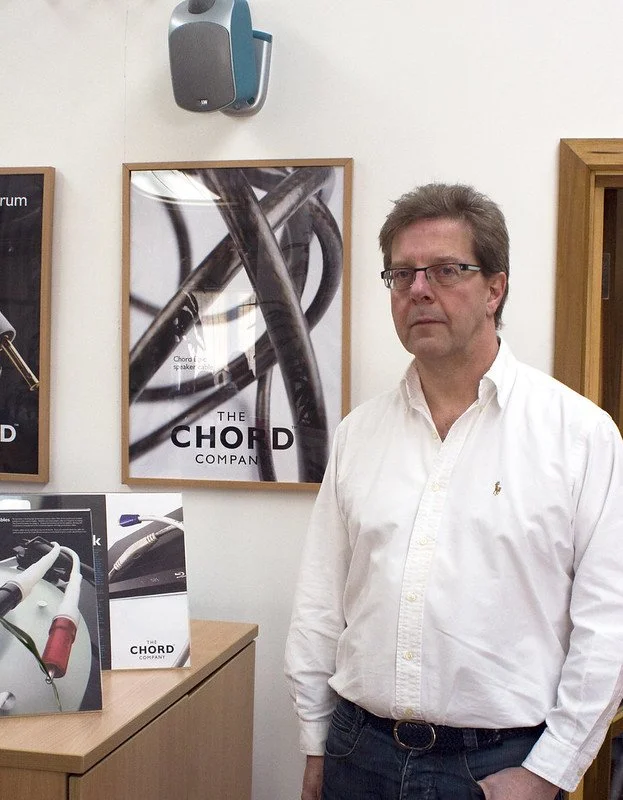
Alan Gibb, Brand Ambassador for Chord Company

Alan gibb, brand ambassador at Chord company

I first became interested in hi-fi at my uncle’s house in the early 70s. He had a Thorens 150 a SME Mk2 tonearm with a Shure V 15 mk3, an original Cambridge Audio P100 with a pair of Cambridge Bridge Audio R50 transmission line speakers.

Unfortunately, I had to listen to his taste of music and wasn’t allowed to touch it, but I was fascinated at how much better it sounded that my Mum‘s HMV (with carrying handle).

In 1976 I went to Edinburgh University and was reliably informed by a colleague that there was a shop down the hill that actually gave you a cup of decent coffee when you visited – this was Russ Andrews HiFi. Being a student this was a very attractive proposition and we went down on our bicycles to listen to some hi-fi, but mainly to get a cup of coffee.

I was sat down in front of a Linn Sondek, Grace Tonearm, Supex cartridge, Naim 12 preamp complete with SNAPS power supply and 250 Power amp driving a pair of very early Isobariks The record in question that was put on was Joan Armatrading and the track was Willow.

I remember sitting there staring at the record absolutely dumbfounded. The system could actually play music rather than just making an assortment of noises that was recognisable as music. I had to have that system!

I ended up getting a part-time job in the shop in order to get the system for less money as I couldn’t believe how much it cost. Along the way I had the great fortune of meeting both Ivor Tiefenbrun of Linn and Julian Vereker of Naim on their numerous visits to the shop, and ultimately ended up working at Linn products for seven years.

I’ve now been working at the Chord Company for over 20 years and I have been pursuing that elusive refinement to hi-fi systems that supplies us with a better insight into what the musician has played and why they played it.


Gordon Inch, Brand Ambassador at Linn

Gordon Inch - Brand Ambassador at Linn Products

My first experience of home audio was on my grandmother’s Van Der Molen “music centre” and my father’s 7 inch vinyl collection sometime in the late 1970s.

As my parents, grandmother and sister would watch Morecambe & Wise on a Saturday evening, I’d be in another room listening to Chuck Berry and The Spencer Davis Group through a gigantic pair of Pioneer SE-305 headphones, clearly not designed for an eight-year-old.

In 1986, I bought my first CD player as part of a Trio hi-fi. It must have been one of the last before they changed their brand name to Kenwood. At the time, I think all I was able to buy was “Brothers In Arms” by Dire Straits, “With Or Without You” CD single by U2 and “Don’t Go” CD single by Hothouse Flowers. I still remember the astonishment at hearing the clarity of CD and thinking “It can’t get better than this…”

How wrong I was.

In the late 1990s, I bought my first hi-fi system, a Rotel RA-971 integrated amp, Wharfdale Diamond speakers and a Harman Kardon FL-8300 5-disc CD player.

In summer 2001, I was lucky enough to speculatively send my CV into Linn Products at the right time and the rest is history…

In the near 25 years since I joined the company, I’ve owned 6 different full Linn systems, the current one being an Akurate System Hub, into Akurate Exaktbox-I, driving 150 speakers in Exakt configuration (actively), and, of course, an LP12 turntable.

Whether it be the first bars of “Tinseltown in the Rain” by The Blue Nile, “Morph The Cat” by Donald Fagan, or “Moondog” by Leif Vollebekk, I know that music makes EVERYTHING better.

Long may it continue.


Jason Gould, Brand Ambassador Naim Audio

My first experience of hearing a “real” hi-fi system was in Radford Hi-Fi in 1987.

Jason Gould, Brand Ambassador, Naim

I remember walking into the shop asking the manager if they had any Saturday work, as I was a budding hi-fi enthusiast with a passion for music.

I had read Hi-Fi Choice, Flat Response and the like over many years, but I still hadn’t experienced the thrill of a proper hi-fi.

It was then I heard a Linn LP12-Ittok-Karma combination, amplified by a Naim NAC62/NAP140 through Linn Kan loudspeakers. I remember it overwhelming me, to the point where I couldn’t believe what was coming off vinyl, in a world which was just stepping into the world of digital audio, the Compact Disc!

The track played to me was Ashes to Ashes, by David Bowie, sounding more mysterious and surreal, like never before…

I got the job, a full-time position and the rest is history!


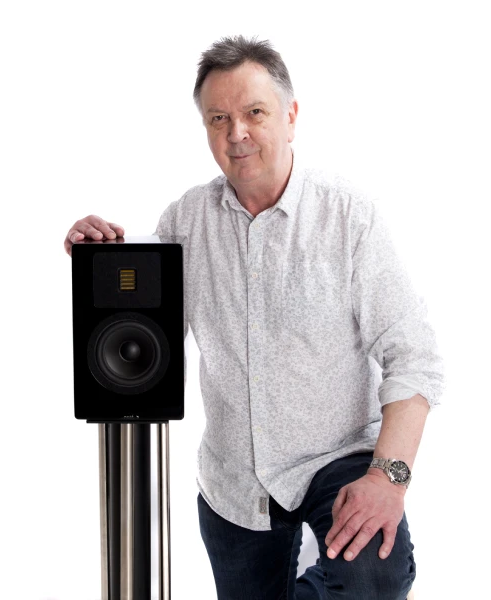
Alan O’Rourke, Founder and Managing Director of Ruark

Alan O’’Rourke, Ruark

It would have been around 1968. My dad was a cabinet maker and early on he got involved making housings and speaker cabinets for the emerging British audio industry, which spawned names such as Quad, Leak, Cambridge Audio and Wharfedale, to name just a few.

At this time the interest in stereo systems was growing strongly and what with my dad being an audio enthusiast, all manner of wonderful equipment passed through our living room and, like my dad, at the age of 10 I also became a lifelong music and audio enthusiast.

I can’t remember ‘the moment’ exactly, but around this time it would have probably been a Garrard or Thorens turntable with an Armstrong amplifier and a pair of kit speakers. At the time stereo test records were popular, in trying to achieve an authentic sound, so we’d have The Flying Scotsman roaring through our living room.

The musical piece that has always stuck in my mind is Also Sprach Zarathustra by Richard Strauss. The film 2001: A Space Odyssey had just been released and hearing this intro music with organ and orchestra in our lounge, was amazing.


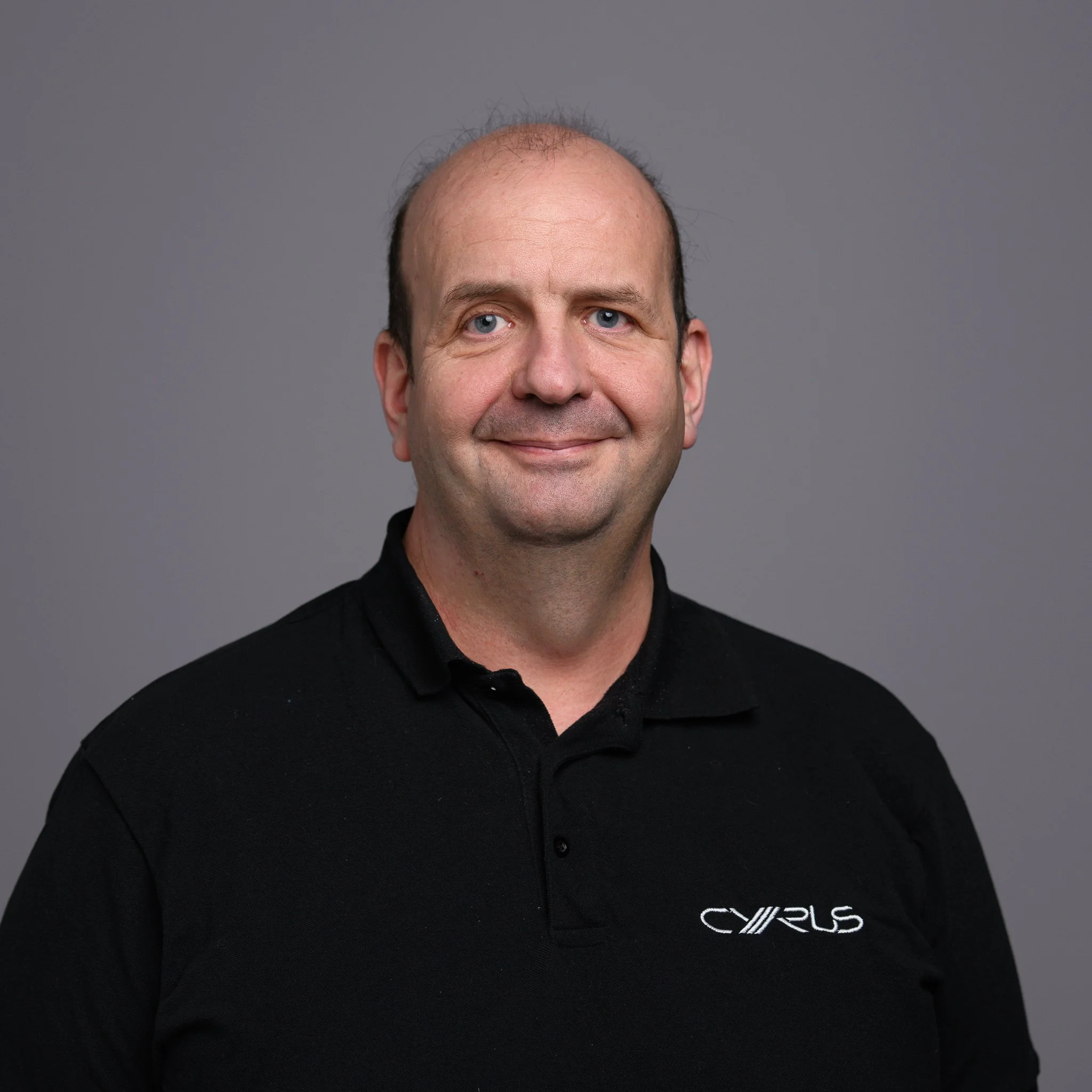
Nick Clarke, Managing Director of Cyrus  

Nick Clarke, MD at Cyrus

It would have been mid-1988 at the Audiolab factory, which back then was in a small unit on an industrial estate in Godmanchester, Huntingdonshire.

It was a Marantz CD-94 (possibly a mkII - I still have a CD-63SE), an Audiolab 8000A amplifier with Wharfedale Diamond speakers - the album was Peter Gabriel's So. Up until then, like most people I'd really only heard music on a portable cassette player, radio or an in-car so the depth and clarity was a total revelation!

Bob Surgeoner, Founder and Managing Director, Neat Acoustics

Bob Surgeoner, Founder and Managing Director, Neat Acoustics

It evolved over a few years but the real 'wow moment' was September 1984, I think, at Heathrow HiFi News Show.

It was a pair of Magneplanar MGIIIb panel speakers with a vertical ribbon tweeter, perhaps 48 inches long. I don't recall all of the partnering equipment but probably an Audio Research preamp and a Krell power amp driving them. The track was 'Hoja de Coca', the title track from an an album by a Bolivian band called Rumillajta. It featured pan pipes heavily and is still one of my favourite albums.


A very special Audio T thank you to those hi-fi legends who shared their hi-fi epiphanies with us!

Perhaps it has stirred a few memories of your own – that first moment you realised music could sound so much more alive, detailed and emotional. If you’ve yet to experience your own hi-fi epiphany, why not let us help you discover it? Our team at Audio T have been guiding music lovers for decades, and we’d love to help you find the system that makes the hairs on the back of your neck stand up.

And if you’re already well along on your hi-fi journey, we’ll be delighted to advise you on the next step – whether that’s refining what you already have, exploring new technologies, or chasing down those last details that make the music truly sing.

Contact us today to begin the conversation and let’s see where your next audio epiphany takes you.

Thanks for reading,

Alan - Audio T Portsmouth

If you’ve enjoyed this, why not go ahead and read some more of our other blogs, and be sure to follow us on our social media channels below…

The road to Nirvana! System hierarchy - some thoughts, deliberations and opinions

Hello all, and welcome to the August blog from Audio T Brighton! A few weeks back I saw an article where music enthusiasts were canvassed on their opinions on the importance of system hierarchy. Not that we’re opinionated here at Brighton (well, perhaps John is), but I thought it interesting enough to blog about this month, so here goes.

Source first...

The first question might be – what do you consider to be a source?

The obvious answers are: a turntable, a CD player, a streamer and, if from an “old school” or retro set-up: a tuner, cassette deck or, if you’re serious about playback, an open-reel tape deck! The “old school” retro sources are not so readily available brand new these days, so the second-hand market will be your saviour if these are your choice.

The argument for “source first” is: unless the information from the musical signal is captured at this point, it can never be recovered further down the signal path. This is quite logical, but there will be folks who’ll argue differently – do you want the five-minute argument or are you going for the full half-hour (quoting from Monty Python!)?

Recommended sources - at Budget, Mid-priced and High-end might be:

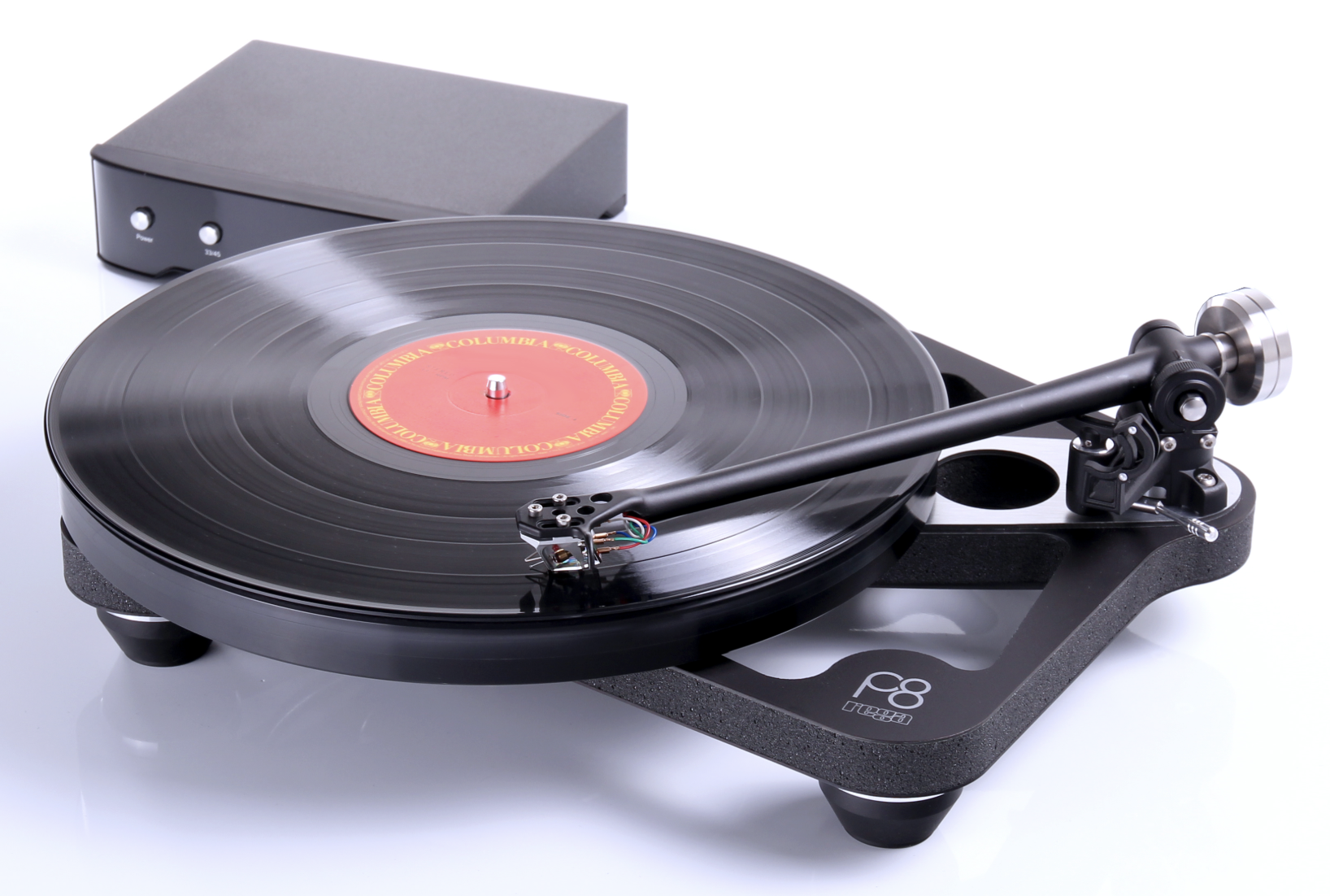
Turntables - Rega Planar 1(Carbon), Rega Planar 8, Rega Naia(Aphelion 2)

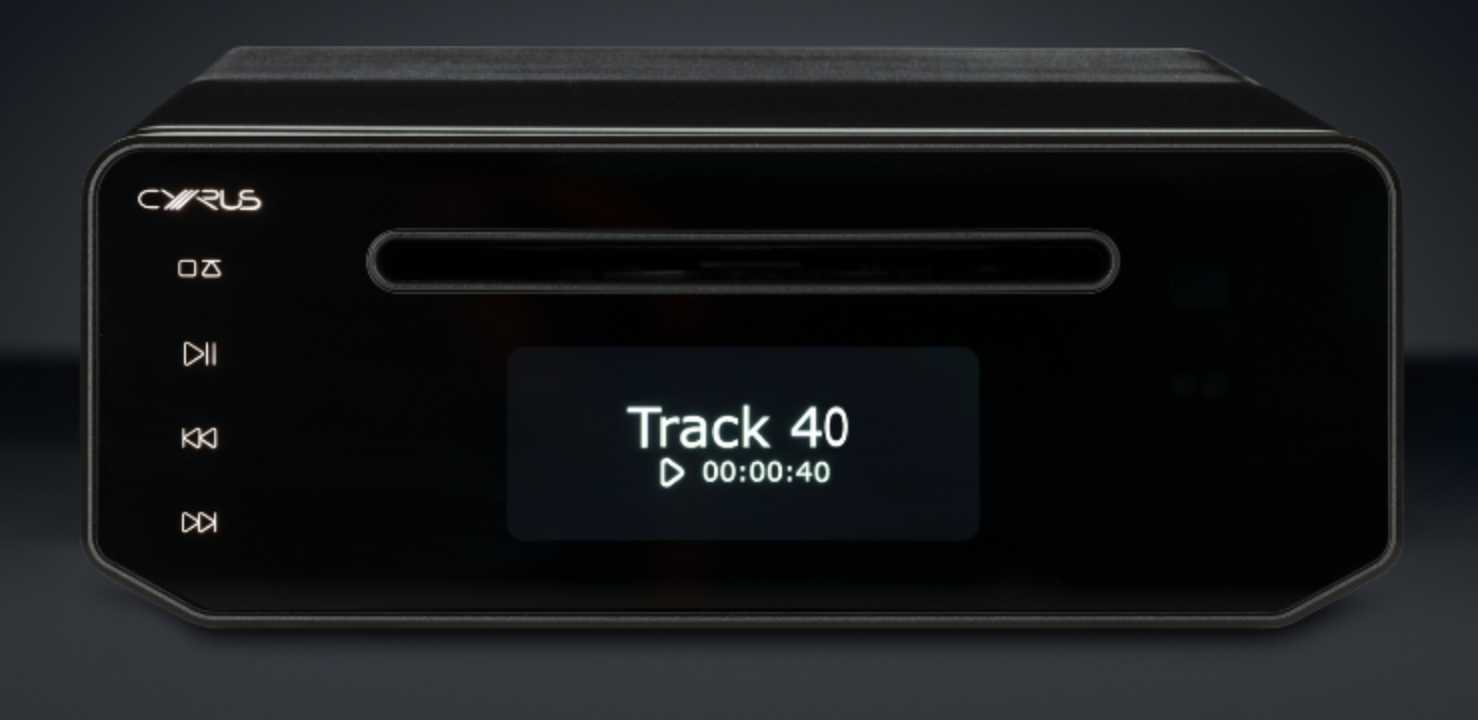
CD players - Marantz CD6007, Rega Saturn Mk3, Cyrus CD40/Cyrus PSU

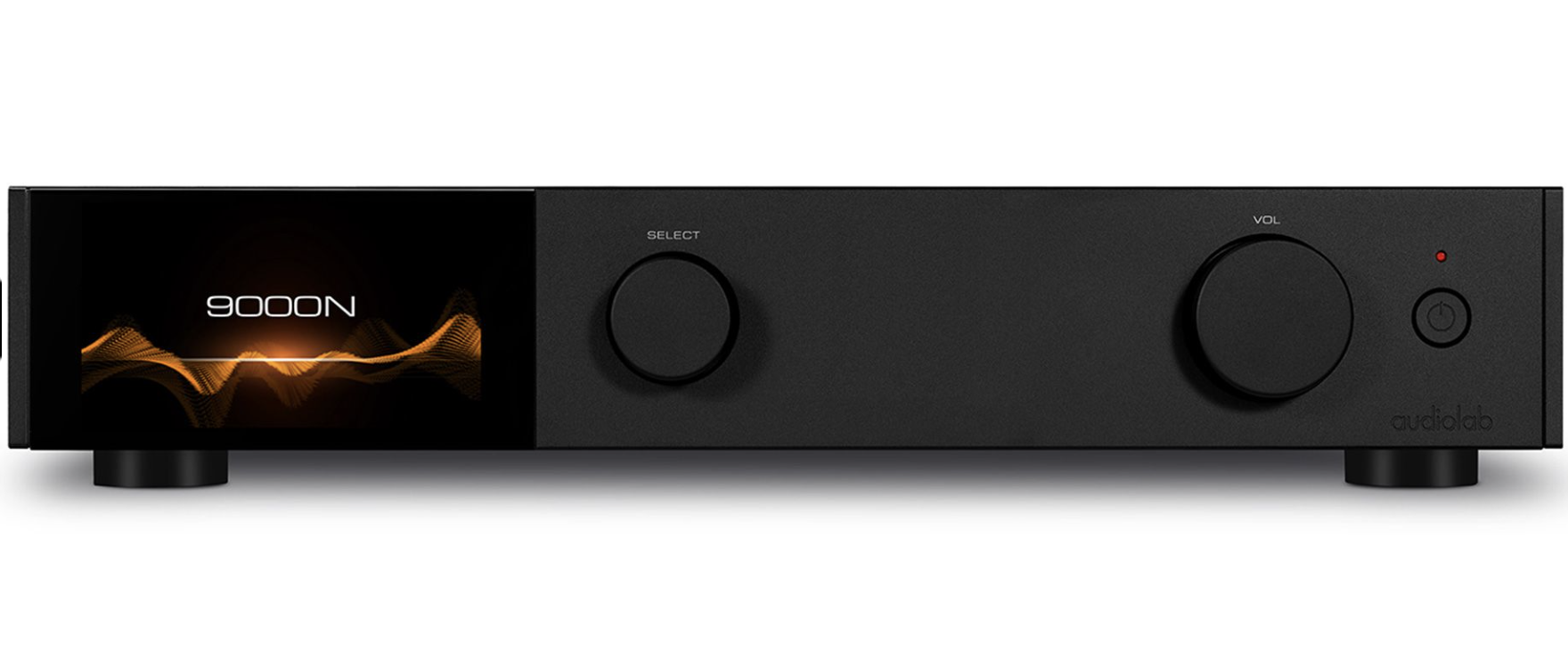
Streamer/Network player - Bluesound Node, Audiolab 9000N, Naim NSS333

Some readers may well say that none of the above are actually a “true source” because music production happens before you even get to use them. Now we get into the equipment used to record and produce music – including microphones, mixing consoles etc. There is little doubt that recording, mastering, mixing and compression affect playback sound quality further down the line, including whether you record using analogue tape or digital methods – let’s not even go down the PCM versus DSD debate!

Ultimately, there are more questions than answers where the “source first” argument kicks in, and that’s before we discuss the other parts of the sound chain. I have already written about digital sources in one of my earlier blogs – you are welcome to read about that here.

Here at Audio T in Brighton, we would argue that we have no control over the music production process, so our “source first” recommendations are based on equipment that we think offers good sonic performance and decent value, whilst allowing worthwhile upgrades to be done further down the music chain when the customer is able.

Amplification...

Now, there are those folk who feel the amplifier choice is the most important part of the sound chain, given it is the “engine room” of your music system.

This makes a lot of sense because an amplifier needs to boost a source signal cleanly and with sufficient power, current, bandwidth, damping factor and headroom to drive your loudspeakers sufficiently to retain musical detail at low volume levels for late-night listening, and yet have enough clout to party out when loud, dynamic volume swings are needed.

A perfect amplifier is often described as a piece of wire with gain, not affecting the sound characteristics of the source and with as little added distortion as possible. Again, some will say the source needs some additional sauce, and this is what a well-matched amplifier will bring.

Recommended amplifiers - at Budget, Mid-priced and High-end might be:

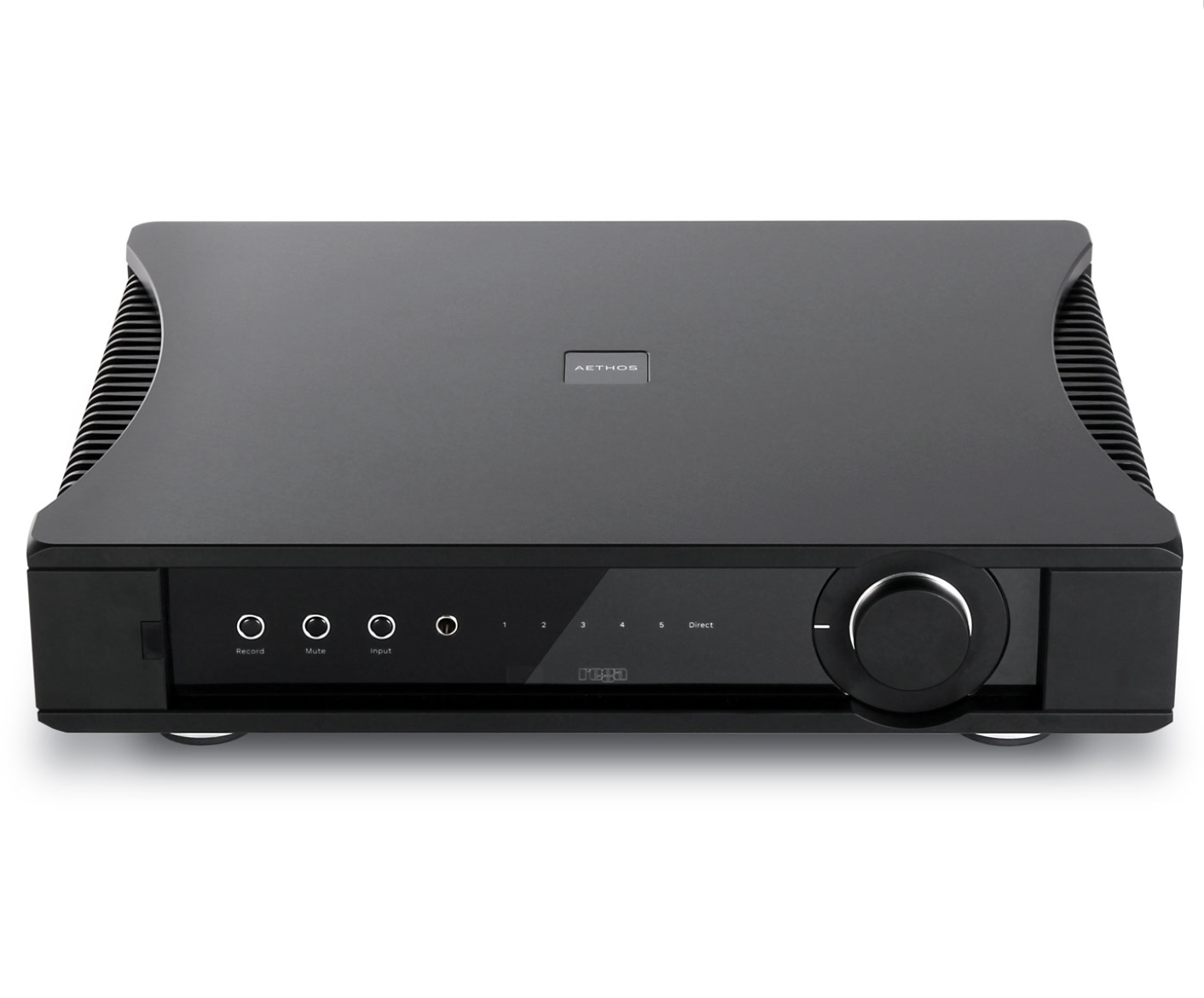
Amplifiers - Rega Brio, Rega Aethos and Naim 332 pre-amp/Naim NAP250 power amp

Not all amplifiers meet the exacting requirements of perfect playback, and a visit to Audio T in Brighton can assist with your particular use case and arrange a demo.

Loudspeakers...

When asked, a majority of people will vote the loudspeakers as the most important part of a sound system. Although we may not necessarily agree, in a lot of ways this makes sense, because loudspeakers impart the most “colour” into the sound of a music system, being the most “characterful”, both in terms of their sound and looks.

Speakers’ character can take the form of cabinet resonances, driver distortion, port resonances, phase problems and, the one most people don’t consider (at first) to be part of your system sound – the elephant in the room – the sound characteristics of the room itself!

Positioning your speakers has such an influence on the sound of your system that one might consider their interaction with the room acoustics as important as the speaker itself. This also explains why customers should listen to loudspeakers in their home environment, if at all possible, before purchasing. We’d highly recommend narrowing down your choice of speaker options by auditioning some at your local Audio T store before a home demo to verify your choice as the best option.

Recommended stand mount speakers - at Budget, Mid-priced and High-end might be:

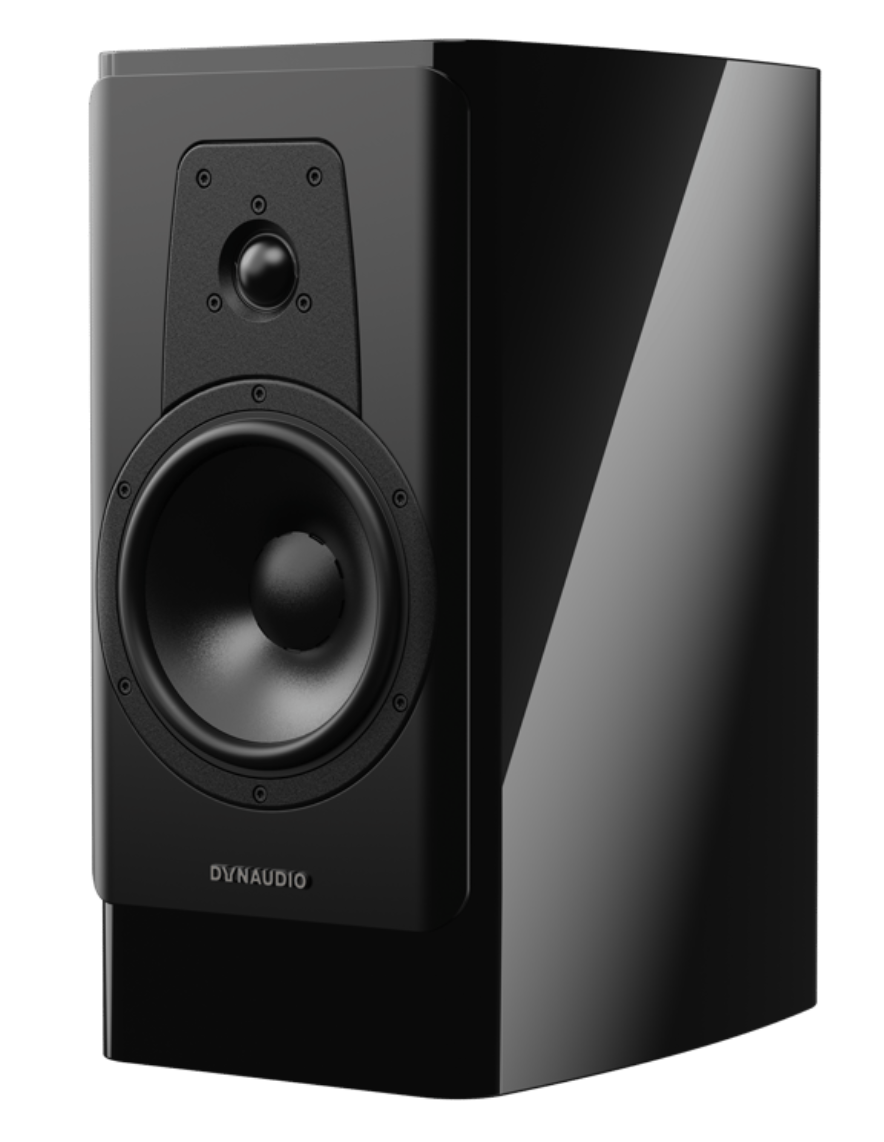
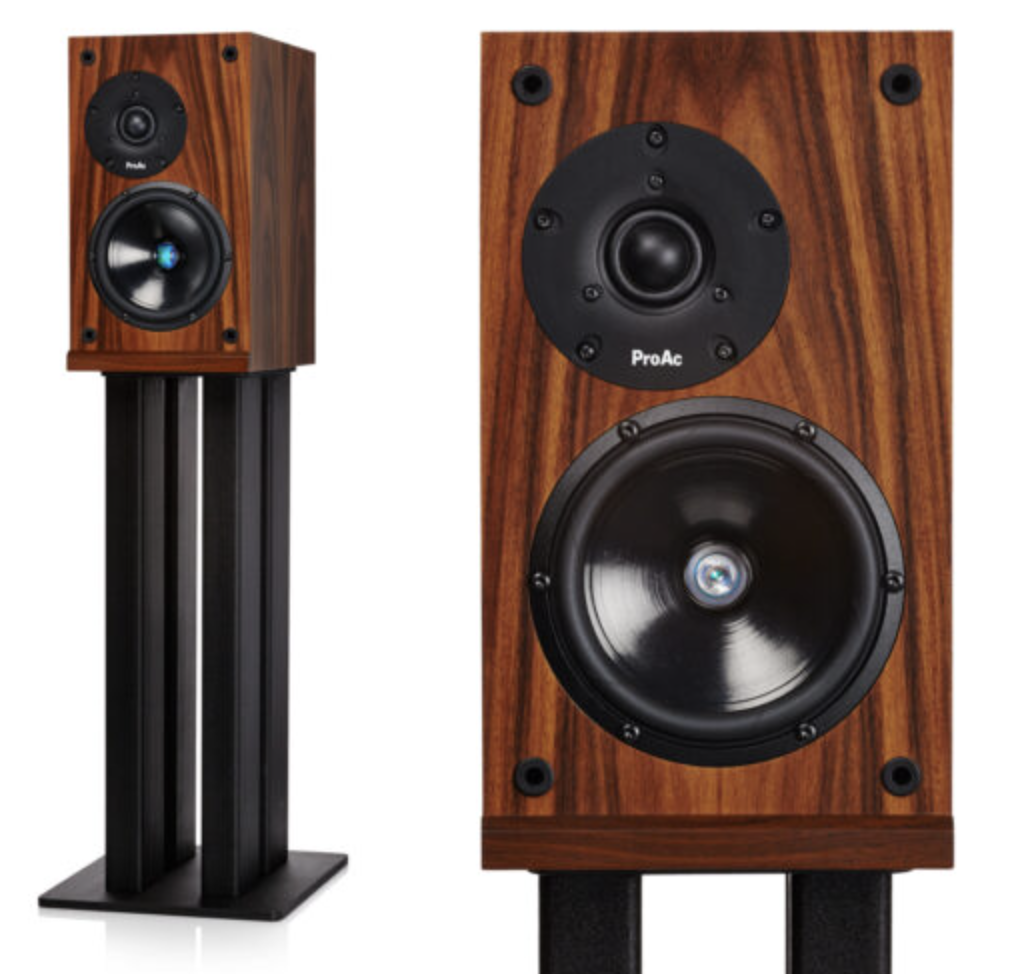
Loudspeakers: Acoustic Energy AE100Mk2, Proac DB1’s, Dynaudio Contour 20BE’s

Cables... Speaker cable and interconnects.

Some folks consider the cabling of your music system to be the most important part of the chain. There is no denying that cables allow components to connect to each other, and their electrical capacitance, inductance, impedance and resistance all influence how well they communicate the musical signal.

A major concept to get to grips with in understanding cables is that they can be both transmitters and receivers of a signal (aerials). Generally we’ll want one or the other and not both at the same time. The construction materials – whether copper, silver or a mixture of both – can affect transmission speeds, electrical characteristics and price.

So, is that it?

You may think that is it as far as system set-up goes... well, not quite. There are a number of linked factors to consider, some hinted at in the sections on source, amplifier and speakers, so we’ll mention these in the following commentary.

Your listening room...

Considering your listening room as an influence on the sound should be more obvious than it appears at first.

Imagine for a minute you were to set up your stereo system in your local church and ask yourself how that would sound compared to your listening space at home? We have spoken to many customers who were very happy with the sound of their systems until they decided to move home, and are now finding that it doesn’t sound as good.

What’s changed? Only the construction, dimensions and sound properties of their room and the positioning of their system. No blame can be attached to the components that form the trio – source, amp and speakers – as they haven’t changed!

The science behind room acoustics and how it interacts with your system is too complex to discuss in detail here. However, there are things one can do to mitigate room problems: getting your system balance right, careful positioning and judicious use of sound absorption through carpets, sofas and curtains to avoid excess reflections.

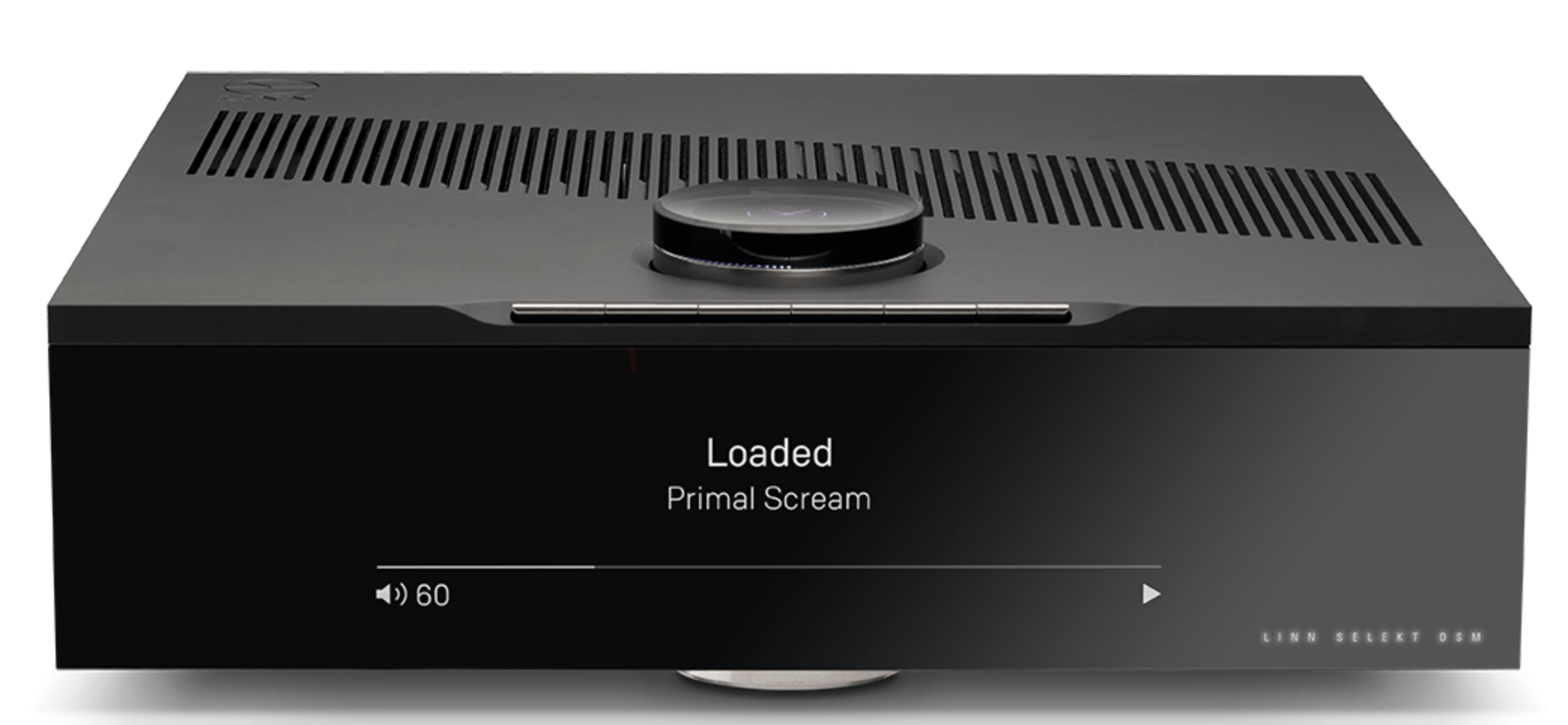
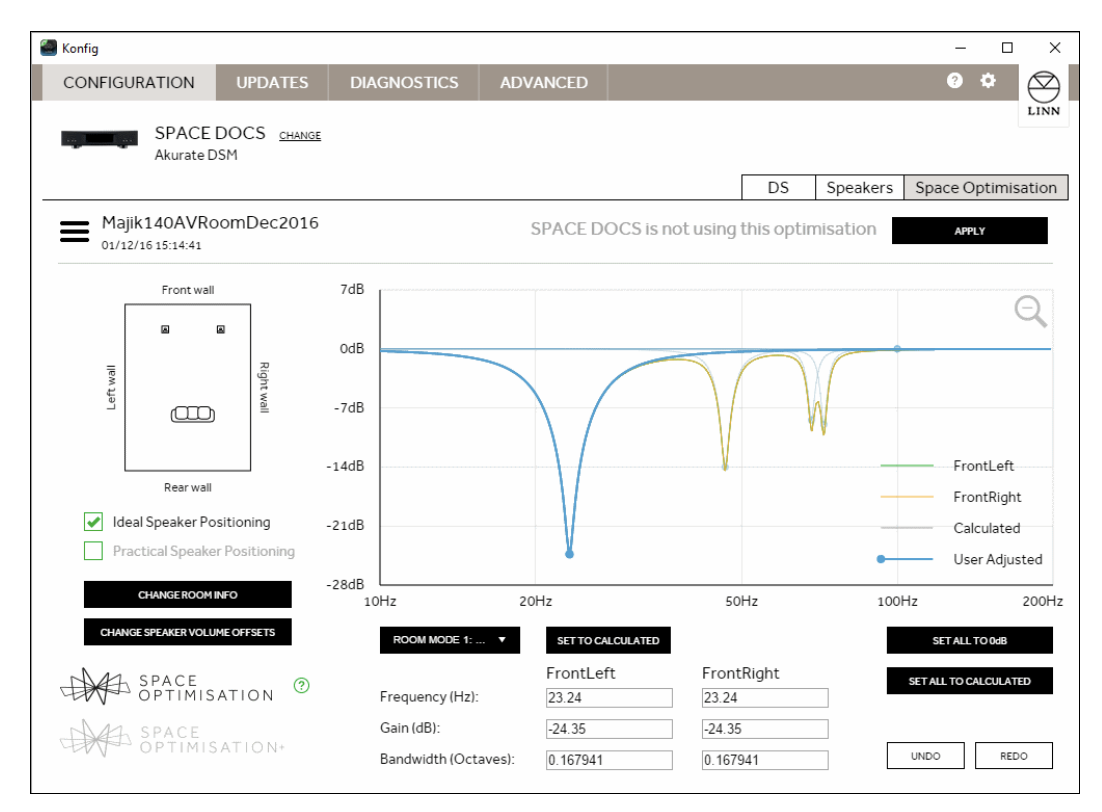
Some companies, like Linn, have complex software sound management systems via DSP to counteract unwanted room nodes. Linn’s Space Optimisation software, incorporated in their Linn Majik DSM and Linn Selekt DSM systems, uses data about your listening space and room dimensions to adjust the sound output to give a more linear frequency response. Linn Space Optimisation is convenient and works well, but we’d always recommend trying to work au naturel if possible.

The original recording...

Arguably, the source of sources is the original recording, the quality of which varies hugely based on the recording format, equipment used to make the recording, the age of the recording and who the recording/mastering engineer was.

One of the major issues with streaming services is the inability to select which “vintage” of a recording to play. Apart from the latest music releases, we tend to be limited to the most recent remasters of older music and their associated hi-res files. This can give the illusion that you’re being delivered the “best version” of that album, and that is not always the case.

The problem is that without the choice of an alternative version to listen to, you have no reference point – unless you own a copy on CD or download.

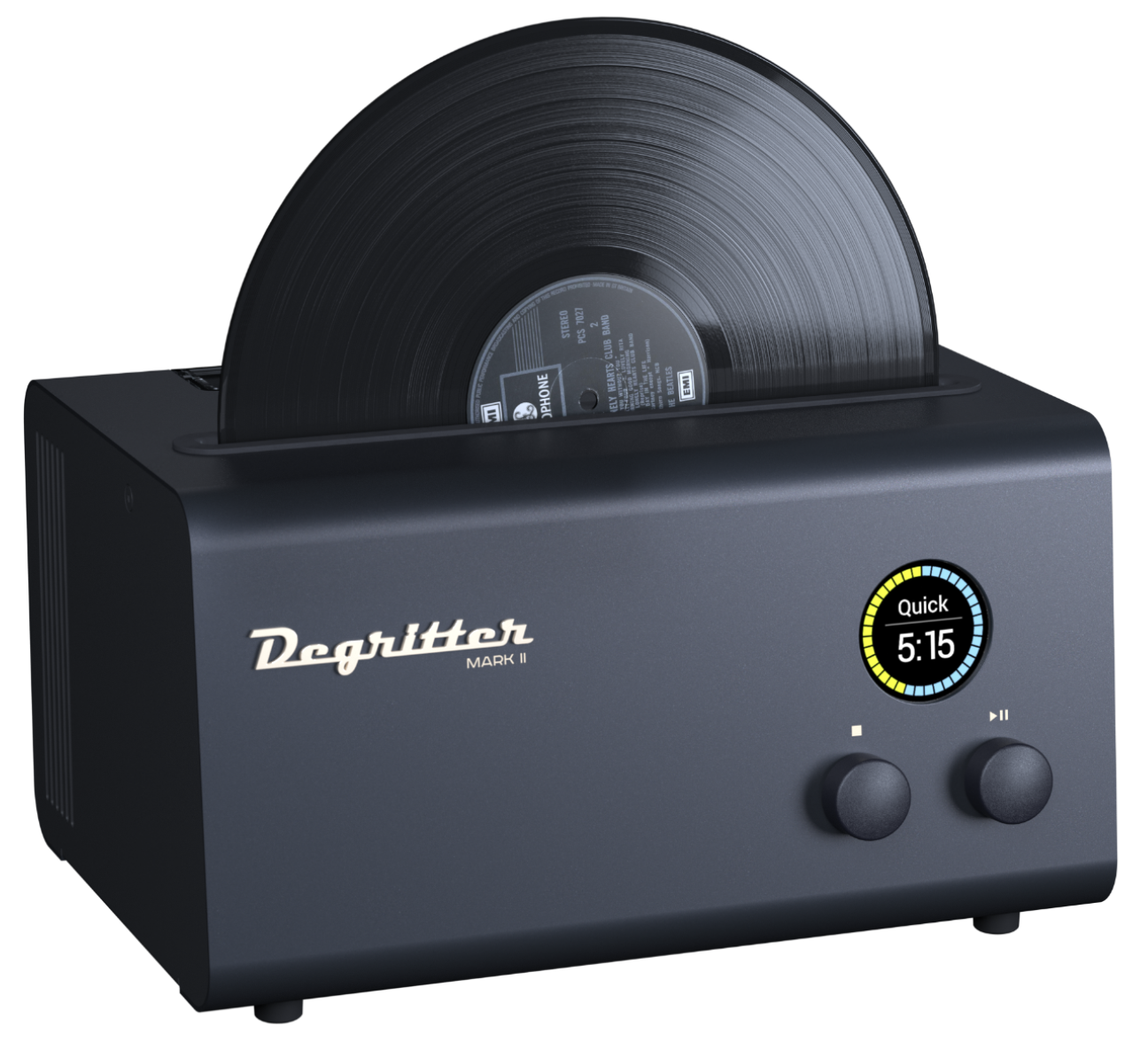
Vinyl sources are different again, with mastering and pressing quality, the disc material and colour of vinyl having an influence on the sound. Disc cleanliness is also important to reduce surface/groove noise – the DeGritter Mk2 ultrasonic record cleaning machine is exceptional at improving the quality of your “source”.

Degritter mk2

System synergy...

Another factor contributing to the sound of your system doesn’t focus on any one particular area but looks at the idea of system synergy – the idea that any point in the chain affects what comes before or after it, what connects it and the overall balance.

It is this last factor where a dealer like Audio T can help you make better decisions on your road to Nirvana, because just selecting recommended products online and putting them together is no guarantee that they will work together. Unfortunately, we often come across customers who have gone down this path to save money and find their ideal sound system, only to achieve neither goal.

Perhaps being the “source” of good advice is the most important component in the chain after all.

As always, the proof of the pudding is in the eating – so get in touch to book a demonstration and hear for yourself.

Thanks for reading.

Ade, John and Paul - Audio T Brighton

If you’ve enjoyed this, why not go ahead and read some more of our other blogs, and be sure to follow us on our social media channels below…


Linn can be found at the following Audio T stores

Rega can be found at the following Audio T stores -

Naim can be found at the following Audio T stores…

Acoustic Energy loudspeakers are available from the following branches of Audio T:

DeGritter can be found at the following Audio T stores…

Dynaudio can be found at the following Audio T stores -

ProAc can be found at the following Audio-T stores

New to Audio T Bristol: Lyngdorf – Hi-Fi Reinvented (Part 1)

image: Lyngdorf HiFi

With more bells and whistles than a midsummer Morris dance medley, this is Lyngdorf

It’s not every day a new brand lands at Audio T Bristol and instantly makes such a bold impression—but Lyngdorf is anything but ordinary. Combining sleek Scandinavian design with cutting-edge audio technology, this Danish brand brings a fresh perspective to high-performance Hi-Fi. Whether you’re after musical finesse, serious home cinema capability, or the cleverest room correction software in the game, Lyngdorf is quietly redefining expectations. And yes, it looks fantastic while doing it.

The best way to think of Lyngdorf is as a DSP-focused AV receiver company that happens to do music astonishingly well. This is Hi-Fi for modern living—minimalist in appearance, but overflowing with innovation.

It's So Good, He Put His Name To It

Back in 1999, Peter Lyngdorf (of HiFi Klubben and DALI fame) funded a project to develop the next generation of fully digital amplifiers. By 2005, his attention turned to one of Hi-Fi’s great unsolved problems: room acoustics.

Arguably the fourth most important part of any system—after the source, amplification, and speakers—your listening room can make or break the performance of even the best equipment. Enter RoomPerfect™, which launched in 2006 alongside a groundbreaking new digital amplifier. With this, Lyngdorf carved out a space of its own in the audio world.

Still not satisfied, Peter Lyngdorf set a wildly ambitious challenge: Steinway Lyngdorf systems would replicate the sound of a Steinway & Sons grand piano so convincingly that even professional concert pianists would struggle to tell the difference. That was in 2007—and that partnership is still going strong today.

(You can find out more about the history of Lyngdorf in this article from Music at Home+ Spring 2023 - Read here)

Introducing the Range

TDAI 1120, 2210 & 3400
We start with the TDAI (True Digital Amplifier Integrated) 1120. Compact and elegant, it’s easy to place anywhere in the home and comes loaded with streaming features. With HDMI ARC as standard and 120W into 4 Ohms, it’s more than capable of powering most loudspeakers.

image: Lyngdorf TDAI 1120 Rear view

Next is the newly introduced TDAI 2210—sitting right in the sweet spot of the range. Think of it as the Goldilocks model: more powerful at 210W, with a headphone output, modular upgrade options (including HDMI and analogue card), and an improved USB-C input.

At the top, we have the TDAI 3400. Delivering 400W of muscle, it adds digital AES/EBU input, MQA decoding, and ups the resolution to a whopping 32bit/384kHz.

image: Lyngdorf 3400 with CD2

The Lyngdorf Experience

What’s truly striking about Lyngdorf is how intuitive everything feels. From the clean app interface to the thoughtful placement of rear connections and front controls, the user experience is simply excellent.

RoomPerfect™—which we’ll cover more in Part 2—is perhaps the most straightforward yet powerful room correction system available. It’s designed to maximise sonic performance without overwhelming the user with technical complexity.

How does it sound?

Lyngdorf delivers impressive clarity, depth, and dynamic range. The "inky black" background allows every subtle musical detail to emerge, and its ability to maintain dynamics even at lower volumes is particularly notable.

The fully digital architecture provides complete control—digital crossovers, speaker EQ, custom sound profiles, and of course, advanced RoomPerfect™ room correction—all helping to ensure optimal sound in any environment.

What’s more, Lyngdorf’s amplifiers are passively cooled and remarkably efficient. With a power factor approaching 1, nearly all the power goes directly to the speakers. Conventional amplifiers waste much of their energy as heat and idle power—Lyngdorf’s approach avoids this entirely. The result? Lighter, sleeker amps that run cool, sound superb, and look the part too.

In Summary

Lyngdorf is more than just a new name—it’s a genuine rethink of how great Hi-Fi and home cinema can look, feel, and sound. With their smooth character, effortless control, and powerful room correction, Lyngdorf products are perfect for taming tricky listening environments or powering demanding loudspeakers.

We’ll take a deeper dive into the RoomPerfect™ app and setup experience in Part 2. Watch this space.

Thanks for reading!

Justin, Max & Barry - Audio T Bristol

If you have any questions about any of the equipment featured in this article, or any other Hi-Fi or home cinema enquiries, be sure to Contact Us.

If you’ve enjoyed this, why not go ahead and read some more of our other blogs, and be sure to follow us on our social media channels below…
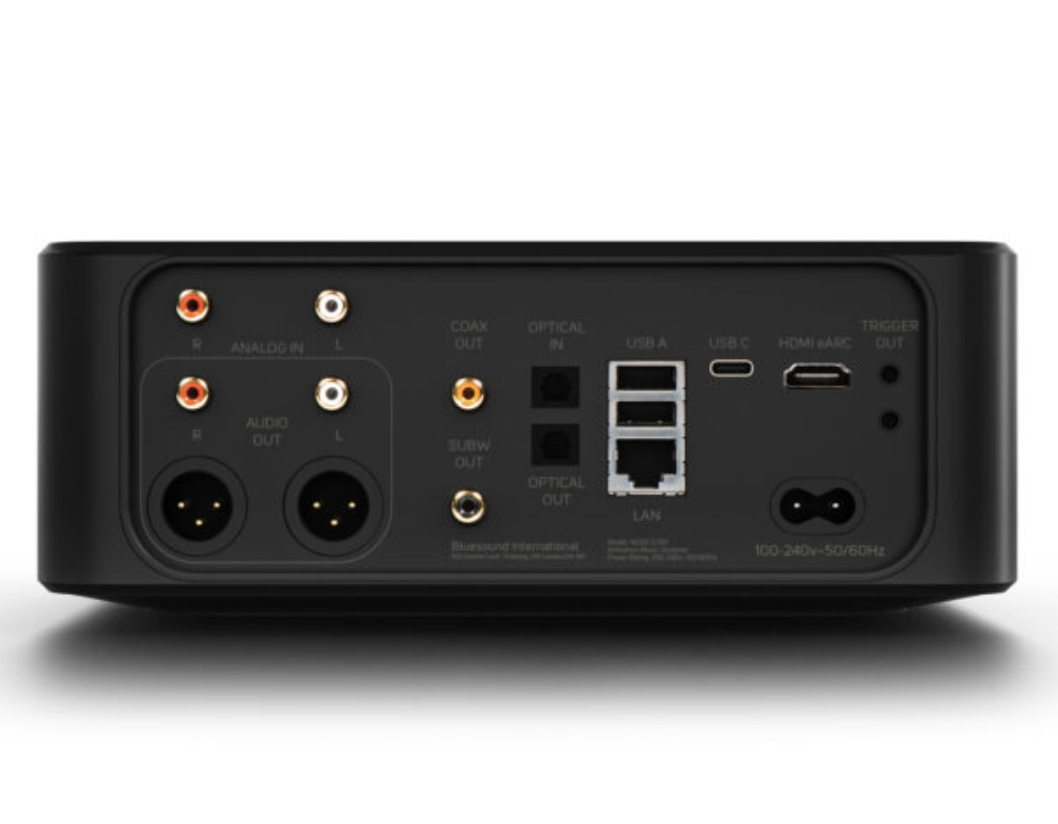
Lyngdorf can be found at the following Audio T stores -

'Yes, they do come in Walnut' - The ATC SCM50PSL loudspeakers

an ATC SCM50PSL loudspeaker. in walnut.

We are blessed with some very obliging Hi-Fi manufacturers here at Audio T Swansea, and chief amongst them is ATC. Whether it’s because the delightful Dave at ATC used to be our General Manager; the kettle is mysteriously always warm whenever he calls; or that we sell lots and lots of lovely ATC product, we simply cannot tell. Suffice to say, whenever we express a wish to borrow something ‘extra’, mountains are moved and lovely things arrive.

In this case, a long-standing customer of ours with a substantial pile of Naim Audio equipment wanted to replace his venerable Naim SBL loudspeakers. Having heard the SCM50PSL in active trim (a stupendous performance), and knowing our customer’s tastes very well, Nic suggested the ATCs. Our customer (Mr D) had already read a few reviews (including a couple of Audio T staff blogs) and agreed that they may well fit the bill. We set the ball in motion.

A Little Background…

The Acoustic Transducer Company, or ATC as they are better known, has been a stalwart of the studio monitoring scene for five decades. Founded in 1974 by Billy Woodman to manufacture custom drive units for the professional audio industry, ATC quickly made its mark with a 12″ bass driver—a design capable of handling more power and producing less distortion at a higher sound pressure level than any other unit on the market at the time.

In 1976, ATC introduced a groundbreaking soft-dome midrange driver, which delivered a wider bandwidth, more uniform dispersion, and significantly lower distortion than was previously thought possible.

The following decade saw the launch of complete speaker systems, alongside further versions of high-power PA drive units supplied in OEM form to leading manufacturers and performers—early customers included Pink Floyd and Supertramp. Today ATC speakers can be found in prestigious venues such as the Sydney Opera House, the Royal Festival Hall, and Ronnie Scott’s Jazz Club.

Having established a market for reference-quality, precision-made monitors, ATC went on to develop a succession of smaller loudspeakers, ranging from the compact SCM7s through to the 10s and 20s. Available in both active and passive versions, these models brought ATC’s renowned performance and reliability into the music lover’s home.

In 1996, ATC launched its first stand-alone high-performance electronics. The SCA2 preamplifier and SPA2-150 power amplifier (later joined by the SIA2-150) were built in line with ATC’s philosophy, achieving performance figures that remain impressive to this day. The latest versions continue to deliver outstanding precision and musicality and come highly recommended.

ATC continues to design, engineer, and manufacture all of its drive units at its factory in Stroud, Gloucestershire.

Arrival and Installation

A couple of weeks post-request, two very large black flight cases arrived in front of three very happy boys…

it’s not every day a lad gets to feel like a roadie.

And a couple of days after that, two of those happy boys took a road trip to darkest West Wales.

Moving the Naim SBLs from a client’s room is simplicity itself, despite appearances to the contrary – each cabinet rests upon the one below, with the tweeter mounted upon a pair of pylons. Installing them in a client’s room is the part that requires some expertise. Happily, the client’s son—who inherited them—has a certain amount of engineering prowess.

a pair of cherry naim audio sbl loudspeakers from the mid-1990s these are in great nick.

just about all the instruments i can name are used here plus several that i can’t. a great warm-up album.

Removing the SCM50 from their containers, however, is a two-man lift and should only be considered once the stands have been placed in the likely-correct position that long experience will recommend. Once fired up and playing something suitable to warm the speakers with—Igor Stravinsky’s Rite of Spring in this case—and following a welcome cup of tea and a biccie, the installation process could begin.

Finding the Sweet Spot

a curious album we only ever seem to play when we want to set up a pair of speakers.

Nic starts with a single loudspeaker connected and plays Ballad of a Runaway Horse by Rob Wasserman and Jennifer Warnes. What we listen for is the bass level and quality from Wasserman’s double bass. If you start with the speakers placed as far apart as your seating position and close to the rear wall, then gradually move them forward into the room, the bass will initially drop off, then become stronger again as the speaker finds a position where it works with the room to reinforce the bass. Repeat the process with the other speaker, and have them both firing straight out into the room.

Once that is done, sit in the primary position and listen to the left-right soundstage. With your eyes shut, can you point to where the music is coming from? If you’re pointing at the speakers, we need to move them closer together. When we can hear one singer and one double bass only, and the sound apparently does not emanate from the speakers (they should, in effect, disappear), then we’re getting pretty close.

The next step is toe-in, and it’s somewhat subjective. Having the speakers firing straight into the room will yield a wide soundstage with a big sound. Aiming the speakers towards the listening position will yield a smaller, more intimate experience. The trick is to balance the intimacy—solid shapes of instruments/vox held in a 3D space—with the grand stage still remaining apparent.

Big Sound, Beautifully Controlled

With the SCM50, this is not so difficult to achieve. Properly driven with quality amplification and source components, they of course sound huge, but retain a remarkably fast and taut character, with instruments and voices given such a beautiful, natural treatment they sound alive.

You expect such large boxes to sound bombastic and, given the correct source material, they will scare you half to death if that is your whim—all without raising a hair. They have an effortless, unbreakable persona and radiate a sense that everything is simply correct.

AC/DC’s The Jack — a track that extemporises on the theme of, ermm considerate social hygiene.

AC/DC’s The Jack from their first (international) album High Voltage—which is hardly the last word in production value—is presented as I expect the band wanted it to be. Its dense mix is opened up to its full breadth and depth and we can hear the positions of the instruments pinpointed in the soundstage, rather than them all appearing together from somewhere in between the speakers.

Bass isn’t a fat, bouncing jelly in the middle of the room, but a solid, discernible instrument tightly held in its own space. Kick-drums are hard and rapidly compress the chest—just like they do in your favourite upstairs-room-at-the-pub venue—and I find myself thinking that that is exactly what Bon Scott et al were trying to achieve. It’s enormously satisfying.

did i mention a substantial pile of naim equipment? needless to say, it sounds stupendous.

“I’ll Have a Pair in Walnut Please”

willy deville’s album ‘miracle’ is worth a spin…

It was Willy DeVille that did it for our Mr D. Three lines into Nightfalls from the album Miracle, and he turned to Nic and said:

“I’ll have a pair in Walnut please. They are available in Walnut?”

“Yes, they do come in Walnut.”

the current state of our primary demo suite. air conditioned too.

Visit Us for a Listen

The ATC SCM50PSL currently reside in Audio T Swansea’s primary dem room. They are playing with our all-British Rega P10/Apheta 3 turntable with Aria phono stage, Linn Selekt digital media player, Chord Electronics Ultima 3 preamplifier and Ultima 5 power amplifier—all connected with Black Rhodium cables. (The Hi-Fi rack is Italian!)

Why not pop in for a listen – you won’t be disappointed.

obligatory arty hifi shot. you’ve have been disappointed if i’d left it out. look at the girth of those baffles.

Thanks for reading.

Words and images by Adrian (tea by Nic & Andy) – Audio T Swansea

If you have any questions about any of the equipment featured in this article, or any other Hi-Fi or home cinema enquiries, be sure to Contact Us.

If you’ve enjoyed this, why not go ahead and read some more of our other blogs—and be sure to follow us on our social media channels below…


ATC Loudspeakers can be found at the following Audio T stores

At their core, the DALI RUBIKORE 2 are rock solid!!!

DALI (Danish Audiophile Loudspeaker Industries) is a family-owned Danish manufacturer specialising in high-end loudspeakers. Founded in 1983 by audio entrepreneur Peter Lyngdorf (yes, the same people behind the high-end Hi-Fi company Lyngdorf), it began as a home-based project before opening its first factory in Nørager in 1986. Initially focused on Scandinavia, DALI began exporting in 1990 and later established offices in Germany (2001) and the good old UK (2005).

It now has representation in over 65 countries, with more than one million units sold worldwide. That’s an impressive global footprint.

Here at Audio T, we’ve had a great time with DALI over the years. A stalwart and ambassador for Danish loudspeaker design, DALI offers a cracking range across both Hi-Fi and home cinema.

And so here we have the RUBIKORE 2 — the stand-mount speaker in DALI’s RUBIKORE series, which sits neatly between the RUBICON and EPICON ranges.

We’ve been putting our demo pair through their paces here at Audio T Manchester.

now there’s a look even salvador would be proud of.

Stylistics

To put it simply, the RUBIKORE series offers excellent build quality. The black gloss finish is as luxurious as anything you’d expect from a high-end speaker brand. With a solid and weighty feel to the cabinets, these perfectly proportioned compact stand-mounts have definitely got the looks.

Captain Chromey!! Engines on and ready for warp speed

The binding posts have a robust, premium feel to them and are designed to grip seriously chunky speaker cable — if you so desire.

As expected, we've been trialling the RUBIKORE 2 with a wide variety of music. I’ve sat in with customers who’ve demoed them in our dedicated listening room and heard everything from jazz to ambient to classical.

And in all fairness, they deliver a presentation that’s both detailed and emotionally engaging — a sentiment shared by many of our customers (and we wholeheartedly agree).

Manna from Above

Bass is surprisingly deep and well-controlled for a speaker of this size. It’s tight and tuneful without ever becoming bloated. The midrange is where the RUBIKORE 2 truly shine: vocals have a creamy, natural tone, while strings and acoustic instruments sound convincingly organic.

The bass unit is the real star here, incorporating the paper and wood fibre Clarity Cone™ Technology SMC Bass/Midrange driver — a direct trickle-down technology from the flagship DALI KORE range.

High-Falutin’? Not Really — Just Perfect

The treble is open and airy, with just the right amount of sparkle. It never feels harsh — “we don’t like harsh” — and imaging is precise. The soundstage is wide and immersive, with loads of depth and excellent instrument placement. The result? A fatigue-free experience that’s ideal for long listening sessions.

Listening to some of our favourite tracks from the Manchester store playlist, the DALIs deliver a full-bodied, confident performance. If you’ve visited our demo room, you’ll know it’s not exactly a small space — yet the they fill it with ease. That’s an impressive feat, considering their compact size.

So, from a relatively small footprint, the RUBIKORE 2 produce a big, bold sound. And at £2,299, they feel like a genuine bargain. The competition should definitely be keeping an eye on these.

now that’s a patented Continuous-Flare bass reflex port chromey, it actually behaves like another drive unit, personally, i wouldn’t leave my helmet there, you have been warned!!

Try Them for Yourself

Check out some of the tracks we used below…

Tom Misch & Yussef Dayes

The title track on this album has Yussef Dayes kick drum absolutely front and center, and there isn’t an ounce of “boxyness” to it.

You just want crank up the volume.

Speedy J

The track Fill 14 is another swirly ambient track that just spreads and opens out across the front of the soundstage.

Djrum

A top of many a best of the year list. This electronica piece “a tune or us” reveals itself and permeates

Our playlist also included artists such as: Matthew Halsall, Toumani & Sidiki, Horace Silver, Stereolab and many more.

If you're curious to hear what the DALI RUBIKORE 2 can really do, we’d highly recommend coming in for a listen. Whether you're looking to build a new system or upgrade your existing setup, hearing them in a properly set-up demo room can make all the difference — and we’d be happy to walk you through it.

Drop by your local Audio T or give us a call to book a demonstration. We're always happy to chat about your musical tastes, system goals, or just geek out over good gear. With speakers like these, hearing really is believing.

Thanks for reading

Munir, James and Dave - Audio T Manchester

If you have any questions about any of the equipment featured in this article, or any other Hi-Fi or home cinema enquiries, be sure to Contact Us.

If you’ve enjoyed this, why not go ahead and read some more of our other blogs, and be sure to follow us on our social media channels below…


DALI can be found at the following Audio T stores

Rega Planar 6 vs Planar 8 – Is the Upgrade Worth It?

Matt from Audio T Cardiff goes deep into the Rega turntable lineup, comparing his trusted Planar 6 with the higher-end Planar 8. Is the jump worth it? Let’s find out.

rega logo

Hi again folks. As the title suggests, I’m once more exploring changes to the beating heart of my home Hi-Fi system. It’s been almost four years since I bought my beloved Rega Planar 6 turntable, which has never skipped a beat or let me down. If you’ve read my blogs before, you’ll know my passion for vinyl and its uniquely musical way of reproducing sound. To me – and maybe to many of you out there – vinyl remains the ultimate way to listen to music.

I’m writing this while cranking Ozzy Osbourne’s Mr Crowley from Blizzard of Ozz. There’s only one way to listen to the Prince of Darkness – LOUD. Anyway, let’s get back to business.

Why the Upgrade Question Came Up

Lately, I’ve been wrestling with one big question: should I upgrade from my Planar 6 to the Rega Planar 8?

The Planar 10 – and the flagship Naia – are a step too far for me at the moment. But on paper, the Planar 8 looks like a meaningful step up from the P6. So before we dive into listening impressions, let's take a look at the specs of both decks.

For this comparison, I’ve removed the cartridge variable by using my own Dynavector 10X5 Mk2 high-output moving coil.

Starting with my current turntable, let’s have a look at their respective specifidcations:

Planar 6 in black

Rega Planar 6 Specifications

  • RB330 tonearm with stainless steel balance weight

  • Dual-layered float glass platter

  • Double brace technology

  • Tancast 8 foam-core plinth

  • Custom-matched Neo PSU

  • EBLT reference drive belt fitted as standard


planar 8 in white

Rega Planar 8 Specifications

  • RB880 precision tonearm

  • Super flywheel-effect triple-layer glass platter

  • Double brace technology

  • Tancast 8 foam-core plinth

  • Custom-matched Neo PSU

  • 24-volt low-noise motor assembly

  • Two EBLT reference drive belts as standard


Looking Back – Why I Chose the Planar 6

It feels like time has flown since I picked up the P6. I remember the exact demo setup I used in our shop at the time: a Rega Planar 3 with an Exact cartridge, a Planar 6 with an Ania Pro, a Nytech CDP 122 phono stage, a Rega Elex-R amplifier, and a pair of Acoustic Energy AE300 speakers. Some of you might recall this system from when I first joined Audio T.

The Planar 3 was fantastic, but the P6 brought something extra. Beyond the cartridge differences, I immediately noticed a lower noise floor and a more refined overall presentation – I remember spinning Iron Maiden’s then-new album Senjutsu and being properly wowed.

planar 6 black with neo psu

Even now, I think the P6 stands tall among turntables in its class. The combination of Tancast foam-core plinth, advanced motor assembly, and overall design detail gives it a real sense of musicality. These are the reasons I’ve held onto it for so long – but something recently nudged me to reconsider.

So, Why Change?

If I’m so happy with the Planar 6, why even entertain the idea of switching?

Well, as you might’ve guessed I’m always chasing that next level of sonic performance. The turning point came during a demo I set up for a customer using the Planar 8. As I sat back and listened, I thought: this deck has something special. That moment planted the seed. I had to hear it for myself at home, using my own cartridge, in my own system.

Design Evolution – What Makes the Planar 8 Special?

Rega drew clear inspiration for the Planar 8 from their no-compromise Naiad turntable, and it really shows in the design. The plinth is strikingly skeletal, saving mass without sacrificing rigidity.

A major upgrade is the RB880 tonearm, with a redesigned vertical bearing assembly made from aluminium and stainless steel. It offers vastly improved rigidity and tracking stability over the RB330. Then there's the 24V motor and twin-belt drive on the sub-platter, which delivers more consistent torque.

planar 8 black with neo psu

One of the biggest innovations is the super flywheel triple-layer glass platter, developed in collaboration with a UK glass engineering company to Rega’s exact specs. It offers improved speed stability – and, in my opinion, a noticeable sonic gain.

The Listening Session Begins

Right – coffee in hand – time for the fun part…

big wreck lp displayed with matts very own strat

My Test Tracks

  • Ozzy Osbourne – Blizzard of Ozz (1980)Mr Crowley

  • Iron Maiden – The Final Frontier (2015)El Dorado

  • Big Wreck – Albatross (2025)Albatross

Let the evening of guitar-driven vinyl madness commence 🤟 (Apologies in advance for the nerdy detail. You’ve been warned.)

Planar 6 Listening Impressions

planar 6 fitted with dynavector 10×5

Kicking off with Mr Crowley, the Planar 6 delivers a powerful sense of presence. Don Airey’s keyboard intro sounds huge, with great clarity between notes. Then Randy Rhoads’ iconic riff cuts through – full of grit and character. You can really sense that gear combo: his Sandoval polka-dot Flying V with DiMarzio Super Distortion pickups through the Marshall 1959 Super Lead. It’s the kind of track you just have to crank.

Planar 8 Listening Impressions

Cartridge transferred. Planar 8 powered up. Let’s go.

Calling the P8 "a bit better" than the P6 just doesn’t cut it. While it retains Rega’s signature sound, the differences are more than subtle. Right away, the RB880 feels smoother and more precise in tracking. While the RB330 is excellent – and something of a Hi-Fi icon – the RB880 takes things up a notch.

the essential tools for swapping the cartrdige over

Back to Mr Crowley – Rhoads’ guitar had even more texture and bite, and Ozzy’s vocals were better placed within the soundstage. Everything felt more alive. With Albatross by Big Wreck, there was greater clarity between notes and more space in the mix. Ian Thornley’s guitar tone was richer, and his vocals seemed more dynamic – made me want to grab a guitar and jam (emphasis on try).

planar 8 fitted with dynavector 10×5 high output

El Dorado by Iron Maiden was the biggest surprise. With three guitarists in the mix – Dave Murray, Adrian Smith and Janick Gers – there’s a lot going on. Around three minutes in, there's a blistering guitar battle between all three, and the P8 gave each player their own space in the mix. It sounded spectacular.

Final Verdict

As much as I love my Rega Planar 6 – and always will – the Planar 8 has definitely got me thinking. It builds on everything the P6 does well and pushes it further. I can easily see myself ordering one before the year’s out.

But before that, I’ve got another exciting upgrade on the way – the new Cyrus 40 PPA phono stage. I’ll be writing all about it when it arrives next month.

Try It Yourself

This weekend’s turntable shootout was eye-opening, and I highly recommend doing the same if you're curious. If you’re considering a step up from the P6, come in for a demo – hear the difference for yourself and let me know what you think.

Thanks for Reading

Matt Aaron - Audio T Cardiff


Out of the Blue: Why I Collect Multiple Copies of the Same Album

I’ve been an enormous fan of Out of the Blue by The Electric Light Orchestra ever since I was at school. It was one of the first albums I bought with my own (fairly) hard-earned money! It has stuck with me far longer than most others, and I still play it regularly because across its four sides, there isn’t a weak track. This obsession means that over the years, I have amassed fourteen — yes, fourteen! — different copies, each unique in some way. This blog is a bit of a self-indulgent dive into the phenomenon of collecting multiple copies of the same album. Surely I can’t be the only one?

In My Blue World

There are plenty of albums I own multiple copies of: Olias of Sunhillow by Jon Anderson (four), Marquee Moon by Television (three), The Lamb Lies Down on Broadway by Genesis (also three), plus two copies of albums by Rush, Camel, Porcupine Tree, Yes, Pink Floyd, and The Grateful Dead. But Out of the Blue is different.

most of the collection so far

I was already a fan of ELO and had a copy of A New World Record that my mum and dad bought me for Christmas 1976, when I was just fourteen. So by the time Out of the Blue was released on 28th October 1977, I was (as the saying goes) gagging for it — and I fell in love immediately!

Say Goodbye to All Your Friends

The striking sci-fi gatefold cover folds out to reveal the band’s logo transformed into a spaceship, possibly beaming their perfect cocktail of glam, prog, rock, and pop to every corner of the universe.

ready for take off

The fold out poster

Inside the gatefold, there’s an incredible image depicting the control room of the spaceship — packed with retro-futuristic detail and glowing with the same imaginative flair as the music itself. It’s the kind of artwork you can get lost in while the record spins, and it perfectly captures the album’s cosmic ambition. But the treats didn’t stop there. The original release also came with a pop-out cardboard model of the spaceship featured on the front cover — yes, you could actually build your own ELO ship! Alongside that was a large fold-out poster featuring the band in full 1970s splendour, plus inner sleeves printed with full lyrics and credits. It was, and still is, one of the most lavish and lovingly put together album packages of its era — a total feast for fans of music and design alike.

I’ve Been Thinkin’ It Over

Legend has it Jeff Lynne wrote the entire album holed up in a hotel near Musicland Studios in Munich in just three weeks! The trademark ELO sound reached its peak on this album, thanks in large part to the keyboard genius Richard Tandy and orchestral arranger Louis Clark. Together, the three crafted a powerhouse glam/prog/pop masterpiece.

Innovative use of the vocoder and those eerie, almost Disneyesque backing vocals add an otherworldly sheen to many songs, reminiscent of earlier ELO albums like Eldorado and Face the Music. Some critics say Out of the Blue is overproduced (whatever that means). I say it’s a perfect work of art, with no space wasted — every moment has something to make it fab!

The Japanese pressings sound amazing

Concerto For A Rainy Day

My favourite part is side three: a four-song prog rock suite subtitled “Concerto for a Rainy Day,” touching on themes of love, loss, and loneliness against a backdrop of gloomy weather. It finishes joyfully with the stone-cold classic Mr. Blue Sky. It gets me every time!

the most recent addition to the collection

It’s A Beautiful New Day

I have no rational explanation for why I own so many copies. The most recent is a red and yellow coloured vinyl edition HMV released for Father’s Day — and it’s just wonderful.

just a few of the different labels

double vinyl picture disc

I also have two different Japanese pressings, a clear vinyl version, three different blue vinyl editions, various foreign pressings, a cheap reissue without the gatefold, different label variations, and a picture disc!

My favourite hype sticker

My favourite version, without a doubt is the first edition blue vinyl which I think sounds the best out of all of them and I even used it recently for a demo here in the Cheltenham store when I got talking to a lady about “guilty pleasures” as a genre of music in its own right and Out of the Blue came up in the conversation. I played it for her on the Rega Planar 1 turntable with Rega Io amp and Acoustic Energy AE100² speakers system in our demo room and it blew her away! Yay!!

rega, acoustic energy and The elo…a match made in heaven

Calling All Collectors

If any of you out there in Audio T Blog Land share this affliction and have numerous copies of the same album, please let me know. We can drink tea, eat biscuits, and compare notes! I’ve already met someone with four copies of …And Out Come the Wolves by Rancid, and another with multiple Dire Straits albums. So come on — tell me what you collect!

I’ll Remember You This Way

Coincidentally, this ties in nicely with Jeff Lynne’s recent farewell concerts, retiring the ELO spaceship for good. Thanks for the long, strange trip and all the wonderful music, Jeff… love you x.

Thanks for reading,

Andy, Jon and Farid - Audio T Cheltenham.

If you have any questions about any of the equipment featured in this article, or any other Hi-Fi or home cinema enquiries, be sure to Contact Us.

If you’ve enjoyed this, why not go ahead and read some more of our other blogs, and be sure to follow us on our social media channels below…


A REGA AND SONUS FABER VINYL BASED SYSTEM: SOULFUL SYMMETRY

Happily, the vinyl revival is showing no sign of ever abating. With this in mind, I thought I would compose a blog featuring a turntable based system. The most important part of a Hi-Fi is the source; we all know the adage of ‘garbage in, garbage out’ and this is particularly true of vinyl based systems, where the quality of the engineering of the turntable is vital: With this in mind I chose the superb Rega Planar 3 (with ND3 cartridge) as the front end.

rega Planar 3 (Nd3)

Rega Planar 3

Launched in April 1976 (Led Zeppelin were riding high in the album charts with ‘Presence’), the Planar 3, whist not being the very first Rega turntable, certainly went on to become the most iconic. It has gone through numerous revisions over the decades, being constantly revisited and improved upon, using modern engineering and best practices. Rega are advocates that low mass and high rigidity are fundamental for exceptional performance. With this in mind, the plinth has a low mass rigid core, with skeleton bracing supporting the bearing and arm. The RB 330 tonearm represents forty years of experience and know how. A 24v low torque asynchronous motor drives a thick glass platter, for low noise and good speed stability (there is an option of an external Neo PSU for even better speed control). The latest ND3 cartridge comes pre fitted. It costs the same as the outgoing Elys but actually outperforms not only the Elys, but also the more expensive outgoing Exact. A dust cover is provided. Set up is a doddle and if you know what you are doing it will only take a few minutes. If you don’t, we will be happy to do it for you.

Sound

The Planar 3 exhibits a smooth sonic signature and neutral tonality. Vocals are silky and soulful. Bass is full and deep, with a touch of upper bass warmth. There is a reason why the Planar 3 is considered the gold standard of all sub £1000 turntables.

Rega Brio Mk7

Rega brio mk7

The amplifier chosen was the latest generation of the Rega Brio, the mk7. It represents a complete reworking over the previous model Brio. The circuitry has been improved in every aspect for lower noise and improved performance. For the first time the Brio incorporates a DAC (Wolfson) with optical and coaxial inputs. A high quality headphone output is also provided. The circuitry of a phono stage is very different to that of a line level. It goes without saying that, with their long history of turntable production, the moving magnet inputs fitted to Rega amplifiers have always been excellent. Indeed the moving magnet input is not only superb, but is also superior to that of its predecessor. Power is 50 wpc into 8 ohms, plenty for most expected applications.

brio rear

Sound

Like the Planar 3, it is also tonally even. Bass extension is both low and taut. The presentation is solid and punchy. The Brio is a musical and engaging amplifier and very enjoyable to spend many hours of time listening to. I didn’t have an example of the previous Brio to compare it to, but my impression is that the Mk7 is both a touch more dynamic and also more insightful.

Sonus Faber Lumina II

lumina II

Whilst Rega is a British company, manufactured in England, Sonus Faber are Italian and have that gorgeous Italian styling that we have now come to expect: The cabinets are wrapped in leather and have a glorious polished wood front baffle. Build quality is excellent. The gateway to high performance, the Lumina II is a compact two way stand mount loudspeaker. It sits between the diminutive Lumina I and the floor standing Lumina III. High frequencies are handled by a 29mm soft dome tweeter, damped apex dome sits in front of the assembly, reducing breakup and distortion. Midrange and bass are covered by a 150mm doped paper driver. There is a front mounted port neatly integrated into the plinth. The speakers sport a figure of 86dB sensitivity and 4 ohm impedance and as a result they do require a suitably capable amplifier.

Sound

The Luminas pose excellent sound staging, with the cabinets seemingly disappearing during playback. They possess a believable sense of weight and scale. The treble is detailed but non fatiguing.

System synergy

Our system was cabled using Chord Shawline X speaker cable, the Sonus Fabers sit on Atacama Moseco 6 speaker stands. The result is a combination that exhibits both tonal realism and richness and is capable of unpicking complex recordings. They possess a musical performance that is both propulsive and unfatiguing. A truly enjoyable long term listening experience.

If you would like to experience what Rega and Sonus Faber can achieve, Andy and I would be delighted to set up a demonstration for you in our showroom. Feel free to bring along your favourite albums — this system deserves to be heard with tracks you love.

Thanks for reading — we look forward to welcoming you soon.

Jon and Andy - Audio T Swindon

If you have any questions about any of the equipment featured in this article, or any other Hi-Fi or home cinema enquiries, be sure to contact us.

If you’ve enjoyed this, why not go ahead and read some more of our other blogs, and be sure to follow us on our social media channels below…

Rega can be found at the following Audio T stores - Sonus Faber is exclusive to Swindon

Splendid isolation – ways to control the ever-present audio gremlin of mechanical interference

Interference and, for the purposes of this blog we are focusing on mechanical interference rather than electromagnetic, increases background noise levels meaning you hear less of your music. So what is it and what can be done about it?

Hi-fi manufacturers spend huge amounts of time and money developing ways to reduce signal interference.

Shielding on cables, circuitry design in components, separation of signal paths from power supplies, power conditioners and, indeed, the whole concept of hi-fi separates are all ways to reduce electromagnetic interference.

The aim is to reduce the noise floor in your system, which is to say minimise the noise that is present in your system the moment you turn it on. Because these hums, hisses and other sonic interference are often inaudible, you may not even realise you have noise floor issues!

Whilst much of the wizardry to control electromagnetic interference is designed into good quality hi-fi products, much of the task of reducing mechanical interference is left to us.

The good news is that there are plenty of solutions on the market, including equipment racks, isolation products and room treatment, all of which can help us tame mechanical interference in our systems and listening rooms.

Additionally, there are a few simple things we can do ourselves to make sure our systems sound as good as possible.

Audio nirvana - minimising mechanical interference pays sonic dividends

Not so good vibrations

Basically, mechanical interference is vibration. This is to a large extent caused by the sound, whether direct or reflected, coming from our own hi-fi speakers which energises the room and everything in it, including all our hi-fi equipment and cables.

If care is not taken then we can end up with our listening rooms ‘humming along’ to our music. And, if mechanical interference isn’t bad enough, the vibrations can leach back into the electronics in our system and become electromagnetic interference too!

Many of us will remember from school physics that just about everything has a resonant frequency. This is the frequency - determined largely by the composition and construction of different materials and objects - at which something will vibrate with maximum amplitude when in contact with an energy source which, in this case, is mainly (but not exclusively) the music coming from our loudspeakers.

Given that there are so many different frequencies in a piece of music, it is a safe bet that almost everything in our rooms will have its resonant frequency activated at some point or other while listening to music. The louder the music, the more energy is transferred to our rooms and their contents.

Things don’t only vibrate at their resonant frequency, it’s just that this is when the vibration, or energy transfer, will be greatest.

What’s more, it’s not just energy from the sound waves produced by our speakers. Vibrations emanate from other sources such as household appliances, someone walking about in the house or from the traffic outside. Even our turntables and CD players introduce an element of mechanical noise into our systems.

The result is an unwanted chorus of extraneous buzzing, thrumming and booming going on alongside our music. As mentioned, not all of this noise will be audible to the human ear but, whether audible or not, it does interfere with the sound of our hi-fi.

wall brackets can reduce vibrations affecting turntables

Here’s how mechanical noise can affect audio:

  • Microphonic Effects: Sensitive electronic components, such as capacitors and valves, can act like microphones - picking up physical vibrations and converting them into unwanted electrical noise.

  • Timing Smear: Vibrations can subtly alter the timing of digital circuits, potentially leading to jitter or loss of low-level detail.

  • Distortion in Analogue Playback: Turntables are especially vulnerable and any vibration that reaches the stylus can be interpreted as part of the signal.

  • Resonant Coupling: When components share vibrations through a shelf, stand or rack, they can resonate with each other, introducing tonal colouration or masking fine detail.

Putting a dampener on things

There are a number of ways to combat vibration, most of which revolve around some kind of isolation system and/or a deadening medium.

Isolation products - ranging from equipment feet and platforms to racks and cones - are designed to reduce and, ideally, eliminate the impact of unwanted vibrations.

quality racks like the Naim FrameLite provide a stable and acoustically isolated platform

The goal of isolation is twofold: preventing external vibrations from reaching your components and preventing internally generated vibrations from coupling into the support structure which would include your rack, speaker cabinets and floor.

Isolation products typically work through one or more of the following mechanisms:

  • Damping - some materials convert vibrational energy into heat. Sorbothane, viscoelastic polymers, and certain foams are commonly used in feet and pads. These materials are tuned to absorb vibrations within specific frequency ranges, reducing resonance.

  • Decoupling - by creating a mechanical barrier between a component and its environment, you can decouple it from structural vibrations. This can be achieved through soft suspension (springs, air bladders) or opposing hard interfaces, for example ceramic balls on steel cups.

  • Mass loading - heavy platforms made of dense materials (like granite or constrained-layer composites) absorb energy and prevent components from “shaking themselves.” A good example is filling metal speaker stands with a dense filler to stop then ‘ringing’.

  • Mechanical grounding - some isolation systems aim to drain vibrations away from a component by providing a low-resistance mechanical path, often using rigid cones or spikes into heavy bases.

The key is to match the isolation approach to the component and environment. What works for a turntable might not be ideal for a DAC or preamp.

Isoacoustics gaia feet provide isolation for speakers and speaker stands

The sound of silence

Isolation products can benefit your system in many ways by reducing the noise floor. This means a quieter background allowing you to hear more of your music. The result is improved clarity and detail, better instrument separation and enhanced spatial imaging.

You may also experience a tighter and more tuneful bass response. Unruly bass is one of the biggest offenders when it comes to mechanical interference thanks to the amount of energy in bass notes and the fact that many things in our homes have resonant frequencies at the lower end of the audio spectrum.

Isolation should also give you greater dynamic range, so that quiet passages are properly quiet and when the music really kicks in the difference between quiet and loud is vivid and real.

You may also notice that, with good isolation, longer listening sessions become less fatiguing on your ears. This is because unwanted resonances can introduce a harshness or glare in a system and this can be wearing on the ears.

Here are a few ideas for isolation products for different components:

invest in a good pair of speaker stands

Other things to consider

While all the products above will improve sound quality there are, in addition, other things we can do to treat our listening rooms – the aim being to control vibration and, just as importantly, sonic reflections.

Most listening spaces will be reasonably well-furnished with sound absorbent materials, for example sofas, carpets and curtains. But if your listening area is on the minimalist side and you’re not a fan of rugs and soft furnishings then consider acoustic treatment panels and bass traps. You can get some pretty trendy designs these days.

The other thing to consider is speaker placement. By moving a speaker away from rear and side walls you can reduce the sound reinforcement you get from boundary walls and thereby help to reduce issues with boomy bass.

Likewise toeing your speakers inwards, towards your listening position, can help to focus your music and can help control reflections, leading to a clearer sound.

Reaping the rewards

Isolation and other measures to control mechanical interference are grounded in sound engineering principles.

That said, the effectiveness of any isolation or damping products can vary depending on the quality of those products, your hi-fi equipment, you room and your expectations because, let’s face it, no real-world room is going to be acoustically perfect.

If you own a medium to high-end system then you really owe it to that system to introduce some measures to control mechanical interference – a decent rack, speakers stands and some thought about the acoustics in your listening room at the very least. But even more modest systems benefit from the addition of a few choice isolation solutions.

Let’s put it this way, it’s a shame to spend all that money on a good hi-fi system only to have your room humming along with every song.

If you’d like to discuss isolation solutions and products then simply pop into the shop or call on 0239 266 3604 or email portsmouth@audio-t.co.uk.

Alan, Luke and Steve - Audio T Portsmouth

If you have any questions about any of the equipment featured in this article, or any other hi-fi or home cinema enquiries, be sure to Contact Us

If you’ve enjoyed this, why not go ahead and read some more of our other blogs, and be sure to follow us on our social media channels below…