

AV receivers in 2026: Inside the Marantz Cinema Series (Part 2)
/In the first part of this series, we explored the Marantz Cinema Series AVRs, from Cinema 70s to Cinema 30, and looked at how performance, power, and refinement evolve across the range. For many rooms and systems, these receivers represent a complete and deeply satisfying solution.
However, there comes a stage in system building where the conversation shifts. Not because AVRs stop being good, but because system demands change. Larger speaker packages, more ambitious layouts, and the pursuit of ultimate control and transparency naturally lead toward separates.
This is where Marantz’s AV and AMP components enter the picture. Designed around dedicated processing and amplification duties, these models open the door to a level of flexibility and performance that simply isn’t possible within a single chassis.
Let’s take a closer look at what really changes when you move beyond an AVR.
Stepping Into Reference: Processor and Power Amplification - RRP £3,499 - £5,000 - £6,000 Per Box (AV30, 20, 10 & AMP 30, 20, 10)
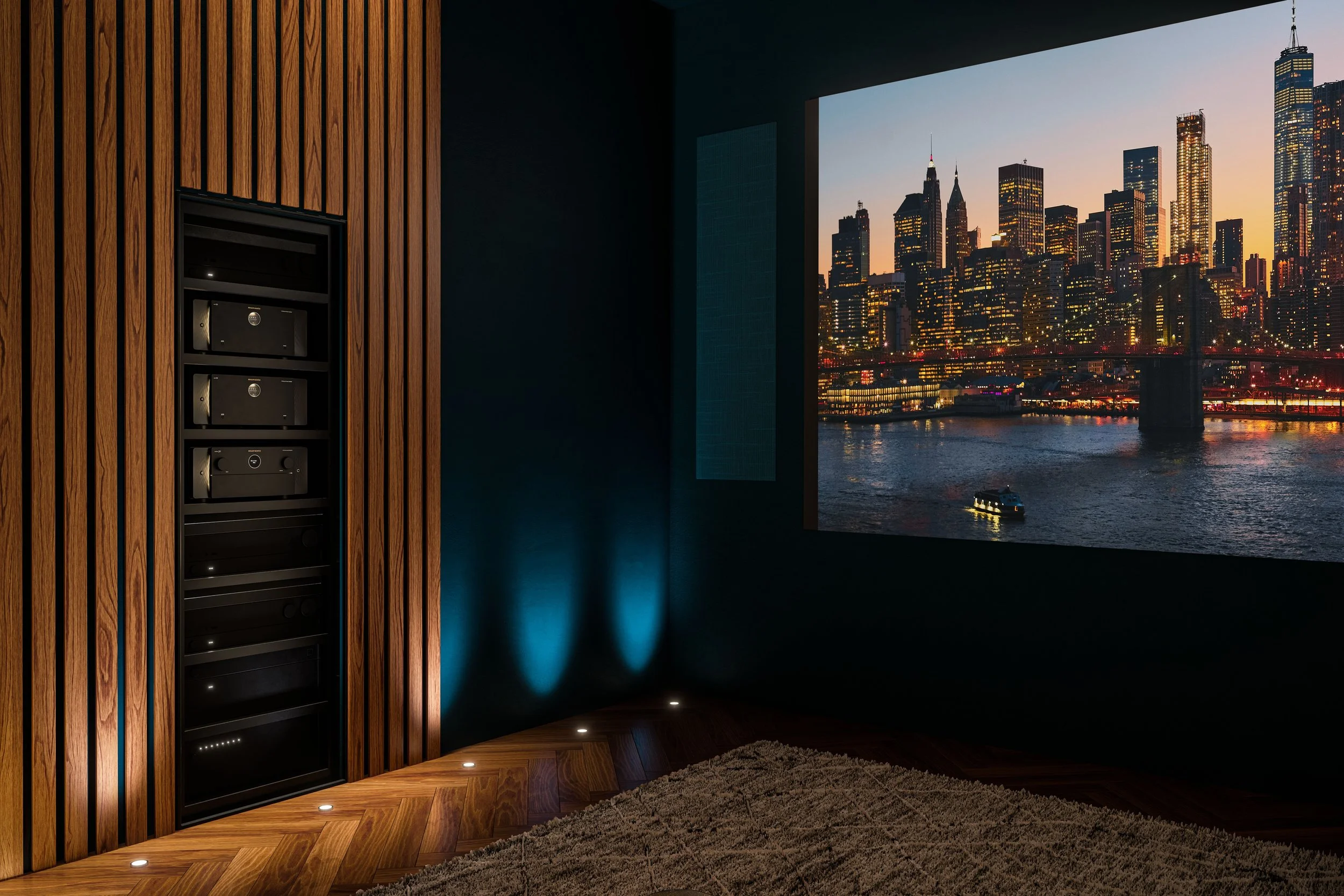
There comes a point where performance gains stop being about feature sets, and start being about system architecture. That’s where separates make sense. A processor handles decoding, digital processing and analogue output, and the power amplifier is built purely for current delivery and loudspeaker control.
This creates clear real-world benefits over an AVR. Lower internal interference, less heat inside the signal chassis, cleaner grounding, and far greater freedom in power supply design. More importantly, it gives you the flexibility to tailor performance to the room and speakers, not just the number of channels on the box.
Marantz reference processors bring the same sound philosophy as the Cinema range, but pushed further. Advanced HDAM designs, full discrete current feedback amplification, and precision clocking for accurate timing and low jitter across all channels simultaneously. This matters in immersive home theatre because it improves overall coherence, image stability, and separation when mixes get complex.
On the amplifier side, the AMP range is designed as a true high-current platform with serious flexibility. Power amps can be run in BTL (Bridge-Tied Load) to deliver up to 400W into 8Ω, which becomes incredibly useful if you want to drive demanding front speakers with far more authority, even in a system with a modest speaker count.
The key point is this. These AV and AMP units aren’t just different products. They are building blocks. AV10 and AV20 share an identical design quality and reference approach. The main difference is channel capability, with AV10 supporting up to 15.4 channel layouts, AV20 supporting up to 13.4 and AV30 up to 11.4.
Likewise, AMP 10, AMP 20 and AMP 30 share the same amplification quality and output intent. The difference is channel count, with AMP10 supporting 16 channels, AMP20 supporting 12 and AMP 30 supporting 6 channels. This makes it possible to scale and match the system properly, rather than being forced into one fixed configuration.
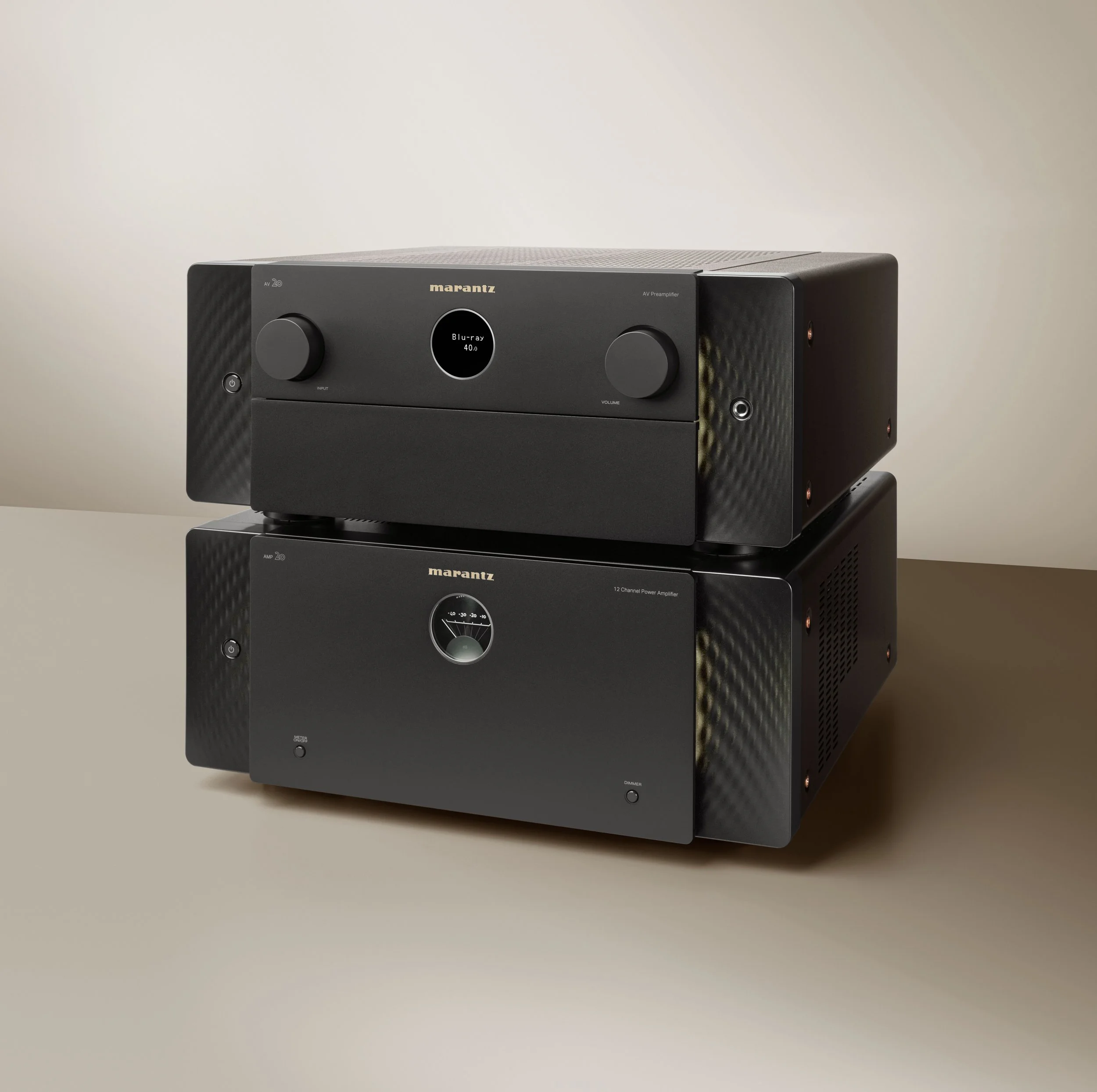
AV 20 & AMP 20
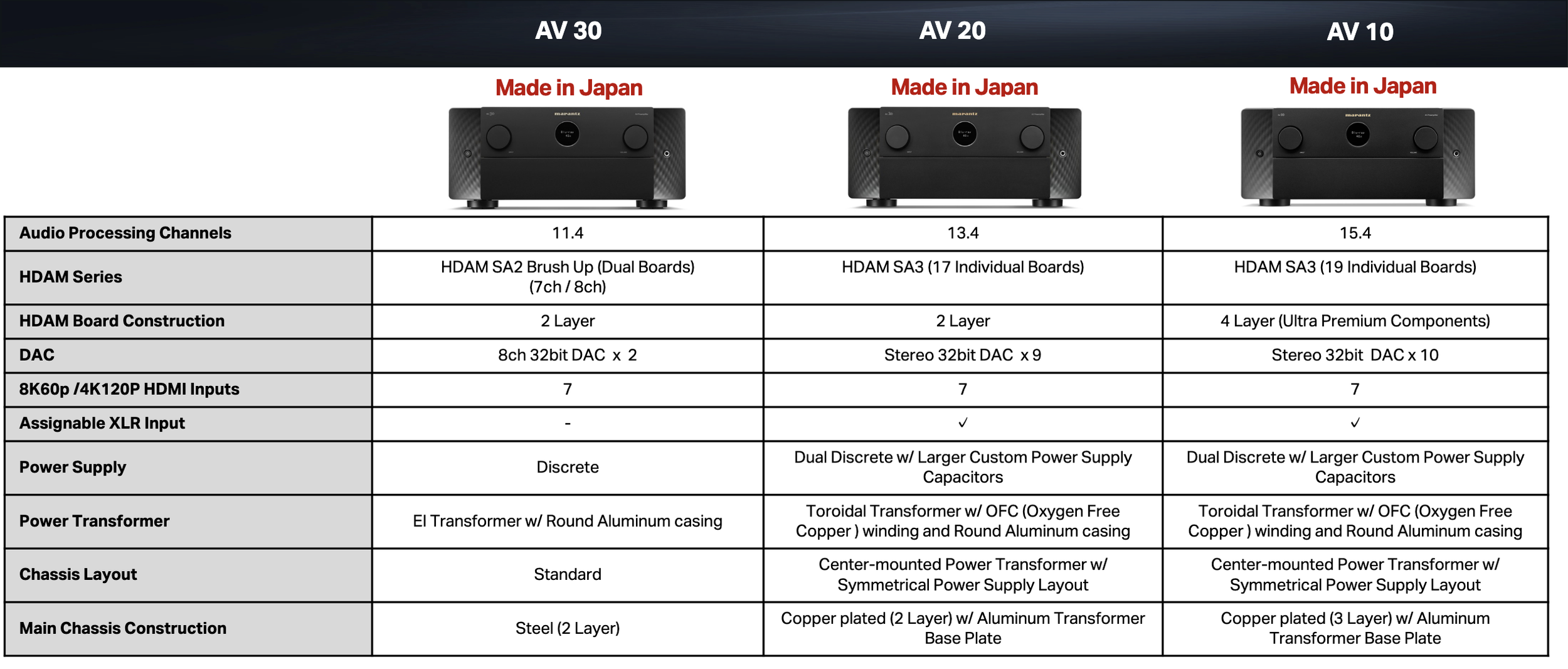
The Bridge Tier: AV30 and AMP30
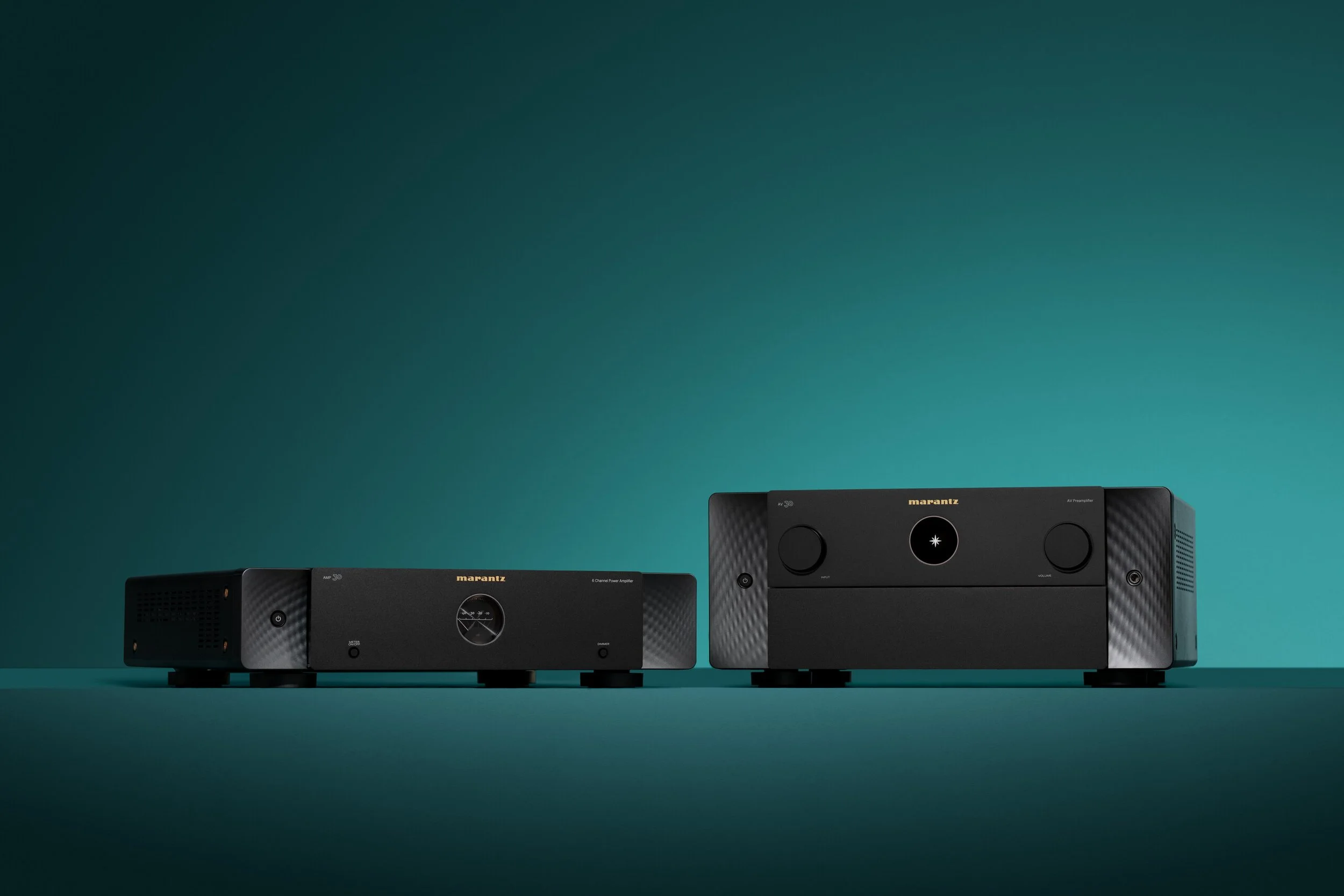
Now in 2026, AV30 and AMP30 close the gap even further. They bring much of the reference thinking into reach, offering separates architecture and modular amplification, with channel counts aimed at premium home systems without needing to go straight into the largest reference configurations.
Even in smaller systems by speaker count, an AV30 can still be an excellent choice and then matched with an AMP20, or even an AMP10 in bridge mode, giving seriously powerful punch into demanding speakers. Equally, an AMP10 can be paired with AMP30 to add six more channels of amplification, without automatically needing to jump straight to a 12-channel amplifier platform. It allows systems to be built around the speakers and the room, not just the channel count.
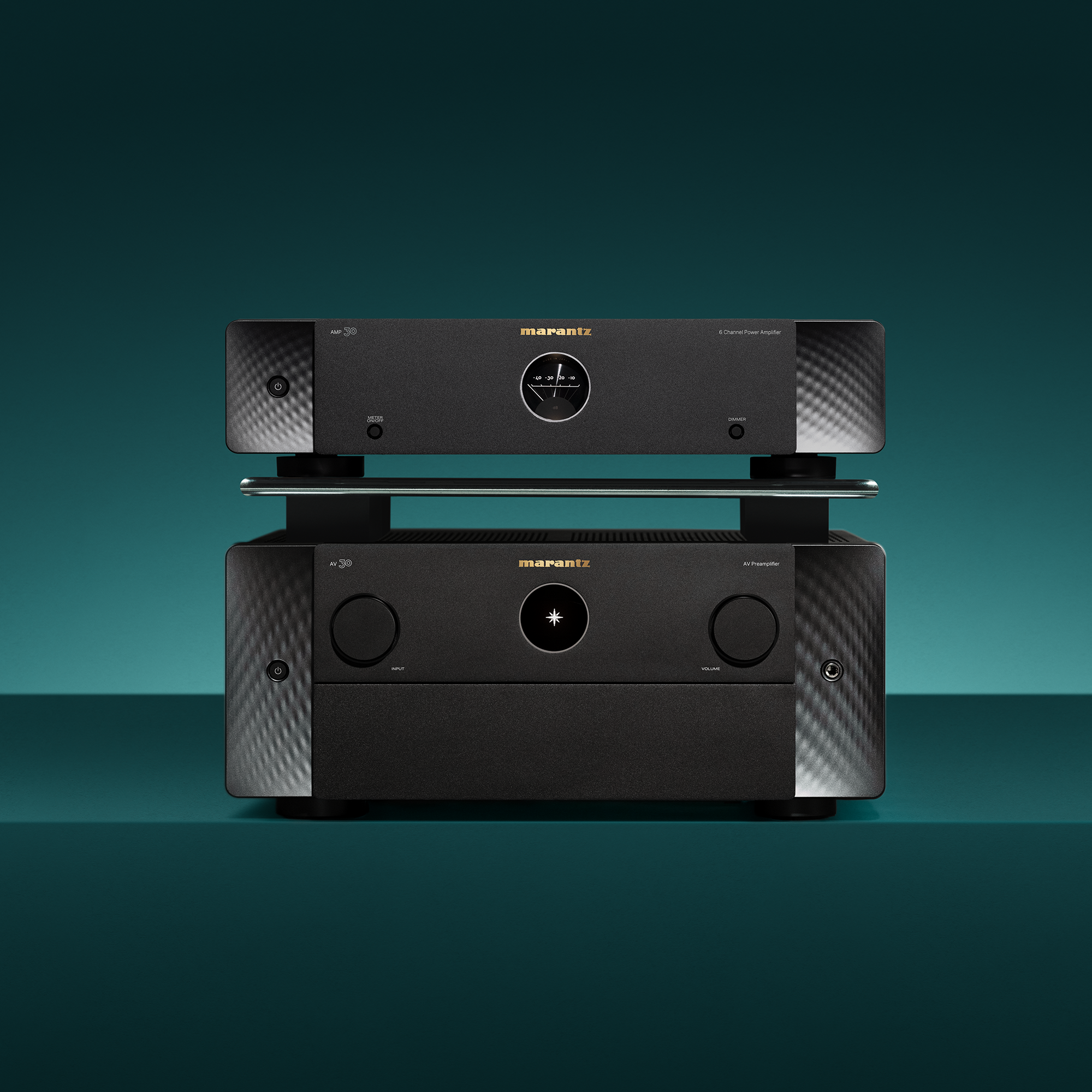
AV 30 & AMP 30
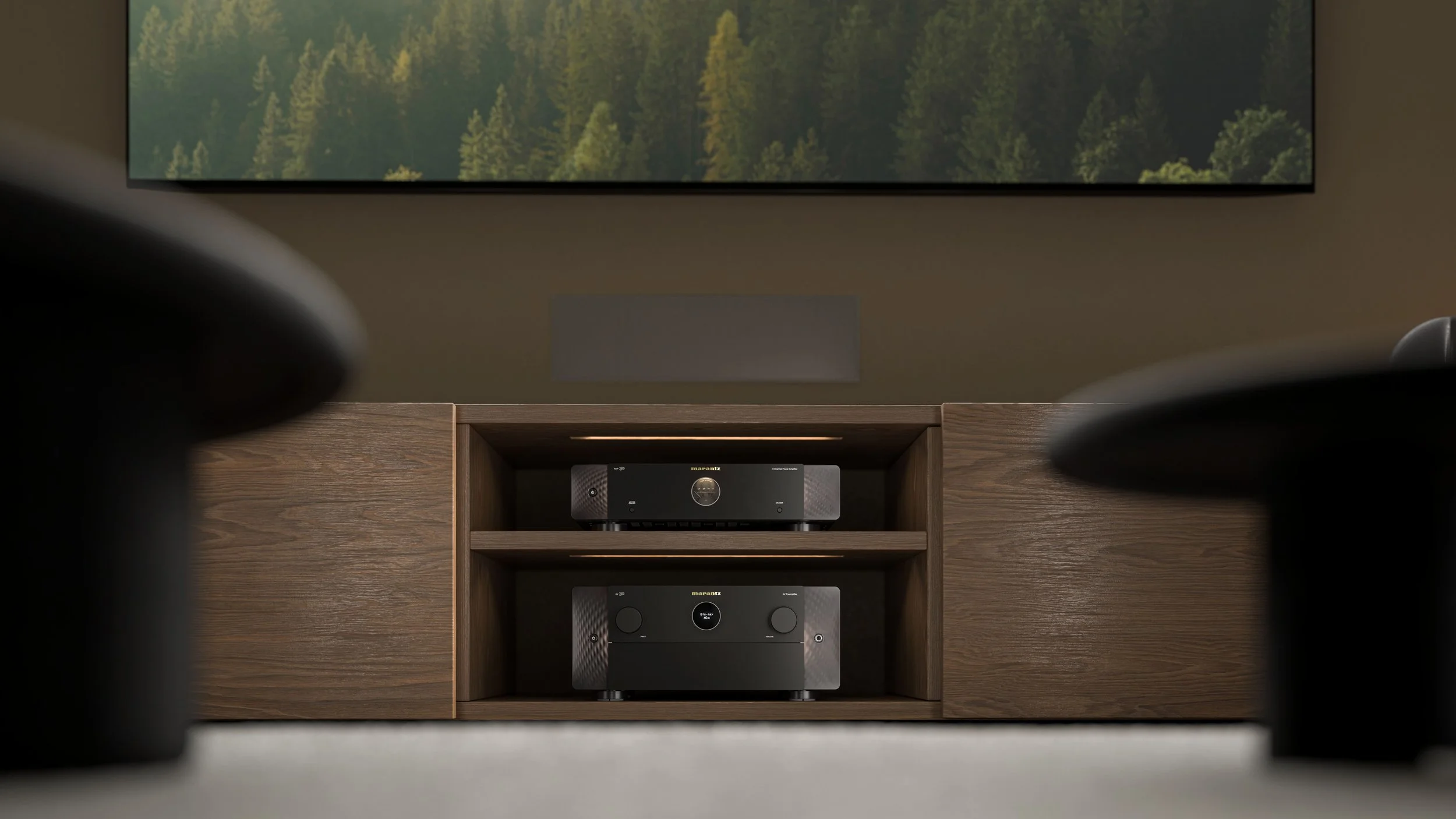
AV 30 & AMP 30
System Ideas and Recommended Configurations
To make the lineup easier to visualise, here are a few strong system routes we often find ourselves recommending, depending on room size, speaker demands, and how far you want to push performance.
1) Cinema 70s
Best bang-for-buck one-box solution. Has all the crucial technologies, key features and enough channels for most simple AV applications & at a very reasonable price. It won’t give you the ‘wow’ factor but can certainly bring a big smile with the right speaker pairing.
2) Cinema 60 + Stereo Power Amp
If you’re already an owner of a 2-channel system, repurposing your existing amp to take care of powering the front speakers (ideally via AV Bypass / HT input), whilst the Cinema 60 gives access to heaps of surround options and enough power to amplify additional speakers.
3) Cinema 40 (Premium all-in-one AVR sweet spot)
A brilliant high-end solution for most living rooms and many dedicated spaces. Cinema 40 paired with a strong speaker package and correctly configured room correction will deliver a seriously immersive result with minimal complexity.
4) Cinema 30 (One box, high-end)
This is the all-in-one but no compromises option. Cinema 30 is a genuine step toward separates-like performance without needing external amplification, and it can handle demanding speakers far better than most AVRs.
5) Cinema 40 + AMP30 (Hybrid upgrade for demanding speakers)
A very smart route for customers who want to keep the simplicity of Cinema 40 but step up control where it matters most. Use Cinema 40 to power surrounds/Atmos, while AMP 30 strengthens the front soundstage. Bridge Mode can be used for all LCR speakers or alternatively to power L+R and surrounds, leaving 2-channels of amplification to bridge the centre. A great upgrade path for Cinema owners who want more punch, control and scale.
6) AV30 + AMP10 (Small speaker count, reference punch)
Even if you are only building something like a powerful 5.2 system, AV30 can be paired with AMP10 using BTL mode for extremely high power into the speakers that matter most. It becomes a compact, premium system where quality is prioritised over sheer channel count.
7) AV20 / AV10 + AMP20 / AMP10 (True reference building blocks)
This is for dedicated rooms, complex layouts, and customers who want full reference architecture and long-term scalability. The system can be tailored precisely. High channel counts, multiple subs, and the ability to scale amplification intelligently, including bridge options for maximum front speaker performance.
Final Thoughts
Moving to separates isn’t about chasing specs or adding boxes for the sake of it. It’s about system architecture, control, and giving each part of the chain the space to perform at its best.
Marantz’s AV and AMP components make that transition unusually logical. The design philosophy, sonic character, and usability remain consistent, while performance, scalability, and speaker control step into a different category altogether. Whether you’re building a compact but extremely capable system or a fully realised reference theatre, the platform scales in a way that very few brands manage to achieve cleanly.
Most importantly, the gains are not subtle when the system and room justify the move. Greater composure, improved dynamics, lower perceived strain, and a more effortless presentation are exactly what you should hear — and exactly what these components are designed to deliver.
If you’re wondering whether separates are the right next step, there’s still only one reliable way to decide. Sit down and listen. When everything is correctly matched, the answer tends to be obvious within minutes.
If this blog was of interest, have a read of our previous AV related blogs found below:
Bringing the Cinema Home: What to Know Before Building an AV System
Centre Stage: The Speaker That Holds It All Together
Thanks for reading.
Dan, Gareth & Rishi - Audio T Reading
If you have any questions about any of the equipment featured in this article, or any other hi-fi or home cinema enquiries, be sure to Contact Us
If you’ve enjoyed this, why not go ahead and read some more of our other blogs, and be sure to follow us on our social media channels below…