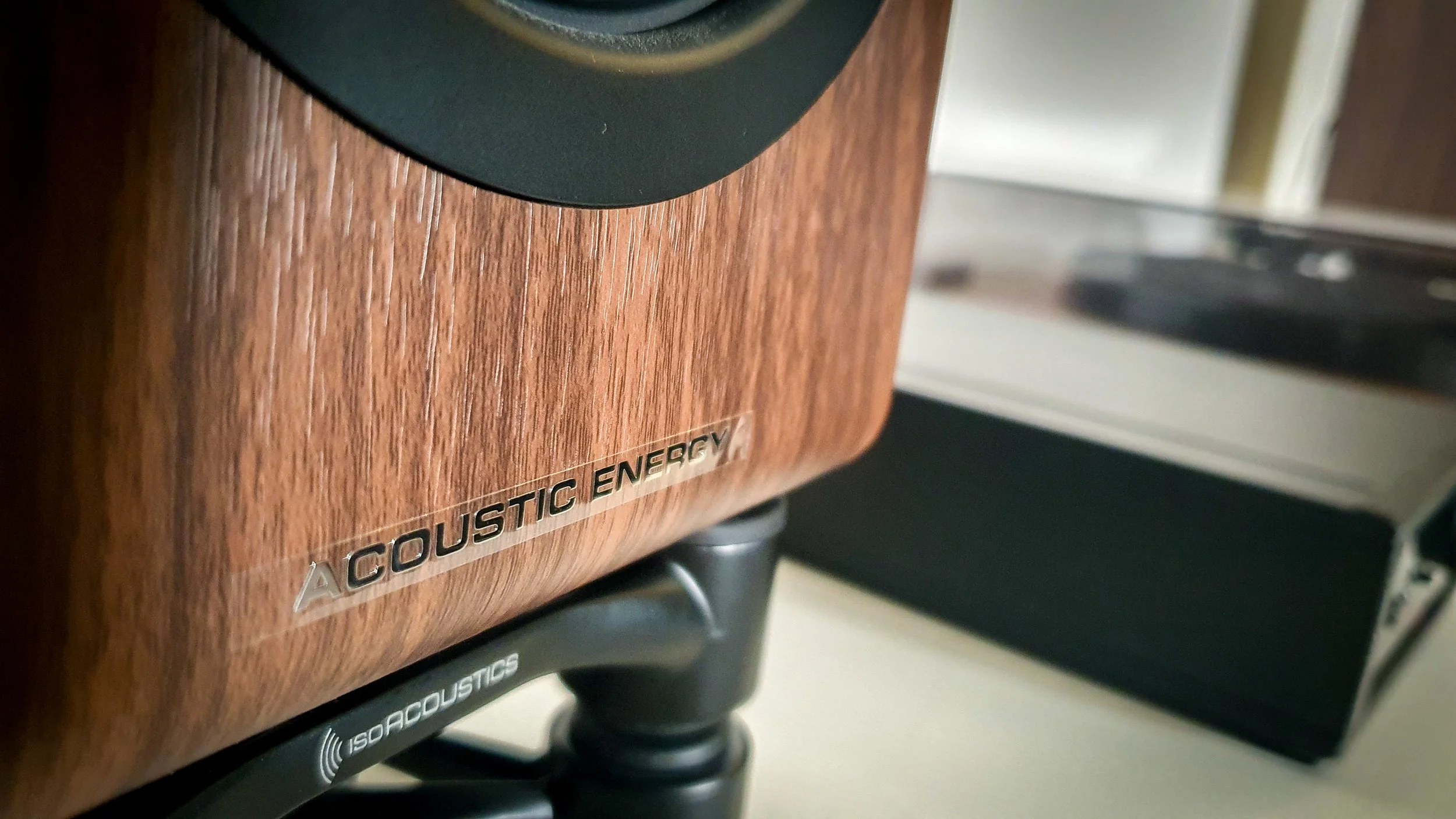
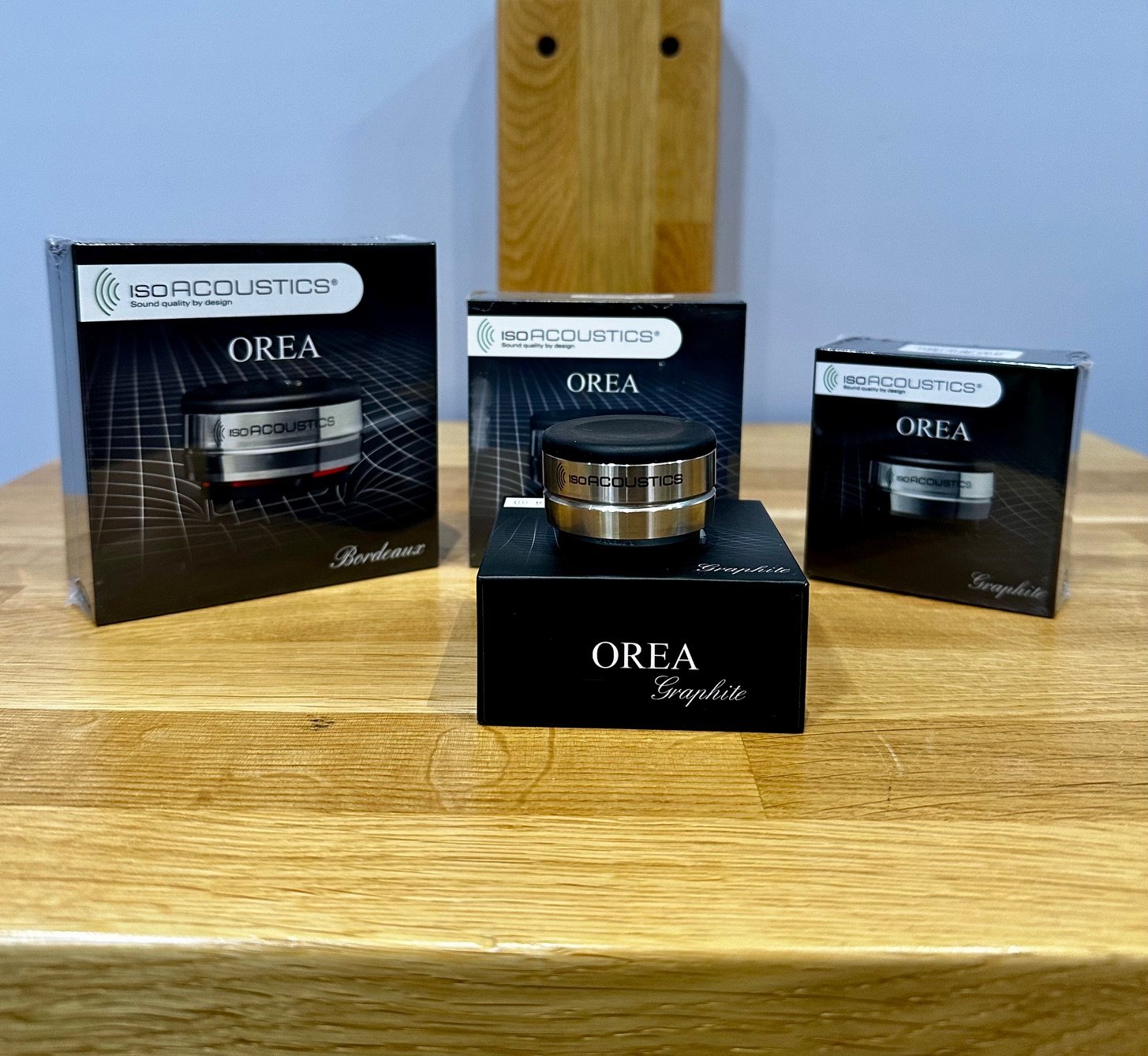
Like a lot of great audio innovations out there, IsoAcoustics was born in the recording studio. This is where the now company president and co-founder of IsoAcoustics, Dave Morrison, and co-designer and inventor, Robert G. Dickie, both from Ontario, Canada, started.
Dave and Robert's ideas took shape whilst working with television and sound studios such as CBC (Canadian Broadcasting Corporation) back in 2010, using their patented speaker stands to help isolate and control the speaker system within the studio. But isolation work with CBC studios wasn’t only limited to speaker stands. Dave also worked on the structural side of the very building they worked in, using isolation treatment under the suspended floors, helping to create the perfect studio recording environment.
Dave’s passion for sound and attempting to recreate perfect audio has helped many studios around the world. All their hard work and design resulted in the birth of IsoAcoustics in 2012. The rest, as they say, is history…
“How do IsoAcoustic products work?” I hear you ask!
First, imagine a perfectly still pond. Now imagine throwing a stone into said pond. When the stone hits the water, you can clearly see the ripples expanding across the water’s surface.
What does isolation have in common with ripples in a pond, I hear you ask? Well, this is how sound waves work. They radiate in all directions away from the source, the only significant difference is that we can’t see them.
The issue with isolation when it comes to Studio, Hi-Fi or Home Cinema equipment is that we’re not just dealing speakers, sound waves and standing waves (the bouncing of sound waves between fixed points). We also have to deal with vibrations created by the physical components.
All of these waves and vibrations are moving the air around us, which affects our listening space and, more importantly, our listening experience and thus the enjoyment of music.
There’s a lot of physics involved in all of this. For example, when a loudspeaker cone moves forward pushing air, the opposing force wants the enclosure to move backward. In an ideal world, the cabinet would not move or vibrate at all. But that is only achieved with an enclosure of infinite mass, which is a physical impossibility.
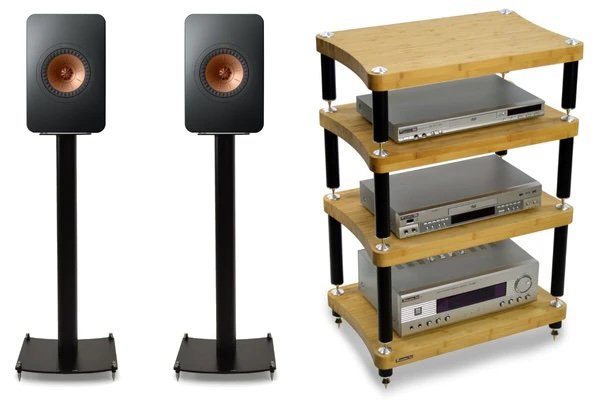
But that problem isn’t limited to just the cone and cabinet. A loudspeaker will sit on something, whether that be the floor, a desktop or speaker stand, each surface will have the same problem opposing forces and vibrations. The unwanted resonant frequencies and vibrations from the speaker work their way through the surface they sit on. Obviously most floorstanding speakers will use spikes to attempt to quell these effects by dramatically reducing the touching surface areas… But that’s not enough.
So, I guess that leads us on to question of “How does an IsoAcoustics product help to counteract these problems?”