
9 of the Best Tracks for Testing Your Hi-Fi System
/Everyone has that handful of tracks they know inside out. The ones they have heard hundreds of times across countless systems, where even the smallest change in presentation immediately stands out.
Whether we are installing a new system in a customer’s home, comparing components in one of our demonstration rooms or simply listening to the latest equipment arrivals, these tracks are never far away.
Some are chosen for their imaging, while others test bass control, dynamics, timing or vocal realism. A few simply tell us whether a system sounds right.
Here are nine tracks that regularly appear on our playlists at Audio T Reading.
Billie Eilish – Your Power (Dan)

Billie Eilish has a catalogue full of beautifully recorded material, combining intimate vocals with a clever mix of acoustic instruments and modern electronic production. Your Power has become one of my go-to tracks when setting up a pair of speakers.
It opens with acoustic guitars panned widely across the soundstage, while Billie’s vocal sits firmly locked to the centre. It is an excellent test of stereo imaging and is often the first track I play when fine-tuning speaker positioning. The vocal should sound completely natural and detached from the speakers, with plenty of detail but without ever becoming harsh or fatiguing.
As the track develops, the production becomes busier and introduces a deep, controlled bassline. This quickly highlights how well the speakers are interacting with the room. If the bass becomes overpowering or boomy, it is often a sign that the speakers need moving slightly further away from the wall behind them. If a subwoofer is involved, its crossover or level may also benefit from a little adjustment.
Once that balance is right, the track sounds effortless from top to bottom.
Maria Mena – I Was Made for Lovin’ You (Dan)

This is one of those tracks that tells me an enormous amount about a system within the first minute. The upright double bass is beautifully recorded, with every note revealing the warmth of the instrument’s wooden body, the definition of its strings and the natural resonance that follows each pluck.
Unlike tracks that simply test how deeply a system can play, this one is all about texture and realism. A good system allows you to follow every bass note effortlessly, while Maria Mena’s vocal remains firmly centred and completely separate from the accompanying instruments. The recording has an intimate quality that quickly exposes whether the lower frequencies sound natural or have become overly thick and congested.
It is not the most spectacular demonstration track, but it is one I return to time and time again because I know exactly how it should sound. Within a minute or two, I already have a good understanding of the overall character of the equipment. If something is not quite right with the speaker positioning or tonal balance, this track usually lets me know.
Ludwig Göransson – Kitty Comes to Testify (Dolby Atmos Mix) (Dan)

The Dolby Atmos mix is available on TIDAL when played through a compatible AV processor or receiver, and it is one of the most impressive demonstrations of immersive audio I have encountered. Taken from the Oppenheimer soundtrack, it immediately reveals how well a surround system has been installed and calibrated.
The introduction sets the tone with a heavily reverberated piano that creates a huge sense of space before the orchestra gradually enters. The string sections extend not only across the front soundstage but also into the side channels, creating an enveloping presentation.
Rather than sounding like effects fired from individual speakers, the orchestra blends seamlessly through antiphonal exchanges, with musical phrases passing naturally between different sections. On a well-calibrated Atmos system, the room should disappear completely, leaving you surrounded by one cohesive performance rather than a collection of speakers.
That is often the difference between an average surround system and an exceptional one. You should not find yourself listening to individual speakers. Instead, everything should merge into one continuous soundfield, creating a convincing three-dimensional bubble around the listening position.
Towards the finale, the soundtrack introduces a series of exceptionally deep and powerful bass notes. This is an excellent test of a subwoofer’s ability to deliver low frequencies with both authority and control. A capable subwoofer should reproduce these notes effortlessly, without strain or boominess, while integrating seamlessly with the main speakers.
It is also a track I frequently use when positioning a subwoofer, as those sustained low frequencies quickly reveal room modes, dead spots and peaks. Simply moving the subwoofer, or even the listening position, while playing this section makes it much easier to identify the placement that provides the most even bass response across the room.
Once Kitty Comes to Testify finishes, I almost always follow it with Ground Zero from the same Dolby Atmos soundtrack. It continues many of the same themes, testing dynamic impact, low-frequency control and, most importantly, whether every speaker in the system is working together as one seamless whole.
Tom Misch – Goldie (Rishi)
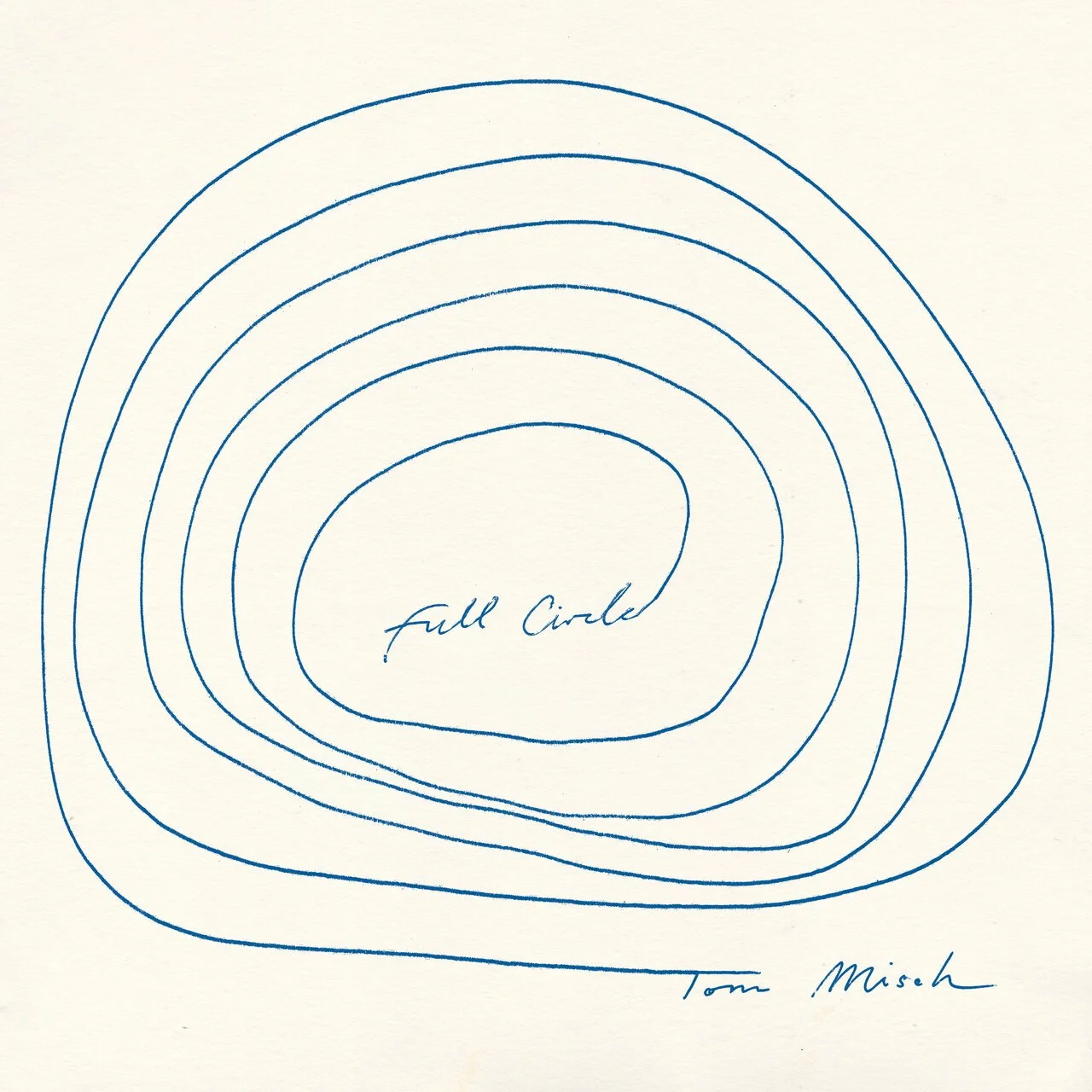
Tom Misch’s Full Circle marked his return to music after taking time away following burnout, and it is an album full of beautifully natural performances and exceptional recording quality. The vocals were recorded using a vintage Neumann U47 microphone, helping to give the album its rich, warm and intimate character.
On Goldie, the opening acoustic guitar tells us a great deal about a system. Does it sound like real wood and steel strings, with body and resonance, or does it simply sound like another guitar recording?
One of the first things we listen for is the subtle squeak of fingers moving across the fretboard. A revealing system showcases these details, but it should present them naturally as part of the performance rather than drawing unnecessary attention to them.
When Tom’s voice enters, it should appear firmly centred between the speakers, with the right sense of scale and presence. Too far forward and it can become fatiguing. Too recessed and some of the emotion is lost.
Above all else, this is a track that reminds us that great hi-fi is not only about hearing more detail. It is about preserving the sincerity and warmth of a beautifully understated performance.
Thomas Fehlmann – Window (Rishi)

Sometimes, you do not need a complicated recording to expose the strengths and weaknesses of a system. Window is one of those tracks.
Thomas Fehlmann is renowned for his work in ambient and dub techno, and this piece places almost all of its focus on bass performance. Rather than simply asking how deeply a system can play, it challenges how accurately it can reproduce rapid changes in bass notes while maintaining control and rhythm.
Listen carefully as the bass synths arrive in quick succession. A capable system keeps each note distinct, allowing you to follow every transition with ease. If the amplifier or speakers struggle, those notes begin to blur together, turning what should be a dynamic and tuneful bassline into something much flatter and more one-dimensional.
When everything is working together, the track has tremendous pace and agility, with an expansive soundstage that gradually unfolds behind the driving low frequencies.
It is a brilliant demonstration that bass is not just about quantity. It is about timing, texture and control.
Evgeny Grinko – Grass, Dew and Marmalade (Rishi)

Not every test track has to challenge a system technically. Sometimes, the best recordings simply ask one question: does it move you?
Evgeny Grinko’s Grass, Dew and Marmalade is built from remarkably simple ingredients. Delicate piano lines provide the foundation, while softly textured strings gradually build the emotion before opening into a sweeping orchestral climax.
Rather than analysing every detail, we simply sit back and listen. Can the piano float effortlessly between the speakers? Do the strings carry genuine emotion without becoming harsh? Most importantly, does the crescendo create that moment when the hairs on your arms stand up?
Recorded at Berlin’s renowned Funkhaus, the production is wonderfully spacious and natural, allowing a capable system to reveal subtle layers without ever sounding forced.
If a hi-fi system can draw you into the music and make you forget that you are listening analytically, it has done exactly what it was designed to do.
Miles Davis – Circle (Gareth)
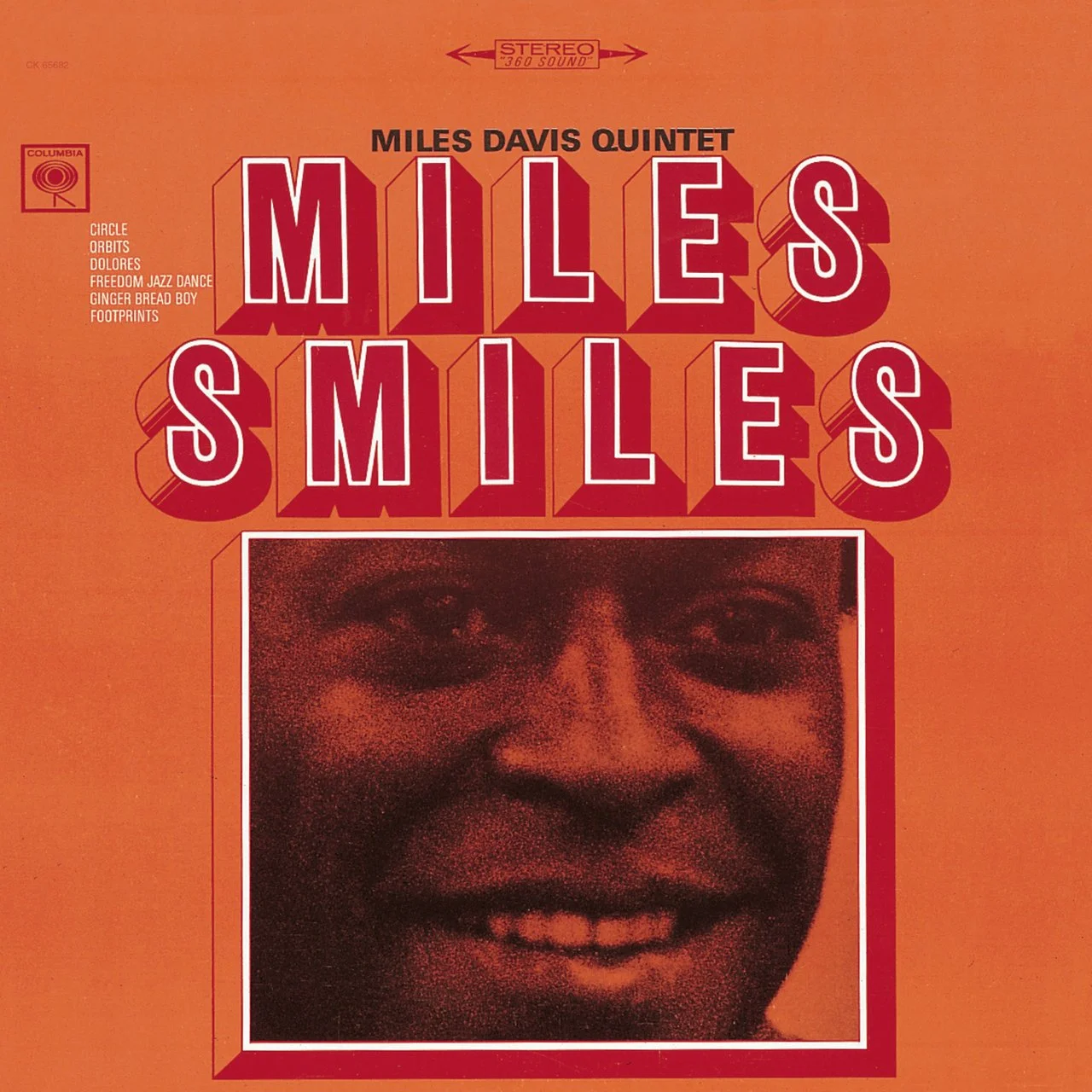
When Miles Davis appears in a hi-fi demonstration, it is usually Kind of Blue taking centre stage, and rightly so. My personal favourite, however, comes from a little later.
Miles Smiles, recorded in 1966 with Davis’ legendary Second Great Quintet, captures the group at the height of its powers.
Circle opens with Miles’ unmistakable Harmon-muted trumpet before Wayne Shorter and Herbie Hancock each take a turn in the spotlight. A well-balanced system allows every instrument to retain its own character, making it easy to follow the subtle musical conversations taking place between the players.
Rather than presenting the band as a single, blended mass, great hi-fi reveals the interaction, timing and chemistry that made this quintet so extraordinary.
If you enjoy this track, do not stop there. The entire album is an exceptional recording and a reminder that some of the finest jazz performances ever captured still have plenty to teach today’s hi-fi systems.
Azu Tiwaline – Long Hypnosis (Gareth)

Azu Tiwaline is one of those artists who quietly creates something completely unique. Drawing inspiration from electronic music, dub and the traditional sounds of the Sahara, her music builds hypnotic rhythms that constantly evolve without ever feeling repetitive.
Long Hypnosis, from The Fifth Dream, is an excellent test of timing and rhythmic precision. Multiple percussive patterns weave together throughout the track, and a capable system keeps every layer organised and easy to follow.
If the timing begins to slip or detail is lost, those intricate rhythms can start to sound muddled and disconnected.
When a system gets it right, however, everything locks together effortlessly, creating an immersive and almost trance-like experience. It is a wonderful reminder that rhythm can be every bit as revealing as imaging or frequency response.
Jean Sibelius – Symphony No. 6 (Gareth)

For orchestral music, it is difficult to look beyond Jean Sibelius’ seven symphonies, and Symphony No. 6 remains my personal favourite.
Completed in 1923, it combines a wonderfully understated orchestral palette with remarkable emotional intensity. Unlike many large-scale classical works, this symphony rarely becomes overwhelmingly loud. Instead, it relies on subtle dynamics, delicate textures and the natural colour of the orchestra to build its atmosphere.
My preferred recording is by the Lahti Symphony Orchestra, conducted by Osmo Vänskä, on the BIS label. A revealing hi-fi system allows each section of the orchestra to occupy its own space while preserving the coherence of the performance as a whole.
It is less about dramatic fireworks and more about allowing the music to breathe naturally.
After you have explored the other tracks in this list and fine-tuned your system, sit back, press play and let Sibelius remind you why we all fell in love with listening to music in the first place.
What Tracks Do You Use to Test Your Hi-Fi?
Of course, this list is far from definitive. Every member of the Audio T team has their own collection of go-to tracks, and every music lover has those songs and recordings they know inside out.
Whether it is a piece of music that always gives you goosebumps, exposes a weakness in a system or simply sounds incredible on a well-set-up hi-fi, we would love to hear it.
Leave us a comment with the tracks you always reach for when testing your system. We are always open to discovering new music that could become our next favourite demonstration track.
Thank you for reading.
Dan, Gareth & Rishi – Audio T Reading
If you have any questions about this article, or any other hi-fi or home cinema enquiries, be sure to Contact Us.
If you’ve enjoyed this, why not go ahead and read some more of our other blogs, and be sure to follow us on our social media channels below…