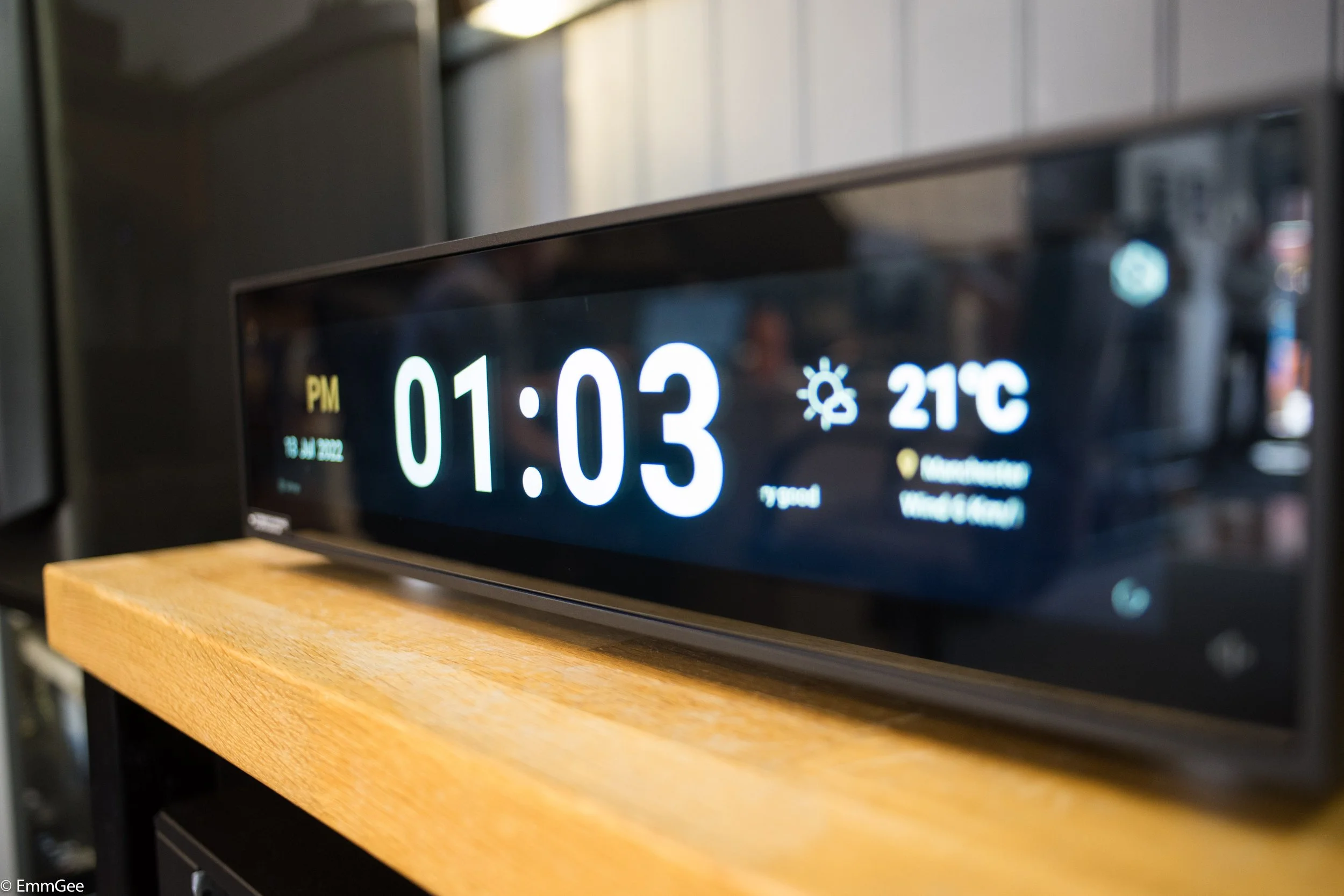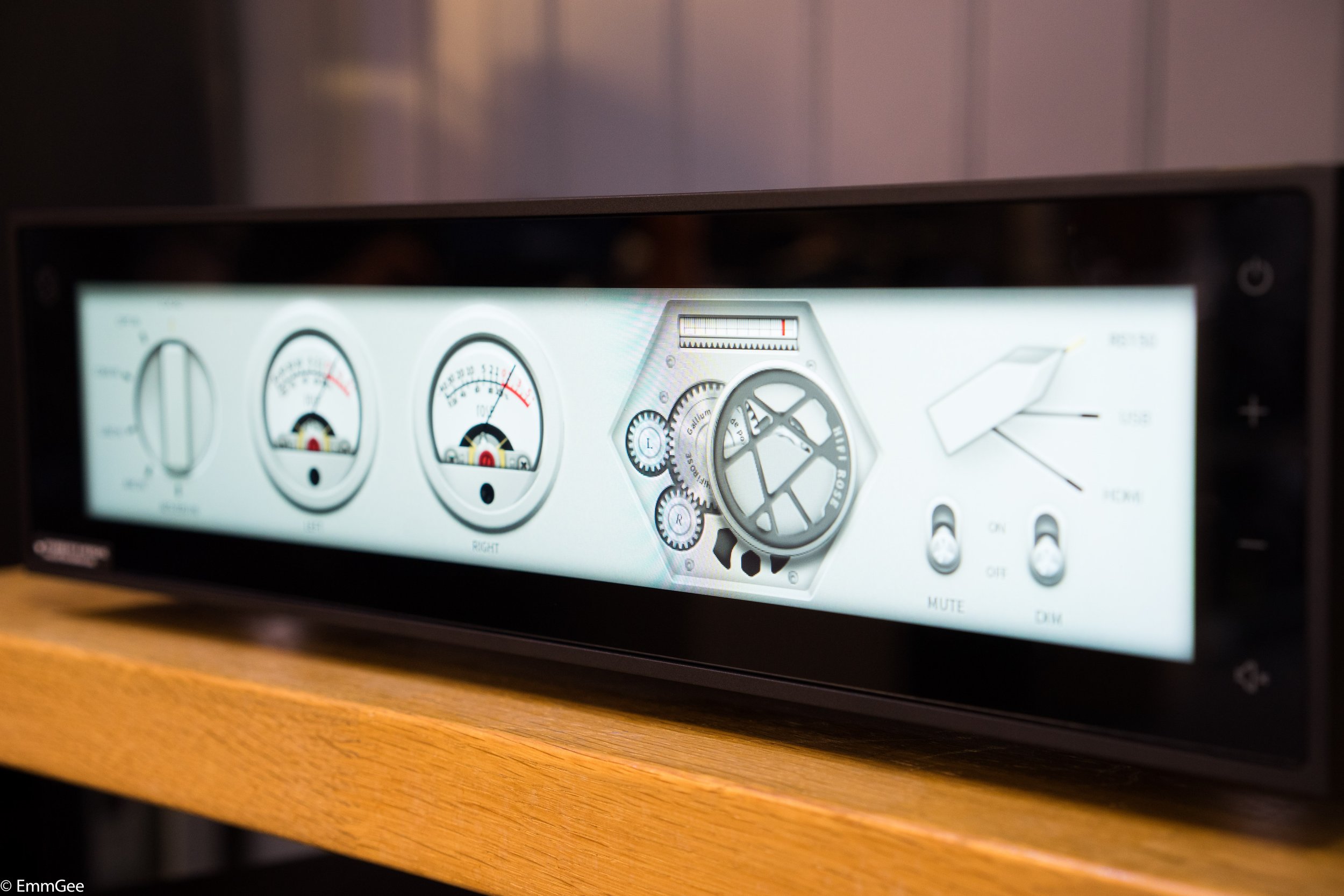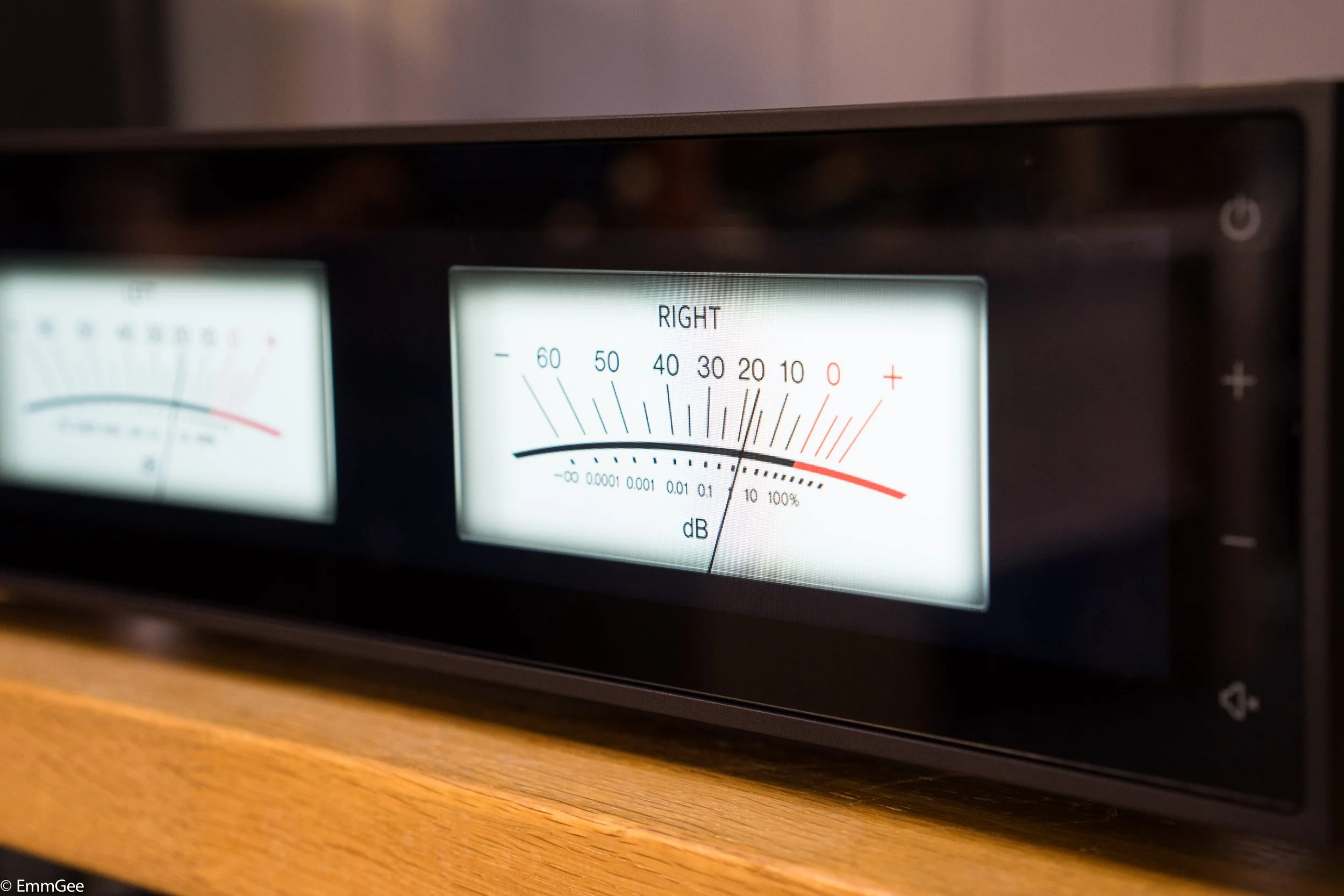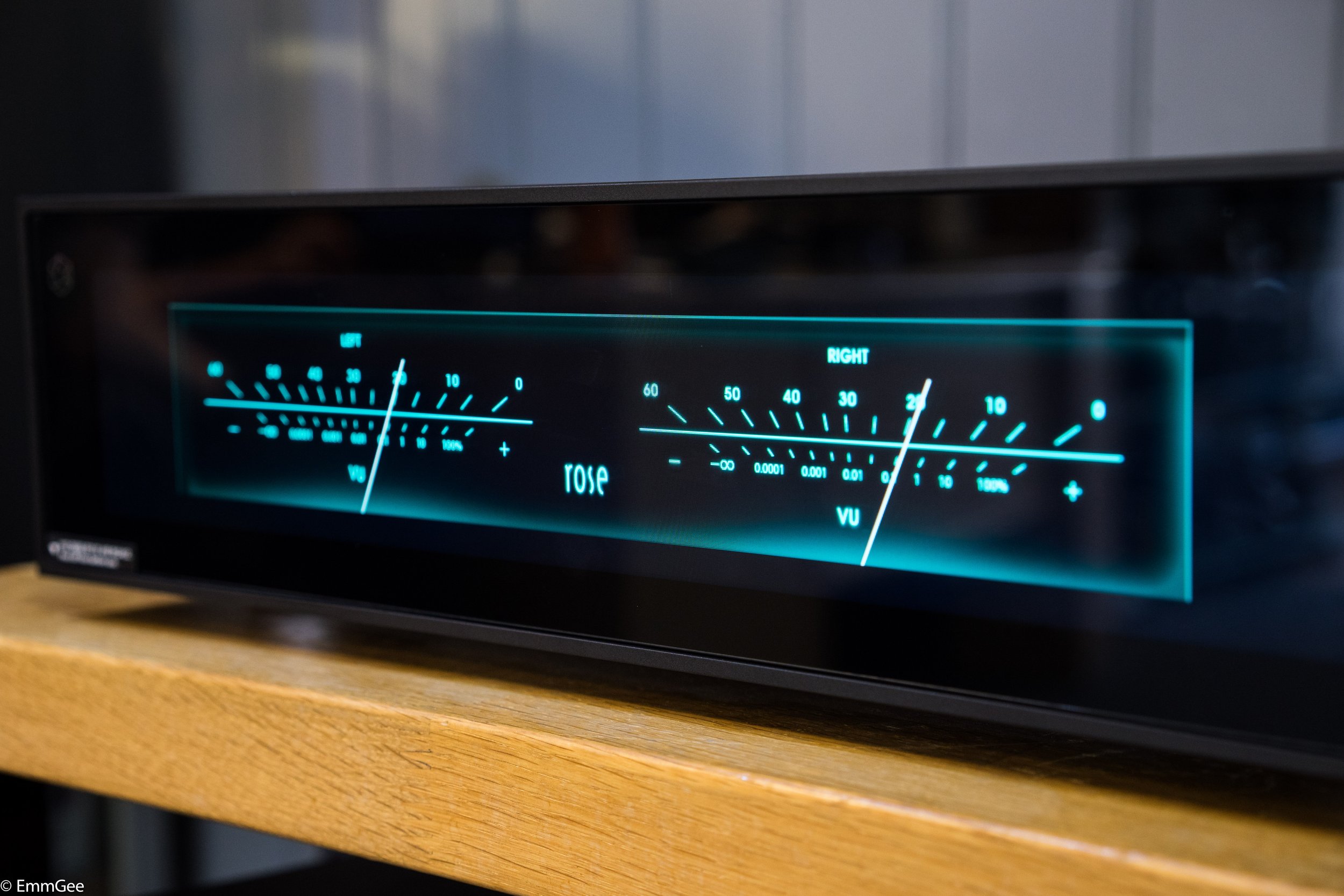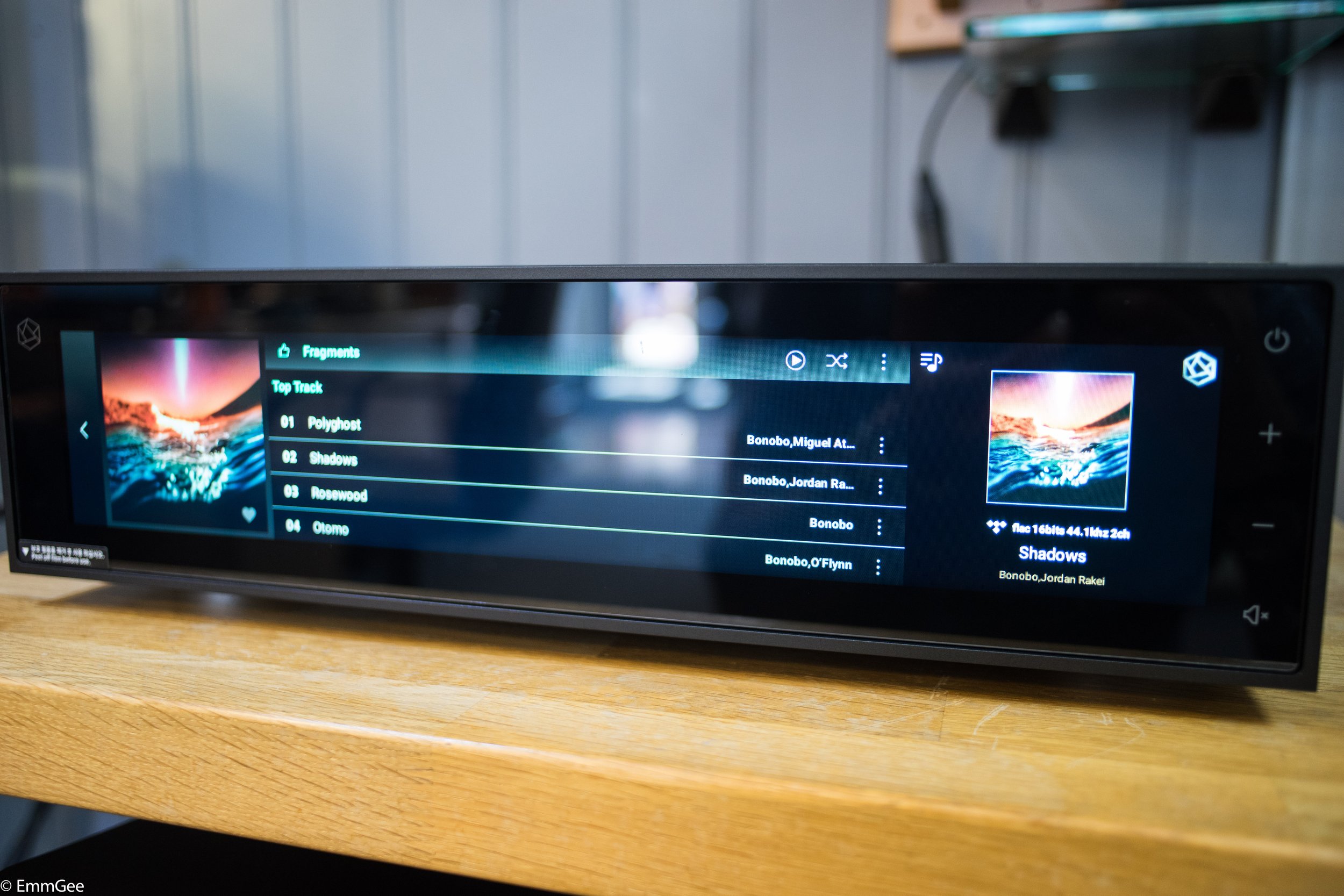
Great features, wide connectivity and great sound… Denon & Marantz Microsystems!

All-in-one music systems are very popular with a wide range of consumers for a whole host of good reasons. Not only are they are they a fantastic introduction to the world of Hi-Fi for many, but they are also a perfect secondary system for the most experienced of audiophiles due to their compact size.

These tiny boxes are packed full of features, but how do they sound? Let’s find out…
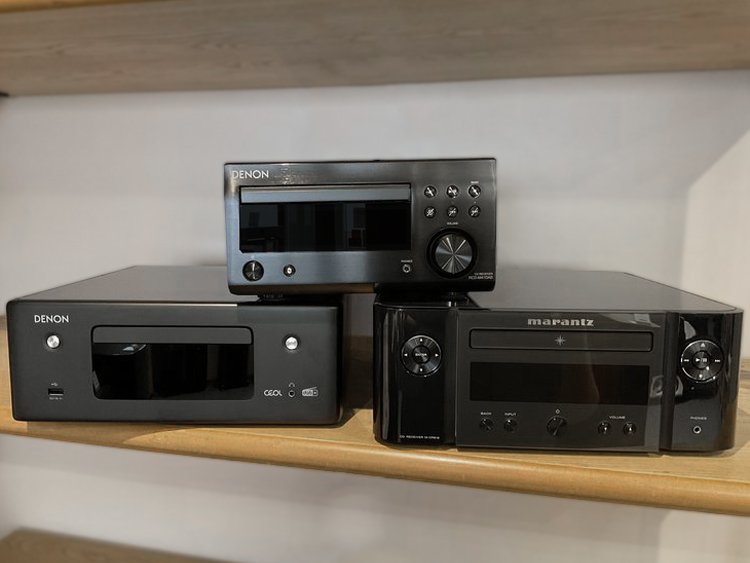
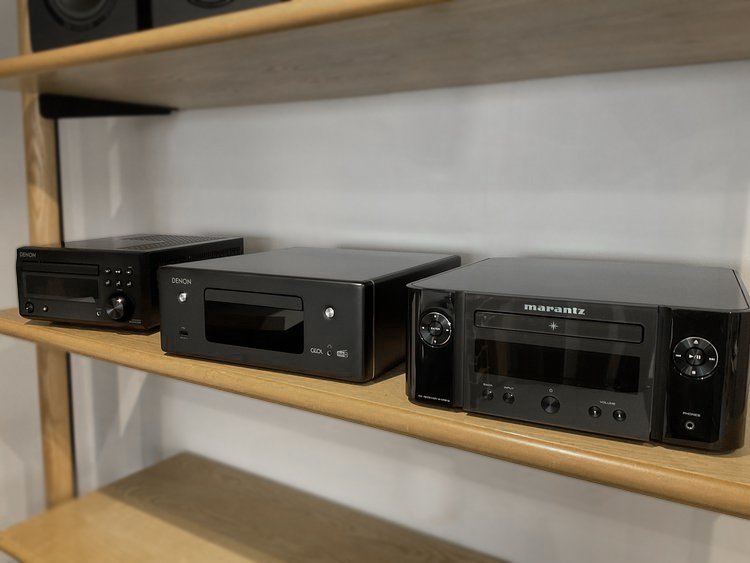
The three systems we want to show you in this article are -

Whilst some of these models are available as bundles with speakers branded by the original manufacturer, we think that this can limit your choice to get the best out of the system. As you’ll already know, we stock a wide range of speakers that we are happy to set up alongside one of these microsystems, and tailor the sound to your needs.

Denon RCDM-41 DAB

The entry-level price point of our trio comes in the form of the Denon RCDM-41 DAB. This great system is available in either black or silver, allowing you to fit it in to any classic or contemporary environment.

The RCDM-41 DAB combines an amplifier of 2 x 30 watts per channel with a CD player, a DAB/DAB+/FM radio tuner and Bluetooth music streaming. It also includes a headphone socket, which is nice touch that allows you to enjoy your music even late at night.

Denon RCDM-41 DAB - The front panel looks neat and tidy and you get all important buttons to control the system.

Tone controls are built in to the system, meaning that bass, treble and balance can be easily adjusted. You’ll also find a clock, a sleep timer and even a programmable timer added to the list of features.
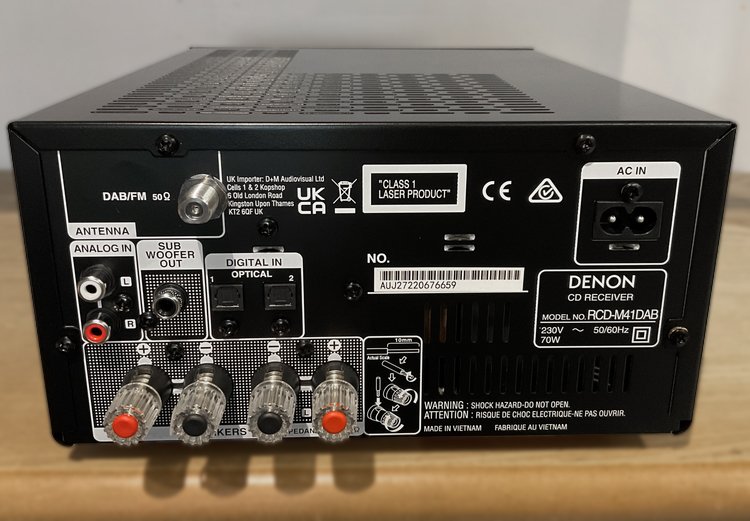
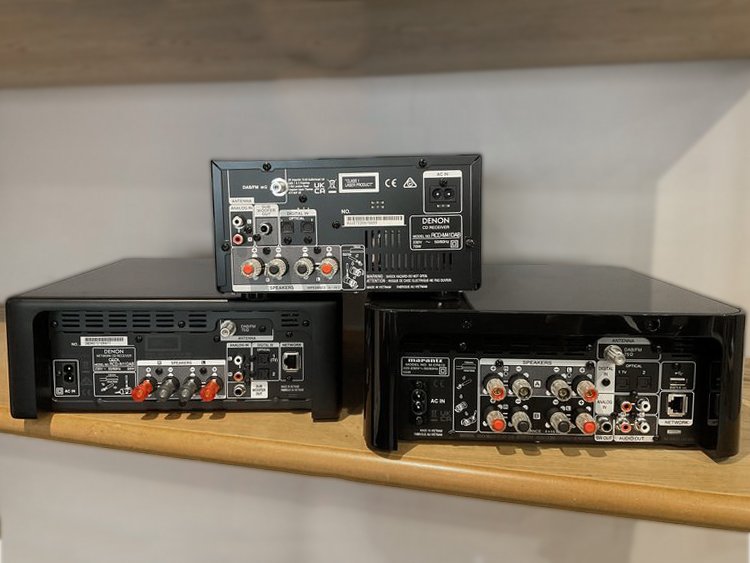
Denon RCDM-41DAB rear panel - Plenty of inputs

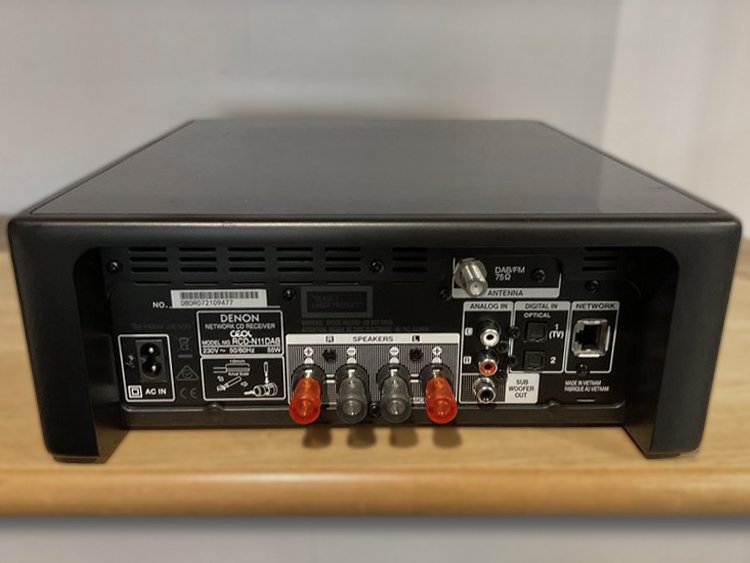
On the back, you’ll find a set of decent loudspeaker terminals and the very useful analogue input to plug in a turntable phono stage. The two digital optical inputs will take care of a TV, set-top box, games console or video streamer. For extra bass just connect a subwoofer.

We’re big fans of this system and love the sound, especially considering the modest price point. Having demonstrated this countless times in store, we’ve found some great tried and tested speakers to partner with the RCDM-41 DAB to be -

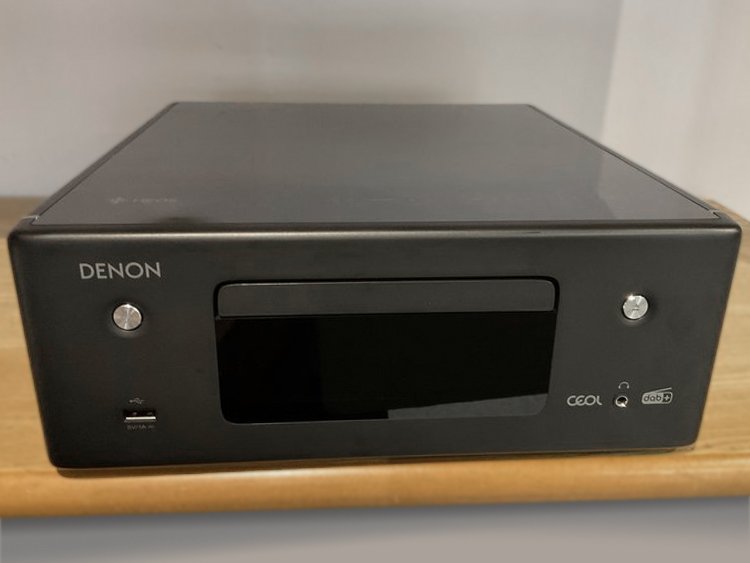
Denon RCD-N11 DAB - HEOS Music Streaming and Multiroom ready
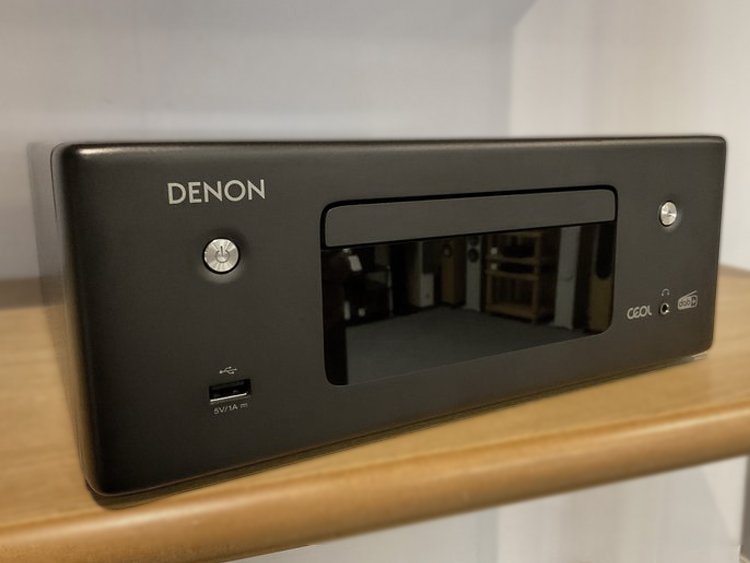
Like the Denon RCDM-41 DAB, the Denon RCD-N11 DAB is a system that includes a CD player, DAB/DAB+/FM radio tuner, Bluetooth music streaming and the same number of inputs and outputs. In addition, Denon have included HEOS - HEOS what is that?

Stream Music with HEOS - Denon/Marantz wireless multiroom audio platform

HEOS (Home Entertainment Operating System) is a wireless multi-room audio platform from Denon/Marantz, and it is fun to use. HEOS works through your existing Wi-Fi home network. Connect any Denon/Marantz product with built-in HEOS music streaming to your home network (wirelessly or hard wired) and you can enjoy Spotify, Amazon Music HD, TIDAL, DEEZER, SOUNDCLOUD, Napster and TuneIn. Apple Airplay 2 is included, too.
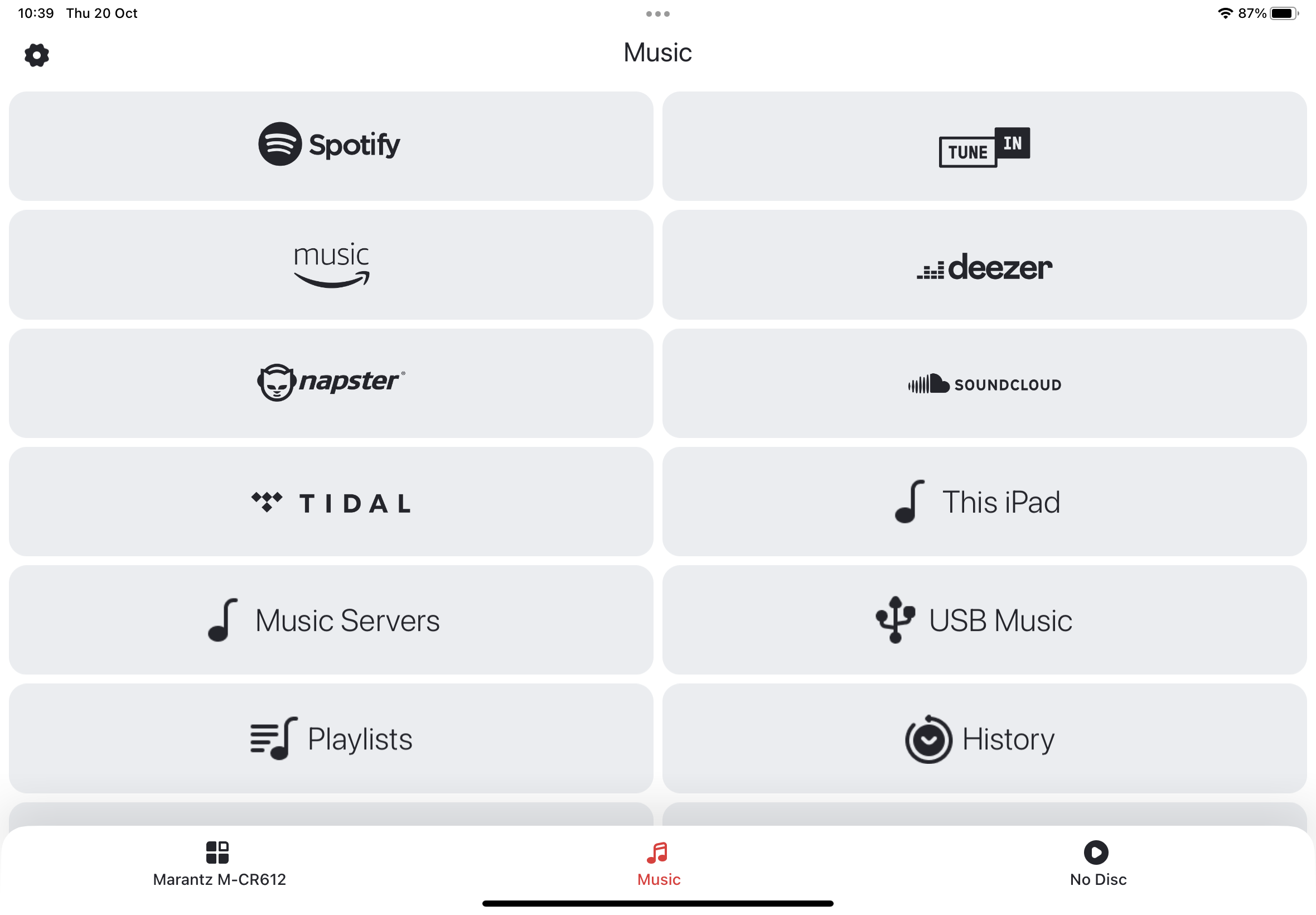
Music streaming via the HEOS app

HEOS, which is now included in many Denon & Marantz home cinema receivers, wireless music streaming speakers and all-in-one music systems, can be selected for multiroom music via the HEOS app. This app is free and available for Android and Apple iOS. We use this app daily here at the Swindon showroom and find it works really well and is extremely stable, as well as user friendly.
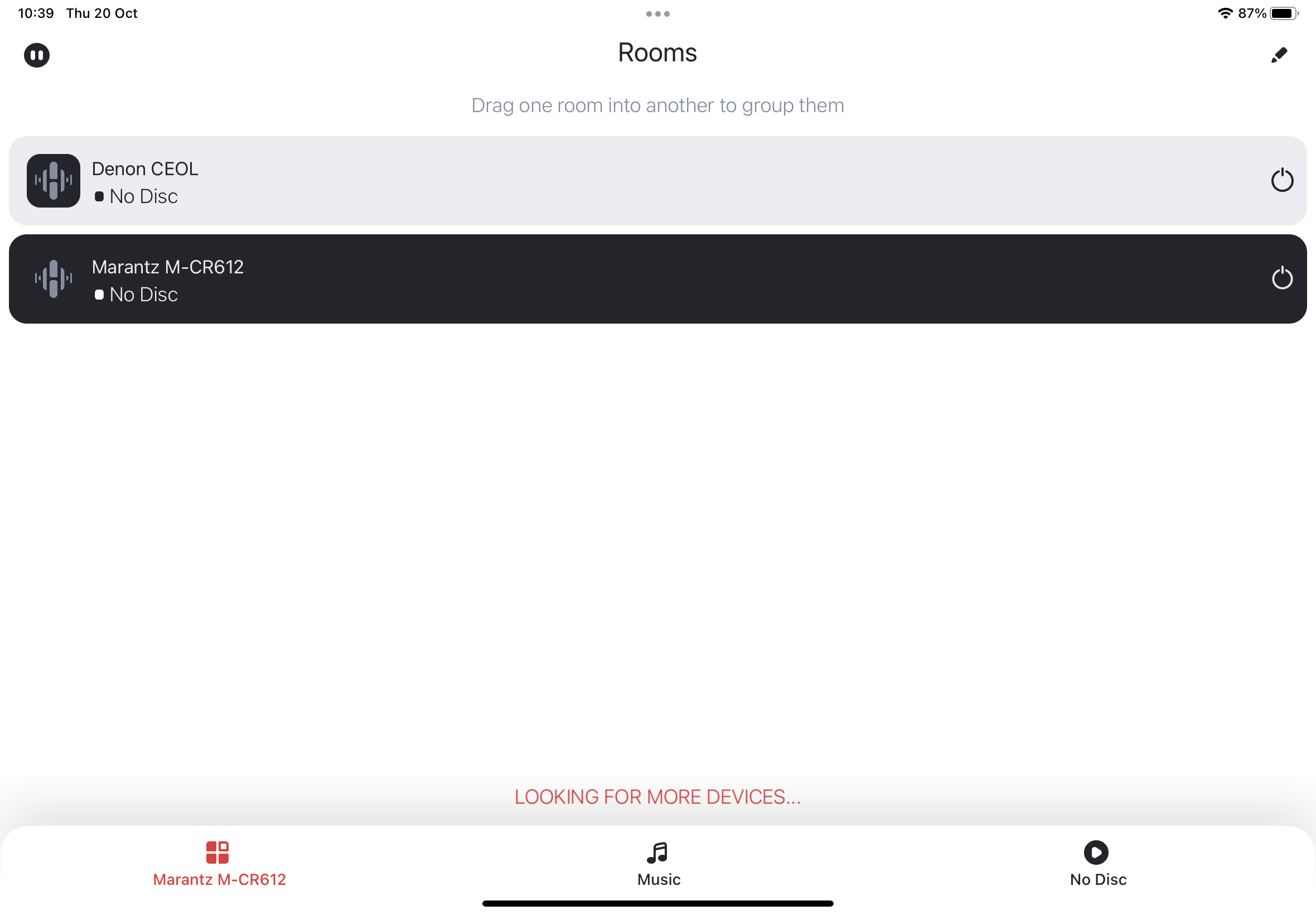
Multiroom music play back via the HEOS app

The Denon RCD-N11 DAB music system with HEOS music streaming (available in black, grey or white) is extremely good value for money and with an output of 60 watts per channel, a pair of B&W 607 S2 or Monitor Audio Silver 50 will work really well with it.

Marantz M-CR612 - Stylish with all your music in one place
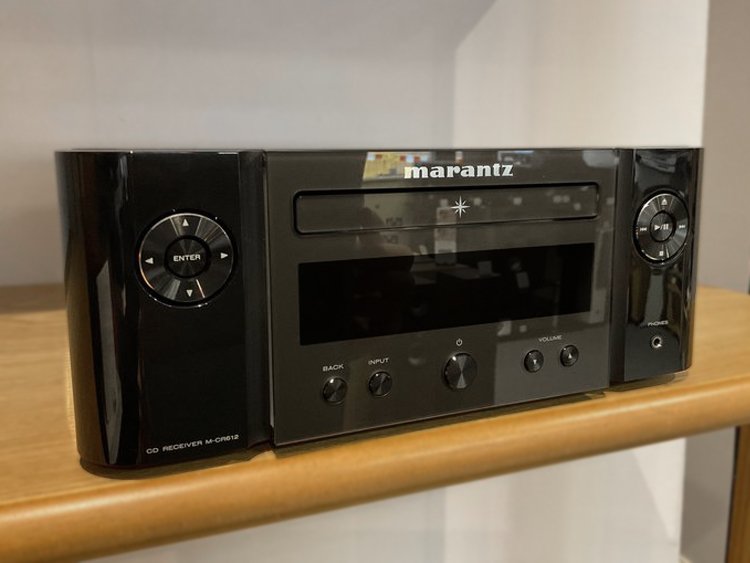
The Marantz MCR-612 is very similar to the Denon RCD-N11 DAB and offers a lot of the same specifications. The question is is - Is there a difference between them? Yes, there is. Although Marantz and Denon share a lot of the same technology, the answer is on the back of the M-CR612.
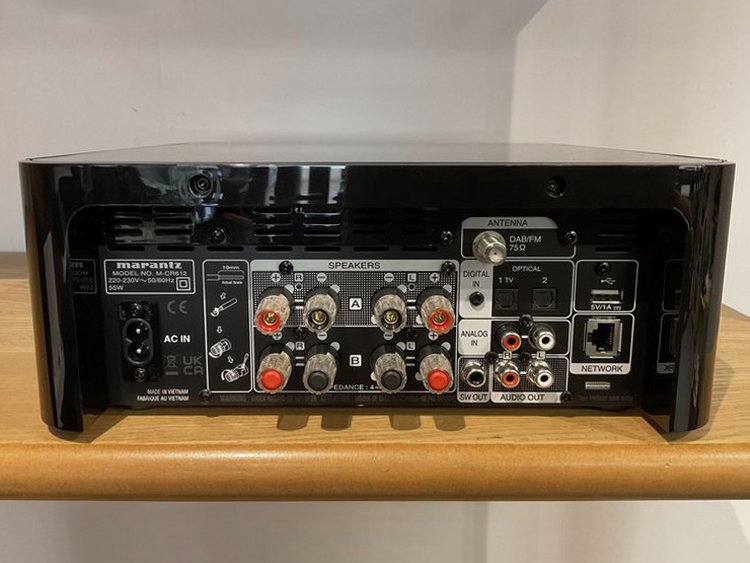
There are two sets of loudspeaker outputs, and they can be used to power one pair of speakers (Speakers A) or two pairs of speakers (Speaker A&B). Perfect for someone who wants to listen to music in two separate rooms.

Bi-Amping - More control for a better sound

Another option is bi-amping. If the speakers have bi-wire terminals (4 sockets on the back), Speakers A&B can be configured to drive one pair of speakers. We would recommend trying it as it is a great upgrade to the sound without adding more boxes to the system.

Loudspeakers like Acoustic Energy AE300, Bowers & Wilkins 606 S2 or Dali Oberon 3 are no problem at all for the Marantz M-CR612 to handle. And with HEOS music streaming, CD and radio on board we think it’s a very enjoyable system.
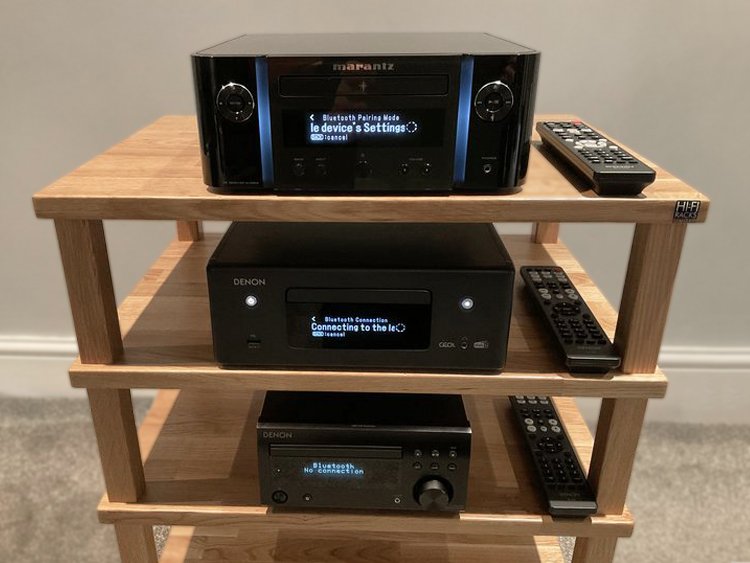
Our Verdict

We truly love these three music systems! Despite their small physical stature and modest price points, they are certainly not to be overlooked. They sound great and look modern & stylish. These little boxes can become the heart of your home entertainment with the addition of a turntable, a TV (set-top box/games console). All you need to add is a pair of speakers of your choice. What’s not to like?

For more information please feel free to call us on 01793 538222 or send an email to swindon@audio-t.co.uk.

Thanks for reading - Stefan & Andy - Audio T Swindon.

If you have any questions about any of the equipment featured in this article, or any other Hi-Fi or home cinema enquiries, be sure to Contact Us.

If you’ve enjoyed this, why not go ahead and read some more of our other blogs, and be sure to follow us on our social media channels below…


Humming to the wrong tune! - How to get rid of unwanted noise.

Are hum and noise in your system driving you crazy? Fear not, we have the solutions for you! Matt from Audio T Cardiff takes a deeper look into these problems and which products can help resolve the issues, from power distribution sockets to other ways of filtering noise and improving sound and hopefully losing some of that unwanted hum or high frequency noise.

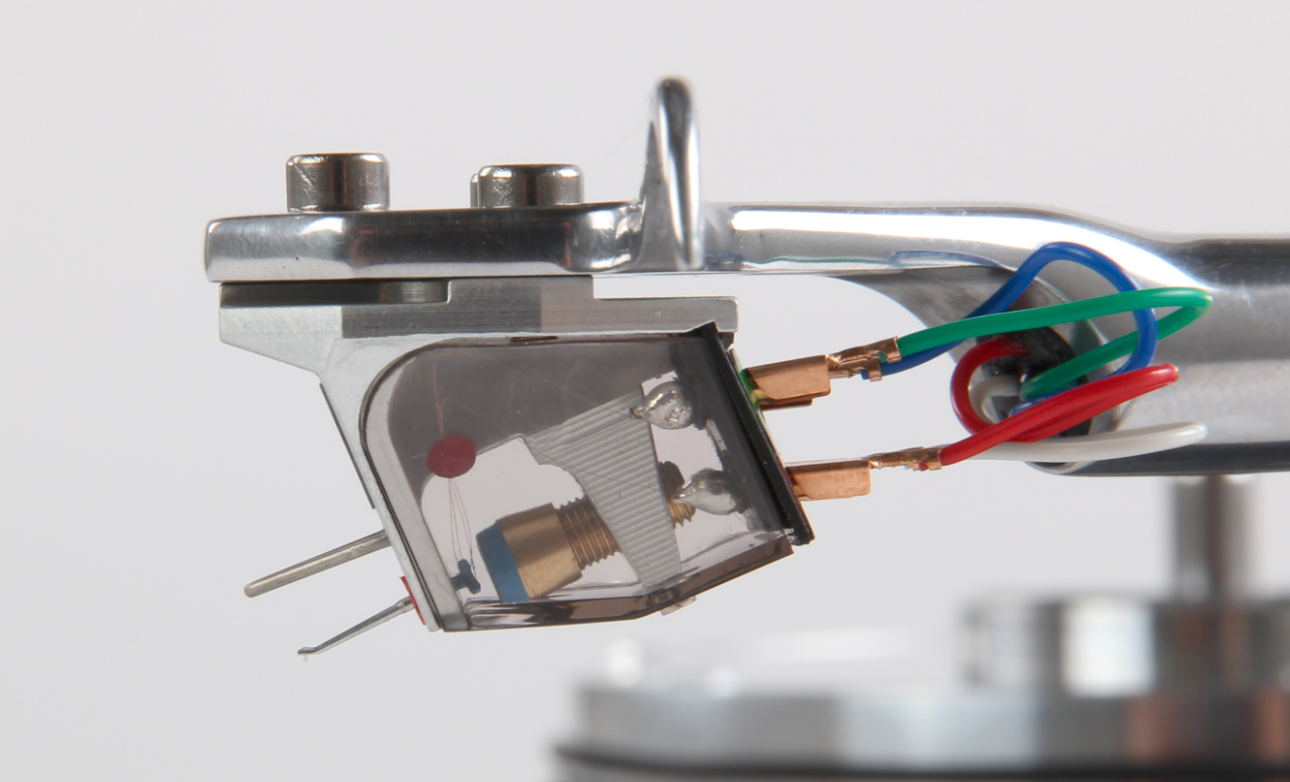
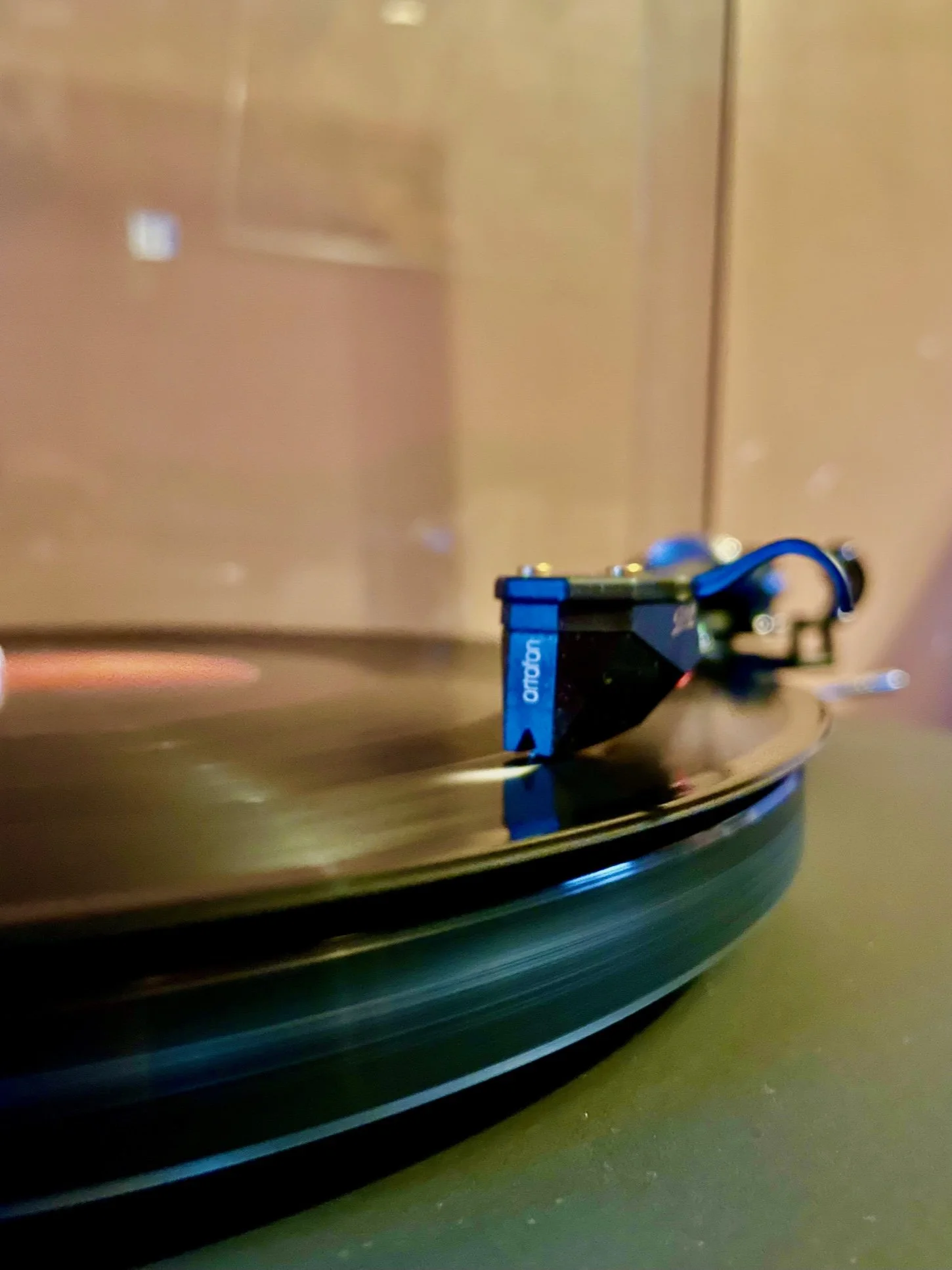
Planar 6 Exact cartridge and logo close up

Moving steadily along my own exciting hi-fi journey, with various changes in my own personal system, I was plagued by that old problem which I am very familiar with, ground hum. My home listening space sadly isn't the most ideal of rooms but it works.

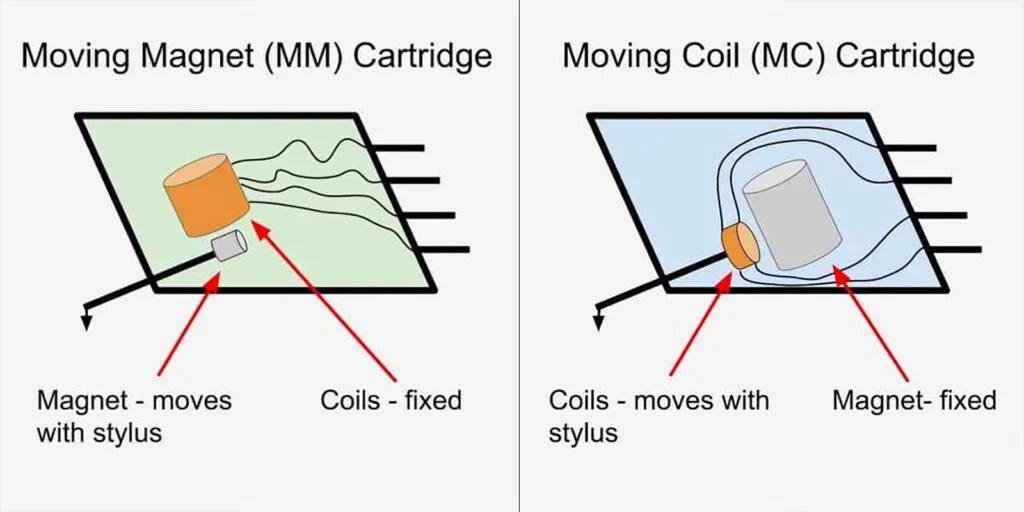
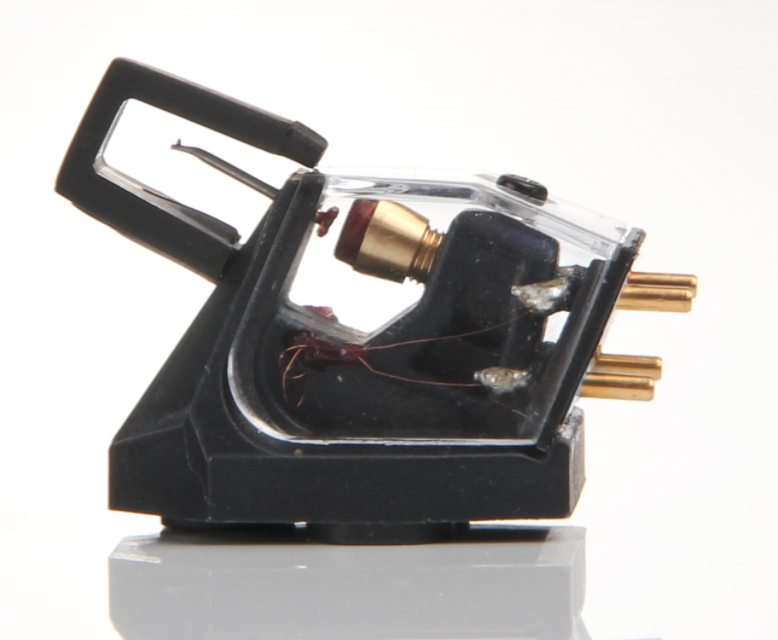
MM & MC cartridge

The room itself is a converted garage and as you can guess the internal wiring from the house to the garage was an afterthought and tagged onto the ring mains of the house. It’s not the cleanest power in this room and leaves it open to noise such as ground hum etc. With my main music source being a Rega Planar 6 turntable, I notice this hum issue more when playing vinyl. Due to the nature of turntables and open pickups they are susceptible to noise. A cartridge is made up of copper windings, a cantilever and magnet open to the elements, thus its gonna pick up some noise and some cartridges pick up more noise than others.

So, what do I do about this hum? A little noise is not bad and to be expected with a turntable whereas a lot of hum is not so good and can be quite distracting. What can I do short of rewiring my house? I started looking into good quality power distribution sockets and ways of filtering out that hum without sacrificing my sound quality. In this article I’ll be taking a look into options such as power cables and plug-ins including power conditioners that can help with noise and improve sound.

What works best?

There are many products out there that can help with noise issues and sound quality in general. We carry a number of options in our shops and I have been able to take bits home and listen for what works best for the problem I have been experiencing with my own system. The problem with electricity is it’s unpredictable, in the sense it can fluctuate thus causing the problems we have mentioned.

Chord Company Music power cable

At Audio T Cardiff, one of our favourite cable manufacturers is Chord Company. This year they have added more options to their power cable and power distribution ranges. Starting with the Clearway power cable , then climbing up the ranks to Shawline, then Epic right up to their flagship Music power cables which utilise Chord Companies Array technology. Quite recently we had the opportunity to try out some of these power cable options including Chord’s new PowerHAUS power distribution sockets, the S6 and M6 , which also contain the GroundArray technology inside.

The PowerHAUS

To say that they made a big difference would sell them short. During our own audition of this new range of power cable and power distribution options from Chord Co. we started at the bottom and worked our way up the range. The sound difference as we progressed was incredible to say the least. For instance, I put on a piece of music which I knew wasn't recorded particularly well and when we reached the PowerHAUS S6 it made everything sound better, not perfect but more pleasing to our ears than when we started the listening session. This change in the delivery of the power gave us more dynamic range even a bigger and better sound stage. The PowerHAUS also had a profound effect on the vinyl side of things, again a much bigger soundstage with more detail and, dare I say it, more fun.

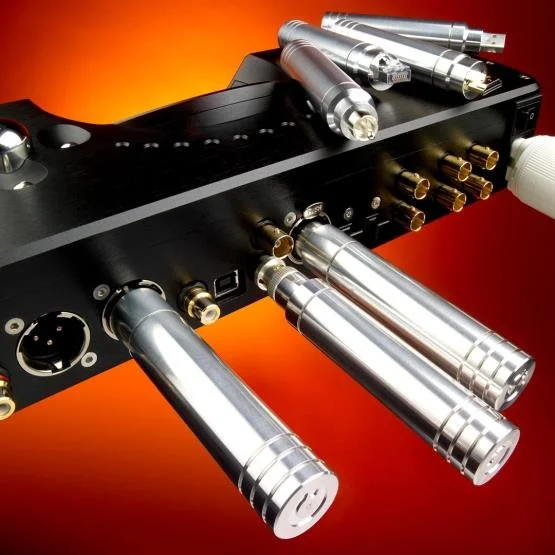
Chord GroundARAY high-frequency noise reduction.

Next up we added in the Chord GroundARAY “plug-ins”, so here’s a little run down to get you up to speed. The Chord Company have spent many years researching what makes a hi-fi sound great and it’s not just about the source, the amplification or the speakers, in Chords way of thinking it’s everything in-between i.e., speaker cables and interconnects. Chords latest research has gone into power and filtering with Chord GroundARAY plug-ins and as we’ve already touched on the PowerHAUS range.

The GroundARAY range consists of the following connections USB A, RCA, DIN, XLR, BNC, RJ45 and HDMI. Their idea behind the plug-ins is to go into unused sockets from your router right up to your amplifier, whether its RCA, XLR, BNC or HDMI, they all can be plagued by our old unwanted friend high frequency noise that can happen anywhere in the chain. Looking at the construction of these they are rather well machined pieces of thick-walled aluminium and this alone helps with noise. Each GroundARAY is filled with Chord’s vibration damping material protecting ARAY circuit.

The GroundARAY assessment

We began our assessment streaming from the Bluesound Node which was wired into the amplifier with Chord Company Shawline RCA cables and the speakers connected with Chord company Epic speaker cable. The Chord representative showed us a couple of combinations using the GroundARAY plugs going from the Ethernet switch right up to the XLR inputs on the Leema Acoustics Tucana amplifier. The difference was subtle at first but as the amplifier warmed up, we could really tell the difference.

The system we used -

The artists and tracks we used in this audition.

Streamed on Tidal

  • Bjork - Post 1995 - “Hyperballad”

  • Big Wreck - In loving memory 1997 - “Blown wide open”

Vinyl

  • Dire Straits - Communique 1979 - “Once Upon time in the west”

The Big Wreck track was the most suspect one of the bunch. I used this particular track as I knew it’s a bit too heavy on the bass in the mix, which meant this track loses definition. Believe it or not the Chord PowerHAUS seemed to help in calming down the bass and giving the track more definition.

Audioquest…

Audioquest niagara 3000 mains distribution block rear

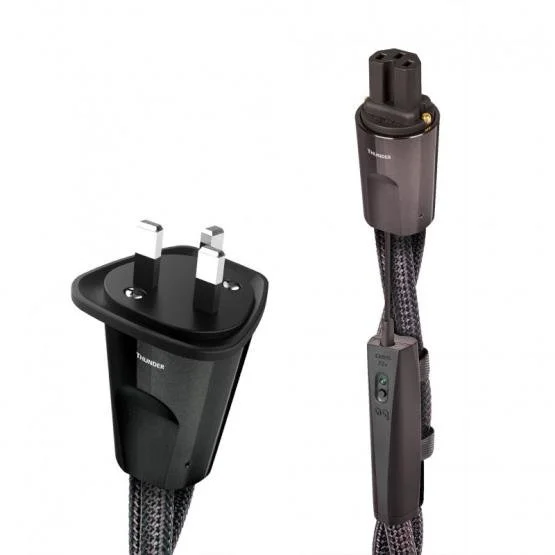
thunder iec mains cable

We can’t mention power and conditioning without mentioning Audioquest, a great brand with a long history in the Hi-Fi industry. Audioquest have designed and built great audio cables such as the most recent edition, the Mythical Creatures range. They also offer options on the power distribution side of things too. From the G8 power outlet right up to the Niagara series , both product lines have had an impact in the industry. They also offer a superb range of power cables from the NRG series up to the Storm series. Again, like Chord they have spent many years of hard work and research looking into how they can improve that dreaded high frequency noise issue as well as RF noise i.e., radio frequency as well as ground hum. The offerings from Audioquest most definitely improve the sound quality of your equipment delivering power more efficiently with less noise or lowering the noise floor in your system.

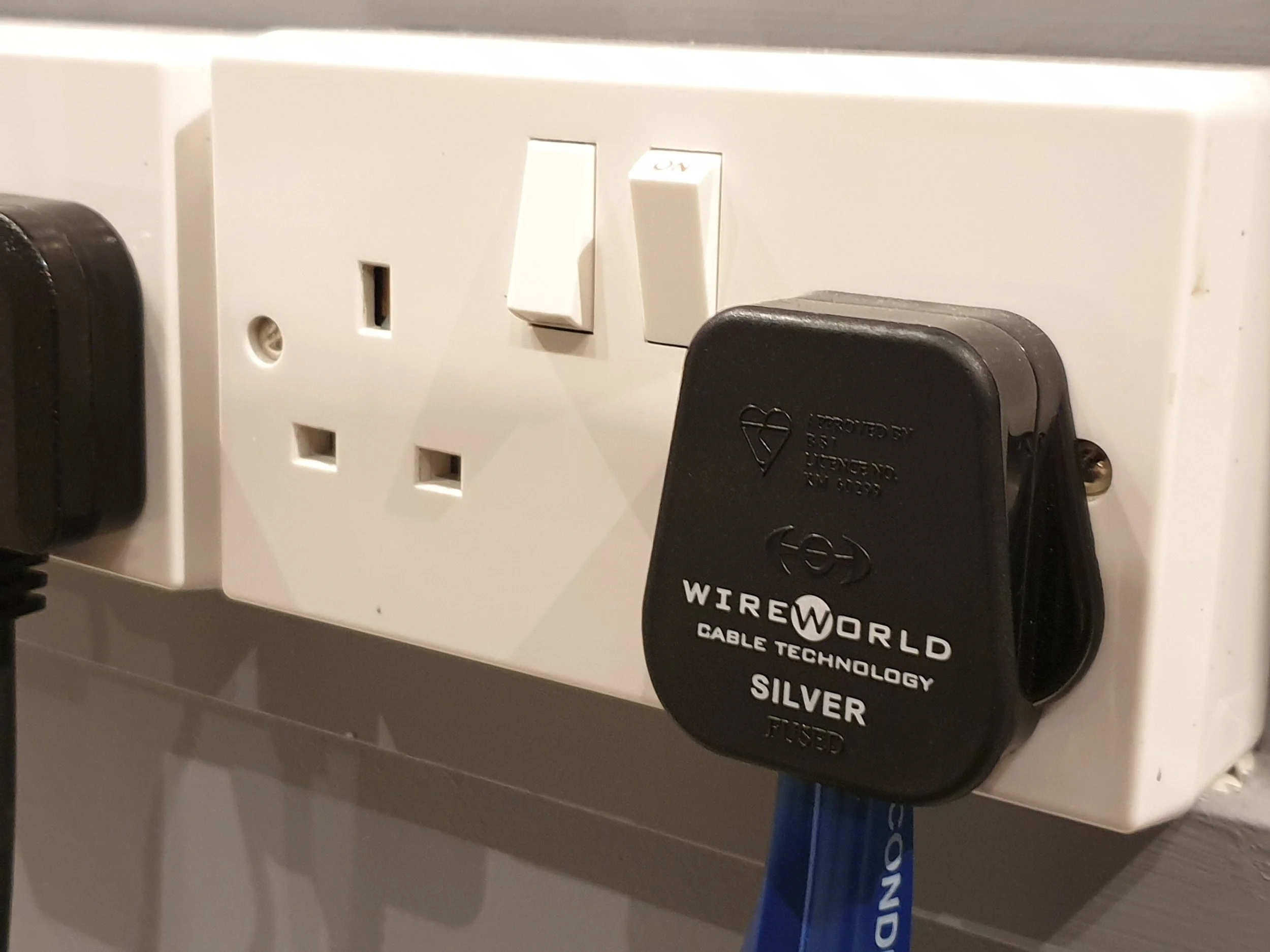
The Wireworld Matrix

Wireworld are an American company owned by renowned cable designer David Salz. Their cable technology was founded with the unique mission of perfecting audio cables through objective listening tests. The idea is to make the perfect audio cable with such cables like the Platinum eclipse series from RCA connections right through to tone arm cables and speaker cables. They also make fantastic power distribution blocks such as the Matrix II shielded power cord extender, which is a no nonsense design and great value. This approach to power distribution is simple and effective.

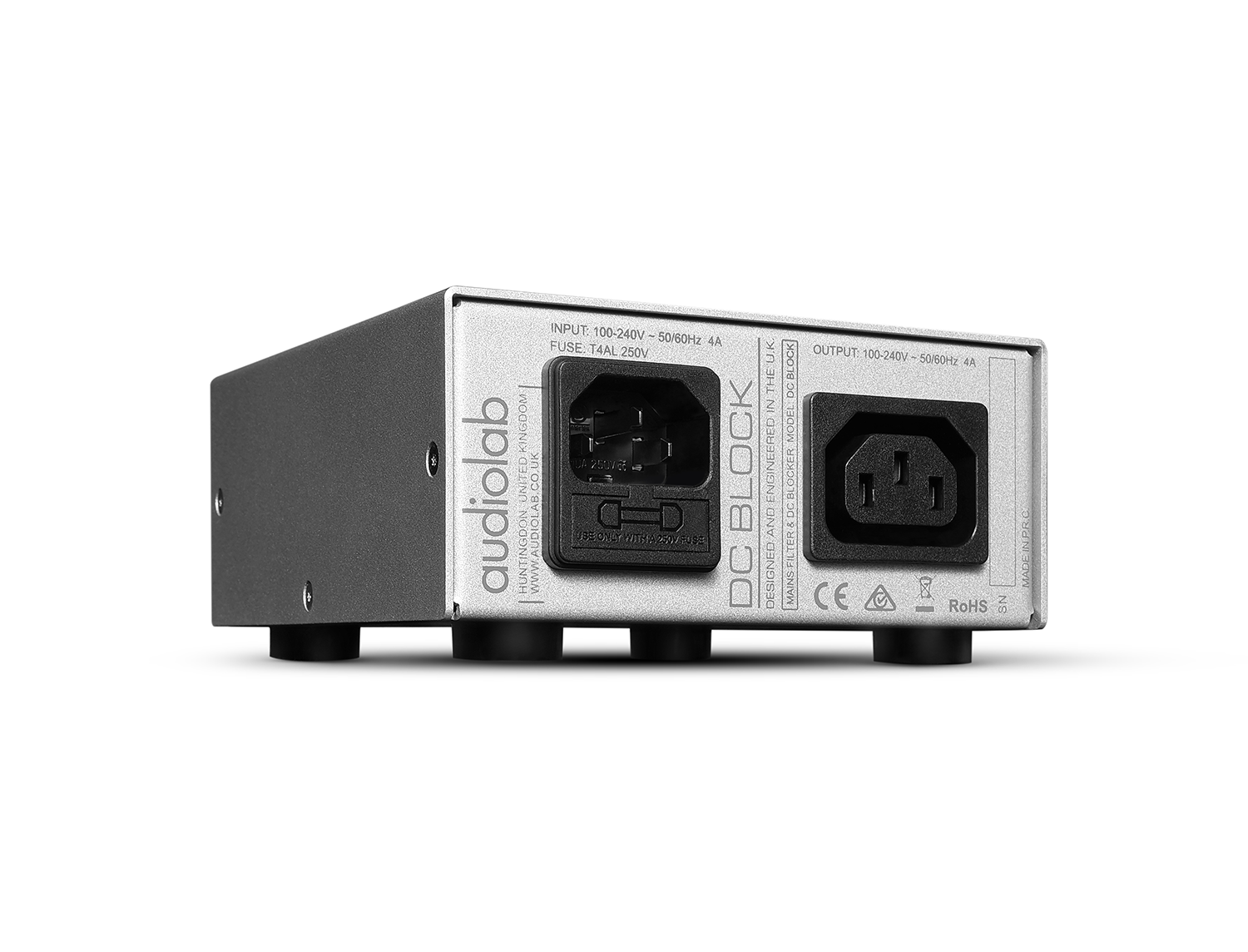
The Audiolab DC block

Audiolab dc block

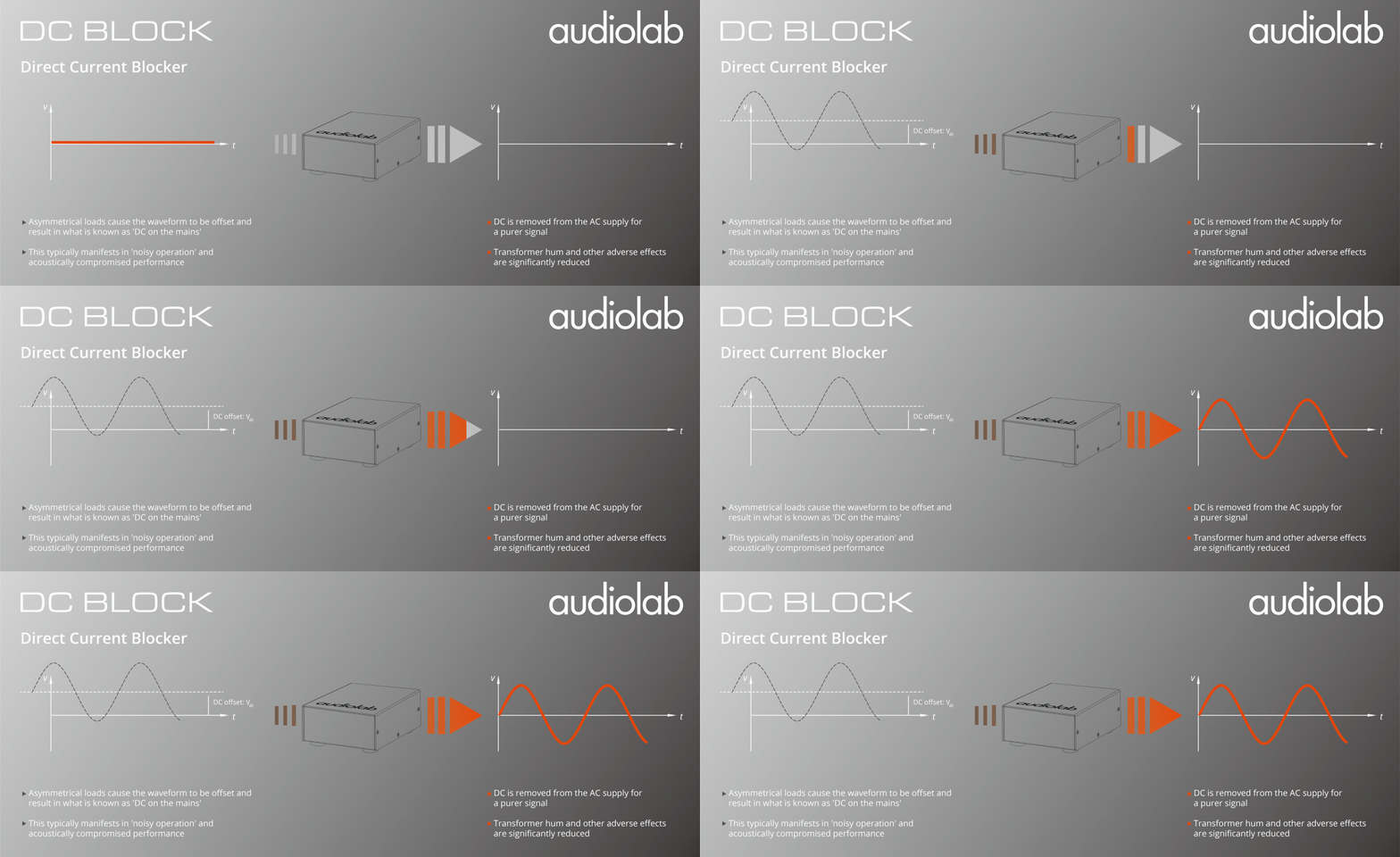
The Audiolab DC block is a fairly new addition to the Audiolab family of electronics and I think this piece of kit is a little wonder box. I feel it is unbeatable at its price bracket. In essence the DC block cleans up power by reducing unwanted DC distortion before it reaches the component in your Hi-Fi system. DC voltage from many house hold appliances can create unwanted noise on the AC mains supply. The DC block can cancel DC voltage found within the AC mains supply in your home. It achieves this by correcting the DC offset and rebalances the sine wave. The ideal power situation in the home would be to have a perfectly symmetrical sine wave alternating between positive and negative phases but this sadly is not the case. Power in the home fluctuates causing the noise issue we are describing. The main job of the DC block is to offset and rebalance the mains power giving you better all-round performance from your equipment.

direct current blocker

The Solution to my problem

Going back to the beginning with my system and the noise I experience at home as we have described above. I decided to take home a Wireworld Matrix 2 power distribution block and the Audiolab DC block to see if one or both of these fantastic pieces of equipment can help with my noisy system. I tried them both separately at first and found some improvement. The Dc block certainly dropped some of the hum and the Rega Elex-r amplifier sounded more alive in its performance. Then, I plugged everything into the Wireworld Matrix distribution block this by itself made a great difference to the noise floor and everything cleaned up really well. Next, you guessed it, I tried both the Dc block and the Wireworld together. what a difference hum almost gone but the main thing I noticed was the difference in sound power and clarity, and sound stage jumped to a whole new level in my little system. For now, I have just bought the Wireworld Matrix, but I will be buying the Audiolab DC block to go with it as I feel it’s a worthwhile purchase, not much outlay for great performance, I feel that’s a win in my book.

What else do I look at in my system if I have noise?

  • 1: The first things I would look at are connections between equipment such as RCA cables for instance between the phono stage and amplifier and make sure they’re fitted properly the same goes for things like optical cables making sure they’re connected properly.

  • 2: I would check the condition of the cables making sure there’s no breaks or corrosion on the plugs or on exposed wire and replace if necessary.

  • 3: Check speaker cables and make sure banana plugs are tight, if you are using bare wire make sure the terminals are tight and there are no stray wires that can cause a short.

  • 4: Check speaker terminals on the back of the amplifier and speakers are tight, for example if you have a pair of speakers with four terminals on the back with linking bars make sure they are locked down.

  • 5: If your turntable has a ground lead coming from the tone make sure it is connected to the ground point on the back of the amplifier.

  • 6: Make sure the fly leads are connected properly on the back of your cartridge, if they are loose they can short out or cause hum.

  • 7: Last thing to make sure your power leads are properly secured.

There are many other things that can cause unwanted noise, but these are some of the good basic checks you can do.

Other ways you can help with sound quality and noise in your system is to look at how your system is connected and consider changing speaker cable and interconnects. For instance, going from a basic pair of speaker cables to something like the Chord Company C screen X makes a world of difference to your sound. I also highly recommend trying some of these different pieces of equipment I have talked about in this blog in your own home as I have done, to find what works best for you in your system. Here at Audio T, we have a home loan scheme, so you can take equipment home and listen in the comfort of your own chair and see how much of an effect they have on your system and how everything sounds before and after.

Why not pop into our store for a chat or give us a call and we can certainly help and recommend many products that can help your system to sound its best. You can contact us on 02920 228565 or email us at Cardiff@audio-t.co.uk

Thank you for reading

Matt, Nick and Kerrin - Audio T Cardiff

If you have any questions about any of the equipment featured in this article, or any other Hi-Fi or home cinema enquiries, be sure to Contact Us.

If you’ve enjoyed this, why not go ahead and read some more of our other blogs, and be sure to follow us on our social media channels below…


ProAc Loudspeakers - The Epitome of Natural Sound

I thought that for this month’s blog, it would be nice to feature a brand of loudspeakers that have been very dear to us here at Audio T in Brighton - ProAc loudspeakers.

From a dealer’s point of view, we are proud to have been chosen to represent the ProAc brand on the south coast. Both as audio enthusiasts and as a professional retailer, we have been won over by their sweet signature sound, synergy, style and substance. Let’s get into it!

A potted history of Proac loudspeakers...

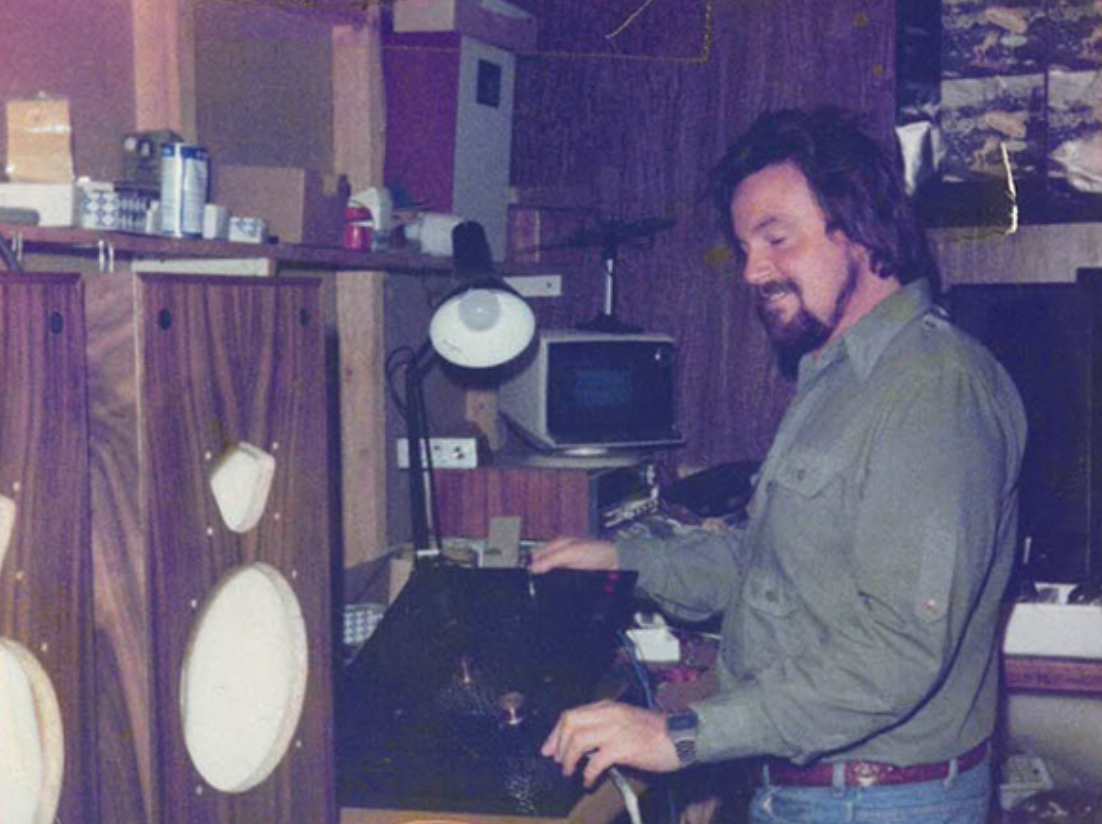
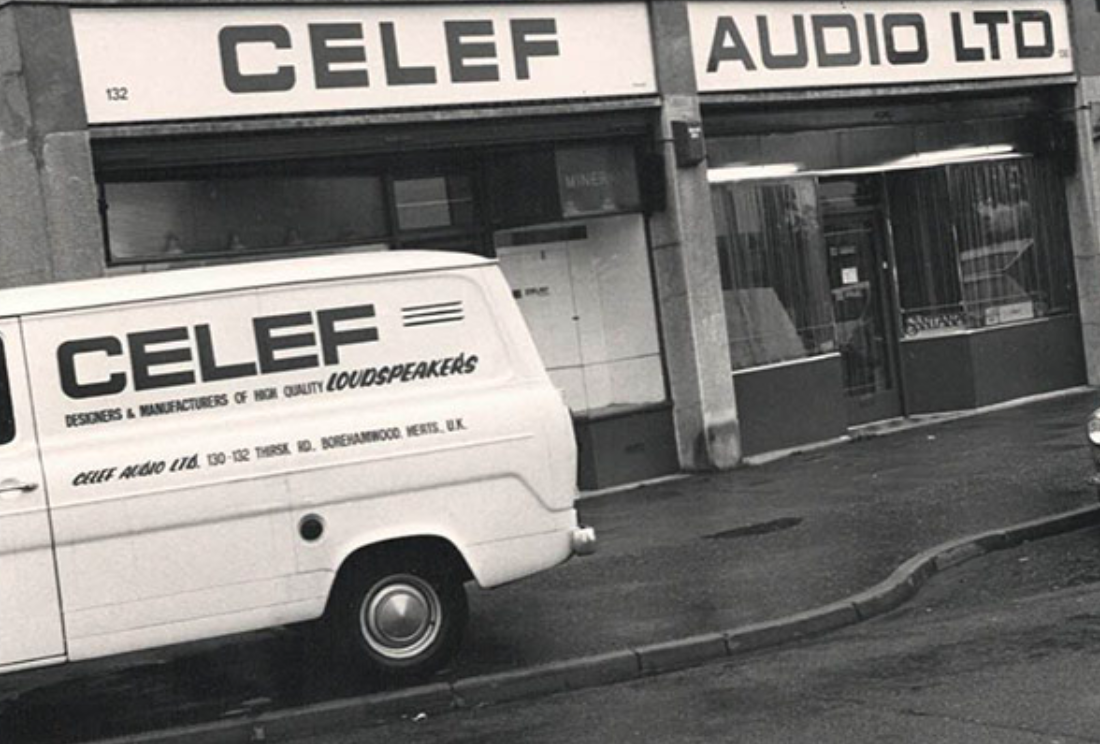
The brainchild of its founder, Stewart Tyler, ProAc loudspeakers started under the name Celef Audio in Borehamwood, Hertfordshire. The brand’s name being an amalgamation of the Celestion and KEF drive units incorporated into its early models.

stewart tyler working on his early celef speaker designs

Stewart spent a number of years in the 1970’s refining his bass port designs, using lots of small tubes, giving improved extension and power handling, without some of the bass port problems that plagued other speaker manufacturers.

After demoing some of his designs to a local hi-fi shop, he sold three pairs in a single day! Celef Audio was born and with the help of his parents in manufacturing and quality control, the family business went from strength to strength.

celef audio shop in the 1970’s

Celef speakers went on to be renowned for high quality, accuracy and spacious sound stage, being popular with hi-fi reviewers and members of the public alike.

ProAc was officially launched in 1979, after Stewart incorporated higher quality drive units manufactured by ATC in his speaker designs.

Proac in its early days

Stewart continued to experiment and refine his designs, from which spawned the well known Tablette, Response and K-Series of today.

In spite of the sad loss of its founder, Stewart Tyler in 2021, ProAc continues to flourish as a tightly-knit family-run operation, keeping his legacy alive and producing loudspeakers which will be revered by hi-fi enthusiasts, sound engineers, music producers and music lovers worldwide, for many years to come.

A selection of the ProAc speaker range...

Proac loudspeakers currently on dem in our brighton audio t store

Like an arrangement of cutlery, we’ll start from the inside out. Bonus points goes to anyone who spots the deliberate mistake in the positioning of one of speaker pairs.

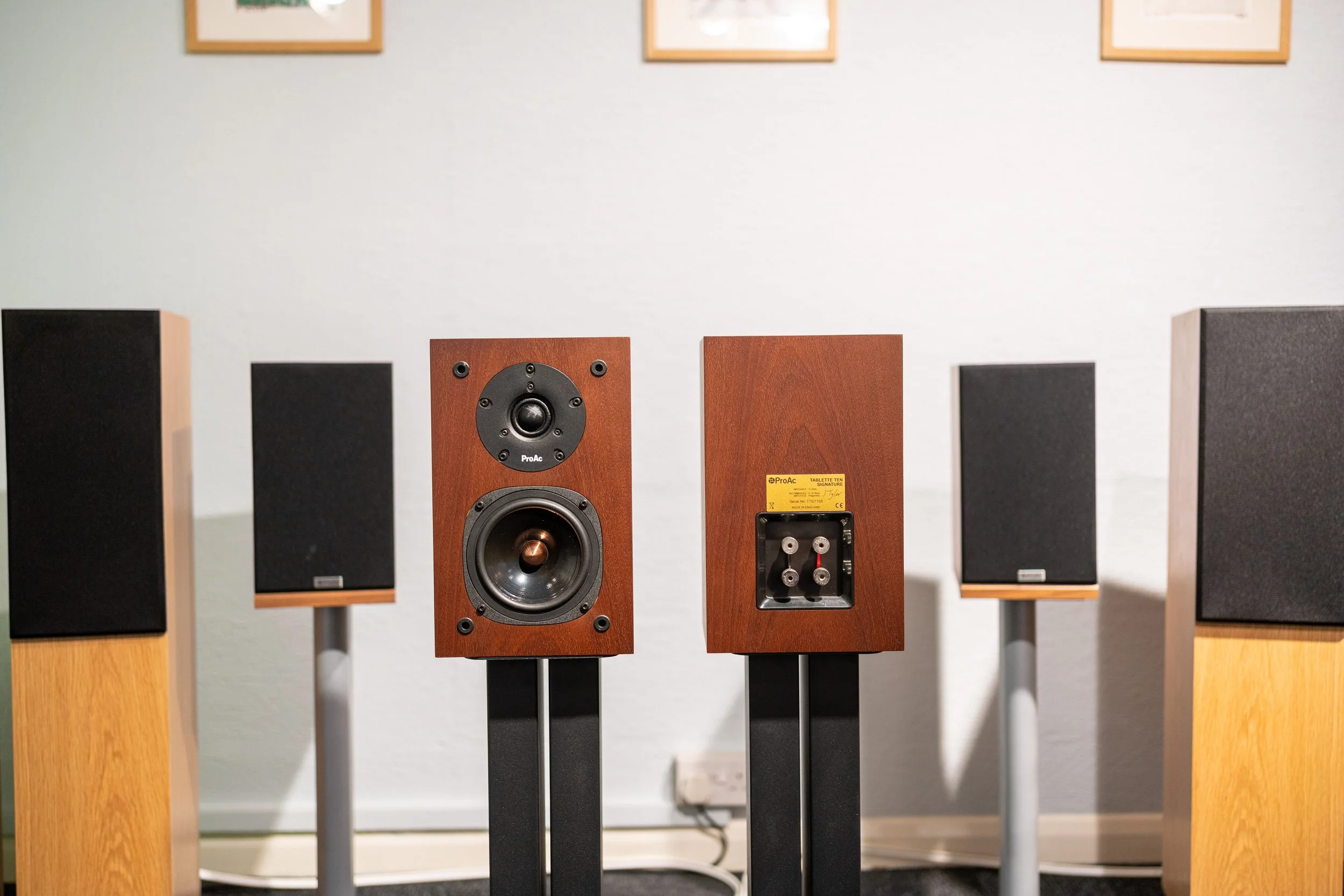
Proac Tablette 10 Signature

Proac tablette 10 signatures in a standard walnut finish - shown here accompanied by a rega planar 3 and rega ellicit mk 5 amplifier.

For the purposes of this article, I will be referring to the Proac Tablette 10 Signature, as this is the model available for demonstration at our Brighton Audio T store.

The Proac Tablette 10 Signatures (pictured above) are the tenth edition of this world-renowned loudspeaker.

The Proac Tablette 10’s and Tablette 10 Signatures are an evolution away from earlier iterations of the speaker, in that they are now a sealed box, infinite baffle design, without a bass port. One of the advantages of designs of this type, is that they can be placed nearer to wall boundaries with fewer of the problems of bass boom associated with ported designs. This makes them very room friendly and a true bookshelf design.

proac tablette 10 signature

Click Here for ProAc Tablette 10 Signatures specifications

Easy to drive in theory, these little marvels really respond to the quality of electronics and source placed upstream in the sound chain. In our opinion, the ProAc Tablette 10 Signatures have great synergy with Naim or Rega amplifiers.

These speakers image like crazy and will fill a small to medium sized room comfortably with a sweet, fast, textured and transparent sound that belies their diminutive size.

The ProAc Tablette 10 Signature’s top end and mid range are particular highlights, although bass response depth isn’t their strongest point, it is fast, clean and tuneful. What’s important with hi-fi design is not to throw the baby out with the bath water and ask a speaker to defy the laws of physics, messing up other areas of the frequency spectrum that they already do really well.

On that basis, I’d recommend pairing with a good quality subwoofer, like the REL T5x, REL T7x or REL T9x, which will be able to keep up with the fleet-footed bass performance of the Proac Tablette 10 Signatures.

You can read my previous article on setting up an REL T7x and Proac Tablette 10 Signatures Here.

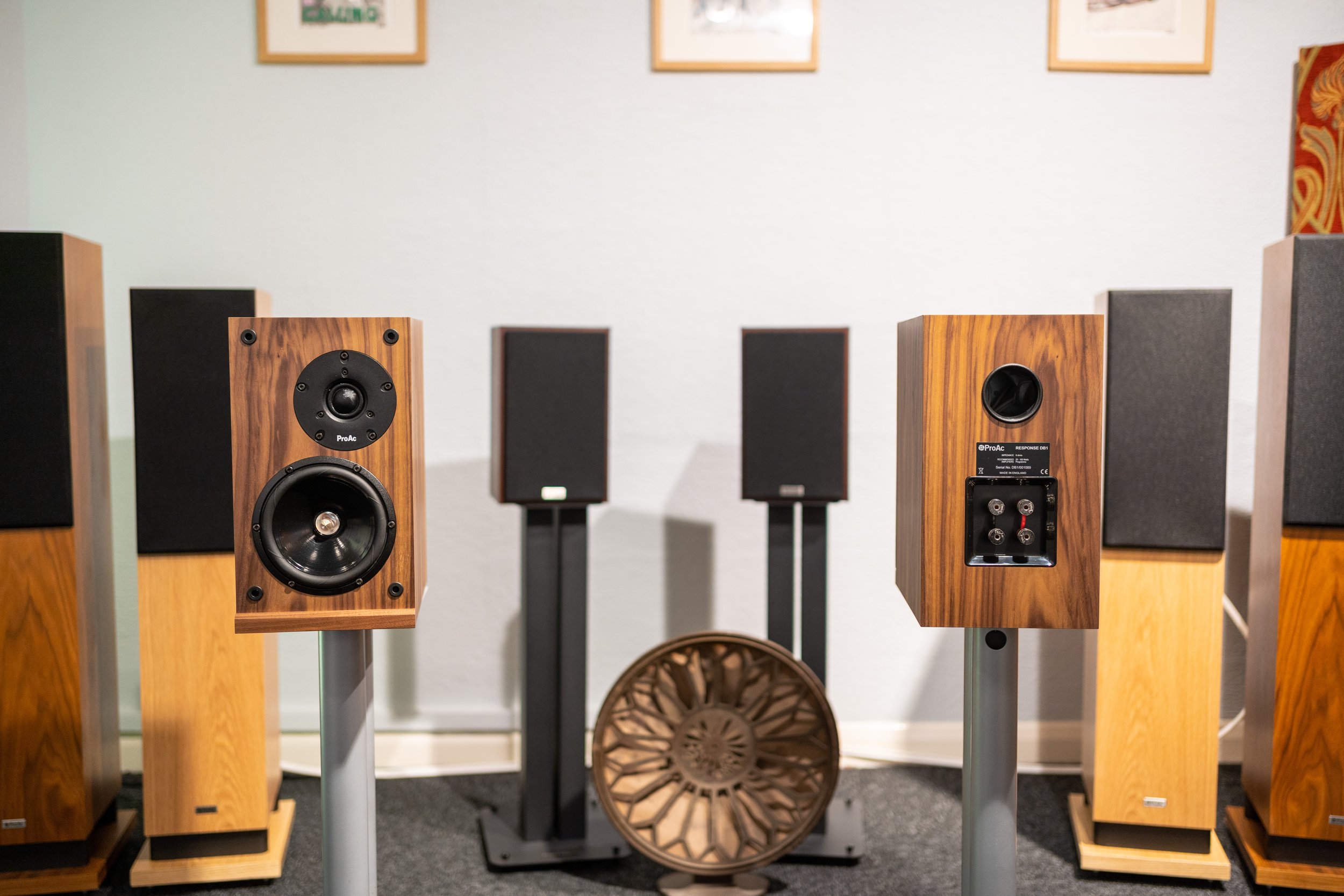
ProAc Response DB1

proac response db1’s with a naim uniti star

Next up, the ProAc Response DB1s, shown here in a lovely walnut finish, accompanied here by a Naim Uniti Star.

The ProAc Response DB1s are an upgraded version of the slightly cheaper ProAc Response DB3s.

These speakers exude quality and are a significant step up from the lower spec speakers in the range, with a ported design and much enhanced bass response. They certainly look and feel the part when you lift them up, giving a feeling of substance and class before you even plug them in.

The ProAc Response DB1s remind me of an earlier generation of speakers from the brand, namely the ProAc Response 1SC, which were highly regarded in their day and still command respect today.

Paired with suitable electronics, the Proac Response DB1s really show their mettle, with a significantly larger, fuller sound than their smaller brothers. The sense of space and air is quite remarkable and adding in that extra bass depth, if you came in to the shop with a blindfold on, I’m sure you’d be shocked by how small their dimensions are upon removal.

Click Here for ProAc Response DB1 specifications

proac response db1

ProAc Response D20R

proac response d20R

The ProAc Response D20R floor standing loudspeakers are 2nd up in the range of floorstanders from ProAc. These are the ribbon tweeter version in a beautiful oak finish.

proac response d20r

Click Here for Proac Response D20R specifications

At this level of performance, ProAc offer a choice between a soft dome tweeter in their D20 version or a ribbon tweeter in their D20R version. An information page in their brochure is available to explain which flavour you may prefer, but essentially, dispersion characteristics are one of the main differences, affecting how wide an area the “sweet spot” for listening is.

ProAc’s brochure can explain if you’d like to find out more and read their take on the differences.

As is often the case with larger floor standing speakers, the sensitivity is a little higher with the ProAc Response D20Rs, giving the impression of an easier amplifier load. However, this may lull you into a false sense of security and the prodigious bass response of these speakers, down to 28Hz, certainly requires an amplifier with grip in the bass to keep things from those sideways firing bass ports getting too unruly. We’d recommend a minimum of a Naim Supernait 3 or Rega Aethos to go with the Proacs. Each of these has the drive, grip and finesse to do the ProAc Response D20Rs justice and this is certainly borne out upon listening.

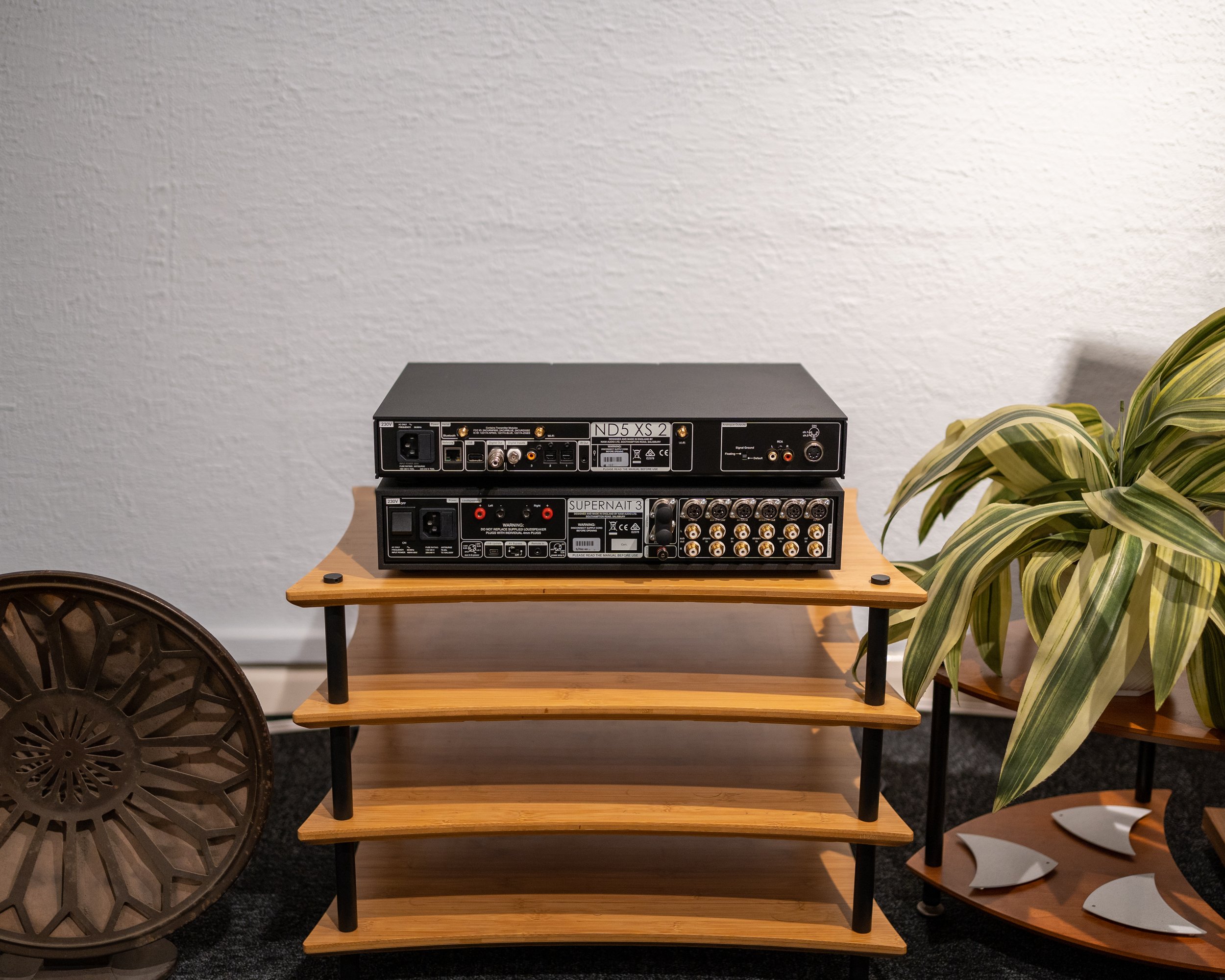
Playing music through a Naim ND5XS2 streamer and Naim Supernait 3 80W/per channel integrated amplifier, allows bass control and the see-through clarity of the ribbon tweeter on the ProAc Response D20Rs to really shine through.

Proac Response D30RS

proac d30rs with rega saturn mk3 and Rega aethos

Moving up to our most illustrious ProAc speaker in Brighton, we present the Proac Response D30RS in a lovely walnut finish.

You can get a feel for the dimensions and specs from the two pictures below, where it can be compared to the ProAc Response D20R model.

proac response d30rs v d20r

Click Here for Proac Response D30RS specifications

The ProAc Response D30RS is a considerably larger speaker, as can be clearly seen. The speaker has an 89dB/1W sensitivity and a bass response that goes down as low as 20Hz. Subwoofers aren’t exactly a requirement with the Proac Response D30RS.

proac response d30rs with rega saturn mk3 cd player and rega aethos integrated amplifier

Listening to these with a Rega Saturn Mk3 CD player and a 125W/per channel Rega Aethos certainly helps convey the sonic qualities, dynamics, finesse and extension of these speakers. The sheer gravitas and see-through transparency is ear-opening, to say the least. Even so, I would suggest something even higher up the “food chain” to get the most out of these big-boys! A pre/power combination along the lines of a Naim NAC282 preamp , Naim HiCapDR and Naim NAP250DR power amp would get these fellas in the zone!

Proac Response DT8

proac response dt8

Last in our collection of ProAc loudspeakers, but certainly not least, comes the ProAc Response DT8, pictured here in a lovely real wood cherry finish.

Although this may appear to be a 3-way design, ProAc designed this speaker as a 2.5-way design. Utilising 2 x 6.5 inch drivers, the pulp mica cone unit delivers exceptional bass performance in a ported cabinet with the bass loaded via side vents and the polypropylene unit gives a smooth, detailed and uncoloured midrange. Both drivers work in tandem resulting in a well extended low frequency response and ProAc's signature natural sounding midrange quality and pinpoint imagery. Treble is provided by a SEAS tweeter, manufactured to ProAc’s specification.

Click Here for Proac Response DT8 specifications

At the price point, the ProAc Response DT8 provide remarkable bass extension down to 28Hz and a fine midrange clarity. Treble is the usual spacious, 3D sound that ProAc speakers are so well known for.

Driven by an amplifier with good control and dynamics, such as the Naim Nait XS3, or better still, a Naim Supernait 3 or Rega Aethos, this speaker produces a wholesome and musical sound that delights. The ProAc Response DT8s will fill a medium to large room easily and with a sensitivity of 90dB/1W, can go pretty loud when called to.

Quality wooden finishes galore...

Amongst all the hi-fi and music talk, we shouldn’t forget that loudspeakers are considered “furniture” by many. Fortunately, ProAc offer one of the widest range of sumptuous wooden finishes on the loudspeaker market, coming in two different price brackets, standard and premium.

proac loudspeaker wooden finishes

When the rubber meets the road...

Here at Audio T in Brighton, you have probably gathered that we rather like the current range of ProAc loudspeakers. Sweet sounding, holographically spacious and extended, the ProAc range of speakers really has something for everyone.

A while ago there was a well known Apple ad that said, “Once you go Mac, you’ll never go back!”. From an audio perspective, I’d like to bring that up to date and say, “Once you go ProAc, you’ll never go back!”

If you are interested in auditioning any of the products mentioned in this blog or from our extensive range of quality gear, please get in touch.

Thanks for reading.

Ade, John and Paul - Audio T Brighton

If you have any questions about any of the equipment featured in this article, or any other Hi-Fi or home cinema enquiries, be sure to Contact Us.

If you’ve enjoyed this, why not go ahead and read some more of our other blogs, and be sure to follow us on our social media channels below…

Click Here If you’d like to read a more detailed history of the development of ProAc.


Up and ‘Atom’! A closer look at the Naim Uniti Atom streamer

I know what you’re thinking - another blog another product, but just hear me out with this one… In our current world of streaming, there aren’t many products quite like the Naim Uniti Atom. Here at Audio T Enfield we usually use the streamer to play background music on our shop floor, providing those ‘good vibes’ for you, the customer. It’s convenience is unmatched - we open up, stick the kettle on and press the Atom’s ‘on’ and ‘play’ buttons. Internet Radio begins to play, which we then change to a playlist (because no-one wants to hear adverts after every 3 or 4 songs) and voila, we have our good vibes. Really straightforward and easy right?! Today we’ll be taking a closer look at what makes the Atom super special, and hopefully by the end of this article, you’ll be convinced to invest in this lovely product.

What’s In A Naim?

I’m sure many of you appreciated the pun I just used. Even though it just sprung to mind this second, I’m certainly not the first person to use it. Although it lacks in originality, it’s an attention grabbing sub-title and its meaning holds significant relevance to what you’re about to read. “What’s in a name?” was originally quoted by Shakespeare in his play ‘Romeo and Juliet’. In basic terms, it means that a name itself does not hold much meaning, so one can be called anything else and the qualities the object/person holds don’t change. “How is that even remotely relevant?” I hear you ask. Well I’ll explain.

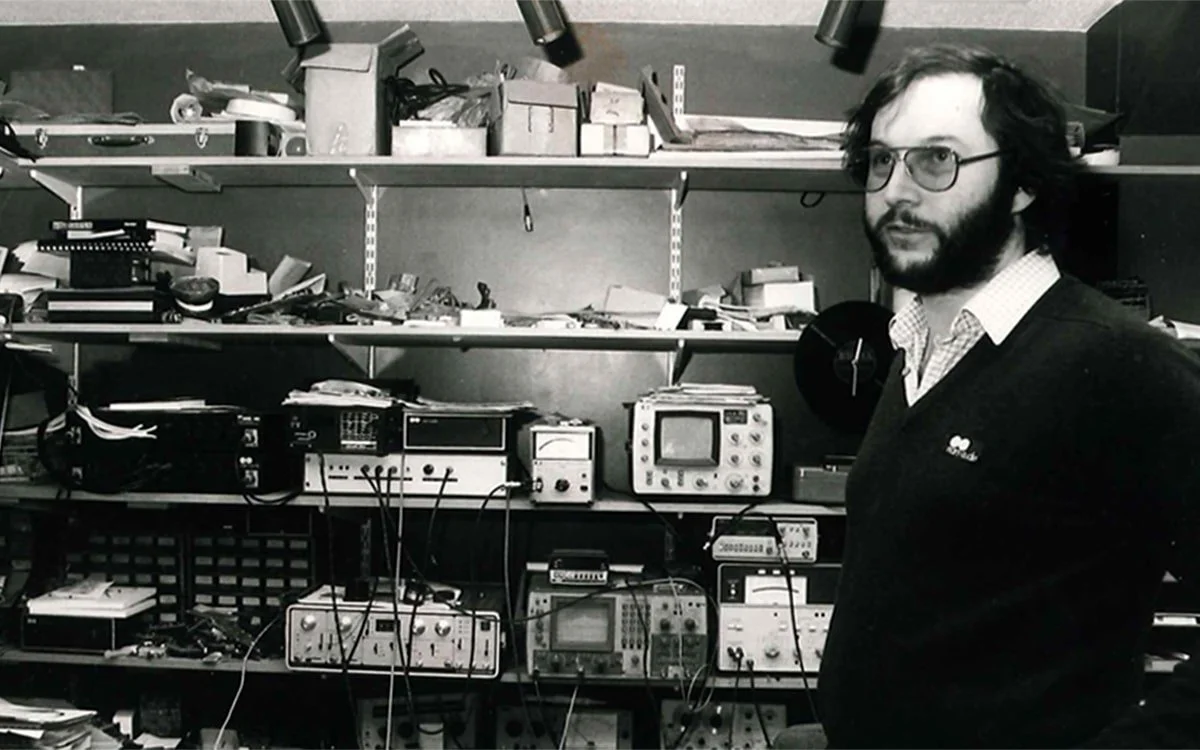
Julian vereker - the founder of naim audio

While not completely clear, there are a couple of theories as to why Naim is called ‘Naim’. The first being the obvious explanation of it simply being a play on the word ‘name’. Certainly plausible, but maybe a bit superficial. The second theory is that Naim sounds like ‘sweet sounding’ in Hebrew, so definitely a more full-bodied definition with added sentiment. Either way, the reason for its name doesn’t actually matter too much. ‘Naim’ is pretty basic and stands out just enough for consumers to remember, but it’s abundantly apparent that the manufacturer chose a simple name so that the focal point would be on the innovation and quality of it’s electronic products. And that’s perfectly fine, because the brand will always hold its qualities despite its name, bringing this full circle and back to that famous Shakespeare quote. See what I did there? *mic drop*

A Household Naim

Since its founding by Julian Vereker, the brand has gone from strength to strength and is now one of the UK’s leading Hi-Fi manufacturers, with some of it’s most well-known products including the 250 power amp, the CD5si and Nait 1 power amp to name a few.

In the late 60s, Vereker and his friends formed a band and produced/recorded music. However he became increasingly frustrated with the current products available on the market not producing the quality of playback he craved, so he turned his attention from race-car engineering to building and experimenting with amplifiers. Naim was officially founded in 1973, with the Salisbury-based HQ having both demonstrating and manufacturing facilities.

As technology and Hi-Fi itself evolved over the years, their products have accompanied this. Streaming was introduced in 2009 through the very first all-in-one player, the Naim Uniti, which was combined with a CD player and an integrated amplifier. Over time these players expanded, with the SuperUniti, NaimUniti 2, UnitiLite, UnitiQute 2 all released over the course of 3 years (although all have since been discontinued) between 2010 and 2013. The Atom was released in 2017 along with the Uniti Star and Uniti Nova, and in 2014 the Mu-so Gen 1 came into distribution. The difference between an all-in-one player and all-in-one system is that the latter doesn’t need speakers - they are built in along with everything else. But I digress…

Being an all-in-one player, the Naim Uniti Atom requires speakers (which isn’t the end of the world considering its capabilities). As of 2019, the Atom has been upgraded to include HDMI as standard, meaning it can be used as the central hub of your home entertainment system.

In 2021, Naim released the Atom Headphone Edition, which as its name would suggest., was geared more towards headphone enthusiasts. This version of the Uniti Atom doesn’t have a built-in amplifier, but that’s not to say you can’t include an additional amp or connect directly to a pair of active speakers.

Set-up is totally straightforward. Simply plug in your power cable along with your speaker cables and that’s the practical side done. Ensure you download the Naim app on your phone/tablet and follow the instructions on there for wireless configuration.

Spec-tacular!

For the tech-heads out there, here are the Atom’s specs:

Dimensions and weight:
95 mm x 245 mm x 265 mm (H x W x D)
7 kg

Connectivity:
Audio Inputs
2 x Optical TOSLink (up to 24bit/96kHz)
1 x Coaxial RCA (up to 24bit/192kHz, DoP 64Fs)
1 x HDMI ARC
1 x RCA
2 x USB Type A socket (front and rear)

Audio Outputs
1 x Stereo power amplifier
1 x RCA sub/pre output
1 x 3.5mm headphone jack 

Streaming:
Chromecast Built-In, Apple Airplay, TIDAL, Spotify® Connect, Bluetooth (AptX HD), Internet Radio™, UPnP™ (hi-res streaming), Roon Ready

You can read a more in-depth article on the specs here.

Say my Naim, Say my Naim…

So if you fancy moving on to streaming, or upgrading your current streaming system, the Naim Uniti Atom should definitely be a product you consider. Whether you’d listen through speakers or headphones, the crisp detail you’ll get from playback is pretty astonishing. And considering it’s so straightforward to set up both practically and on your phone/tablet, you won’t have any trouble listening to your favourite tracks, albums or podcasts. At the reasonable price point of around £2500*, you’ll get a huge amount for your buck! If we haven’t convinced you to purchase, then hopefully we’ve persuaded you to at least take a listen, which you can do so by booking a listening session with us today.

Contact Us to book a FREE demonstration!

Thanks for reading!

Elena & John – Audio T Enfield

If you have any questions about any of the equipment featured in this article, or any other Hi-Fi or home cinema enquiries, be sure to Contact Us.

If you’ve enjoyed this, why not go ahead and read some more of our other blogs, and be sure to follow us on our social media channels below…


*All prices, credit terms and interest rates quoted are correct at the time of going to press but may be subject to change. E&OE

Symbiosis In Systems: Taking a look at the Monitor Audio Silver 100 7G with Rega Saturn MK3 & Rega Elicit MK5

Just like those Croft Original Sherry adverts from the 70s and 80s said, “One instinctively knows when something is right”… And this is no more true in Hi-Fi as it is your choice of tipple.

It is a perennial pleasure to play around with equipment here at Audio T. Evaluating products remains one of our most important duties and we do like to keep busy. Occasionally, a shiver of excitement will be experienced during this experimentation, a moment of grace when the stars align to elevate a system from being merely(!) very enjoyable into something Other.

Long-distance runners will describe the sensation of being in 'the Zone', simply gliding over the tarmac, eating up mile after mile, apparently far too easily. Cyclists like myself have their own “Zone”. We describe a 'floating day', when the gear being turned suddenly becomes light, the legs spin of their own accord and the speed carried is far too high for the perceived effort. Time becomes irrelevant because all you want to do is stay in the joy that is the “Zone” and I think I've found the audio analogue…

Time to Play

Whilst trying out a few other pieces of equipment after a customer demo, I put our handsome, black lacquered Monitor Audio Silver 100 7G speakers on our favourite SolidSteel SS-6B stands. They're a fairly large cabinet for a standmount speaker according to modern tastes, but this does give them an advantage – they reproduce lower notes well, almost as low as a compact floor stand design would. They have a more rigid construction than a floorstander however, the smaller cabinet panels making for a better controlled, less resonant structure, leading to a crisper, more accurate sound. They could be considered a little dry by some, I'd rather go with 'clear' and 'neutral'.

Regulars here in Swansea will have heard me utter the phrase "Big wooden box on a metal stick" more than once.

I'm asked quite regularly why such designs exist, usually by the partner of the person shopping (Eeeek!) My answer is simple; “It's because they sound really good!

What’s behind the Speakers?

The new Rega Saturn Mk3 CD player/DAC was already in-situ, hooked up to its mate, the Rega Elicit Mk 5 amplifier with, one of my personal favourites, Black Rhodium's phono cable, the Calypso RCA. The same manufacturer's Twirl speaker cable ran from amp to speakers. My adjectives here 'effervescent' and 'fine textured'.

The Rega Saturn Mk 3 needs no introduction. Reviewed in glowing terms elsewhere in our Audio T blogs and a particular favourite here in Swansea, it's a delight to play music with. 'Velvetty' and 'mellifluous' is how I would describe it.

The Rega Elicit Mk5

It was a long time coming, what with one thing and another and we're really pleased how it turned out. 'Warm-hearted', 'generous', 'weighty', 'full-bodied' is how it's usually described and I'm not going to argue with that here. I'd add effortless and honest, with maybe a touch of sweetness, but who doesn't need a little sugar in their lives nowadays?

A Valpolicella "Ripasso" of the aural world...

I spun up Keb Mo's - "She Just Wants To Dance" from his eponymous album. His guitar fairly leapt out from between the speakers, joyous and bouncy, his lacquered voice rising over the instruments, way above the tweeters to Keb's height of about six feet in convincing fashion. Lovely stuff. This combination does the Hi-Fi thing very well indeed.

Similarly joyous-sounding was AC/DC's "Long Way to the Top" from the album High Voltage’. When reproduced well (as it is here), it's a thrilling track that gets hold of you, makes you check over your shoulder in case of witnesses, wrinkle up your face, play air guitar and remember what it's like to feel twelve again à la Jack Black in his movie "School of Rock".

Finally, the swirling loops of Donna Summer - "I Feel Love", absolutely makes you want to fill the (living room) dance floor and shake your booty down, the only worry to cross your mind being "Did I choose the 12" version? I really hope I did."

What am I trying to say?

The music is the message here; this system will show you into the heart of the recording very well, revealing layers and textures just as one would expect, but it sounds just so much damn fun that you don't really care about all that, because it sounds as if your chosen musicians are having the time of their lives playing just for you.

It's special.

The new Rega Saturn Mk3 CD Player/DAC and Elicit Mk5 are currently on demonstration at Audio T Swansea.

Come along and take some of your CD’s for a spin.

Nic Adrian & Andy will be on hand to help.

Thanks for reading.

Adrian – Audio T Swansea

If you have any questions about any of the equipment featured in this article, or any other Hi-Fi or home cinema enquiries, be sure to Contact Us.

If you’ve enjoyed this, why not go ahead and read some more of our other blogs, and be sure to follow us on our social media channels below…


Isolation… It’s not all bad! A look at IsoAcoustics Orea Isolation Pucks

Are you feeling isolated? Well if you are not, we think that you jolly well should be! Isolation is not just a wonderful track on the second and final Joy Division album “Closer”, nor is it just what you should be doing for five days after catching Covid. It is a subject that every audiophile should be well acquainted with. Isolation issues can make or break the performance of pretty much any item of hi-fi and when properly addressed will improve the sound of your system to the extent that you can forget about the equipment and get closer to the music (see what I did there?).

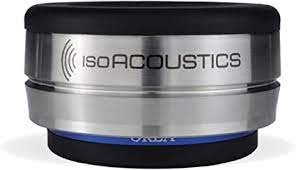
IsoAcoustic OREA’s

OUR STORE mascot, THE BLUE MEANIE WITH THE IsoAcoustics Orea in three of the four available sizes.

A Sneaky Peek

The subject of this months blog is the OREA isolation pucks from the Canadian company IsoAcoustics. I first came across the IsoAcoustics products at the Bristol Hi-Fi Show in 2018 while I was working in the sales room on the third floor. By midday on the first day I was beginning to get rather inquisitive as to why so many of the show visitors were coming in to our room eager to throw money at us for many and varied products from the IsoAcoustics range. I decided to take a sneaky peek to see what was going on and sat in on one of their product demonstrations. To say I was gobsmacked was a bit of an understatement. The A-B demonstrations that they were doing always made a big difference and throughout the whole show they continued to sell in bonkers amounts. IsoAcoustics have a large and varied range of vibration control and isolation products, but for the purposes of this article I am going to concentrate on the OREA range.

Ooh….Shiny!

OREA pucks in all their shiny glory. From left to right Graphite, Bronze and Indigo.

The Science Bit

The OREA’s are designed to eliminate parasitic vibrations and provide greater sound clarity and focus. They are ideal for electronic components including Amplifiers, DACs, CD Players, Speakers, and Turntables. Made of machined stainless steel, they have a low-profile design to minimize any increase in height. Each OREA model is designed with a different weight capacity. They each have a coloured ring on the bottom isolator that denotes the model and weight capacity, and are packaged individually to allow greater flexibility when determining the number of units to use. IsoAcoustics recommend a minimum of 3 units under each component depending on the weight of your equipment. The existing feet on an audio component may connect well and fit nicely around the perimeter of the OREA isolator. Alternatively, you may get better performance by either removing the feet entirely or placing the OREA’s beside the existing feet to have them connect directly to the chassis or base of the component.

The magic happens inside!

The whole field of vibration control and isolation was met with a certain degree of scorn when first introduced but is now fully embraced as a nailed-on method of improving transparency, resolution, dynamics, coherence, bass performance and soundstage dimensionality.

Isolation for our demo Rega P3 with Exact Cartridge

The Music Bit

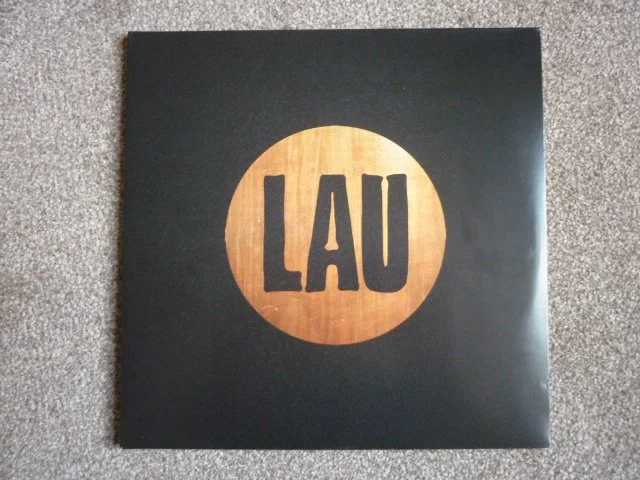
As an experiment I tried a before and after test using our Rega Planar 3 with Exact cartridge using a set of the Bronze OREAs and the differences were just amazing. I chose a couple of very different tracks from two very different albums. First on the felt mat was the track “The Bell That Never Rang” from the album of the same name by the experimental Scottish folk trio Lau. This seventeen minute long musical exploration veers from classical to folk to electro and is riveting throughout. The climax at the end has some of the most humongously deep and sinewy bass that you will ever hear your system reproduce. Now the OREAs did not magically produce more bass but what they did was to make it all sound tighter and faster as if it were coming from a huge inky black background. The soundstage became enormous with vocals just hanging in mid air and the violins viola and cello became wonderfully real and solid. This is a beautiful sounding album and was produced by Joan Wasser at the very reputable Castlesound Studios in Scotland which has played home to many of the greatest Linn Records recordings over the years and is run by Calum Malcolm (just look up his client list!).

“The Bell That Never Rang” By LAU

Next on the playlist was “A Round Of Applause” by Los Angeles psych rockers Hooveriii (pronounced Hoover Three apparently).This is one of those albums that I bought because I really love the artwork on the sleeve. I am a huge fan of the artist Jean Giraud Moebius and although this is not by him it is very much in his style… So I bought it! I was not to be disappointed with the music either which is a melange of soaring psychedelically twisted guitars, glam rock synthesiser power pop and super hooky melodies. Listening to the track “My Directive” before and after the OREAs were planted under the Rega Planar 3 I was immediately aware that the song now had more propulsive power and increased swagger. Everything now being more open and all the individual strands of the song easier to follow. Just stunning.

The magnifent “A Round of Applause” by Hooveriii. Just WOW!

So…

By now you have probably realised that I quite like what the OREAs can do to improve an item of hi-fi equipment. Indeed my very own CD player at home has been improved with the addition of a set of the Graphite OREAs to such an extent that without them I think it sounds a bit meh! So if you too are even just a tiny bit curious about what they could do for you then pop in to see us here in the Cheltenham showroom and we can talk you through the options and we can even let you take some home to try before you buy. This is something that we do rather a lot with OREAs and not many of them come back! I also cannot believe I am talking about this in September but they would make great things to put on your Christmas prezzie list! They are on mine!!

If you’d like to find out the best IsoAcoustic product for your speakers or hi-fi component, you can use the Selection Wizard Here

Thanks for reading,

Andy, Jon and Farid - Audio T Cheltenham.

If you have any questions about any of the equipment featured in this article, or any other Hi-Fi or home cinema enquiries, be sure to Contact Us.

If you’ve enjoyed this, why not go ahead and read some more of our other blogs, and be sure to follow us on our social media channels below…


British Made Old-Timers, Still Going Strong Through Thick & Thin - Naim and Rega

I thought for this month’s blog we’d take a look at two old British stalwarts - Naim and Rega. Both companies were founded in the 1970s and over almost a 50 year period, have built a reputation for quality, reliability and serviceability that is almost unmatched in the hi-fi industry. Let’s just say that Julian Vereker and Roy Gandy both have a lot to answer for…

To be fair, we must not forget the contributions of another British hi-fi old guard - speaker manufacturer, ProAc. First founded by Stewart Tyler in the late 1970’s, without whom, Simon and Garfunkel’s the “Sound of Silence” would be the only playback choice!

Land of the giants - with not too giant a budget of £6K.

So this month’s challenge was to put together a system from these three behemoths, with a cameo appearance from Bluesound, in a head to head for a budget of circa £6000.

The focus will be on digital streaming playback, although one of the two systems has the option of vinyl connectivity with no CD playback and vice versa for its challenger. Of course, both systems can play either format with the addition of a CD player or phono pre-amplification stage, utilising one of the spare line level inputs both of which have in their arsenal, should their owners decide to expand their musical playback options.

This sort of makes sense because most people considering a current system will probably be looking at introducing streaming to their playback options. However, depending on your most recent prior playback format, you may have either a collection of CDs, or records somewhere in the attic to utilise as well, so this may ultimately affect your final choice, especially if you can’t favour one or the other sonically.

Ready Player One - Naim and ProAc

naim nd5xs2 streamer, naim supernait 3 integrated amp and proac d30rs speakers

Our first system consists of a Naim ND5XS2 streamer, Naim Supernait 3 integrated amplifier and ProAc D30RS floor standing loudspeakers. Speaker cable consisted of Naim NACA5 and interconnects were the Naim standard 5 pin DIN to 5 pin DIN, sometimes known as a “Lavender” interconnect.

naim nd5XS2 streamer/dac and a naim supernait3 integrated amplifier

The Naim ND5XS2 streamer/DAC is a lovely sounding piece of kit with options to be used as a DAC with external devices, for example, a CD player, via coaxial SPDIF or optical TOSLINK connections. Analogue outputs are through Naim’s DIN connections or via standard stereo RCA cables.

The USB-A connection at the rear of Naim’s ND5XS2 operates in a different way from that provided on the back of the Rega Saturn Mk 3 CD player/DAC, using a type A connection rather than a type B. Naim’s ND5XS2 type A connector allows for a hard drive (up to 1 Tb storage) or memory stick (up to 128Gb storage). This feature allows the Naim ND5XS2 to serve as a music media hub, using the Naim app as a control interface, with other Naim Uniti products such as the Uniti Nova, Uniti Star, Uniti Atom, Uniti Atom HE, Mu-so 2 and Mu-so Qb2, whence they can be operated as a fully featured multi-room system.

Naim’s Supernait 3 integrated amp has a plethora of DIN/RCA inputs and outputs, with a separate moving magnet (MM) phono stage for turntable users and the ability to add additional power supply upgrades, like the Naim HiCap DR or Naim Supercap DR, to boost the preamplifier stage. Naim’s Supernait 3 can also separate into a standalone pre-amplifier or power amplifier if required. Naim’s Supernait 3 really can be the heart of a substantial pre-amp and power amp system if required, with options to upgrade along the way.

Second Suitor - Rega, Bluesound and ProAc

rega saturn mk3 cd player/dac, rega aethos integrated amplifier, bluesound node 2i streamer and proac d30rs floor standing loudspeakers.

Our second contending system consists of a Rega Saturn Mk3 CD player/DAC, Rega Aethos integrated amplifier, Bluesound Node 3 streamer and ProAc D30RS floor standing loudspeakers. Speaker cable was again Naim NACA5, although this time we used the Rega Couple 3 interconnects for analogue and digital connections.

rega saturn mk 3 cd player/dac and rega aethos integrated amplifier

Rega’s Saturn Mk3 CD player/DAC has plenty of inputs and outputs for both digital devices and analogue playback.

First and foremost, the Rega Saturn Mk 3, is an exceptional CD player when connected via its analogue outputs. One advantage the Rega has over the Naim setup, in that CDs can be played without attaching a separate disc drive, connected to one of the digital inputs (optical, coax and USB). The asynchronous USB-type B input on the back of the Rega Saturn Mk3 is unusual, in that they are not usually provided by DAC manufacturers. This will allow a PC or Mac to be connected directly and play back music at a higher quality than would be possible via the rather inferior DACs included on most computers.

Another important thing to consider is that the Rega Saturn Mk 3 is a top-loading cd player, which personally I like, but you will have to allow for placement on the top shelf of your rack or without impediment above.

As Rega don’t make any streaming devices, let us introduce our guest component…

The Bluesound Node 3 streamer/DAC is a well specified product with a built in DAC of its own as well as optical in/out, coaxial out and HDMI eARC for your TV. It also has a 3.5mm headphone socket.

Both the Naim Supernait 3 and Rega Aethos have 1/4 inch headphone jacks (that’s the bigger type to you and me!) which are driven in Class A operation for most headphones, depending on their impedance and output level. Having had a quick listen on all 3 headphone jacks I would conclude Rega Aethos > Naim Supernait 3 > Bluesound Node 3. Not surprising given the output types, cost and the DAC upgrade on the two integrated amps.

Now for the purposes of this blog we shall be using the coaxial SPDIF output into the DAC input of the Rega Saturn Mk 3 CD/DAC player as this is a much higher performing DAC than the one included inside the Bluesound Node 3.

In our Naim rig, the Naim ND5XS2 streamer was connected via the “lavender” analogue cable into an input on the Naim Supernait 3.

To keep signal quality consistent, both rigs were fed a mixture of bit perfect CD rips from our Naim Uniti Core and/or directly from the streaming service Qobuz.

The proof is in the pudding...

Onto the listening.

We selected Massive Attack’s “Angel” from the album Mezzanine to test a systems bass depth, speaker control and ability to track and play a tune in the bass.

Louis Armstrong and Duke Ellington’s “Duke’s Place” to test dynamics and the raspy tone of a well recorded trumpet in a believable 3D space.

Joe Henderson’s track “Blue Bossa” from the album Page One to test the micro-dynamic tracking of the Kenny Dorham’s trumpet tongue flutter in his first solo from this track. Very specific, I know, but quite revealing when you hear it.

Last but not least, “Back Down the River” by John Martyn from the album Bless The Weather for a system’s ability to convey the natural tone of vocals and acoustic guitar.

How did they fare?

“Angel” by Massive Attack, as the band name alludes to, is a great track to test bass performance. Here the Naim ND5XS2 and Naim Supernait 3 win the day! There is just that “something” about the way the Supernait 3 grips and plays tunes in the bass. The Proac D30RS speaker extend down to 30Hz and although the Rega Aethos keeps good control down below, it just doesn’t have quite the foot-tapping quality of the Naim duo.

“Dukes Place” by Louis Armstrong and Duke Ellington is one of our regular test tracks when listening to new kit. In spite of being a 1950’s recording with tape hiss, the sense of acoustic space, dynamic swings and tone are sterling test for any equipment. Result here, is a “score draw”, with the Bluesound Node 3, Rega Saturn Mk 3 and Rega Aethos amp being more dynamic, detailed and forward than the Naim duo. On the flip side, the Naim ND5XS2 and Naim Supernait 3 seemed sweeter, more of a musical whole and recreates an acoustic space around the instruments a little better.

“Blue Bossa” from the album Page One by Joe Henderson and featuring the trumpeter, Kenny Dorham, has a passage during KD’s first solo featuring a rapid trill/fluttering trumpet sound that can easily sound as a single note if your system isn’t revealing and/or dynamic enough. Here I would give a win to the Bluesound Node 3, Rega Saturn Mk 3 and Rega Aethos. The sheer detail and dynamics of this particular section of the track came through more clearly on this setup, highlighting the quality and clarity of the Proac D30RS’s ribbon tweeter.

“Back Down the River” by John Martyn from the album Bless The Weather proved to be another “score draw”, although preferences for detail and dynamics v musical tone and cohesion may sway the listener one way or another. I’ll leave you to decide which flavour you think matches the Rega v Naim system and whether you’ve been paying attention to my observations on the previous tracks.

There are no winners or losers here...

I think it’s important to stress, at this level of playback fidelity, there are no winners or losers, but I have to say both of these systems are brilliant!

Hi-fi listening is a multi-factorial hobby and as I have mentioned in my earlier blogs, the importance of room acoustics, equipment matching, musical tastes and one’s own hearing will influence your final decisions.

So my subjective comments and opinions may differ from yours and ultimately you should listen for yourself, preferably in your usual listening space and for a sufficient period of time, before making any commitments.

On that basis, book a dem and come have a “audition” at our Audio T Brighton store, where these lovely products are currently on show and you can listen in comfort.

Thanks for reading.

Ade, John and Paul - Audio T Brighton

If you have any questions about any of the equipment featured in this article, or any other Hi-Fi or home cinema enquiries, be sure to Contact Us.

If you’ve enjoyed this, why not go ahead and read some more of our other blogs, and be sure to follow us on our social media channels below…


Rega turntable buying guide - One for every budget

So, you’ve decided to buy a turntable and you’re wondering why they come in all different prices, which brand offers great value for money or maybe even where to go for advice and a demonstration? We at Audio T Swindon are here to help you find the turntable that suits you. In this article we will talk you through the Rega range of turntables, and we’ll look to answer all your questions - No problem.

Turntables are quite exciting to look at. They make you feel attached to your music system. Buy a record and look at the cover, take the record out of the sleeve and put it on the turntable platter, use your anti static brush to take the dust and debris off your record before playing it. Check the speed then lower the tonearm and enjoy the music - I’ll warn you, It’s very addictive once you have started the journey.

The Rega Turntable Range

Rega Research is a British audio equipment manufacturer. Since their humble beginnings back in 1973, Rega’s initial success was built upon award-winning tonearms and turntables but Rega has been making complete hi-fi systems since the eighties.

In it’s 47 year history, the Planar Turntable has been a staple of the Rega’s arsenal. You can see a selection of our demonstration models below…

Rega Turntables

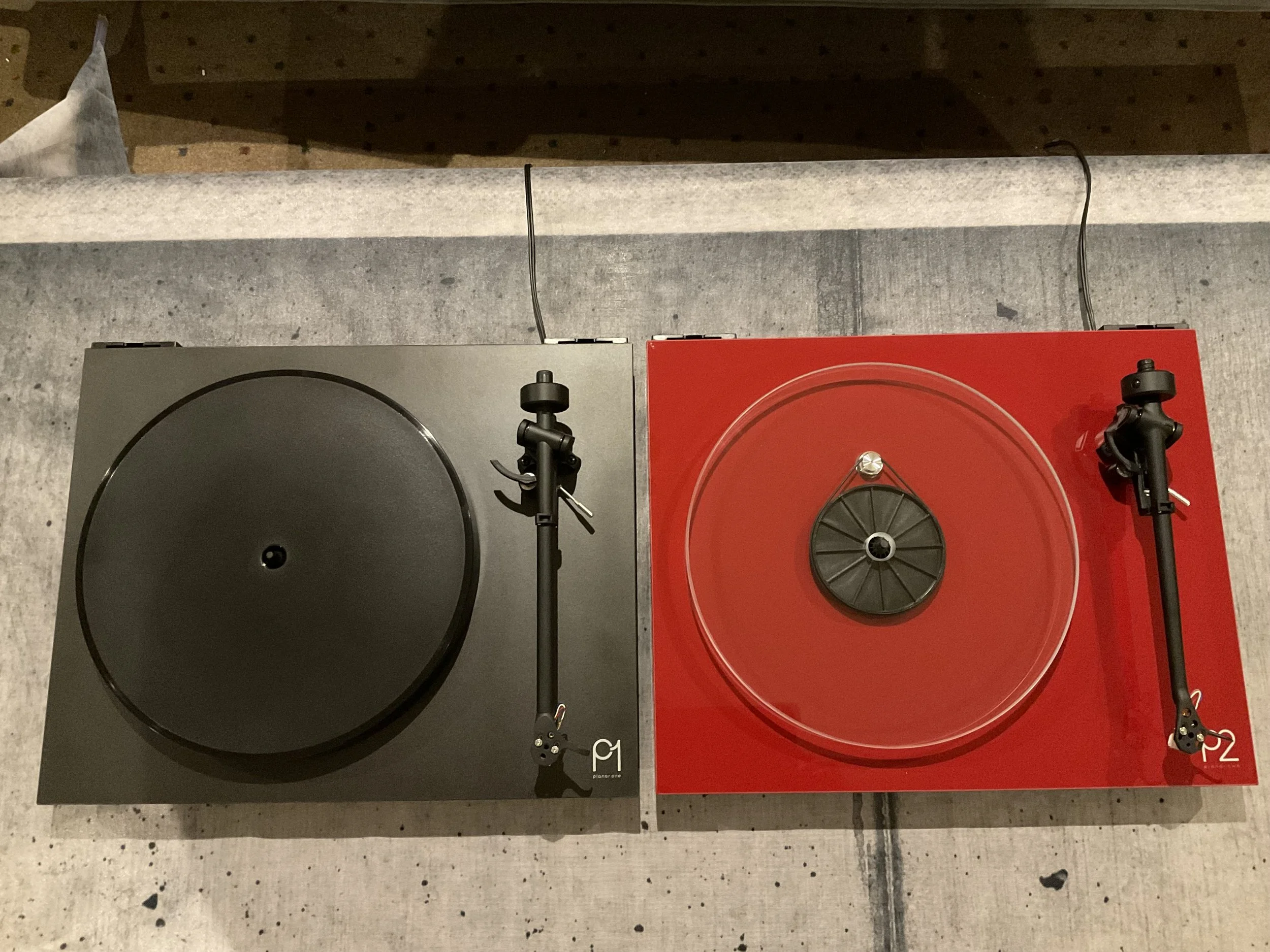
Planar 1 and Planar 2 - Great sound and easy to set-up!

At first sight both look almost identical. But what makes them different?

Finishes and Features

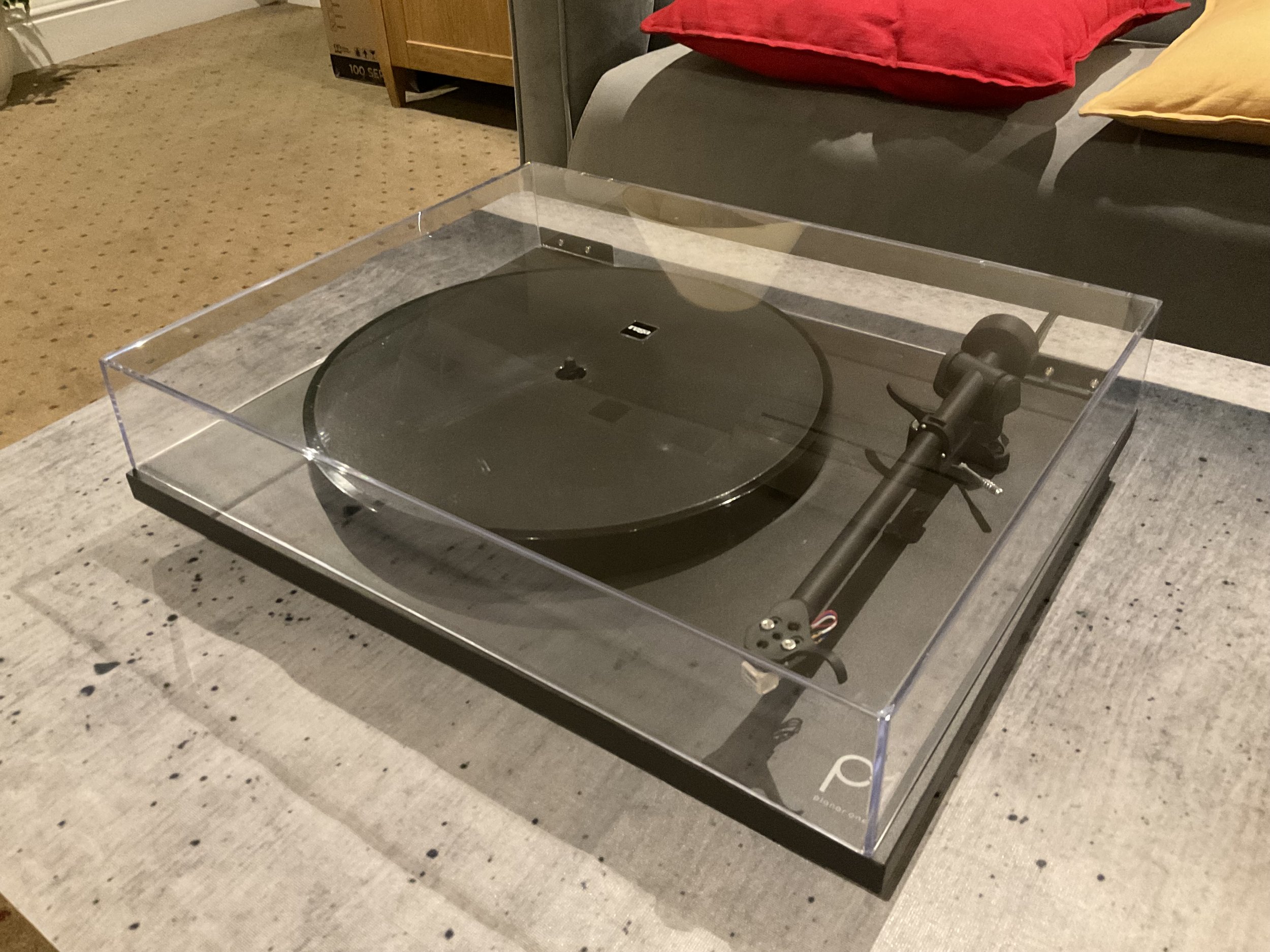
The Planar 1 is a Plug-and-Play design that is available in three finishes: Matt White, Matt Black and an all new Walnut effect finish.

Simply unbox it, push the round counter weight onto the back of the tonearm and you’re ready to play your vinyl. The supplied Rega Carbon cartridge (sometimes referred to as the needle) is fitted as standard and a dust cover is included, too. This Planar 1 is also available as a Planar 1 Plus which has a phono amplifier built-in which allows you to connect either directly to a pair of active speakers or an amplifier that doesn’t have it’s own phono stage. Both sound great straight out of the box.

The Planar 2 is available in three high gloss finishes: Red, White and Black. The Planar 2’s counter weight and adjustable bias, (counteracts the centripetal force pulling the arm towards the centre of the record), allows the use of a wider range of cartridges should you want to experiment or upgrade in future. The most notable difference, the high gloss plinth, is an MDF core covered with a highly rigid, acrylic laminate and the float glass platter improves accuracy. Just like the Planar 1, a dust cover is supplied as standard. The Planar 2 tonearm set-up is very easy, however, we are happy to set it up for you if you like - at no extra cost. In our opinion, more detail and a larger soundstage are definitely worth the extra money.

How to change the speed between 33 and 45 RPM?

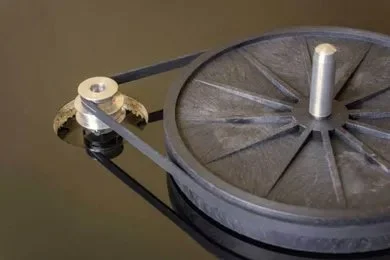
Lift the platter and move the belt that goes around the shiny pulley to the top groove for 33 or the bottom groove for 45 RPM.

From the Planar 2 to the Planar 3 - Quite a step up…

Where to start here? First up is a strengthened plinth to prevent unwanted resonance and a double brace system to add more overall stiffness. A high precision tonearm bearing that is almost friction free - This is just to name a few improvements compared to the Planar 2, all of which makes such a big difference to the sound. The combination of the RB330 tonearm and its supplied counterweight allows the use of a much wider range of cartridges so you can finely tune the system to your requirements.

The Planar 3 is available with factory fitted Elys2 or Exact moving magnet cartridges. You even have the option to purchase the Planar 3 without a cartridge if you already have one you’re looking to fit.

You may also notice that there is an upgrade socket on the back of the Planar 3. This allows you to connect the Rega Neo MK2 turntable power supply that further reduces motor noise, improves speed stability and the convenience of electronic speed change.

With a much bigger upgrade path the Planar 3 offers incredible value for the money.

It keeps getting better - Planar 6 with a super lightweight foam core and more

Planar3 and Planar6

What do you get when you move from the Planar 3 to the Planar 6?

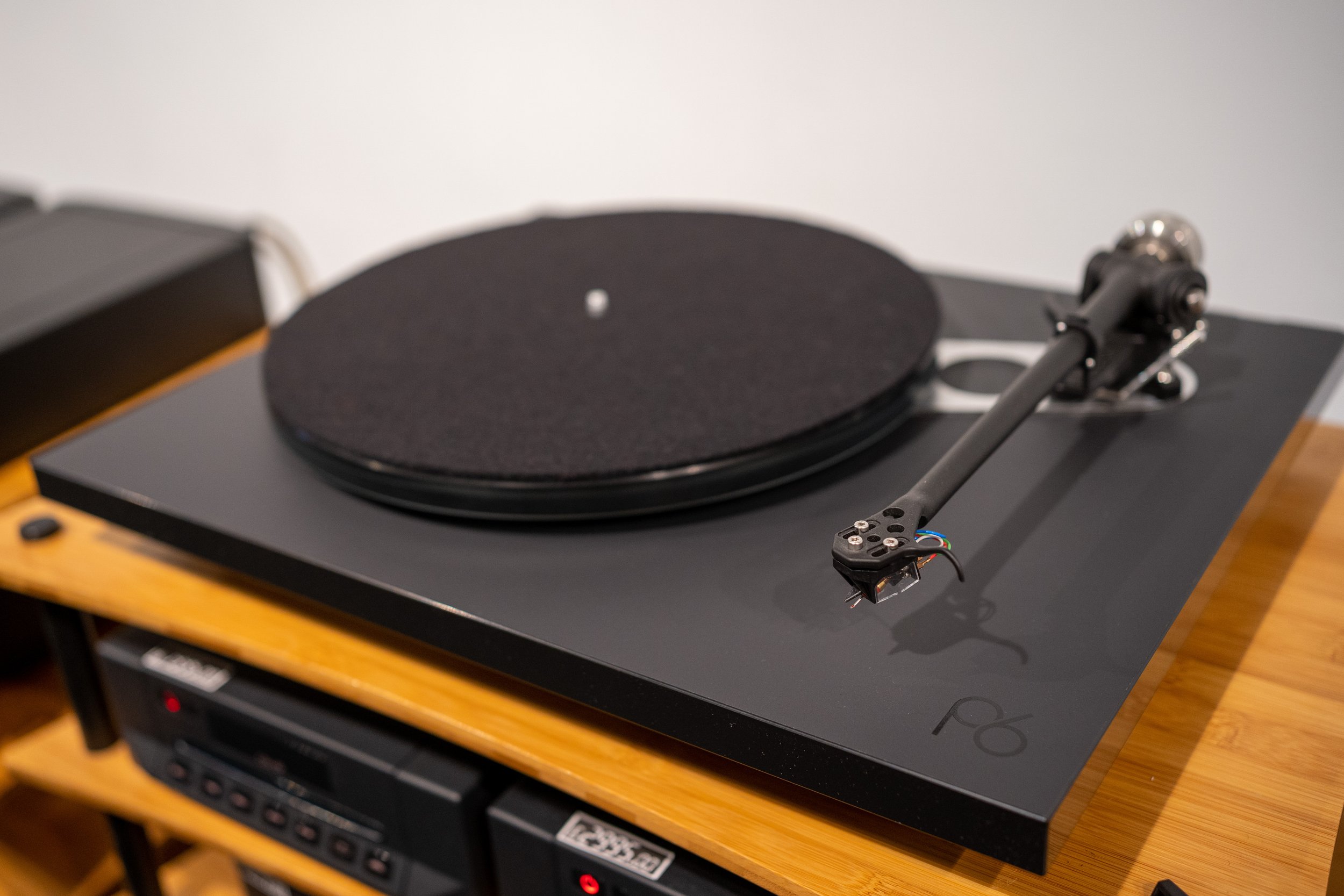
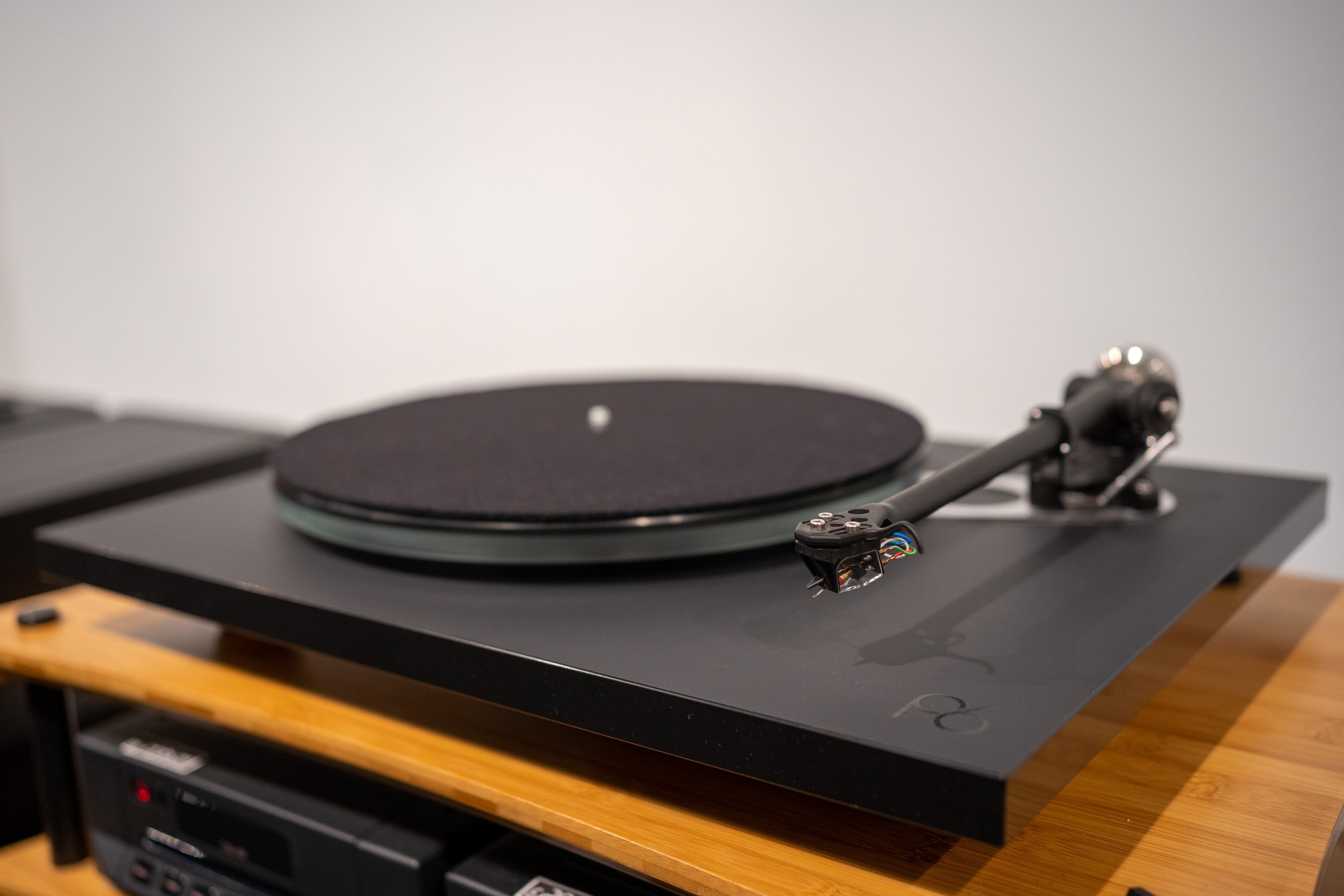
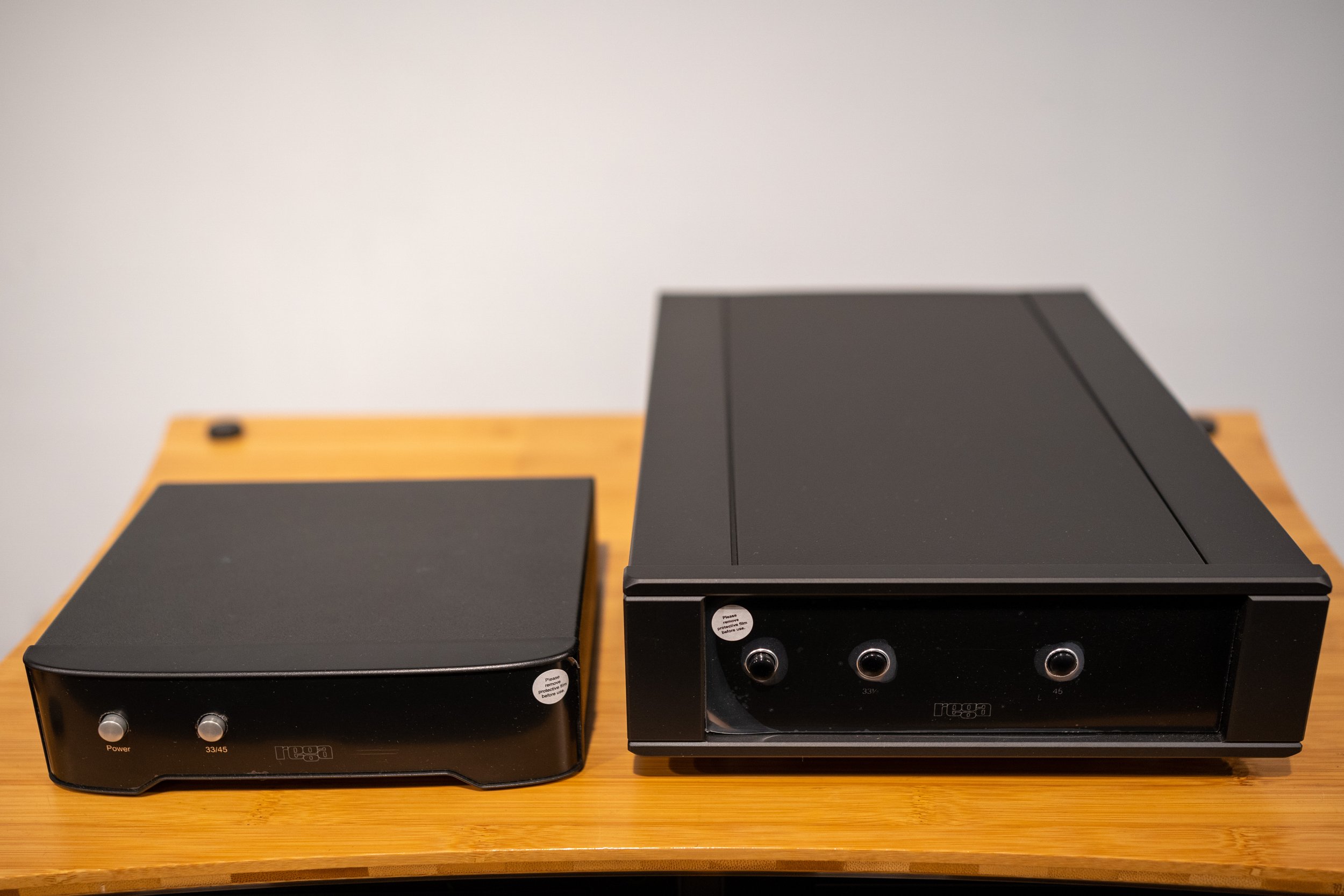
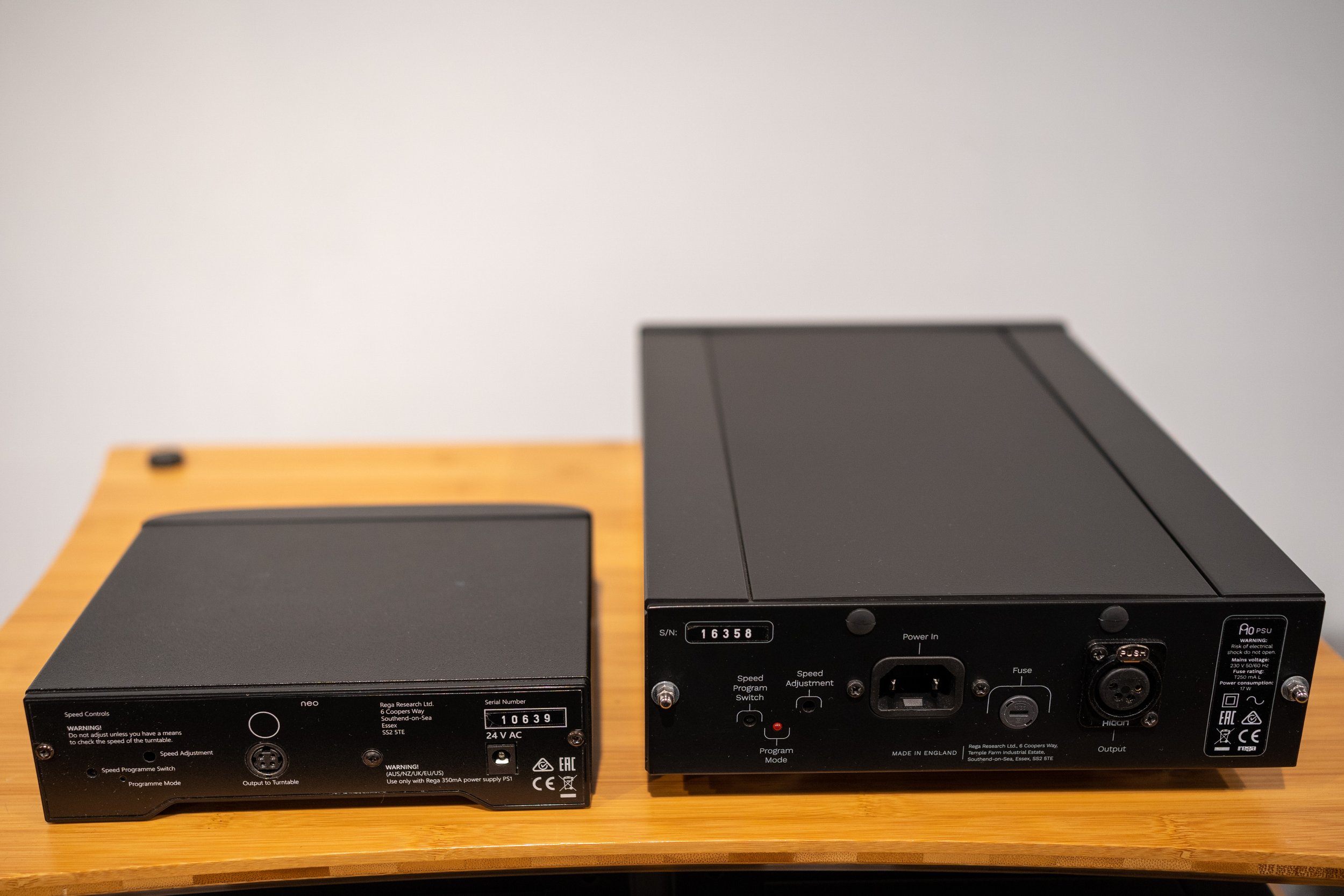
The most obvious difference in the picture above is the little box lying in front of the Planar 6. This is the previously mentioned Neo MK2 turntable power supply. Rather than being an additional purchase, the Planar 6 comes with a custom matched PSU as standard. It further reduces motor noise, improves speed stability and the convenience of electronic speed change.

The Planar 6 features a super lightweight foam core, made from material developed for the aerospace industry. It is sandwiched between two layers of high pressure laminate that adds the right amount of stiffness and this combination reduces external energy from entering the plinth. Rega have decided to offer a single stunning finish, Polaris Matt Grey, with a high gloss polymer black edge trim.

The Planar 6 is available as Planar 6/Exact (MM), Planar 6/Ania (MC), Planar 6/Ania Pro (MC) cartridges or Planar 6/no cartridge.

Sub platter and platter - Precision and Accuracy

The sub platter is made from a single-piece of machined aluminium that offers better speed stability. The dual layer glass platter improves the flywheel effect and with that the rotational speed.

The Planar 6 offers a tighter and deeper bass, more separation between the instruments and more silence in quieter parts of the music.

You spin me right round - The Planar 8

A small footprint with an impressive sound - Rega decided to take a very elegant approach with the Planar 8. It is quite a unique design compared to most of the more conventional looking turntables available on the market.

Take off the triple layer glass platter, then lift the skeletal lightweight foam plinth - This plinth is incredibly light, constructed from Tancast 8 core and covered in a high-pressure laminate (HPL) skin (a material developed for the aerospace industry).

What makes the Planar 8 such a great sounding turntable ?

It is this very clever combination of a incredibly lightweight plinth, sandwiched between two layers of high pressure laminate, the new bearing assembly and the single piece machined aluminium sub-platter that holds the three-piece laminated glass platter (constructed from two different high-quality Pilkington glasses, a British glass engineering company). The platter is driven by two EBLT reference drive belts, made from a bespoke new rubber compound. Those are just a few reasons why the Planar 8 takes it to a new level.

The Planar 8 is available as Planar 8/Ania (MC), Planar 8/Ania Pro (MC), Planar 8/Apheta3 (MC) and Planar 8 /no cartridge.

Every aspect of the Planar 8 is engineered to extract as much detail from the vinyl surface as possible
— Rega Research

The Rega Planar 10 - An engineering statement

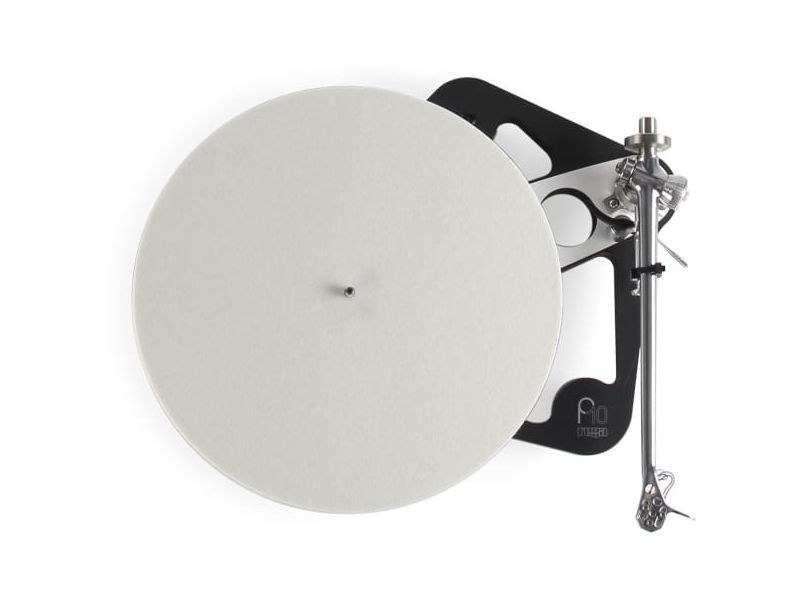
The Planar 10 was inspired by the ultimate Rega turntable, the Naiad. Built around the same ultra-light skeletal plinth featured on the Planar 8. There are however some significant improvements compared to the Planar 8 -

  • The Planar 10 uses a more advanced double brace system (a mix of phenolic resin and ceramic) to reduce unwanted resonance.

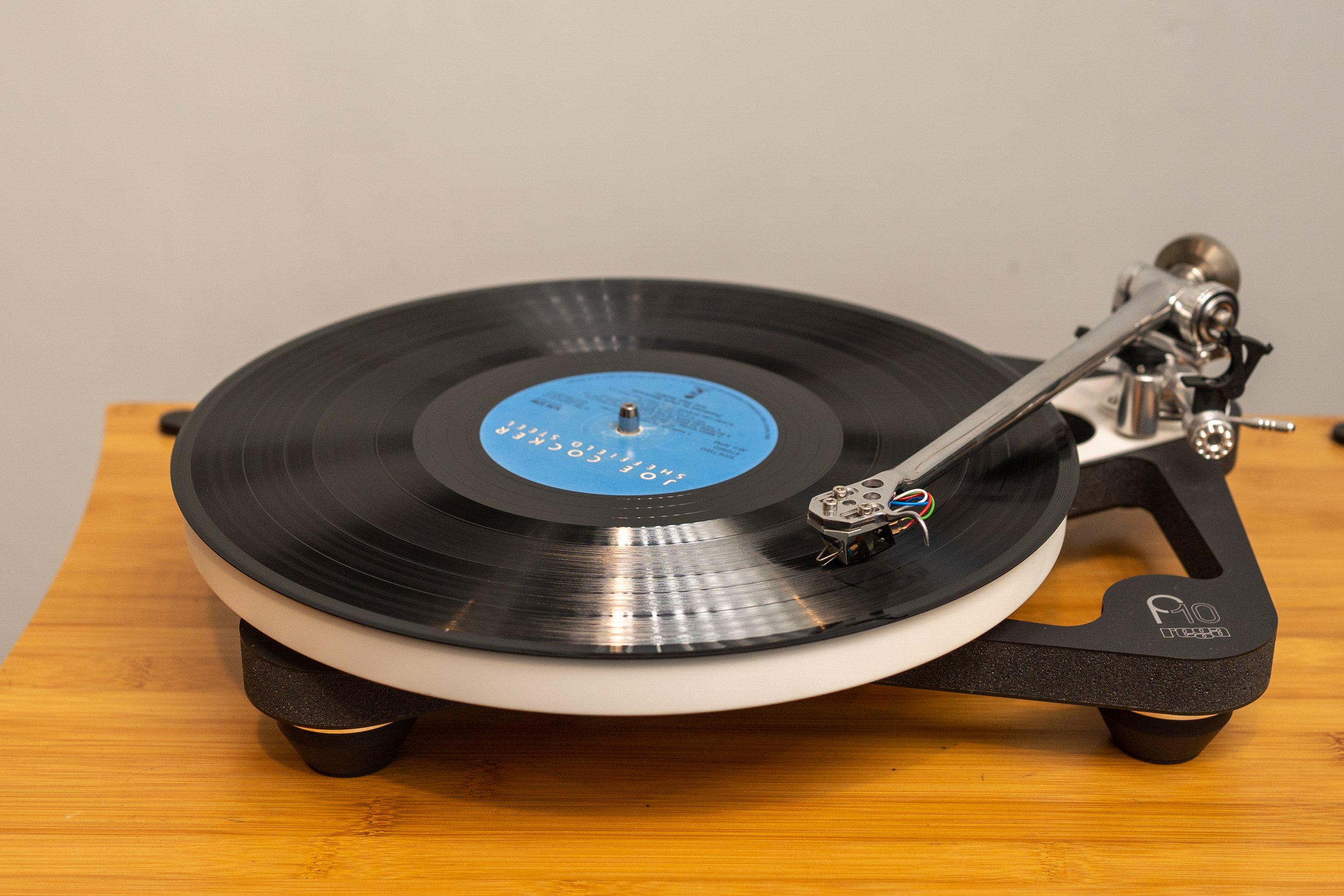
  • The hub bearing assembly eradicates unwanted potential energy being transferred or stored in the plinth.

  • The ceramic flywheel platter with improved coupling to the sub platter.

  • The 24v low noise motor is hand tuned to match its own custom matched P10 PSU power supply before fitting to the turntable to optimise the anti-vibration circuit.

  • The RB3000 tonearm designed to have the minimum of mechanical joints while using the stiffest materials in all critical areas.

  • Available with factory fitted Apheta 3 MC or Aphelion 2 MC cartridges

The Planar 10 looks amazing and it sounds fantastic with more clarity, soul and groove.

As we’ve said previously, we set up all purchased turntables free of charge, so they are ready to use as soon as you get home!

For more information please feel free to call us on 01793 538222 or send an email to swindon@audio-t.co.uk.

Thanks for reading - Stefan & Andy - Audio T Swindon.

If you have any questions about any of the equipment featured in this article, or any other Hi-Fi or home cinema enquiries, be sure to Contact Us.

If you’ve enjoyed this, why not go ahead and read some more of our other blogs, and be sure to follow us on our social media channels below…


Wants Versus Needs & the Audio Demo Room

image: Audio T Bristol, front of shop, 65 Park Street BS1 5PB

For all of its virtues and benefits, the internet certainly has its pitfalls and perils, especially when you’re looking for advice or guidance on a product that you think you might need…

“I'm Looking for a Streaming CD player that has a Dolby 5.1 Headphone Amp with built in Bluetooth Turntable, do you stock it?”

These broad and sometimes strange enquiries have inevitably made their way into our stores. Saturdays have become somewhat random I can tell you. I don’t know exactly when it happened, but I think it began around second lockdown and still continues today…

Do you have speakers that are good at ‘70s prog rock? I want to be able to stream music from my computer in the attic to my living room from my bathroom. I've converted my shed into a Hi-Fi room and vinyl library and I want to hear my records playing in the kitchen.”

These sort of enquiries don’t really faze us. With over fifty years of industry experience, we’ve heard most things. However, I'm sure there are swathes of people searching the internet to arrive at some forum or online group where impossible Hi-Fi questions are answered with “Yes” instead of a “Why?

Hi-Fi questions like the ones above are like Himalayan Balsam - they are an invasive species, choking out the real important questions and providing answers like “you can see the Eiffel tower from the London Eye”.

When is an Audition Room not a Showroom?

It goes without saying that no two showrooms are the same. Different retailers in the Hi-Fi industry adopt differing approaches when it comes to their listening spaces. Some audition rooms are more like acoustically treated anechoic chambers, (an-echoic meaning "non-reflective") which is a room designed to stop reflections of either sound or electromagnetic waves. A true anechoic chamber is a fairly unsettling experience. Just by talking in them can makes you drop your voice to a whisper and change your dialect to the received pronunciation of a late night radio talk show host with buttery plosives. In these environments, even fingernails down a blackboard would sound like a perfectly produced scene in a Nordic Noir crime drama. These rooms are great for analysing a system without any external acoustic or sonic interruption or bias… But that’s not how we use this equipment in the real world.

Image: Audio T Bristol, Main Audition Room

Listen With Curiosity - Audio T Bristol, Main Audition Room: 7m x 4.5m x 3m

Unlike most Hi-Fi retailers, every branch of Audio T has dedicated demonstration rooms that resemble and sound like a normal living space. The reasoning is obvious. How can you make a decision about a potential system when the listening environment is nothing like a real home? Our demo rooms are not only for hearing the system, you can do that on any shop floor, but actually listening to music in your own way in comfort and taking the time to learn the functions and features with no pressures. Then switching out components and listening to other options. Based on your feedback, we can then recommend equipment to tailor the sound to what you prefer and that heightens your enjoyment.

But, let's delve a little deeper. How can you get the most out of your time here with us and how you can prepare?

In the interest of putting the Streaming/CD/Record straight, here are 5 points that need to be addressed when choosing a system.

High-end audio is about passion — passion for music, and how well it is reproduced. High-end audio is the quest to re-create in the listener’s home the musical message of the composer or performer with the maximum realism, emotion and intensity
— Robert Hartley, High-Performance Audio Systems

1. Bit of Research

It is very rare indeed, that people just walk in and buy a full Hi-Fi system and walk out. Invariably, the Hi-Fi decision will be a process of reading reviews, talking with friends. This can be quite a daunting process for the uninitiated. The general rule is that source is king; amplification the heart; speakers the limbs. With all systems, at whatever price point, there will be a sweet spot of all three creating a synergy between the components. Check out our Audio T Music at Home Brochure for an overview of who we are and some of the Hi-Fi and Home Cinema Manufacturers we represent. There is also a new Music at Home quarterly magazine that can help with your research.

This being said, if you want to come to us as a blank canvas, feel free to do so.

2. Room Size and Measurements?

Image: Audio T Bristol, Audition Room 2 with home cinema setup

Audio T Bristol, Dem Room 2 with Home Cinema Setup: 4.2m x 4m x 3m

Think of where your listening point will be and measuring the room dimensions, features such as windows and distances from the listening position (sofa or chair) to the speakers. This is because most music is produced for the two channel experience. The sound waves from a left and a right channel and room reflections interact creating a "holographic" stereo image between the speakers.

Rule of thumb - Large speakers in a small room may be too overpowering, resulting in unsavoury bass bloom and resonances that muddies the sound. By contrast small speakers in a large room will result in a loss of detail, a boxy, thin sound and weak bass response.

3. Critical listening, great sound and/or convenience?

How you enjoy music is a very personal experience, unique to you. Tastes vary, collections; digital streaming, vinyl and CD differ. Where? For example, a dedicated music room, lounge or open plan living space determine what is best. The critical listener will invariably have a large collection and have very discerning Hi-Fi sound requirements. It is not unusual for us to ask the customer to bring in their system and then we audition many different Hi-Fi components to zero in on what changes give the best price/performance results. Then, try a home demonstration.

Naim Audio graphic showing the five key elements of a HiFi system

From space saving convenience to Marque separates, this diagram courtesy of Naim Audio illustrates clearly from source to loudspeakers how greater fidelity is achieved.

Creating a critical listening sound with great convenience is the job of the Just-add-speakers HiFi systems. The range topping Naim Uniti Nova or for a modular approach the Linn Selekt DSM. These single boxes are the vanguards of single box greatness.

Convenience need not mean bad sound.

The Ruark range of all-in-one offer great sound and are ideal where space is at a premium.

image: Ruark R3 all-in-one system

Ruark R3 music system; built in speakers, Class A-B amplifier, CD Player, Bluetooth, FM and DAB Radio

Great two channel sound need not break the bank. Check out our Hi-Fi Bundles to get an idea of what is possible for any budget. The Rotel Tribute edition CD player and amp is a great starter system , with the added bonus that the A11 has a Bluetooth input - for that convenience of streaming from a phone or tablet. Don’t see the right thing for you? Let us know and we’ll tailor a bundle to your requirements.

4. Functions, form & how Loud?

Aesthetics are an all important sensitive part, not least because it may not be just you who has to live with your Hi-Fi. The most visually imposing are the speakers, thankfully there are a lot of choices and a myriad of finishes to match most living spaces.

Some listen at low volumes, some like the windows to rattle, and especially with creating a system for enjoying movies to their fullest, the ground to move too. System matching is vital. Contrary to belief, low level listening that still achieves a great stereo image and engaging listen is trickier to achieve in large spaces than louder volumes.

Then, you could always go for the most non-intrusive Hi-Fi experience with a great headphone setup. Pictured above are the Quad ERA-1 Planar headphones with Chord Mojo 2 Mobile DAC/Headphone Amplifier plugged into an Apple iPad.

5. Book a demonstration with Audio T

Begin the journey to explore the possibilities to enjoy your music and film with an audition or just a chat about the options. We look forward to welcoming you!

Thanks for reading - Max, James, Justin - Audio T Bristol

"(PS. Streaming CD player, Dolby 5.1 Headphone Amp with built Bluetooth Turntable? Yes, Check out the Bluesound Home Theatre setup add a Rega Planar 1 plus.)

If you have any questions about any of the equipment featured in this article, or any other Hi-Fi or home cinema enquiries, be sure to Contact Us.

If you’ve enjoyed this, why not go ahead and read some more of our other blogs, and be sure to follow us on our social media channels below…

Big Speaker Fetish! Getting intimate with the Acoustic Energy AE509…

The Bit at the Beginning

It’s not really much of a secret that, alongside Prog Rock in all shapes and forms, I have a pretty serious and full on fetish for big loudspeakers. The latest recipient of my lascivious lusting is the rather sexy AE509 from Cotswolds loudspeaker experts Acoustic Energy. As a company Acoustic Energy was founded in 1987 and quickly built a reputation for great quality at reasonable prices, that was the envy of many manufacturers at the time. After a period in the wilderness ( those pesky Americans! ) and after a management buyout ( yay for the Brits! ), they are well and truly back and have a wonderful range of loudspeakers that will suit most rooms /systems/budgets. Over the past year or so I have grown to really love what this particular pair of loudspeakers is capable of, and I feel that the world needs to know what they can do too!

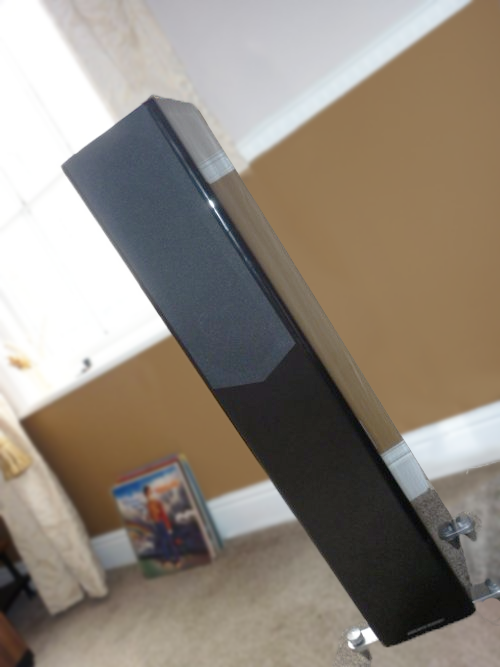
Acoustic Energy AE509 in gloss black

The Techie Bit

The AE509 has a Mid Tweeter Mid/bass (MTM) driver layout with a 2 way crossover using high voltage polypropylene film wound capacitors and air core inductors for optimum sound dispersion .

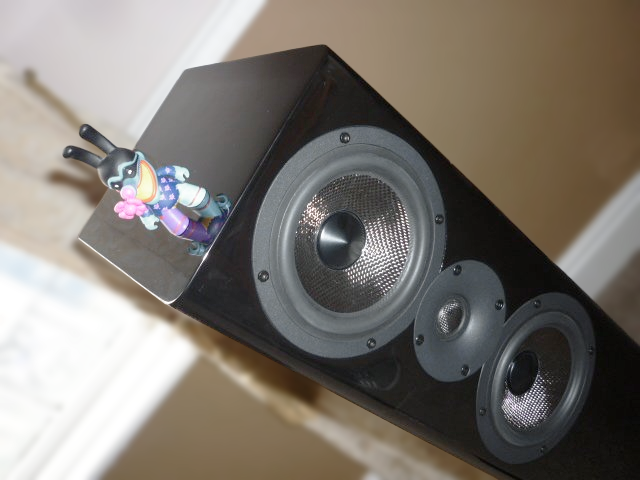
The Carbon Fibre Drive Units In All Their Glory.

The 125mm mid/bass drivers include new oversized 35mm voice coils, for low thermal compression and very high motor force factor, to provide a highly dynamic yet controlled bass response. The woofer has an optimised motor and suspension system for maximum linearity and lowest distortion, ensuring pin point mid-range definition, whilst the lightweight nature of the carbon fibre cone material increases transient speed and clarity.

The new 25mm carbon fibre dome tweeter is much lighter and better damped than other typical hard dome materials, and provides a lightning fast, natural sound without harshness. A new cast aluminium waveguide on this high frequency driver is positioned close to the mid/bass drivers for optimum dispersion, and is extremely stiff to minimise vibration within the tweeter, ensuring sweet, clear and natural highs.

This complement of hightech drivers are housed in Resonance Suppression Composite (RSC) cabinets, evolved from the prestigious Reference Series and featuring the same constrained layer composite, to greatly reduce cabinet acoustic radiation, which would otherwise colour the sound. This is basically a cabinet within a cabinet with damping in between - Clever eh? These cabinets are finished in a choice of high gloss Piano Black, Piano White or American Walnut wood veneer finishes.

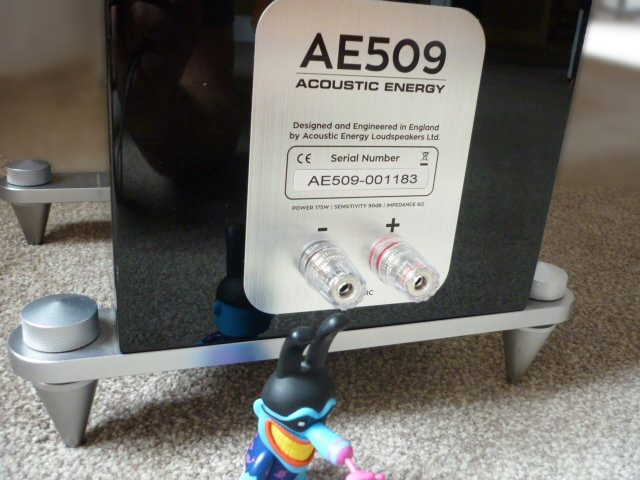
LOVELY SPIKES TOO…

Another thing I really like about these speakers is the gorgeous metal bases with proper chunky spikes. Most speakers these days treat the spikes as just a cheap add on and they don’t give you a great method of making sure your speaker does not wobble around whereas the Acoustic Energy base and spikes looks amazing, really works, and makes set up easy as well. The stiffness of these metal structures reduces any unwanted room to speaker interactions that might colour the sound too….genius! There are some rather chunky banana sockets too, proof that no detail has been overlooked.

The Bit In the Middle

Over the course of the last year or so I have grown to really love what these loudspeakers can do. They are at once precise, open and detailed and able to produce a huge soundstage that projects way out of the boxes in all directions. The bass goes down really deep when it needs to, but is always clean and tight never getting out of control. Also, and mega importantly, they never sound overly bright or clinical like so many modern designs can do. They are also easy to drive but respond magnificently to having high quality sources and amplification in front of them. Could they be the perfect loudspeaker? Lets put them to the test with some music shall we?

The Music Bit

Loops In The Secret Society by Jane Weaver

Loops in The Secret Society’ contains lots of gloriously wonky, cyclical, ambient re-workings of some of Jane Weaver’s most requested songs from her most recent albums and live shows. Here she uses analogue tape-loop devices, vocal manipulation and dubbed-out multi-layered custom vinyl plates to produce genuinely thrilling and challenging experimental pop, with a Motorik Krautrock vein right through the centre. Played via the AE509’s I am totally sucked in and get lost in the hugeness of it all. A great recording and a beautiful pressing to boot, not a click or a pop on any of the four sides. And what about that gorgeous pink vinyl! Whenever I listen to Jane Weaver I always imagine that this is the kind of music that the late great and criminally underrated Delia Derbyshire would be making if she were still with us……Ah….If only!?

Sun’s Signature ….Prog Rock lives!

This is ‘Sun’s Signature’, the current project from vocalist Elizabeth Fraser (of Cocteau Twins fame) and her musical and life partner, percussionist Damon Reece. This is a wonderfully lush recording with some truly cavernous bass and an open atmospheric ambience that on the AE509 you can fall into and get lost in. Also on this EP is a healthy and rather unexpected dose of prog rock with, former Genesis member, Steve Hackett providing crackling sustained guitar to the track “Underwater” and his work also sets psychedelic fire to the very trippy “Golden Air”. He contributes Spanish guitar to the beautiful closing track “Make Lovely the Day,” Hell, the album even has mellotron on it. Just amazing! And Liz Frazer can still do it! So if you love The Cocteau Twins and you love Genesis you need this in your life.

The Bit At The End

All this attention to detail produces what must be one of the finest floor-standing loudspeakers that we have ever had the pleasure of listening to at Audio T Cheltenham. They are never harsh or bright sounding, these are speakers that you can listen to all day long and never get tired of. The bass is deep and juicy but always perfectly controlled. The whole soundstage they produce is big and open, extending massively outside the boxes. They are easy to accommodate room-wise, and they do not need lots of space behind them to be able to produce that wonderful lush goose-bumpy soundstage. They are easy to drive so will work with fairly modest amps but they respond beautifully to being driven by big powerful current monsters too.

If I have whetted your appetite even a little please feel free to give us a call and bring in a pile of your favourite music and have some fun… We do! We also make a great cup of tea or coffee and have some nice biscuits too.

Thanks for reading,

Andy, Jon and Farid - Audio T Cheltenham.

If you have any questions about any of the equipment featured in this article, or any other Hi-Fi or home cinema enquiries, be sure to Contact Us.

If you’ve enjoyed this, why not go ahead and read some more of our other blogs, and be sure to follow us on our social media channels below…


Making streaming easy with AURALiC

First founded in 2008, AURALiC has established a worldwide reputation for designing beautifully made, innovative music streaming and audio components of the highest quality – a combination of classic analogue technology and cutting edge digital evolution with a design aesthetic. Here at Audio T Southampton, we have been big fans of AURALiC and their range of high quality streamers and digital source components since we first saw and heard them in store a few years ago. With their product range rapidly developing and widening in that time, here's a timely reminder of their offerings, most of which we now have on demonstration in our store…

Straight out of the box, the first thing you’ll notice is that all the products in the range are all impeccably engineered and encased in high quality alloy casework. Whilst there is a strong visual similarity between the models there are distinct differences. So here's a brief rundown to help you decide which product best suits your needs…

AURALiC Altair Digital Audio Streamer

The Altair Digital Audio Streamer, with its robust Wi-Fi connectivity and analog output, is a clean and powerful one-box solution for all your digital music. It offers a vast number of features and functions, allowing you to stream music from virtually any source.

You can play from locally stored files on your network, a USB drive, an optional integrated hard drive, as well as AirPlay 2 or Bluetooth sources. AURALiC’s Lightning Streaming Platform integrates natively with services like Amazon Music, Qobuz, Tidal, KKBOX, Internet Radio, and Spotify Connect.


As you can see, the Altair has a comprehensive range of digital inputs and both RCA and XLR analogue outputs, meaning it is ideal to serve as a digital front end component connected to a stereo power amp or even directly into a pair of active speakers.


AURALiC Aries Streaming Transport

The Aries Streaming Transport is the ideal solution for connection to an external DAC or amplifier with digital inputs. It's a high quality streaming transport with state of the art wireless technology.

On a personal note, I actually use an Aries G1 myself and I'm delighted with the performance when streaming Qobuz high resolution music into my Cyrus Pre-XR via USB.


On the rear of the Aries, you’ll find that almost all digital output options are catered for, plus provision for external USB storage connectivity.

Designed for ease of use, crystal-clear sound, and highly flexible system configuration, the Altair brings high-performance, cutting-edge technology and incredible value to any high-fidelity music system.


AURALiC Vega Streaming DAC

The Vega is first and foremost a performance-focused DAC that utilises AURALiC’s best digital to analogue technology for optimum sound quality. Ethernet connection is used for online streaming services. Vega is also a Roon ready endpoint.

Every aspect of the Vega’s engineering has been designed to push the boundaries of sonic performance, reshaping data into a vibrant, emotionally rewarding musical performance.


Taking a peek around the back, the extensive socketry includes an analogue input enabling you to connect the output from your phono stage for vinyl playback.

For those seeking ultimate performance and extra streaming features, AURALiC recommend combining the Vega alongside an Aries .


Making sense of G1 and G2…

For the uninitiated, the varying options of the same model might seem confusing. G1 products tend to have more cost-effective specifications whilst still offering all the same software features as the G2 range.

G2 indicates AURALiC’s top specification, state of the art products, incorporating unique technology such as Lightning Link - A HDMI-type plug which offers 18Gbps high-speed data transfer and provides ultra-fast two-way communication between AURALiC products such as Sirius Upsampling Processor and Leo Reference Master Clock. AURALiC actually claim that Lightning Link is the only real jitter-free link in the world of high-performance audio. As an added bonus, G2 and G2.1 products can be linked without worry, allowing them to work seamlessly, as one contiguous digital source for an astonishing musical experience.

One of the more impressive physical attributes featured within G2 products is the Galvanic Isolation found as part of the Unity chassis - a double enclosure, where an outer case made from high-grade aluminum is supplemented with an inner layer of copper. You’ll also find other improvements such as analogue ladder volume control and Orfeo Class A output modules.

Products designated .1 and .2 are hardware upgrades to existing models whilst retaining the same core functions. For example AURALiC have just released Aries G1.1 and Altair G1.1. The key differences are that both products now have the high mass base from G2.1 models to improve vibration damping and enhance sonic performance. Support for AirPlay 2 has also been added.

It’s also worth noting that the Aries G1.1 now has the option of internal storage as well as an improved Femto clock and a more powerful headphone amplifier. The retail price on either model is currently £2499.00*.

All AURALiC products incorporate open home based streaming with Tidal Connect, Spotify Connect and Apple AirPlay 2 and are Roon ready. The AURALiC Lightning DS IOS app seamlessly integrates with Amazon Music Unlimited, Qobuz, Tidal and with NAS music playback, optional internal storage as well as USB drives. Resolution up to 32 bit 384 khz and DSD 512 are supported via ethernet or Wi-Fi.

For anyone who is prepared to forego the upgrades, we currently have a few low usage ex-demonstration models of both the Aries G1 and Altair G1. These products are in excellent condition, complete with boxes and all accessories and full warranty for £1839.00! That's a very substantial saving of £460.00*. But hurry, once they’re gone, they’re gone!

Thanks for reading

Alan, Wayne and Nick - Audio T Southampton

If you have any questions about any of the equipment featured in this article, or any other Hi-Fi or home cinema enquiries, be sure to Contact Us.

If you’ve enjoyed this, why not go ahead and read some more of our other blogs, and be sure to follow us on our social media channels below…


*All prices, credit terms and interest rates quoted are correct at the time of going to press but may be subject to change. E&OE

WHY IT’S GREAT TO VISIT YOUR LOCAL AUDIO T HI-FI SHOWROOM

On a quick wander along any local high street or shopping mall, it won’t take long before it’s impossible to avert one’s gaze from boarded-up shop fronts, whitewashed windows, ‘for sale’ signs and other high street horrors. It can all leave you feeling that you’ve just visited a ghost town (cue the classic movie tumbleweed from any western of your choosing). Without being an expert in these matters, it’s hard to pin down whether or not the exodus of the good old “bricks and mortar” shop has been caused by cut-throat internet selling, that extraordinary pandemic, Brexit, and/or other factors. When it comes to best-in-class audio-visual equipment, in addition to supplying customers via the interweb thingamajig, we here at Audio T absolutely love providing you with a variety of hi-fi goodies and services from one of our stores… yes from a good old shop! Why don’t we grab a coffee, or perhaps something cooler in this heatwave, and take this discussion a little deeper…

Ready for Action! Our Main Demo Room at Audio T Reading

Hello. We really look forward to meeting you…

Welcome to another bright, but gosh oh-so-dry, sunshining day. Here at Audio T Reading there is that morning buzz of raising the shutters to a new day and the excitement of opening our doors to meet and greet more of the hi-fi loving community. What will the day in-store bring this time? Perhaps the continued turntable renaissance will usher in vinyl enthusiasts to take a look and a feel of the crisp and clean lines of the arresting Rega Planar 6? Isn’t it amazing how the Planar range continues to appear fresh yet timeless? Or maybe the slick looking Audiolab 6000CDT CD transport will get a spin in the demo room to show a customer first-hand that CD certainly isn’t dead? It never fails to impress us just how much detail can be extracted by the latest silver spinners. Gone are the days of CD players sounding ‘digital’ – it always makes for a great in-person conversation. And let’s not forget the next-generation ways of getting a healthy dose of music – perhaps today we’ll be taking our customers through the various streaming, networking and multi room listening options offered by the likes of say Bluesound? Or maybe we’ll be demonstrating the very best of old-meets-new technology, courtesy of say high-quality CD ripping via the impressive Innuos ZENmini Mini Mk3 audio server? Here at Audio T we have many great memories of the face-to-face interactions we have with our customers. There’s a satisfaction to seeing someone’s face light up at that first moment they hear new intricacies and hidden layers of information in their favourite recording. It’s the kind of neat trick the Chord Electronics Hugo TT2 combined DAC and headphone amplifier regularly performs!

Where Great Memories are Made! Happy Customers Visiting Audio T

A “Special” in-store experience… One of many

Not long ago, we had a customer come into the shop showing a keen interest in a pair of Dynaudio Special Forty, one of the finest looking and sounding stand-mount stereo speakers around. The customer had the opportunity to explain it was a significant investment and therefore wanted to be sure they were worth the outlay, as well as wanting to see the fit and finish of the Special Forty in the flesh. We agreed with them that the best way forward was to have a listen to them in our demo room, on the end of the newly arrived and wholly engaging Rega Elicit Mk5 integrated amplifier. See, one of the benefits of operating from our shop with dedicated demo rooms is that we regularly get to connect up a number of different hi-fi systems. From this most enjoyable of exploits, we have gathered a great deal of knowhow as to which equipment combinations dovetail incredibly well together, sounding much greater than the sum of their parts. We know that a Rega-Dynaudio system is one of many synergistic combos.

During the demo, the customer got to see the sublime SolidSteel SS-6 speaker stands, upon which the princely Special Forty were showcased. The customer had been interested in upgrading his speaker stands too, so in having the perfect opportunity to ask questions in-situ about the various performance benefits of SolidSteel stands (benefits that often get overlooked given their exquisite aesthetics) the customer had all the necessary advice, the sonic fulfilment from a most enjoyable demo, as well as the assurance of speaking to an expert in-person to confidently purchase an awesome pair of Dynaudio Special Fortys in ebony wave finish, along with a mighty fine set of accompanying SolidSteel SS-6 stands suited in black.

Turntable Service, Repair and Upgrade at Audio T

Best of both - Our stores in perfect harmony with online

With the above, in-store, customer experience being one of many great examples, it’s always clear for us here at Audio T to see the benefits and importance of operating from a shop and supporting an in-shop experience for customers, something which just cannot be replicated by services online. Don’t get us wrong, we love and actively support the online model of providing great hi-fi audio-visual products too and it has its many benefits, such as being able to read up on the many great products and services that we offer, or to check out our fantastic free Music at Home+ magazine, or to catch up with the latest happenings here at Audio T via our enthusiastic staff members’ blogs. That being said, there are bespoke services that we provide in-store that make visiting one of our shops a truly unbeatable experience. Maybe you want to talk to us about a problem with your turntable? Well, here at Audio T we have the in-house expertise to assess, repair, service and even upgrade a number of turntable brands and models, including Rega and Linn, and you can visit one of our shops, with or without your turntable, to discuss with our friendly team of enthusiasts. And, in-store, we can even make up a range of cables, such as the Chord Shawline X speaker cable, for you to take away. Or we can show you, in-person, how a range of our great vinyl cleaning options actually work, such as the Pro-Ject VC-E record cleaning machine.

We also offer a part-exchange service in-store, which we are happy to talk to you about and is a great solution for taking the next steps on your hi-fi adventure. Last but not least, there’s nothing quite like coming into your local Audio T shop, talking to our bright and helpful team, and actually getting hands-on (or of course “ears-on” via a demo) to experience for yourselves how sturdy those buttons actually are, or say how slick that volume knob feels. Coming to our shop is a unique experience that can be continued to be enjoyed for years to come.

So as you walk past yet another not open for business shop that has sadly vanished into the ether, do remember that we are open for business and are happy to welcome you and get listening to some seriously good music of your choosing! Thanks for reading.

Rishi, Gareth and Rob – Audio T Reading

If you have any questions about any of the equipment featured in this article, or any other Hi-Fi or home cinema enquiries, be sure to Contact Us.

If you’ve enjoyed this, why not go ahead and read some more of our other blogs, and be sure to follow us on our social media channels below…


The incredible equipment and services mentioned can be found at the following Audio T stores:

Front-end Rules! - Where does the importance of the Hi-Fi components lie?

To coin a phrase by Ivor Tiefenbrun, the founder of Linn and designer of the iconic Linn LP12 record deck. “Don’t throw away your records, you haven’t heard what’s on them yet.” Regardless of manufacturer, this design philosophy has often been the subject of many a debate in determining the hierarchy of the source/amp/speaker setup and deciding the budget allocation awarded to each.

The subject of this month’s article is to demonstrate and discuss the value to the “front-end” of your Hi-Fi system and the importance of where the rubber meets the road, so to speak.

Turntable Vs Turntable

Rega Planar 6 w/ Ania cartridge and Neo power supply v Rega Planar 10 w/ Apheta 3 cartridge

Let’s get down to brass tacks… Both the Rega Planar 6 and Rega Planar 10 (and Planar 8) come with an external power supply that not only provides a better sound sonically, but also allows for you a push-button speed change. This is a step-up from the manual belt change required on the Planar 1, Planar 1 Plus and Planar 2. The Rega Planar 3 doesn’t come with an external power supply as standard, although the Rega Neo power supply can be purchased as an upgrade if desired. And we’d strongly recommend it!

As I mentioned, there is a lot more to an external power supply such as the Rega Neo than the ability to change speeds more easily, with sound reasons (pun intended) for getting the power supply “off deck”. Isolation of individual component power supplies is one of the paths to Hi-Fi nirvana. The price differential and corresponding sonic improvements of the Rega Planar 10 power supply over the Rega Neo power supply provided with the Planar 6 can be both seen and heard.

Battle of the cartridges

Rega Ania v Rega Apheta 3 moving coil cartridges . . .

Rega ania moving coil cartridge

The Rega Ania cartridge is a moving coil type (MC), so you will need to factor this in when plugging into an amplifier. Most standard integrated amps come with an MM (moving magnet) phono stage, which boosts the signal to a different level than a MC (moving coil) phono stage, so an additional phono stage may be required for vinyl playback. Of the phono stages talked about in this article, only the Cyrus Signature and Rega Aria have the option of MM playback, so gets an extra tick in the versatility box. All of them are MC playback capable, with all of the sound quality improvements that tends to bring. Whilst discussing the Rega MC range, here at Audio T we also stock an upgraded version of this cartridge called the Ania Pro (although I didn’t actually compare it this time around).

rega apheta 3 moving coil cartridge

The Rega Apheta 3 MC cartridge is the penultimate in the Rega cartridge range, the Rega Aphelion 2 being top of the range and outside the scope of this blog.

The rest of the system not to be sniffed at…

To ensure differences could be heard between the various turntable/cartridge/phono stage combinations, it is only appropriate to use Hi-Fi components commensurate with the quality of their peers.

A Naim Supernait 3 with an added Naim HiCap DR power supply provided the grunt and some lovely, sweet sounding ProAc Response DB1’s were used to move air.

Musical tonality to test the phonality...

The three albums used to try separate the men from the boys were; Miles Davis’ “Tutu”, Nirvana’s “Nevermind” and Ry Cooder’s “Jazz”.

Tracks from the corresponding albums were; “Tutu”, “Lithium” and “Big Bad Bill is Sweet William Now”, all capable of showing the dynamics, subtleties and handling of turntable/cartridge/phono stage combos abilities to deal with both well recorded and compressed tracks.

Phono stage pre amplifiers - boosting the all important signal from the cartridge to the amplifier . . . .

Tom Evans Audio Design - The Groove 20th Anniversary Edition

The Tom Evans Audio Design - The Groove 20th Anniversary Edition is a MC only design with dip switch adjustments for cartridge loading and fine tuning of the sound playback. As can be seen in the photos, the dip switches can be fine tuned to a person’s individual cartridge and these have been altered optimally, or as optimally as one can, for the Rega cartridges being reviewed in this blog.

Sound quality was epitomised by a “groove” factor and the Tom Evans - The Groove 20th Anniversary Edition certainly benefited from using the Rega P10/ Apheta 3 combination over the Rega P6/Ania with dynamics and spatiality improving vastly, albeit less so than with the other phono stages here. I could certainly appreciate why the phono stage was named in the way it was and if your sound preference is for P.R.A.T. (Pace, rhythm and timing) over a spacious, warm and cuddly sound, then this phono stage could well be the one for you.

Dynavector P-75 Mark 4

The Dynavector P75 Mk4 phono stage is a MC only playback device, adjustable with internal dip switches. This made it the most fiddly to setup and some confidence and manual dexterity is required to adjust parameters for optimum performance. That being said, once set, it proved to be a good performer. This could be considered the “budget” phono stage here, if that term can be applied at this price/performance level, but the Dynavector P75 Mk4 produced a lovely, warm and spacious sound with both turntables, one that you can really relax to, without over analysing the sound and instead, just listen to the music. If your budget is in the sub £1000 category then you have to listen to this.

Cyrus Signature Phono Stage plus optional PSX-R2 power supply

cyrus signature phonostage plus psxr2 power supply

The Cyrus Signature phono stage plus optional PSX-R2 power supply is one of only two phono stages in this test to include both MM and MC options for vinyl playback. It has four separate inputs to cater for different MM or MC cartridges plus gain, resistance and capacitance adjustment capability.

I listened to the Cyrus Signature phono stage both without (first) and then with the PSX-R2.

If your vinyl playback desire is to hear everything on your records, à la the Ivor Tiefenbrun philosophy, then the Cyrus Signature phono stage is probably the way to go. The detail it trawls from the grooves is quite extraordinary, especially with the Cyrus PSX-R2 power supply. The Cyrus Signature on its own is no slouch, but the extra detail and micro-dynamics are very obvious, no doubt due lowering the noise floor that comes with improvements in the power supply. This is a delightfully honest and insightful phono stage, perhaps the most neutral and accurate of them all. Whatever turntable or cartridge combination you own, the Cyrus Signature will let you hear the differences, especially with the recommended Cyrus PSX-R2 power supply.

Rega Aria phono stage

Middle in the range of Rega phono stages comes the Rega Aria.

The half-width, single box Aria also comes with a dual MM and MC input option.

In terms of sound, it is interesting to note where the Aria lies in the pricing ladder, putting it between the Dynavector P-75 and Cyrus Signature(minus the PSXR) in sound quality, with a good mix of the two flavours in terms of warmth and detail but a slightly scaled down version of each. This describes the sonic flavour of the Rega phono stages quite nicely because a nice, balanced and musical sound is achievable without breaking the bank.

Rega Aura phono stage

The Rega Aura reference phono stage is a MC only design with flexible cartridge loading options via rotary dials on the front.

Of all the phono stages here, the Aura is the one I’d most like to own. Noise levels are very low and the micro-dynamic subtleties are on a different level, especially when the Rega P10/Apheta 3 combo was used. Dynamics and timing were spot on and the Aura was both soft/gentle or hard/dynamic at the same time, if that is possible, showing music in its full glory. I was often in awe of the Aura. You could say I was smitten!

Where the rubber meets the road...

What surprised me the most in this lengthy test, was the variety of sound between these phono stages. All of them had their own flavour and consequently, your mileage may vary somewhat when it comes down to choice. Personal budget and taste will play a big part in your final decision, along with matching components, whether this be turntable, cartridge, amplifier or speakers. Whatever your choice, auditioning will be crucial to your final decision, so come and talk to us and book a dem.

Thanks for reading

Ade, John and Paul - Audio T Brighton

If you have any questions about any of the equipment featured in this article, or any other Hi-Fi or home cinema enquiries, be sure to Contact Us.

If you’ve enjoyed this, why not go ahead and read some more of our other blogs, and be sure to follow us on our social media channels below…


Welcome to the Extraordinary: The Chord Electronics Ultima Pre3 Preamplifier (and Ultima 5 Amplifier)

Although not one of Aristotle's Seven Virtues (Trust, Compassion, Courage, Justice, Wisdom, Temperance and Hope. Not a bad list, as lists go), Patience has often been touted as a contender for inclusion in a list of desirable traits a young person would do well to cultivate. As French playwright, actor, and poet, Molière (also known as Jean-Baptiste Poquelin) reminds us… “Trees that are slow to grow, bear the best fruit”.

That's all very well for Jean-Baptiste, but our Chord Electronics Ultima 5 Power Amplifier has been weeping gently for six months now, all alone, pining for a mate; those tears are now hot tears of joy. We are pleased to announce that the Ultima Pre3 has arrived - hurrah!

Not merely a pretty face…

It's a 'from-the-ground-up' new design packing the very latest East Farleigh technology, of which Chord Electronics are (somewhat self-effacingly) proud.

An all analogue design, the Ultima Pre3 features two balanced XLR & three unbalanced RCA phono inputs, an XLR A/V input plus XLR & RCA variable outputs for a power amplifier.

There is no tape loop, no phono stage, no Bluetooth connectivity nor any digital inputs, nothing to get in the way of reproducing the very best analogue audio possible. It does have a very useful 5V USB-A socket on the rear panel, so you can power portable devices such as the Chord's own Mojo 2 & Hugo 2 DAC/headphone amplifiers. It is worth noting that it is not recommended you use it to charge your mobile phone though!

As you can probably tell from the images (diolch Nic!) the Pre3 is beautifully engineered, with rock-solid build quality, and it is a joy to look at and use…

"Yes, yes, but what does it sound like?" Well....

Chord Electronics' electronics have always done certain things very well; timbre, timing, textures and space. The Pre3 and 5 Power are no exception, now adding weight and scale to their list of virtues (See what I did there).

Thrilling without being tiring, detailed without appearing hard, solid whilst not overwhelming the listener, this is very, very good indeed. Turn up the volume and it doesn’t appear to become louder, just bigger as it moves you closer to the artist, until you realise it’s very loud indeed and maybe it would be prudent to back it off - just a touch.

Playing Hans Theessink's "Blues Stay Away From Me", it's obvious this track is a duet, the accompanying vox appearing behind and above Hans' melody. On a lesser system, you don't hear anything but Hans, solo (I'm not even sorry).

Mario Biondi's cut of "This Is What You Are" has a very subtle tempo change on the cymbal after the first verse. Most systems miss it – the Pre3 and 5 Power do not. Also it sounds as if the percussionist is playing actual tom-toms, rather than yoghurt pots.

"Maybe In Another Life" by Caitlin Smith is beautifully rendered, a fabulous production, full, lush and solid – one can even pick out she uses a hard plectrum on this track, rather than her fingernails.

Finally, the 'Live in Japan' Eddi Reader performance of "Hallelujah" is heartbreaking and emotional, we defy you to not have a thickening to your throat and a tear in your eye while listening to it…

But why take our word for it? Come and join us for a listen.

Thank you for reading.

Ade, Andy & Nic - Audio T Swansea

If you would like to book a demonstration, call on 01792 474608 or Email us at swansea@audio-t.co.uk we look forward to seeing you.

If you have any questions about any of the equipment featured in this article, or any other Hi-Fi or home cinema enquiries, be sure to Contact Us.

If you’ve enjoyed this, why not go ahead and read some more of our other blogs, and be sure to follow us on our social media channels below…


Straight Outta Welshpool! Taking a look at Leema Acoustics…

In this months blog from sunny Cardiff, Matt takes a look at the story of a Welsh Hi-Fi company and goes on to review the Tucana ll Anniversary integrated amplifier as well as discuss our planned store event on September 15th and 16th with Leema Acoustics at Audio T Cardiff. So without further ado…

Leema Tucana II anniversary in its natural habitat

The Hi-Fi industry has many groundbreaking product releases from manufacturers that tends to turn heads, and Leema Acoustics has certainly done just that over the years since the birth of the company in 1998. They are definitely not showing any sign of slowing, continuing to come up with innovating ideas that are sleek looking and well designed boxes in your Hi-Fi rack. In my humble opinion, they’re in the business of creating tone monsters capable of giving massive sound stages and superb timing. This presentation is delivered perfectly with the Leema Tucana and in particular the Tucana II Anniversary model springs to mind. I myself have come to rely on this amplifier, it never disappoints and no matter what I plug into this amp everything sounds right to my ears.

So, I thought it was high time to take this wonderful opportunity to take the Tucana II Anniversary home and really get to know it. In my own space with plenty of time over a weekend I could really put this amplifier through its paces and hear what makes this beast tick. I have put this amplifier in the forever category along with Spendor D7.2s (by the way to me this is the perfect combination that one day I will end up with… I hope). Before I start down the road of talking your ears off about my favourite amplifier and why I call it the “God of Thunder” let’s take a little dive into Leema’s history and what they are all about by exploring some of their current range.

A little Leema history

Founding member lee taylor - the “lee” in leema

Leema was originally founded in 1998 by two ex-BBC engineers, Lee Taylor and Mallory Nicholls. Both had and still have a fanatical interest in audio reproduction. Their first project focussed on pushing the boundaries of loudspeaker design and their idea was to create a miniature loudspeaker capable of outperforming speakers many times its size. After many years of intense research and testing they came up with the Xen micro monitor which they claim, became unsurpassed in technical and musical excellence. Xen was originally only available to the professional market and was found in many studios. It wasn’t long before audiophiles began to take notice of these speakers due to their build quality and sound presentation. By this time Leema was starting to take hold in the Hi-Fi industry, so Mallory and Lee decided to turn their expertise to audio electronics. Their first project was the original incarnation of the award winning Tucana integrated amplifier, which was released in early 2006. Shortly afterwards they came up with the Antila CD player which won the Sound and Vision Award in 2007.

Since then, the Leema portfolio has grown exponentially joining forces with Davtec who have had a long history in manufacturing electronics, established in 1983. I know this might sound a little strange but, just to show how diverse they are, Davtec also design and manufacture a whole host of other things from traffic lights to milking machines. Now in partnership with Davtec, Leema has well and truly spread its wings.

Moving forward, they came up with other great amplification such as the Pyxis preamp, which I had the pleasure of installing in a customer’s system recently. Teamed with a pair of Cyrus Mono X 300 Signature amplifiers and Spendor D9.2s. I have never heard a sound stage like it and a lot of that character is injected by the Leema Pyxis preamplifier.

The Pyxis would normally be partnered with the Hydra power amplifier to make a pretty unstoppable combination. Leema have also introduced phono stages to their range,such as the Agena, as well as standalone digital to analogue converters like the Libra.

lips link back panel tucana II anniversary

Leema have now added a more focused approach to affordable options for Hi-Fi in the form of the Elements range. To my ears I think the Elements amplifier has borrowed some of the Tucana’s soul. Also in that range you’ll find a great CD player, streamer and phono stage that works in perfect harmony with Leema’s LIPS technology (Leema Intelligent Protocol System) which enables each part of the system to talk to one another. LIPS is also featured on other products such as the Pyxis and Tucana ll. You’ll be as glad as we are to hear that there are more toys on the horizon from Leema, the all new Quantum pre-amplifier and power amplifier.

leema elements amplifier and cd player

As promised let’s talk Tucana ll Anniversary

The award winning Tucana burst into life in 2006 and is still winning awards today. Moving on 10 years, Leema celebrated the anniversary of this truly masterful piece of kit and its unparalleled audio quality by introducing the Tucana II Anniversary. Within the existing premium chassis of this class AB amplifier lies quite a few worthwhile upgrades. Leema revisited those key areas within the circuitry that matters the most when defining the character and delivery of the amps already immersive soundstage. The upgrades go beyond the badge on the front, the printed circuit boards are upgraded with double weight copper, further reducing the resistance of PCB traces and improving the power delivery. All relevant capacitors have been upgraded to Nicholson high quality grade MUSE series. PCB to speaker terminal wiring is now Leema’s Reference 2 speaker cable, that’s 16 woven cores, multi high strand high purity copper with individual silver plating. These are just some of the upgrades this amplifier has gone through, not to mention the cool remote control…

Leema acoustics tucana ii anniversary remote control

Let the listening begin…

Ortofon 2m black on the rega planar 6

Working for Audio T, I feel blessed to be able to take such an amplifier home with me to put through its paces in my natural habitat. The source being vinyl played from a Rega Planar 6 fitted with Ortofon 2M Black cartridge and stylus via Nytech Audio CDP122 phono stage and the Acoustic Energy AE300 speakers.

Over a weekend I swapped out my Rega Elex-R amplifier for the Tucana ll Anniversary and trust me, I was full of excitement. I know how this amplifier sounds in our shop demo room but listening in the home environment is a different experience. Starting with this amplifiers character, some say it’s forward and some have commented that it can be too neutral whereas I say it’s more than that. The sound stage envelops you and draws you in. The listening experience never became tiring even with its high detailed delivery. This amplifier has the ability to control most speakers big and small that I’ve thrown at it, including my Acoustic Energy AE300s, they sound like a speaker 4 times the price when coupled with the Tucana II Anniversary. Spending time alone with this amplifier has given me the chance to explore the amplifier’s functions. Starting with the core of this amp it is class AB and you may already know that I’m a big fan of class AB amplifiers. Leema have managed to deliver a sound that takes class AB amplification to another level, it’s big open sound and perfect timing kept me engaged throughout the listening experience. Moving onto the controls this amp’s simple design allows me to adjust everything at ease, the volume control is well lit on front panel and shows where you are with full and half steps. The amp also has a very easy to use gain control allowing the user to set every input to an equal level so there’s no sudden jumps in volume, for instance when switching from a CD player to a turntable.

Test Tracks and albums used

  • Steve Vai - Inviolate (2022) - Track used:

    “Teeth of the Hydra”

  • Pearl Jam - Pearl Jam (2002) - Track used:

    “Army Reserve”

  • Pink Floyd - Momentary laps in reason (1987) - Track used:

    “Learning to fly”

Starting with Mr Vai and “Teeth of the Hydra”. On this track Steve Vai commissioned Ibanez to make a multi strung/multi neck guitar. This was a 7 string and 12 string guitar, fretless bass and even a harp configuration of all things. This track has a lot going on and the Tucana held everything together perfectly. The finer details of this instrumental track creates a massive sound stage, Vai’s guitar and the percussion fills the room. Tracks like this one is why I call this amplifier the “God of Thunder”, power with perfect control. Moving onto Pearl Jam’s “Army Reserve”. Again the Tucana brings out detail on vinyl I haven’t heard before, such as Eddie Vedder’s voice you can hear him breathe on the microphone and Jeff Ament’s solid bass groove on this track had more clarity and superb timing. Now last but not least Pink FloydLearning to Fly”. Right from the start of the song the Tucana makes me feel like I’m at a concert. Dave Gilmour’s guitar and the rest of the band playing on this track again fill the room with tone, detail and great timing.

In summary

As you can tell, I hold this amplifier in very high regard and as I said before this amplifier is in the forever class as it holds everything I would ever want in an integrated amplifier. From its class AB nature to its ability to work with many source components whether it is vinyl, streaming or CD.

This September you will have the chance to listen for yourself and tell us what you think of the Tucana and other amplifiers in Leema’s line-up including a first look at the new Quantum pre-amplifier and power amplifier. We have setup a two day event at Audio T Cardiff so put the dates in your diary, Thursday 15th September and Friday 16th September. A representative from Leema Acoustics will be on hand conducting timed demonstrations from early afternoon to early evening with a brief look at the history of Leema Acoustics and where they are heading in the future.

If you would like to attend this event contact us on 02920 228565 or Email us at cardiff@audio-t.co.uk we look forward to seeing you there.

Thank you for reading

Matt, Nick and Kerrin - Audio T Cardiff

If you have any questions about any of the equipment featured in this article, or any other Hi-Fi or home cinema enquiries, be sure to Contact Us.

If you’ve enjoyed this, why not go ahead and read some more of our other blogs, and be sure to follow us on our social media channels below…


Leema Acoustics can be found at the following Audio T stores

Direct Drive vs Belt Driven Turntables - Which is Better?

As we’ve discussed in numerous articles in the past; a turntable is complex instrument of precision, designed to best reproduce the sound of vinyl records through a whole host of pivotal components. We’ve covered the topics of the different types of cartridges, and even the importance of maintenance and the possible upgrade paths of manufacturers and products such as Linn Sondek LP12. But one question that is often asked by those looking for a new turntable is “Should I be looking at direct drive or belt driven?” Well, let’s see if we can answer that one for you…

So how do they work?

Anyone with a modicum of technical or engineering prowess could probably work this out for themselves. Afterall, the names are pretty self explanatory…

Direct Drive

The direct drive turntable is a creature of moderately uncomplicated design. It consists of a platter which is directly attached to the player’s motor via the spindle… That’s it!


dansette advert from the 1950s

It’s a common misconception that Direct Drive is the same as design the Idler Wheel Drive found in the likes of Dansettes, Thorens and Garrard turntables of the 1950s, 60s and 70s… This just simply isn’t the case.

This design incorporates an offset motor that uses an intermediate wheel or cog to drive the platter. Although this manufacturing style was popular around sixty years ago, it is very rarely found in turntables today.


Belt Drive

Belt driven turntables are designed with an offset motor which is connected to the spindle via a thin belt, which is more often than not made from rubber. The movement of the motor creates a pulley system which in turn creates the revolutions of the platter.

So, what are the Pros and Cons?

As I’m sure you can already guess, neither designs is without their pros or cons. If one design was perfect, then the other one would most likely cease to exist. Let’s start with…

The pros

A direct drive system features arguably a quicker startup time and stronger torque, offering slightly more consistent speed. Some argue that this design has better overall reliability and durability.

When looking at a belt driven turntable, we turn our attentions to the belt itself. These are almost always made from shock absorbing materials such as rubber, which can reduce any harsh vibrations which are generated from the motor, and in turn produce a better overall sound quality (We’ll go into more detail a little later on). Now let’s set something straight here… Predominantly, these belts aren’t any old elastic bands! Most manufacturers take this very seriously. One such brand is Rega and their Reference EBLT Belt. The manufacturing process itself sounds like something from a sci-fi movie, “Once moulded, the belts are cryogenically frozen and barrelled to remove any excess flash in order to create perfect cross sectional roundness which is critical for accurate speed and stability.” Not to mention the composition of the material that goes in to the Reference EBLT Belt is top secret!

So what are the cons?

Whilst a direct drive turntables has some mechanical advantages over its belt driven counterpart, it is the direct connection between the motor and the platter that is its biggest weakness… Let me explain. Because the platter and motor are physically attached to one another, vibrations are fed directly from the motor to the platter, which in turn travels through the record to the cartridge. This creates a degree of distortion which inevitably lowers the playback quality.

The rega PLanar 1, 2 and 3 feature a manual belt movement to change playback speed

Oddly, when looking at belt driven turntables, it’s once again the component that gives it it’s advantage that can also be attributed to any potential downfall… Firstly, some might argue that belt driven record players have a slightly less accurate playback speed than direct drive turntables due to stretch and potential slipping of the belt. This can happen over time as belts elasticity can wear down, especially on those that require the belt to be moved between differing sizes of drive spindle to change the playback speed. Luckily, in most cases the changing of a replacement belt is easy and the parts themselves are fairly inexpensive.

It is worth noting that the belt isn’t the only potential problem area of this design. If the spindle or platter is not machined to be perfectly cylindrical, you can experience issues in timing and playback. Fortunately this is an issue which relates more to budget or economy turntables… Not the sort that you will find in our reputable establishments, I can assure you!

OK, which one is for me?

Taking into account all the pros and cons of each design, When it comes down to it, it is a case of function over form…

Given their durability, high torque and faster startup speed, direct drive turntables are largely heralded as the dominion of DJs. The contemporary design most popularised by the likes of Pioneer, Technics and Audio-Technica allows them to stop and manually rewind vinyl as they try to line-up the beats of multiple tracks, as well as scratch records without fear of a slipping belt stopping the music coming back in to play, right where it is needed.

So, unless you’re planning on unleashing your DJ skills unto to the world, and you favour audio quality over portability, then belt drive is the way for you! There are countless high-fidelity manufacturers opting for this design, all of which taking different approaches to optimising the performance of their respective models. From floating chassis to external motors, each range and model of turntable incorporates different designs, manufacturing techniques and materials…

This opens a wider debate that moves away from the objectivity of “Direct Drive Vs Belt Driven”, and requires that you, the listener be put in the proverbial driving seat to determine which one performs best to your ears within your chosen budget.

We have a whole host of turntables available through our twelve bricks and mortar stores. You can view most of which online Here.

Thanks for reading

Brad Tyler (Audio T Digital Marketing Manager)

If you have any questions about any of the equipment featured in this article, or any other Hi-Fi or home cinema enquiries, be sure to Contact Us.

If you’ve enjoyed this, why not go ahead and read some more of our other blogs, and be sure to follow us on our social media channels below…


Aesthetic & Powerful - The New McIntosh integrated amplifier MA9500

McIntosh Laboratory, Inc. have added two new integrated amplifiers to their already distinguished range - The MA8950 and the MA9500. Being the flagship Audio T store for McIntosh, we have had the pleasure of listening to quite a few of their integrated amplifiers (including the top of the range MA12000), so we couldn’t wait to hear one of the latest editions. Here at Audio T Swindon, we’ve taken delivery of the McIntosh MA9500. Let’s take a look…

What’s New?

When comparing it to the award-winning MA9000, McIntosh states that the MA9500 has a 50% increase in dynamic headroom, less distortion and better bass performance. The power supply components have been upgraded, too.

Whilst the MA9000 included the option for the DA1 Digital Audio Module, the MA9500 comes with the DA2 Digital Audio Module as standard (We'll discuss this a bit more a little later on).

MA9500 with eight-band tone control and a high quality headphone amplifier

A little insight of what is going on inside the MA9500

Guaranteed 300W per channel?

An amplifiers job is to drive and to control a pair of loudspeakers. As we know, loudspeakers come with different sensitivity and impedance so it’s difficult to say how much power is required to do the best job. The MA9500 offers 300 watts per channel. Thanks to McIntosh’s Autoformer™ technology this is guaranteed into a load of 2, 4 or 8 Ohms. (The McIntosh Output Autoformer™ is a special transformer that is designed and manufactured in-house by McIntosh.)

The DA-2 Digital Audio Module

As mentioned previously, the MA9500 comes with a factory fitted DA-2 Digital Audio Module which offers 7 digital inputs: 2 coaxial, 2 optical, 1 USB, 1 MCT, and 1 audio-only HDMI Audio Return Channel (ARC)1 connection. The DA2 is powered by an audiophile-grade, Quad Balanced, 8-channel, 32-bit Digital-to-Analog Converter (DAC) that has improvements in both dynamic range and total harmonic distortion compared to the DAC in the DA1. The coax and optical inputs in the DA2 can decode digital music up to 24-bit/192kHz for playback of high-resolution audio. The DA2 has a McIntosh exclusive MCT input that offers a secure DSD connection to any of their MCT series of SACD/CD Transports, to deliver the best possible sound quality of the high-definition audio found on your SACDs.

The flexibility of the DA2 means you can connect a TV via the ARC HDMI socket, a CD transport to an optical or coaxial input and if you have a PC, Mac or Music server such as the Innuos range, connect it to the USB audio socket. This allows you to make the MA9500 the centre of your home entertainment system. And whilst the DA2 is factory fitted, its modular design means it's possible to someday replace it with any newer Digital Audio Modules that McIntosh may release.

MA9500 rear panel

There are 6 unbalanced phono and 2 balanced XLR inputs, one fixed-level phono input for integration into a home cinema set-up and individual inputs for Moving Magnet and Moving Coil, both with adjustable loading.

Would you look at those high quality loudspeaker binding posts!

The Solid Cinch speaker binding posts are gold-plated to prevent corrosion

Let’s listen to some music…

We put together a system comprising of the McIntosh MA9500 integrated amplifier, Rega Saturn MK3 cd player, Rega Planar 8 turntable w/ Ania MC Cartridge and the Innuos Zen MK3 music server. We decided to use the Spendor D7.2. and PMC Twenty5 24i as both are favourites here in the Swindon store.

Rega Saturn MK3, McIntosh MA9500, Rega Planar8/Ania MC and on the middle shelf the Innuos Zen Mini MK3 music server

Like a luxury car engine - You just feel it…

In our humble opinion, the MA9500 is a must have for any audiophile. It creates such a big, open and airy soundstage that it simply takes your breath away… It’s like being in the midst of an open air concert!

The bass is tight and controlled without suppressing any of the deep-toned resonance you’d expect from the low-end. It really does allow for incredible sonorance without compromising the rest of the frequency range. Vocals are focused and stand out nicely in a mix.

The MA9500’s volume control is very precise and you can really feel those 300w per channel at work - It’s like the big engine of a luxurious car, not only designed for going fast but also making sure you have the most comfortable ride at the same time.

The built-in phono stage sounds incredible! Whilst we used the Rega Planar 8 for this demonstration, the flexibility of having inputs for both MM and MC, not to mention their adjustable loads, means you can accompany this amplifier with virtually any turntable/cartridge combination.

The USB audio connectivity is a great touch that you don’t find on all amplifiers. We connected our Innuos music server to the DA2 and truly noticed the improved clocking with the increased DSD playback support (up to DSD512).

This powerhouse of a unit also features built-in High Drive headphone amplifier with Headphone Crossfeed Director (HXD®). This crossfeed implementations aims to achieve a more speaker-like presentation. It does this by blending the signal before it hits your ears, as speakers do naturally whilst headphones, by their very nature, do not. It brings a whole new dimension to headphones, which is perfect for a relaxing late night listening session.

It’s safe to say that we are huge fans of the MA9500 Integrated Amplifier, not to mention the rest of the products in the McIntosh range. If you haven’t already, we’d strongly suggest that you have a listen for yourself.

Thanks for reading - Stefan & Andy - Audio T Swindon.

If you have any questions about any of the equipment featured in this article, or any other Hi-Fi or home cinema enquiries, be sure to Contact Us.

If you’ve enjoyed this, why not go ahead and read some more of our other blogs, and be sure to follow us on our social media channels below…


McIntosh can be found at the following Audio T stores -

A First look at the New Russell K Red 50 2022 spec

Russell K Red 50 2022 spec.

〰️

New Product

〰️

Russell K Red 50 2022 spec. 〰️ New Product 〰️

Here at Audio T Enfield, we are proud to stock Russell K speakers, and last week we were lucky enough to be the first retailer in the country to get a first listen and look at the new RED 50 22 speakers.

A brief history on Russell K

Russell Kauffman

Russell Kauffman, a personal friend of Audio T, is the Managing Director and Designer of Russell K Ltd. He began his career in the industry as a manager for Hi-Fi retailer Lasky’s during the 80s, later going on to work for Wharfedale, Monitor Audio, Bowers & Wilkins and Morel Acoustics.

Russell K Ltd was established in 2013 when Russell pursued his dream of creating his own Hi-Fi brand, with the first product, the RED 100 speakers, on the market by 2014. Since then the company has gone from strength to strength, distributing throughout Europe and part of South-East Asia. The British based company’s mission is to “build precision audio loudspeakers” where they are “totally focussed on producing the most authentic and believable sound possible”.

Three series of speakers have been developed; The BLACK series (BLACK 50s, 100s, 120s & 150s), the RED series (RED 50s, 100s, 120s & 150s), and the SE series (120SEs & 150 SEs); cloth grilles for all models and JK100 stands for the 100 series are sold separately. They are massively popular amongst Hi-Fi enthusiasts due to their excellent sound quality, and many have received top reviews both in the UK and internationally.

You can read some of Russell K’s great reviews here.

The RED 50 22s - what’s new?

The finishes have changed from gloss to matt with a wood-type veneer, and the once silver screws around the drive unit and tweeter have been replaced with black ones, creating a sleeker look.

The components inside the cabinet haven’t been changed, meaning you will still get the signature Russell K sound from them.

What can you choose from?

As pictured above, there are three new finishes:

  • Oak & White baffle

  • Black Wood & Black baffle

  • Walnut & Black baffle

And so we listened…

For the listening session we played the debut CD album by 90s RnB girl band Eternal, ‘Always and Forever’ on the Audiolab Omnia , using the standard power cables at first. Russell himself joined us on this particular day to provide training, which is always great fun!

The beauty of this album (and one of the main reasons why I love early 90s music) is that it was recorded before auto-tune was invented, so little tweaking has been done to their vocals; the recordings sound much more natural and less computerised/edited. These are great albums to use when testing out Hi-Fi gear; it will really show the system’s capability in playing the true sound of the music.

The RED 50 22s had no trouble giving us the album’s authentic sound; we particularly noticed this on the track ‘Let’s Stay Together’. Easther’s (lead singer) voice in particular has a very soulful tone that was hugely complimented by the speakers; they allowed us to connect more emotionally with the her tone and the music overall. We even did a comparison test with another pair of speakers, and you could really hear the difference clarity-wise; the Russell K’s had much more life and character to them. Russell’s aim when building any speaker is for the listener to be so connected to what they hear, that the Hi-Fi gear disappears and they’re immersed in the music. That’s exactly what happened next…

The REd 50 22s

We listened for most of the morning and then switched genres in the afternoon. I wanted to explore a track that is polar-opposite in its production to really test the speakers’ capabilities. I chose ‘Frozen’ by Sickick and Madonna, which is a remix of Madonna’s iconic 90s synth-heavy track, made famous by TikTok trends. It falls under the genre of ‘trap’, which is a bass and beat heavy style of music with lots of digital production and auto-tune (I really meant it when I said polar-opposite!). The speakers delivered as expected; the bassline was clear, the beat was tight and we were completely immersed by the huge sound-stage.

The verdict

From what I discovered during my training/listening session, the RED 50 22s are capable of anything. No matter the genre, the recording, the production, these speakers will bring any song to life and allow you to connect in a way you may not have done previously. Plus they’d look really good in your home, which means they are a win all-round! As always, we recommend coming in and listening so you get your own feel of the speakers.

Thanks for reading

Elena & John – Audio T Enfield

If you have any questions about any of the equipment featured in this article, or any other Hi-Fi or home cinema enquiries, be sure to Contact Us.

If you’ve enjoyed this, why not go ahead and read some more of our other blogs, and be sure to follow us on our social media channels below…


Russell K can be found at the following Audio-T stores:

Rega Elicit Mk5 - How does it fair to its predecessor?

Housed in the latest custom case to match the rest of the Rega range, the new Elicit MK5 builds on previous Rega designs. Having thoroughly run in the slim, but reassuringly heavy latest amplifier from Rega, I thought it was probably about time to say some words, about its build, its features, but most importantly how well it performs:

The design of the new Elicit Mk5 is beautifully put together and displays the minimalist styling that is typical of Rega. With just the headphone socket, power, input select button and an (Alps pot equipped) volume control on the front panel. If you think of a slimmer Aethos, then you will be on the right lines.

Using a similar FET based amplifier design to that of its bigger brother the Aethos, and equipped with a plethora of high quality components, in the areas that matter most. The rated power is 105W into 8 Ohms. The inbuilt Wolfson DAC is capable of up to 24bit/ 192 kHz resolution and has both optical and coaxial inputs, but no USB. Likewise, no DSD conversion is available.

Like all phono stage equipped Rega amplifiers, the moving magnet stage is excellent and would be entirely capable of partnering a Planar 3, or even a Planar 6. The headphone amplifier is equally excellent. It is certainly much better specified than the previous Elicit R.

So how does it compare to its predecessor?

The previous Elicit R was a lovely sounding amplifier, and a very popular one at that. But, unlike the other amplifiers in Rega’s range it always appeared to be ploughing its own furrow. Where the Elex R had the more muscular “house” sound, now fully realised in the exceptional Aethos, the Elicit R always seemed a to deliver music with a touch more delicacy, and while lithe in the way that the Brio so brilliantly is, it was tad light-footed and less able to cross genres and communicate the drive and attack that the rest of the Rega’s range are so clearly capable of. This certainly didn’t make it an also-ran, just a different sound and, well, less Rega.

The Listening…

Using the wonderful value Bluesound Node as the source (both on its own and later with the RME ADI-2 DAC), driving a pair of JBL HDI 1600’s; I played some of my favourite test tracks: From Rob Wasserman’s album ‘Duets’, ‘Ballad of the runaway horse’ is a standout track: With the new Elicit MK5, Rega have refined the sound, taking the Elicit R ability to resolve the finer details and to capture the soundstage, communicating the depth and width of the recording, along with a more powerful sound. This new Elicit MK5 fits into the range as a definitive step-up over the Elex R and as the precursor to the glorious Aethos. It offers the best elements of the outgoing model with a more dynamic and impactful delivery.

Moving onto Lou Reed’s ‘Walk on the wild side’: the vocal’s appear to sit further forward in the mix and they are somehow more immediate. And while the soundstage projected is just as wide, there is now a real focus on the drive and rhythm in a track and the new Elicit MK5 can really hit hard when it’s called too. It’s the absolute step up we were anticipating and very welcome, making what was a very good amp’, great.  

If you would like to have a listen to this very fine amplifier, please get in touch.

Thank you for reading.

Jon, Andrew and Rob - Audio T Oxford

If you have any questions about any of the equipment featured in this article, or any other Hi-Fi or home cinema enquiries, be sure to Contact Us.

If you’ve enjoyed this, why not go ahead and read some more of our other blogs, and be sure to follow us on our social media channels below…


Not every Rose has its thorn - Introducing HiFi Rose and the RS150B Streamer

HiFi Rose is a relatively new audio technology brand from Korea, that focuses on delivering high-quality streaming audio in an accessible way, utilising a host of innovative features. HiFi Rose claim to focus on the lifestyle of the music lover. So let’s put it to the test and take a first look at the HiFi Rose RS150B High-End Audio & Video Streamer…

Chromey begins his inspection of Hifi Rose RS150

Your first impressions of the Rose RS150B streamer are dominated by the unique and super slick 378mm touchscreen display, to the point you initially miss the utterly superb case, which has been machined out of a single solid billet of ultra high purity aluminium. As well as looking good, this provides a super solid base for the units state of the art electronics, acting as a thermal heat sink for the cool running of the unit, and doubles-up as a mechanical vibration sink; all helping to aid the superb sound quality.

As well as the solid aluminium billet case aiding the superior sound quality, the Rose streamer has on board and under the cover some pretty impressive technology. For a start, it boasts the use of the highly regarded ESS Technology SABRE ES9038PRO DAC. For the technically minded, this allows the HiFi Rose streamer to play both PCM digital files up to 768Khz 32 BIT and DSD digital files up to native DSD512 (22.5792Mhz) – some of the highest studio grades. HiFi Rose choose a super regulated linear power supply as a power source for the unit, which is tuned to both reduce mains noise and provide a super clean DC supply for the audiophile electronics inside. A further reduction of digital jitter and digital noise is taken care of by use of a Femto master clock. (A Femto clock is a super accurate, down to a single femtosecond; one quadrillionth of a second!)

As mentioned, the huge touch screen dominates the fascia. This not only provides an excellent and changeable look to the front of the unit, but provides a direct and highly useable interface to control every aspect of the HiFi Rose streamer. This makes setting up the machine for your exacting requirements, controlling the myriad of both analogue and digital connections, and the streaming options super easy. As well as displaying your album art and other user options, a selection of interactive screensavers can also be displayed, customised to your requirements.

The screen is matched in its flexibility, actually surpassed in its flexibility, by the units connectivity. As a stand alone streamer, it can be super straightforward; simply connect your amplifier or active loudspeakers to either of the XLR balanced or RCA phono output connections and play. The Rose RS150B offers optional volume control. Just connect to your internet and stream direct from music sources such as Apple Music, Spotify, Tidal and Qobuz. Not forgetting it can stream via ROON and Apple Airplay, with DLNA compatibility, the streaming of your own music from a NAS drive, off your computer’s hard drive, or an (optional internally fitted solid state drive or external USB) hard drive.

Impressively, the unit offers high quality streaming of 4K HD video (including YouTube), plus a huge selection of internet radio sources and optional Bluetooth! Adding to this, the unit provides analogue and digital inputs with switching, two HDMI, (including ARC, enabling your TV sound and TV remote to control the unit.) four USB connections allow you to link a combination of portable hard drives/flash drives, CD drives as well as directly to your computer or laptop. You’ll also find coaxial and optical inputs and outputs, plus a pair of high end I2S digital outputs for ultra high end DAC upgrades.

In use, the HiFi Rose OS app is downloadable to any current Android or Apple device. This compliments the impressive touch screen, allowing full control wirelessly from your favourite armchair. The app is slick, and intuitive to use. Offering easy input selection, easy streaming and easy control.

And what a sound! Playing the latest Hi-res audio formats is approaching the very best sound digital can offer. Even with standard CD, the sound is sublime, smooth, fatigue free and a highly musical, accurate performance; on audition now, at Audio T Manchester.

Thanks for reading.

Haden, Mike, Munir, Dave and James - Audio T Manchester
If you’ve enjoyed this, why not go ahead and read some more of our other blogs, and be sure to follow us on our social media channels below…


HiFi Rose can be found at the following Audio T stores