

Rolling a Double Six: Rega Planar 6 RS vs My Planar 6
/This month, Audio T Cardiff’s resident Hi-Fi enthusiast and music obsessive heads back into very familiar territory: turntables. Matt is comparing two Rega Planar 6 models, which on the face of it sounds a little like comparing a six with... another six. But there is method behind the madness.
Matt’s own Planar 6 has been at the heart of his system for around five years and has undergone a few carefully chosen tweaks along the way. Now, Rega’s Planar 6 RS has arrived, taking the familiar formula and adding some rather tempting technology from higher up the range. So what happens when Matt puts the new RS up against the turntable he probably knows better than any other? Coffee on, records ready. Let’s find out.
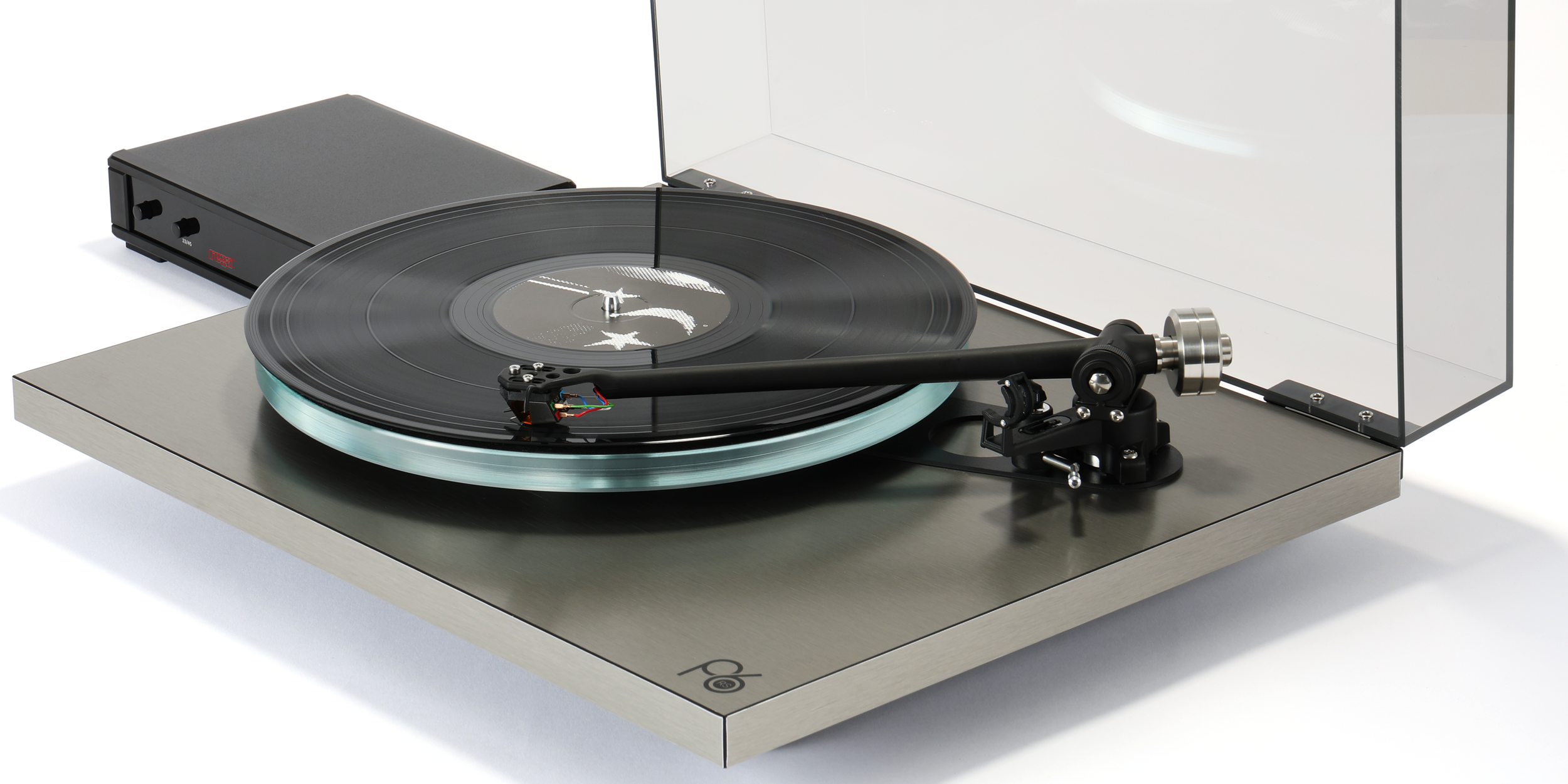
REga planar 6 rs with neo ttpsu
Back to Where It All Started
This month’s blog takes me back in time somewhat on my Hi-Fi journey. All of you wonderful readers out there who have followed my various sonic adventures will know that my own system has grown quite a bit over the last five years, but it had to start somewhere.
One of my first serious purchases was a Rega Planar 6 without a cartridge, after much debate between it and the legendary Planar 3. Fast forward around five years and I’m still using that very same Planar 6, although these days it is fitted with a Dynavector 10X5 high-output moving-coil cartridge, which I added a few years ago.
Then, earlier this year at the Bristol Hi-Fi Show, Rega previewed the new Planar 6 RS. I had the chance to hear it first-hand and have a proper look at what had changed. The RS borrows some very interesting ideas from its bigger brother, the Planar 8, including the RB880 tonearm and twin-belt drive system, while adding Rega’s flagship Nd9 moving-magnet cartridge as one of the factory-fitted options.
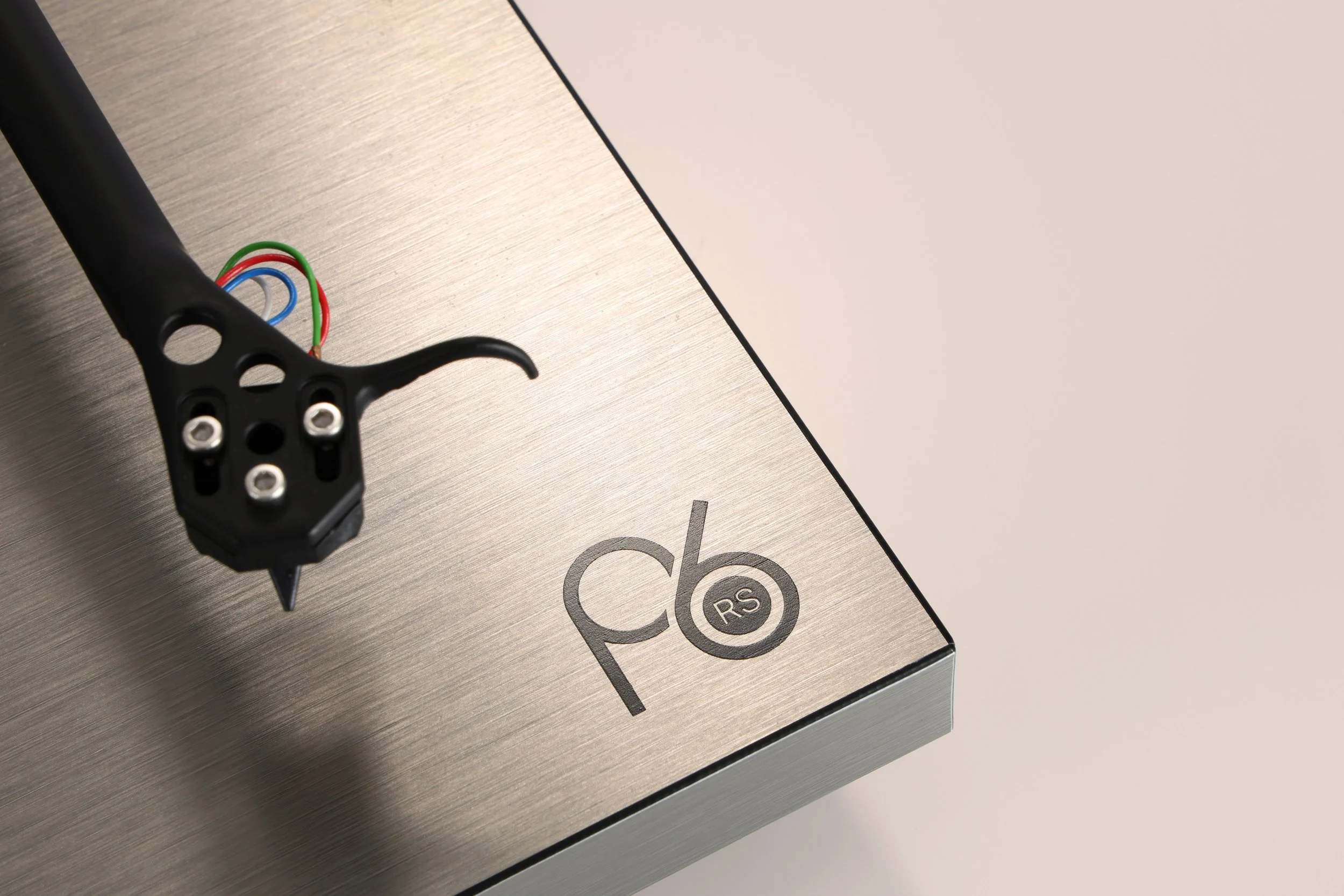
Needless to say, it got my attention.
Months later, I’ve finally managed to get my hands on one properly. I initially set it up and listened to it in the shop, but then I had one of those thoughts that usually results in another piece of Hi-Fi coming home with me: why not go one better and listen to it in my own system?
That gave me the perfect excuse to put it alongside my own Planar 6. Before anybody throws a spirit level at me, though, I should point something out. This isn’t a laboratory-controlled A/B test. My Planar 6 has a Dynavector moving-coil cartridge and a couple of other small tweaks, while the RS I’m listening to uses Rega’s Nd9 moving magnet. I’m comparing the two complete turntables as I would actually use them, rather than trying to isolate one individual component.
And, to be honest, that makes it rather more interesting.
Planar 6 vs Planar 6 RS: What Are We Comparing?
Before getting into the listening, it’s worth laying out exactly what separates my own Planar 6 from the new Planar 6 RS.
My Planar 6
Tonearm: RB330 with stainless-steel balance weight
Cartridge: Dynavector 10X5 high-output moving-coil cartridge
Drive system: Single Reference EBLT drive belt
Platter: Dual-layer float-glass platter
Plinth: Tancast 8 foam-core plinth with HPL laminate
Power supply: Custom-matched Neo PSU
Bracing: Double-brace technology
Additional tweaks: Origin Live Cartridge Enabler and Rega 2mm arm spacer
Rega Planar 6 RS
Tonearm: RB880 with custom stainless-steel balance weight
Cartridge: Rega Nd9 moving-magnet cartridge
Drive system: CNC twin-drive pulley with two Reference EBLT belts
Platter: 16mm dual-layer Opti-white float-glass platter
Plinth: Tancast 8 foam-core plinth with HPL and aluminium metal skin
Power supply: Custom-matched Neo Mk2 PSU
Bracing: Double-brace technology
Additional tweaks: Factory standard
On paper, then, the family resemblance is obvious, but there are some fairly serious changes underneath. Most notably, the RS gets the RB880 tonearm normally found on the Planar 8, along with its twin-belt drive arrangement and that rather lovely metallic treatment to the plinth.
From RP6 to Planar 6 RS
Before I dive into the listening session, it’s worth taking a little trip through the history of the Planar 6 because this particular Rega has been evolving for quite some time.
The RP6 first appeared back in September 2011, replacing the P5 and sitting above the RP3 in Rega’s range. It brought with it the RB303 tonearm, double-brace technology, a 16mm dual-layer float-glass platter and the external TT-PSU for electronic speed control. At the time, it represented a serious step forward and laid much of the groundwork for what followed.
Then, in August 2017, the RP6 made way for the Planar 6 we know today. Rega changed the plinth construction dramatically, introducing its ultra-lightweight Tancast 8 polyurethane foam core, while the RB303 gave way to the more refined RB330 tonearm. The TT-PSU was also replaced by the Neo power supply.
That basic Planar 6 philosophy has proved remarkably durable. Rega has continued refining things such as the power supply, drive belt and cartridge options over the years rather than changing things simply for the sake of it.
Which brings us neatly to the Planar 6 RS.
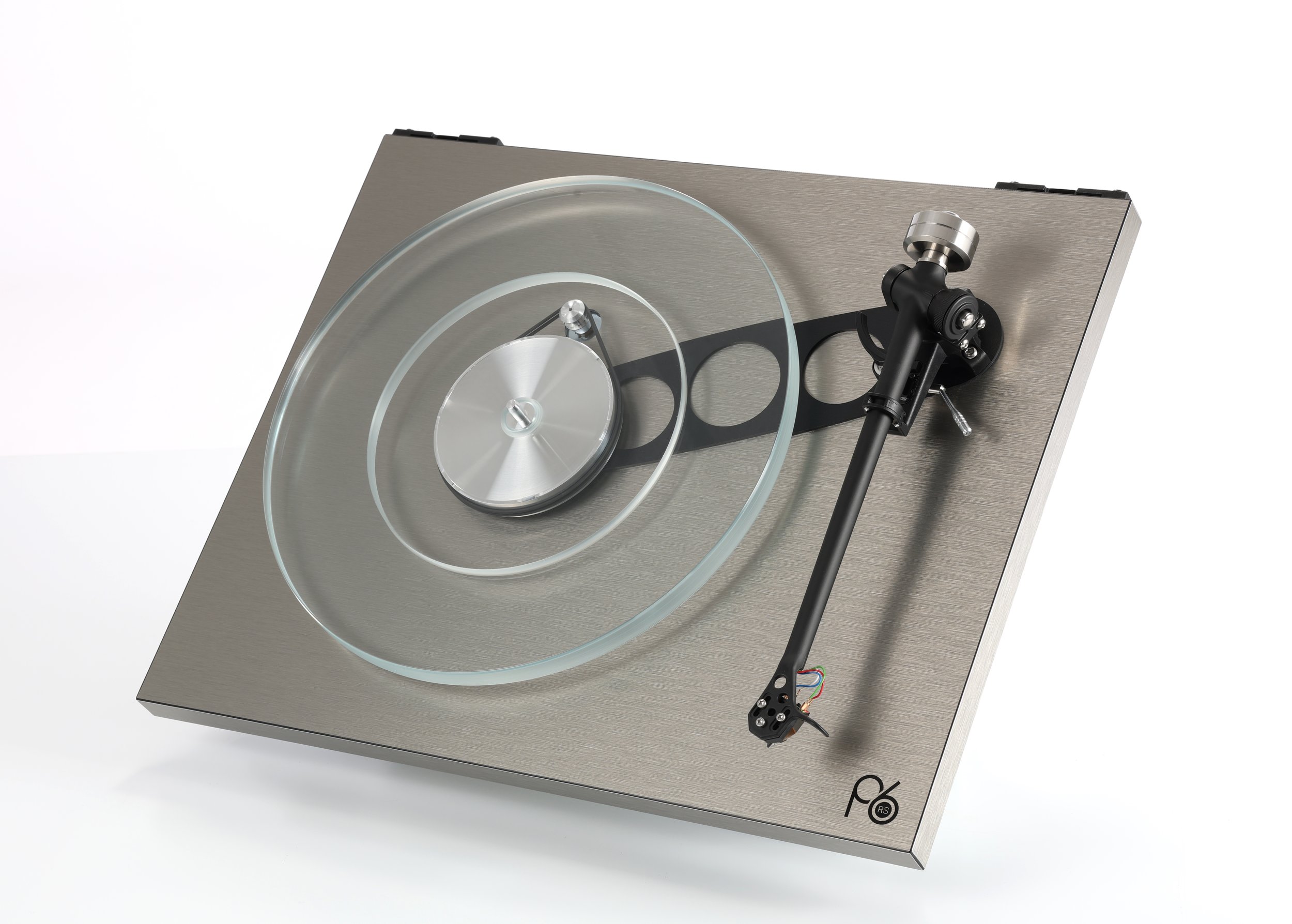
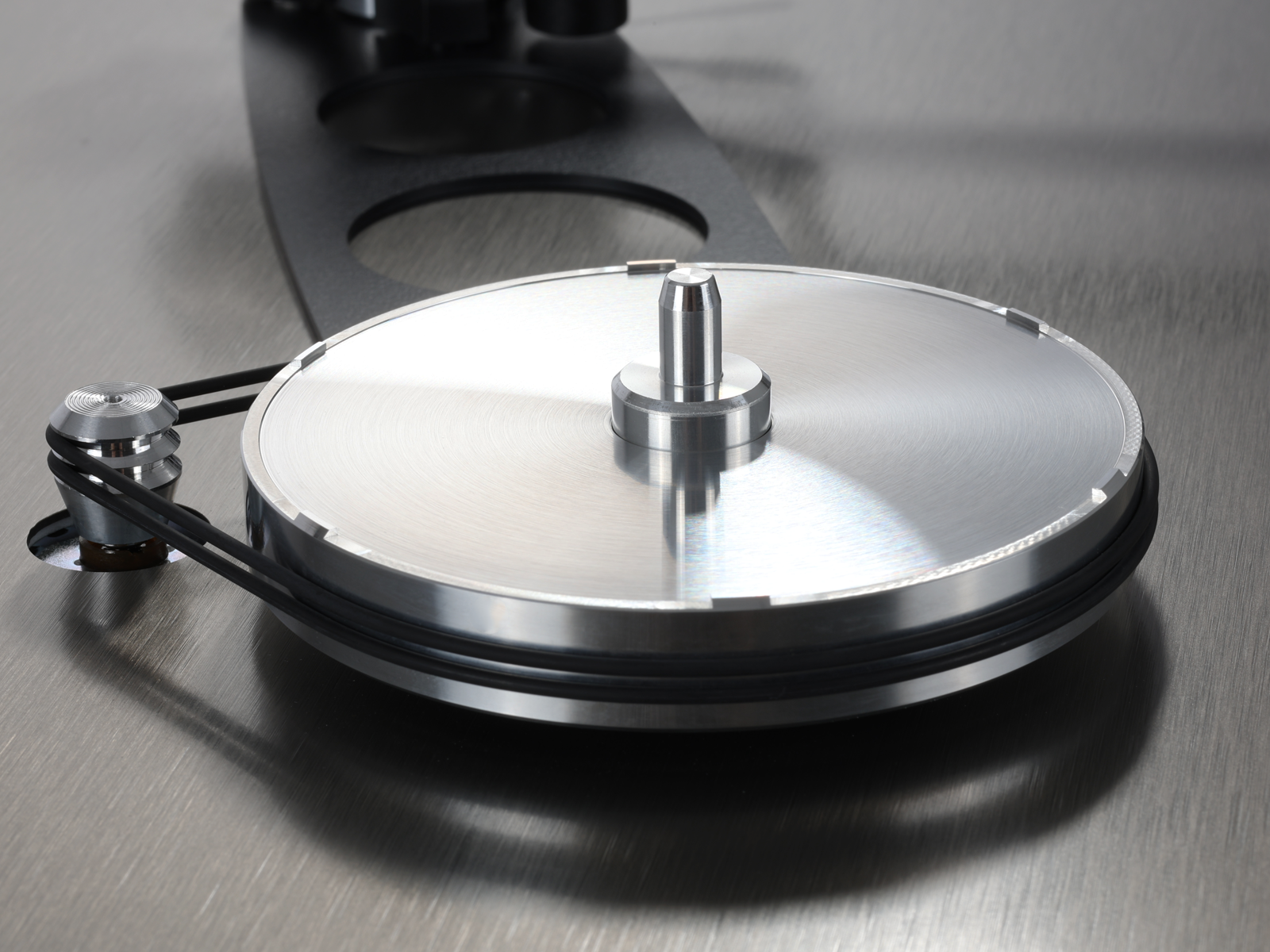
Rather than reinventing the Planar 6, Rega has effectively hot-rodded it. The RB880 tonearm comes down from the Planar 8, the motor drives the sub-platter through a CNC-machined twin pulley and two Reference EBLT belts, and the familiar Tancast 8 plinth gains its rather smart aluminium metal skin.
Some might call that evolution. I call it giving the Planar 6 its sleeves rolled up.
The Records on the Table
Before getting into the big shootout itself, I needed some suitable music. For this session I chose Comin’ Home (Live) by The Magpie Salute from The Magpie Salute (2017), Waitin’ for the Bus by ZZ Top from Tres Hombres (1973), The Spell by Mammoth WVH from The End (2025), and finally Big Empty by Stone Temple Pilots from Purple (1994).

Spread of LPs used to assess
Four very different recordings, but all tracks I know well enough to pick apart what a system is doing. More importantly, they’re all tracks I actually enjoy listening to, which is surely the point of all this.
Coffee on, amplifier warmed up and ready to rock. Literally.
Starting with My Planar 6
Before unleashing the RS, the obvious place to start was with my own slightly modified Planar 6. This is the turntable I’ve lived with for years, so it gives me a very familiar baseline.
When I say modified, I haven’t gone completely mad with it. The biggest difference is the Dynavector 10X5 high-output moving-coil cartridge. Between the cartridge and headshell I’ve also fitted an Origin Live Cartridge Enabler, and to correct the VTA I use a Rega 2mm stainless-steel arm spacer. Beyond that, we’re still very much dealing with a Planar 6.
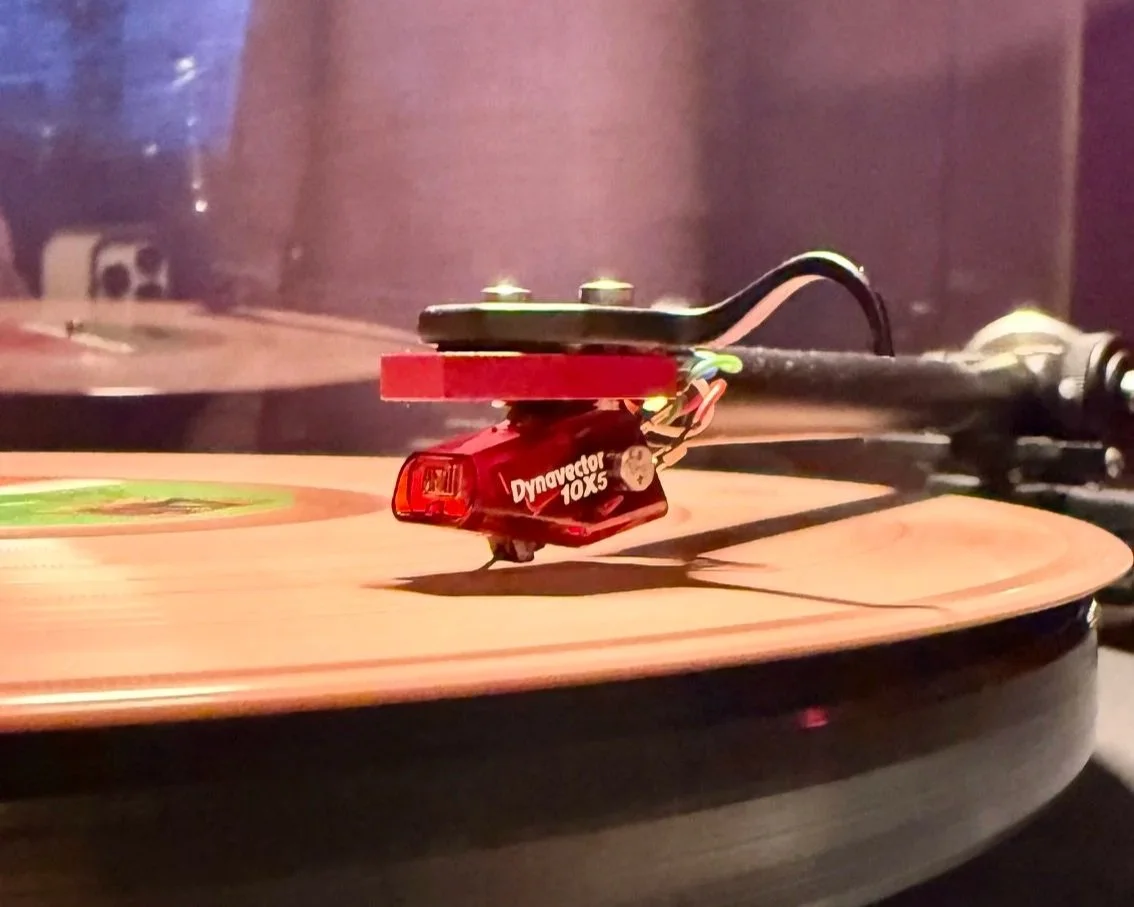
The dynavector 10x5 on My standard spec planar 6
I can hear some of you already: “Matt, just get on with it and tell us what the thing sounds like!”
Fair enough.
Starting with The Magpie Salute’s Comin’ Home, this is a pretty busy recording. The band had ten members, so during a live performance there is an awful lot happening at once. That makes it a brilliant test of whether a turntable can keep everything organised rather than turning the whole performance into musical soup.
My Planar 6 handles it beautifully. The guitars have their own space and character, the vocals sit firmly in the centre and there is enough separation between everything going on to make the recording feel wonderfully immersive. It has that quality I’ve always loved about this turntable, where rather than sitting there analysing the equipment, I find myself reaching for the volume control instead.
And that, really, is why I still own it.
Enter the Planar 6 RS
Now for the moment I’d been waiting for. Time to take my Planar 6 out and replace it with the rather fantastic-looking Planar 6 RS.
Oh boy, does it look good.
Setting it up, you can immediately see where some of the extra engineering has gone. The metallic finish gives it a more substantial visual presence than the standard Planar 6, while the twin pulley and pair of drive belts make the whole arrangement look rather purposeful beneath the platter.
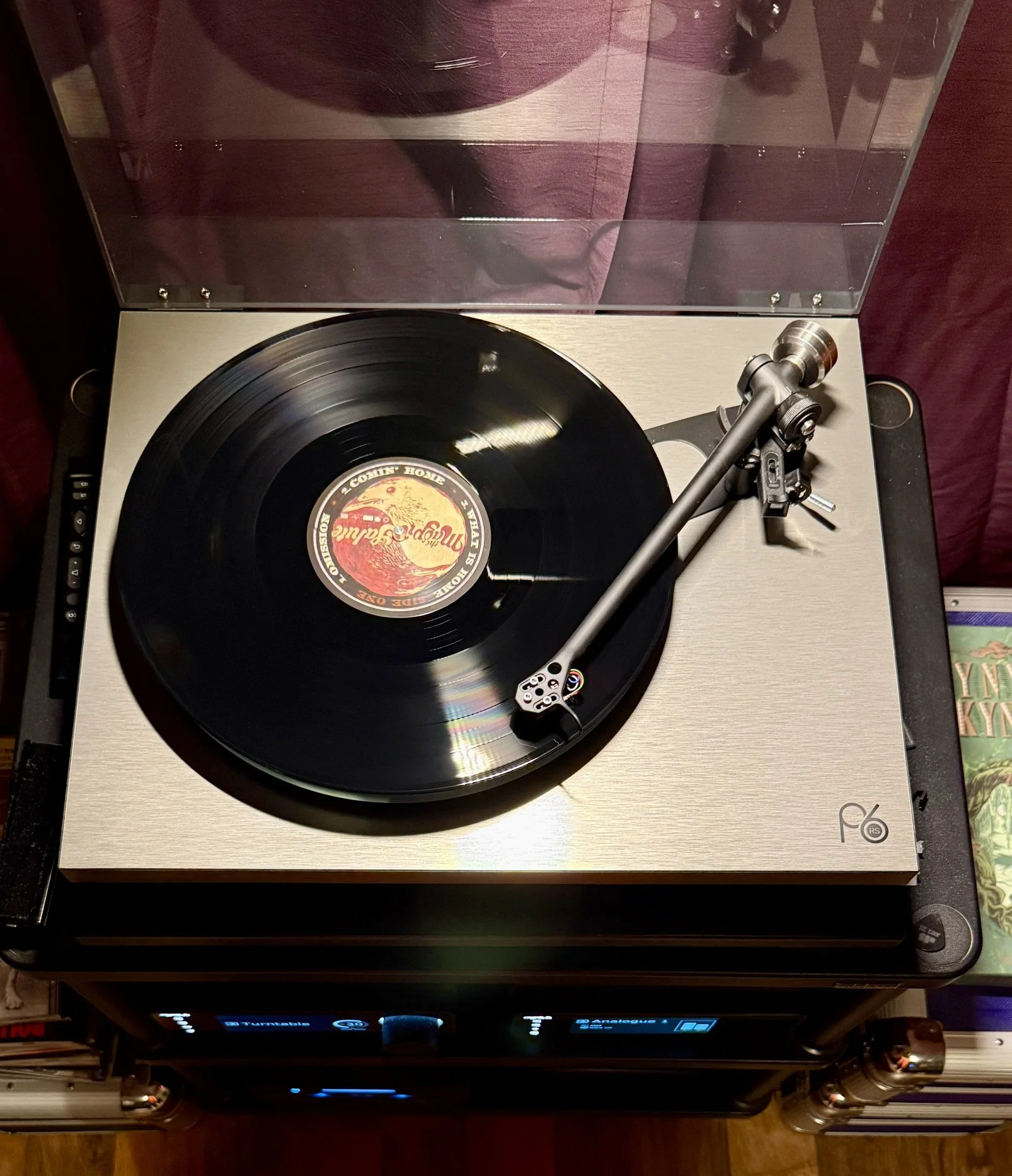
planar 6 rs setup in My system
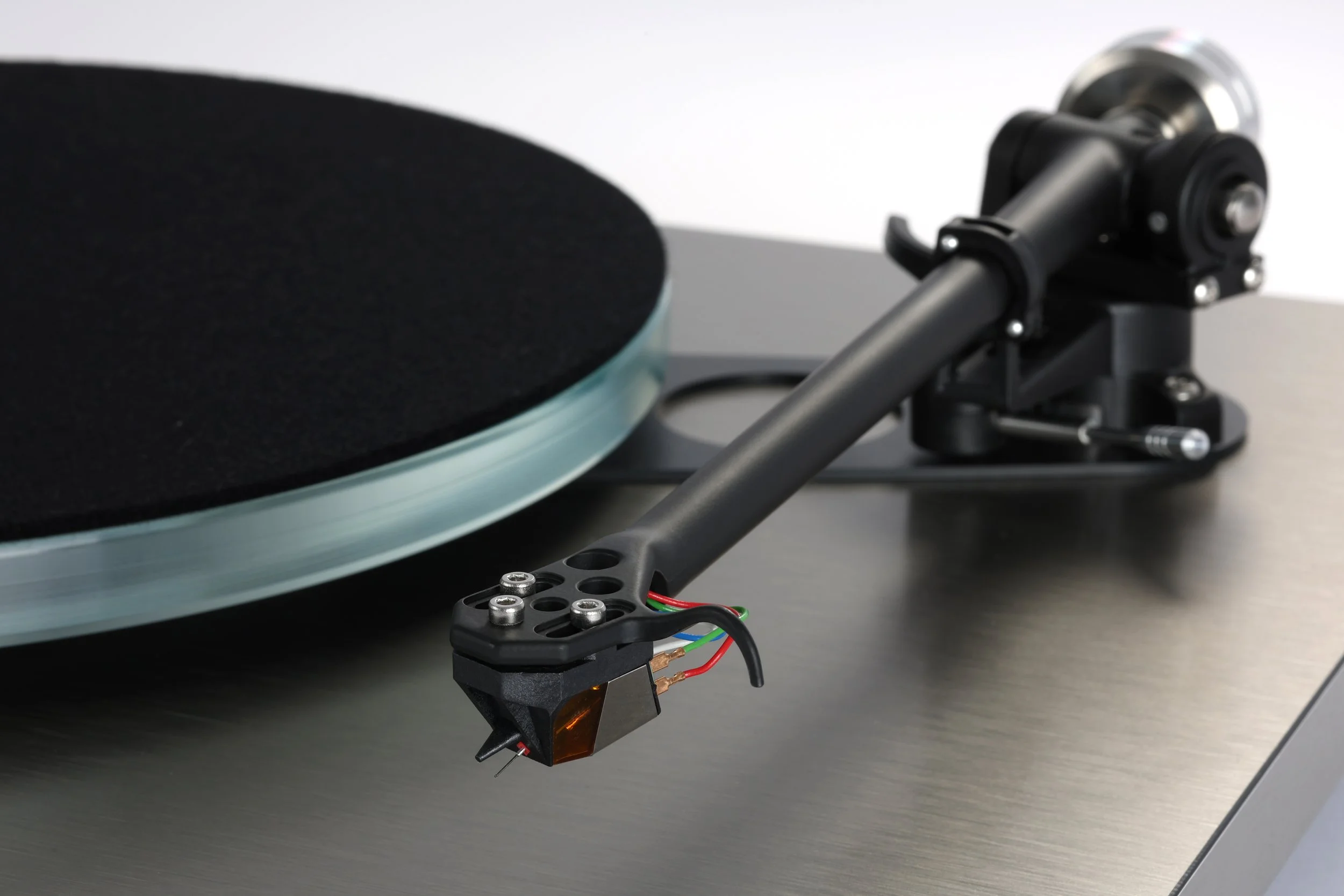
Then there is the RB880. Although there is an obvious family resemblance to the RB330, this is a much more sophisticated tonearm and one I already know rather well from the time I took a Planar 8 home for another one of my listening adventures.
Sitting on the end of it is Rega’s Nd9, the company’s flagship moving-magnet cartridge. It uses a fine-line nude diamond stylus mounted to a boron cantilever and, while I will confess now that I’m normally very much a moving-coil man, the Nd9 is a seriously accomplished cartridge.
Rega also offers the Planar 6 RS with its Ania moving-coil cartridge, which is a particularly interesting option for somebody with tastes more like mine. More on that shortly.
For now, though, it was time to drop the needle.
Going back to Comin’ Home, the first thing I noticed was a stronger sense of timing and overall composure. The whole RS and Nd9 combination seemed to organise this complicated live recording with impressive confidence. Vocals were firmly centred, individual instruments occupied clearly defined positions and there was a lovely sense of space around the backing vocals.
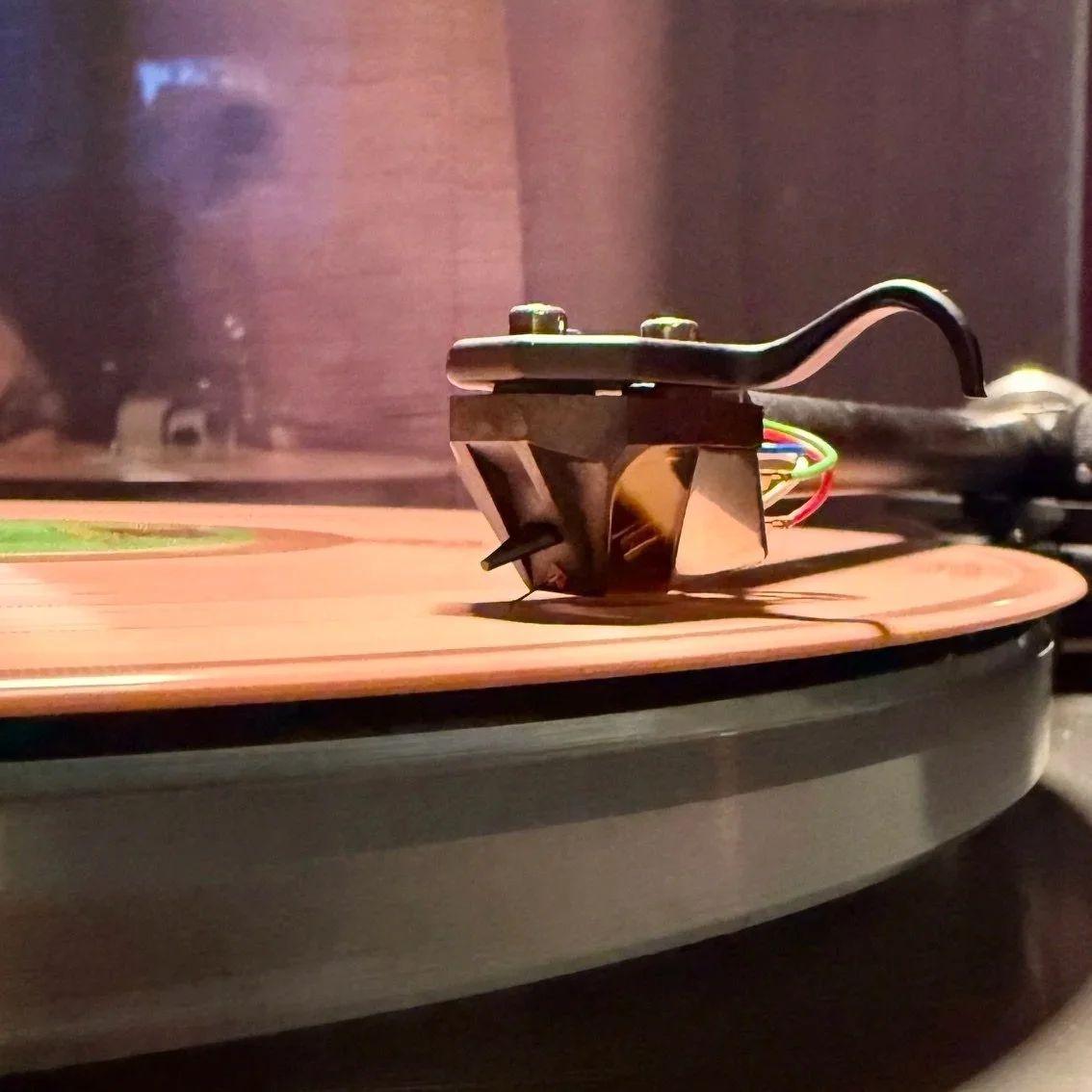
planar 6 rs with nd9 cartridge
The presentation was slightly more laid-back than my Dynavector-equipped Planar 6, which I suspect is as much about the different cartridge as the turntable itself, but there was certainly no shortage of information coming through. In fact, the more I listened, the more small details started making themselves known.
Next up was ZZ Top and Waitin’ for the Bus.
There was immediate authority to Billy Gibbons’ Les Paul, the legendary Pearly Gates, with plenty of texture coming through from that unmistakable guitar sound. Dusty Hill’s bass sat beautifully within the soundstage and gave the track plenty of presence without everything becoming too thick or heavy.
Then onto Mammoth WVH and The Spell. I actually got to see Wolfgang and the band perform at Cardiff Castle a couple of months ago and, for me, they put in the performance of the night. Funny how hearing one record can instantly take you back to a particular gig, room or moment in time, but then that is half the reason we all get so obsessed with music in the first place.
Back to the record before I disappear completely down that particular rabbit hole.
Wolfgang’s opening guitar riff arrives with real weight and power through the RS. There is plenty of attack to it, but the turntable keeps a grip on everything when the vocals arrive, placing them cleanly in the centre rather than allowing that enormous guitar sound to overwhelm the rest of the mix.
Finally, I moved onto Stone Temple Pilots and Big Empty, which turned out to be one of the highlights of the whole session.

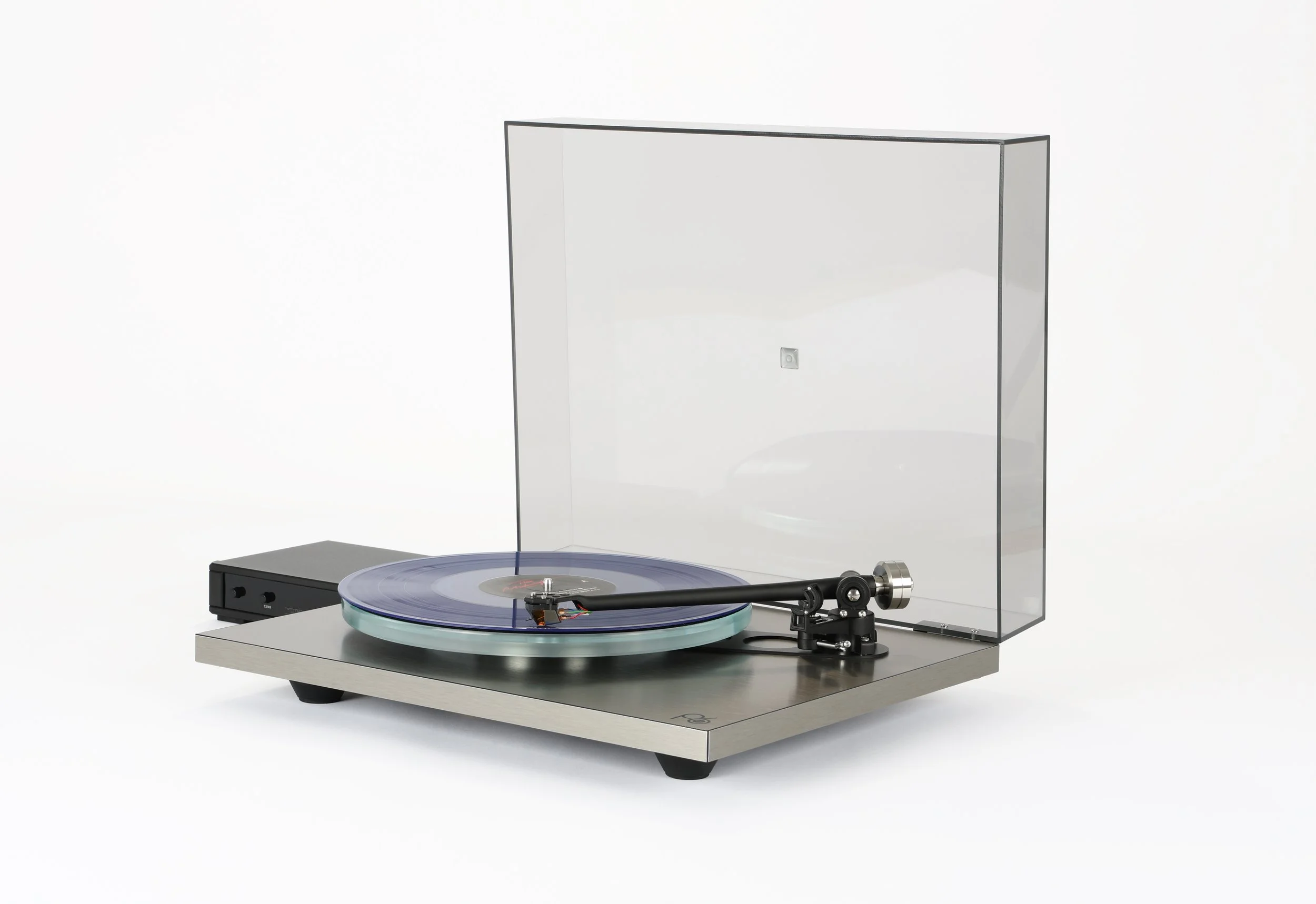
Scott Weiland’s vocal was beautifully focused, with enough information coming through to give a real impression of how closely he was working the microphone. He was always an incredibly expressive performer. I saw him with Velvet Revolver many years ago and he had a little bit of Bowie about him on stage.
Yes, there I go again. One record and suddenly I’m somewhere else entirely.
Dean DeLeo’s huge opening guitar sound carried beautifully through the track, but what impressed me most was how composed the RS remained as everything built around it. There was detail, scale and space, but also that sense of musical timing that kept dragging me back into the song rather than the equipment.
And ultimately, that is exactly what I want a turntable to do.
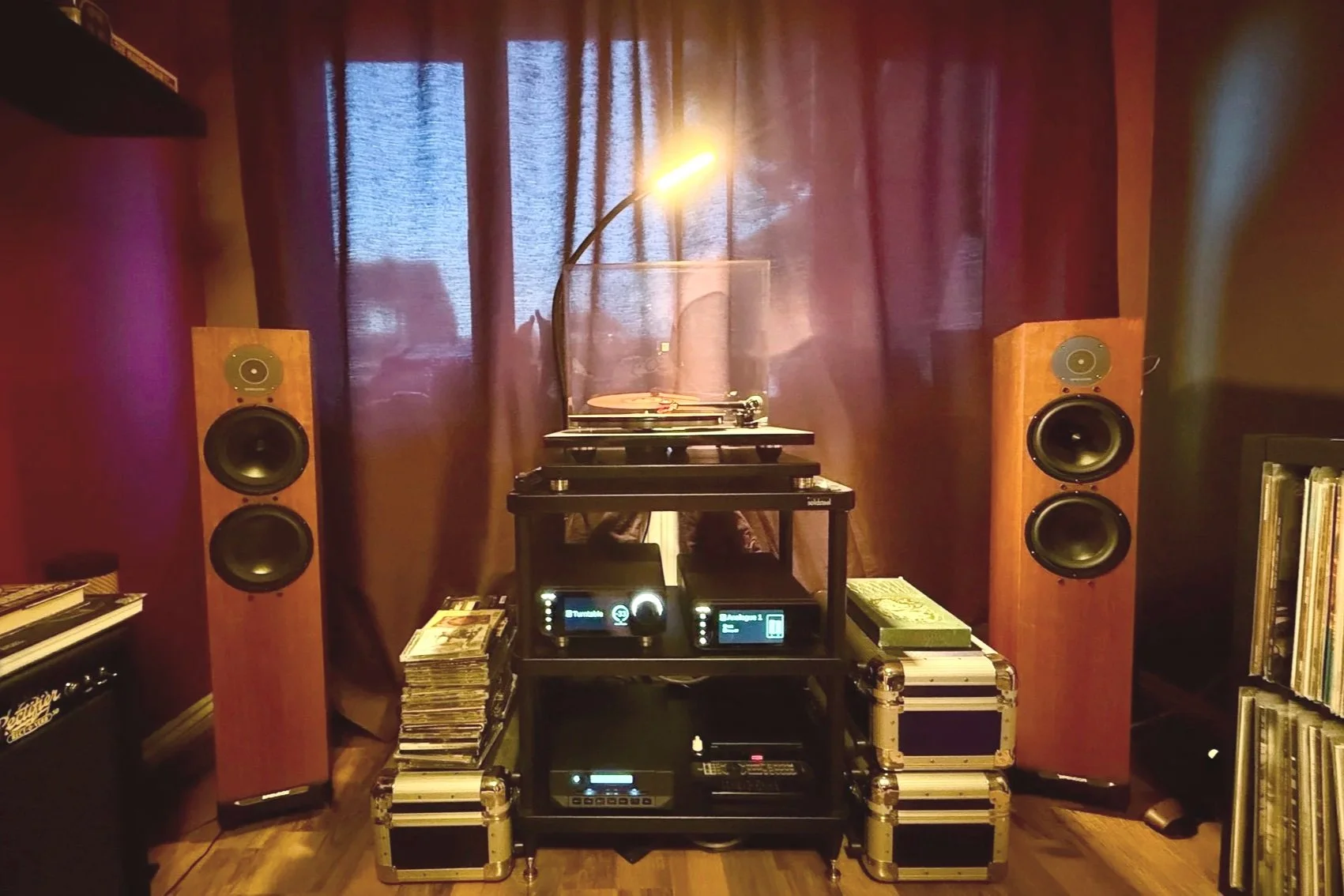
My sanctuary. My home setup with planar 6 rs
The Verdict: Six, RS... or Eight?
So, after all of that, where did I end up?
There is no question that the Planar 6 RS is a seriously impressive turntable. The RB880 tonearm, twin-drive arrangement and upgraded plinth take the familiar Planar 6 platform somewhere noticeably more ambitious. It feels less like a completely different model and more like Rega has looked at everything that already works on the Planar 6 and asked, “What happens if we turn this up another notch?”
Then there is the Nd9. It is an excellent moving-magnet cartridge and undoubtedly a major part of the package’s performance. There is plenty of detail, excellent control and a very natural sense of balance to it.
But there is a “but”.
I’m still a moving-coil guy.
That isn’t a criticism of the Nd9, simply a matter of personal taste, and Rega has rather conveniently covered that base by offering the RS with an Ania moving-coil cartridge as well. If I were buying a Planar 6 RS for myself, that would absolutely be the version I would want to spend some serious time with.
So, is the Planar 6 RS worth choosing over the standard Planar 6? For me, yes. If I were buying fresh at this level today, the RS would be very difficult to ignore. You are getting some genuinely meaningful engineering upgrades from higher up Rega’s range while retaining the conventional Planar shape, full dustcover and everyday usability that make the Planar 6 so easy to live with.
Would I sell my own Planar 6 and replace it with one?
That is a slightly different question.
My Planar 6 and I have been through a lot together. I know exactly what it does, I love the Dynavector combination and, if I am finally going to make the jump to another turntable, I think you already know where this is going.
My eyes are still on an 8.
Thank you, as always, for taking the time to read my latest ramblings.
Matt Aaron - Audio T Cardiff
If you have any questions about any of the equipment featured in this article, or any other Hi-Fi or home cinema enquiries, be sure to contact us.
If you’ve enjoyed this, why not go ahead and read some more of our other blogs, and be sure to follow us on our social media channels below…
Rega can be found at the following Audio T stores