

Would You Know If Your Vinyl Record Was Fake?
/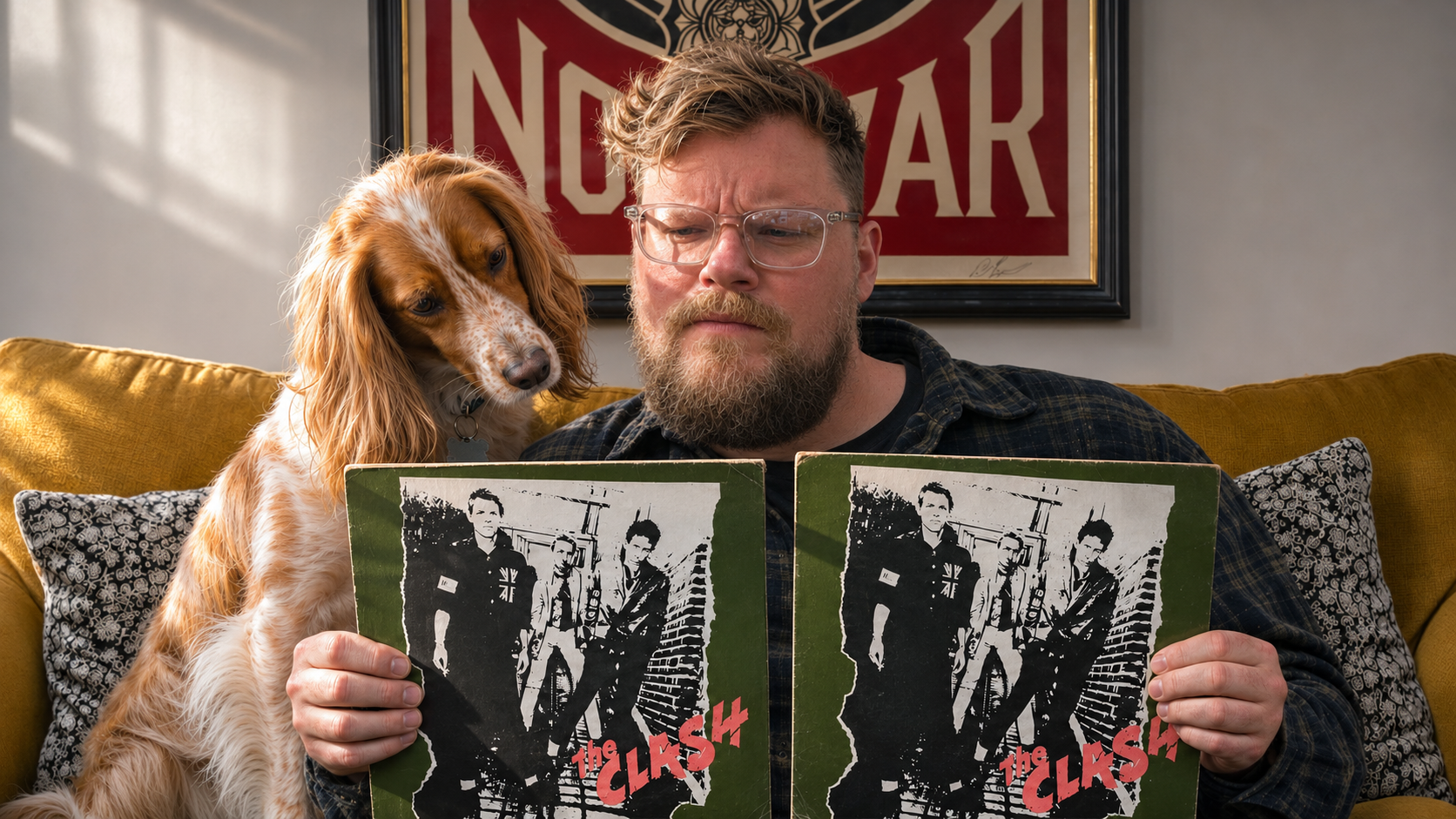
Bowie and I are on the case, trying to track down fake vinyl!
With the lead-up to Christmas now in full swing, records will be finding their way onto plenty of wish lists. Whether you are buying a favourite album for somebody else or dropping a few hints about the gaps in your own collection, you would expect it to be the genuine article. But with counterfeit vinyl being produced on an industrial scale, how confident can we be about what we are buying? And could there already be a fake hiding on our shelves?
I have been collecting records for most of my life and, until recently, I had never seriously considered that one of them might be fake.
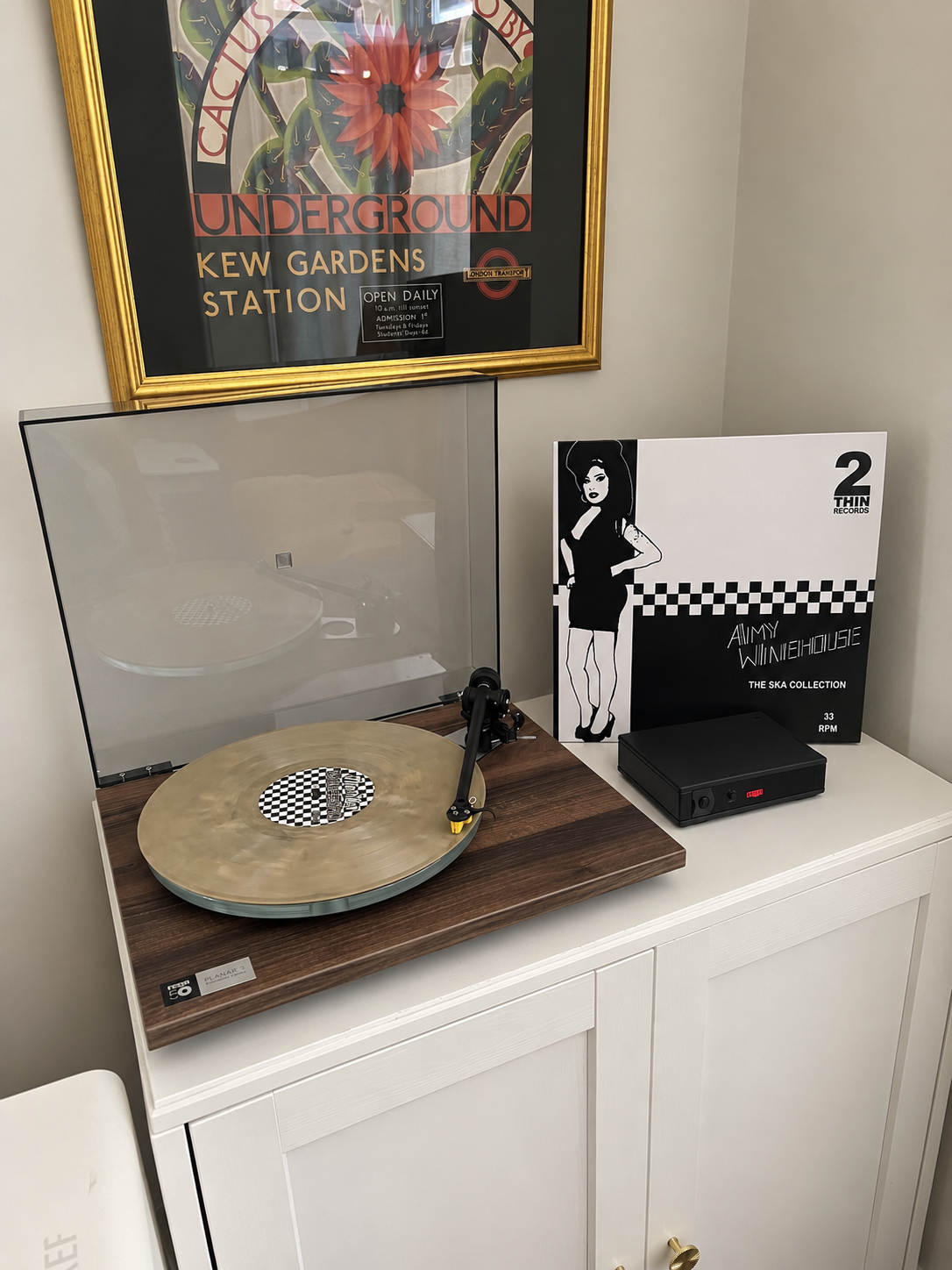
One of my Personal favourite bootlegs in my collection- Amy WINEHOUSE, The Ska Collection
That probably sounds incredibly naive. I know all about bootlegs and, if I am completely honest, I own more than a few myself. But those have generally been live recordings, demos or other material that was never officially released. I knew what I was buying, and the record was not pretending to be a genuine copy of something else.
What had never really crossed my mind was that I could walk into a shop, order an album online or buy a record from a seemingly reputable seller and end up with a counterfeit made specifically to fool me.
Then I read The Guardian’s investigation into a huge counterfeit vinyl operation in west London, and it gave me a rather uncomfortable reason to look at my own shelves differently.
This Was Not a Few Dodgy Records
According to the City of London Police, the man behind the operation generated more than £2.7 million selling fake records between 2017 and 2024. When police raided the factory, they found four old vinyl presses, thousands of metal stampers, sleeves and labels, adding up to an astonishing 18 tonnes of evidence.
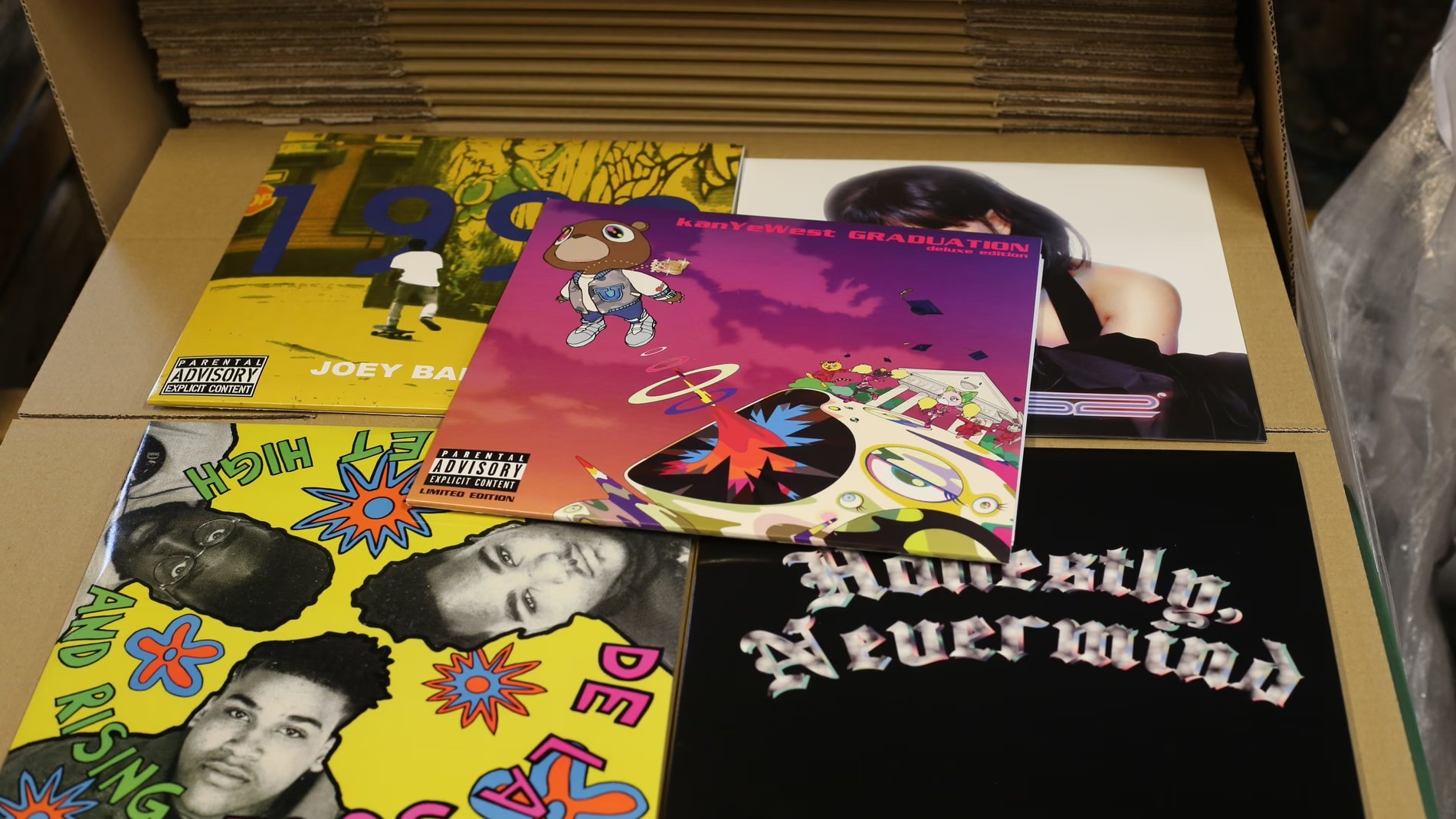
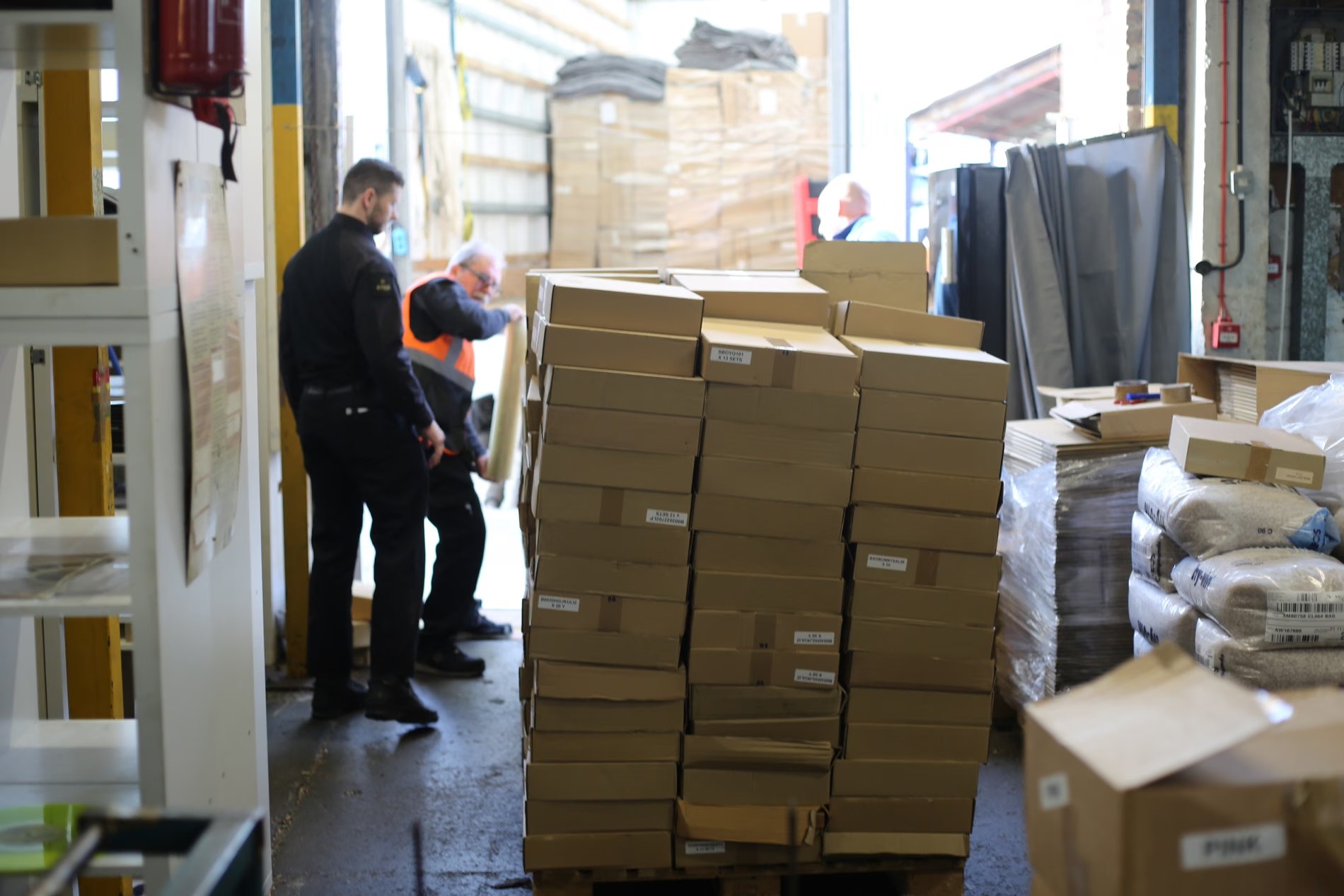
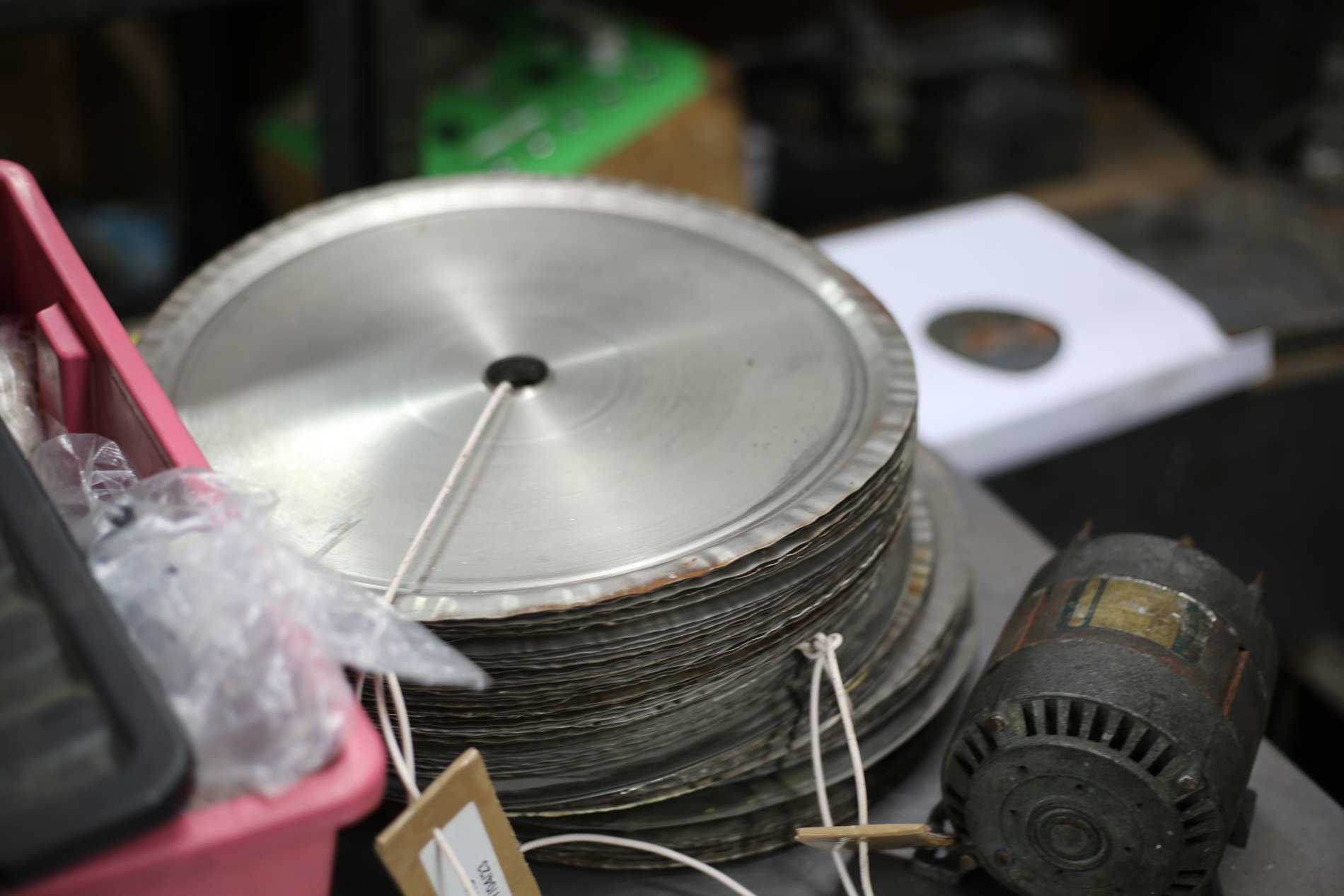
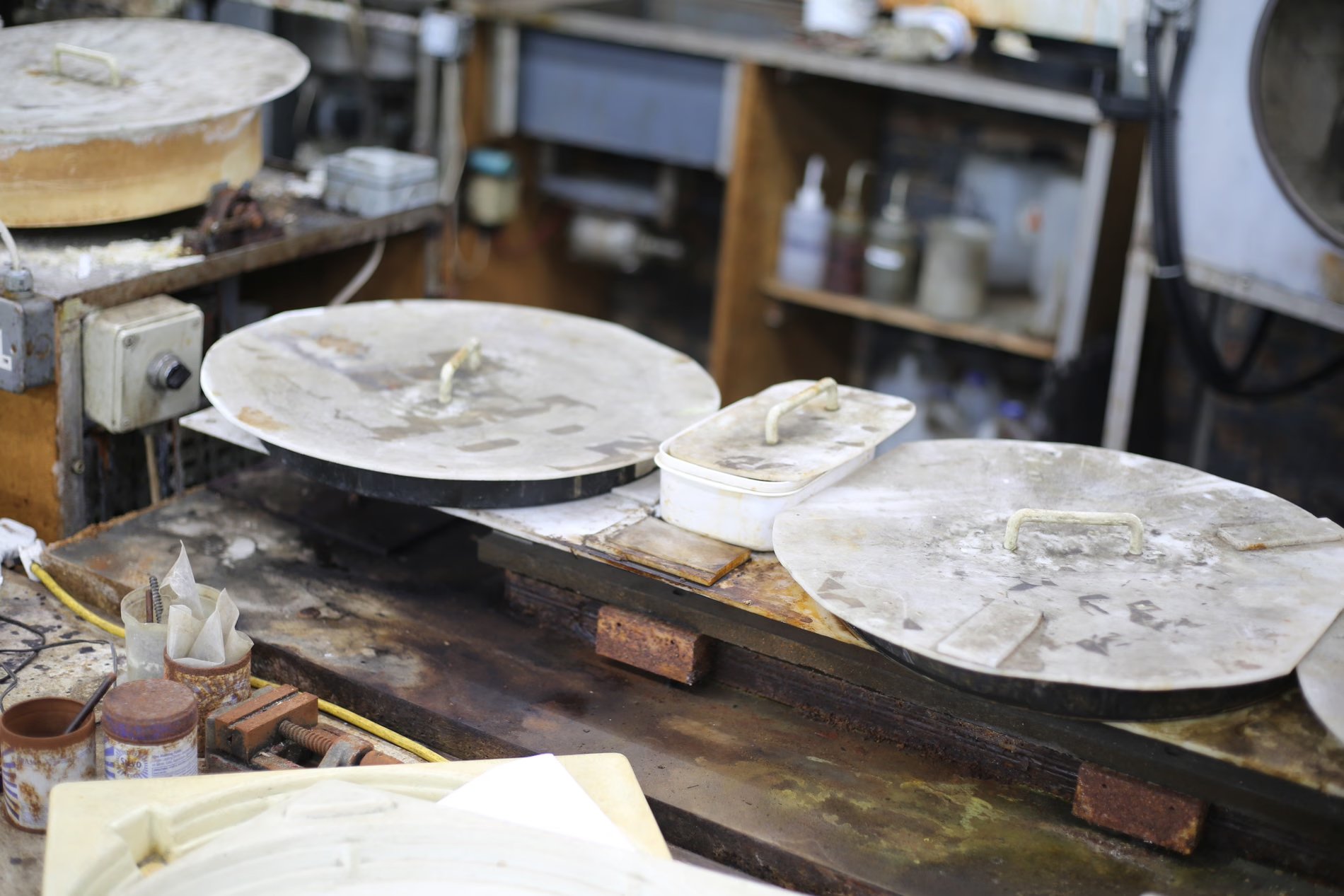
This was not somebody knocking out a few questionable LPs in a garden shed. It was a proper manufacturing and distribution business producing records by more than 100 different artists, supplying shops as well as selling directly to collectors online.
Nor was it an isolated case. The Guardian reports that, over the previous two years, the British Phonographic Industry had been involved in 43 search warrants and the seizure of around 600,000 illegal records and CDs with an estimated street value of up to £8 million.
Perhaps everybody else knew this was happening. I genuinely did not, certainly not on anything approaching this scale.
A Bootleg Is Not Quite the Same Thing
Part of the confusion comes from the fact that we tend to call any unofficial record a bootleg. The UK Intellectual Property Office draws a clearer distinction.
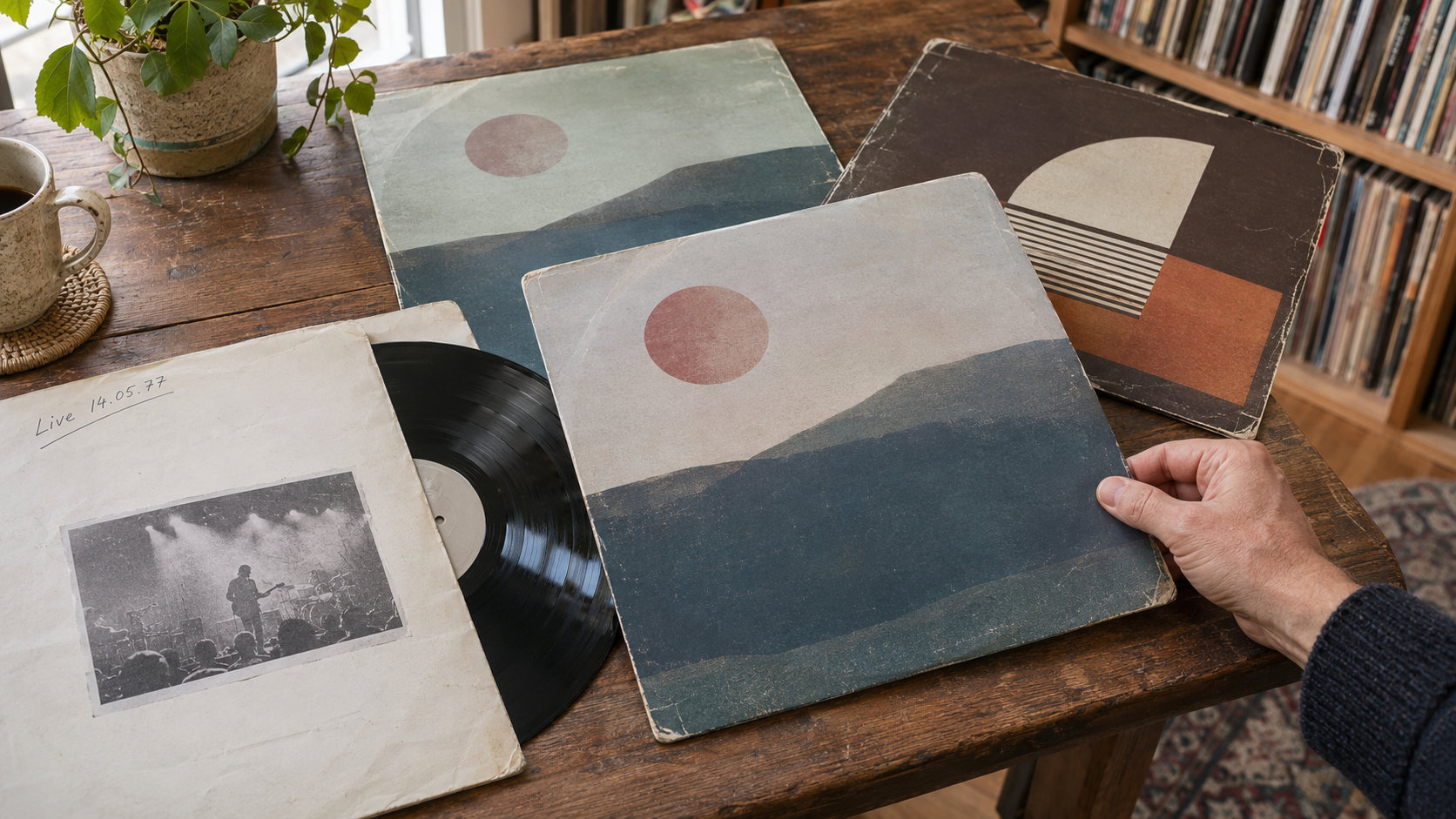
A bootleg normally contains something that was never officially released, such as a concert, broadcast, demo or collection of outtakes. A pirate record uses officially released music without permission but usually comes in different packaging. A counterfeit copies the music and the appearance of a genuine release in an attempt to pass itself off as the real thing.
It is that last one that bothers me most. Nobody has simply released something without permission. They have manufactured an imitation with the sole intention of taking your money under false pretences.
What Is Actually in the Groove?
This is also where the story becomes particularly relevant to Audio T customers. We spend plenty of time talking about turntables, cartridges, phono stages and amplifiers, but the record comes before all of them. It is the real beginning of the system.
For me, the concern extends to what has actually been pressed into the vinyl. With a counterfeit, I have less confidence in where the audio came from, how it was mastered and how much care went into manufacturing the record.
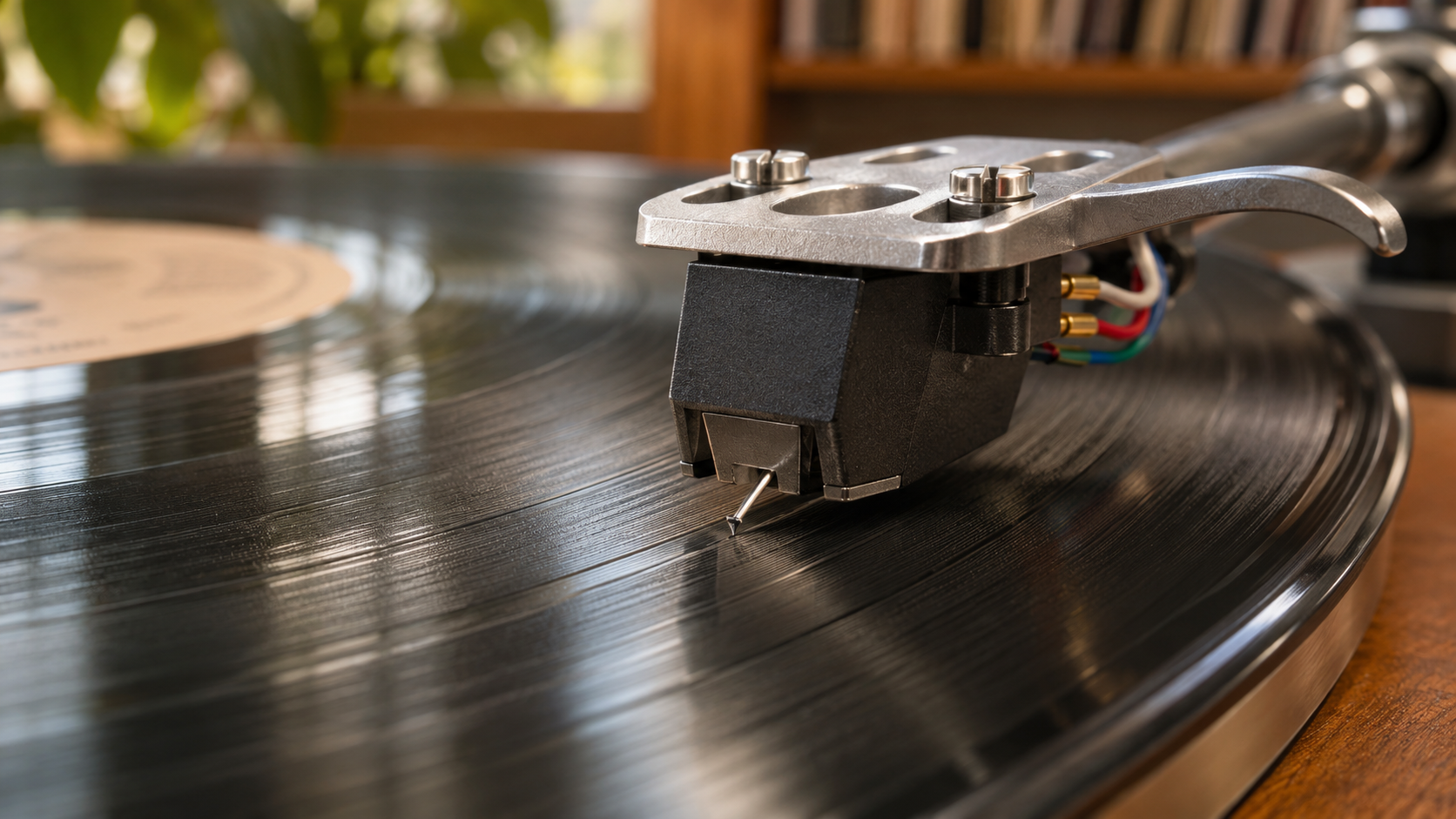
If poor source material is used, or the record is badly mastered or pressed, those limitations come with it. No turntable, however good, can put back information that never made it into the groove. A good system is honest, sometimes slightly brutally so, and can reveal the quality of the recording and pressing as readily as it reveals the ability of the equipment playing it.
That does not mean a disappointing record is automatically fake. There are plenty of completely genuine pressings with surface noise, poor mastering, off-centre holes or all the dynamic range of a busy kitchen. Equally, a competently made counterfeit might sound perfectly acceptable. Listening can raise suspicions, but your ears alone cannot prove anything.
So, How Would You Know?
There is no single test, and convincing counterfeits can fool experienced collectors and retailers. There are, however, a few sensible things to check if a record does not feel quite right.
Start by finding out whether that particular edition actually exists. Was it officially released on vinyl in that year, country, colour and format? A barcode is not proof because barcodes, catalogue numbers and artwork can all be copied.
The matrix information stamped or etched into the runout area between the final track and centre label is often more useful. Compare it with the exact pressing listed on Discogs, along with the label design, sleeve, inserts and country of manufacture. Discogs marks many unauthorised editions as an Unofficial Release, a description that covers bootlegs and pirate records as well as counterfeits. Its database is built by users, so it is a useful reference rather than an infallible verdict on the copy in your hands.
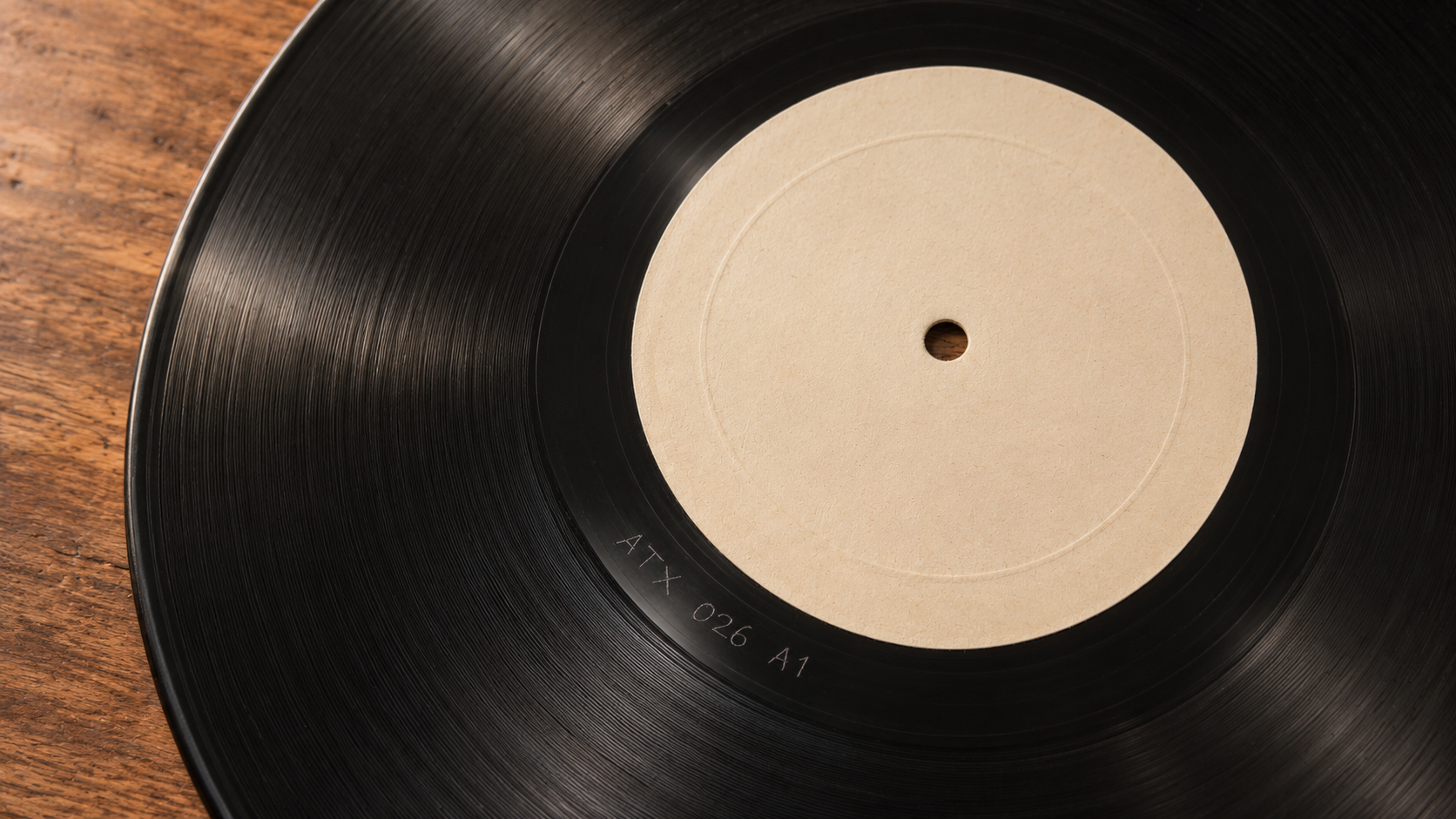
The matrix details can be stamped or look hand written
Poorly printed small text, fuzzy logos, odd colours, cropped artwork and cheap-looking labels can all be warning signs. So can a seller offering multiple sealed copies of a supposedly rare record at a suspiciously friendly price. None of these things is conclusive on its own, but several of them together should make you stop and investigate.
Why I Still Value a Proper Record Shop
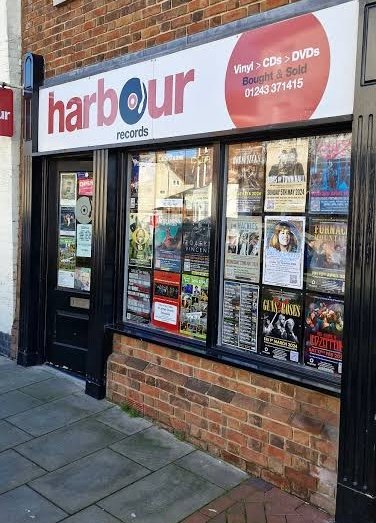
My local record shop - Harbour Records in EMsworth
For me, this is another reason to value a good independent record shop. I like being able to browse, ask questions and talk to somebody who knows the stock in front of them. That conversation can be far more useful than me losing an afternoon disappearing down a Discogs rabbit hole.
Buying from a reputable shop cannot make counterfeiting disappear, particularly when this operation reportedly supplied retailers as well as selling directly to the public. What I want is a seller who can explain where a record came from and will help if something turns out not to be right. A knowledgeable shop with a reputation to protect gives me more confidence than an unfamiliar seller with an endless supply of supposedly rare albums.
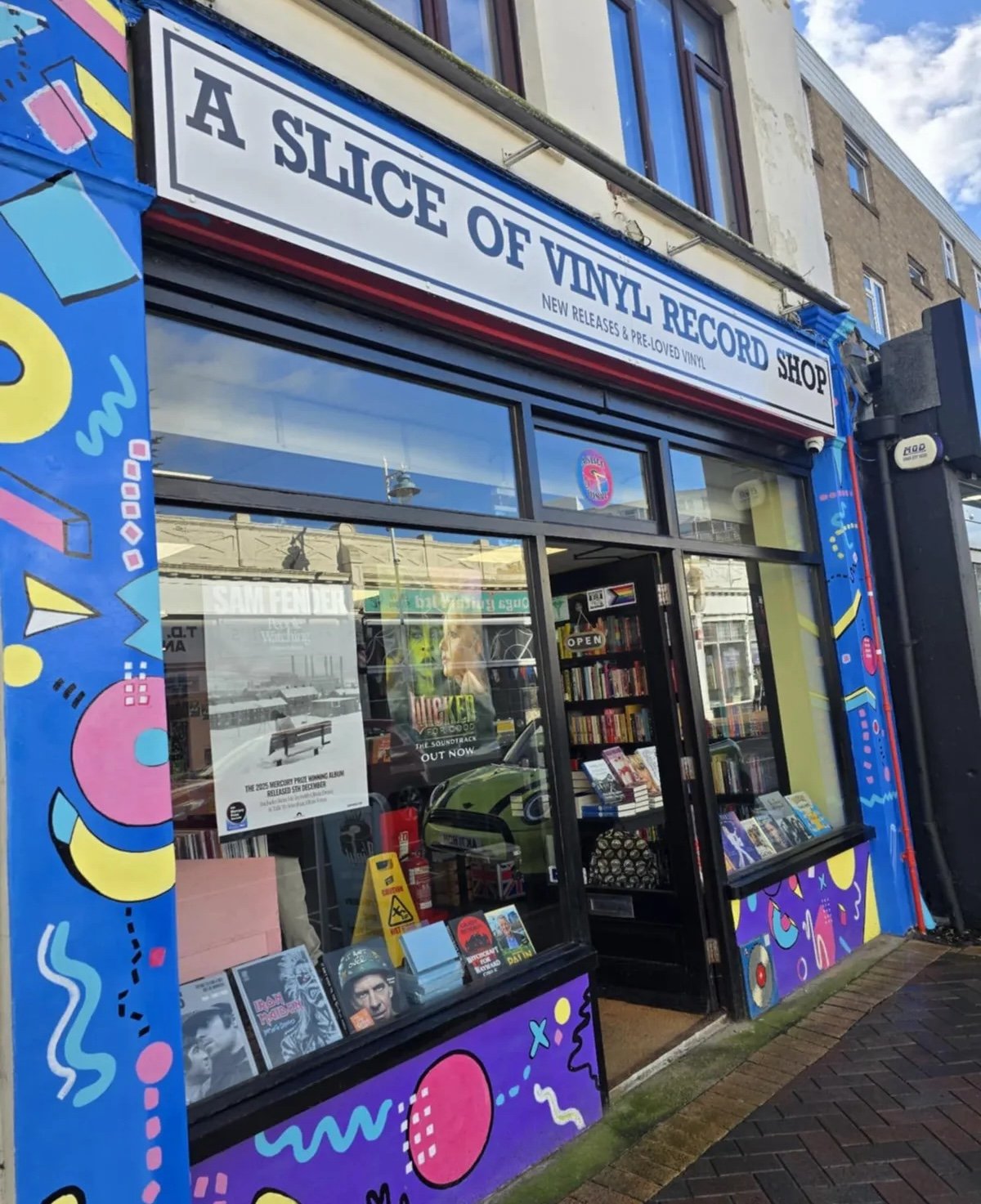
Another personal favourite - A Slice of Vinyl in Gosport
The same applies online. I would look for a seller with a track record, clear descriptions and photographs of the actual record, particularly when buying something valuable or unusual. If I am unsure about a pressing, I would rather ask a few questions before buying than discover afterwards that the bargain was not quite what it seemed.
If you do become suspicious, research the exact pressing before reaching for the pitchfork. Keep photographs and proof of purchase, speak to the seller and give a legitimate retailer the opportunity to investigate. They may have been deceived too. Citizens Advice also provides guidance on refunds and reporting counterfeit goods. Whatever you do, do not quietly sell it on to another collector and make it their problem.
Am I About to Inspect Every Record I Own?
No. Life is far too short and I would probably never finish. I still want to spend my evenings listening to records, rather than inspecting every sleeve with a magnifying glass and a spreadsheet beside me. Knowing that the problem exists simply gives me a reason to take a closer look when something does not add up.
If a supposedly rare album is strangely cheap, if a version does not appear in any official discography or if one seller has somehow found a bottomless box of long-deleted records, it is worth pausing before handing over your money.
The whole story has not taken any of the enjoyment out of collecting for me, but it has made me a little less trusting. I will certainly be paying more attention to what is scratched into the runout area from now on.
Perhaps the simplest advice is to buy records from people who care about records. If you are looking for somewhere to browse, ask questions or discover your next album, you can find suggestions in our guide to independent record shops around the UK.
Once you know you have the genuine article, the next job is hearing everything it contains. You can explore our range of turntables, or take a favourite record to your local Audio T store and hear it on a properly matched system.
Thanks for reading.
Brad Tyler – Head of Marketing at Audio T
If you have any questions about any of the equipment featured in this article, or any other Hi-Fi or home cinema enquiries, be sure to contact your local Audio T.
If you’ve enjoyed this, why not go ahead and read some more of our other blogs, and be sure to follow us on our social media channels below…