
Fly Me to the Moon: Integrated Amplifiers vs Hi-Fi Separates
/Out of this world is how I would describe both of our recent in-store systems. They have been enjoyed not only by the staff, but also by our discerning clientele.
There are many factors to be taken into account when buying Hi-Fi. Space (room size, not outer space) and aesthetics are definitely key ones. For some people, the sound is the be-all and end-all. Any other aspect of the system is secondary. Having a monolithic edifice dominating your field of vision is part of the fun. For others, space optimisation is paramount. Unlike children, the system should be heard and not seen.
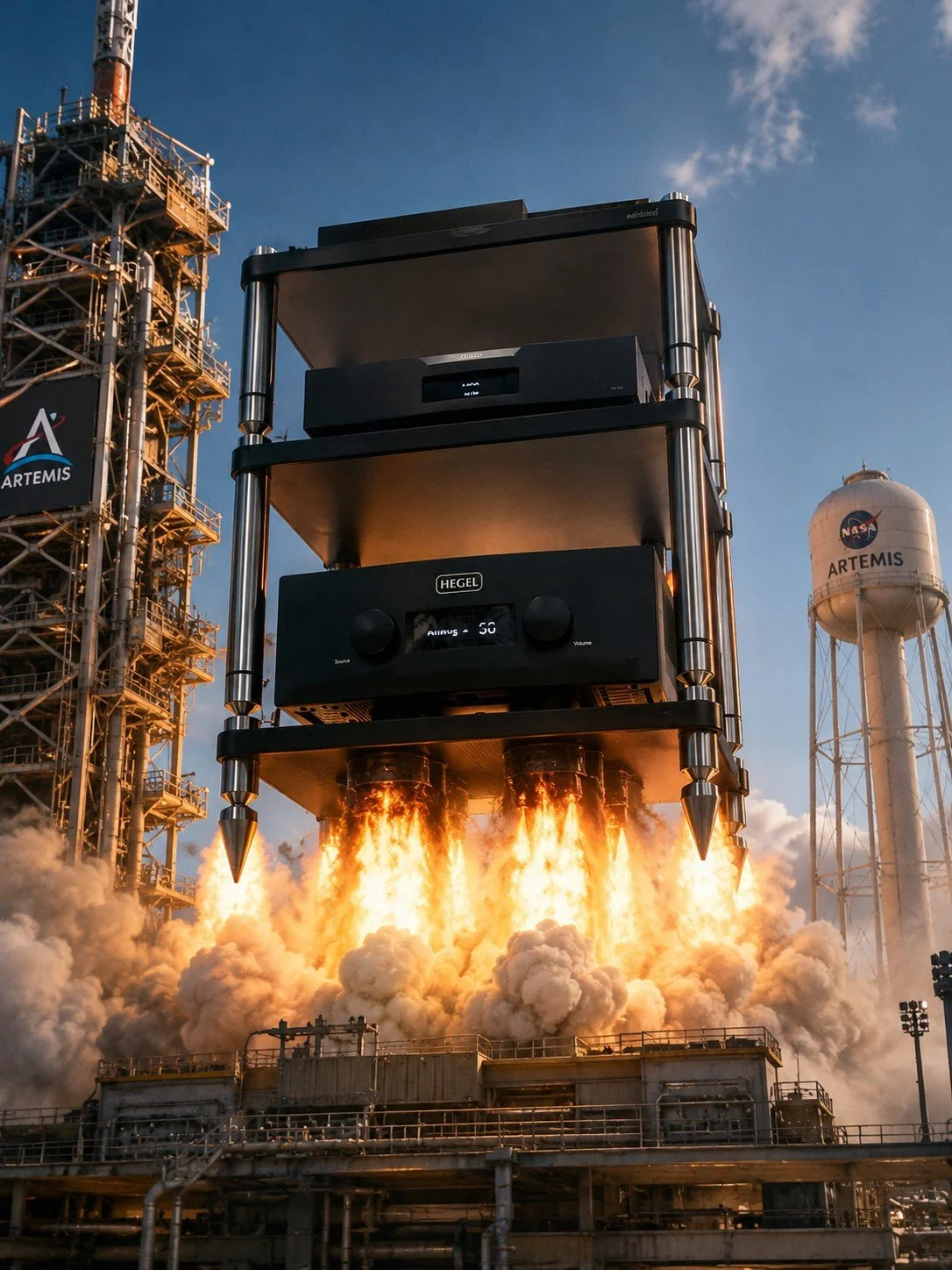
I’m currently thinking of upgrading my amp, and the inevitable question has reared its head: integrated vs. separates?
Here at Audio T Bristol, we have just changed over the main system in the store, which we do on a regular basis. The previous system was based around five pieces of equipment:
Innuos Stream3 Streamer and Server
Chord Electronics DAVE DAC and Headphone Amplifier
Rega Mercury Reference Pre-Amplifier
Rega Solis Stereo Power Amplifier
ATC SCM100PSL Passive Speakers
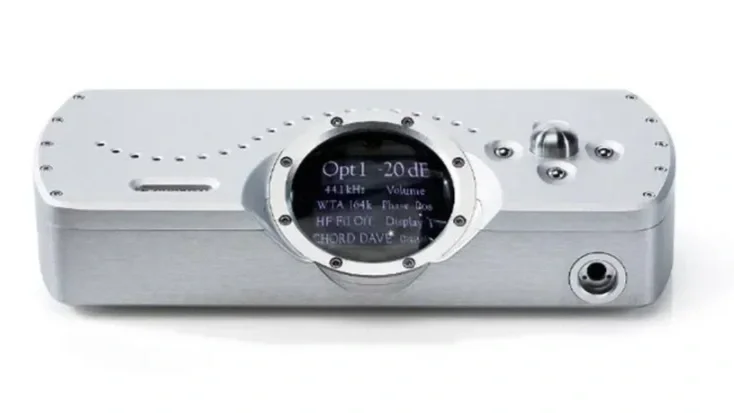
Chord Electronics DAVE DAC and Headphone Amplifier
The recent NASA Artemis space mission, which took four astronauts to the dark side of the Moon and brought them back, had four stages:
Launch Abort System
Crew Module
European Service Module
Space Launch System
The current in-store system we are listening to consists of:
Innuos Stream3 Streamer and Server
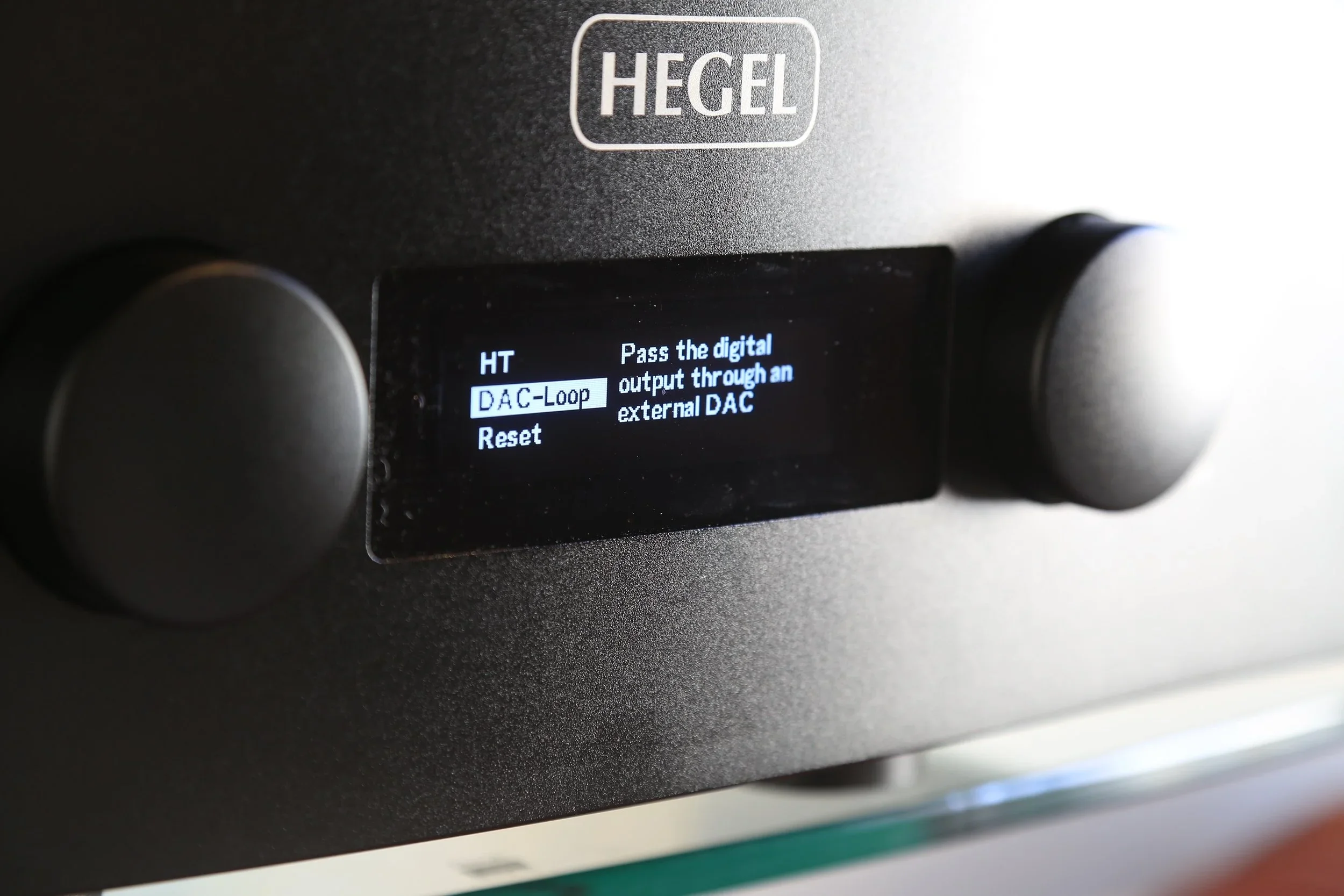
Hegel D50 DAC
Hegel H600 Integrated Amplifier
ATC SCM100PSL Passive Speakers
The SpaceX Starship, which is hoped to be used in conjunction with the NASA project, is made up of two stages:
Super Heavy Booster
Starship Spacecraft
Both Artemis and SpaceX Starship should be taking astronauts into space in the near future, fuel leaks, explosions, etc. excepted.
It’s fair to say that most nascent Hi-Fi enthusiasts started with an integrated amplifier and moved along the upgrade route from there. In my case, I started with the NAD 3020, moved on to the Cyrus One and then the Audiolab 8000S integrated/pre/power amplifier.
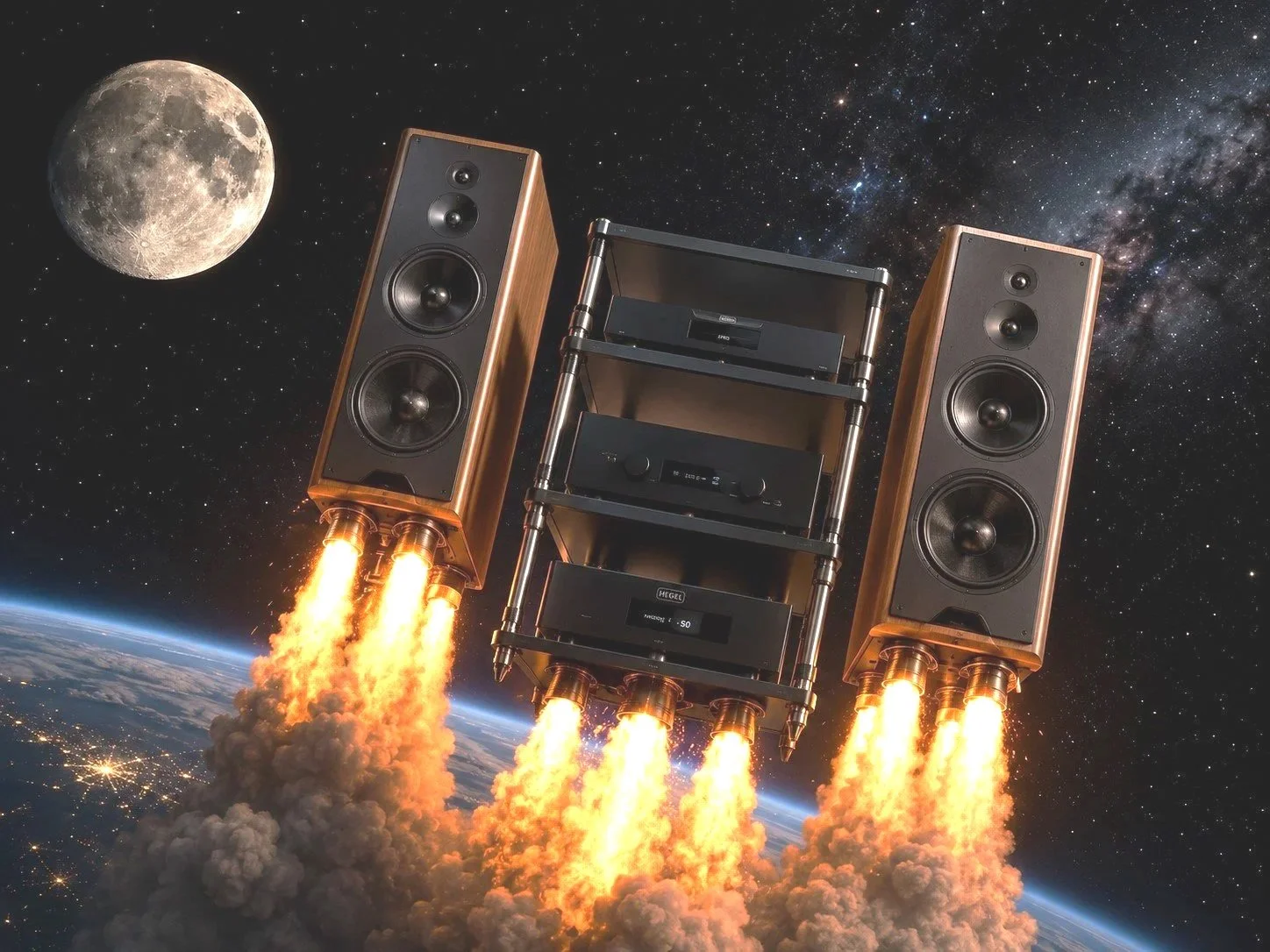
A Hi-Fi System that sounds out of this world!
If I wanted to continue down the integrated route, there are plenty of higher-end integrated amplifier options. The Rega Elicit MK5 and the aforementioned Hegel H600 are all excellent integrated amplifiers. The obvious advantages of a one-box amplification system, space saving and eliminating the need for interconnects, make this an appealing path to go down. We’ve tried all of these amplifiers in a variety of systems, and the results are superb when paired with the right source and speakers.
The general consensus has always been that using separate pre-amps and power amps gives better sound quality, as they offer better sonic isolation, a lower noise floor and usually more power. As the pre-amp handles the low-voltage signals, keeping it in a separate case isolates it from the high-current power amp, eliminating interference and unwanted hum.
Given the quality of the mentioned high-end integrated amps, though, are these factors enough to outweigh the convenience of having everything in one box?
The main advantage for me personally of going down the separates route is the flexibility to upgrade gradually without a total reset. Many seasoned Hi-Fi buffs have older equipment that can be repurposed to great effect, with their Hi-Fi budget spent on improving one element at a time.
What’s more, adding a combination such as a pre-amp and DAC or pre-amp and streamer can be a very cost-effective way of improving a system and taking it to a higher level.
At the moment, I’m listening to a WiiM Ultra Music Streamer, DAC and Pre-Amplifier, using my old Audiolab 8000S amp solely as a power amp. The improvement in sound quality over using a streamer and integrated amp is marked. In my case, I’m thinking of upgrading the power amp first, with a view to upgrading the pre-amp at a later date, when the budget allows. Then maybe look at a better streamer. Or DAC. Or pre-amp/streamer, or…
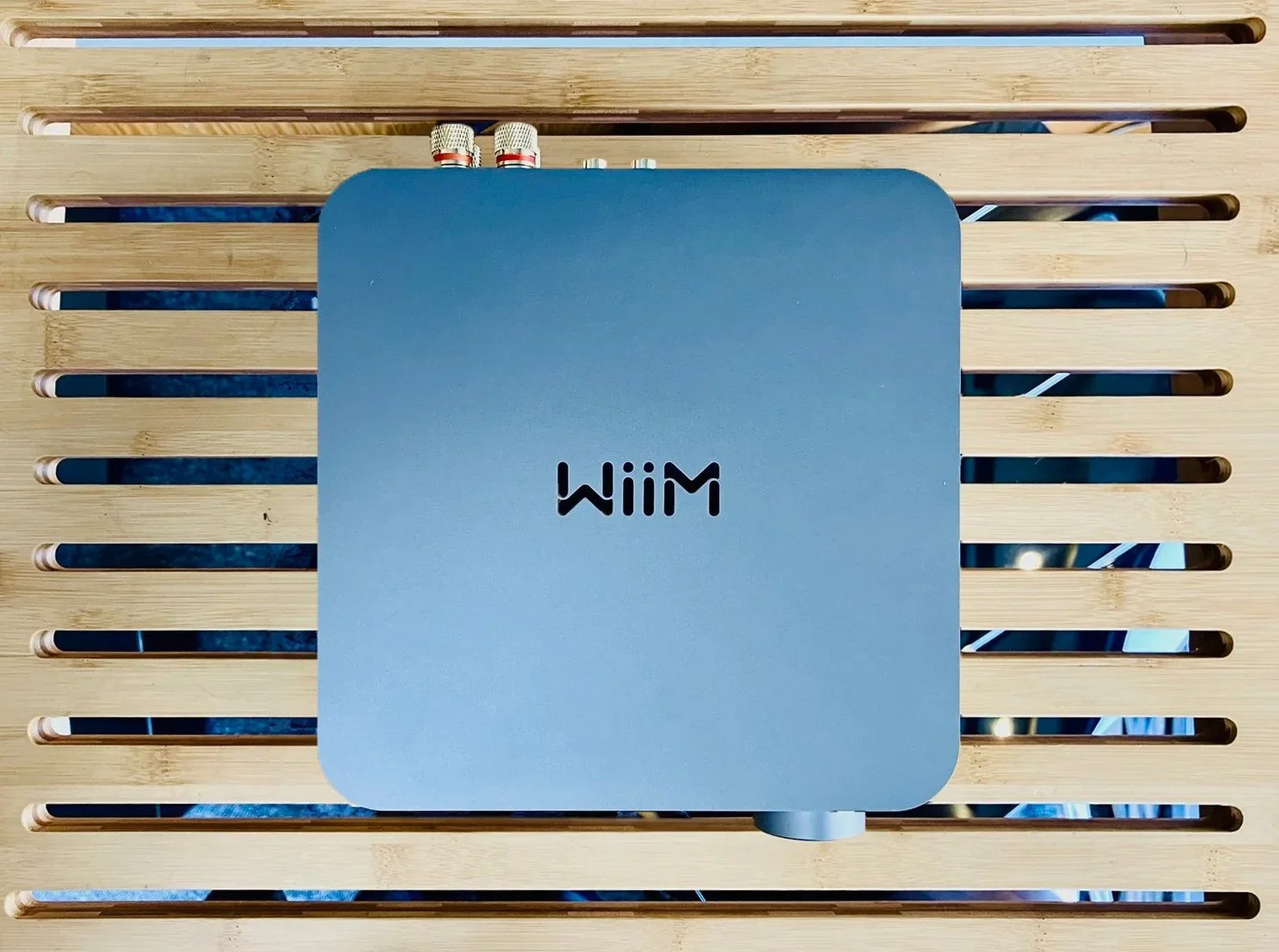
The possibilities are endless. The space and convenience factors can still be taken into account, but advances in what can be squeezed into a smaller box mean that you don’t necessarily have to consider a power amp the size of the SpaceX, towering over the skyline of your listening room, if you want to take the modular approach.
The SpaceX Starship may have fewer stages than Artemis, but it stands at 120 metres in height.
Comparatively, the multiple Artemis stages clock in at a bijou 98 metres.
Both can get astronauts into space, possibly to The Dark Side of the Moon again, and make the ground shake on lift-off.
Just like top-quality Hi-Fi.
Paul - Audio T Bristol
If you have any questions about any other Hi-Fi or home cinema enquiries, be sure to Contact Us.
If you’ve enjoyed this, why not go ahead and read some more of our other blogs, and be sure to follow us on our social media channels below…