

Power play – in the world of power amps more is very often, well, more.
/You know you’re getting serious about your hi-fi system when you start thinking about upgrading to a pre and power amp combo or even a pair of mono power amps. So let’s look at the benefits and potential drawbacks of heading down the power amp route.
Many of us will have seen videos and photos of very expensive systems and beside each of the monolithic speakers sits an amplifier the size of a small fridge.
In this rarefied world, mono power amps are commonplace in large part because they have the grunt to drive big, high-end speakers to their full potential.
But that doesn’t mean that the rest of us, with less exotic systems powered by integrated amplifiers, should forget about upgrading to a pre-power amp combo or even monoblocks.
The benefit of going pre-power is that you separate the sensitive pre-amplification stage from the high current power amp stage. By separating them, you reduce the risk of electrical interference and so lower the noise floor in your system.
A power amp (or two) will also likely deliver more current and watts, allowing you to drive your speakers better. The result should be a faster, more detailed and expansive musical presentation.
Let’s unpack some of the main things to consider.
A pre-amp with stereo power amp
In this setup, you use one pre-amplifier to control volume and source selection, and a separate stereo power amplifier to drive both speakers.
There are obvious benefits over an integrated amp in that the sensitive processing systems in the pre-amp stage, such as DACs, phono stages and volume adjustment, are housed in a different box, probably sitting on its own shelf in a rack.
Power amplification involves stepping down large mains AC voltages to lower levels which can then be transformed into stable and quieter DC.
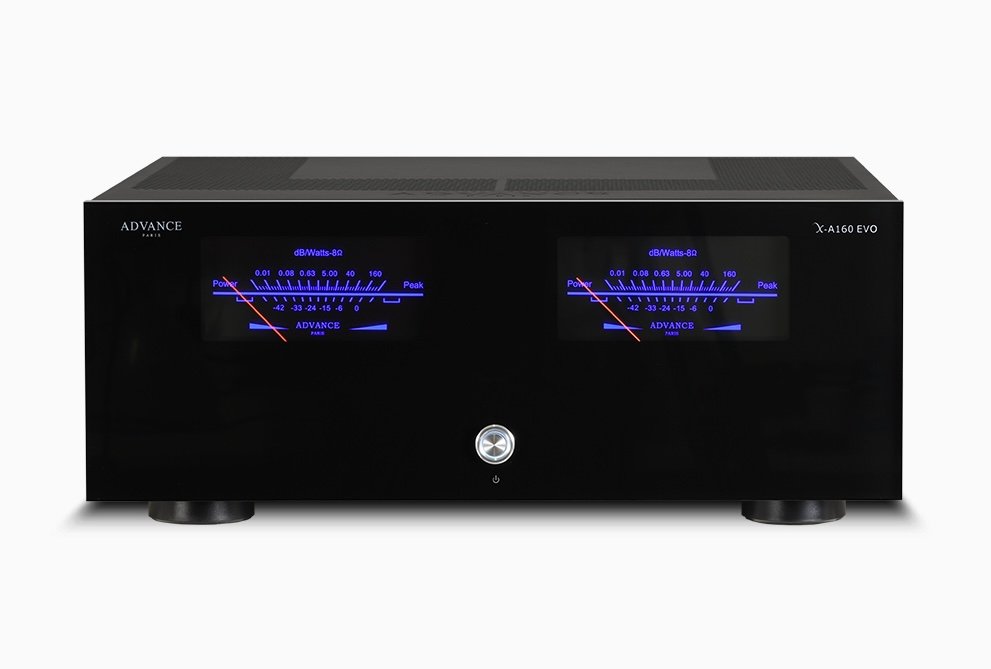
Advance PAris X-A160 evo
This high current activity inevitably generates a fair bit of electrical noise which can interfere with the sensitive circuitry in the pre-amp stage and raise the noise floor in your system. So putting some distance between pre and power stages makes sense.
This doesn’t mean to say that a well-engineered integrated amplifier cannot deliver excellent sound through clever circuit design and shielding.
It is certainly not a given that a pre-amp and a power amp combination costing, for argument’s sake, £4,000 will sound ‘better’ to you than an integrated retailing for the same price.
The quality of the components and build in that £4K single-box integrated may be superior to that found in the two-box solution. And, well, you may simply prefer the sound of the integrated. Remember, the sound we like is highly subjective.
Nonetheless, all things (like price) being equal, separating the pre-amp stage from the power amp stage tends to deliver a lower noise floor, allowing you to hear more of your music.
Here are some examples of stereo pre-amplifiers with suitable power amps:
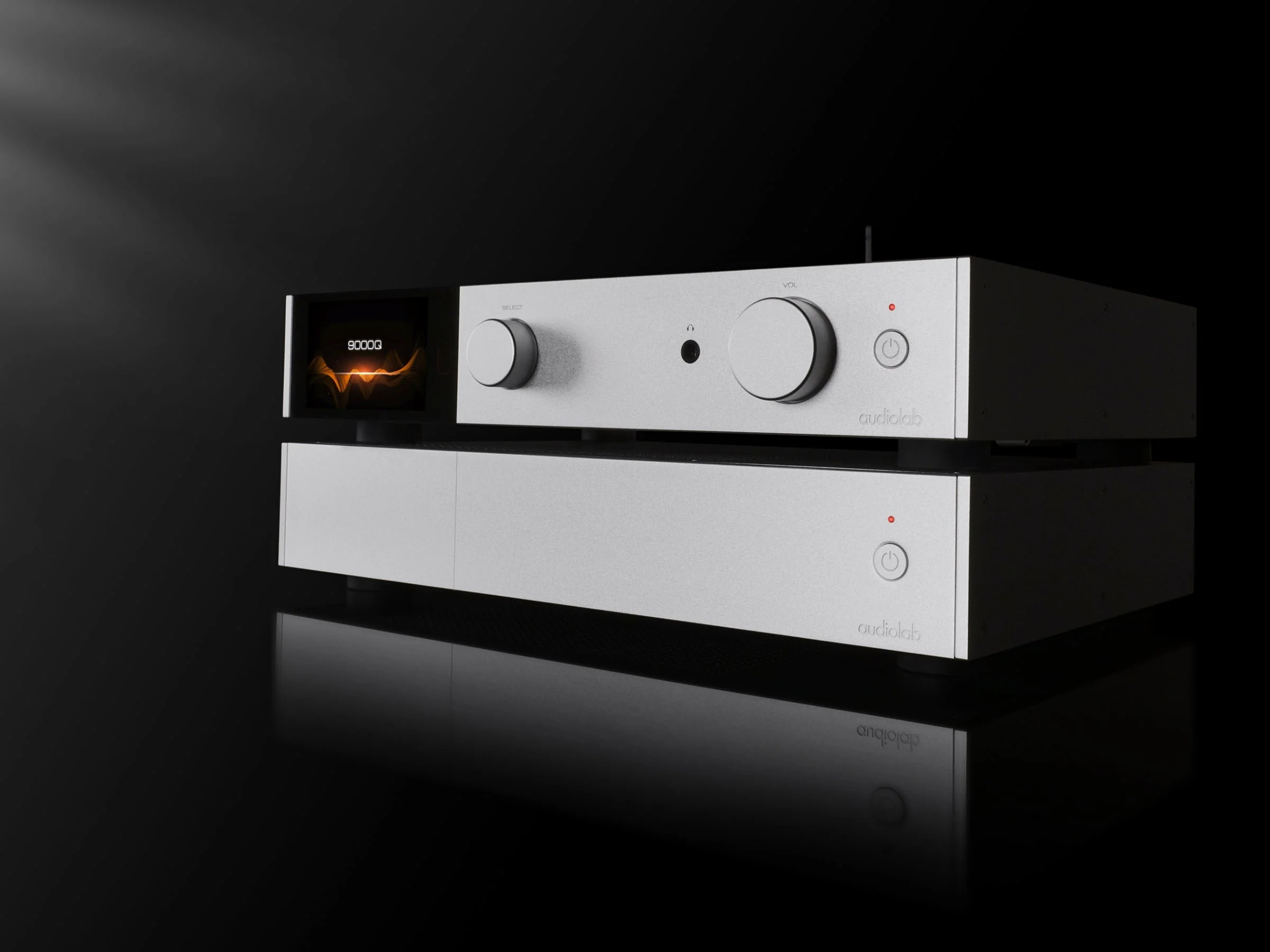
Audiolab 9000Q and P pre and power combination
The other thing to bear in mind is that having a separate power amp can mean having more power on tap, since there is a whole box given over to housing a big transformer and banks of capacitors.
While not the be-all and end-all, greater power tends to bring improved control over speaker drivers which, in turn, delivers a more dynamic and better defined sound. That said, there are plenty of powerful integrated amps on the market.
Of course, one potential drawback of the pre and power option is that you’ll need to buy and find space for two separate boxes rather than one, plus extra interconnects.
Mono power amps
If you are looking at mono power amps (often called monoblocks), then the likelihood is that you are seriously invested in your hi-fi.
The rest of your system, especially your speakers, should justify the expense and additional power capabilities of a pair of monoblock amps. It would, in most cases, be overkill to have a pair of mono power amps driving entry-level speakers.
But if you are in the market for a pair of monoblocks, then there are clear benefits.
The first is that you have one power supply for each amplifier, which is to say each channel. Now, integrated and stereo power amplifiers do come in dual mono designs, which means separate power supplies for each channel.
But the separation possible within the confines of a single-box integrated or stereo power amp is not the same as the true channel separation possible with two mono amps.
Monoblocks significantly reduce the risk of electromagnetic interference, or crosstalk, between the left and right channels. So mono power amplifiers are engineered to deliver a lower noise floor and improved channel separation and stereo imaging.
The other significant benefit of monoblock amps is power. Each monoblock or channel has its own transformer and capacitors and can deliver greater power to a single channel than most integrated amps or even stereo power amps.
This means better control over your speaker drivers, meaning greater dynamism, speed, accuracy and often tonality, as your speakers are being driven to their full potential.
Monoblocks tend to come into their own if you have a pair of demanding speakers that need a high current amp to perform at their best. Such speakers are very often larger, high-end floorstanders.
Examples of high power mono amplifiers include:
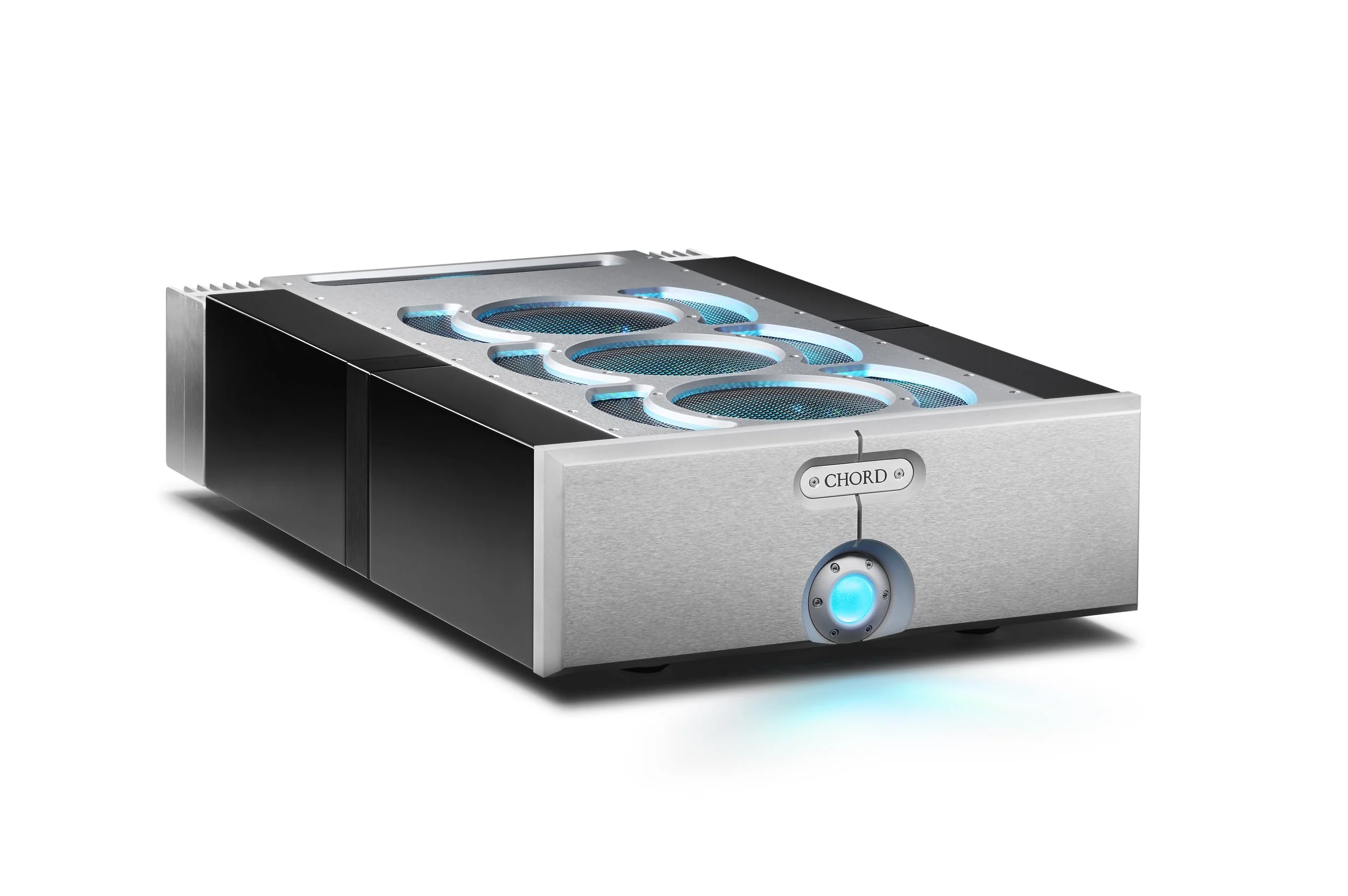
Chord Electronics ultima 2 amplifier
However, there are some lower output valve mono power amps out there such as Audio Note Conquest Silver Signature and the Quad QII-FORTY mono amps.
The drawbacks when going down the mono route, apart from cost as you will need to buy two of them and more cables, tend to be the space required. You will need space in your rack for two amps rather than one. And of course, you still need a separate pre-amp.
And when it comes to some of the high-end behemoth monoblocks, you can forget standard racking. For instance, the Pass Labs Xs 300 monoblocks, which weigh almost 140kg (around 20 stone) per unit, would need a custom racking solution or ground-level plinths.
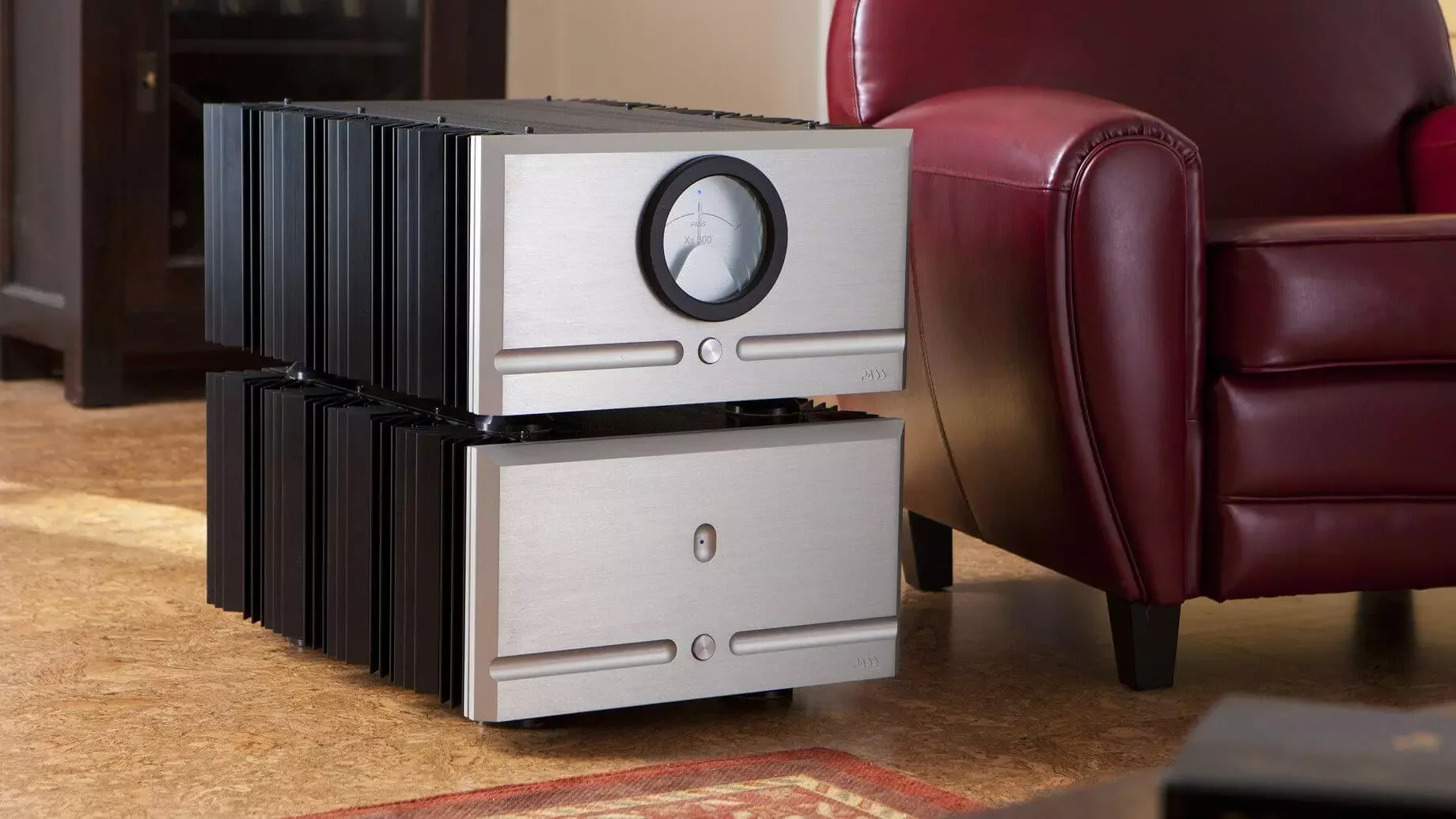
PAss LAbs Xs 300 (Image courtesy of Pass labs)
One advantage of placing such monster monoblocks on the ground is that you can position them close to each speaker, which reduces the amount of speaker cable required, reducing cost slightly and potentially reducing signal loss.
The other thing to consider if you do upgrade to mono power amps is that, when you start to get into the world of high-end hi-fi, your system may benefit from a dedicated and, preferably, acoustically treated listening space in order to appreciate your system’s full potential.
And that can mean a whole new level of expense!
In summary
As hi-fi enthusiasts, we are prone to bouts of upgrade-itis. And there is genuine pleasure in changing something in our systems that improves things noticeably.
Almost everything can make a difference, from a better quality turntable or streamer to better speakers, cabling or adding a subwoofer.
When it comes to amplifiers, the added interest is that you don’t have to stick with the one-box integrated amp format. You can experiment with pre and power combinations and even mono power amps.
This potentially opens the door to new levels of detail, scale and enjoyment from your existing system.
You can check out our selection of amplifiers online here. If you don’t see what you’re after, be sure to contact us.
Thanks for reading,
Alan - Audio T Portsmouth
If you’ve enjoyed this, why not go ahead and read some more of our other blogs, and be sure to follow us on our social media channels below…