

Super Tweeting The FYNE way
/Fyne-tuning those hidden high frequencies in our systems with one of the hi-fi industry’s hidden gems: the S-Trax tweeter, made by those damn fine people at Fyne Audio.
In this month’s blog, Matt—your favourite hi-fi enthusiast and all-round music nerd—focuses on yet more hidden information in music, this time in the treble frequencies. And how do we Fyne-tune this? We hear you ask… well, grab yourself a cup of coffee, sit back, and let’s read along with Matt and see where we end up.
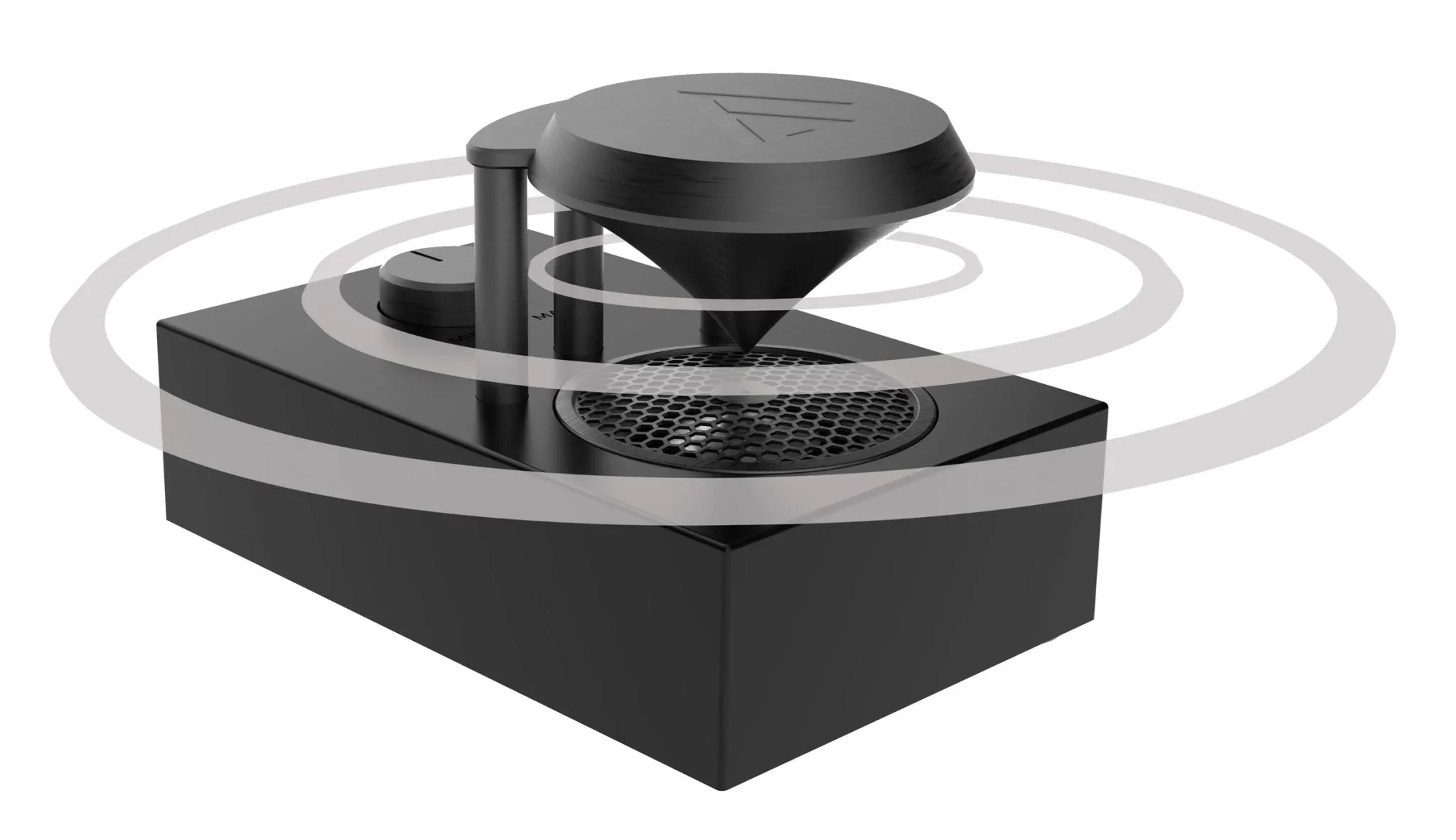
FYNE AUDIO S-TRAX SUPER TWEETR
Greetings to all of you wonderful people out there in the big wide world of hi-fi. It’s me again, Matt, here on yet another quest to find hidden information in music. This time, as my blog’s title suggests, I’m listening for that sometimes hidden and lost information in those treble frequencies. Especially with more laid-back loudspeakers accompanied by vintage amplification, sometimes those finer details can be lost—despite the equipment sounding absolutely phenomenal. In my system’s case, I would say the finer details are very much there, especially with the Cyrus and Spendor D7 combination. You could say it wouldn’t need any help with those finer details on the treble side of things.
So, this brings one big question to light: is there any way I can improve the upper-register details with my personal hi-fi system?
fyne audio logo
So you may be thinking, what has piqued my interest in this side of hi-fi? Well, it started with a visit from Nick, our sales representative from Fyne Audio, who brought a lot with him—a few wonderful loudspeakers from Fyne’s new range. Along with the speakers, he brought a pair of Fyne’s S-Trax super tweeters. I knew Fyne had been making super tweeters since 2024 with their original flagship SuperTrax, but the super tweeter goes back further than we think, so let’s look into a little history—I promise I’ll keep it short.
There have been a great many super tweeters over the years, mainly within loudspeakers, such as the Coles super tweeter, which was used primarily in British studio monitoring speakers going back to the 1960s—especially Spendor’s original BC1 monitor speaker. A few companies followed suit, such as Decca, Klipsch, and Lowther, but the first stand-alone super tweeter didn’t come around until the ’70s with Decca’s ribbon-based design. This meant you could add this piece of kit to your speaker of choice and improve its performance. Moving fast-forward in time, companies such as Tannoy—and now Fyne, of course—have advanced and improved the design of the stand-alone super tweeter, making this adaptation to our speakers easier and, dare I say it, more desirable.
What is a Super Tweeter?
As we know, the conventional tweeter within our loudspeakers is forward-firing only, whereas the stand-alone super tweeter is open to the room. This changes the performance of our loudspeakers, giving the sonic impression of more openness and airiness in the treble frequencies—often extending these frequencies up to 50kHz, which is seldom heard in any production loudspeaker. Also, adding a super tweeter can improve the time alignment of a speaker. In so many words, by adding a super tweeter, you are adding more detail to your listening experience, even changing the whole soundstage and presentation of the piece of music we’re listening to.
Before I talk your ears off about the changes I heard in my system’s performance when adding the S-Trax super tweeter, let’s talk a little about Fyne Audio’s history.
Who Are Fyne Audio?
Fyne first came to life as a speaker company back in 2017, established by Tannoy’s former management team, including Dr Paul Mills, who is a true innovator when it comes to loudspeaker design. He’s been one of the hi-fi industry’s most respected figures since the ’90s. Paul and the team at Fyne have certainly injected their passion into every loudspeaker and super tweeter they’ve built. This passion and attention to detail certainly show when it comes to the S-Trax super tweeter.
Before I talk about my listening experience, let’s go over a little of the spec for the S-Trax super tweeter:
Sensitivity: Suitable for loudspeakers up to 98dB sensitivity
Nominal impedance: 8 ohms
Frequency response: 16kHz–50kHz (-6dB typical in-room)
Drive unit complement: 25mm (1”) magnesium dome with neodymium magnet
Crossover type: 3rd-order high-pass at 16kHz, Cryolite-treated
System adjustments: ±4.5dB from normal setting
Made proudly in Scotland.
The Listening
With my amplifier all warmed up and the S-Trax super tweeters linked to my Spendors—and of course, a fresh pot of coffee brewed—I’m ready to rock. So let’s sit back and talk about what we’re hearing with these marvels of Scottish engineering set up with my speakers.
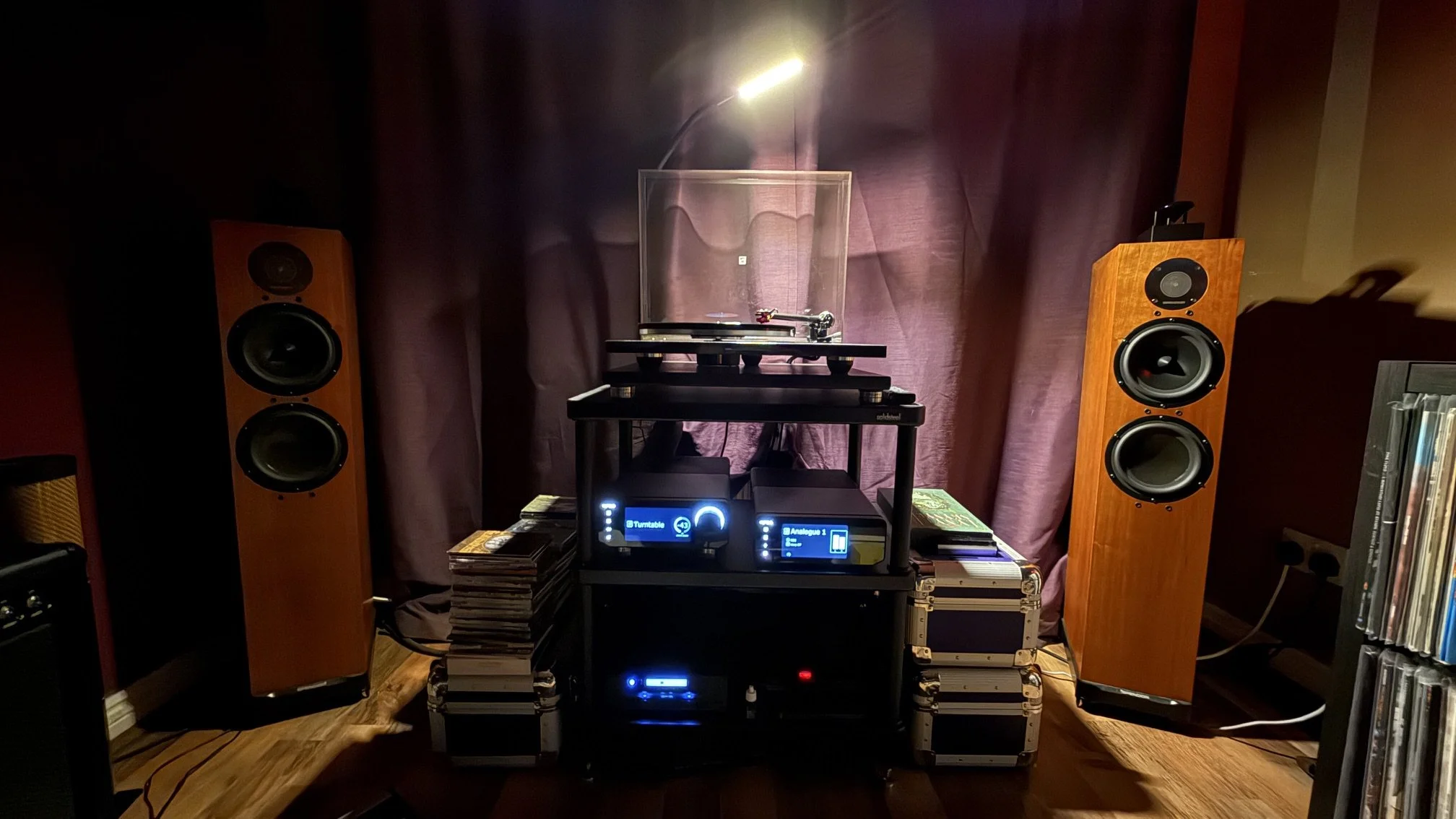
Matts home system
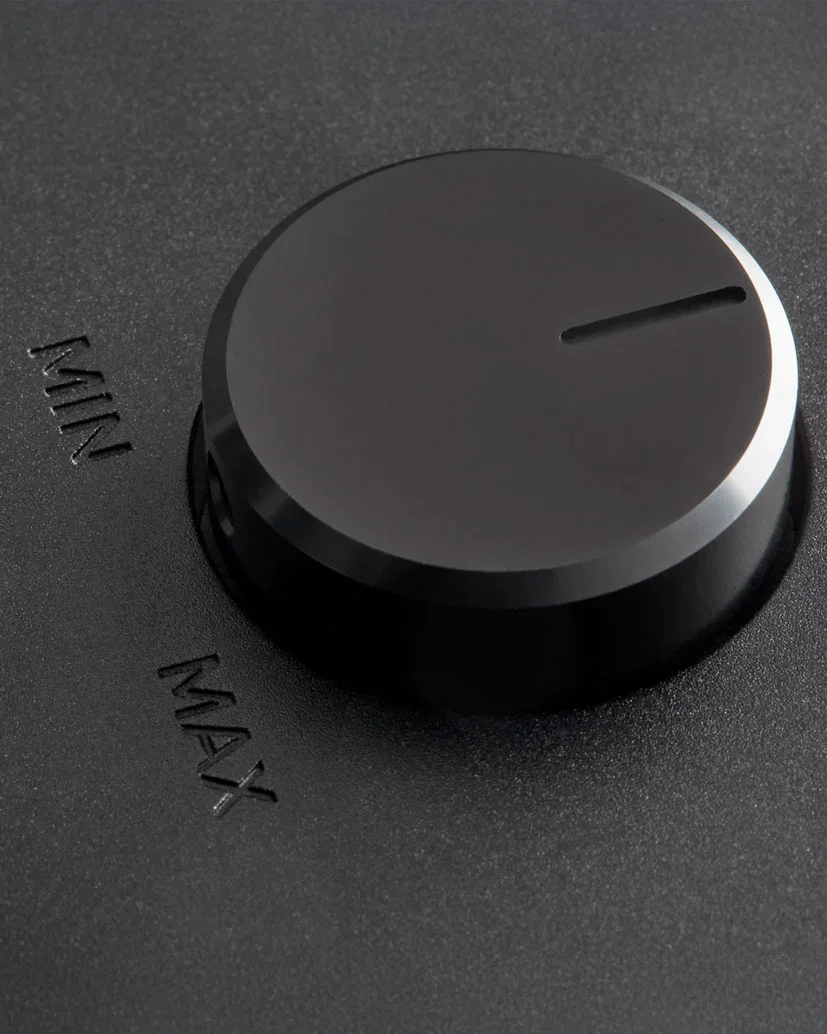
s-trax gain dial
Before I settled down to listen to my records of choice, I took some time to set up the super tweeters for optimum performance—positioning them correctly, aligning them properly, and adjusting the gain dial on the top of both tweeters to match the output of my Spendors as best I could. So with everything set, I can now settle down and tell you about everything I’m hearing—and more importantly, how they changed the performance of my hi-fi listening experience.
What albums and tracks did I use, I hear you ask?
Artist & Album: Alice In Chains – self-titled final studio album with Layne Staley (reissued on vinyl)
Original release year: 1995
Track: Heaven Beside You
Artist & Album: Rush – Signals (vinyl, 1982)
Track: Subdivisions
Artist & Album: Zakk Wylde – Book of Shadows II (CD, 2016)
Track: Sleeping Dogs (featuring Corey Taylor)
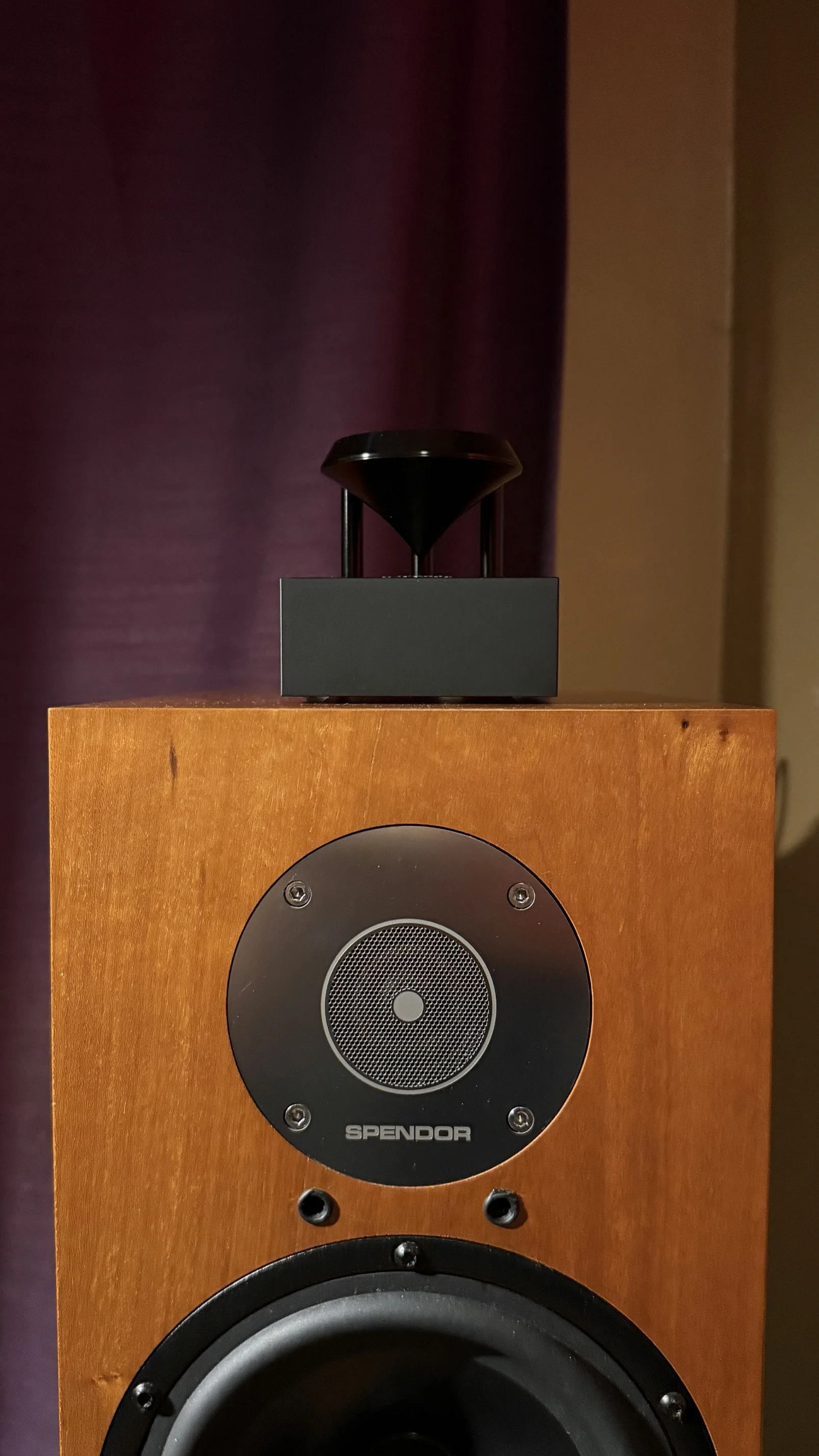
fyne audio s-trax super tweeter installed on matts spendor d7
Now, with everything settled—and after pre-listening to each track before adding the super tweeters—I’m familiar with how everything sounds in terms of instrument placement and overall performance.
First up, Alice In Chains’ track “Heaven Beside You.” With the super tweeters in play, I could hear more openness in Layne’s vocals, as he sits more in the alto range. There was also more texture and subtlety in Kinney’s cymbals, and more definition and feel to Jerry Cantrell’s Soldano amplifier.
Moving on to Rush’s track “Subdivisions”—all I can say is wow. This track, in particular, really showed off what the S-Trax can do. Right from the off, Geddy Lee’s synthesiser had more openness, and there was a greater sense of space around Neil Peart’s drum kit.
On to my favourite track of the evening: Zakk Wylde’s “Sleeping Dogs.” This track really opened up, with more space and breath between the vocals and better definition in Corey’s backing vocals. But what really shone for me was Zakk’s lead guitar tone—better separation, more space, and clearer articulation of the notes played.
Conclusion
So, what can I take away from this experience—and would I buy one?
The S-Trax, I have to say, is a very interesting addition to most loudspeakers, and I definitely feel that it makes a significant change to the overall soundstage and performance of my system, giving it more openness in the treble frequencies. I really do feel the S-Trax super tweeter would shine best with a more laid-back loudspeaker, improving time alignment and the overall soundstage.
I would highly recommend trying these out in your own system—or why not book yourself in for a demonstration and let us know what you think?
Thank you for taking the time to read my blog. As always, it’s much appreciated.
Matt Aaron - Audio T Cardiff
If you have any questions about any of the equipment featured in this article, or any other Hi-Fi or home cinema enquiries, be sure to contact us.
If you’ve enjoyed this, why not go ahead and read some more of our other blogs, and be sure to follow us on our social media channels below…
Fyne Audio can be found at the following Audio T stores: