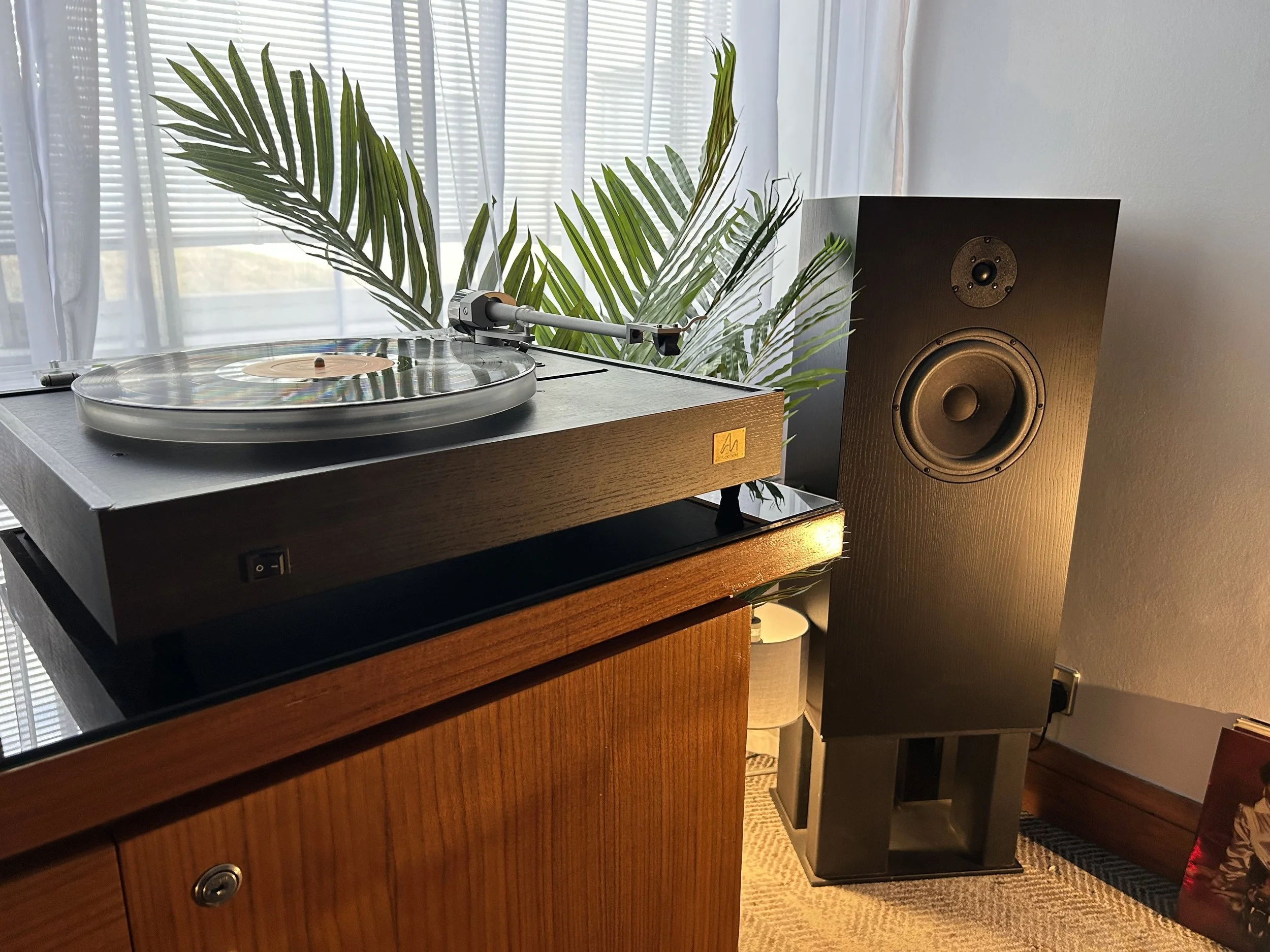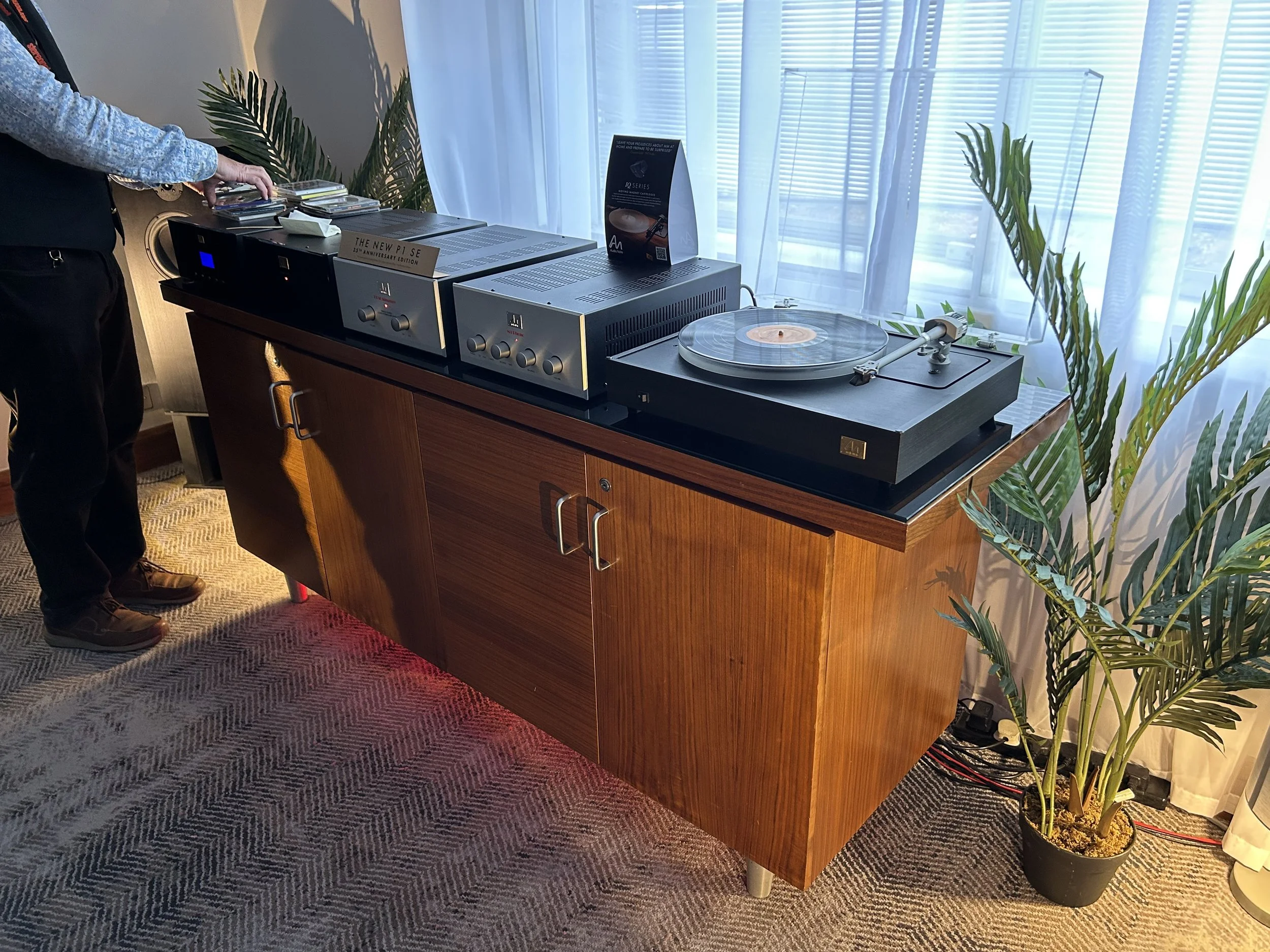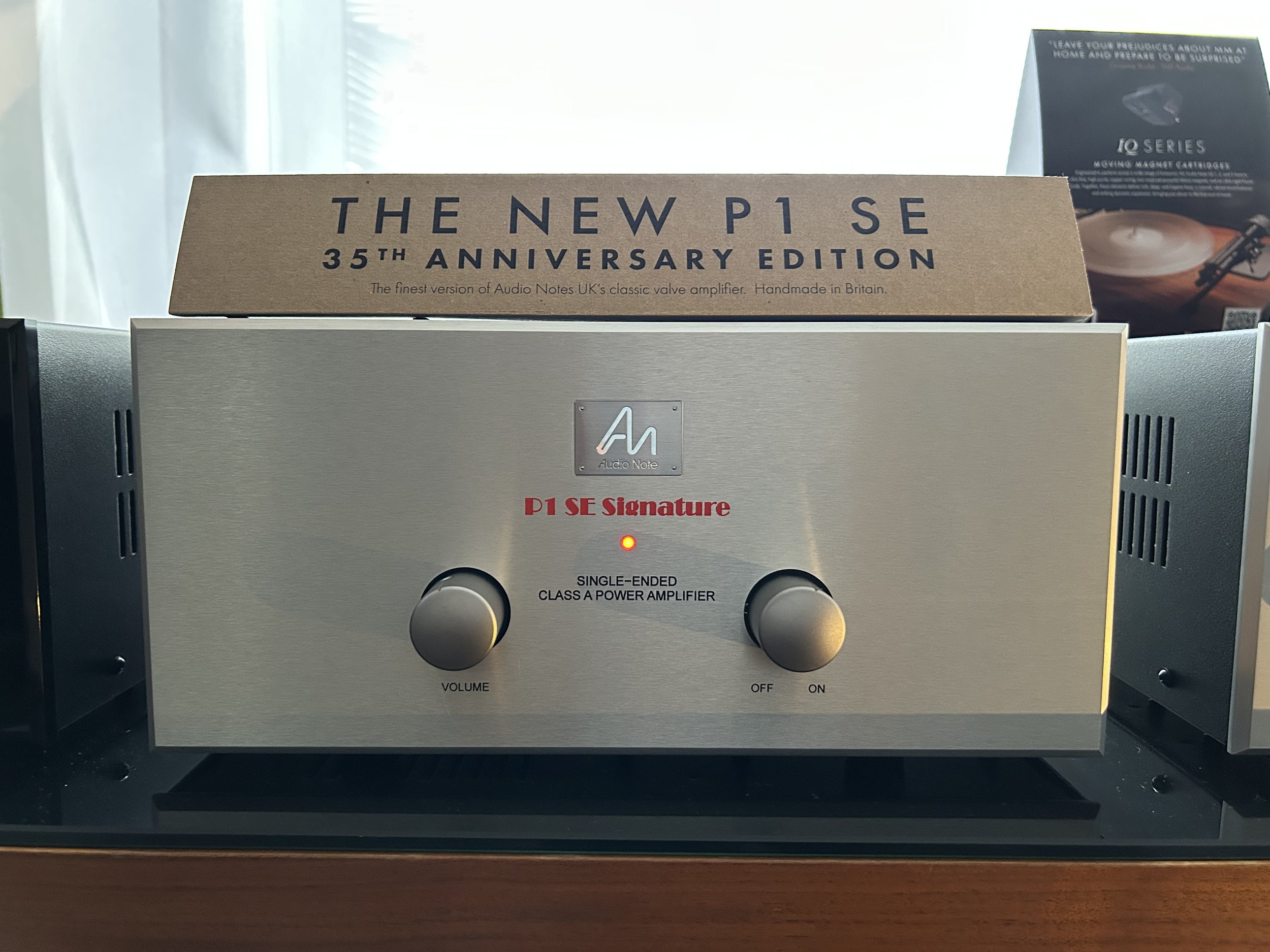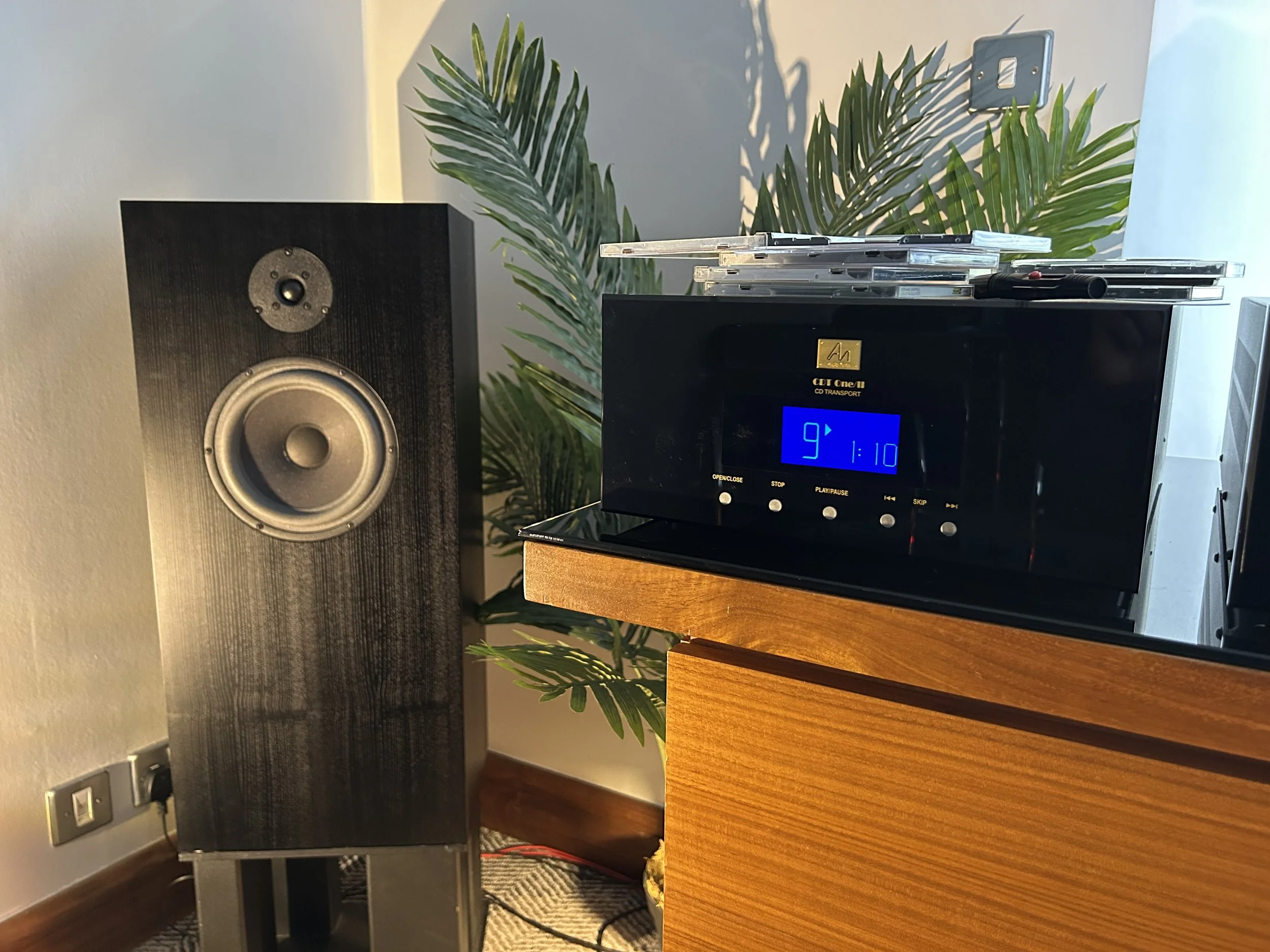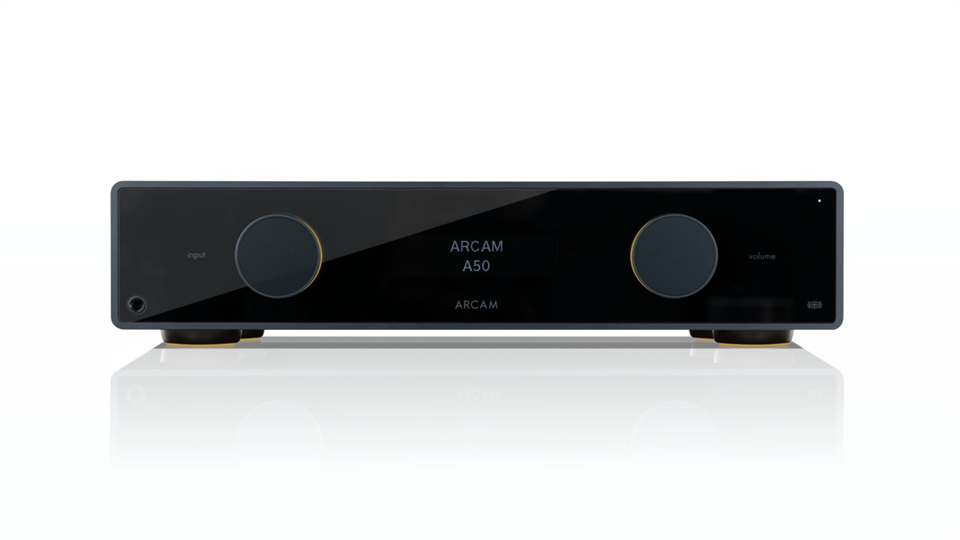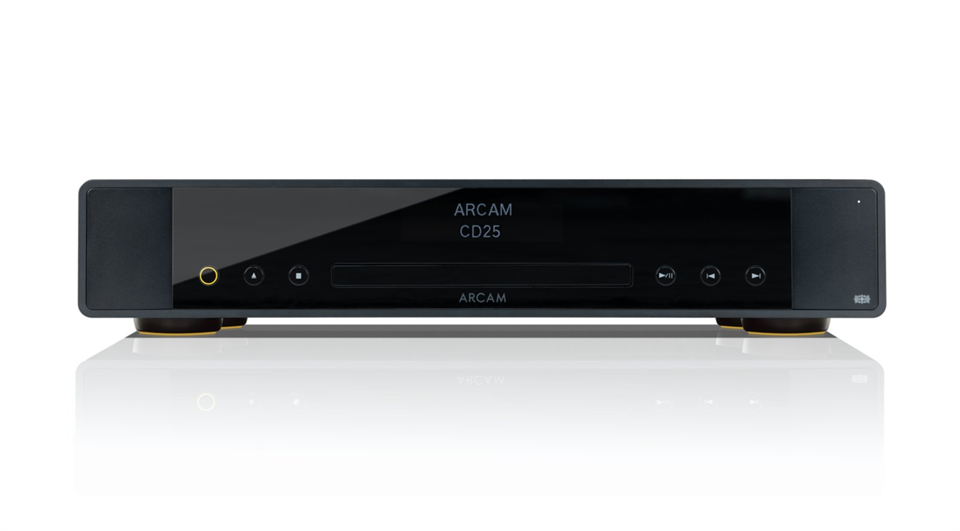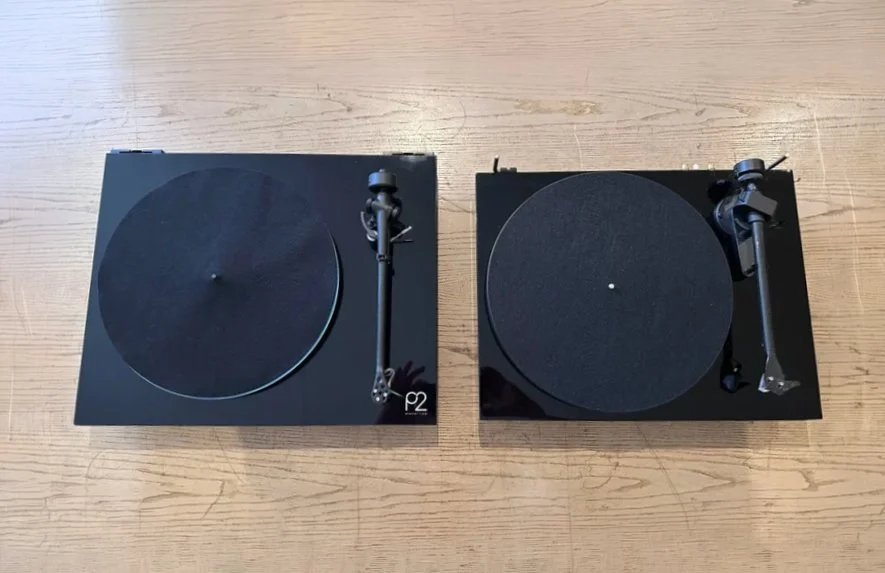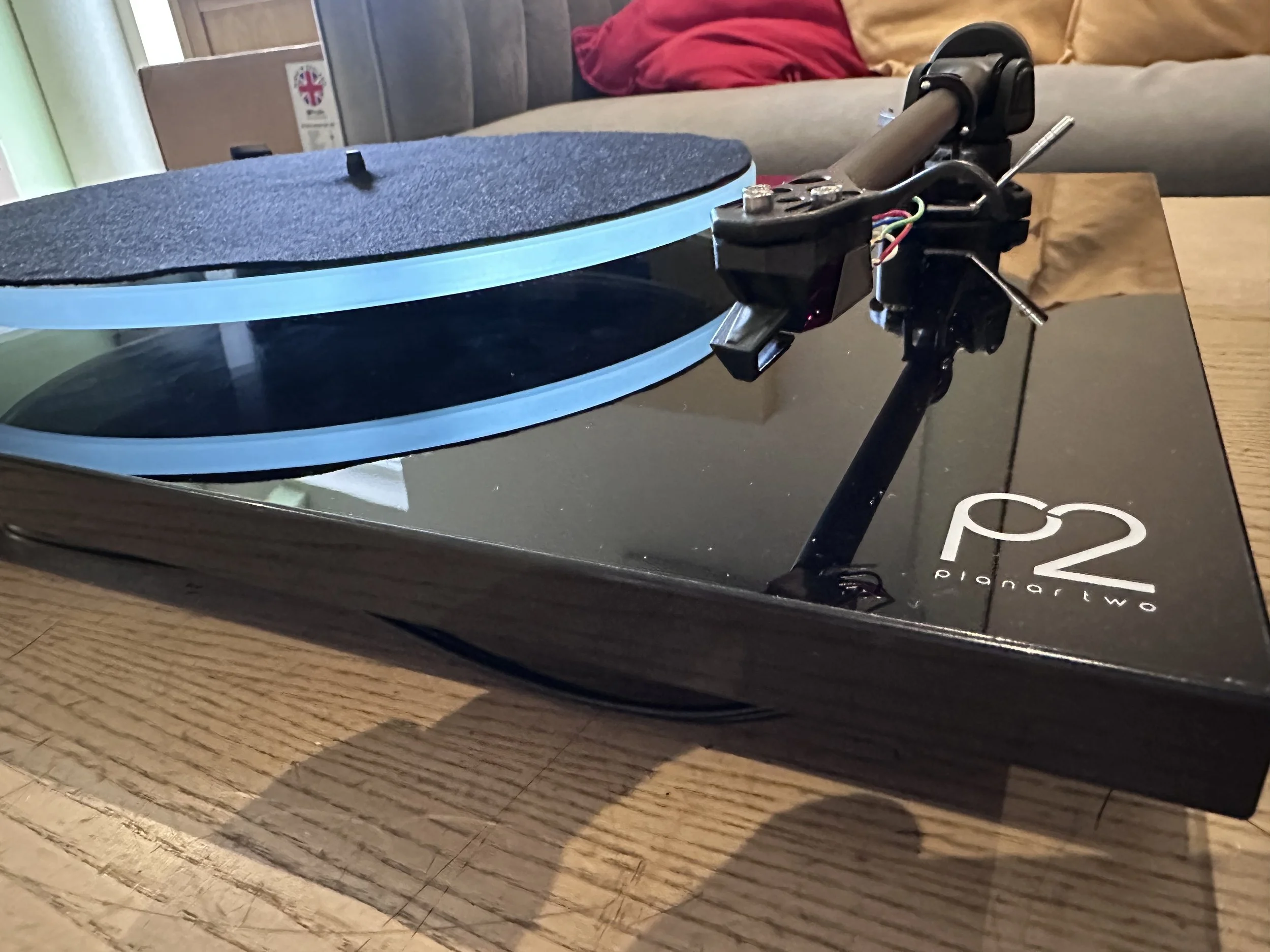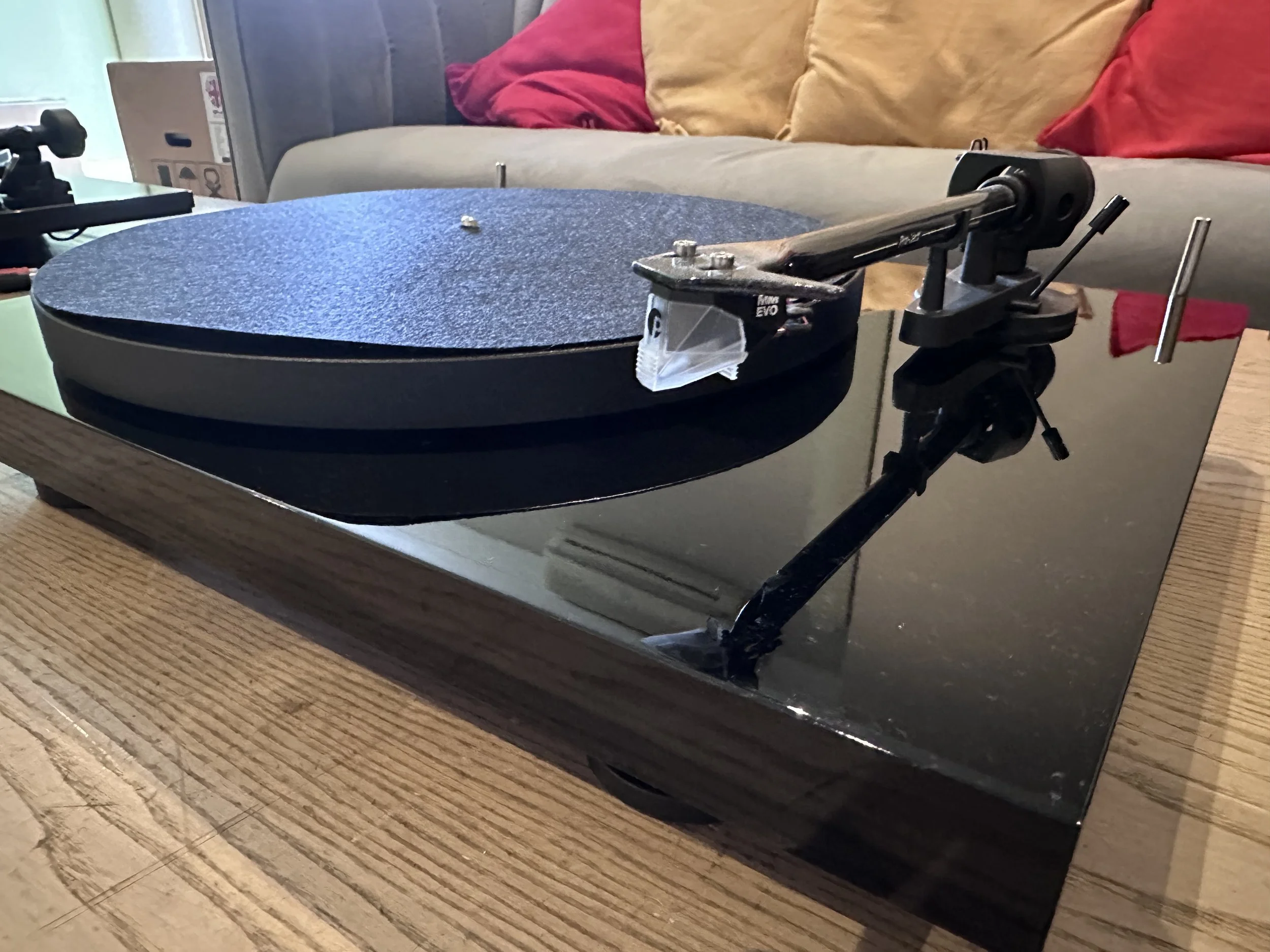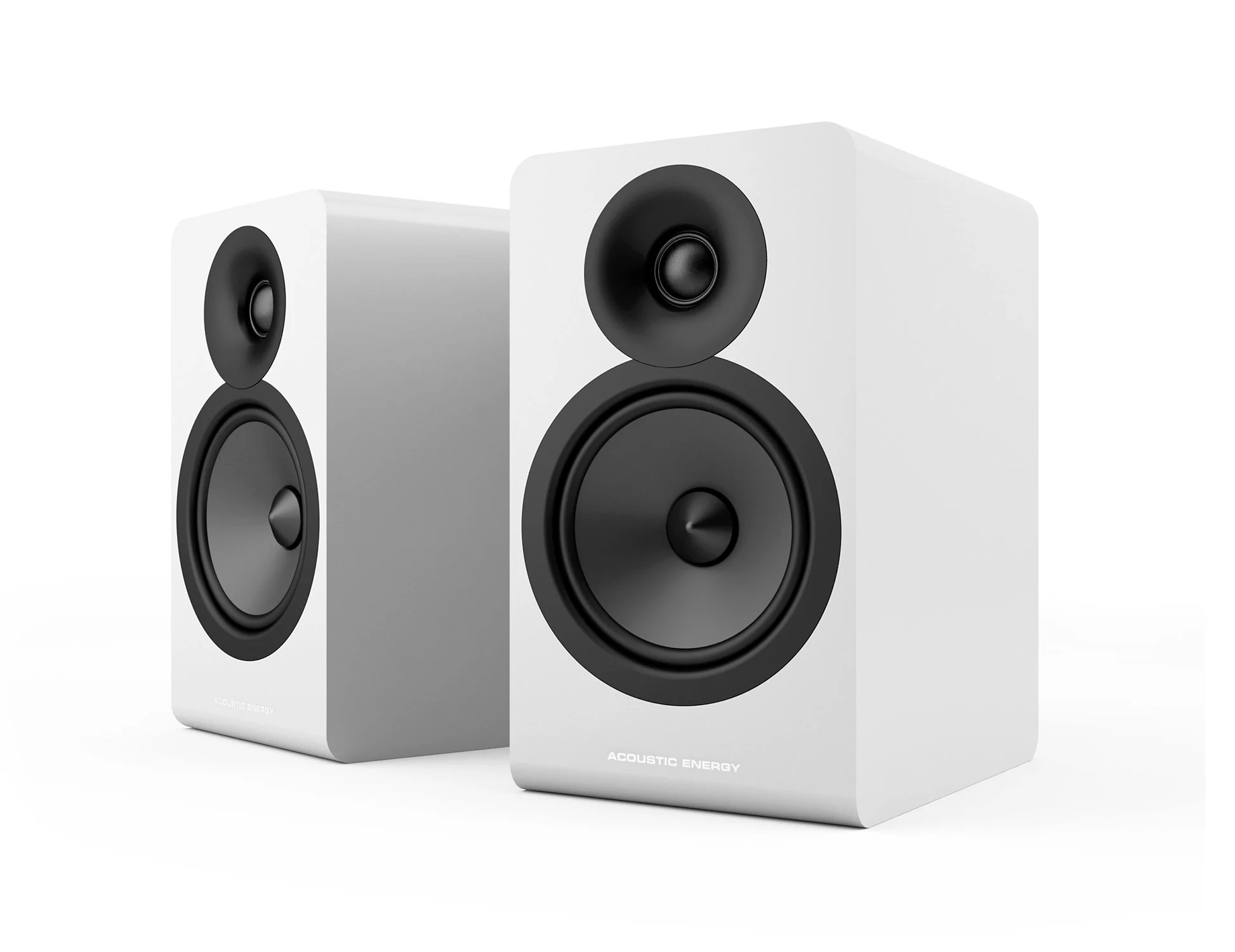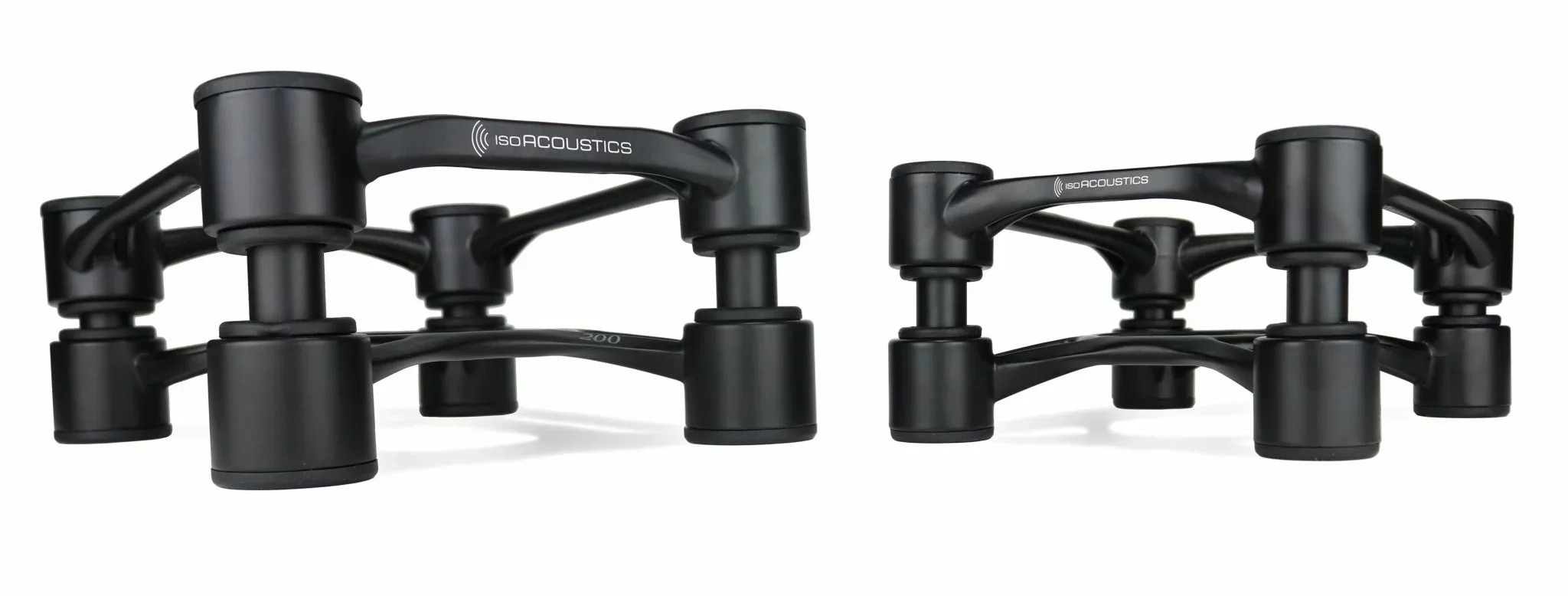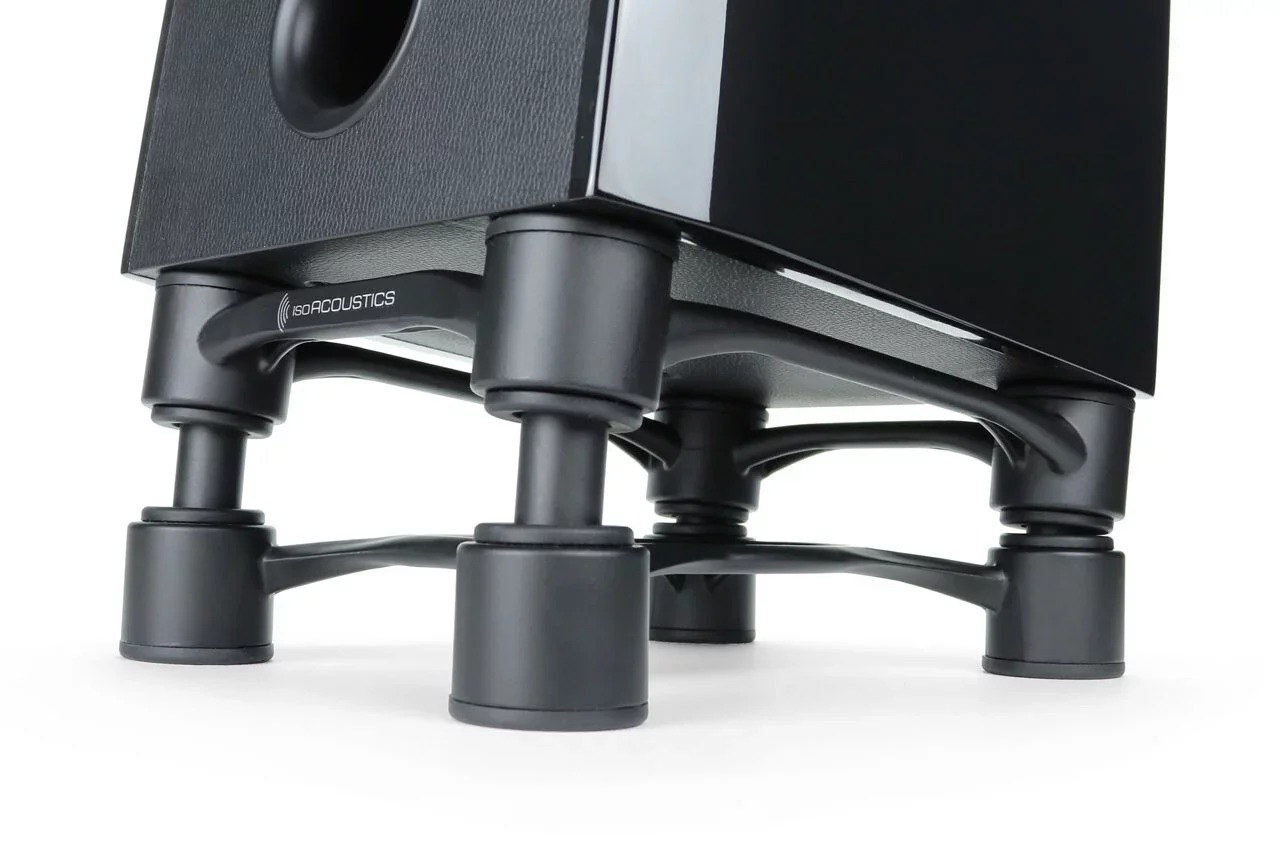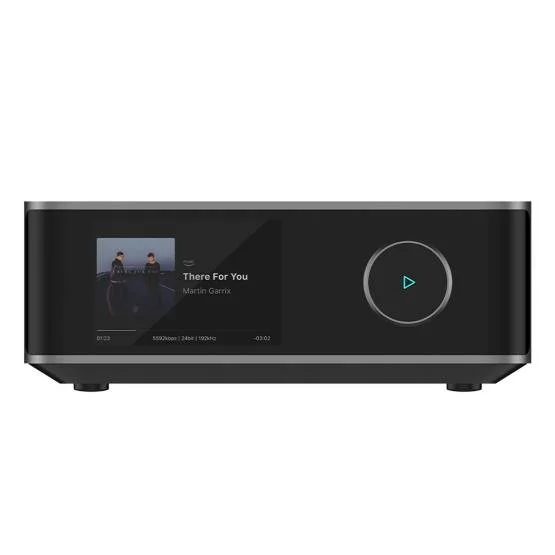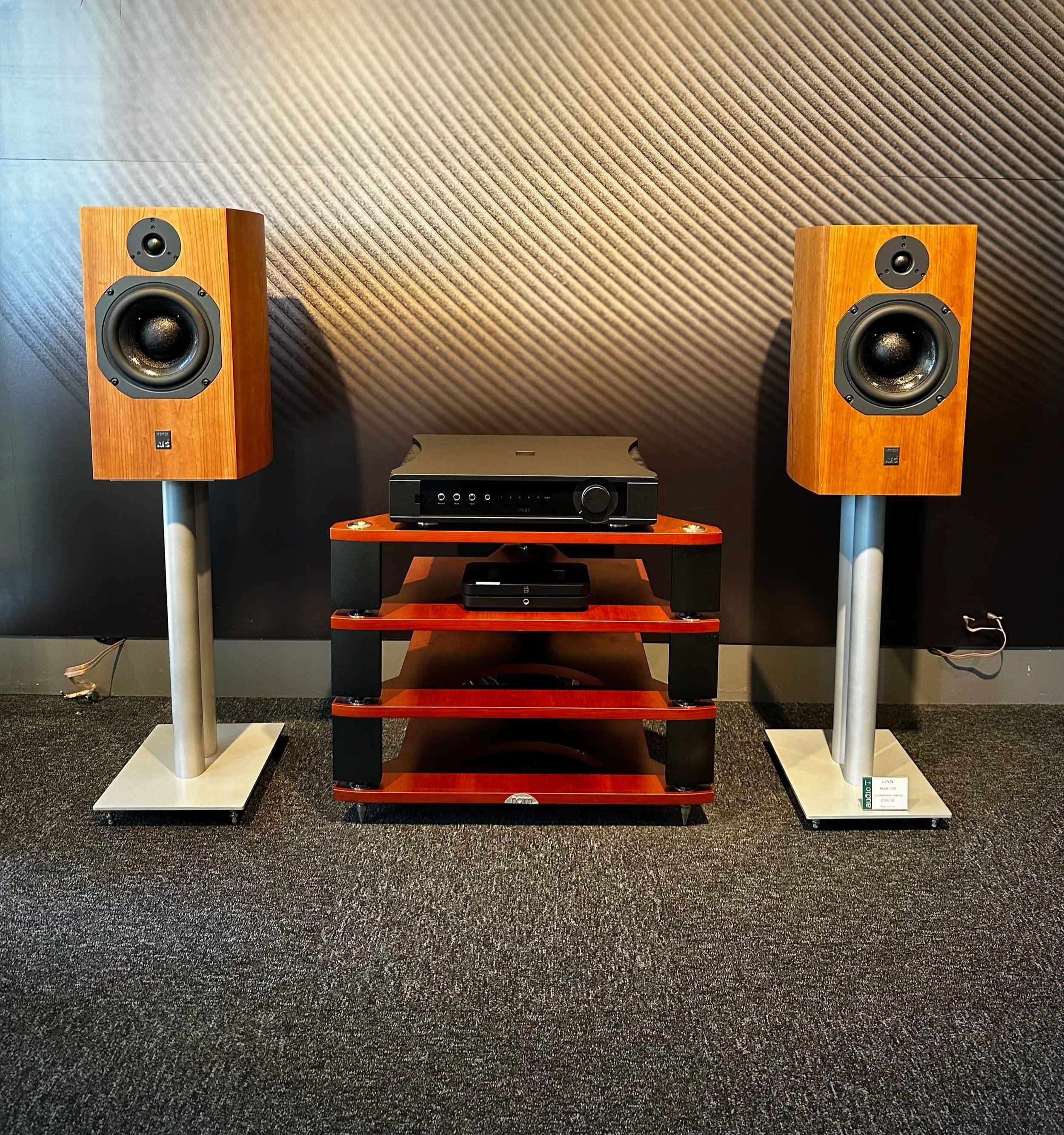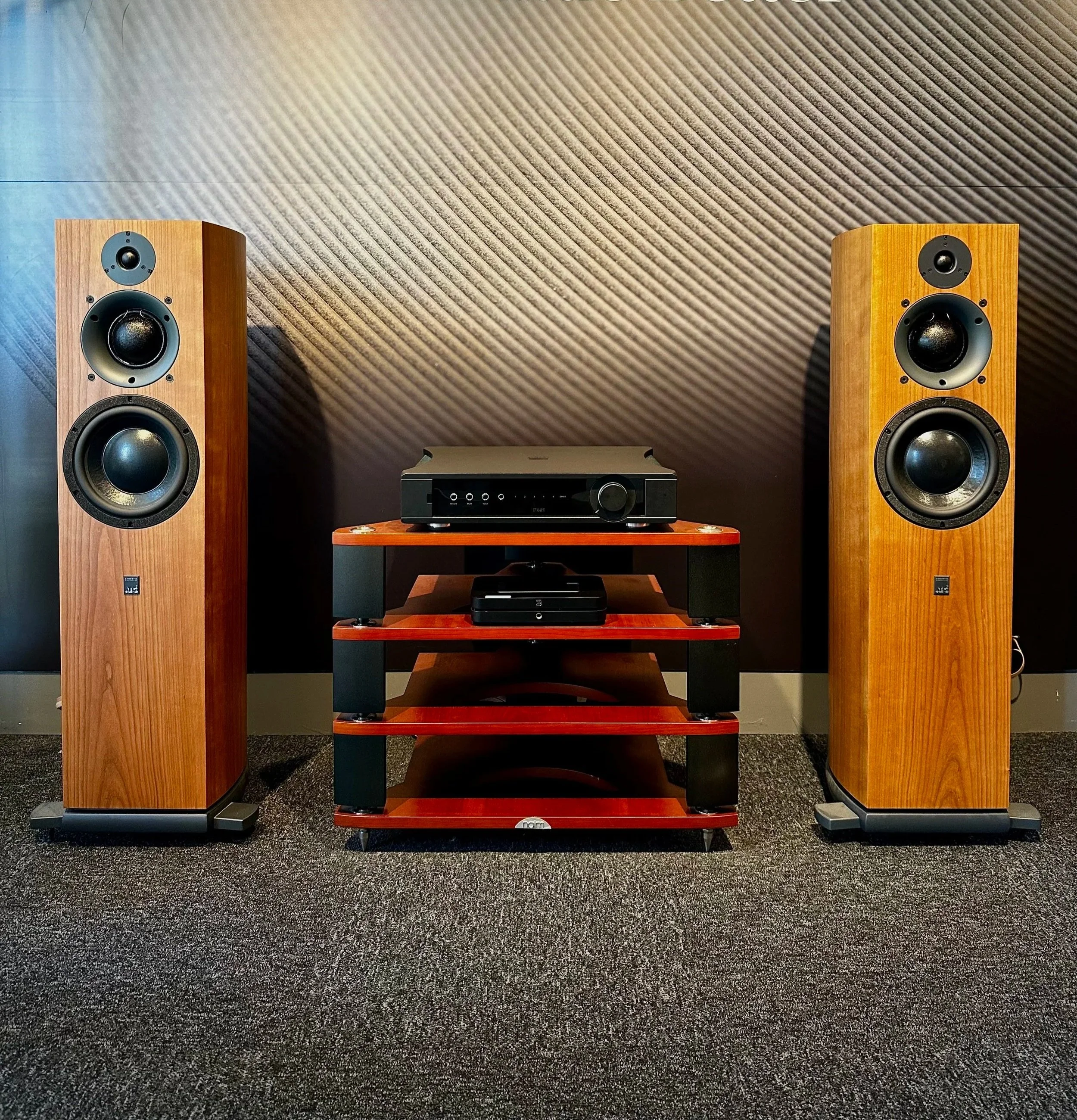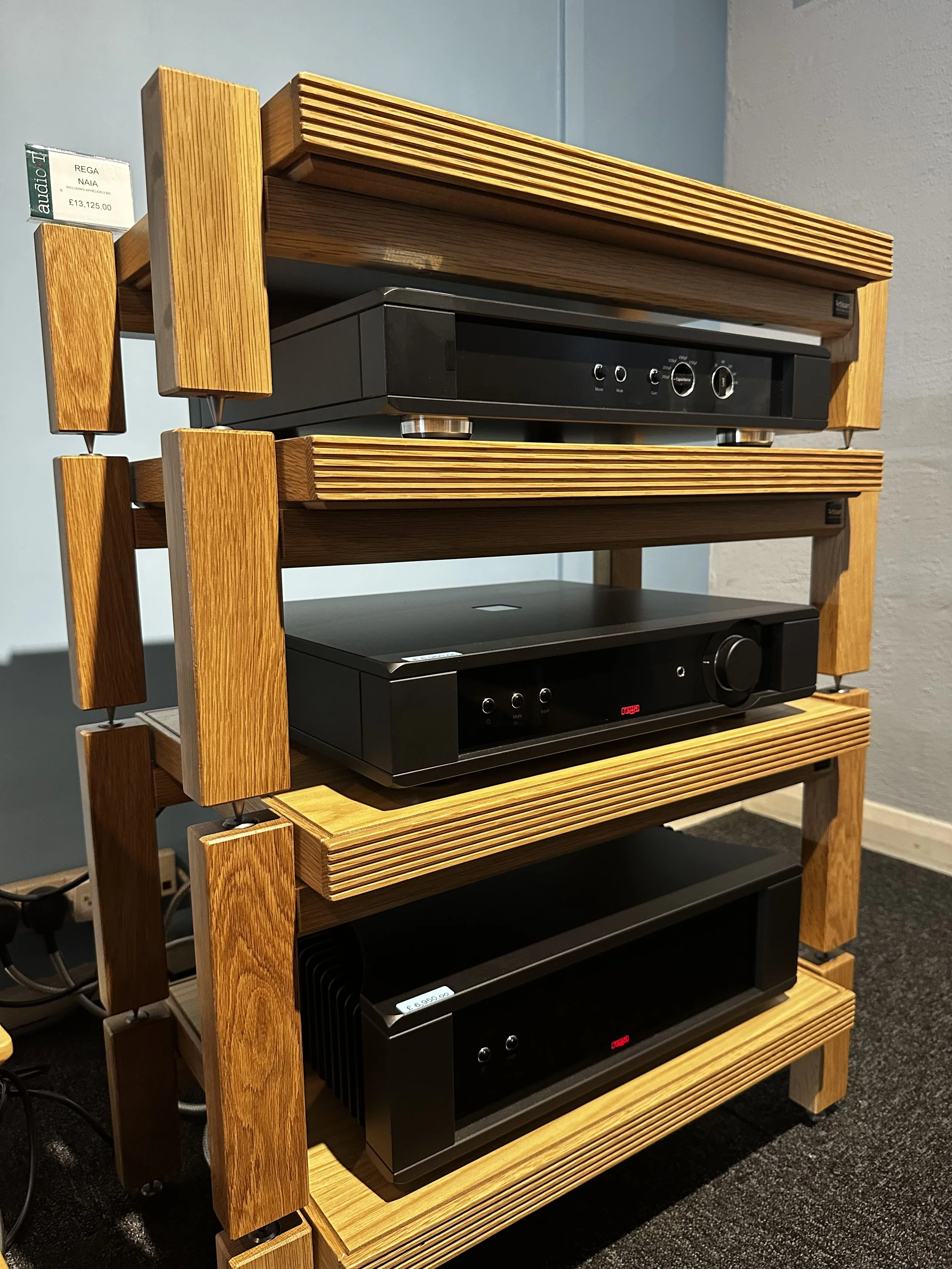
From Venus and Mars to Mercury and Solis - the new Rega Pre/Power combo at Audio T in Brighton

Hello everyone, and welcome to the December blog from Audio T Brighton! The Christmas party is almost upon us, and to celebrate the upcoming festivities, we’ll announce a pre-Christmas event to wet your appetite and get those digestive juices flowing, ready for Christmas dinner. You never know, hearing what we are demonstrating on 10th December at our Audio T branch in Brighton, we may deliver a Christmas present fit for any and many a future Christmas party!

A brief Rega amplifier recap . . . .

Before we get to the main act, it may be worth reminding everyone that Rega have been supplying electronics at all price budgets for quite some time, including the amplifiers: Rega IO, Rega Brio Mk7, Rega Elex Mk4, Rega Elicit Mk5, Rega Aethos and Rega Osiris.

Rega have established a reputation for turntables during their 50+ year tenure, but their electronics have steadily built up a following alongside. Rega amplifiers offer both good quality phono stages and onboard DACS, on the entry to mid-level range. The outstanding musical qualities of Rega amps are clear to hear, with natural dynamics, good clarity, and timbre being strong points, along with strong performance to price ratios at every level.

As always, we recommend visiting our store to listen to your Rega choices along with matching components that marry well together!

May the force be with you . . . .

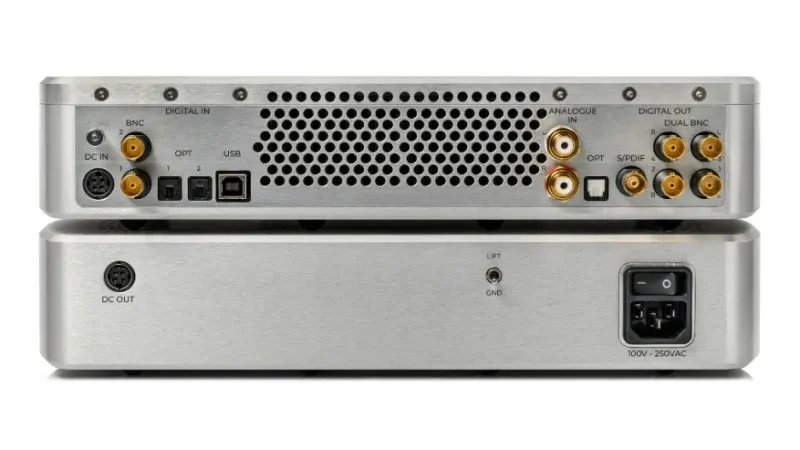
rear of a rega isis - a darth vader lookalike if we ever saw one!

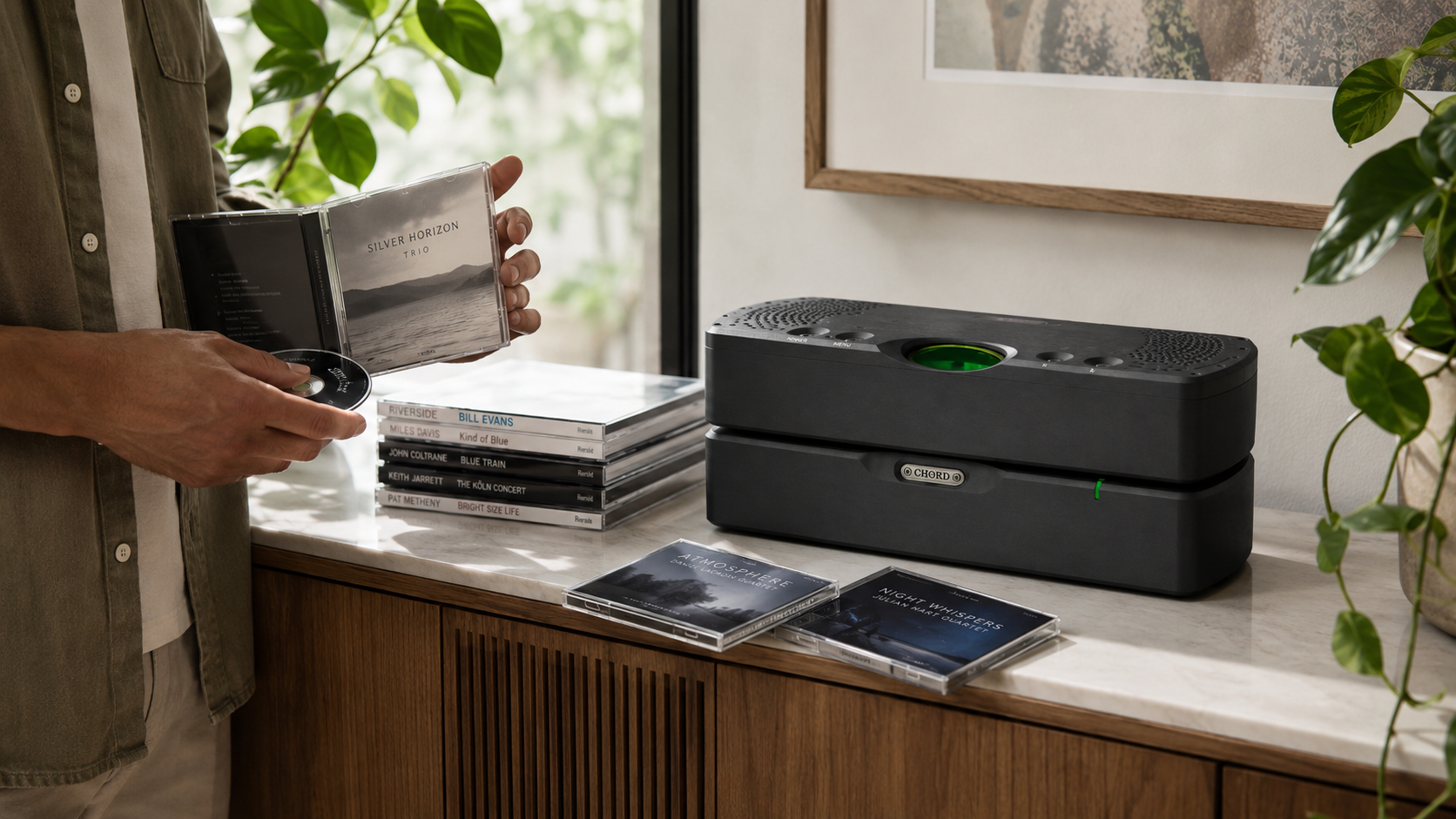
By means of an introduction to the stars of the show, I thought an image of the rear of a Rega Isis CD player would set the scene for this blog and our upcoming event, here at Brighton Audio T on Wednesday, 10th December. You can read more about this wonderful CD player in my previous blog here.

Rega Mercury pre-amp & Solis power amp . . .

Rega’s launch of the Rega Mercury pre-amplifier and Rega Solis power amplifier, which will be on demonstration, along with the Rega Isis CD player, and Rega Naia/Aphelion 2MC turntable, at our launch event on 10/12/25, gives you the chance to hear the pinnacle of Rega’s amplifier technology development - indeed a mouth watering prospect and one you are most welcome to attend and find out for yourselves. Ring us on 01273 609431 or email: brighton@audio-t.co.uk

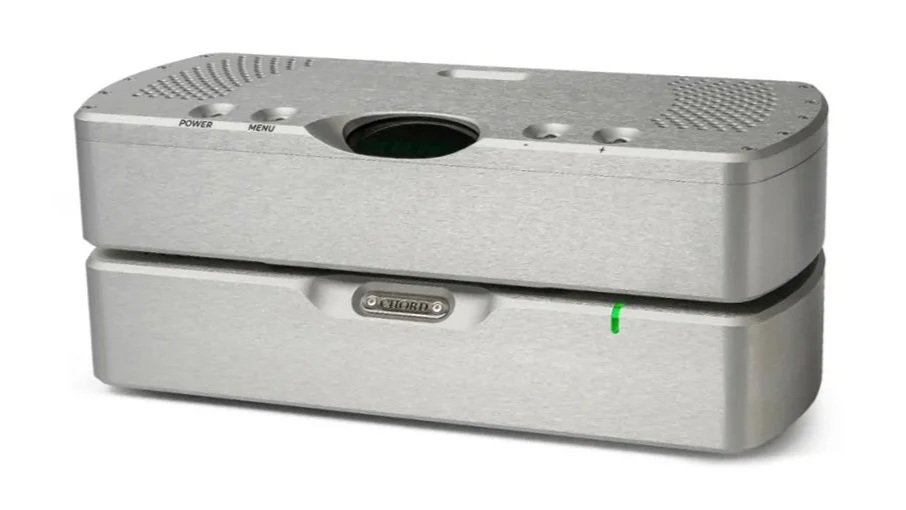
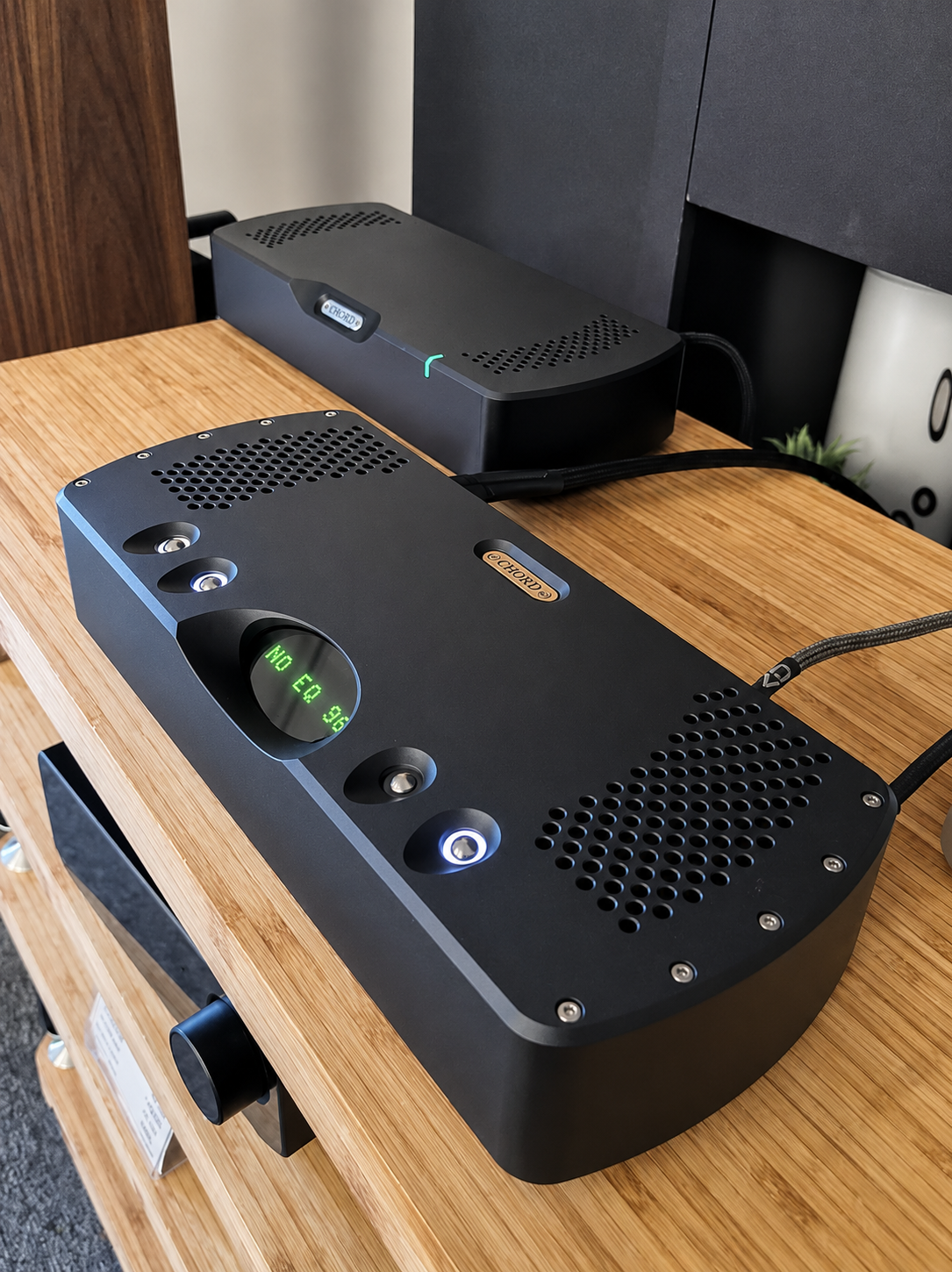
rega isis, mercury & solis

A more detailed and extensive blog will be forthcoming, but in order to get the message out in good time for our Rega Event on Wed, 10th December between 2pm - 7pm at Audio T in Brighton, we’ll give a few tasters of what we think of this new combo as a heads-up!

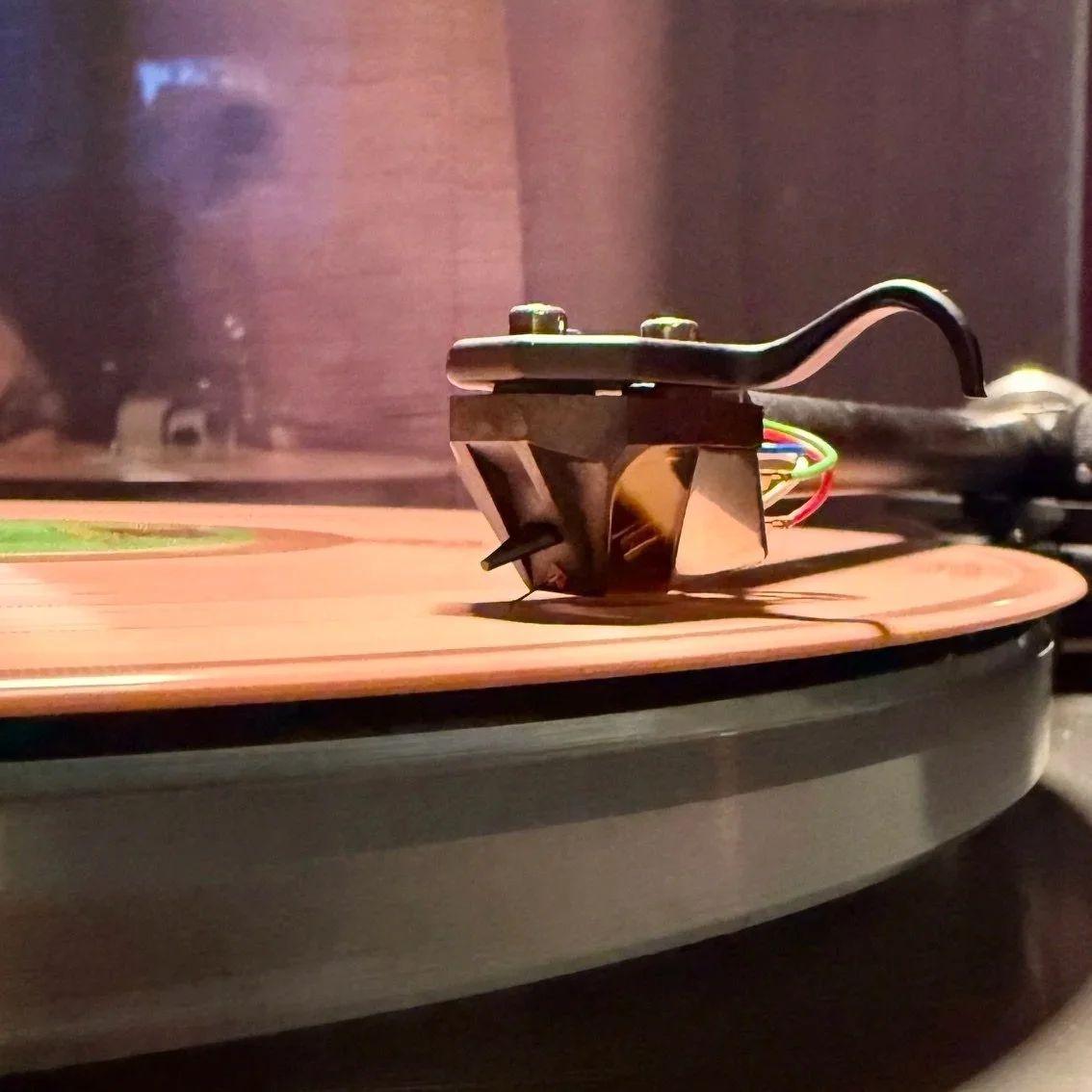
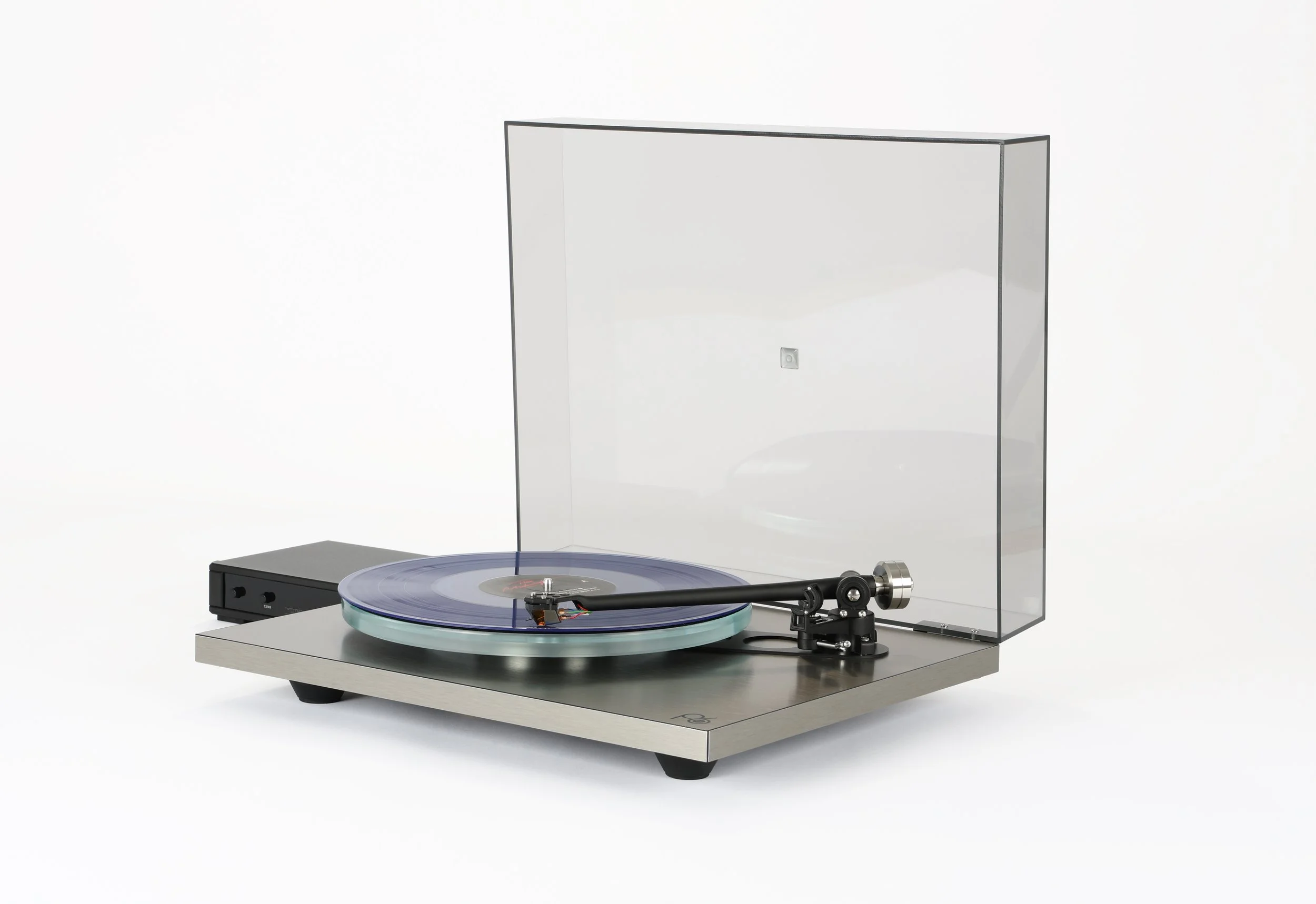
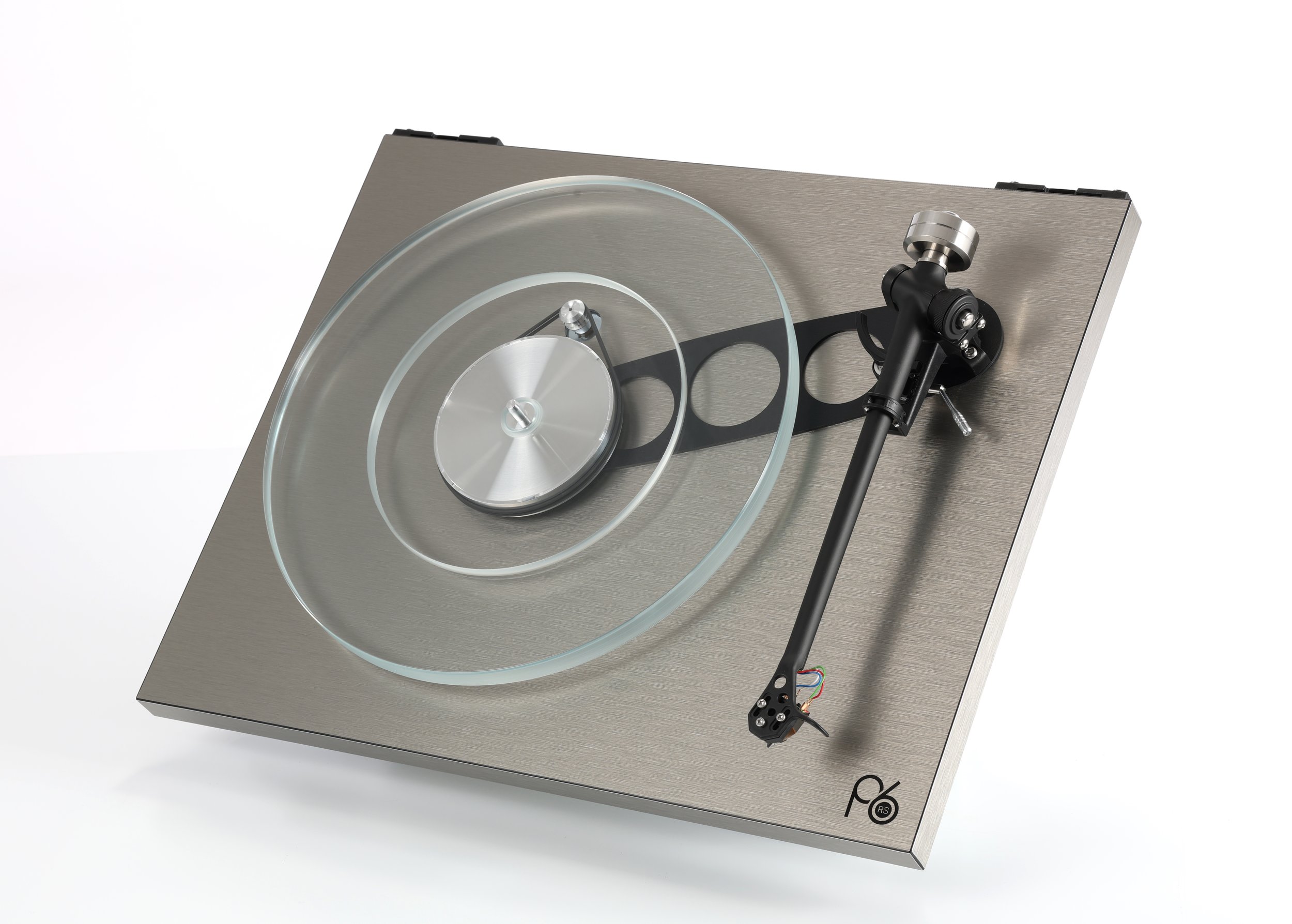
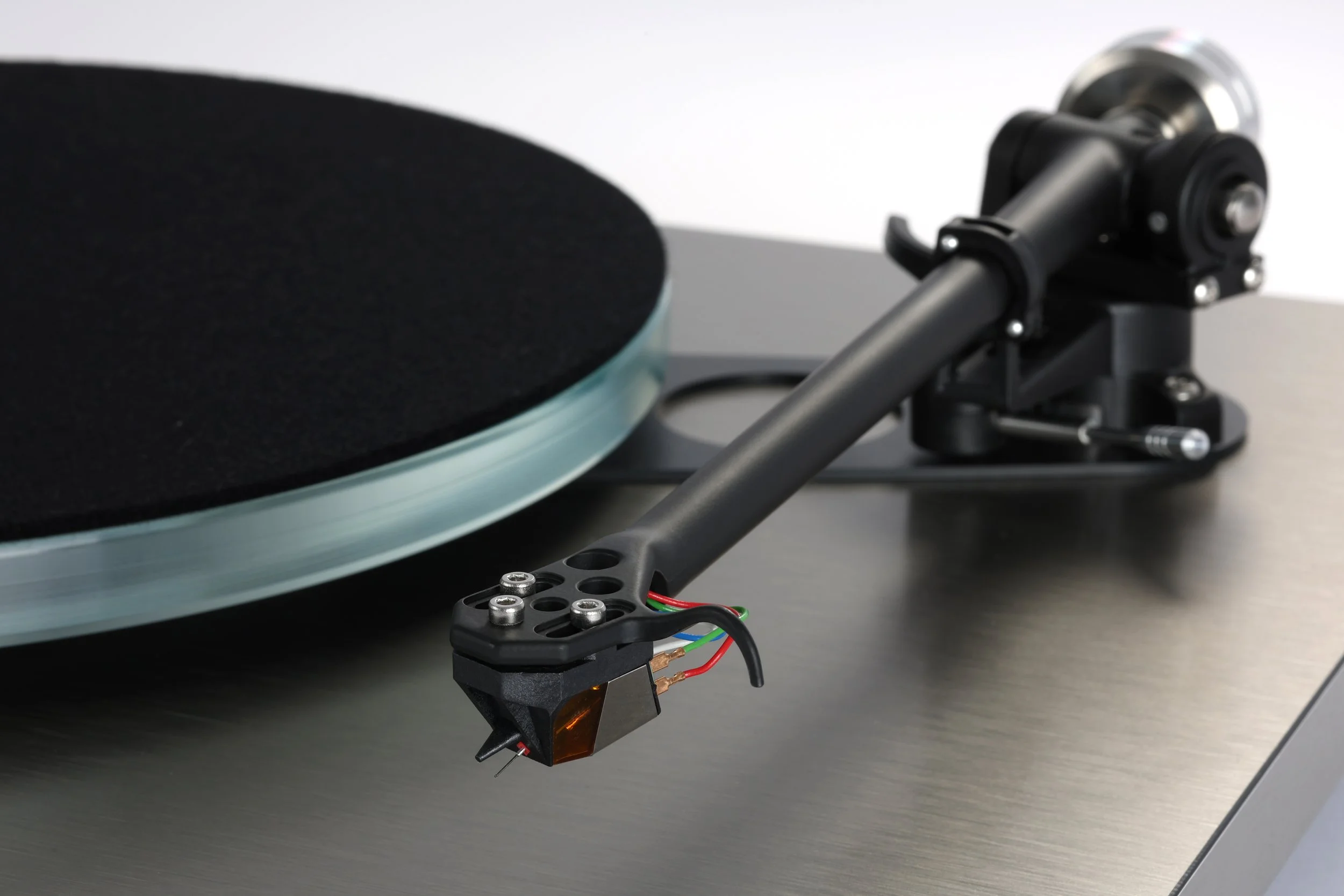
The Rega Solis, delivering 168W into 8ohms, is an absolute power house with a smooth, mellifluous, yet dynamic delivery, allowing the Rega Mercury’s natural detail, textural and analogue qualities to shine through, all presented in an effortless manner. The Rega Naia turntable with Aphelion 2 MC cartridge, into a Rega Aura MC Phono stage and Rega Isis CD player are first-class sources, allowing Rega’s latest pre/power combo qualities to flow with aplomb.

To be honest, the only way to appreciate a system of this quality is to come and hear it for yourself, so give us a bell and let us know you’re coming on the day.

Thanks for reading.

Adey, Jake, John, Kevin and Paul - Audio T Brighton

If you’ve enjoyed this, why not go ahead and read some more of our other blogs, and be sure to follow us on our social media channels below…

Audio T Bristol: Our Staff Picks For Black Friday

Black Friday has landed once again, and the Bristol team has been busy digging through the mountain of offers to pull out the real gems — the pieces of kit we genuinely rate, use, and get excited about. With so much noise around this time of year, it’s easy to feel overwhelmed, but that’s where we like to step in. Think of this as your shortcut to the good stuff.

Whether you're thinking about upgrading your system, adding something new to the mix, or finally making the leap on a product you've been eyeing for months, we've put together a shortlist that represents proper value. These aren’t random discounts — they’re the items that made us stop, listen, and say, “Yep… that’s one worth talking about.”

From big, room-filling floorstanders to flexible streaming hubs and powerful all-in-one solutions, this year’s picks from Max, Justin and Paul cover a great spread of what’s possible. If you want strong performance without the usual price tag, you’re in the right place…

Max’s Pick

Acoustic Energy AE520

Was £3,650 - Now £2,599 - Save £1,151

At one point, these were Acoustic Energy’s flagship speakers. The AE520 features two dedicated 125mm midrange drivers, three low-frequency drivers, and a 25mm tweeter — all fashioned from carbon fibre to provide perfect tonal matching across the frequency range. That’s 10 drivers in total, beautifully designed and finished, delivering a foot-tapping, awe-inspiring presentation with impressive control.


Justin’s Pick

Linn Selekt DSM

Was £5,580 - Now £3,299 - Save £2,281

The Swiss Army Knife of the hi-fi world — stream everything, connect anything. Linn’s network music players are flexible, future-proof and designed for serious performance. From high-resolution albums to movie soundtracks, it’s all at your fingertips. Introducing the Linn Selekt DSM

Connectivity is extensive: Wi-Fi or wired internet connection, Bluetooth, HDMI ARC, USB, two TOSLINK inputs, two coaxial inputs (one of which can be configured as a digital line output), plus Linn’s own Exakt Link. Moving to analogue duties, you get one pair of RCA inputs, a moving-magnet and moving-coil phono stage, and the option to expand further — that blank plate next to the analogue stages can house the five-input HDMI module when the surround option is installed.


Paul’s Pick

Quad Artera Solus

Was £1,599 - Now £899 - Save £700

 The Quad Artera Solus — £1,599 when new — is a combined CD transport, DAC, preamplifier and power amplifier, designed to deliver performance “on par with much more expensive multi-component hi-fi systems.”

You get five digital inputs (two coaxial, two optical and one USB-B), and while the USB-A socket on the rear panel is just for software updates, you also have both coaxial and optical outputs. Decoding duties are handled by an ESS Sabre DAC. There are an additional two RCA line inputs, and you can run pre-outs via XLR or RCA to a power amp if you choose.

The Class A/B power amp delivers a beefy 75W RMS into 8 ohms, backed by an impressive 15 amps of current — more than enough to handle most similarly priced speakers with confidence.


That’s Just the Start…

These are only a few of the standout offers we’ve chosen to highlight, but the full list is much bigger. We’ve got bargains across speakers, headphones, streaming devices, TVs, amplifiers, AV receivers and plenty more. Click below to explore everything — but don’t hang around. When these items are gone, they’re gone.

View all black friday clearance deal

Spotted something you like but it’s not listed at your local Audio T? Don’t worry — just get in touch with your nearest store, and we’ll do our best to get it to you.

Thanks for reading.

Max, Justin & PaulAudio T Bristol

If you have any questions about any of the equipment featured in this article, or any other Hi-Fi or home cinema enquiries, be sure to Contact Us.

If you’ve enjoyed this, why not go ahead and read some more of our other blogs—and be sure to follow us on our social media channels below…


*All prices, credit terms and interest rates quoted are correct at the time of going to press but may be subject to change. E&OE

The ‘Mancunian Candidates’ for Black Friday at Audio T Manchester.

Black Friday has rolled round once again, and with it comes that familiar mix of excitement, good intentions, and the annual hunt for something genuinely worth buying. Manchester isn’t exactly shy when it comes to doing things its own way, and our selection this year reflects that spirit nicely — proper deals, on proper kit, chosen by people who actually listen to the stuff day in, day out.

Whether you’re thinking of upgrading your source, adding some muscle to your amplification, or treating yourself to something a bit luxurious for private listening, we’ve put together a trio of offers that really deserve a second look. These are our “Mancunian Candidates” for Black Friday — and they’re cracking deals.

Marantz CD50n CD Player

Was £1,700 - Now £949 - Save £751

We wrote a blog on the Marantz's combined CD player and network player last year. Here's a quick recap of what is now, even more of a bargain.

The CD playback comes courtesy of a 32-bit/384 DAC, which gets those digital bits converted to analogue beautifully.

The mechanism for the drawer is super smooth and very quiet, and it feels like an age since we’ve had CD players that can hold a candle to our regular British brands that tend to use manual drawers. Pressing a button and having a drawer present a CD to you in this fashion seems pretty cool again (so the kids tell us).

The CD50’s streaming credentials are underpinned by HEOS — a now-established streaming platform that holds its own against other tried and tested systems. Within the app, you can control streaming services from Tidal, Deezer and Spotify with the potential for more in the future.

Another feather in the cap of the CD50n is the addition of digital inputs on the rear panel. You have a USB DAC for a direct PC/Mac connection for asynchronous file playback, an optical input, a coaxial input and an HDMI ARC connection.

The sound quality? We're impressed! The DAC in the Marantz CD50 comes from a lineage not to be sniffed at. Our Ali Farka Touré Niafunké CD sounded terrific — a nice open sound that wasn’t harsh or digitised, like some CD players can be.

Streaming playback followed suit: the 24-bit playback sounded smooth and refined; there is never a sense that the CD50 is shouting at you, which can leave you fatigued.

We liked what we heard when the price was £1,700, but at £949 it’s a steal.


Cyrus i9-XR Amplifier

Was £3,595 — Now £2,374 — Saving £1,221

The Cyrus i9-XR was, until very recently, one of Cyrus's flagship amplifiers — the new Cyrus 40 range being the new kids on the block, usurping it from its throne.

Our own personal experience with the i9-XR has been nothing but positive. The 98-watt Class A/B amplifier delivers enough clout to drive most speakers, yielding a punchy performance both at high and low volumes.

The small form factor really does give the Cyrus i9-XR a “wolf in sheep’s clothing” feel. It has multiple inputs, boasting analogue and digital (including USB), and a cracking phono stage.

The Cyrus i9-XR pops up multiple times in the Audio T Black Friday blogs posted by our stores — John from Brighton and Matt from Cardiff both have it on their lists.

And we think Matt sums it up nicely:

“The i9-XR is a true testament to Cyrus’s years of hard work in amplifier design. This amplifier has become a design classic. Best of all, you can own this amazing amplifier for a fraction of its original price!”

Agreed, Matt — it's a cracker.


Focal Bathys Headphones

Was £699.00 - Now £499 - Save £200

And finally, here's something luxurious. These beautiful headphones are even more of a bargain in the Black Friday deal. We blogged about these a couple of years ago.

The Bathys use aluminium/magnesium drive units assembled in France; the headband cushion is made from leather for comfort, and the yoke that holds the headphones is made from aluminium/magnesium. This all results in a headphone that feels and sounds like a premium, high-end model — and yet is priced at a fair £699, and now at £499!!!

With or without the noise cancellation applied in Bluetooth mode, the Bathys sound full and rounded. Bass notes don’t boom for no reason at all like many outdoor, on-the-go headphones tend to; plus there’s a sweet treble that doesn’t scream at you.

Use them “the hi-fi way,” which is to say via the internal DAC with a USB cable, and you’re upping the ante with the quality of your music. Quieter backgrounds, more space between instruments — an instant upgrade from the wireless option, giving you a truly hi-fi experience akin to high-end headphones we know and love at Audio T, like the Focal Utopias or the ever-popular Sennheiser HD800.

A bona fide deal if ever there was one.


And there you have it — our picks and pics for Black Friday. A CD player/streamer that punches well above its price, an ex-flagship amplifier with attitude, and a pair of headphones that feel like a treat every time you put them on. Not a bad shortlist.

But this is just the start. We’ve got plenty more deals in store, across all sorts of systems and budgets. If you’ve had your eye on something for a while, or you’re thinking about refreshing part of your setup, now is genuinely a good time to come in and have a chat. We’ll happily run through options, fire up a demo, and help you find something that suits how you listen — not just what’s on offer.

View all Black Friday Clearance Deals

Thanks for reading.

Munir, Thomas and Dave - Audio T Manchester

If you have any questions about any of the equipment featured in this article, or any other Hi-Fi or home cinema enquiries, be sure to Contact Us.

If you’ve enjoyed this, why not go ahead and read some more of our other blogs, and be sure to follow us on our social media channels below…


*All prices, credit terms and interest rates quoted are correct at the time of going to press but may be subject to change. E&OE

Black Friday bargains in Sunny Swansea's Audio T

Black Friday has landed in Swansea, and the team have been digging through the stockroom to spotlight the kit they’re genuinely excited about. No fluff, no filler — just gear we rate, at prices that make it very hard to look away. Whether you’re after a first proper system, a smart upgrade, or a bargain you’ll brag about for years, these are the picks worth your time…


Adrian - Sales Consultant

Tha Arcam Radia A5 amplifier

Was £749 - Now £475 - Save £274

Arcam have more than 45 years of amplifier design and manufacturing experience, going all the way back to their first product in 1976 — the A&R Cambridge A60.

and you get a remote control. spoiling you we are.

So you can play music straight out of the box, the Arcam A5 includes Bluetooth via its Qualcomm AptX chip. This provides up to 24-bit HD audio for the best sound quality from your phone or tablet. You can also connect Bluetooth headphones, so your listening can continue sensitively after dark. Hi-resolution audio is catered for via the SPDIF and TOSLINK digital audio inputs — very handy if you want to hear what your smart TV can do with a Netflix movie.

a plethora of ports

Like any Arcam integrated amplifier, particular attention is paid to the built-in phono stage to ensure your records sound as lush and engaging as possible — and all for £499.

Amazing value for money.


Monitor Audio Bronze 200 loudspeakers

Was £799 - Now £499 - Save £300

handsome lil’ devils.

that trick gold tweeter

Monitor Audio introduced its budget-conscious ‘Bronze’ range back when the world was young (or 1998, to be absolutely accurate). Through its subsequent generations, the Bronze range has been, if not outright class-leading, certainly there-or-thereabouts where affordable ‘proper’ hi-fi speakers are concerned. Any number of student loans have been invested in Monitor Audio Bronze speakers, and any number of audiophiles will acknowledge the Bronze as the gateway drug that hooked them into a lifelong habit.

i do like this finish.

The 200’s are not short of bite or attack at the top of the frequency range and serve up a wide, yet properly focused soundstage and they have the body and substance to prevent the treble attack becoming wearing. The story is pretty similar in the midrange. The tonal balance is skewed, slightly but definitely, towards the warmer side of neutral, but, if anything, it rather suits the overall sound of modern, modest-ish amplification. The Bronze 200 demonstrate good control here, particularly where attack and decay are concerned and are no slouches in the bass either - speed and accuracy rather than the last word in extension, but this is no bad thing at all.

Cheap as chips at £579 and we’ve even run them in for you! Final pair..


Monitor Audio Bronze 100

Was £499 - Now £299 - Save £200

When the Bronze 100 first arrived, we were immediately impressed by their clarity through the mids, their high-frequency sparkle, and the super-deep, super-powerful bass from a fairly modest cabinet.

“chonky bois” in the parlance of our younger customers

Deeper than many standmount two-ways, it’s a quality that allows them to stand out among their price peers. But the praise extends right across the frequency range — neutrality and clarity from low to high volume levels. All told, this is a standmount speaker that plays like a floorstander, while still offering the refinement you’d expect at this level.

that girth in all its glory.

They’re also styled well, which matters if they’re headed for a living room. If you’re shopping for high-performance, reasonably priced standmount speakers that come surprisingly close to doing it all, give these a listen — you might be shocked at what £349* can get you.


Nic - Store Manager

Focal Bathys Bluetooth Headphones

£699 - Now £549 - Save £150

Remembering my first experience of the Bathys headphones at the Bristol Hi-Fi Show and the fantastic reception they had, they quickly became our go-to wireless headphones. As with any Bluetooth/noise-cancelling model, noise cancellation is often the first requirement for customers. As you’d expect, it’s superb — but the real surprise is the sound quality. They sound fantastic, and customers often react with genuine disbelief at how good they are for the money.

kooky pink glass head not included

Having used these on flights and train journeys, I’ve found every key aspect — noise cancelling, sound quality, battery life — to be class-leading. Add in the tuning options available via the Naim/Focal app and you can really tailor them to your environment and preferences.

Now at just £549* for a boxed brand new pair — the Bathys are my top bargain choice.


Andy - Sales Assistant

Advance Paris Air 65 Active Speakers

Was £500 - Now £400 - Save £100

If you're looking for a simple way to build a “Hi-Fi,” this could be the answer.

The Advance Paris AIR65 connected speakers feature integrated Bluetooth, enabling effortless wireless connections to phones and laptops. For improved fidelity, the optional WTX-MicroStream allows Wi-Fi connectivity for seamless streaming via the Advance Paris Playstream app.

ADVANCE PARIS AIR65’S

THE wtx-mICRO sTREAM

They offer better sound than most Bluetooth speakers at similar prices, not least because the cable between the two speakers allows proper stereo separation — something one-box units struggle with.

Connectivity is excellent: line-in, Bluetooth, streaming, digital in, and even a built-in phono preamp give you loads of options.

rEAR VIEW AIR65’S

You can easily imagine these compact speakers delivering hours of fuss-free musical enjoyment in student accommodation, a studio flat, an office, or anywhere space is tight.


Musical Fidelity M6Si Amplifier

Was £2,499 - Now £1,199 - Save £1,300

The Musical Fidelity M6si sits toward the top of MF’s integrated amplifier lineup. Its build quality is second to none.

Internally, the M6si is configured as two independent monobloc power amps with a separate pre-amp. It is, in effect, a pre-amp with two monobloc power amps that just happen to share the same case.

Inputs include MM/MC phono, USB 24-bit/96kHz asynchronous, CD, tuner, two auxiliary (one with HT bypass), and 1 XLR balanced. Outputs include a trigger, line out, and pre-out. It delivers 220 watts into 8 ohms.

With this power, the M6si produces effortless, unstressed sound. Its reserves are huge, so it will drive most speakers with ease. This is the foundation for its wide, stable imaging and clear, grain-free presentation. Bass is punchy and lightning-fast, the midrange full of detail, and the top end sharp and precise.

At our Black Friday saving, this amp is a genuine steal. If you want an amp with this capability at this price, move fast.

The Black Friday sale price is £1,199 — a saving of £1,300.


Bluesound Powernode

Was £849 - Now £569 - Save £280

The Powernode provides incredible flexibility for any hi-fi setup.

Start with BluOS, the world’s leading hi-res multi-room system, which connects the Powernode to most of the music ever recorded. Add HDMI eARC, optical and analogue inputs, Dolby surround support for home cinema, and CI-friendly rack integration, and you start to see just how versatile this streaming amp is.

An elegant full-glass interface with capacitive LED touch controls sits on top, giving you intuitive access to play, pause, volume and presets. A proximity sensor prevents unwanted light — the LEDs only appear when your hand approaches.

Bluesound’s amplifier platform now pushes 80W per channel, driving reasonably efficient speakers easily and helping you get the best from your system.

My colleague Ade even has a Powernode in his kitchen to keep him company while cooking.

The Black Friday sale price is £569 — saving £280.


So there you have it — the team in Swansea’s top picks, straight from the people who know the kit best. That’s just the tip of the iceberg: we’ve got bargains across speakers, headphones, streaming devices, TVs, amplifiers, AV receivers, and more. Click below to explore the full list — but don’t hang around. Once these items are gone, they’re gone!

View all Black Friday Clearance Deals

Spotted something you like but it’s not at your local Audio T? Don’t worry — just get in touch with your nearest store, and we’ll do our best to get it to you.

Thanks for reading.

Adrian, Nic & AndyAudio T Swansea

If you have any questions about any of the equipment featured in this article, or any other Hi-Fi or home cinema enquiries, be sure to Contact Us.

If you’ve enjoyed this, why not go ahead and read some more of our other blogs—and be sure to follow us on our social media channels below…


*All prices, credit terms and interest rates quoted are correct at the time of going to press but may be subject to change. E&OE

Top Black Friday Hi-Fi Deals: High-End Audio & Heavy Reductions at Audio T Reading

Black Friday has landed at Audio T Reading, and we’ve lined up a handful of seriously compelling clearance offers. These aren’t random discounts — they’re standout pieces our team genuinely rate, each reduced to a level that makes upgrading hard to ignore. Whether you’re chasing deeper bass, a richer two-channel experience, or a top-tier pair of headphones, these staff-selected deals are well worth your attention. Stock is extremely limited, so if something catches your eye, now’s the moment.


Dan - Assistant Manager

Sonus Faber Olympica Nova III in Wenge

Was £13,700 - Now £8,700 - Save £5,000

Sonus Faber is exclusive to our Swindon branch, and having worked there a little over a year ago, the Olympica Nova III was one of my personal go-to speakers for a long time. I was recently reunited with them when they became the speaker of choice for our training event, and it reminded me why Sonus Faber holds such a special place in high-end audio. They’re not explosive or showy for the sake of it — instead, they offer a beautifully natural presentation with real depth, texture, and that unmistakable rich tonality Sonus Faber is known for. It’s an easy speaker to fall in love with, simply because it makes music feel right. And of course, in true Sonus Faber fashion, the craftsmanship is absolutely stunning — a blend of Italian design and meticulous detail that looks every bit as special as it sounds.

They continue to be one of my favourite speakers, and now at such a hefty discount, it’s an absolute no-brainer. The smaller sibling, the Olympica Nova II, as well as the stand-mount Olympica Nova I, are also available at significant reductions.

For any additional information or queries about these or other Sonus Faber products, give the team in Swindon a shout.


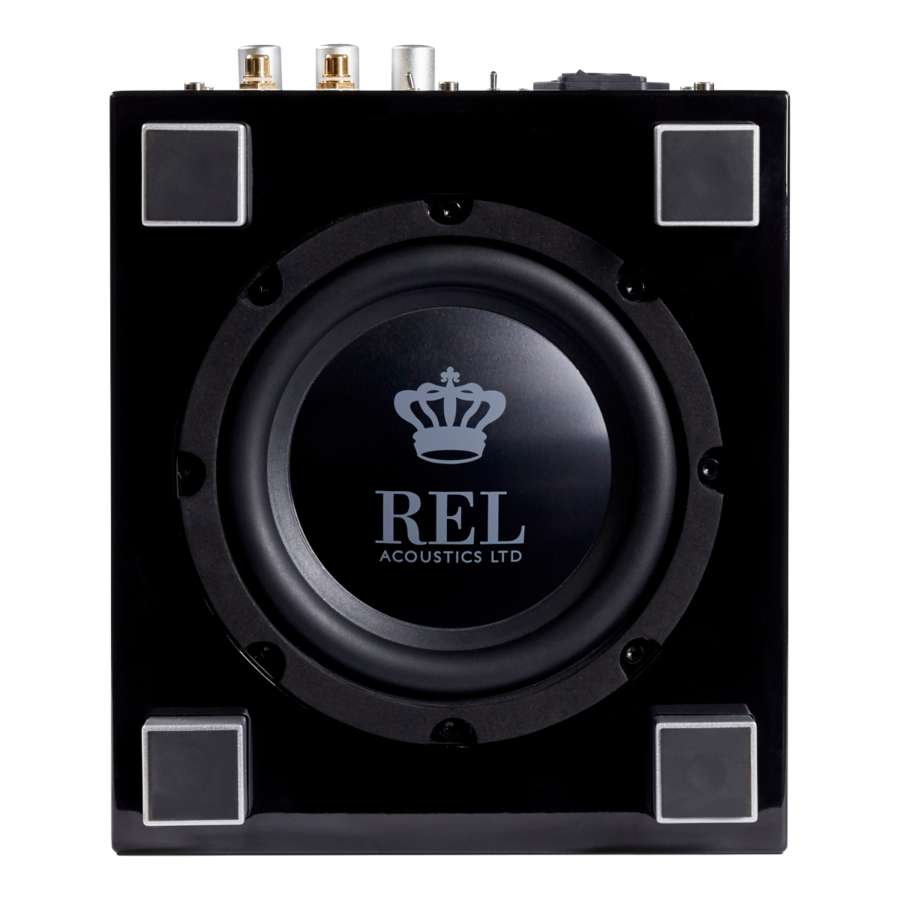
REL No.31 Reference Subwoofer

Was £7,000 - Now £4,000 - Save £3,000

The REL No.31 isn’t about sheer volume — it’s about control, timing, and musical truth. It’s versatile enough to work in a wide range of systems, but at this level, pairing it with an equally revealing set of speakers lets it really shine. Kick drums gain weight and punch without any overhang, double bass notes stop instantly and cleanly, and film soundtracks expand with a cinematic scale that can make the room feel twice as large. When dialled in correctly, the bass supports the music rather than smothering it — you don’t feel the subwoofer when it’s on, but you certainly feel it when it’s turned off — and that’s the beauty of a well-balanced REL subwoofer. It’s a lovely addition to any refined system.

The No.31 is cut from the same cloth as REL’s flagship No.32 at £10,000, but in a more compact cabinet designed for smaller spaces, with surprisingly little compromise in performance. It’s a genuine slice of REL’s reference engineering for far less. Speak to your local branch for help getting it set up and integrated perfectly into your system. Whether it’s your first step into high-end bass, an upgrade from a smaller unit, or a second sub to create a stereo pair, the No.31 will not disappoint.

Together – A System With Real Soul and Scale

Pair the REL No.31 with Sonus Faber’s Olympica Nova III, and you’ve got something truly special. The Nova III already delivers that warm, organic, beautifully layered Sonus Faber sound, but the No.31 adds a deeper foundation and sense of scale without disturbing the speaker’s natural balance. The combination feels effortless — rich, emotionally engaging, and capable of both intimacy and full cinematic sweep. It’s a system that brings music and film to life in a way that feels genuinely immersive.

Together, these items would normally cost just shy of £20,000, but this Black Friday they come in at a remarkable £12,700. Of course, these ex-demo deals don’t need to be purchased as a set, and each item comes with a full manufacturer’s warranty.

Get in touch with your local branch to check availability, as these are likely to sell out quickly.


Gareth - Store Manager

Meze Empyrean Headphones

Was £2,749 - Now £1,849 - Save £900

Headphones are a big deal these days, and one of our favourite brands is Meze from Romania. Since arriving on the scene around 15 years ago, they’ve produced a range of models beloved by the Head-Fi community — from the budget-friendly 99 Classics up to the astounding Elites, they cover all the bases. Meze combine superb design, construction, and comfort with a mature and sophisticated sound signature that’s won them fans worldwide.

We have a very tempting deal on a pair of the fabulous Empyrean headphones in the stunning Black and Bronze finish. Not so long ago, the Empyrean was their flagship model and, even though they’ve since been succeeded by the Elites and the revised Empyrean II, the original Empyrean is still one of the finest headphones out there. Despite the bulky appearance, they’re incredibly comfortable and can be worn for hours without fatigue. Sonically, they’re warm, full, detailed, and easy to listen to — not as forensic as some more excitable designs, but beautifully balanced. With a 32-ohm impedance and around 100 dB efficiency they’re not difficult to drive, though they certainly reward a high-quality source. They also arrive with a first-class accessory kit, including a metal attaché case and a high-quality removable cable.

You may never need another set of headphones.


Spendor A1 in Black Ash

Was £1,550 - Now £999 - £551

It’s fair to say that speakers are the most subjective part of any Hi-Fi system. Swap the speakers and you can change the entire character of a setup — not to mention how differently each design interacts with a room. With such a huge variety of shapes, sizes, and finishes available, choosing the right one can feel a little overwhelming.

Back in the 1970s, the boffins at the BBC spent years developing the LS3/5a — a compact monitor for outside broadcast work. Several companies were licensed to build it to strict BBC standards, and one of those manufacturers was Spendor (founded by Spencer Hughes, who was part of the original BBC research team). Although the LS3/5a is no longer used by the BBC, the design lives on. Original examples fetch strong money, and many of the original licensees still produce modern interpretations today.

One such modern variant is the Spendor A1 — a very compact stand-mount speaker with a fabric dome tweeter and polymer mid/bass driver. They offer that magical BBC-style midrange that’s wonderful with vocals: natural, realistic, and thoroughly engaging. There isn’t much output below around 90 Hz, so bass-heads may want to add a subwoofer — but if you do, the A1 integrates beautifully. You might not even need one; I regularly use a pair of Rogers LS3/5a in my own system, and the midrange purity and superb soundstaging mean I rarely miss the bottom octaves. They communicate music in a remarkably engaging way and are easy to drive — tube amps in particular sound lovely with them.

If you fancy a taste of Hi-Fi history that will make you fall in love with your music all over again, try the Spendor A1.


Rishi - Sales Assistant

Naim Nait 5si Amplifier

Was £1,699 - Now £849 - Save £850

A couple of weeks ago Dan and I had the great pleasure of visiting Naim’s headquarters in Salisbury.

The legend that is Jason Gould — a stalwart at Naim since the early 2000s and now esteemed Brand Ambassador — personally took us around the factory where we got to witness and learn more about Naim's incredible manufacturing techniques, as well as the principal practices that underpin their preservation of the reproduced audio signal. While Naim continue to evolve as a company, their HQ is steeped in rich history. And as someone who has grown up with Naim equipment, especially amplification, I felt truly humbled to be there.

No other series of Naim product line-up encapsulates their reputation for infectious and enthusiastic reproduction of music quite like the NAIT line of amplifiers, dating right back to the original Nait 1 in 1973 all the way up to the current Nait 5si. NAIT stands for Naim Audio InTegrated, but it may as well have stood for Naim Audio Induced Toe-tapping, as never before had an amplifier product or line infiltrated its listeners in such an intoxicating manner. I recall being knocked off my socks when I heard and felt the sheer dynamics and exuberance of the Naim Nait 3 in the mid-90s.

Fast forward to 2023, when I learned that Naim were to celebrate their 50th anniversary with the release of the Nait 50, I dreamt of having one for myself. Upon a first listen to the Nait 50, the dream became a reality — I bought one immediately! And it makes me smile to this very day with each and every audition.

It could only be a NAIT that could entirely do justice to, and serve as a rightful celebration of, Naim's iconic history... which brings me at pains to point out that the very last of Naim's NAIT amplifiers, the Nait 5si, is now discontinued and perhaps marks the end of a glittering NAIT era. We have literally only a handful of Naim Nait 5si left within the Audio T group, including a last one here at Audio T Reading. It’s a cracking amp at its full retail price, but now on clearance it's being offered at half the price — a simply ridiculous bargain. Just beyond its unassuming front fascia, the Nait 5si is a thoroughbred, fully analogue class AB amplifier that sounds clear and neutral, with that Naim dynamic performance that belies its modest power rating of 60 watts per channel.

Those who know Naim are well aware that a “Salisbury watt” is more powerful and meaningful than most watts by any other name. With an ideal speaker pairing — something that we can happily assist with — this amp will bring your music to life in that true NAIT spirit. Can I make a suggestion, friends?

Why not get your hands on one of our Naim Nait 5si while you still can? At the same time, you'll also be securing a veritable slice of British hi-fi history, as the curtain draws on one of the finest integrated amplifier lines there has ever been. Hey Naim, could you at least pass us some Salisbury tissues?


So there you have it — the top picks from the Reading team, straight from the people who know the kit best. That’s just the tip of the iceberg: we’ve got bargains across speakers, headphones, streaming devices, TVs, amplifiers, AV receivers, and more. Click below to explore the full list — but don’t hang around. Once these items are gone, they’re gone!

VIEW ALL BLACK FRIDAY CLEARANCE DEALS

Spotted something you like but it’s not at your local Audio T? Don’t worry — just get in touch with your nearest store, and we’ll do our best to get it to you.


Thanks for reading.

Dan, Gareth & Rishi - Audio T Reading

If you have any questions about any of the equipment featured in this article, or any other hi-fi or home cinema enquiries, be sure to Contact Us

If you’ve enjoyed this, why not go ahead and read some more of our other blogs, and be sure to follow us on our social media channels below…


*All prices, credit terms and interest rates quoted are correct at the time of going to press but may be subject to change. E&OE

Black Friday At Audio T Cardiff: Our Staff Picks

The team in Cardiff have been digging through the shelves, demo rooms, and cherished personal favourites to pull together a set of Black Friday deals that genuinely stand out. No fluff — just great kit, properly reduced, and chosen by people who spend their days listening, comparing, and discussing Hi-Fi. Here’s what made the cut…

Nick Hook - Store Manager

HANA SL Low Output Cartridge

Was £639 - Now £509 - SAVE £130!

This is the HANA SL Mk1 low-output moving-coil cartridge, brand new and boxed. Now discontinued and replaced by the Mk2, this is a gorgeous little cartridge available at a bargain price, saving £130. This HANA cartridge uses a Shibata-profile stylus tip and absolutely lives up to the translation of HANA, which means “brilliant and gorgeous” in the original Japanese.

hana sl low output shibata

If you’re looking for a solid-performing cartridge at a great price, then the HANA SL Shibata is for you, and it’ll make your feet tap on this Black Friday deal. With a very natural sound, this cartridge will fit many tonearms and turntables on the market.


SPENDOR A7 (Oak)

Was £3,950 - Now £2,899 - SAVE £1,051!

I was lucky enough to own a pair of these myself! The Spendor A7 is a superb, accurate loudspeaker. Now replaced with the A7.2, we’ve heavily reduced the price of our Mk1 demo model. Excellent condition, supplied with box and packing, but no grilles.

Spendor A7 in Oak

A detailed yet non-fatiguing loudspeaker that works in rooms of many sizes. The rear vented cabinet and slim dimensions make them easy to place and unfussy. Another bargain available in our Black Friday deals.


Kerrin Beckwith - Assistant Manager

Dali Rubikore 8 (Maroon)

Was £5,999 - Now £4,999 SAVE £1,000!

To give myself a refresher on the Rubikore 8, I got them into one of our demo rooms, hooked up to a Naim NSC 222 and NAP 200, and threw on a soundtrack that deserves a big speaker: Hans Zimmer – Dune: Part Two – A Time of Quiet Between the Storms. Hans Zimmer literally said this soundtrack needs big speakers, and it really shows. They have gravitas. As soon as the percussion hit in the latter half of the track, the hairs on the back of my neck went up.

Dali rubikore 8 - Maroon high gloss finish

There’s a tendency in Hi-Fi to waffle on about specs, and I really don’t feel I need to with these. They’re fairly easy to run and surprisingly unfussy. Our demo room here isn’t the best with big speakers, but these worked perfectly without any huge bass bloom. Great if you like to turn things up — especially if you’re into surround sound.


Matt Aaron - Sales Assistant

CYRUS i9-XR Amplifier

Was £3,595 - Now £2,499 SAVE £1,096!

I remember just over four years ago being introduced to Cyrus’s XR series by the one and only Jason Saxon (Cyrus). Out of all the products, the i9-XR — Cyrus’s flagship amplifier at the time — was the one that stood out for me, with its clean yet precise and punchy performance. Thus began my love affair with Cyrus amplification. The i9-XR very quickly became my go-to amplifier in our store, against which I measured other amplifiers due to its unparalleled performance.

cyrus i9xr

I’ve always said: don’t let its small size fool you into thinking it’s lacking in performance — in fact, it’s quite the opposite. Here are just a few specs below to give you a taste of what I’m talking about. The i9-XR is a Class A/B integrated amplifier pushing out 98 watts per channel into 6 ohms.

The i9-XR also boasts four analogue inputs, and it has a truly fantastic moving-magnet phono stage on board. On the digital side, it has two optical inputs and two coaxial inputs, both utilising award-winning QXR DAC. Speaking of the DAC, the i9-XR has seven filters you can experiment with to fine-tune the sound of your digital sources to your taste.

cyrus i9xy rear panel

In my eyes, the i9-XR is a true testament to Cyrus’s years of hard work in amplifier design, and dare I say it, this amplifier has become a design classic. Best of all, you can own this amazing amplifier for a fraction of its original price!


So there you have it — the team in Cardiff’s top picks, straight from the people who know the kit best. That’s just the tip of the iceberg: we’ve got bargains across speakers, headphones, streaming devices, TVs, amplifiers, AV receivers, and more. Click below to explore the full list — but don’t hang around. Once these items are gone, they’re gone!

View all Black Friday Clearance Deals

Spotted something you like but it’s not at your local Audio T? Don’t worry — just get in touch with your nearest store, and we’ll do our best to get it to you.

Thanks for reading.

Nick, Kerrin & Matt - Audio T Cardiff

If you’ve enjoyed this, why not go ahead and read some more of our other blogs, and be sure to follow us on our social media channels below…


*All prices, credit terms and interest rates quoted are correct at the time of going to press but may be subject to change. E&OE

Black Friday Deals At Audio T Southampton

Black Friday has arrived at Audio T Southampton — and with it, a perfect excuse to indulge in something special for your system. Whether you’re looking to explore cutting-edge active speakers, a compact marvel of engineering, or a phono stage that brings your vinyl collection to life, our team has handpicked three outstanding products that deliver performance well beyond their price tags.

Each one reflects our passion for music and our drive to help you hear it at its best. These are products we know, love, and genuinely recommend — all available now at special prices for a limited time. If something catches your eye, we strongly encourage you to come in and hear them for yourself before they’re gone.


Tiago’s Choice — PMC twenty5.21i Active Standmount Speakers

Was £4,375 - Now £2,999 - Save £1,376!

Released in 2024, the PMC twenty5.21i Active speakers build on the success of the twenty5i series, combining precision engineering with integrated amplification. Each driver — tweeter and bass/midrange — is powered by its own 100W amplifier, ensuring absolute control, detail, and balance across the frequency range.

Despite their familiar looks, these actives are a completely different animal to the passive models. Expect deeper, more authoritative bass, an expressive midrange, and a crisp, open treble. With built-in amplification, there’s no need for an external power amp — simply connect your preamp or source component, and you’re ready to experience PMC’s signature clarity and scale.

Key Specifications:

  • Frequency Response: 46Hz – 25kHz

  • Drive Units:

    • LF: PMC 5.5” / 140mm long-throw g-weave™ cone with cast alloy chassis

    • HF: PMC/SEAS® 19mm SONOMEX™ fabric soft dome, Ferrofluid cooled

  • Inputs: Balanced XLR and unbalanced RCA

  • Dimensions: H 340mm × W 162mm × D 269mm (including connectors, +9mm grille)


Wayne’s Choice — Jern Model 11 Standmount Speakers

Was £1,350 - Now £749 - Save £601!

Few speakers look — or sound — quite like the Jern Model 11. Crafted from sand-cast iron rather than traditional MDF or wood, these compact Danish standmounts are engineered for rigidity and resonance control, resulting in remarkably clean and natural sound reproduction.

Don’t be fooled by their size. The Model 11 delivers a smooth, balanced, and musical presentation with superb midrange clarity and tonal warmth. Voices and acoustic instruments, in particular, sound lifelike and expressive, while the overall character remains cohesive and refined. Ideal for smaller spaces, but capable of performance that feels anything but small.

Key Specifications:

  • Design: Two-way, phase-linear, sealed cabinet (no bass reflex port)

  • Drivers:

    • Tweeter: Bespoke Wavecor 22mm textile dome with foam diffraction control

    • Woofer: Custom Wavecor 5¾” / 146mm unit

  • Amplifier Requirements: 25 – 150W / 4Ω


Nick’s Pick — Cyrus Classic Phono Stage

Was £1,850 - Now £899 - Save £996!

A modern classic in every sense, the Cyrus Classic Phono Stage replaces the much-loved Phono Signature, carrying forward its flexibility and sonic refinement. With four configurable inputs supporting both Moving Magnet (MM) and Moving Coil (MC) cartridges, it’s the ideal partner for serious vinyl enthusiasts running multiple turntables or tonearms.

All settings are easily adjusted from the front panel or via remote, and the bright, clear display keeps everything simple and accessible. Sonically, the Classic Phono is smooth, open, and incredibly detailed — it lets your records breathe, revealing textures and nuances you might never have heard before.

In testing, paired with a Rega Planar 8 and Sumiko Songbird Low Output cartridge, it revealed impressive depth, space, and realism — proof that Cyrus still knows how to make vinyl magic happen.

Key Specifications:

  • MC inputs configurable for gain, load, and capacitance

  • Stereo output level meters with peak hold for precise setup

  • XLR balanced and RCA outputs

  • Warp filter to reduce bass excursion on warped records

  • Ground lift switch to eliminate hum

  • PSX-R2 port for external power supply upgrade


Conclusion

Each of these components brings something special to the table — from the forward-thinking engineering of PMC’s actives to Jern’s uniquely musical design and Cyrus’s dedication to vinyl perfection. Together, they represent just a snapshot of the kind of performance and value waiting in-store this Black Friday.

If you’re curious to hear how good these really sound, visit Audio T Southampton and let Wayne, Nick, or Tiago give you a proper demonstration.

So there you have it — the team in Southampton’s top picks, straight from the people who know the kit best. That’s just the tip of the iceberg: we’ve got bargains across speakers, headphones, streaming devices, TVs, amplifiers, AV receivers, and more. Click below to explore the full list — but don’t hang around. Once these items are gone, they’re gone!

View all Black Friday Clearance Deals

Tiago, Wayne & Nick - Audio T Southampton

If you have any questions about any of the equipment featured in this article, or any other hi-fi or home cinema enquiries, be sure to Contact Us

If you’ve enjoyed this, why not go ahead and read some more of our other blogs, and be sure to follow us on our social media channels below…


*All prices, credit terms and interest rates quoted are correct at the time of going to press but may be subject to change. E&OE

Black Friday Bargains at Audio T in Brighton

Hello everyone, and welcome to the November blog from Audio T Brighton! The festive season is fast approaching, and that can only mean one thing — Black Friday is here! It’s the perfect time to treat yourself (or someone else) to an incredible Hi-Fi upgrade at a fantastic price. Whether you’ve been eyeing up a new streamer, amplifier, or a great pair of speakers, we’ve got some unbeatable offers that are well worth exploring.

This month, we’ve put together two carefully matched systems that we think you’ll love. Both feature top-class kit at seriously good prices, and as always, we’ve listened, tested, and fine-tuned them to make sure they sound as good as they look.

Let’s dive in.


System One: Cyrus Stream XR & i9-XR with Dynaudio Evoke 30 Speakers


Cyrus Stream XR

Was £2,495 — Now £1,234 — Saving £1,261!

system 1 - cyrus stream xr, cyrus i9xr and dynaudio evoke 30’s

Cyrus introduced their 40 series last year, which brought fresh styling and performance tweaks. That said, the outgoing XR range is still superb — refined, musical, and now available at an exceptional price while stocks last.

The Cyrus Stream XR was the first streamer in their range to use the Bluesound app for music playback — a smart move, as Bluesound’s platform is known for its rock-solid stability, ease of use, and wide compatibility. Add excellent sound quality into the mix, and you’ve got a fantastic streaming source that punches well above its price.


Cyrus i9-XR Integrated Amplifier

Was £3,595 — Now £2,374 — Saving £1,221!

The i9-XR is a compact yet immensely capable integrated amplifier. With multiple digital inputs, a USB connection, phono stage, and the option to add the Cyrus PSU-XR for an extra performance boost, it’s versatile, powerful, and extremely musical. It’s a genuine all-rounder that delivers precision, drive, and finesse in equal measure.


Dynaudio Evoke 30 Speakers (White)

Was £3,050 — Now £2,279 — Saving £771

Dynaudio’s Evoke 30 floorstanders are the larger sibling of the Evoke 10 and 20 bookshelf models. Finished in white, they offer a warm, engaging, and detailed sound that complements both Cyrus and Naim electronics beautifully. With a clear midrange and a sweet, open top end, they’re as enjoyable for long listening sessions as they are for critical ones.


System Two: Cyrus Stream XR & Naim Nait 5si with Dynaudio Evoke 30

system 2 - -cyrus stream xr, naim nait 5si and dynaudio evoke 30 speakers

Our second system keeps the excellent Cyrus Stream XR as the source but swaps the amplifier for the Naim Nait 5si, creating a setup that brings a very different sonic character to the same superb pair of Evoke 30 speakers.


Naim Nait 5si Integrated Amplifier

Was £1,699 — Now £999 — Saving £700!

The Nait 5si is a classic in the true sense — pure, straightforward, and fully analogue. It may be old school, but its musicality and drive are unmistakably Naim. Compared to the Cyrus i9XR, the Nait 5si sounds more raw and expressive, with a sense of rhythm and energy that’s hard to resist.

Each has its own charm: the Cyrus is clean, detailed, and controlled, while the Naim brings a more visceral, foot-tapping energy. The best way to decide which suits you is to come in and hear them side by side — a comparison we’d happily arrange.


We always recommend a proper demo before buying — and with stock of these discontinued models limited, they won’t be around for long. If you’ve been waiting for the right time to upgrade your system, this might just be it.

Get in touch with the team here at Audio T Brighton to arrange a listening session — and experience these brilliant systems for yourself.

View all Black Friday Clearance Deals

Thanks for reading.

Ade, John and Paul - Audio T Brighton

If you’ve enjoyed this, why not go ahead and read some more of our other blogs, and be sure to follow us on our social media channels below…


*All prices, credit terms and interest rates quoted are correct at the time of going to press but may be subject to change. E&OE

Black Friday Bargains at Audio T Swindon

Black Friday is almost here, and with it comes a chance to grab some truly exceptional deals. We thought we’d share a few of our favourite items that are now absolute bargains — pieces of kit that not only perform brilliantly but also hold a special place in our hearts. From amplifiers that deliver that unmistakable Arcam warmth, to Sonus Faber speakers that blend Italian elegance with musical soul, and a Cyrus phono stage that’ll make your vinyl sing — there’s something here for everyone looking to take their system up a notch.

So, pop the kettle on, sit back, and have a read through what we’ve picked out this year. You might just find your next upgrade waiting for you…


ARCAM RADIA A5 AMPLIFIER

Was £749 - Now £475 - Save £274!

ARCAM RADIA A5

I remember when I had my very first job. After receiving my very first pay packet, I popped down to the local Ford’s Electricals and placed a deposit on a Hitachi rack system. I bought that system for £569 back in 1979. It wasn’t exactly high-end, but I loved it — up until then, all I’d had was a basic Panasonic turntable with built-in speakers.

Eventually, the Hitachi gave up the ghost, and over time it was replaced by several Japanese budget systems. They were all fine, but none of them really set my soul on fire. In hindsight, none of them were much better than that first system that had long since stopped working properly.

It was only when I joined Audio T that I had access to true hi-fi, and wow — what a revelation that was! My first real system — and where my hi-fi journey truly began — was an Arcam Alpha amplifier, Alpha CD player, Linn Basik turntable, and a pair of JPW Sonata loudspeakers. That setup brought me so much joy. The sound was astonishing compared to what I’d known before. Since then, I’ve upgraded and changed gear many times, but I’ve always had a soft spot for Arcam because of that first system.

My old Alpha amplifier was the entry point into their range back then — and today, the Radia A5 is its spiritual successor.

Build & Design:
Arcam has given the A5 a smart, modern appearance with clean lines, subtle detailing and a tactile feel that speaks of quality. It’s certainly a far cry from my old Alpha amp, and much more substantial in both form and finish.

Features:
Despite being the most affordable in the Radia range, the A5 offers impressive connectivity — including analogue inputs (with a moving-magnet phono stage), digital inputs (coaxial and optical) supporting 24-bit/192kHz, and Bluetooth.

Sound Character:
This amplifier possesses great musicality and midrange clarity, with controlled bass and a lively sense of rhythm. It strikes a real balance between enjoyment and fidelity.

Scalability:
The A5 won’t lock you into a limited setup. Whether you’re currently listening to digital sources or planning to add turntables, streamers or upgraded speakers later, the A5 gives you room to grow.

Conclusion:
Simple, smart, musical.
The Arcam Radia A5 hits a sweet spot — blending decades of Arcam’s engineering heritage with modern convenience and a sound that feels anything but compromised. Pair it with a good set of speakers and you’ll be rewarded with a listening experience that’s both engaging and refined.


CYRUS CLASSIC PHONO

Was £1,895 - Now £899 - Save £996!

cyrus classic phono

When Cyrus first launched the Phono, I was genuinely surprised. The brand was historically known for amplifiers, power supplies, and CD players — so this was a new and unexpected direction. Upon listening, though, I was blown away not just by the sound quality, but by how flexible and configurable it was.

Key Features:

  • Adjustable gain (from around 40–70 dB depending on cartridge) and loading options make it incredibly cartridge-friendly.

  • Multiple inputs (4 channels) allow easy switching between decks or tonearms without rewiring.

  • Balanced XLR and single-ended RCA outputs provide system flexibility.

  • Ultra-low noise floor offers a deep, black canvas from which music truly comes to life.

Upgradeability:
Adding a Cyrus PSX R2 external power supply takes performance up a notch — providing a cleaner, more stable power source that reduces noise and distortion. This unlocks more detail, dynamics, and a wider, deeper soundstage, allowing the phono stage to perform at its full potential.

Sound Quality:
The Cyrus Phono delivers superb imaging, impressive depth, and that inky black background we all love. Voices and instruments feel free from the boundaries of the loudspeakers, floating effortlessly in space.

Is it for you?

  • You’ve got a high-end vinyl setup and don’t want your phono stage to be the weak link.

  • You use (or plan to use) multiple turntables or cartridges and want the convenience of switching.

  • You value neutrality and transparency above all else.

Conclusion:
In the world of phono stages, the Cyrus Classic Phono represents a top-tier combination of flexibility, sonic purity and build quality. For vinyl enthusiasts who demand excellence rather than compromise, this is an essential audition.


SONUS FABER OLYMPICA NOVA II

Were £10,275 - Now £5,999 - Save £4,276!

Olympica nova 2

I’ll be honest — the first thing that drew me to Sonus Faber was the styling. Before we started stocking them, I auditioned a few pairs and quickly realised that the sound was every bit as stunning as the looks.

Our customers clearly agree, as they often comment on how beautiful these speakers are in person. The Olympica Nova II is the most affordable model in the Olympica Nova floor-standing lineup, yet it delivers true high-end performance, Italian craftsmanship, and materials that ooze quality.

Design and Build:
The Nova II features a 3-way, full “para-aperiodic” vented box alignment (Stealth Ultraflex) to manage bass porting and cabinet resonance with finesse.
Driver complement:

  • 28mm “Damped Apex Dome” silk soft-dome tweeter

  • 150mm midrange driver made from a blend of natural fibres and cellulose for minimal resonance

  • 180mm cellulose/foam sandwich-cone bass driver

Nominal impedance is 4 ohms, and sensitivity is rated at 88 dB.

Aesthetics:
True to Sonus Faber’s design language — the curved, multi-layer wooden cabinets in Walnut or Wenge finishes exude Italian flair. Internal bracing ensures rigidity and minimises unwanted vibration, while the craftsmanship is second to none.

Sound Quality:
The Nova IIs present a virtually holographic soundstage, creating a tangible sense of performers in space. The midrange is rich, detailed, and emotionally engaging. Bass extends deeper than you’d expect for the size, with excellent control and punch. The treble is refined, elegant, and slightly relaxed, making them enjoyable across a wide variety of music.

Conclusion:
For anyone who values both performance and aesthetics, the Olympica Nova II sounds every bit as good as it looks — and it looks stunning.


So there you have it — the team in Swindon’s top picks, straight from the people who know the kit best. That’s just the tip of the iceberg: we’ve got bargains across speakers, headphones, streaming devices, TVs, amplifiers, AV receivers, and more. Click below to explore the full list — but don’t hang around. Once these items are gone, they’re gone!

View all Black Friday Clearance Deals

Thanks for reading, and we look forward to welcoming you soon.

Jon and Andy - Audio T Swindon

If you have any questions about any of the equipment featured in this article, or any other Hi-Fi or home cinema enquiries, be sure to contact us.

If you’ve enjoyed this, why not go ahead and read some more of our other blogs, and be sure to follow us on our social media channels below…


*All prices, credit terms and interest rates quoted are correct at the time of going to press but may be subject to change. E&OE

Black Friday Comes To Town… Audio T Cheltenham

That annual discount fest known as Black Friday has come around once again! To celebrate, we’ve put together an amazing array of bargains and deals here in the Cheltenham store — perfect for tempting you as the nights draw in, the days get colder, and you find yourself spending more time indoors listening to music to get you through to spring.

Here’s a little taster of just a few of the juiciest deals we’ve got in store. Starting with…

Andy’s Choice — Cyrus Pre-XR DAC

Was £4,595 - Now £2,499 - Save £2,096!

Cyrus Pre XR DAC

Cyrus has nearly four decades of experience crafting award-winning products, designed and assembled entirely in-house in the UK. From the beginning, Cyrus’s mission has been to combine cutting-edge technology with superb engineering to create truly emotional musical experiences.

The Pre-XR’s power supply design has received particular attention. An over-specified 74VA transformer delivers power to a high-capacity reserve, while fifteen independent regulators ensure clean, stable power delivery throughout the circuitry. Even the digital control circuits are powered separately to isolate them completely from the signal path.

The analogue preamp section features relay input selection and a high-performance gain stage — keeping the signal path short for maximum transparency. With four analogue inputs and a moving magnet phono stage, the Pre-XR covers just about any analogue connectivity need.

Balanced XLR and unbalanced RCA outputs give system flexibility, particularly when pairing with high-end power amplifiers.

There’s also a port for the PSU-XR power supply — an evolution of Cyrus’s legendary PSX-R design. This upgrade provides five independently regulated supplies in a single chassis. When connected to the Pre-XR, it takes over power duties for the analogue stages, dramatically enhancing performance.

On the digital side, the Pre-XR features the second-generation QXR DAC with a top-quality, high-speed analogue buffer stage. There are seven user-adjustable digital filter settings to suit your taste, plus USB (up to 384kHz and DSD512), two SPDIF, and two optical inputs.

The XR series also looks the part, finished in Phantom Black — a colour that sits beautifully alongside both Core and Signature models. The interface includes capacitive touch buttons with tactile feedback, a high-resolution LCD screen, and a solid metal rotary encoder that feels as good as it looks.

This ex-demo Pre-XR DAC is in perfect condition, boxed with all accessories and full warranty.


Farid’s Choice — Monitor Audio Radius 270

Was £825 - Now £599 - Save 226!

monitor audio radius 27

tall slim and very good looking

A tall (ish), slim and elegant floorstanding loudspeaker, the Radius 270 might look sleek, but don’t be fooled by its size — these speakers are easy to drive and deliver a surprising amount of deep bass, paired with a smooth and refined top end. They sound far bigger than they look.

In fact, they’re so good that I recently sold a pair to my mum!

This ex-display pair in gorgeous walnut finish are normally £825, but now just £599 — a whopping £226 saving.

We also have a matching centre and compact Radius bookshelf speakers available if you’d like to build a surround set.


Jon’s Choice — JBL MA710

JBL MA710

The JBL MA710 is a rather groovy 7.2-channel AV receiver — it looks great and sounds even better. It’s easy to set up and a pleasure to use (which, let’s face it, isn’t always the case these days!).

Finished in shiny black, it features six HDMI inputs — three supporting 8K/60Hz and three for 4K/120Hz — plus an eARC output for top-quality audio and visuals from your TV, Blu-ray player, or game console. The built-in 192kHz/24-bit DAC supports all standard digital formats and performs beautifully with music as well as movies.

round the back of the JBL MA710

As with all models in the MA series, it includes Pure Direct mode for a clean signal path, delivering excellent sound quality with 110W per channel into 8 ohms.

This ex-demo model is in A1 mint condition, boxed with all accessories, and comes with the full two-year warranty.


So there you have it — the team in Cheltenham’s top picks, straight from the people who know the kit best. That’s just the tip of the iceberg: we’ve got bargains across speakers, headphones, streaming devices, TVs, amplifiers, AV receivers, and more. Click below to explore the full list — but don’t hang around. Once these items are gone, they’re gone!

View all Black Friday Clearance Deals

Spotted something you like but it’s not at your local Audio T? Don’t worry — just get in touch with your nearest store, and we’ll do our best to get it to you.

Thanks for Reading

Andy, Jon and Farid - Audio T Cheltenham.

To discuss any of the items in this article, or any other products in our Black Friday sale, then please call us on 01242 583960 or email us at cheltenham@audio-t.co.uk

If you’ve enjoyed this, why not go ahead and read some more of our other blogs, and be sure to follow us on our social media channels below…

*All prices, credit terms and interest rates quoted are correct at the time of going to press but may be subject to change. E&OE

Black Friday at Audio T Portsmouth: Our Staff’s Top Hi-Fi Picks

Black Friday tends to bring with it a flurry of online chaos — endless scrolling, discount codes, and deals that come and go in a flash. At Audio T, we’re taking a different approach. This year, our focus is on giving you genuine value on products we know, use, and rate highly — and that means in-store only offers on carefully selected clearance items.

Across our branches, the teams have been digging through their stockrooms and handpicking some standout pieces — the gear they’ve enjoyed demonstrating, the systems that have impressed them, and the hidden gems that deserve a good home. These “Staff Picks” aren’t about shifting boxes; they’re about sharing what we genuinely think is worth your attention.

Each store has its own mix, so no two lists are the same. Think of it as a snapshot of what’s caught the ears of our experts this year — a mix of the familiar and the surprising, all available at remarkable prices for a limited time.

So let’s see what they’ve got going on at our Portsmouth store…

Steve Annals - Sales Consultant

Since joining Audio T in 2022, Steve has brought a fresh perspective to the team, combining his background in retail with a genuine enthusiasm for music and technology. After a few years selling products he didn’t feel connected to, he’s now found his stride helping customers discover sound systems that bring their favourite tracks to life — Here are his favourite items from this years Black Friday sale…

Bowers & Wilkins PX8 Wireless Over-Ear Noise Cancelling Headphones

Was £599 - Now £400 - Save £199

The Bowers & Wilkins PX8 represent the brand at its most refined — a pair of wireless over-ear headphones that feel as good as they sound. Crafted from premium materials, with precision metal detailing and supple leather that speaks to B&W’s design pedigree, they strike a balance between luxury and practicality. They offer Bluetooth connectivity with aptX HD and Adaptive support, alongside the option of a wired connection for those who prefer it.

In use, they clearly cater to listeners who value both performance and comfort. Whether you’re travelling, commuting, or simply unwinding at home, the PX8 deliver a composed, detailed sound. With excellent noise cancellation and up to 30 hours of battery life, they’re ready for extended listening sessions without a hitch.

From my own time with them, what stands out most is their consistency. They feel solid yet comfortable, with cushioning that makes extended listening effortless. Sonically, they’re crisp and clear without losing warmth, and the bass response feels confident rather than exaggerated. In short, the PX8 manage to sound every bit as premium as they look.

Spendor A4 Compact Floor Standing Speakers

Was £2,850 - Now £1,750 - Save £1,100

From the venerable UK loudspeaker makers Spendor comes the A4, a slim floor-standing speaker that manages to deliver serious sound without dominating a room. Its design is understated, but don’t let that fool you — Despite their modest size, the A4s manage a full, balanced sound. Highs are smooth, mids articulate, and the bass extends far beyond what you’d expect from speakers of this footprint. For anyone with a smaller space — or a taste for refined sound over sheer volume — these speakers strike a rare balance, proving that big performance doesn’t always need big cabinets.

From my own experience, the A4s are impressively versatile. Their build quality and finish feel top-notch, and despite their relatively compact size, the bass is more than competent, complementing a clear, detailed midrange and crisp treble. I’ve spent a lot of time with Spendor speakers myself, and the A4 perfectly embodies what I love about them — small, elegant, and capable of delivering clarity and depth that belie their size. For those who crave extra low-end punch, pairing them with a subwoofer only enhances their already refined performance.


Alan Thomson - Sales Consultant

Alan joined Audio T in 2023 after a long career in journalism, trading deadlines for decibels and turning a lifelong passion for Hi-Fi into a new chapter. His tastes span everything from Bowie and Lou Reed to Radiohead, Pixies, and Jack White, and his experience at live gigs — from a thunderous Pixies show in Exeter to sharing The Rolling Stones with his son — has left a lasting mark. At Audio T, he brings that same curiosity to helping customers discover gear that genuinely connects with their music. Let’s take a look at his picks…

Jern Model 11 Loudspeakers

Was £1,350 - Now £750 - Save £600

Jern Model 11 speakers may not be everyone’s cup of tea visually, with a silhouette resembling Feathers McGraw from Wallace & Gromit’s “The Wrong Trousers”, but it never ceases to amaze me how good they sound.

Much of this amazement probably stems from the misconceptions that inevitably attach to a speaker housed in a curvy metal cabinet which at a cursory glance suggests the Jerns might be an instance of style over substance.

We are so used to speakers in angular MDF and wood cabinets that we struggle to believe that a solid metal cabinet, and these Jern are solid weighing in at 12kg each, can produce anything musical.

In fact the metal cabinets are far more than surface design. The metal is an alloy of cast iron and graphite which the Danish manufacturer Jern call Vibrakill which, as the trademark name suggests, is made to control vibrations and resonance.

And boy do they deliver sonically with a speed and agility that leaves many more traditional designs in the dust. The bass extension is surprising too for what are very compact speakers. At just £750* in our Black Friday deal, compared to £1,350 full price, the Jerns make a great deal of sense.

The Jerns certainly look different but come highly recommended and are well worth a listen. They are well suited to smaller listening rooms and can be placed close to a wall without affecting the sound too much. They are not the most sensitive speakers (86dB) and have a nominal 4 ohm impedance and so are likely to benefit from an amplifier with a decent bit of grunt.


Naim ND5 XS2 Network Player

Was £2,499 - Now £1,500 - Save £999

Bluesound shook up the market when they introduced the original Node and then the Node 2i by giving hi-fi enthusiasts access to relatively inexpensive but high quality streamers. Wiim then took this a step further when they introduced the WiiM Mini and WiiM Pro at close to no-brainer price-points.

At the other end of the scale we have high end units from the likes of Innuos, Linn and Naim. So it begs the question of where mid-priced streamers like the Naim ND5 XS2 fit into the picture.

Happily, the answer is that the ND5 XS2, described as Naim’s entry level streamer, offers sound quality significantly above that of less expensive streamers.

Having listened to this unit in the Portsmouth shop and at home in my own system, much of the improvement in sound quality is evident in the levels of detail presented, the depth of the soundstage and the solidity and realism that this streamer gives to voices and instruments.

The ND5 gives an insight into the music that lesser streamers cannot present convincingly. And, even stepping up to more expensive units like Naim’s own NSC 222, the ND5 XS2 is certainly not embarrassed.

Yes, the 222 reveals even more detail and space around the voices and instruments. But a unit like the NSC 222 demands a system of equivalent quality to sound its best – and that means spending some serious money.

The ND5 XS2 is reduced to £1,500* in our Black Friday clearance sale (full price is £2,499) and that makes it an absolute bargain mid-range streamer.

Working on the old hi-fi principle that you should spend as much as you can on your source units then the Black Friday-priced ND5 XS2 makes a fantastically strong case for itself.

Rega Planar 10

Was £5,400 - Now £2,750 - Save £2,650

Rega PLanar 10

We have been privileged in the Portsmouth shop to listen to the Rega Planar 10 with Apheta 3 cartridge for some time now. We have matched it against other high end turntables such as our demo Linn LP12 and a Michell Gyrodec and it has always held its own, and then some.

It’s a striking turntable utilising an ultra-light, sculpted plinth with a polyurethane core (Tancast 8) that is often used in the aerospace industry, between a laminate skin. Twin braces, ceramic on top and phenolic resin below, add rigidity and suppress noise.

The platter is made of a diamond-cut ceramic oxide designed to reduce resonance and stabilise speed. The RB300 tonearm is low mass with precision bearings. Power is courtesy Rega’s 24V synchronous motor controlled by the external P10 PSU for speed stability.

The moving coil, low output Apheta 3 cartridge boasts a hand-wound coil and nude diamond stylus. It extracts truly impressive levels of detail from vinyl.

All of this adds up to a fantastically engaging sound. There is a three-dimensional sound stage with excellent tonality and timing. Compared to the likes of the LP12 and Michell Gyrodec, the Planar 10 tends to a less weighty, perhaps leaner, more supple presentation with tight bass and refined mids and highs.

In a system with comparably capable components, the Planar 10 is a revelation. It delivers an exceptional vinyl experience. At almost half price in our Black Friday offer it is a high-end bargain.


To discuss the items in this article, or any other products in our Black Friday sale, then please call us on 02392 663604 or email us at portsmouth@audio-t.co.uk

Thanks for Reading

Steve and Alan - Audio T Portsmouth


So there you have it — the team in Portsmouth’s top picks, straight from the people who know the kit best. That’s just the tip of the iceberg: we’ve got bargains across speakers, headphones, streaming devices, TVs, amplifiers, AV receivers, and more. Click below to explore the full list — but don’t hang around. Once these items are gone, they’re gone!

View All Black Friday Clearance Deals

Spotted something you like but it’s not at your local Audio T? Don’t worry — just get in touch with your nearest store, and we’ll do our best to get it to you.

If you’ve enjoyed this, why not go ahead and read some more of our other blogs, and be sure to follow us on our social media channels below…


*All prices, credit terms and interest rates quoted are correct at the time of going to press but may be subject to change. E&OE

Old v New - Can I find a sound like my trusty old Hi-Fi?

Vintage. A nostalgic word that fuels the heart more than the head. Nostalgia was first coined as a term of diagnosis by the Swiss physician Johannes Hofer in 1688. Derived from the Greek nostos (homecoming) and algos (pain), this mysterious disease was a kind of pathological homesickness. High-Fidelity sound does not stand still, so why have I?

Keith Jarrett, talking about The Köln Concert live album from 1975, complained that the album had become nothing more than a soundtrack when it was used in a film. He also said that “We also have to learn to forget music. Otherwise, we become addicted to the past.” Indeed, Jarrett was asked by pianists, musicologists and others to publish the music transcript. For years he resisted such requests since, as he said, the music played was improvised “on a certain night and should go as quickly as it comes”.

The Back Story

This is a little extreme diagnosis, but I have worked here at Audio T for over six years, and still I cling to my trusty, slightly rusty, Rotel 930AX from 1997. Younger me clung to a front cover of What Hi-Fi? magazine that featured the Rotel paired with a Technics PG480 CD Player and Mission 731i speakers. It was carefully cut out and Blu-Tacked to the wall of my student hovel.

The system took me 18 months to save for and put together — trawling through deals, weighing up alternative ex-dem possibilities. What about the Arcam Alpha 7, Mission Cyrus 1 or the Pioneer A400? I thoroughly read all reviews to make sure this perfect starter Hi-Fi system was the right choice.

I remember buying the amplifier from SuperFi in Nottingham — ex-dem and a bit battered. The guys in the shop must have been sick of me, or sorry for my distressing yearning. The Rotel 930AX purchased, it sat under my bed for six months, now and again carefully unwrapped, placed on my desk, powered up, and stared at.
Then came the Mission 731i with Cambridge TalkTalk 3.1 speaker cable and Cambridge Audio Arctic yellow interconnects. And the source was my Matsui Walkman and Technics portable CD player that needed a deft piece of divine intervention to position a CD to play without skipping. Until six months later — the venerable Technics PG480 with MASH technology. I dreamed of Tannoy Mercury M2s, KEF Cresta 2, Linn Axis with K9, Mission stands.

The upgrades were: in 2002, the Mission 731i changed out for Mission m71i (much in this Stereophile magazine article), and a Bluesound Node 2i brought streaming to my antiquity.

There is nothing wrong with the photo — I prefer their sound upside down on 500mm stands than the right way up on 700mm stands.

Fast forward to now, and the back story is the problem. The emotional connection to a hard-fought first system. Like a faltering old dog, I won’t put it down. But how does it compare to the same budget corrected for inflation? What will the same money buy me now, and am I converted to take the plunge?

The Budget

First, let’s put some 1997 figures, inflation-adjusted to today’s prices, and keep it simple to just a CD-based source:

OLD
CD Player: Technics SL-PG480 - £130
Amplifier: Rotel 930AX - £250
Speakers: Mission M71i Speakers - £199
Total: £579
Adjusted to today’s price: £1,137.87

So, what is the cream of the crop of today’s Hi-Fi that would come in around that price?

NEW
CD Player: Marantz CD6007 - £400
Amplifier: Rega io - £440
Speakers: Acoustic Energy AE100² - £279

What’s interesting is that the Rega io and Rotel come in at the same wattage — 30W. So there has been no wattage inflation adjustment.

The Marantz CD6007 is leaps and bounds ahead of the 1-bit MASH technology of the 1990s. A proper Red Book spec CD player, with a USB input too.

The io uses the same power amplifier and phono stage as its larger brother, the multi-award-winning Brio. The class A/B circuit shares its DNA with the rest of Rega’s amplifiers: Sanken output transistors, an Alps volume potentiometer, and a linear power supply that enables an output of 30 watts per channel into 8Ω. Two line-level inputs and a high-quality moving magnet phono input are available as sources. A newly redesigned mini remote handset is included — a major upgrade. I haven’t had a remote control for my Hi-Fi for 28 years! Cheltenham have a fine blog on the io this month, which you can read here.

The Acoustic Energy 100² need no introduction. They are the entry-level speakers that everyone tries to beat. They made my Missions sound like a Harris Tweed factory — woolly.

Listening – Which Should I Change First?

It is a question that we get asked the most. Our answer is: garbage in, garbage out. Always start with the source first.

Changing out to the Marantz from the Technics was a big improvement. And just to prove the point, I tried the ATC CD2 at £1,850 — and there it was. Even better soundstage, more detail across the board and a really enjoyable experience. The old Hi-Fi given a new lease of life.

It was only when I changed the amp out for the Rega io that I realised that I was wrong. My forgiving nostalgia had destroyed the objective listening process. The heart ruled the head. What should I change first? The answer is actually everything.

Hi-Fi moves forward. Our emotional engagement with the music that most moves us, at its core, is nostalgia. What changes, I think, is the appreciation of quality. My student self would have been quite happy with baked potatoes with cheese and beans, a four-pack of Stella, and Trainspotting as the epitome of a quality night in. That has its place, but there are better things in life — and great Hi-Fi is so rewarding.

Incidentally, I’ve settled on my next system as the ATC SIA100 with the matching CD2 and SCM11 speakers — but I’m still reviewing…

Thanks for reading!

Justin, Max & Paul - Audio T Bristol

If you have any questions about the event featured in this article, or any other Hi-Fi or home cinema enquiries, be sure to Contact Us.

If you’ve enjoyed this, why not go ahead and read some more of our other blogs, and be sure to follow us on our social media channels below…


*All prices, credit terms and interest rates quoted are correct at the time of going to press but may be subject to change. E&OE

The Annealing Way: The Dynavector 20X2A

This month, Matt from our Cardiff store returns to the analogue side of things once more. Following on from last month’s look at his new Cyrus 40 series phono stage and Dynavector’s moving coil range — particularly the 20X2A — Matt’s been chasing even greater sonic perfection from his turntable. Much like swapping pickups in an electric guitar, changing your cartridge can transform the character of your system. As Matt puts it, less noise equals more music — so let’s find out what he’s discovered this time, and whether it’s led to his next upgrade…

dynavector 20x-2a low output

Why am I looking at a new cartridge ?

te kaitora rua low output moving coil cartridge

Well, this comes down to something that has always excited me in Hi-Fi — the advancement and development of components, especially when it comes to cartridge design. As you all know, I’m a big fan of Dynavector cartridges. I currently own a Dynavector 10X5 Mk2, which is fitted to my Rega Planar 6. One of my real favourite models in the Dynavector catalogue is the Te Kaitora RUA, but to me that cartridge is somewhat out of reach — until now! By God, I think I’ve found the answer for my wallet and my ears: the Dynavector 20X2A.

This all-new model has now landed at Audio T Cardiff, replacing the long-running 20X2 XX2. The big question is — what does the “A” stand for? It stands for Annealing. In this case, the cartridge has an annealed magnetic circuit.

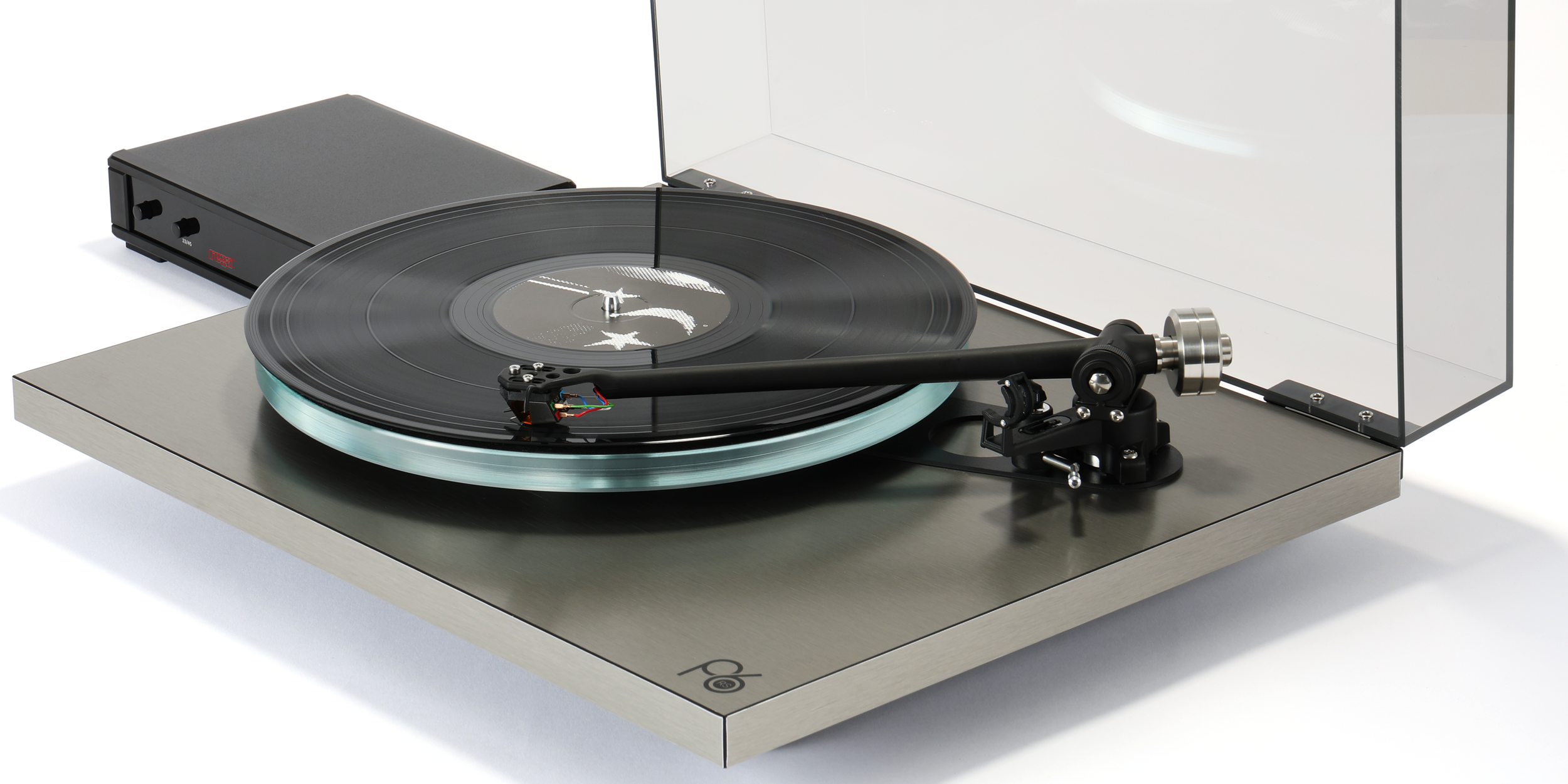
Before we talk about this fantastic cartridge’s spec and how good it sounds, let’s take a deep breath and dive into what the annealing process is — and, more importantly, what the guys at Dynavector have to say about this process and what it does for this marvel of a cartridge.

An exceptional vibration system is essential for a high-performance MC cartridge. We emphasise the critical role of the magnetic circuit. The cartridge’s output signal is intricately tied to the movement of the vibration system within the magnetic circuit, where electricity is generated as the coil vibrates amidst the magnetic flux. To ensure optimal output, it is imperative that the magnetic flux maintains high density and stability. We employ pure iron for our magnetic circuit due to its high magnetic permeability and exceptional stability, resulting in a distortion-free output. However, the processing of metal parts often distorts the crystal structure at the atomic level, leading to a loss of magnetic permeability.

Magnetic annealing is a process of heating and cooling processed parts. It is crucial for restoring the distorted metal crystal structure and regenerating magnetic permeability. However, a generic magnetic annealing cannot fully restore distortions in the crystal structure. The magnetic annealing conditions vary depending on the parts’ material, size, shape, etc. Our recent development focused on finding the best magnetic annealing process, including temperature, environment, duration, and heating and cooling rates. This meticulous approach has enabled us to unleash the full potential of pure iron’s unique magnetic performance.

The new magnetic circuit has significantly enhanced sound quality, delivering unrivalled resolution, smooth wide-range expression, and an expansive sound field. Experience the natural and dynamic sound of the Dynavector 20X2A cartridge, where an exceptional vibration system harmonises seamlessly with an optimised magnetic circuit.
— Dynavector

the annealing process

Let’s talk a little spec.

High output and low output models available.

The high-output model, 20X2A-H, achieves an output voltage of 2.8mV by using Dynavector’s legendary coil technology. A Micro-Ridge stylus is used for the stylus tip. Although the part that contacts the record groove has a minute radius curvature of only 2 microns, the band-like shape of the tip makes it resistant to abrasion and will provide ideal performance over a long period of time. By winding the coil many times with ultra-fine wire, the cartridge can obtain a high output equivalent to an MM cartridge, thus allowing the MC cartridge to be connected to a phono terminal for MM input without the need for a head amplifier or step-up transformer.

The low-output model, 20X2A-L, has a 0.3mV output voltage, using the same PCOCC wires as the higher-end models for the coil. The recommended load impedance of the head amplifier is 30Ω or more, making it compatible with most head amplifiers and MC step-up transformers.

Special annealing magnetic circuit

The magnetic circuit, which is the core of an MC cartridge, uses pure iron that has stable magnetic properties with minimal distortion. Furthermore, by performing special annealing that focuses on optimising the magnetic annealing process — such as temperature, environment, heating duration, and heating/cooling rates — we have succeeded in delivering expansive, resonant sound without distortion and with unrivalled resolution.

MC cartridge basic structure diagram

Neodymium magnets

The series employs patented softened magnets developed to reduce distortion and harsh, irritating, edgy sounds caused by rare earth magnets, while still achieving high output from powerful neodymium magnets. While taking advantage of the powerful magnetic force of neodymium magnets, the cartridge achieves a clear separation of sound.

close up 20x-2a

Hard pipe aluminium cantilever

The hollow hard aluminium pipe cantilever reduces the vibration system mass, achieving a wide bandwidth with clear high frequencies.

Micro-Ridge stylus

A Micro-Ridge stylus is used for the stylus tip. Although the part that contacts the record groove has a minute radius curvature of only 2 microns, the band-like shape of the tip makes it resistant to abrasion and provides ideal performance over a long period of time.

Specifications

  • Output Voltage: 2.8 mV / 0.3 mV (at 1kHz, 5cm/sec.)

  • Channel Separation: 25 dB (at 1kHz)

  • Channel Balance: 1.0 dB (at 1kHz)

  • Frequency Response: 20–20,000 Hz (±2dB)

  • Compliance: 12 mm/N

  • Tracking Force: 1.8–2.2 g

  • Impedance: 150 ohms / 5 ohms

  • Recommended Load Impedance: 1,000 ohms / >30 ohms

  • Cantilever: 6mm length hard aluminium pipe

  • Stylus Tip: Micro-Ridge nude diamond

  • Weight: 9.2 g

The Listening

But before I talk your ears off about how good the cartridge sounds — what records and tracks did I use?

  • Jerry Cantrell – Afterglow – “I Want Blood” (2024)

  • Living Colour – Love Rears Its Ugly HeadTime’s Up (1990)

  • Mr Big – “Green-Tinted Sixties Mind” – Lean Into It (1991)

Before I sat myself down to listen, I switched out my Dynavector 10X5 high-output cartridge for the new 20X2A low-output. Then I set up my Cyrus 40 PPA — which, by the way, this is the first time I’ve set this phono stage up for a low-output moving coil cartridge — which is really easy to do via Cyrus’s remote control. My settings on the phono stage, if you guys want to know, are as follows: 1000 Ohms loading, 55dB gain, 100pF channel balance, also with the warp function set to “on”.

cyrus 40ppa settings

Now I’m all set up — amplifier warm and coffee at the ready — let the listening begin. One thing to add: before I changed the cartridge out, I listened to each record with my 10X5 fitted so I could familiarise myself with how each track sounds, and so I could hear the difference between the two cartridges and how they perform sonically.

Okay, back to it. First up, of course, Jerry Cantrell’s track Afterglow. This track in itself is quite atmospheric and open in its performance. With the 20X2A, I had a greater sense of this — there was better placement of Jerry’s vocals, rhythm, and lead guitars, which were a lot less muddled — clean and precise (as much as distorted guitars can be).

The second track, I personally feel, is where this cartridge really stood out from the crowd — Living Colour’s Love Rears Its Ugly Head. Will Calhoun’s drums were nothing short of astounding; I really got the feeling of his drum kit in the room. Vernon Reid’s cleaner guitar on this track really stood out — usually he’s flying up and down the neck with his amplifier cranked, but this track is a little more bluesy, which I really got a sense of.

Last but not least, Mr Big’s Green-Tinted Sixties Mind. In comparison to my 10X5’s performance with this track, it was streets apart. Paul Gilbert’s guitar riff had more presence, and Billy Sheehan’s bass seemed to have more feeling — and dare I say it — more groove.

In Conclusion

I really feel that I was right to be excited about the Dynavector 20X2A. It really comes close to performing like their legendary Te Kaitora and is a huge improvement on its predecessor. I do feel it’s an endgame cartridge for me, and I highly recommend trying one out. But if you don’t want to stretch to the 20X2A, Dynavector have used the same annealed circuit in the new 10XA — which also sounds pretty phenomenal.

Thank you for taking the time to read my blog -

Matt Aaron - Audio T Cardiff

If you have any questions about the event featured in this article, or any other Hi-Fi or home cinema enquiries, be sure to Contact Us.

If you’ve enjoyed this, why not go ahead and read some more of our other blogs, and be sure to follow us on our social media channels below…


How much? Seriously? The Rega Carbon Pro Stylus Upgrade

Hoo boy! No brainer right here! Probably the most cost-effective upgrade you could ever make. If Carlsberg did Hi-Fi etc., etc...

Our hero. so much joy from such a little package..

Superlatives aside, we think this is a brilliant move from Rega. A company that built its formidable reputation on beer-budget hi-fi that squeezed every gram of performance from every penny spent has, in recent times, brought us some spectacular (if a little spendy) components. The outrageously good Naia turntable at £11k* (without a cartridge) and the soon-to-be-revealed Mercury and Solis pre/power combination, set to be circa 14k, may have had long-term Rega fans wondering about the direction the company is taking. Worry no more!

If you recall, the new Mk7 Brio amplifier (£799*) launched last March, and the new range of Nd Moving Magnet cartridges (starting at £175) launched in June, reassuring us that Rega hasn’t forgotten its roots. But what about customers just starting out with a Planar 1 or Planar 1 Plus?

The Planar 1 has long been viewed as a “fit-and-forget” turntable — a doddle to set up, simple, reliable, and sounding every bit of its £329*. But it’s still a product with limited scope for upgrade that isn’t half the cost of the deck itself. We didn’t really think much about it — but someone at Rega did.

As soon as the Carbon Pro Upgrade hit social media, we were fielding orders. We went through our initial drop in an afternoon (!) and half of the next (much larger) batch over the weekend. It was the same across the estate, as we all scrambled for stock to fulfil orders — we’ve rarely seen such demand. Happily, our stock levels have now stabilised, and we’ve plenty to go around.

took me ages to get that shot.

What is it and what does it do?

Simply put, it’s all to do with the shape of the stylus itself.

The standard stylus is conical and made from titanium. Looking rather like a chubby chocolate ice cream cone, it’s easy to manufacture, inexpensive, and does a decent enough job of reading the groove — sounding perfectly pleasant in the process.

There are, however, better alternatives. The Pro stylus is also made from titanium but shaped elliptically — rather like the part of a sailing yacht’s hull that sits below the waterline. This shape allows the stylus to run a little deeper into the groove, retrieving more detail and, crucially, reducing the contact area on the surface. That means less surface noise entering the cartridge.

180g vinyl. oooh: suits you sir.

The result? A blacker background, wider dynamic range, and more colour from instruments and voices than before. And it’s not subtle either — as the stylus hit the groove of our Peter Gabriel So album, the quieter backdrop was immediately obvious, as was the extra bite and shimmer in the opening blast of rasping brass and plunging basslines from that notorious floor-filler, Sledgehammer.

Grins all round at Chez Swansea then…

Simply put, if you have a Rega Planar 1, Planar 1 Plus, or Planar 2 with a Rega Carbon cartridge, this is unreservedly the most cost-effective upgrade you can make. You don’t need any tools, setup knowledge, or even a steady hand — it’s literally a plug-and-play swap. Just remove the old stylus, slide on the new Carbon Pro, and you’re done. The improvement is instant and obvious, even to casual listeners. You’ll hear a cleaner top end, tighter bass, and an overall sense of clarity and control that just wasn’t there before.

If a loved one has a Planar 1 or 2 at home that still has the pale grey stylus on it — buy them one of these. It’s the perfect stocking filler or birthday treat for anyone rediscovering vinyl or just starting out. For the cost of two albums, you’ll gift them their entire record collection again — every familiar track suddenly more detailed, more open, and just more alive. It’s the kind of upgrade that reminds you why you fell in love with vinyl in the first place. And honestly, it doesn’t get better than that.Thanks for reading.

Words by Adrian, images by Adrian and Rega (tea and biccies by Nic & Andy) – Audio T Swansea

If you have any questions about any of the equipment featured in this article, or any other Hi-Fi or home cinema enquiries, be sure to Contact Us.

If you’ve enjoyed this, why not go ahead and read some more of our other blogs—and be sure to follow us on our social media channels below…


*All prices, credit terms and interest rates quoted are correct at the time of going to press but may be subject to change. E&OE

Crossed wires – Making sense of cables and the difference they make to Hi-Fi

If there’s one topic that divides hi-fi enthusiasts, it’s the subject of how big a difference, if any, cables can make to our systems. In this blog, we will try to shed light on the technical attributes of cabling and offer advice on how and why to upgrade.

Siltech Master Crown speaker cables retail for around £70,000 for a 2m pair

There are two extremes in the cable debate. On one side, there are those in the cables-are-just-wires camp who believe that any half-decent length of copper will do, and all the rest is basically snake oil.

On the other, there are the cable connoisseurs for whom the more exotic a cable’s materials and construction methods, the better. And they may be right.

But the majority of us hi-fi mortals lie somewhere on a spectrum between those two points.

Certainly, most of us will not be looking at the top-of-the-range cables made by the likes of Nordost, Siltech, Audioquest or Chord, some of which cost tens of thousands of pounds.

And neither will we be looking to wire up the £10K system we’ve worked hard to build with some generic copper cable sold online for 50p a metre.

But how are we meant to judge how much to spend and what’s the ‘right’ cable for our system?

Some basics

To start, it might help to understand how a cable works – hopefully without this turning into a school physics lesson!

Every cable – whether interconnects, speaker or power cables – can be thought of as a single circuit with the following properties:

  • R (Resistance) – caused by conductor material and cross-section. A high-resistance cable will tend to reduce an amplifier’s control over the speakers, especially in the bass region, leading to softer or less defined low frequencies.

  • L (Inductance) – created by the cable geometry (i.e. the physical design of the cable) and spacing between conductors. High-inductance cables can cause a gentle roll-off in high frequencies. Twisted or parallel geometries reduce inductance, which helps preserve transient accuracy.

  • C (Capacitance) – determined by the dielectric (i.e. shielding) material and conductor proximity. Excessive capacitance in cables can cause high-frequency loss or even instability in some amplifiers.

Each of these influences the signal.

It might seem counterintuitive at first to think of a cable having ‘moving’ parts. But the signal in the cable interacts with and is affected by the materials that make up the cable, and not just the wire itself.

  • Conductor material: Copper is standard, but higher-purity or silver conductors can lower resistance and improve high-frequency detail.

  • Geometry: Twisted, braided, or solid-core designs reduce interference and manage impedance more effectively.

  • Shielding: Shielding type (braid, foil, or hybrid) helps mitigate radio frequency interference, which can raise the noise floor and lead to a loss of silence or space between notes.

  • Dielectric quality: The insulation around conductors affects capacitance, effectively interacting with the signal. Better materials can maintain signal integrity and timing.

Hi-fi cable manufacturers strive to balance these variables to produce cables that lower the noise floor in your system and allow as much of the music signal from each of your components to pass with minimum interference to the next.

Choosing cables

The first rule of buying cables is to accept that they cannot perform miracles. They will not change the innate performance limits of your system – the sound from a modest system will not suddenly be transformed into high-end by adding a pair of very good cables.

But, and it’s a big but, the right cables can help your system reach its full potential. Or, to put it another way, many of us are perhaps unwittingly handicapping our systems by using unsuitable cables.

Which makes it especially sweet when, by upgrading our cables – interconnects or speaker cable or power cables – we realise what our hi-fi systems, whether entry-level or high-end, are truly capable of.

We are fortunate in the Portsmouth shop in having a variety of cables we can swap in and out of systems, and anyone who tells you all cables are made the same and make no audible difference in a system have probably not taken the time to make the number of comparisons we have.

The next thing to consider is matching the quality of your cables to your system through some common-sense price matching. It would make little sense to run a £3,000 pair of RCA interconnects between a £600 CD player and a £600 amp. Or, conversely, using £5-per-metre speaker cable in a £50,000 system.

In terms of total spend, the old rule of thumb was to allocate 10 per cent of the total cost of your hi-fi components to cabling. It’s not a bad rule, but you may get better results if you think of your cables as another component.

So, for example, if your amp, CD player and speakers cost £1,000 each, then consider spending around £1,000 on your cabling – before you panic, that’s not per cable but in total on all of your cabling, e.g. interconnects, digital cables, speaker cables and power leads.

Of course, if you say to a non-hi-fi person that you spent £1,000 on some cables, they will think you’ve totally lost the plot. But if you treat your cables as another component, then you stand a good chance of matching the quality of your cables to your system.

Think of it this way: we wouldn’t buy a £3,000 pair of speakers to stick on the end of a £500 amp. You would most likely get sound, but it would be a waste of the speakers’ potential. The same holds with cabling.

Once you’ve accepted that your system deserves decent cabling, and the cost that comes with it, then there is matching the sonic characteristics of a cable with the sound signature of your system.

If you like a brighter, more forward sound and you feel your existing system could do with a bit more sparkle, then consider silver-plated copper cables.

And high-quality insulation, such as the Taylon material used by Chord Company in some of its cables, will give you a more open and detailed sound.

silver-plated and taylon covered Chordmusic Phono cables

Or, if your system is a little forward, try a good quality, high purity OFC (Oxygen-Free Copper) cable and steer away from silver.

To XLR or not XLR

That’s a question we get asked a fair amount.

An XLR cable is a balanced cable, which means that it carries two signal cables and a ground conductor. One of the signal cables carries an in-phase signal, the other an equal and opposite out-of-phase signal. These cancel each other out, meaning a balanced and clean signal at the other end.

naim Signal interconnect 2XLR to 4 pin din

They are especially useful for long cable runs and are used in professional settings because the in- and out-of-phase signals are always balanced, no matter how far along the cable they must travel. An unbalanced cable may lose phase integrity over long runs.

But, for all practical purposes, with the very short interconnects used in most home settings, there is likely to be little, if any, audible advantage in using balanced. You may even find you get better sound buying shorter runs of the best unbalanced interconnects you can afford.

The bottom line

Upgrading cables is not about adding colouration to your system. It’s about removing distortion that obscures the signals from your system.

Good cables should preserve the timing, dynamics and harmonic integrity from source to loudspeaker. They should let you hear what your system is truly capable of, free from as much distortion and interference as possible.

Sometimes the difference a cable makes can be fairly dramatic; other times it is more subtle. But as every hi-fi enthusiast knows, the small improvements are worth the effort.

Thanks for reading,

Alan - Audio T Portsmouth


Check out Audio T’s range of cables online and give us a call on 0239 266 3604 or email at portsmouth@audio-t.co.uk, or simply drop into the Portsmouth shop.

Not local to Portsmouth? You can find your nearest Audio T store here.

If you’ve enjoyed this, why not go ahead and read some more of our other blogs, and be sure to follow us on our social media channels below…

Revisiting the Rega io Amplifier – Small Amp, Big Sound

This little beauty from Rega Research has been around for five years now (zoinks… where did that go!). In that time, it’s quietly become a bit of a legend here at Audio T Cheltenham — our go-to budget friendly amplifier and quite possibly the single item we sell the most of. The Rega io has earned a reputation for doing what Rega do best: delivering genuine hi-fi performance without breaking the bank. It’s simple, musical, and built with the same care and attention to detail as their more expensive models. Time for a re-visit, just to remind everyone why this unassuming little amp continues to win so many hearts (and ears)!

what’s in the box?

Distinguished History

Rega have been going since 1973 and have a long and distinguished history of making quality hi-fi products at affordable prices. The io is their current entry-level amplifier, and though it is small, it packs a punch from way above its weight.

from the front

The Best Things Come In Small Packages

The io uses the same power amplifier and phono stage as its larger brother, the multi-award-winning Brio. The io delivers exceptional sound quality in a smaller and more cost-effective package. Its Class A/B circuit shares its DNA with the rest of Rega’s amplifiers, and as usual, great care has been taken in component selection.

that’s a lot of high quality amplifier for the money

Sanken output transistors, an Alps volume potentiometer, and a linear power supply deliver an impressive output of 30 watts per channel into 8 Ω.

around the back

No Degradation Here

Two line-level inputs and a high-quality moving magnet phono input are available as sources on the rear. There is also a great-sounding headphone output provided on the front of the amp for powering standard hi-fi headphones; this is driven from the power amplifier stage of the unit through relays to avoid signal degradation when headphones are inserted or the product is muted. I also adore the fact that the amp will not self-power down after it thinks you have gone out!

A specifically redesigned mini remote handset is included.

A Great Entry Level System

We tend to match the io amp up with Rega’s own Planar 1 turntable and the stonkingly good Acoustic Energy AE100² loudspeakers to make an entry-level system the envy of many other manufacturers. This wonderful little system has to be heard to be believed.

the best entry level system there is!

A Tactile Joy

The sound that this combination can deliver is truly amazing. I have not heard a better system for the money. The Rega Planar 1 turntable has the ability to get so much detail from the record grooves you would not believe. It is solidly built, easy as pie to set up, and a tactile joy to use. Sending the signal to the Rega io amp gives it all the impetus it needs to let the Acoustic Energy AE100² create a huge soundstage with a crystal-clear top end, gorgeous midrange, and a bass quality that truly belies their size. Whatever your choice of music, you can rest assured that it will sound dazzling!

Shrunken Elvis

psychedelic artwork by max kinghorn-mills

Just to make sure that things were working just as they should be, I thought I would test out the system with the new Shrunken Elvis LP, and I was not to be disappointed. This album is a crazy, beautiful mashup of Kosmische Krautrocky dreaminess mixed with a large spoonful of 1970s ECM Pat Metheny-ness. Into this mix, they have majestically melded Spencer Cullum’s angelic pedal steel guitar.

On top of that, I will add that the album is wonderfully produced and recorded, and when played on the aforementioned system, it sounded just as though the speakers had disappeared and the music was dancing in the air in front of me. One of those goosebump moments. The pressing is perfect too, with not even a single click or pop on either side. Fave track? Probably “Marina Pt2”, but trust me, they are all lovely.

Thanks for reading. If I have whetted your appetite and you’d like to book your own demo, please don’t hesitate to get in touch with us.

Andy, Jon and Farid - Audio T Cheltenham.

If you have any questions about the event featured in this article, or any other Hi-Fi or home cinema enquiries, be sure to Contact Us.

If you’ve enjoyed this, why not go ahead and read some more of our other blogs, and be sure to follow us on our social media channels below…


Can versus Can: The Bowers & Wilkins Px7 S3 Vs Px8 S2

Can you believe it’s time for another Audio T Southampton blog? This month, I’ve got a treat — I’m diving into a question we get asked all the time: “What’s the difference between the new Bowers & Wilkins headphones?” With several models now in the lineup, it’s easy to wonder which one is right for you. So, I decided to put them head-to-head, testing comfort, sound quality, features, and real-world usability to see how they stack up — and which pair might best suit your listening style.

B&W Px7 S3 (left) & Px8 S2 (right)

Overview

Headphones are a fascinating way to experience music, delivering sound directly to your ears instead of relying on speakers to fill a room - yet the best ones can still create an immersive, room-scale atmosphere that rivals a hi-fi or AV system.

I started this session with no strong expectations. I’d owned and reviewed the Bowers & Wilkins Px7 S2e, so I knew what the Px7 S3 would be measured against. I’ve always held the S2e in high regard (especially for its price). But how much further could Bowers & Wilkins push things? And more importantly — does the Px8 S2 justify its higher premium? Let’s get into the details.

the px7 s3 in canvas white look cool (pardon the pun)

Bowers & Wilkins Px7 S3

Design & Comfort Upgrades

From the outset, the B&W Px7 S3 impresses. B&W has slimmed down the profile slightly and refined the finishes to make the headphones feel more premium. According to B&W, they’re about 10 grams lighter than the previous version, and the memory foam padding in both the earcups and headband has been upgraded to a more responsive, luxurious feel. The headband and sliding arms have also been reworked, improving robustness and smoothness of adjustment.

Fit-wise, the clamp is still on the moderate-to-firm side, but the softer padding helps. I found them comfortable for extended sessions, though those with a large head size might want to try them in-store first.


Technical Specs & Features

Here’s what’s under the hood:

  • Drivers: Dual 40 mm bio-cellulose full-range dynamic drivers

  • Signal Path & DSP: Dedicated DSP and amplifier/DAC chains, enabling “True 24-bit” audio over USB/Bluetooth

  • Bluetooth & Codec Support: Bluetooth 5.3 with aptX Lossless, aptX Adaptive, aptX Classic, aptX HD, AAC, SBC

  • Noise Cancelling / Ambient Modes: Hybrid active noise cancelling with ambient (pass-through) mode and an updated wear-sensing system (auto-pause when lifted)

  • Battery & Charging: Up to 30 hours of playback with ANC on. A 15-minute fast charge gives around 7 hours of listening time.

  • Controls & App: Physical tactile buttons on the earcups and full control via the B&W Music app, including EQ (5-band), wear sensor settings, and transparency mode customisation.


Sound Character & My Impressions

From my listening sessions, the Px7 S3 maintains a lively, engaging character. Bass is punchy and satisfying without overpowering the mix. Mids (vocals, guitars, etc.) stand out cleanly, and highs remain controlled and non-fatiguing, even on finer details. The 5-band EQ gives you room to tweak, but I preferred the factory tuning for most tracks.

When I played Put Me To Work by Big Data, the bass hits were tight, the rhythm locked in well, and the synth layers had space and clarity. Moving on to tracks like Fake Plastic Trees (Radiohead), Girl With Golden Eyes (Sixx:A.M.), and Kiss in Blue (Yello), the Px7 S3 stayed composed and expressive.

The improved ANC is noticeable — it handles ambient noise (air conditioning hums, distant chatter) effectively without being overbearing, though in very noisy environments it can’t completely block everything. It’s a fair trade-off to preserve musical integrity.

Bowers & Wilkins Px8 S2

Design, Build & Comfort

The B&W Px8 S2 aims even higher. B&W describes it as their most “considered and comfortable” over-ear design yet, with a slimmer profile than the original Px8 and finishes in Nappa leather with die-cast aluminium arms. The exposed, nylon-sheathed cable detailing is a stylish touch, and though the cushions are the same cup size as the Px7 S3, in practice they feel a little roomier thanks to improved isolation and shell design. With a listed weight of around 310 g, they’re still comfortable for multi-hour listening sessions.

The px8 s2 in onyx black are simple yet elegant


Technical Specs & Features

Here’s a deeper look at what makes the Px8 S2 tick:

  • Drivers: 40 mm carbon-cone custom drivers — a step above the bio-cellulose units in the Px7 S3

  • DSP & Signal Chain: 24-bit DSP processing, discrete amplification, and refined signal path tailoring to extract greater detail from the drivers

  • Bluetooth & Codec Support: Bluetooth with aptX Adaptive, aptX Lossless, and high-resolution audio — supporting up to 24-bit / 96 kHz over Bluetooth

  • Noise Cancelling / Mic Array: 8-microphone setup — 2 for measuring driver output, 4 for ambient cancellation, and 2 for calls — providing refined control over ANC and voice clarity

  • Battery & Charging: Also rated for 30 hours with ANC on. A quick 15-minute charge yields around 7 hours of playback

  • Wired / USB Modes: Supports USB-C audio for wired high-resolution playback, plus a 3.5 mm jack fallback


Sound Character & My Impressions

Putting on Kiss in Blue, I was immediately struck by how much richer and more authoritative the bass felt compared to the Px7 S3. The mids were lush and transparent, while the highs had sparkle without harshness. The soundstage felt wider and more three-dimensional — instruments and vocals felt naturally placed in space rather than simply layered.

When I listened to Dvaledraumar (Wardruna), Fear Is Not My Guide (Demon Hunter), and Fell on Black Days (Soundgarden), I noticed more detail in reverb tails, more control in dynamic crescendos, and a fuller sense of ambience. With Dvaledraumar in particular, it felt like I was in the track itself, surrounded by the music. The Px8 S2 seemed to breathe more freely, painting a larger sonic canvas.

On technical measurements, reviews indicate that the Px8 S2 maintain lower distortion at sub-bass frequencies (below ~50 Hz) compared to comparable models, giving cleaner slam and better extension.

The ANC on the Px8 S2 is robust but, interestingly, slightly gentler than some of the most aggressive rivals — seemingly intentional, to avoid compromising sound quality. Reviewers often praise how the music remains largely unaffected with ANC engaged.

Call clarity is solid and reliable, though not class-leading — perfectly fine for everyday use.

Verdict – Which One to Choose?

Now that we’ve explored the specs and sound differences in detail, here’s where I land — and what I’d recommend depending on your priorities.

Px7 S3 Pros & Trade-offs

Pros:

  • Excellent value — performance that punches above many in its price range

  • Lighter build and improved comfort over the S2e

  • Strong codec support and DSP architecture

  • Versatile connectivity via USB-C and Bluetooth

  • Effective ANC for everyday use

  • Easier on the wallet compared to flagship options

Trade-offs:

  • While powerful, the sound isn’t quite as expansive or ultra-refined as the Px8 S2

  • ANC is good but not class-leading

  • Premium finish, though not at flagship luxury levels

Px8 S2 Pros & Trade-offs

Pros:

  • Stronger driver design (carbon-cone) for greater authority, clarity, and resolution

  • Spacious soundstage, richer tonality, and more composure at dynamic extremes

  • Full support for wired hi-res playback and Bluetooth hi-res

  • Premium materials and refined design give a true “flagship” feel

  • Robust noise cancellation with advanced mic array

Trade-offs:

  • Significantly higher price — the improvement is justified if you want to stretch to it

  • ANC is excellent but intentionally balanced, not overpowering

  • The difference over the Px7 S3 is noticeable mainly in side-by-side listening with high-quality sources

My Take

If your budget allows, the Px8 S2 is clearly the top tier — if you care deeply about that final layer of musical richness, resolution, and scale, it delivers.

The Px7 S3 hits a sweet spot: it’s technically sophisticated, musical, and offers tremendous value for the price. For most listeners, it’s a best buy.

My personal verdict remains: the Px8 S2 are the “ultimate” choice if you want to invest, but the Px7 S3 are still outstanding performers and represent brilliant value for money. Either way, visiting one of our stores and listening for yourself is the best way to decide which pair suits you best.

Thanks for reading,

Tiago - Audio T Southampton

If you have any questions about any of the equipment featured in this article, or any other hi-fi or home cinema enquiries, be sure to Contact Us

If you’ve enjoyed this, why not go ahead and read some more of our other blogs, and be sure to follow us on our social media channels below…


REL Classic 98 vs REL T/9x: Two Very Different Subwoofer Alternatives

At Audio T Swindon, we’ve been fortunate to experience two of REL’s most talked-about subwoofers side by side — the Classic 98 and the T/9x. On paper they may seem similar, but in reality, they represent two very different approaches to bass reproduction. One looks back to REL’s heritage, inspired by the legendary Strata III of the late 1990s, while the other showcases everything the brand has learned since. In this comparison, we explore how these two models differ in design, technology, and sound — and which one might be the best fit for your system.

REL: A Legacy of Innovation

From its inception, REL Acoustics has been driven by a singular purpose: to deliver uncompromised audio excellence. Founded by Richard Edmund Lord (the "R-E-L" of REL), the company’s journey began with dissatisfaction. Richard, a huge fan of classical organ music, found that no loudspeaker available could reach low enough to reproduce the deepest organ pipes. Frustrated by the subwoofer offerings of the day, he decided to build his own. What began as a custom-built design integrated into a bay window in his home quickly became a phenomenon.

Richard’s first groundbreaking contribution — the High-Level Input — revolutionised the industry. Unlike conventional subwoofers that rely on preamp signals, REL’s High-Level Input connects directly to the main amplifier’s speaker outputs. This ensures that REL subwoofers blend seamlessly with loudspeakers, delivering a sound as cohesive and natural as the original recording. This innovation became the cornerstone of REL’s legacy and remains a defining feature today.

Another major breakthrough followed soon after: the addition of a dedicated .1/LFE input with its own gain control. This allowed a single subwoofer to handle both music and home cinema without manual adjustments — an elegant, forward-thinking solution that perfectly embodied REL’s engineering ethos.

REL Strata 3

REL has always focused on how an entire system integrates, not just the bass. Early models such as the Strata 3 and Stadium set the stage for REL’s reputation, offering solutions that were both musical and technically innovative.

The R-Series, introduced in 2005, embraced modern Class D amplification. Compact yet powerful, these designs paired beautifully with piano black lacquer finishes, showcasing REL’s ability to combine performance with style. This range laid the groundwork for today’s Serie S.

In the early 2000s, the Britannia Series introduced forward-firing designs, while the T-Series (launched in 2007) brought in a cube-style cabinet, simplified crossovers, and refined aesthetics — the blueprint for the current Serie T/x.

Between 2015 and 2020, innovations such as PerfectFilter™ and LimitLess™ limiters gave REL unprecedented control and precision, allowing their subwoofers to deliver powerful, deep bass without losing speed or definition. REL’s ongoing refinements — including reducing driver moving mass by 20% — have resulted in even faster and more dynamic performance, ensuring every nuance of music or film is faithfully reproduced.

The REL Classic 98

The early REL models — Strata, Stadium, and Stentor — introduced the brand to the world, but the Strata III (1998) was the product that truly put REL on the map. The latest Classic No. 98 is an homage to that legendary design, updated for today’s systems.

Rel T9X and Classic 98

The original REL concept was a sealed enclosure with a low-power Class A/B amplifier driving a long-throw bass driver. Where many subwoofers use ports to extend low frequencies, Richard’s idea was to use a large, sealed cabinet for cleaner, more controlled bass. Both the Strata III and Classic 98 use a 250mm driver. Back in 1998, that was a VIFA unit. REL could have repurposed the driver from its T/9x, but instead designed and built a bespoke paper driver specifically for the Classic 98.

top views

In the late 20th century, using a low-power Class A/B design was more of a necessity than a choice — powerful Class D amps weren’t yet viable. Building several hundred watts of Class A/B power into a Strata III would have been extremely heavy, expensive, and hot-running. However, by 2023, REL had perfected its Class D technology and equipped the Classic 98 with a new 300W amplifier, providing ample power without the need for external heat sinks that would spoil its retro design.

Aesthetically, REL returned to its roots. After years of black and white finishes, the Classic 98 revives the deep matte walnut veneer and rounded edges that defined its heritage. The polished REL badge on the top plate and square feet subtly distinguish it from the original, while the rear panel remains faithful in spirit. It’s a superb fusion of past and present — modern engineering wrapped in timeless style.

rear views

Early REL subs were a revelation for music lovers wanting to add depth and warmth to their systems, though by modern standards they weren’t the deepest or most neutral. The Classic 98 successfully bridges that gap — retaining some of the original warmth, but with the speed and precision of modern designs.

There’s still a hint of that classic REL warmth: a touch of richness that gives the midrange more presence. However, the Classic 98 sounds more direct and extended than its 1990s ancestor.

More speed!

The Classic 98 delivers the speed expected from modern REL subwoofers. Its paper cone driver moves air quickly and cleanly — far faster than its predecessors. It’s less warm than the originals but still fuller and more characterful than the T/x range.

The warmth of older REL designs often came from limited cabinet control. The Strata III used an unbraced enclosure with light wadding and as much grip on the driver as the amplifier could muster. The Classic 98 retains an unbraced cabinet but adds thicker wadding, a more dynamic driver, and far more power, resulting in a tighter, deeper, and faster sound — with just a trace of that vintage smoothness.

Bass reinforcement follows REL’s long-standing principle: underpinning the entire system rather than overwhelming it. This allows the midrange and treble of the main loudspeakers to shine through naturally.

While the Classic 98 can certainly deliver bass impact, that’s not its primary goal. Like the Strata III, it’s about musical integration and natural reinforcement — and that’s what makes it such a joy to listen to.

Classic 98 driver

REL T/9x: Modern Power and Precision

T9x showing active and passive drivers

The T/9x sits at the top of REL’s T-Series and could be considered the company’s best-value all-rounder. It’s capable of filling larger rooms and delivers deep, fast, and agile bass.

While the Classic 98 exudes vintage charm, the T/9x represents REL’s modern engineering at its finest. Available in black, white, and grey (with optional bright colours in the T/9x SE for an additional £150*), it’s as stylish as it is capable.

Despite a similar price to the Classic 98, the T/9x is a very different beast. Its 300W amplifier is a Class A/B design, not Class D. The Classic 98 uses a single 10-inch down-firing paper cone, while the T/9x features a pair of 10-inch drivers — a forward-firing fibre alloy driver and a downward-firing passive radiator. Both models have similar overall cabinet volume.

The Classic 98 offers softer, warmer bass; the T/9x excels in speed, clarity, and soundstaging. Both are rated down to 27Hz, but in real-world performance, the T/9x likely digs a little deeper.

T9x back panel

Conclusion: Which REL is Right for You?

The Classic 98 is ideal where space or style is a consideration — its smaller footprint and walnut finish make it perfect for vintage systems or retro-inspired rooms. Its smoother, warmer presentation suits music lovers seeking natural integration rather than sheer impact.

The T/9x, on the other hand, offers greater speed, precision, and scale. If you prefer a more modern look and your room allows for it, the T/9x is the one to go for.

Thanks for reading, and we look forward to welcoming you soon.

Jon and Andy - Audio T Swindon

If you have any questions about any of the equipment featured in this article, or any other Hi-Fi or home cinema enquiries, be sure to contact us.

If you’ve enjoyed this, why not go ahead and read some more of our other blogs, and be sure to follow us on our social media channels below…


Stylus Switch-Ups – Rishi at Audio T Reading Experiments with Interchangeable Styli

If, like us at Audio T, you are deep into all things music and hi-fi and have an incessant urge to connect to your tunes just that little bit more, there’s a good chance that the upgrade bug has bitten you a number of times. If you’re also into spinning vinyl, maybe you’ve looked at making improvements to your turntable setup – perhaps a cable upgrade, or say exchanging your felt mat for a cork one, or maybe you’ve even thought about jacking your whole turntable up onto an isolation plinth? But what if you currently own a moving magnet (MM) cartridge with an interchangeable stylus? Have you ever wondered if there is scope to wring out some extra performance there?

Amongst those who may not have explored or tried to swap out their stylus, there might be some scepticism as to how much difference this change can make. It would be a perfectly reasonable reservation – I mean, after all, look at the size of the actual needle. With my glasses off, I’m not always able to see the stylus. But then again, I might struggle to see the whole turntable with my dodgy eyes! Self-mocking aside, changing out something so minuscule surely cannot amount to a difference of any meaningful note? I’m typically up for a challenge though, and recently I’ve been experimenting with exchanging styli on a couple of different cartridges to see if there is any mileage in it. One of these styli is a new entry to the charts, so if (like me) you’re a ‘diamond’ geezer (someone who likes record player needles) please do keep reading…


REGA RELOAD – CARBON STYLUS VS NEW CARBON PRO

Ah, the humble Rega Carbon – this cartridge and stylus combo has been around for over a decade, and it’s considered by Rega as not only of the required spec to mount to their entry-level Rega Planar 1 turntable, but also good enough to proudly perform on their next-model-up Planar 2. Is the Carbon among the best tracking styli available? Well, courtesy of its modest conical stylus profile, not really. Perhaps the Carbon is up there when it comes to retrieving oodles of detail from the grooves of your records? Erm, not so much either. What the Carbon is good at, though, is being impressively balanced throughout its frequency range, as well as sounding tonally very believable for a budget needle.

However, new on the scene as of now (autumn 2025) is Rega’s Carbon Pro Stylus – the very first Rega upgrade pathway for owners of the standard Carbon cartridge. But is swapping over to this Carbon Pro worth it at the current price of £35*? From my initial tests, yes, I think it is. Whether you’re a Carbon cartridge owner courtesy of a Planar 1, a Planar 2, or perhaps rocking a Carbon on a similarly appointed deck, the Carbon Pro stylus sounds comfortably more dynamic, airier, and that bit clearer when compared to the stock Carbon.

How is this so? It’s just a teensy needle change, right? Well, it’s almost entirely because the elliptical shape of the Carbon Pro’s needle is contacting more of the record groove than the Carbon’s rounded stylus is capable of. Not even Superman with a vitamin A jab would be able to see just how tiny that extra contact is. But it’s worth mentioning that the musical signal formed by that needle contact as it makes its way through the record groove, is being amplified by at least a thousand times before it reaches the speakers. That tiny delta of contact matters – it’s one of those rare occasions when doing very little amounts to a lot!


ORTOFON OVERHAUL – 2M BRONZE STYLUS VS 2M BLACK

An Ortofon 2M stylus-based comparison is one of those that feels like it’s been done more than any other in the hi-fi universe – the 2M Red vs the 2M Blue… the 2M Bronze vs the 2M Black – but it could well be because the experiment is so much fun. Here, I went with the Bronze vs the Black. I’ve owned a 2M Bronze cartridge and stylus for many years, so have gotten very accustomed to its sonic presentation. Changing it out not only gave me a chance to enjoy and learn about the virtues of the 2M Black, but it also helped me to understand my own 2M Bronze that little bit more.

To my ears, there was certainly a higher level of detail retrieval on offer from the 2M Black, but it didn’t come across in a forensic way. If anything, the 2M Bronze sounded just that bit more analytical by comparison, although I’m very keen to point out that I wouldn’t label the 2M Bronze as analytical when listening to it in isolation. I thought the 2M Black made my music sound bolder, more dramatic and atmospheric, and perhaps not quite as lit up in the upper frequencies as the 2M Bronze. For me, the 2M Black has some character and colour, with basslines coming across with more mass and authority. In contrast, the bass from the 2M Bronze presented with more tautness and definition. If anything, I could associate the 2M Bronze with a more ‘reference’ type of sound, despite the 2M Black being the one that is marketed as such... how interesting.

If you’ve already got a 2M Bronze (or even 2MR Bronze) cartridge, is it worth switching out the 2M Bronze stylus for a 2M Black one? Well, the decision will likely hinge on how you like your music presented to you, and it may depend on what turntable you have and how it inherently offers up its own sonic signature. To my mind, rather than the 2M Black being outright better than the 2M Bronze, both styli imbue the music with a different flavour, with each having its own merits. It’s worth knowing that both the 2M Bronze and 2M Black have high-performance stylus profiles, Nude Fine Line and Nude Shibata respectively. Both will make excellent contact with your vinyl, and both will track the tighter inner grooves of your records without contributing much in the way of distortion. Both styli will also track deeper in the record, therefore bypassing most of the surface noise if any is present.


OUTRO – STICK OR SWAP

These stylus ‘swapsies’ are something that I’ve experimented with before on other cartridges, for example with the VM95 range from Audio Technica, and to quite astonishing effect when moving from an Audio Note IQ1 stylus to the sensational IQ3. This one really has to be heard…

To offer some concluding thoughts, a big takeaway here is that changing out something as negligible as a stylus on a cartridge can make a remarkable difference to the sonic output of your turntable, which consequently can have a positive impact on your musical enjoyment. While going for a cheaper replacement stylus (those typically found with a conical or elliptical profile) can save money in the short term, it may be worth considering a ‘line-contact’ (i.e. microlinear, microline, Shibata, etc.) type of replacement stylus – these particular styli have the ability to track the record much better, while having a longer expected lifespan than conical or elliptical types.

In addition, line-contact styli tend to distribute pressure more evenly on your vinyl, leading to reduced record wear. If you would like to know more about changing out your stylus, or if you would like to hear the difference it can make, please do get in touch with us. We’d be happy to help, needle-less to say.

Thank you for reading

Rishi - Audio T Reading

If you have any questions about any of the equipment featured in this article, or any other Hi-Fi or home cinema enquiries, be sure to Contact Us.

If you’ve enjoyed this, why not go ahead and read more of our other blogs, and be sure to follow us on our social media channels below…


Rega can be found at the following Audio T stores

Ortofon can be found at the following Audio T stores

Audio Technica can be found at the following Audio T stores

Audio Note can be found at the following Audio T stores


*All prices, credit terms and interest rates quoted are correct at the time of going to press but may be subject to change. E&OE

The new Quad 3 integrated amplifier - we're all four it!

Hello all, and welcome to the October blog from Audio T Brighton! Quad has been making a name for itself for decades, with many of its amplifiers and speakers being inducted into the “Audiophile Hall of Fame”. Bringing things up to date, following on from their recent pre/power products, Quad 33/303, they have introduced the Quad 3 integrated amplifier. As with many product releases, the Quad 3 is a retro-styled and well specified piece of kit, so let’s have a look and a listen to see what it has to offer.

Quad 3 retro integrated amplifier . . . .

Quad Electronics is a brand that goes back for decades - their Quad ESL63 electrostatic loudspeakers and Quad 33 pre/303 power amp are legendary in the hifi world, just to name a few.  Their British heritage has more recently been acquired by the IAG audio group, and to be fair, they have worked hard to maintain the Quad name, releasing modern products that pay homage to the styling and sound qualities of yore.  As can be seen in the picture above, the traditional orange accents of Quad equipment have been kept, and one has to say, there is a certain old-school, nostalgic charm whenever I see them, but beauty is in the eye of the beholder, so your mileage may vary.

Quad 3 - features and functionality . . . .

rear of the quad 3 integrated

Starting at the rear and working our way forward, the Quad 3 amplifier is endowed with the usual amplifier features plus some additional functionality:  3 analogue inputs, including a MM phono stage for turntables, an analogue pre-amp out for adding an external power amplifier; 1 x Bluetooth aerial for wireless connectivity; 4 digital inputs, including 1 x USB, 1 x co-ax, 1 x optical and 1 x HDMI eArc to utilise it’s inbuilt DAC functions; 2 x 12V trigger input/output for remote control across different manufacturers.  The HDMI ARC functionality is becoming more popular these days, with one-box integration with TV replay in mind being a nice touch.

Adding DAC functionality and digital inputs to integrated amplifiers seems to be all the rage at the moment, and Quad have followed suit in this regard.  The DAC section is armed with a fairly up-to-date ESS9038Q2M 32-bit DAC chip, handling up to DSD512, 768kHz via the USB input and up to 24-bit, 192kHz via co-ax and optical inputs.

The amplifier section offers 65W into 8ohms and 100W into 4ohms and should drive most modern speakers comfortably. Our shop speaker selection, as you will read later, were all driven comfortably by the Quad 3 integrated.

An unusual and unique feature that may “tilt” your buying decision in favour of the Quad 3 integrated, is the tilt tone control feature.  Standard tone controls are available for bass and treble if desired, but the tilt feature is one that is a hangover from earlier Quad products and not one that has caught on with other manufacturers.

Altering the tilt control has a unique frequency response effect whereby the tilt control pivots around a central frequency, typically around 700Hz. Frequencies around this point remain relatively unchanged.  When you adjust the tilt control, you're essentially "tilting" the frequency response curve.  Turning the control in one direction increases the treble frequencies while simultaneously decreasing the bass frequencies. This makes the sound brighter and leaner.  Turning it in the opposite direction increases the bass frequencies while simultaneously decreasing the treble frequencies. This makes the sound warmer and fuller.  Another thing to mention is that these adjustments are all relatively subtle, making poor sounding recordings easier to tame, and in our experience, works better than the usual tone control implementation, which we are generally keen to avoid using because it is often detrimental to sound quality.

Finally, the ubiquitous remote control is also included, so it can join the army of remote controls you have filling your drawer in the lounge cabinet - the one saving grace is that one should at least be able to single it out more easily because of the orange accent buttons that nicely match the Quad 3’s illuminated front panel.

quad 3 integrated amp and matching remote

So how does the Quad 3 sound?

quad 3 integrated and wharfedale linton speakers

We have tried the Quad 3 integrated amplifier in various combinations here at Audio T in Brighton, and in all cases, the performance was nothing short of excellent!

Under the IAG distributor umbrella, we’d recommend the Quad 3 with the Wharfedale Linton or Wharfedale Super Linton speakers, but it also sounded very good with our Proac Response DB1’s, with the DAC section sounding clean and detailed, very much in line with how we are getting used to with the ESS chipsets.  A better quality streamer/DAC, Naim’s ND5XS2, or Audiolab’s 9000N, played through one of the analogue inputs, did provide the expected improvement in sound quality but given this unit is around double the price of the Quad 3 alone, the Quad’s internal ESS DAC stage held up very well.

The Quad 3 MM phono stage is a nice addition and didn’t disgrace itself in the company of our in-house Rega Planar 3 with Rega ND3 MM cartridge.

Retro with a modern twist . . . .

inside of a quad 3 integrated

We’re always excited when new products arrive on the scene here at Audio T in Brighton, and we’ve been delighted with both the looks, construction, and sound of the Quad 3 integrated amplifier - it certainly stands out from the crowd, offers good value, and comes recommended from us.

As always, the proof of the pudding is in the eating — so get in touch to book a demonstration and hear for yourself.

Thanks for reading.

Ade, John, Paul, Kevin & Jake - Audio T Brighton

If you’ve enjoyed this, why not go ahead and read some more of our other blogs, and be sure to follow us on our social media channels below…

Quad can be found at the following Audio T stores

Wharfedale can be found at the following Audio T stores

Audiolab can be found at the following Audio T stores

Rega can be found at the following Audio T stores

ProAc can be found at the following Audio T stores